
Chamber of Ahmad al-Mansur
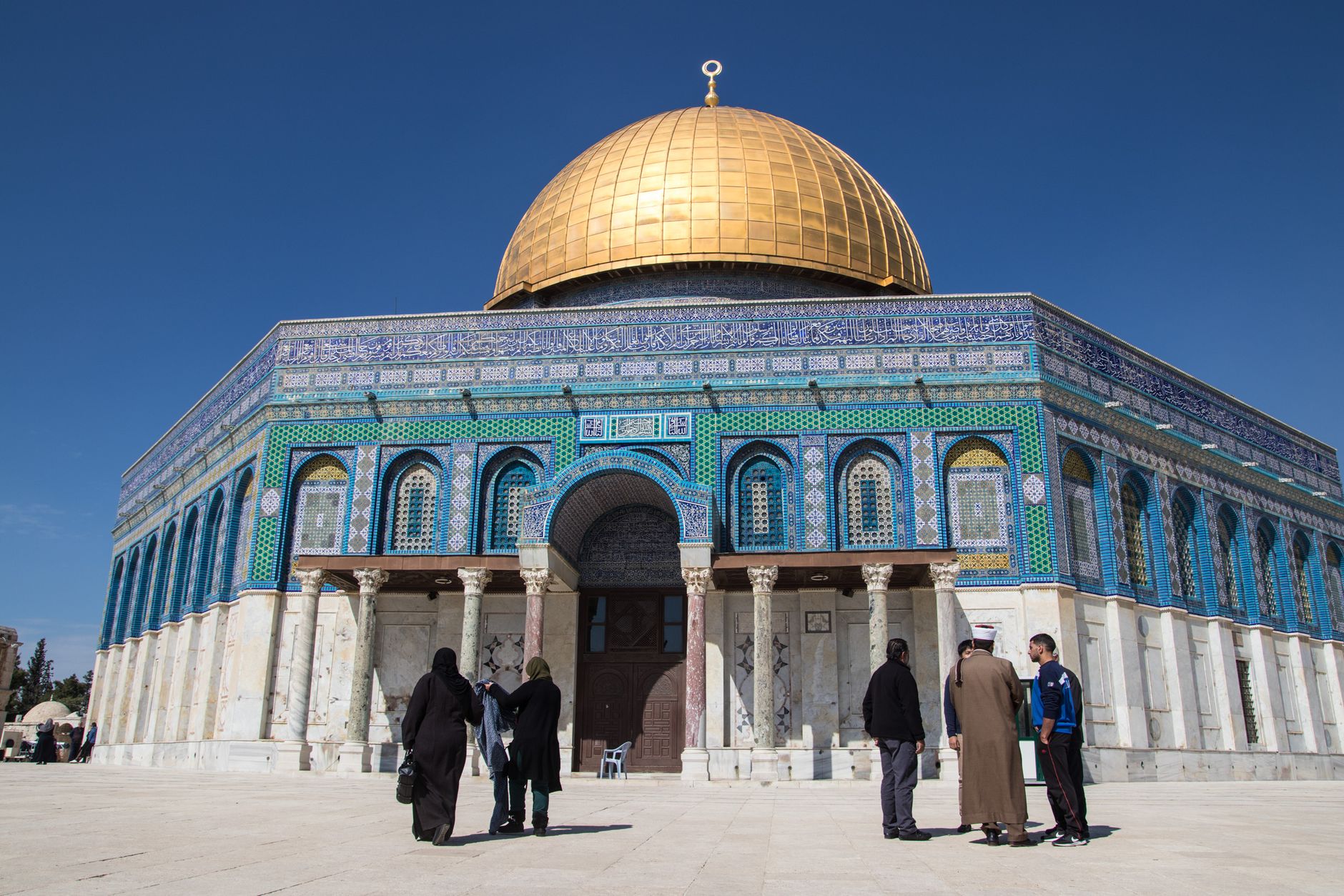
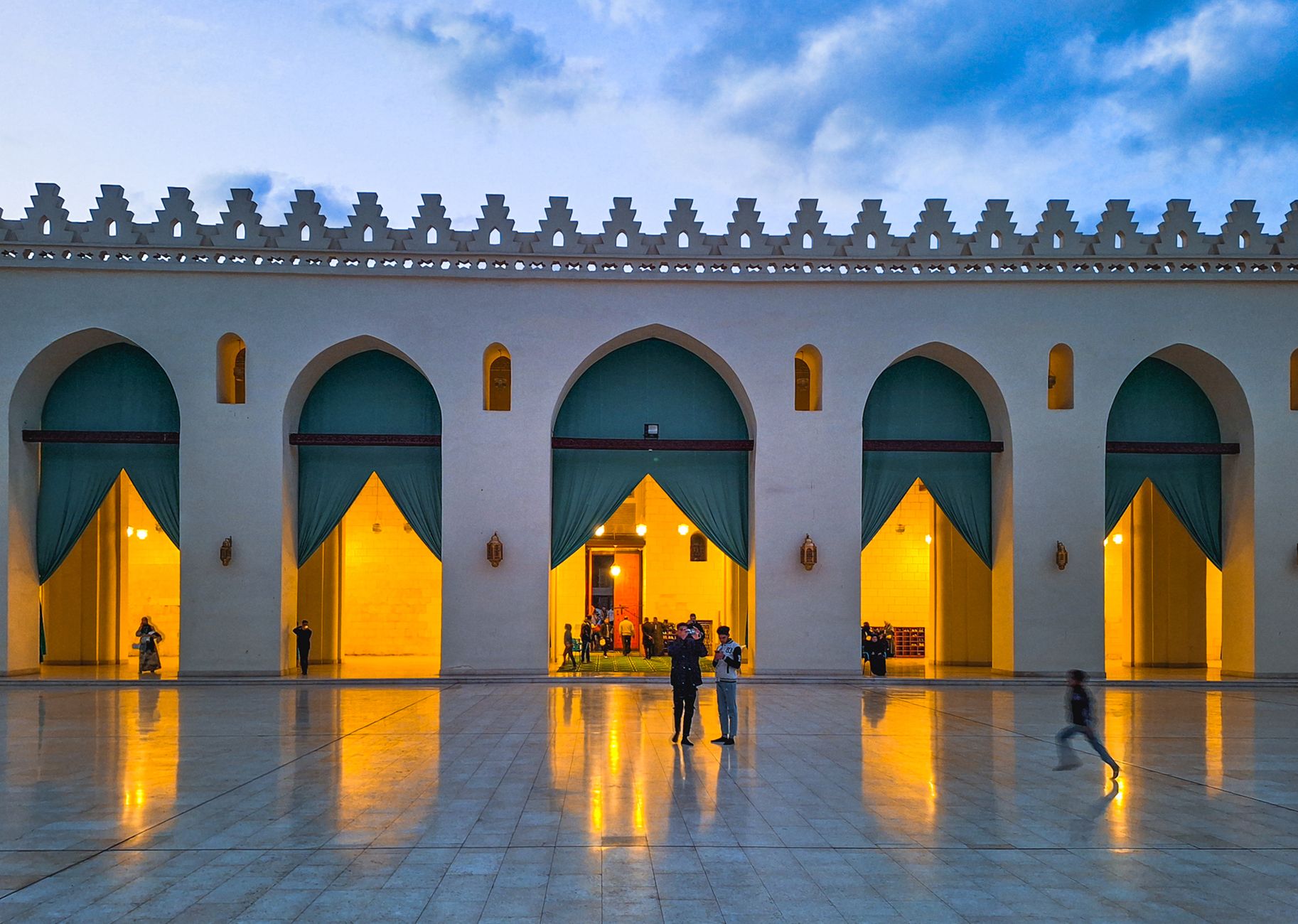


At the center of this chamber, set into the floor, is the tombstone of Ahmad al-Mansur — the sultan who built all of this, who traded Moroccan sugar to Italian merchants for Carrara marble columns, and who ruled the Saadian dynasty at its absolute height. You view the room from the doorway, which turns out to be the right distance: close enough to read the carved stucco, far enough to take in the gilded muqarnas dome catching whatever light comes through the high windows.
The twelve marble columns are the thing people remember. Each one arrived through diplomacy as much as commerce, and they hold up a honeycomb ceiling that took craftsmen years to complete. The cedarwood carving along the walls is some of the finest Saadian work that survives.
💛 What travellers fall for
People who come back tend to time it for late afternoon, when the marble shifts color in the low light — the photography is genuinely different from what you get mid-morning. A few also mention arriving right at opening before the tour groups queue for the doorway. The wait during peak hours can stretch to half an hour for a view that lasts two minutes.
How Chamber of Ahmad al-Mansur came to be
Ahmad al-Mansur commissioned this mausoleum during his reign, which ran from 1578 to 1603, and it was built entirely within that period. After his death, members of his family were buried here alongside him — his wife Lalla Aisha as-Shabaniyya, his son Moulay Zidan, and others whose tombstones still carry their names and dates.
In the early 18th century, Sultan Moulay Ismail ordered the entrance sealed in an effort to erase the Saadian legacy. The tombs were walled off and forgotten for roughly two centuries, left undisturbed until French Protectorate surveyors rediscovered them in 1917. The Chamber of the Mihrab, originally designed as a small prayer room — it still has a mihrab marking the direction of Mecca — was later used as a mausoleum by the 'Alawi dynasty. The Chamber of the Three Niches holds an epitaph recording the temporary burial of the Marinid sultan Abu al-Hasan here in 1341, long before the Saadians arrived.
Who and what shaped it
People who shaped it
Landmark buildings
See Chamber of Ahmad al-Mansur in motion
Plan your visit
On the map
When to go
Spring (March to May) and autumn (late September to mid-November) are the most comfortable times to visit, with daytime temperatures between 20°C and 28°C. Summer afternoons can push past 35°C, which makes the shaded interiors a relief, though the queues outside are less forgiving.
Right now
Background & history adapted from Wikipedia (CC BY-SA) · specs from Wikidata (CC0) · weather from Open-Meteo · map data © OpenStreetMap contributors · photos from Wikimedia Commons / Unsplash with per-image credit. No third-party reviews or social posts reproduced.