Agdal Gardens
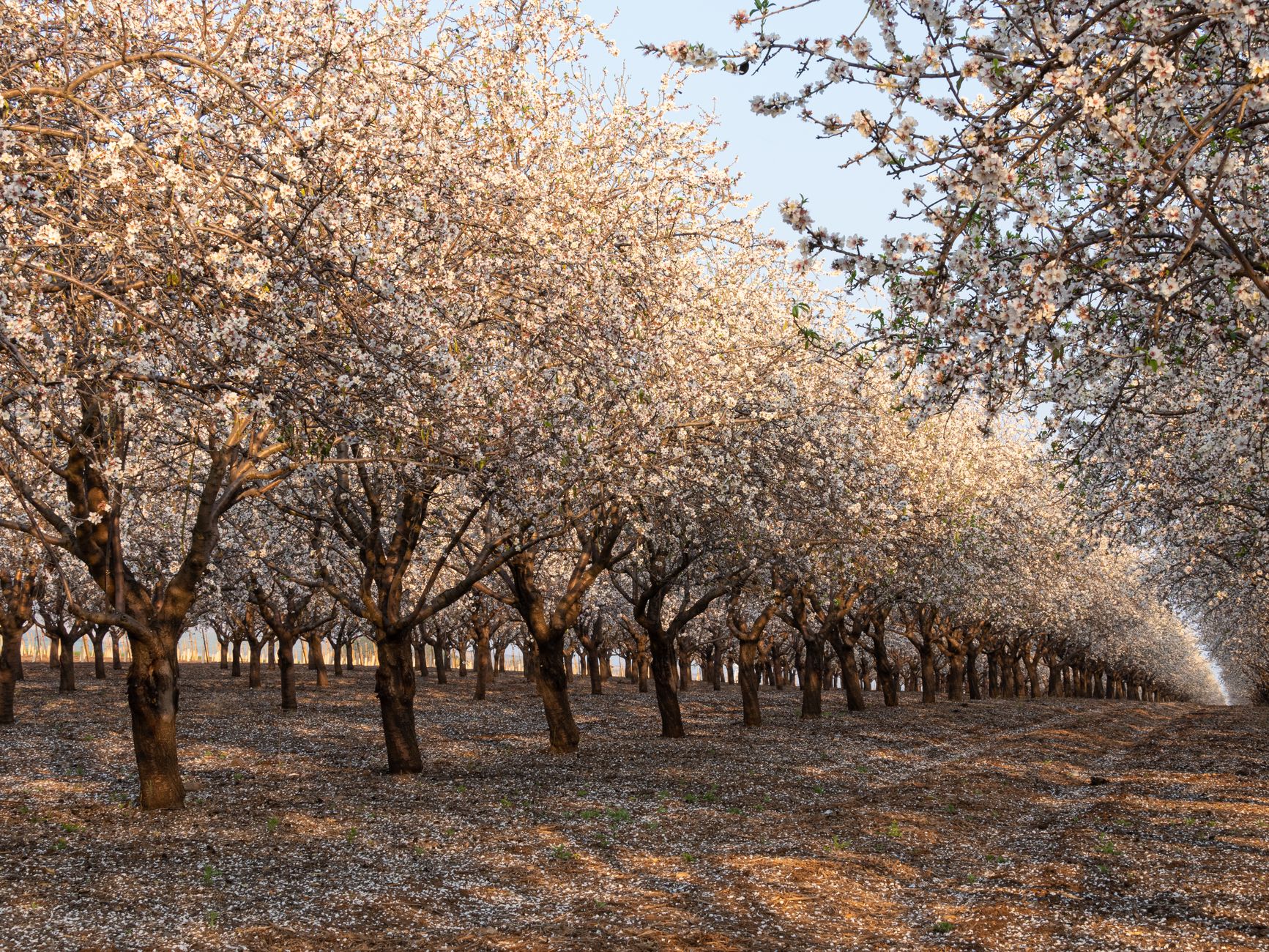
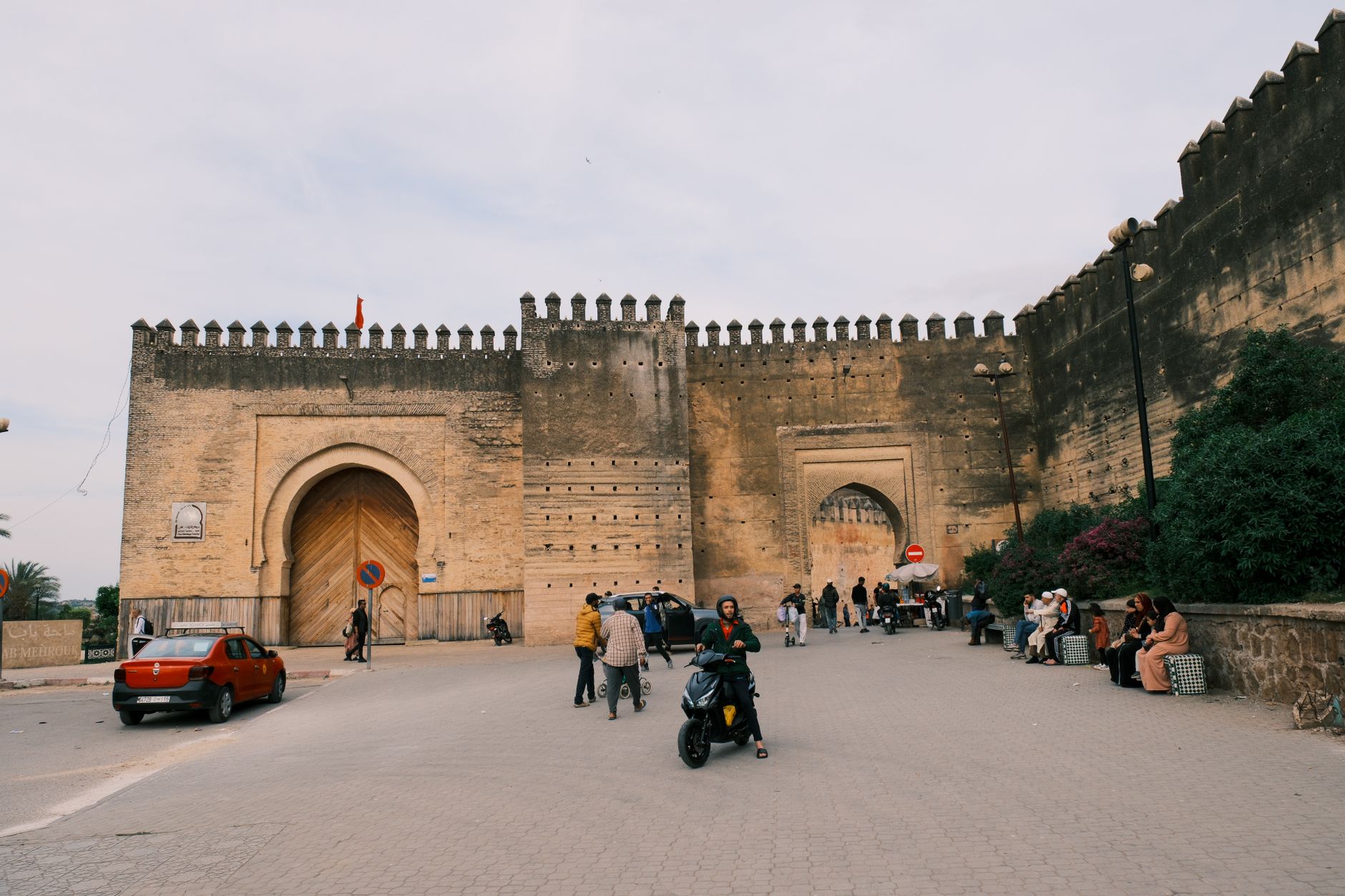
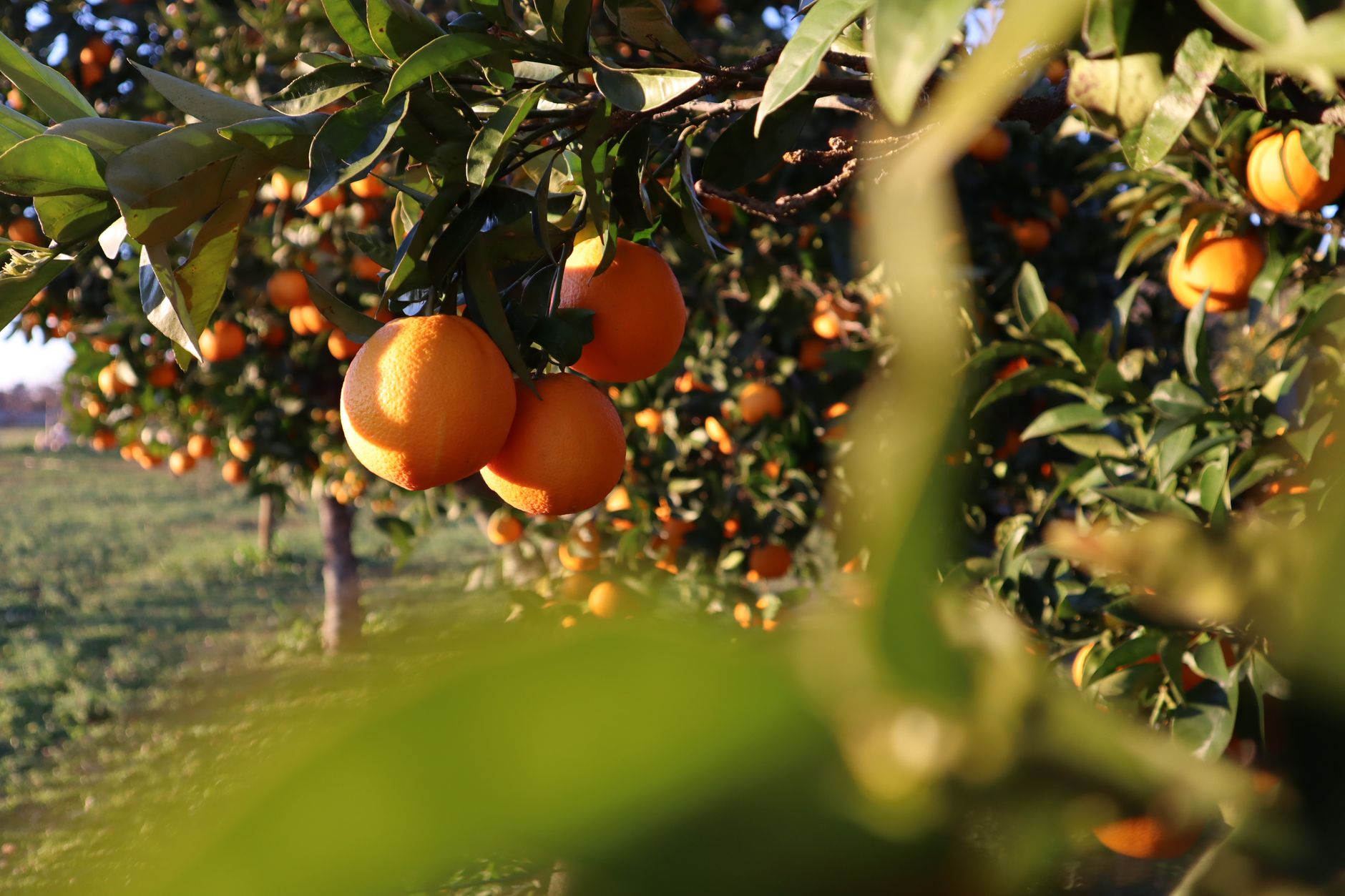
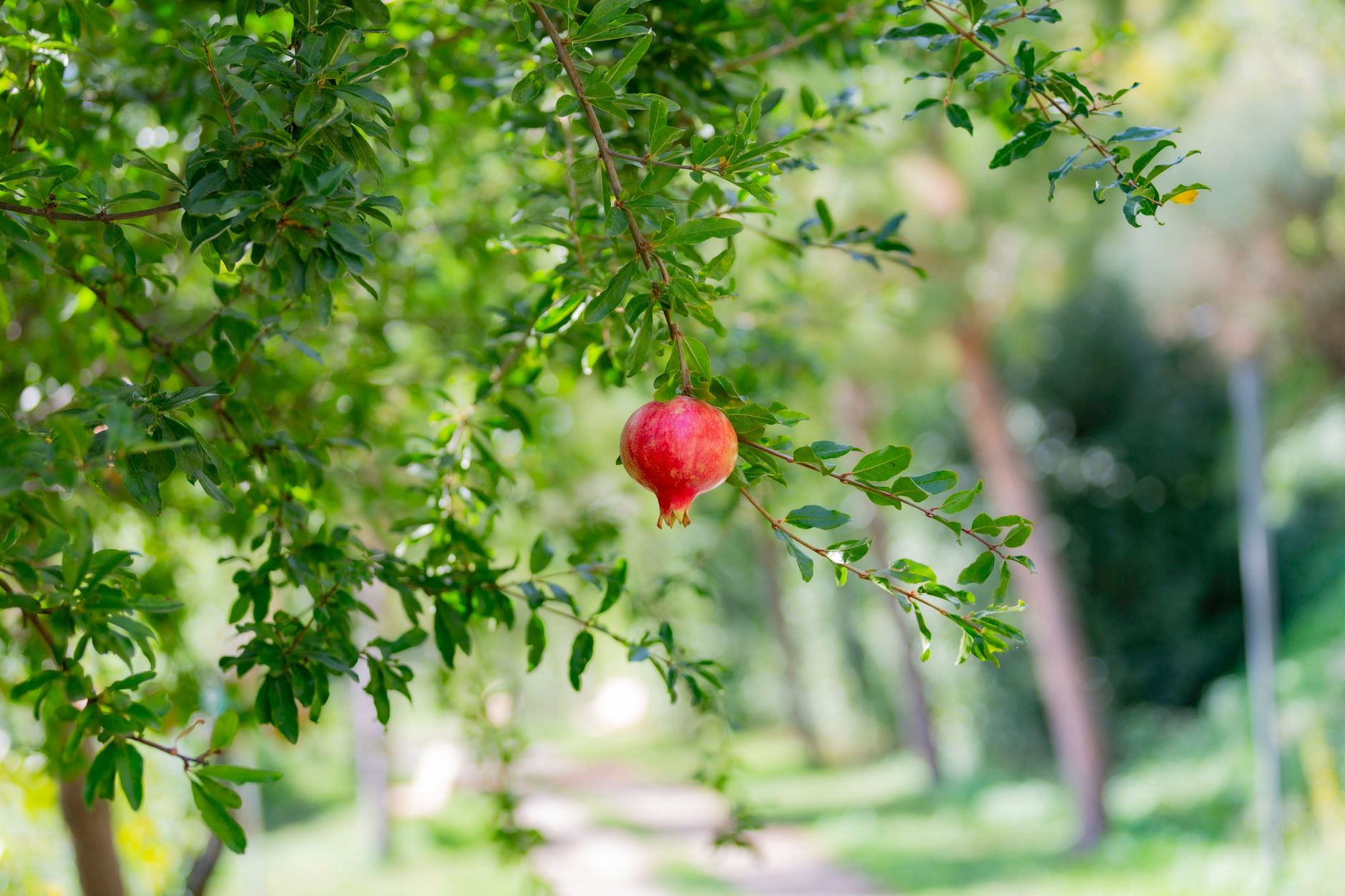
The Agdal Gardens begin where the city stops. South of the Kasbah, beyond the walls, a grid of olive, orange, lemon and pomegranate trees stretches across roughly 400 hectares — a working orchard as much as a royal garden, laid out in long rational plots where a single species fills each section. The scale surprises: 3.1 kilometres end to end, bisected by straight paths, with the oldest reservoir sitting at the southern edge like a inland sea.
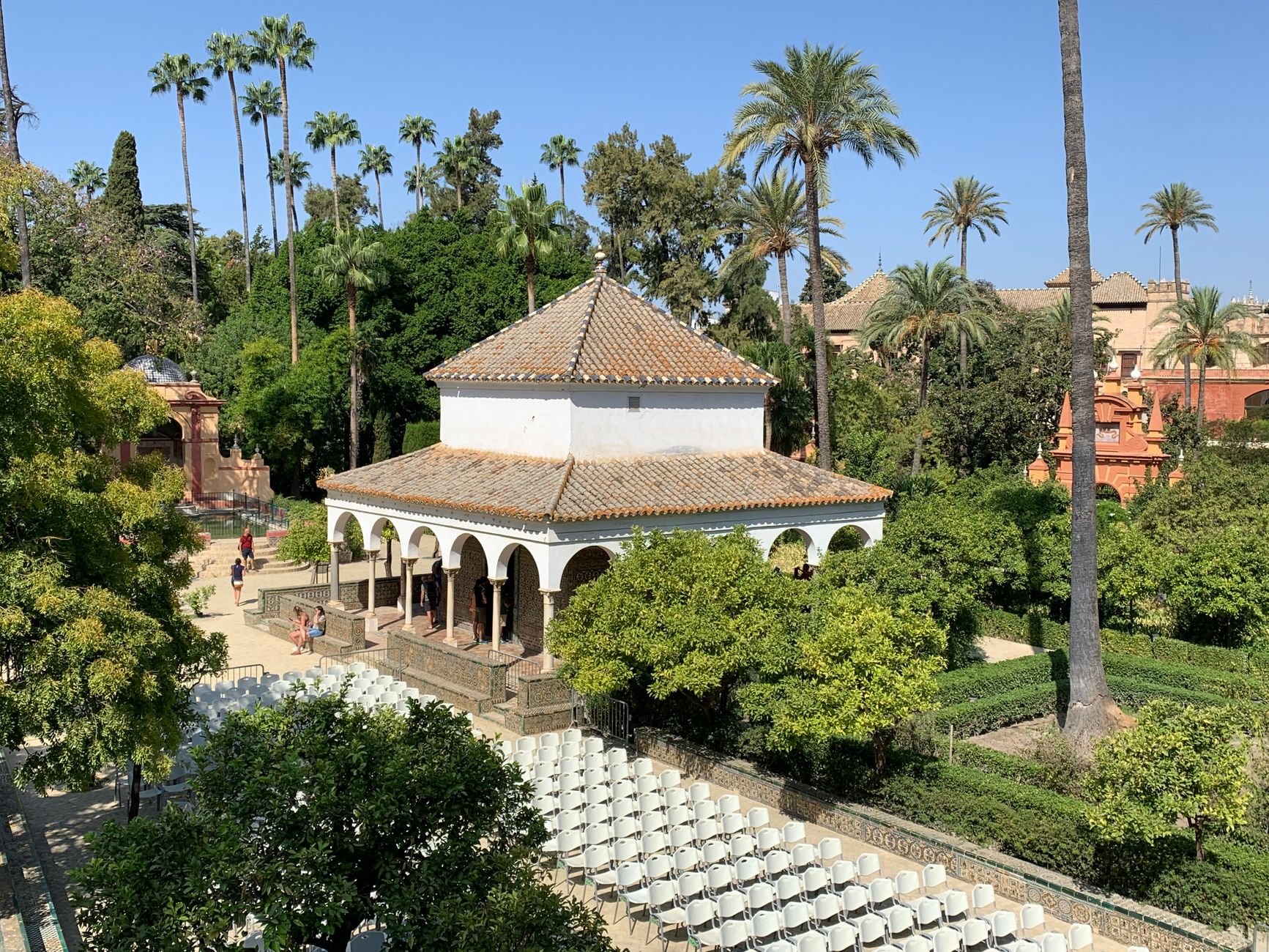
At the heart of it is Dar al-Hana, a pavilion set beside a rammed-earth tank measuring 208 by 181 metres and holding 83,000 cubic metres of water. Walk to the edge and the surface reflects whatever sky is overhead — blue in spring, white in summer, the pale gold of October.
💛 What travellers fall for
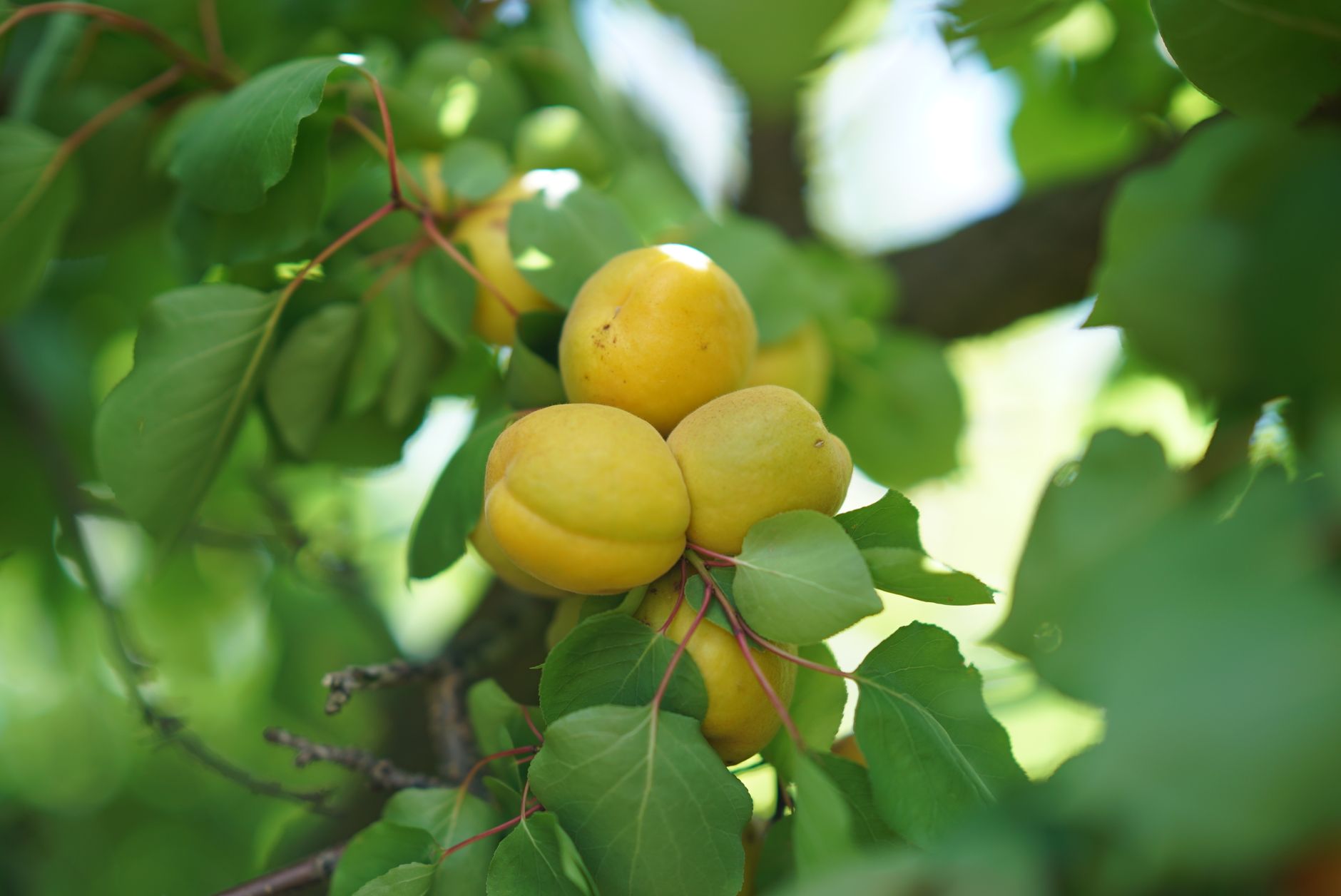
People who come back tend to arrive early on a Friday or Sunday, when the gates open at 7:30 a.m. and the light is still low across the reservoir. A bike from the medina makes the 3-kilometre approach feel easy rather than arduous. In autumn, the pomegranate trees are heavy and the air smells of ripe citrus long before you reach the water.
Deals in Agdal Gardens
Book directly at the providerHow Agdal Gardens came to be
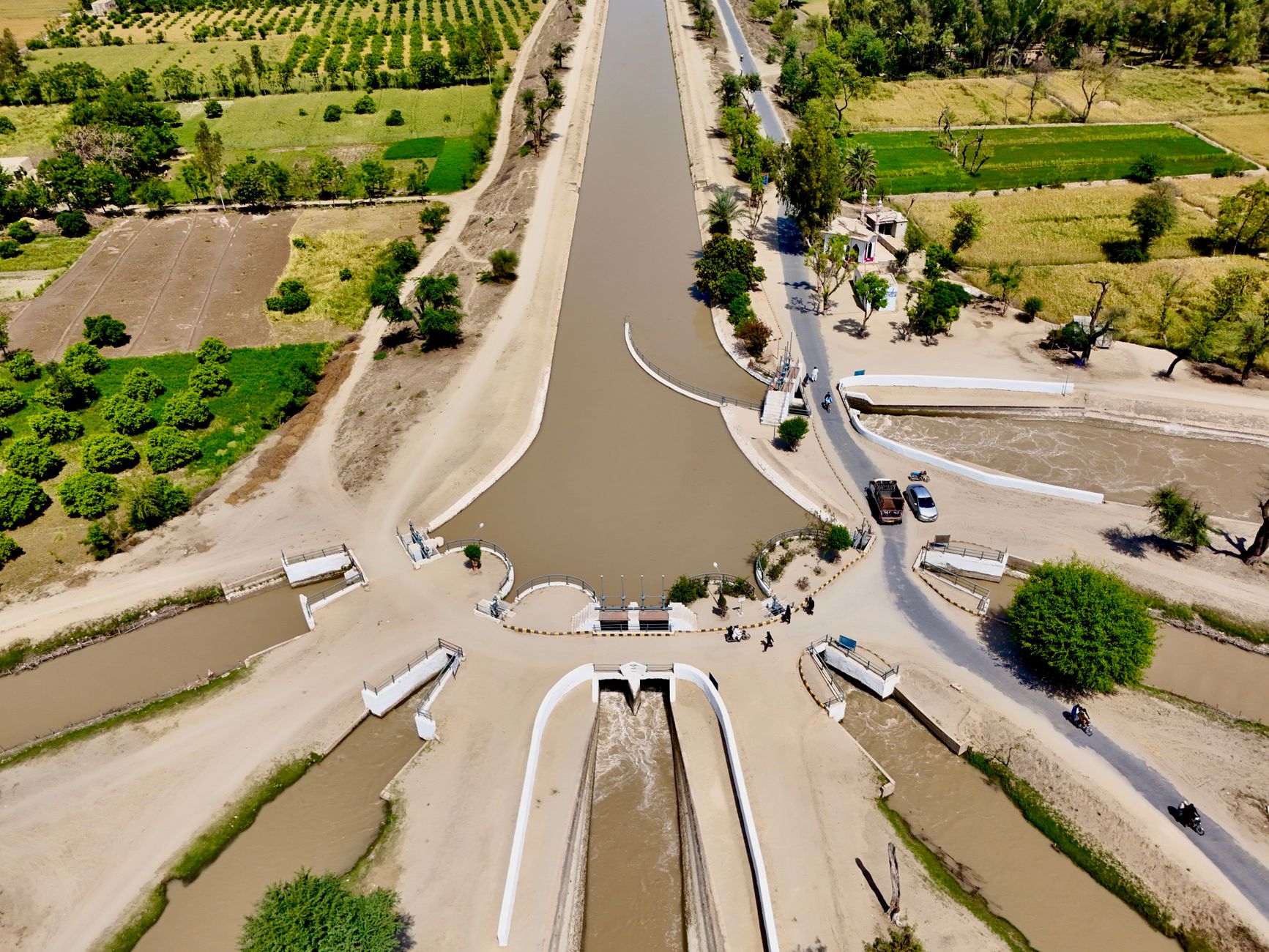
The gardens were laid out in 1157 under Almohad Caliph 'Abd al-Mu'min bin 'Ali al-Kumi, who was rebuilding Marrakech as an imperial capital. The engineer behind the design was Ahmad ibn Muhammad ibn Milhan, from Al-Andalus and of Berber origin. The largest reservoir, Dar al-Hana, is believed to date from the reign of Abu Ya'qub Yusuf (1163–1184), who extended the project his predecessor began. The gardens were fed by a hydraulic system that made this scale of planting possible in a semi-arid climate.
Centuries of 'Alawi sultans added to the complex. Moulay 'Abd al-Rahman bin Hisham built Dar el-Beida palace in the nineteenth century; Sultan Moulay Hassan expanded and completed it after 1883. Muhammad IV pushed the enclosure further south, creating the Agdal Barrani section that defines the present boundary. The whole site was listed as a UNESCO World Heritage Site in 1985, alongside the medina and Menara Gardens.
Who and what shaped it
People who shaped it
Landmark buildings
See Agdal Gardens in motion
Plan your visit
On the map
When to go
Spring (March to May) and autumn (September to November) are the most comfortable seasons — mild temperatures, the trees either in blossom or heavy with fruit, and enough light to make the reservoir worth sitting beside. In July and August the heat regularly tops 36°C and can push well beyond that; if you visit in summer, go at 7:30 a.m. when the gates open and leave before noon. Winter days are pleasant in a T-shirt, but nights fall sharply and the season brings occasional rain.
Right now
↡ Shopping areas
Background & history adapted from Wikipedia (CC BY-SA) · specs from Wikidata (CC0) · weather from Open-Meteo · map data © OpenStreetMap contributors · photos from Wikimedia Commons / Unsplash with per-image credit. No third-party reviews or social posts reproduced.