
Apricot Orchard
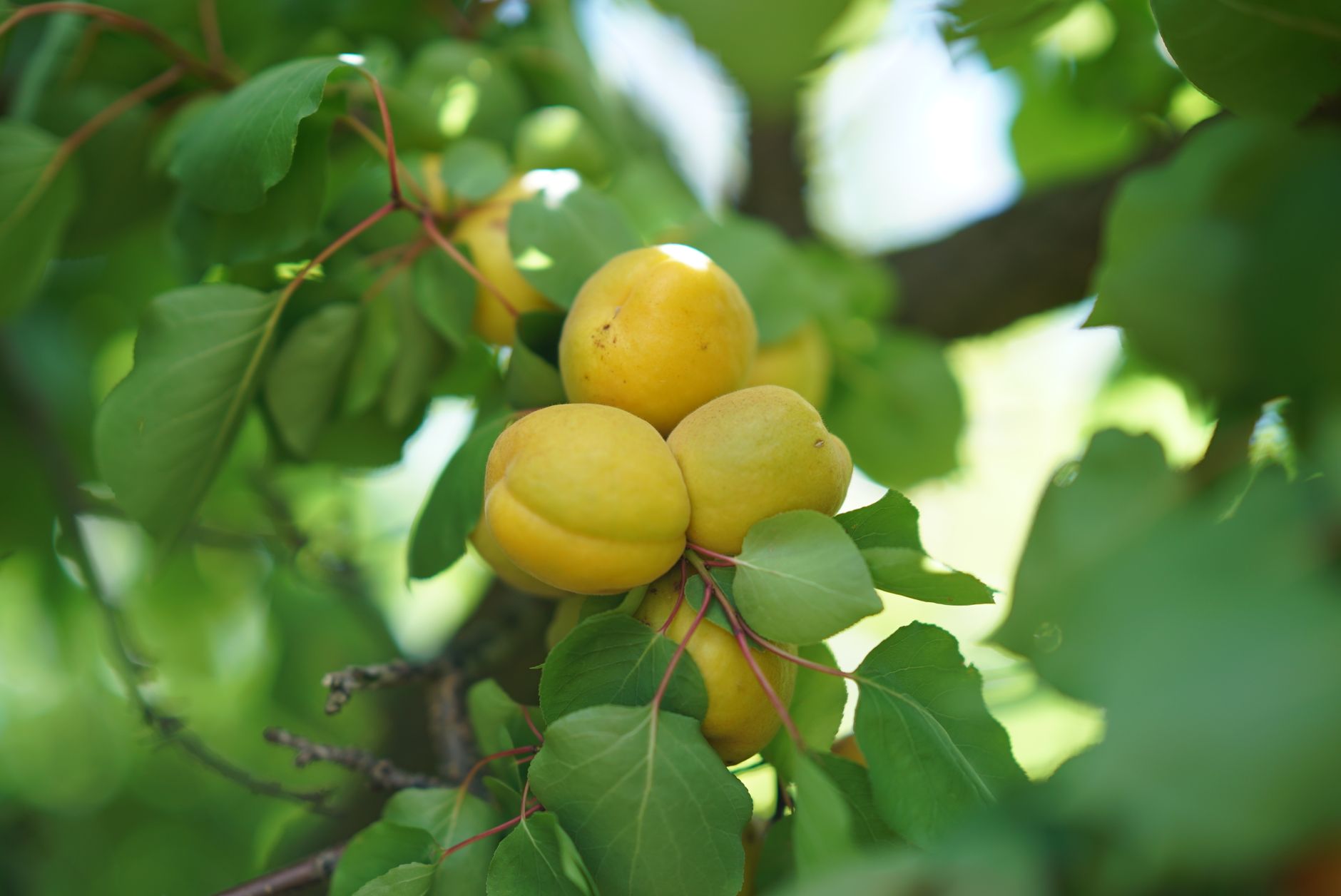
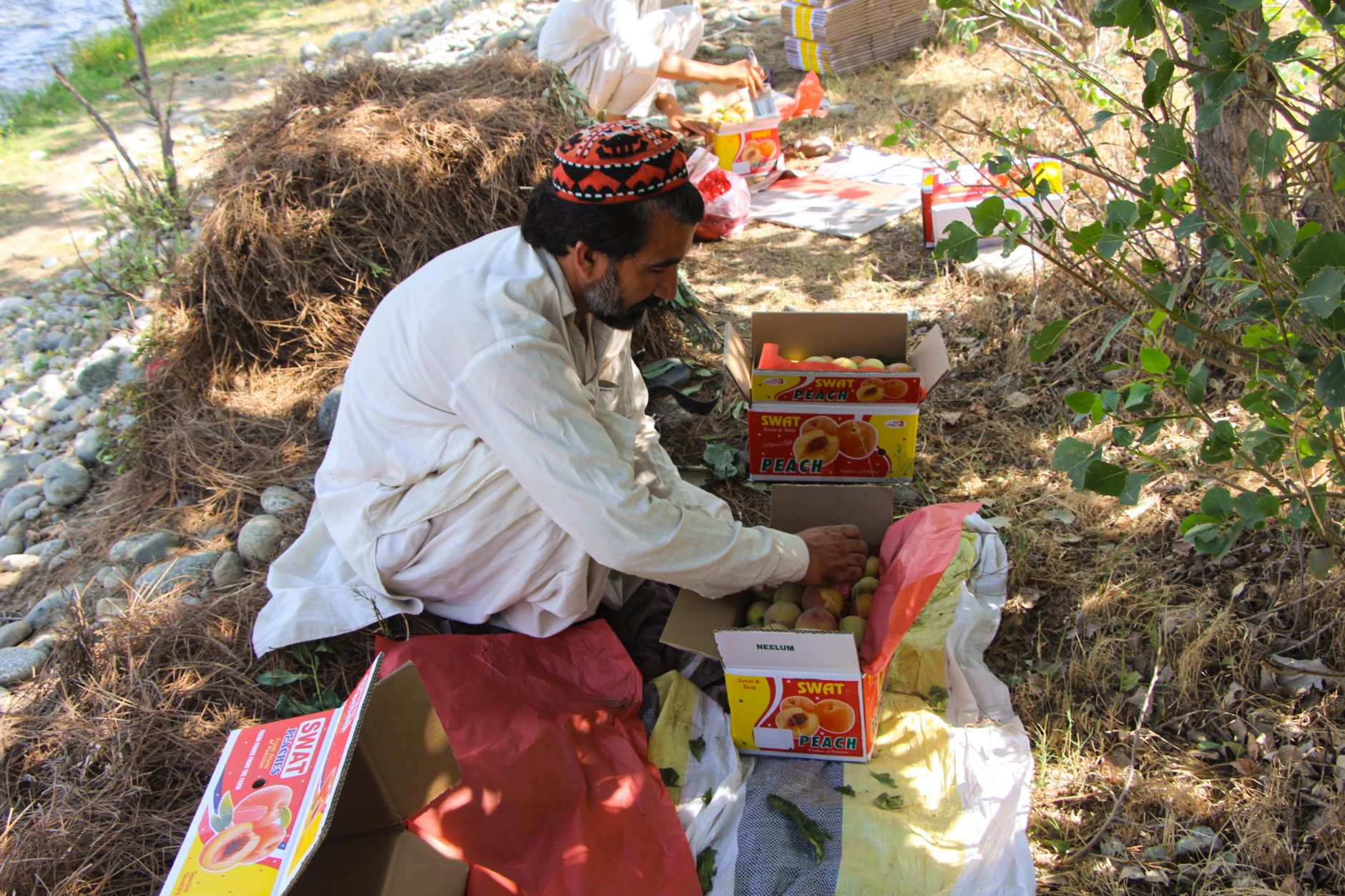
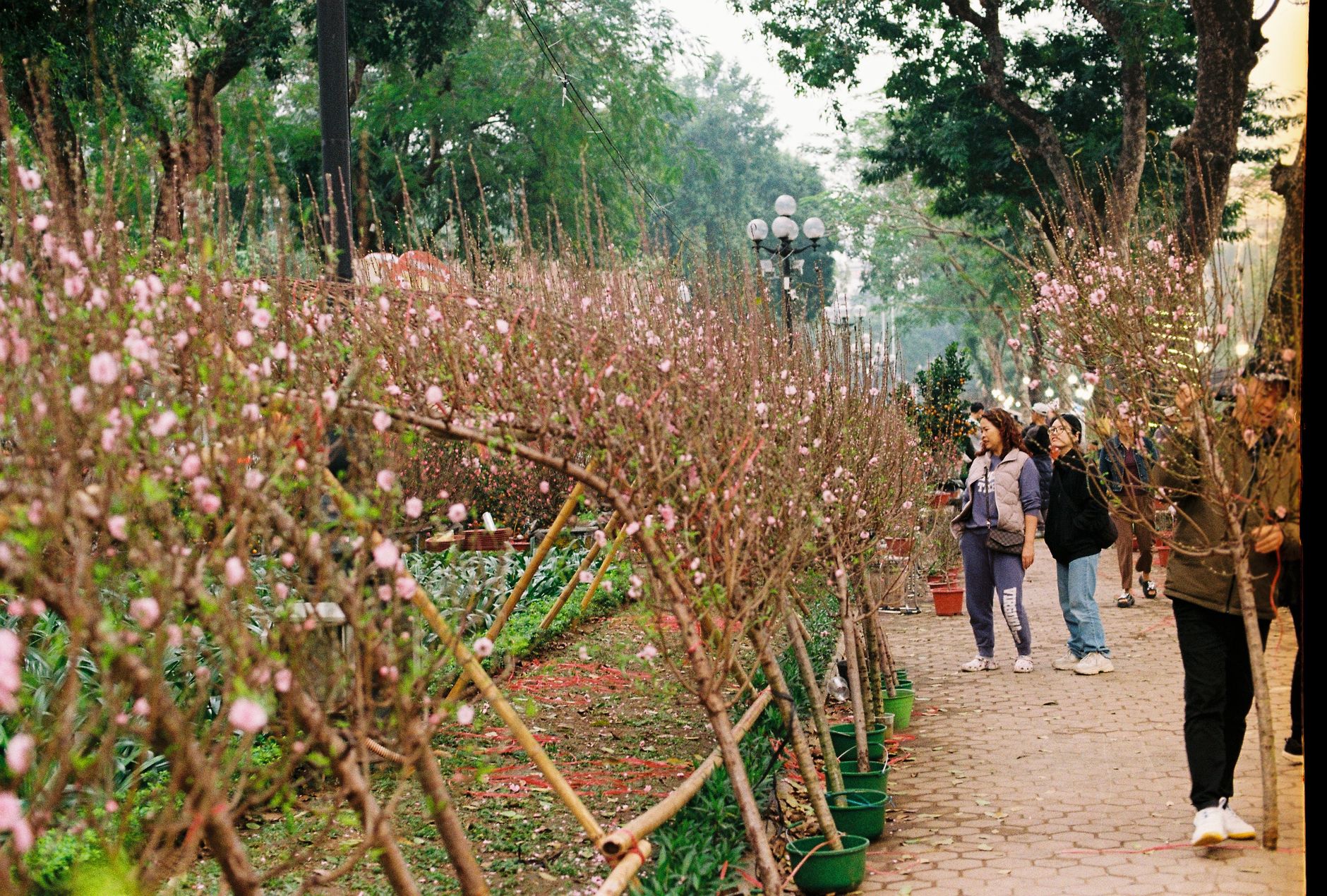
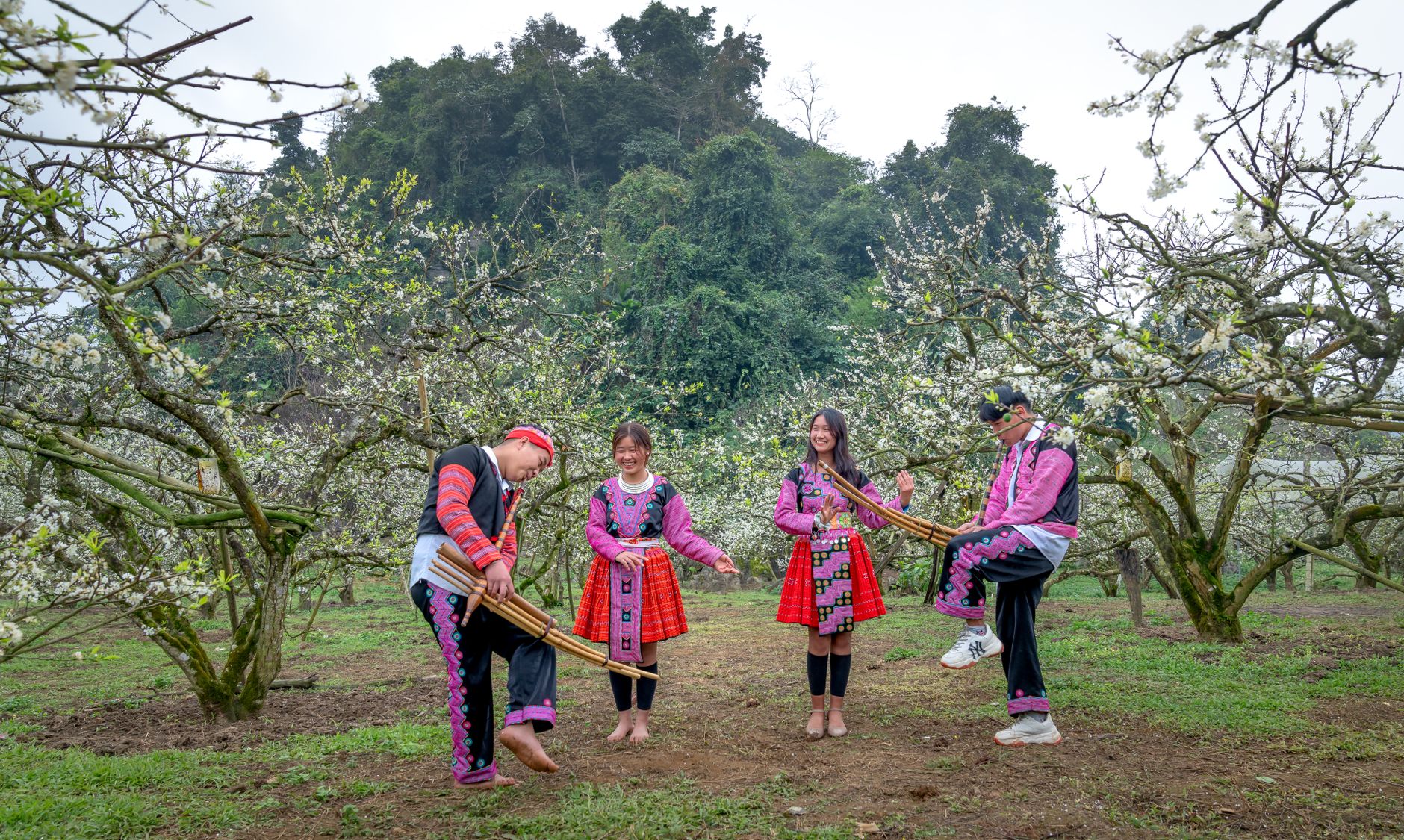
Among the Agdal Gardens' carefully ordered sections, the apricot trees stand in rectangular blocks, their rows interrupted only by the long lines of olives that act as windbreaks. This is working agricultural land — or it was, and still looks the part. The 1916 French Protectorate census counted more than fifty thousand trees across the estate, apricots among them alongside figs, pomegranates, peaches, and oranges, all fed by an underground khettara system drawing water down from the Ourika Valley.
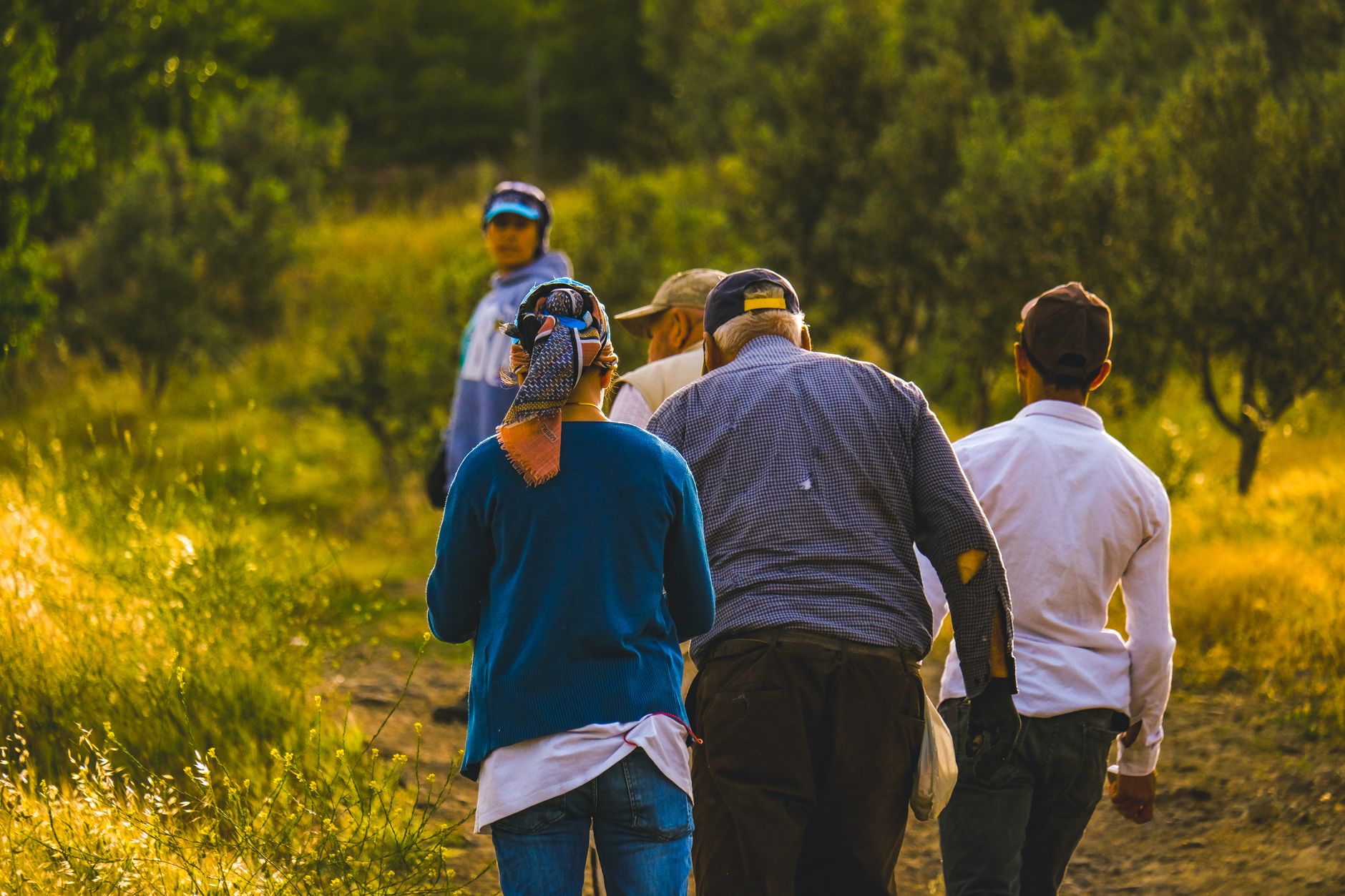
Walking here, you're inside a garden that has supplied a royal household for centuries. The geometry is deliberate, the shade is real, and the Grand Basin glints somewhere beyond the olive rows.
💛 What travellers fall for
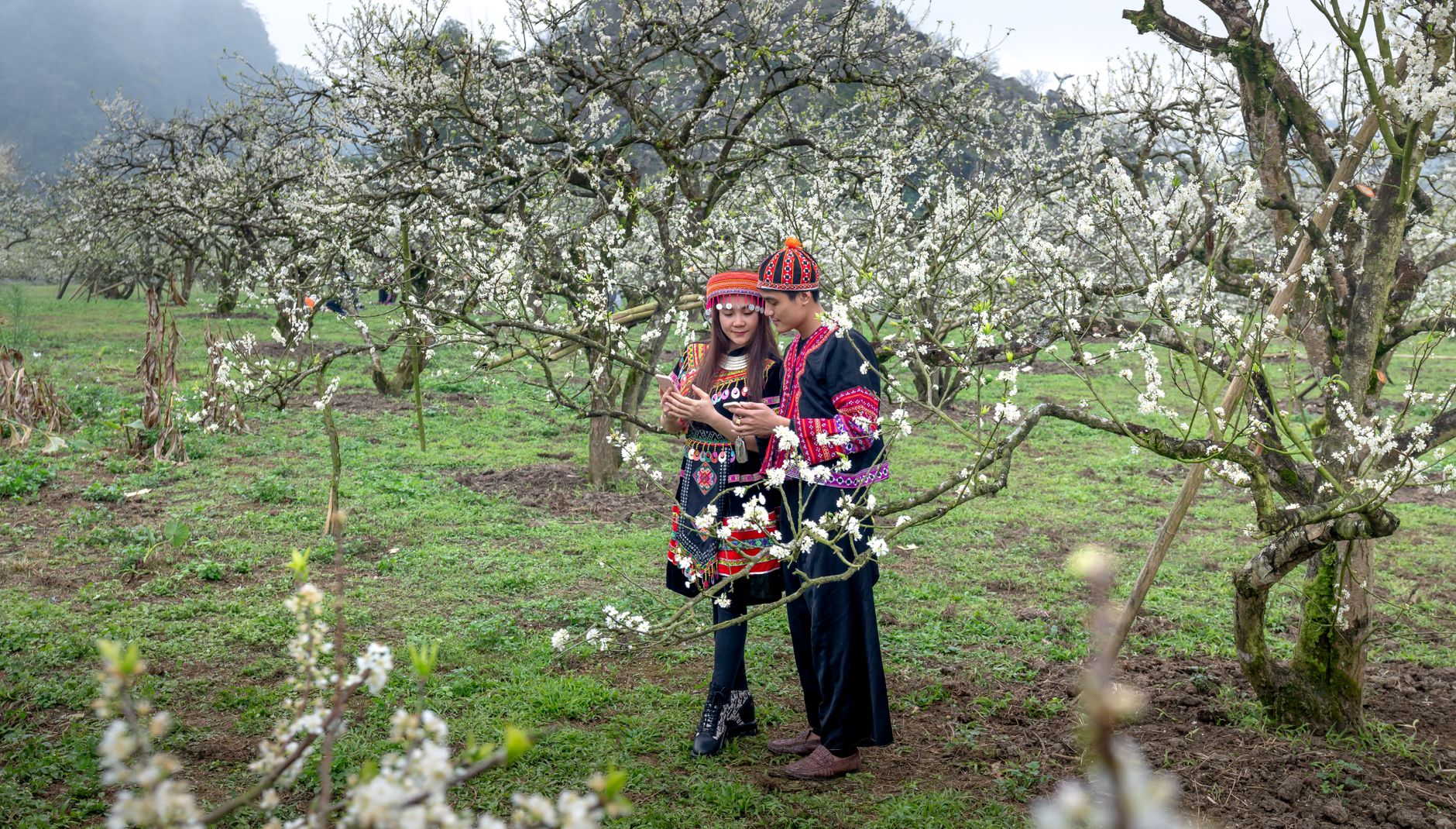
People who come back tend to time it for spring or early autumn, when the fruit trees are either in blossom or heavy with the last of the season. The Friday and Sunday opening means you plan around it — and those who do often bring a lunch and stay until the light drops over the Atlas.
How Apricot Orchard came to be
The Agdal Gardens were first laid out in 1157 under the Almohad Caliph Abd al-Mumin, with the great reservoir believed to date from the reign of Abu Yaqub Yusuf (1163–1184). The orchard system — apricots, figs, oranges, pomegranates, olives — was part of the original design, irrigated by a khettara network channelling water from the Ourika Valley.
By the nineteenth century the gardens had fallen into disrepair. Sultan Abd ar-Rahman (1822–1859) ordered a full restoration, work completed under his successor Muhammad IV (1859–1873). The UNESCO listing came in 1985, alongside the Medina and Menara Gardens.
Who and what shaped it
People who shaped it
Landmark buildings
See Apricot Orchard in motion
Plan your visit
On the map
When to go
Spring is the most rewarding season — mild temperatures and the trees in bloom. Autumn brings similar comfort and ripening fruit. Summer averages around 38°C, which makes long midday walks in the open orchard rows a commitment; winter days are pleasant but nights can drop close to freezing.
Right now
Background & history adapted from Wikipedia (CC BY-SA) · specs from Wikidata (CC0) · weather from Open-Meteo · map data © OpenStreetMap contributors · photos from Wikimedia Commons / Unsplash with per-image credit. No third-party reviews or social posts reproduced.