
Pomegranate Orchard
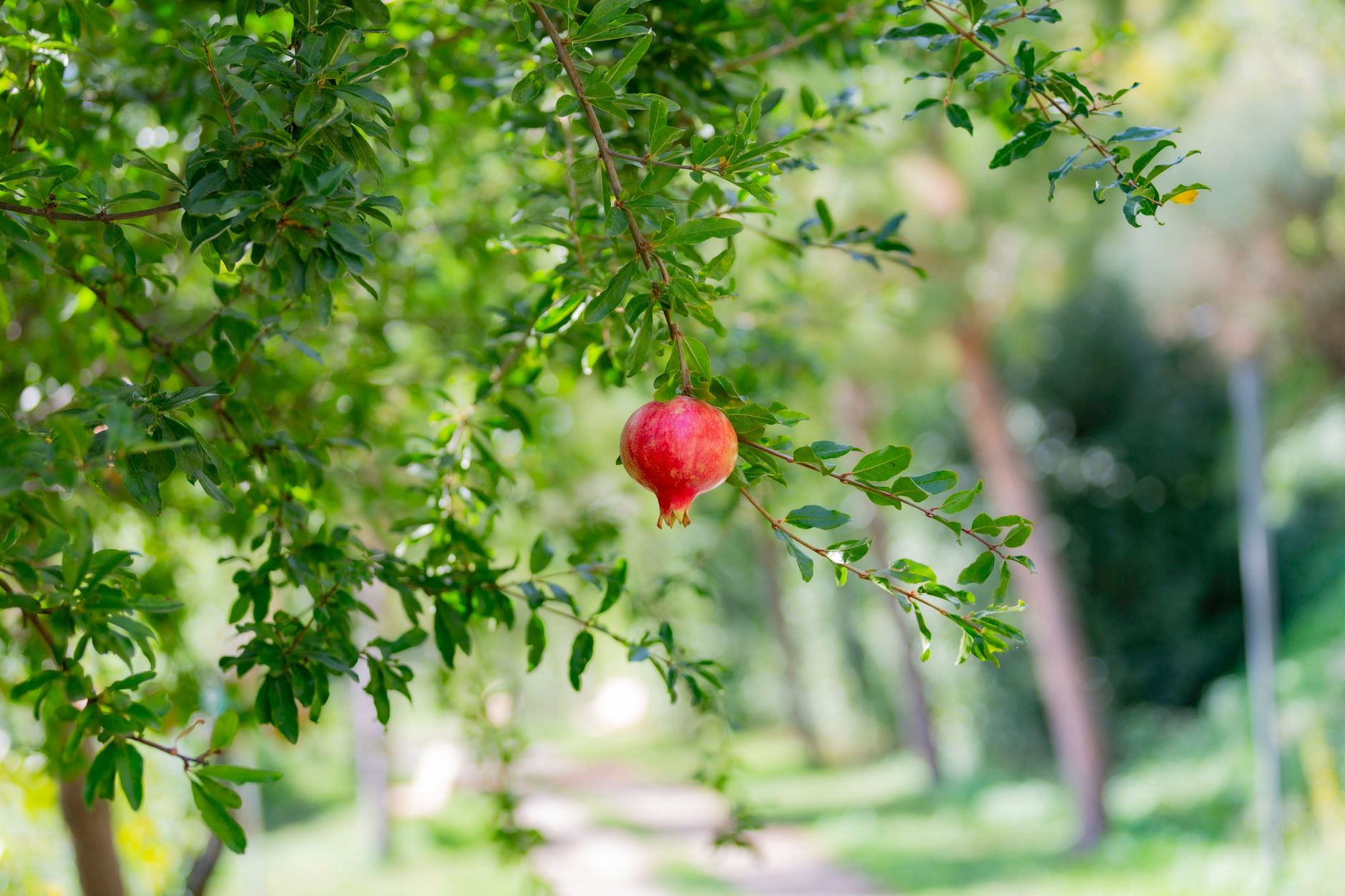
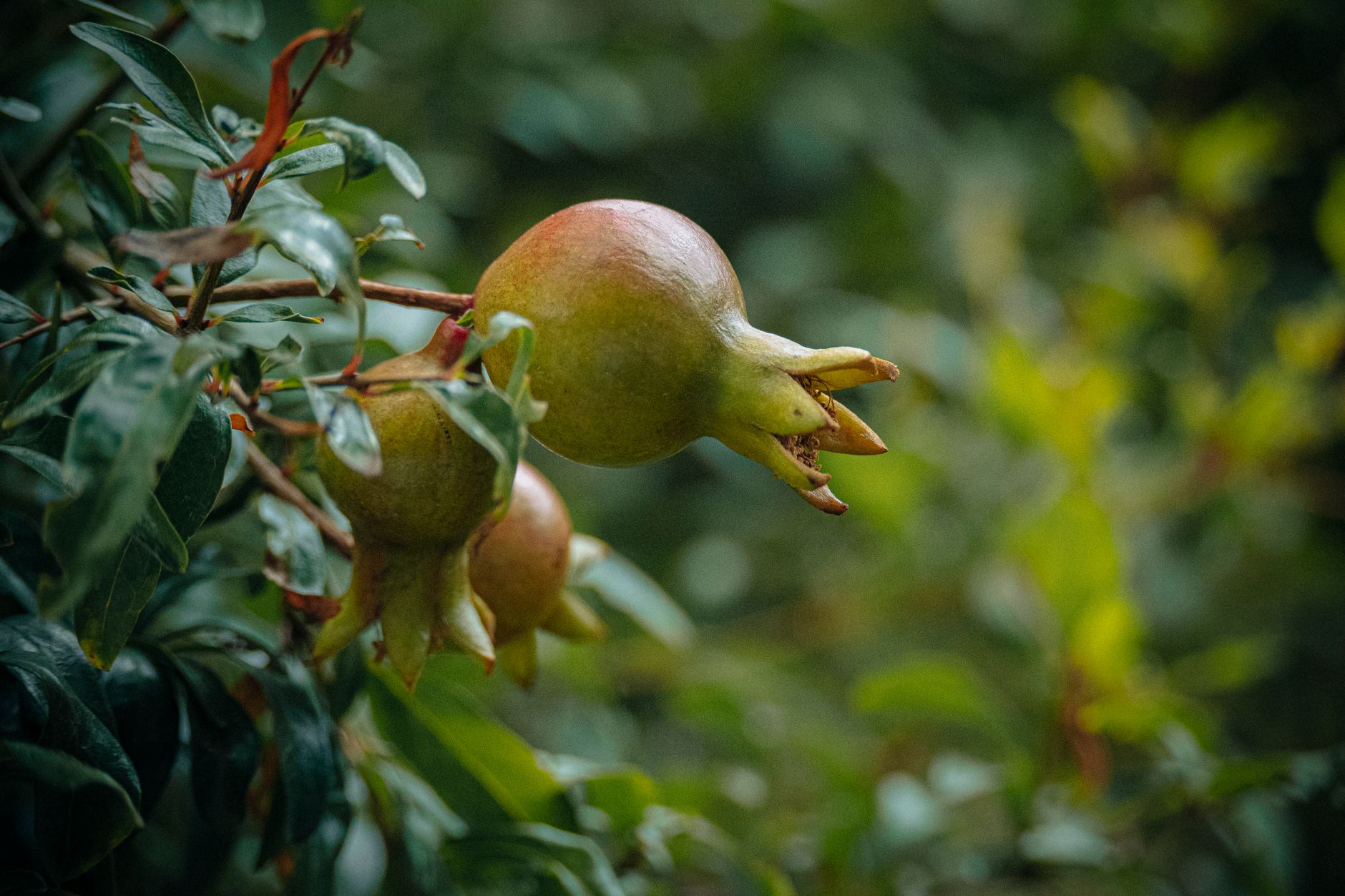
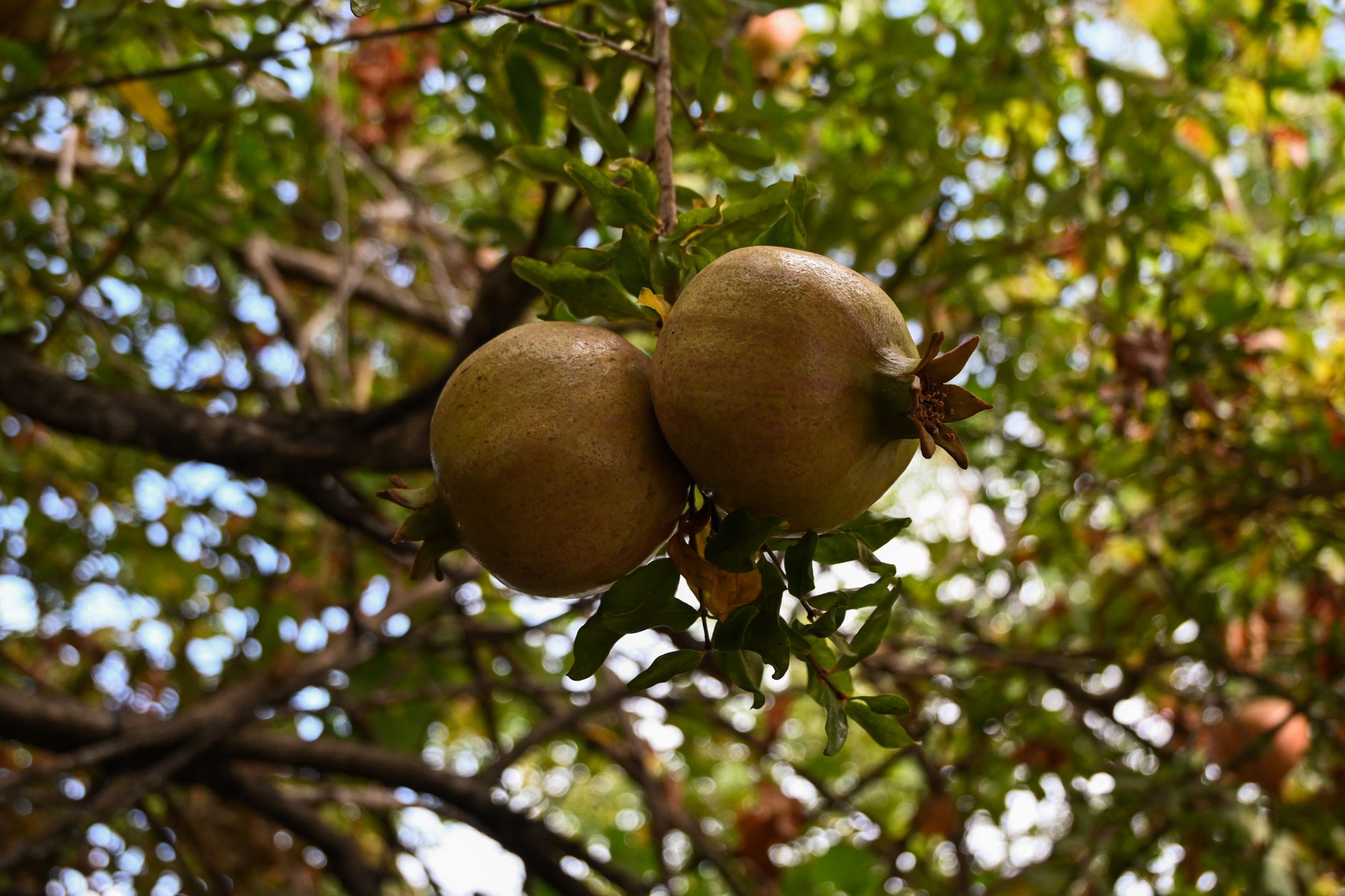
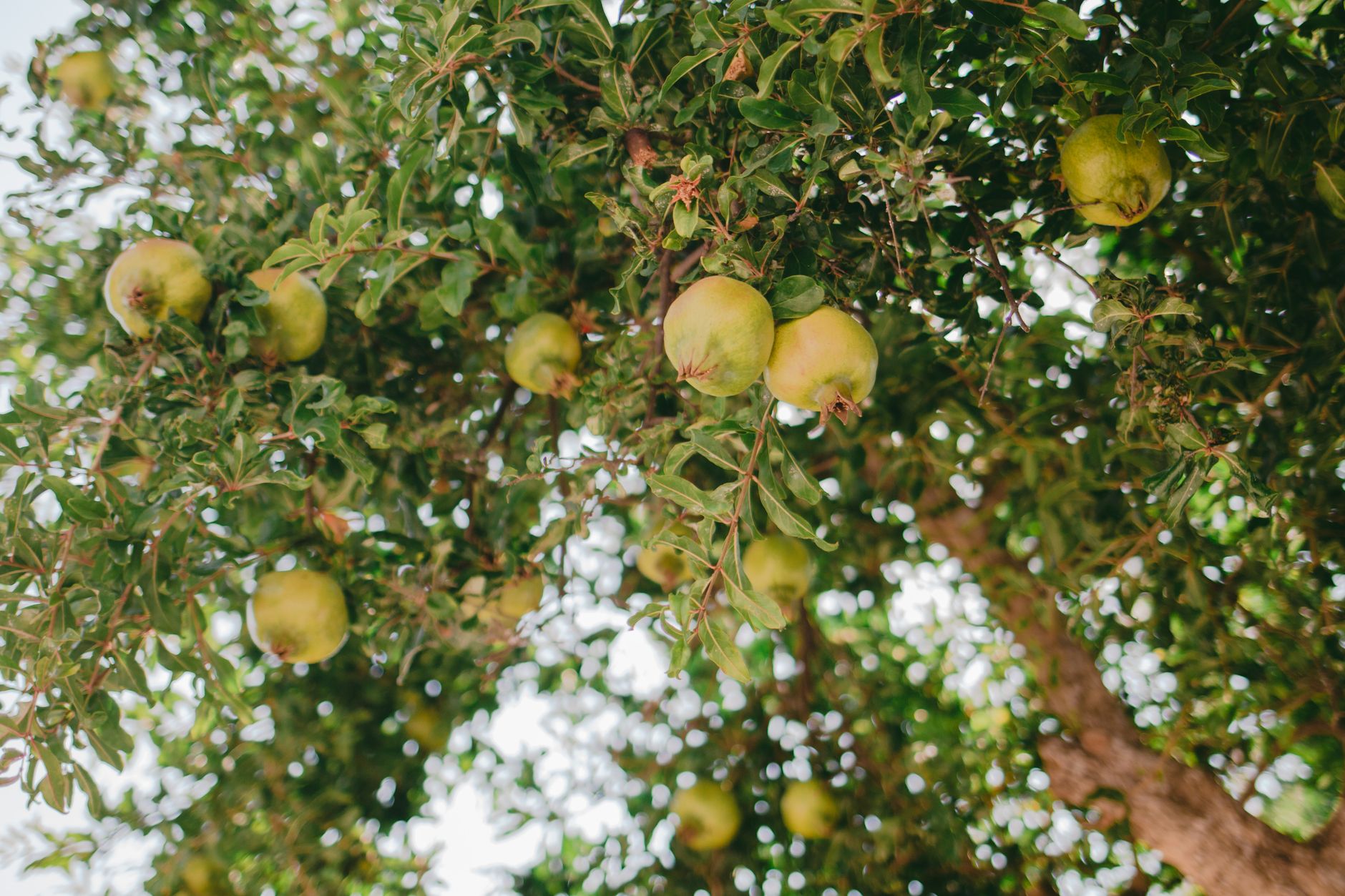
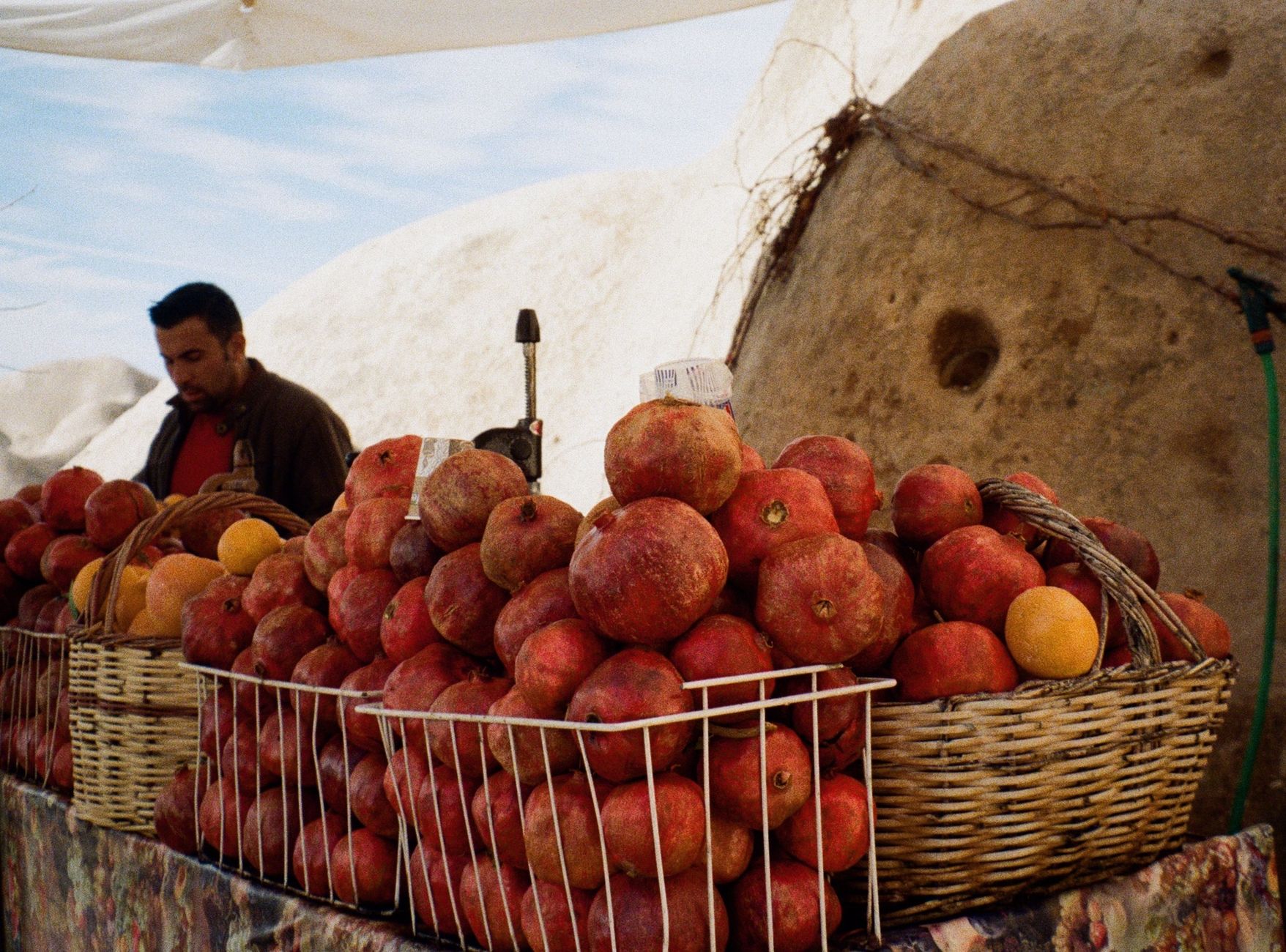
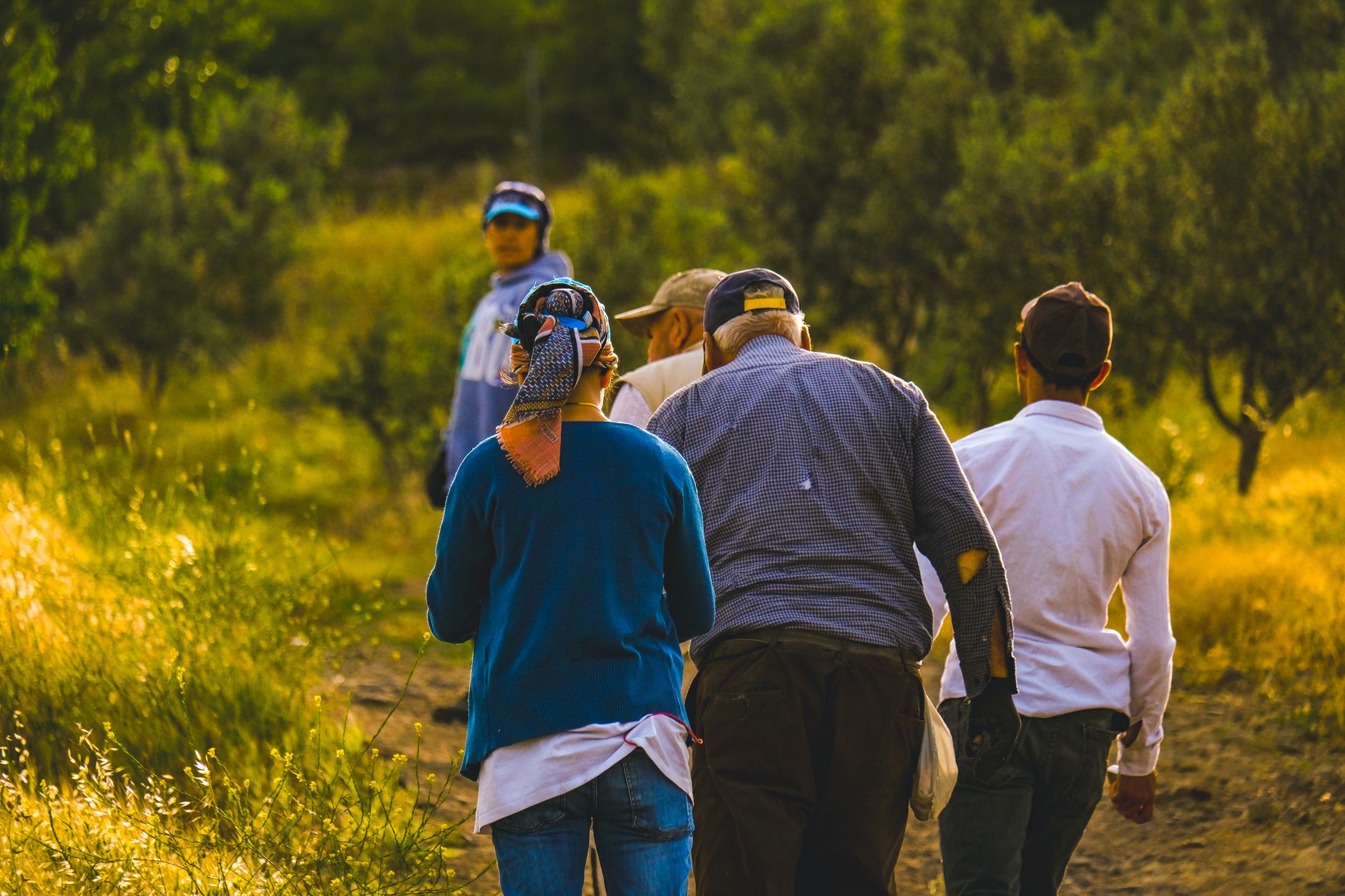
The pomegranate trees here don't announce themselves. They stand in long, irregular rows across several hundred hectares of walled agricultural land south of Marrakech's medina, part of an orchard complex that a 1916 census counted at more than 50,000 trees — olives, oranges, and fruit trees including pomegranate among them. Come autumn, the fruits split and redden on the branch, and the ground beneath smells faintly fermented where fallen ones have opened.
This is a working landscape, not a park. The paths are open earth, the walls are high and plain, and the quiet is the kind that comes from distance rather than design. You walk among trees that have been irrigated by the same canal network for centuries.
💛 What travellers fall for
People who come back tend to time it for October or November, when the pomegranates are fully ripe and the heat has finally relented. The light in late afternoon, low through the orchard rows, is worth the trip on its own. Go early on a Friday or Sunday — those are the only days the gardens open, and the morning hours are cooler and emptier.
How Pomegranate Orchard came to be
The Agdal Gardens were laid out in 1157 under Almohad Caliph 'Abd al-Mu'min, who was reshaping Marrakech into an imperial capital. The engineer was Ahmad ibn Muhammad ibn Milhan, from Al-Andalus, and the hydraulic system he designed — channelling water across the site to feed orchards and fill the great reservoir — is still in use. The largest pool, Sahraj el-Hana, is believed to date from the reign of Abu Ya'qub Yusuf (1163–1184).
The gardens fell into neglect over the centuries and were restored in the 19th century under Sultan Abd ar-Rahman, with the work completed by his successor Muhammad IV. The pomegranate trees growing here today are part of that long continuum of agricultural use — the orchard as infrastructure, not ornament.
Who and what shaped it
People who shaped it
Landmark buildings
Plan your visit
On the map
When to go
Autumn (October–November) is the season the pomegranates ripen and the temperatures ease to something comfortable; spring (March–May) brings flowers and fragrance to the groves but can spike to 40°C in May. Midsummer is genuinely punishing — average highs above 36°C — and worth avoiding unless you're out before 9 a.m.
Right now
Background & history adapted from Wikipedia (CC BY-SA) · specs from Wikidata (CC0) · weather from Open-Meteo · map data © OpenStreetMap contributors · photos from Wikimedia Commons / Unsplash with per-image credit. No third-party reviews or social posts reproduced.