
Royal Menagerie Area
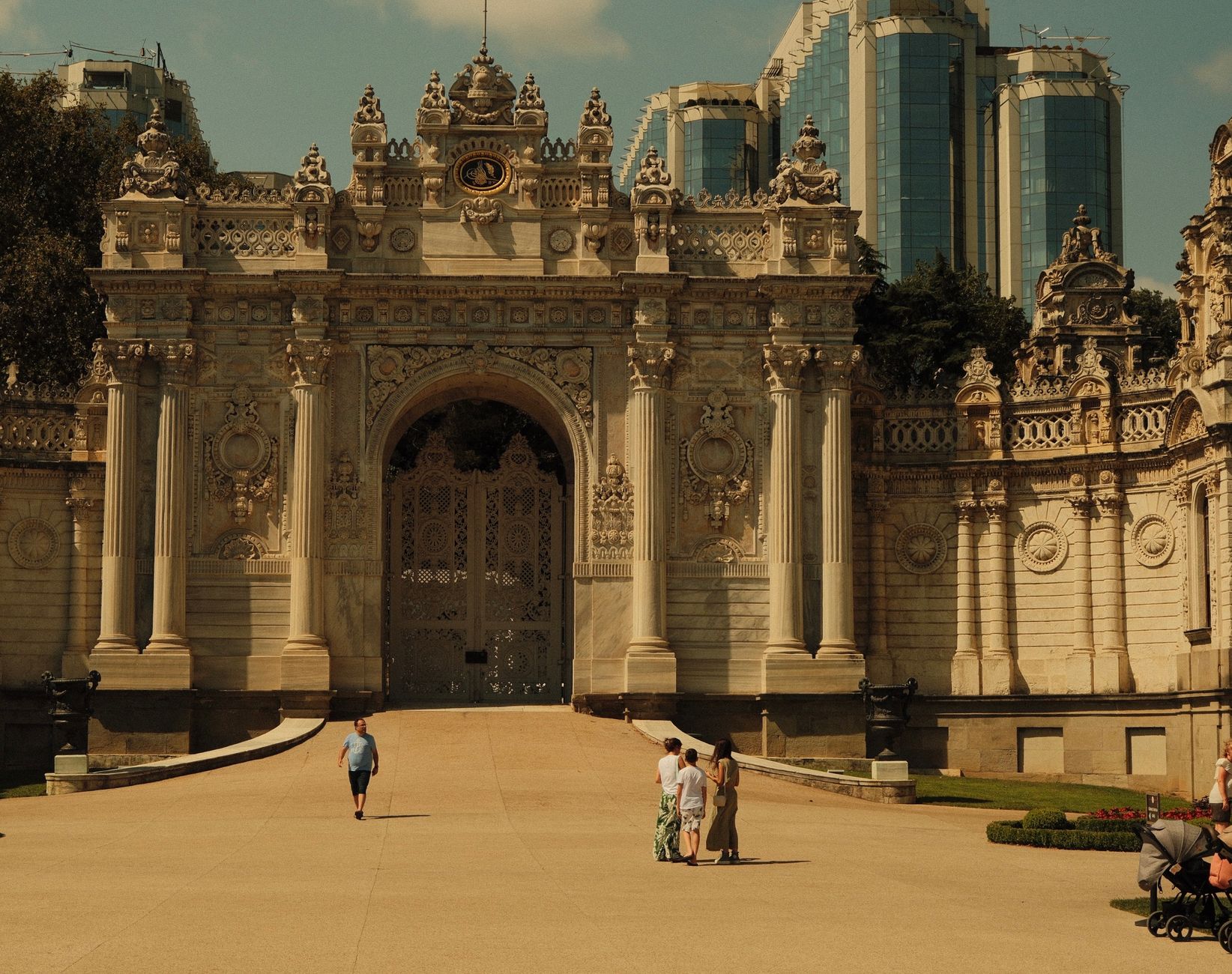
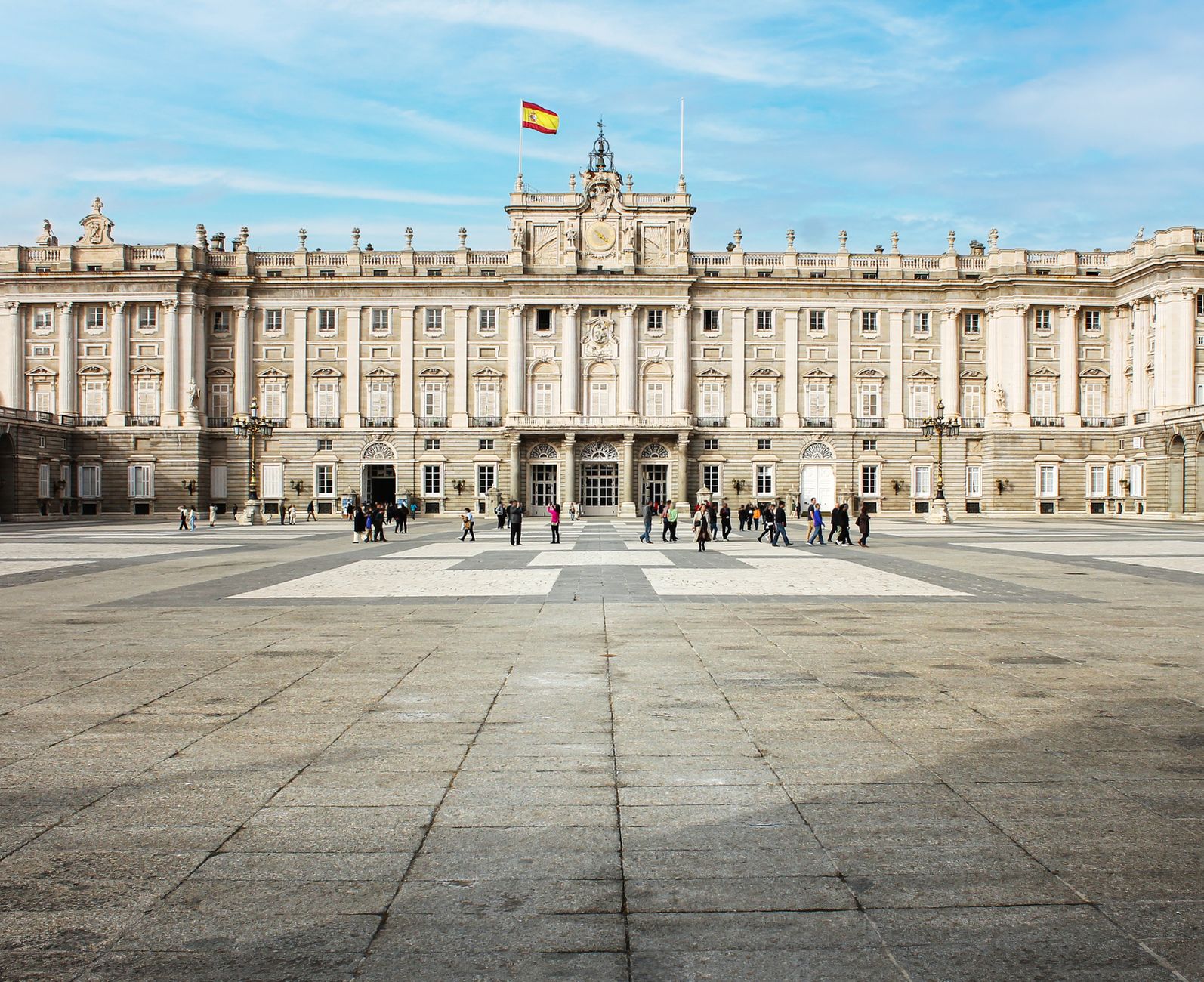
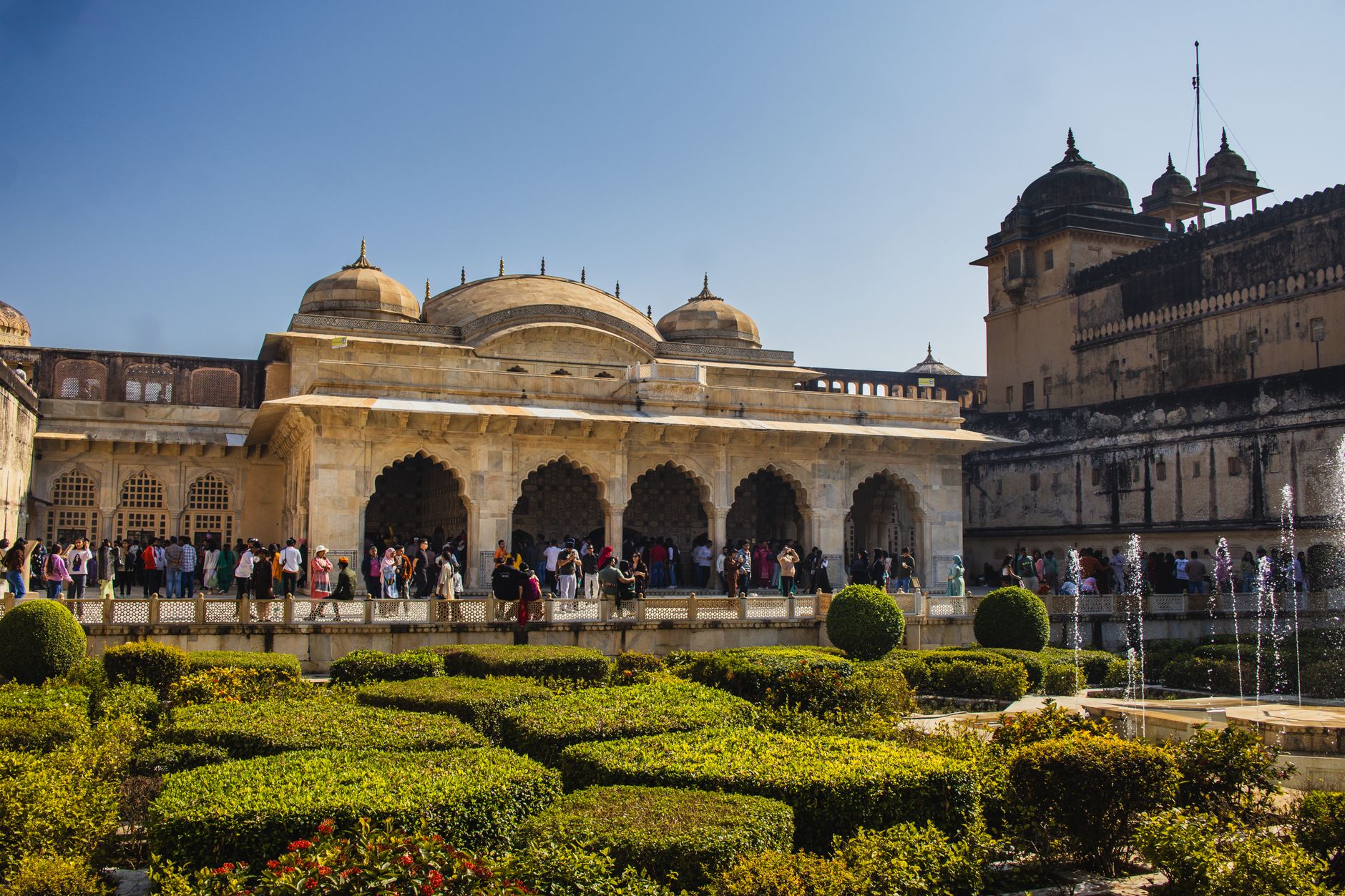
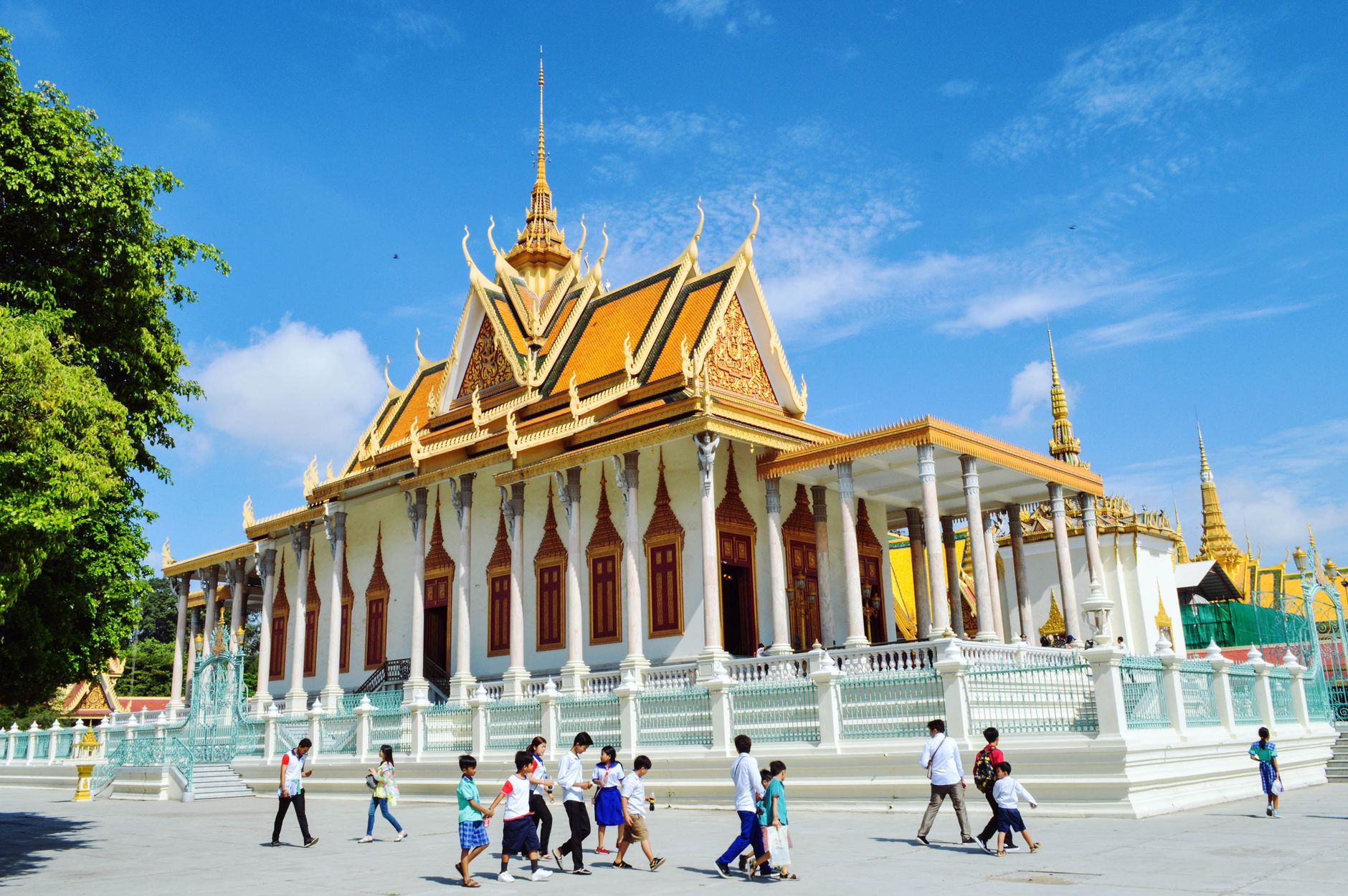
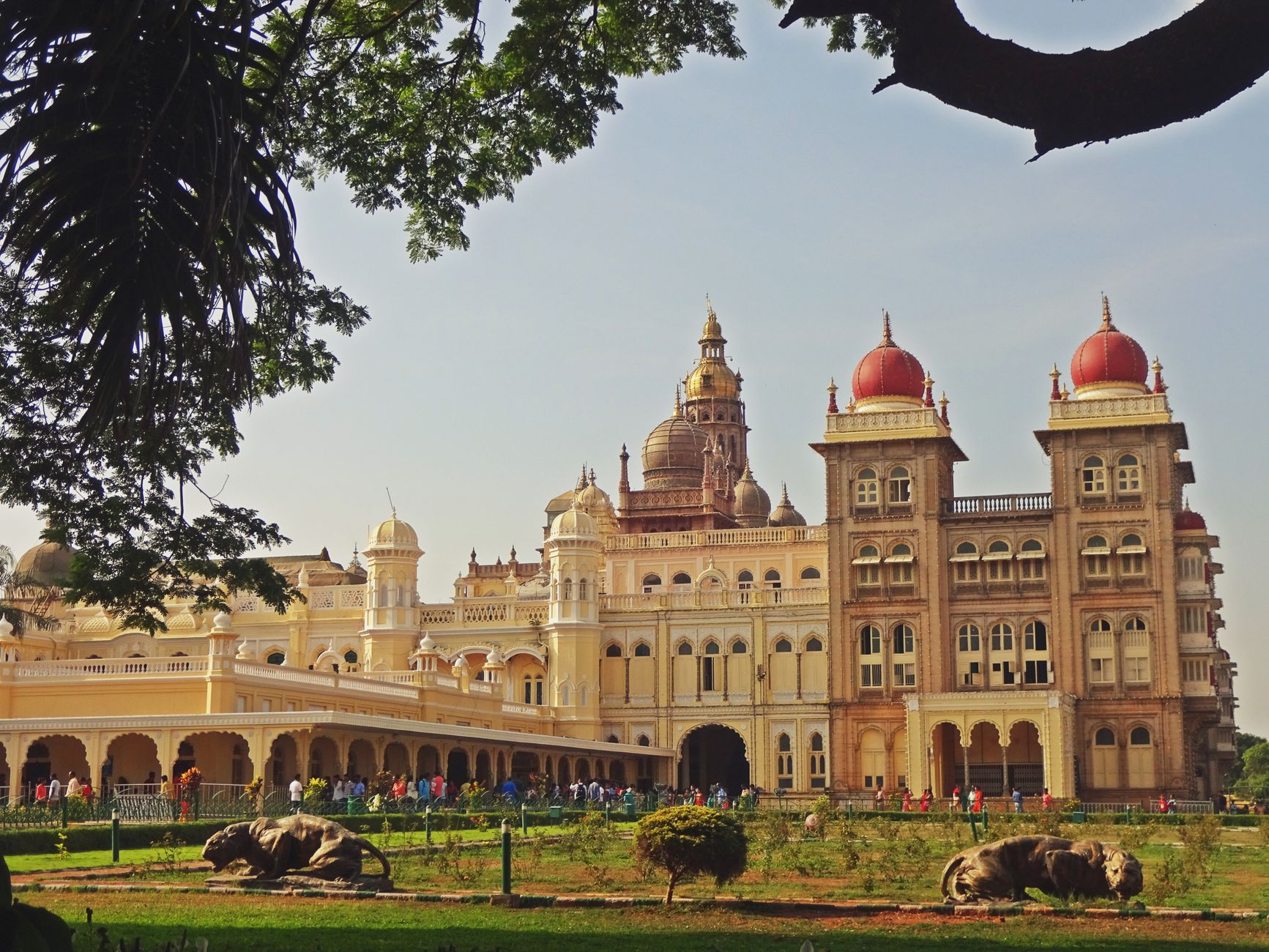
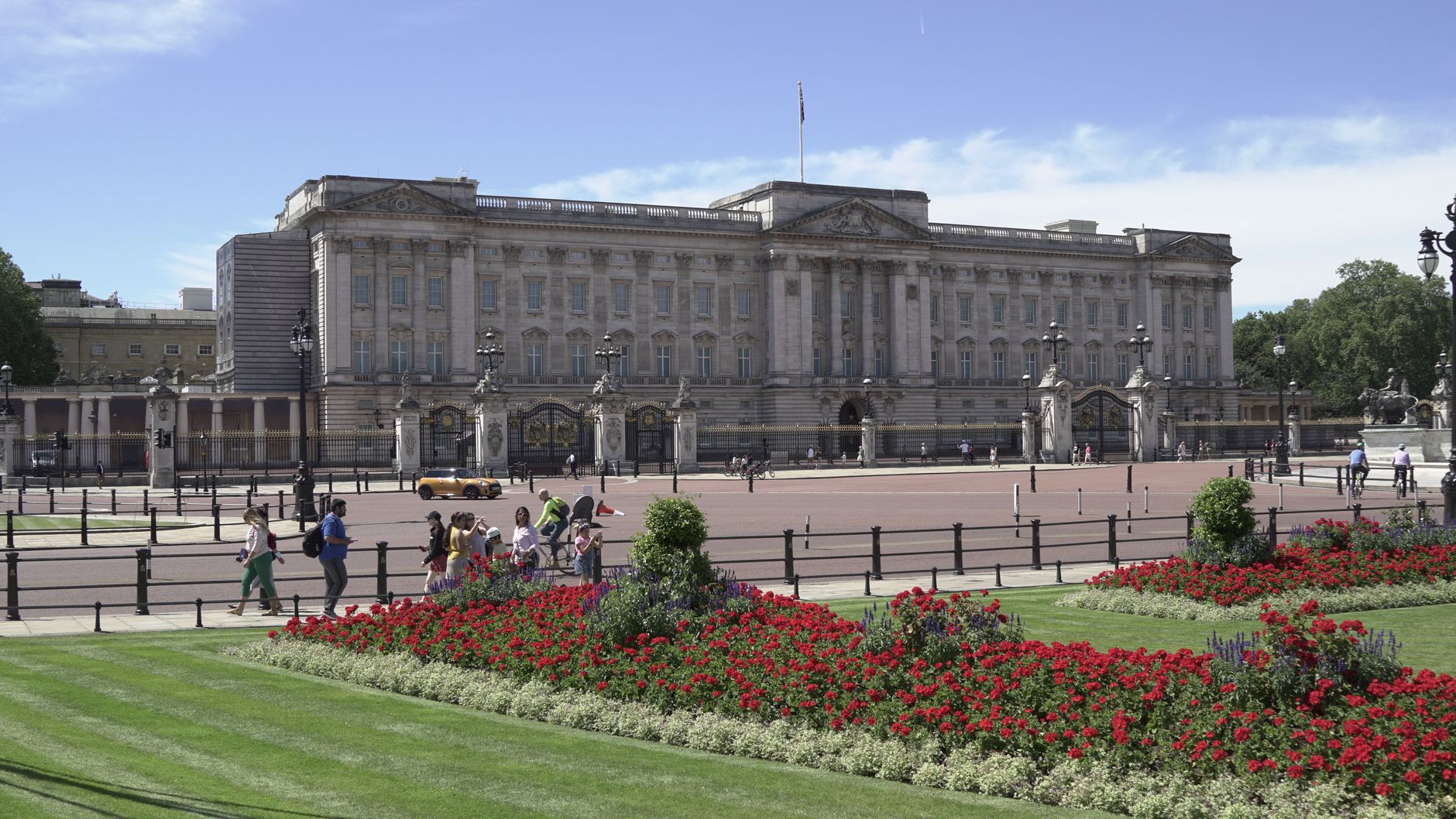
The Royal Menagerie Area sits within the Agdal Gardens at a remove from the city's noise — high earth walls, open ground, and the particular quiet of a place that has been walled off from ordinary life for centuries. What remains here is a sense of enclosure and scale that the orchards and reservoirs nearby only deepen.
The name recalls a past function: animals kept for the court, a spectacle of empire made flesh. That chapter is long closed, but the area still carries a certain gravity within the gardens — a corner that reads as purposeful rather than ornamental, shaped by use rather than decoration.
💛 What travellers fall for
People who return to the Agdal tend to arrive early on a Friday or Sunday, when the light is low and the earth walls cast long shadows. The Menagerie Area rewards a slow circuit rather than a straight line — the relationship between open ground and enclosing wall changes entirely depending on where you stand.
How Royal Menagerie Area came to be
The Agdal Gardens were laid out in 1157 under Almohad Caliph 'Abd al-Mu'min bin 'Ali al-Kumi, designed by Ahmad ibn Muhammad ibn Milhan, an Andalusian engineer of Berber origin who grew wealthy on the commission. The rectangular enclosure — roughly 3.1 kilometres long — was conceived as both an agricultural estate and a royal retreat, with irrigation infrastructure feeding groves of orange, fig, pomegranate, and olive trees.
The Saadi dynasty renovated the gardens, and Moulay Abderrahmane expanded them in the nineteenth century. Within this broader history, the Menagerie Area represented the court's appetite for living spectacle — animals housed within the same walls that sheltered pavilions and reservoirs. The gardens as a whole were listed as a UNESCO World Heritage Site in 1985, together with the Marrakech medina and the Menara Gardens.
Who and what shaped it
People who shaped it
Landmark buildings
Plan your visit
On the map
When to go
Spring (March to May) is the most comfortable window, with daytime temperatures rising from around 20°C to 28°C and reliable sunshine. Summer brings genuine heat — 35 to 40°C is common in July and August — so early morning visits matter most then. Autumn eases back into pleasant afternoons, while winter days are mild but nights can drop close to freezing.
Right now
Background & history adapted from Wikipedia (CC BY-SA) · specs from Wikidata (CC0) · weather from Open-Meteo · map data © OpenStreetMap contributors · photos from Wikimedia Commons / Unsplash with per-image credit. No third-party reviews or social posts reproduced.