
Dar el Beida Outbuilding
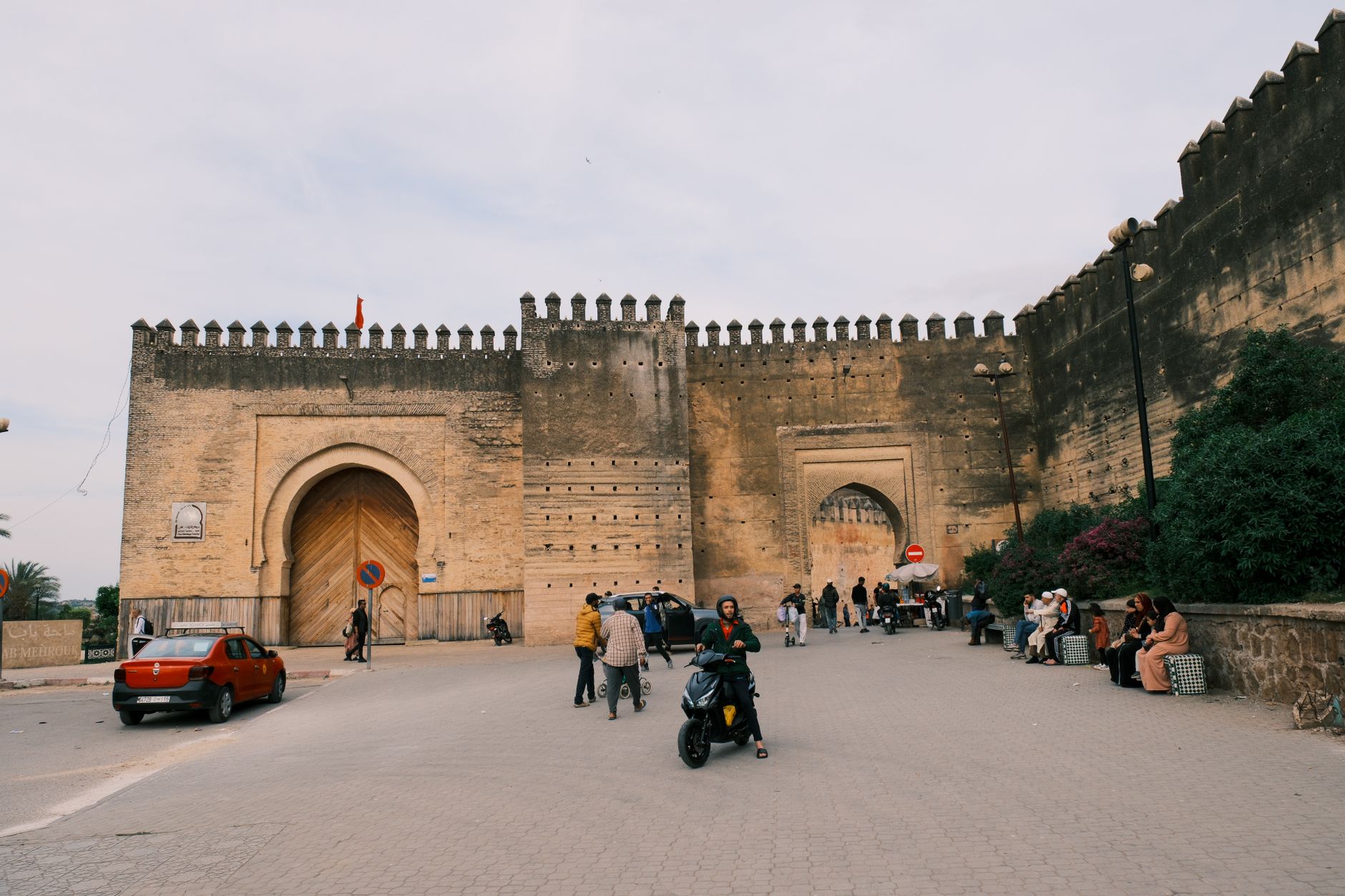
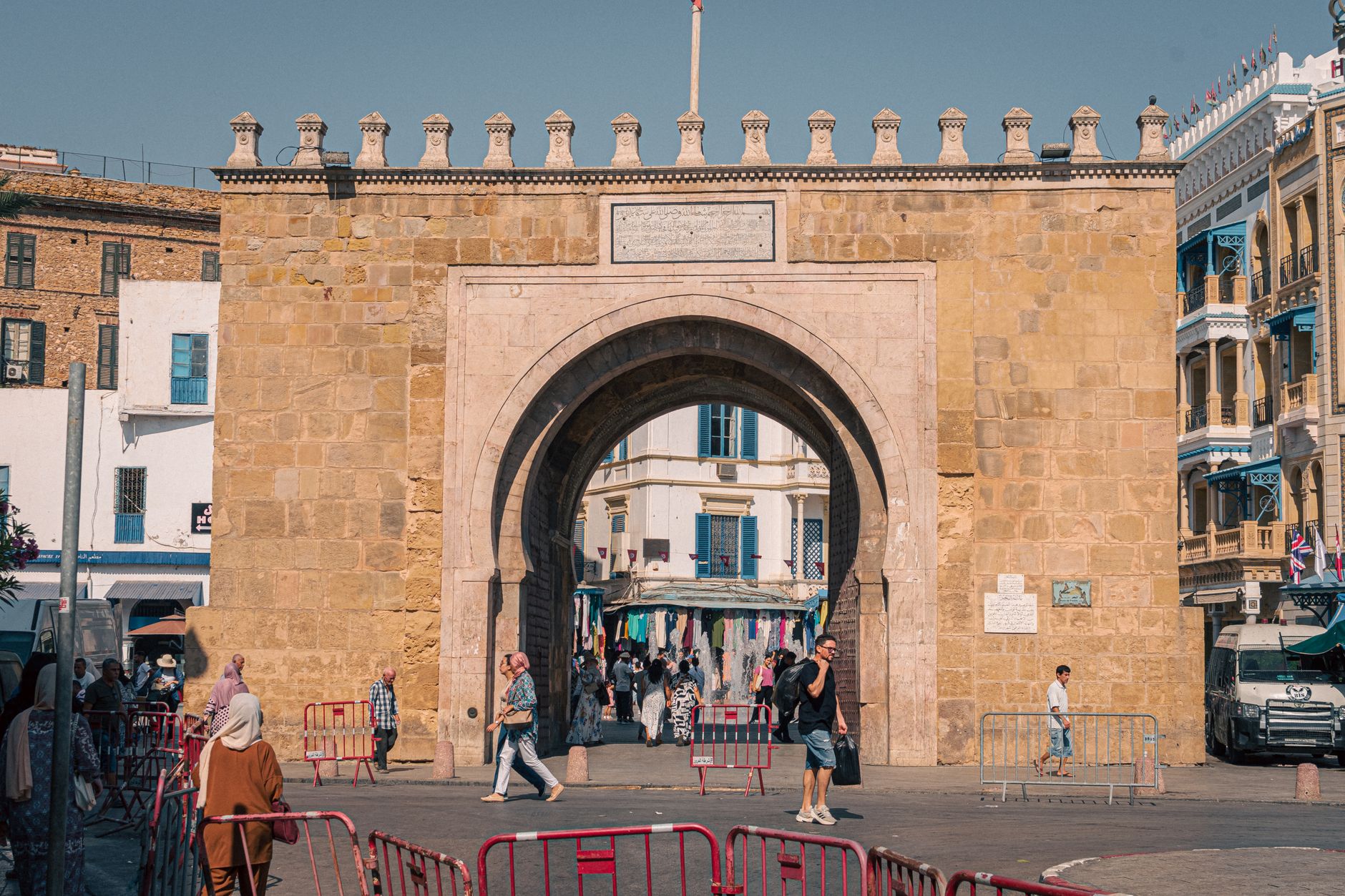
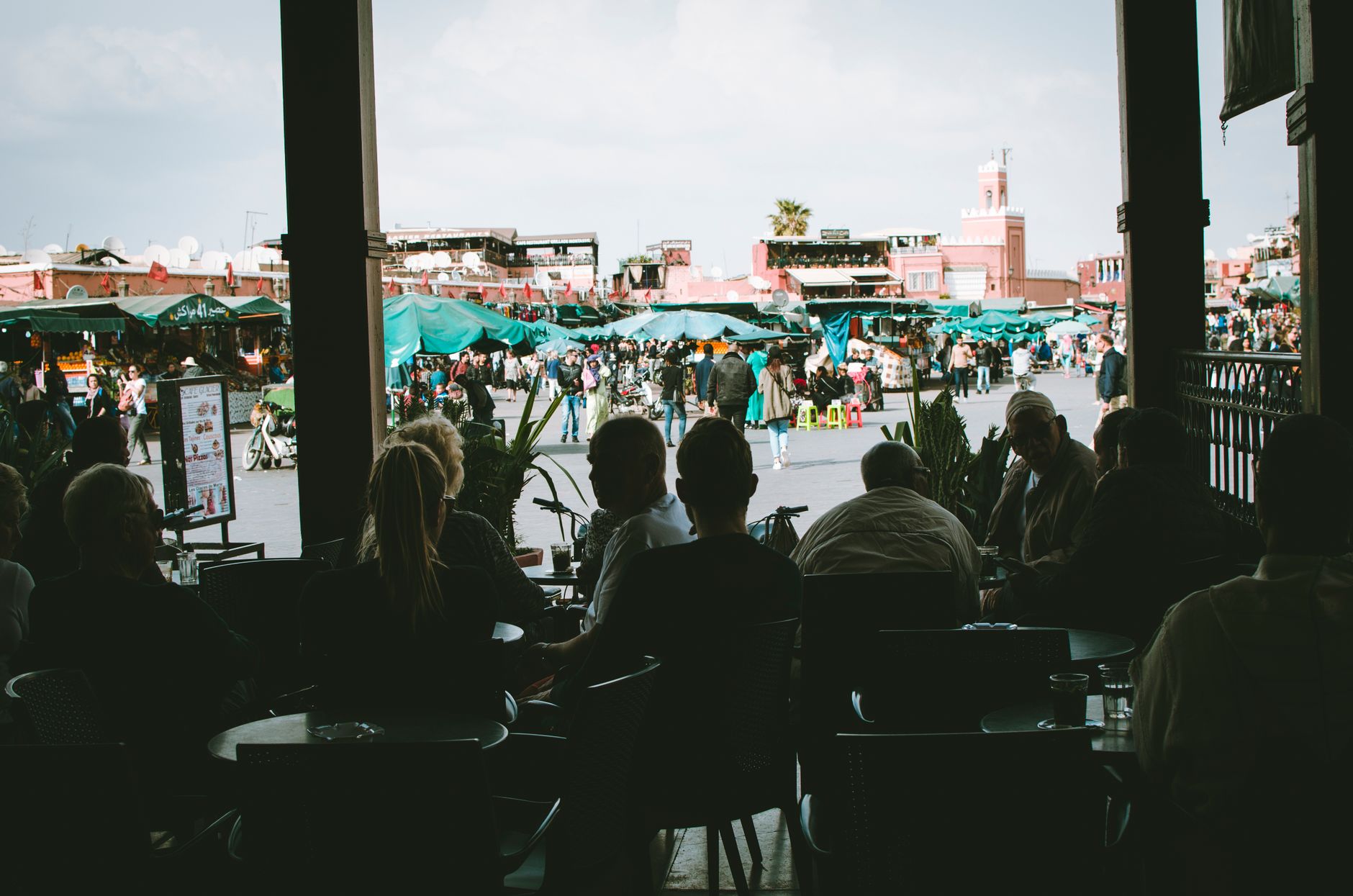
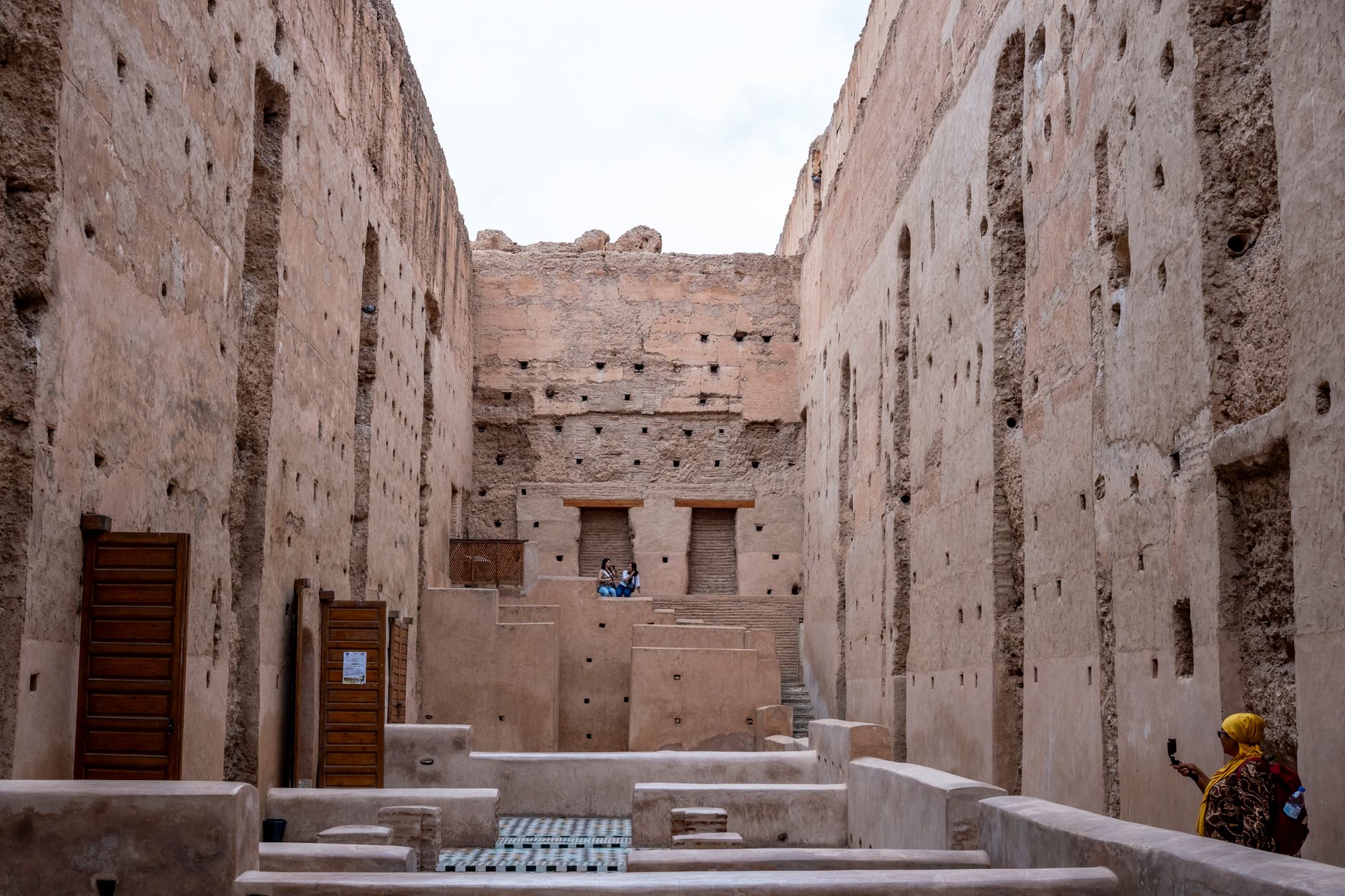
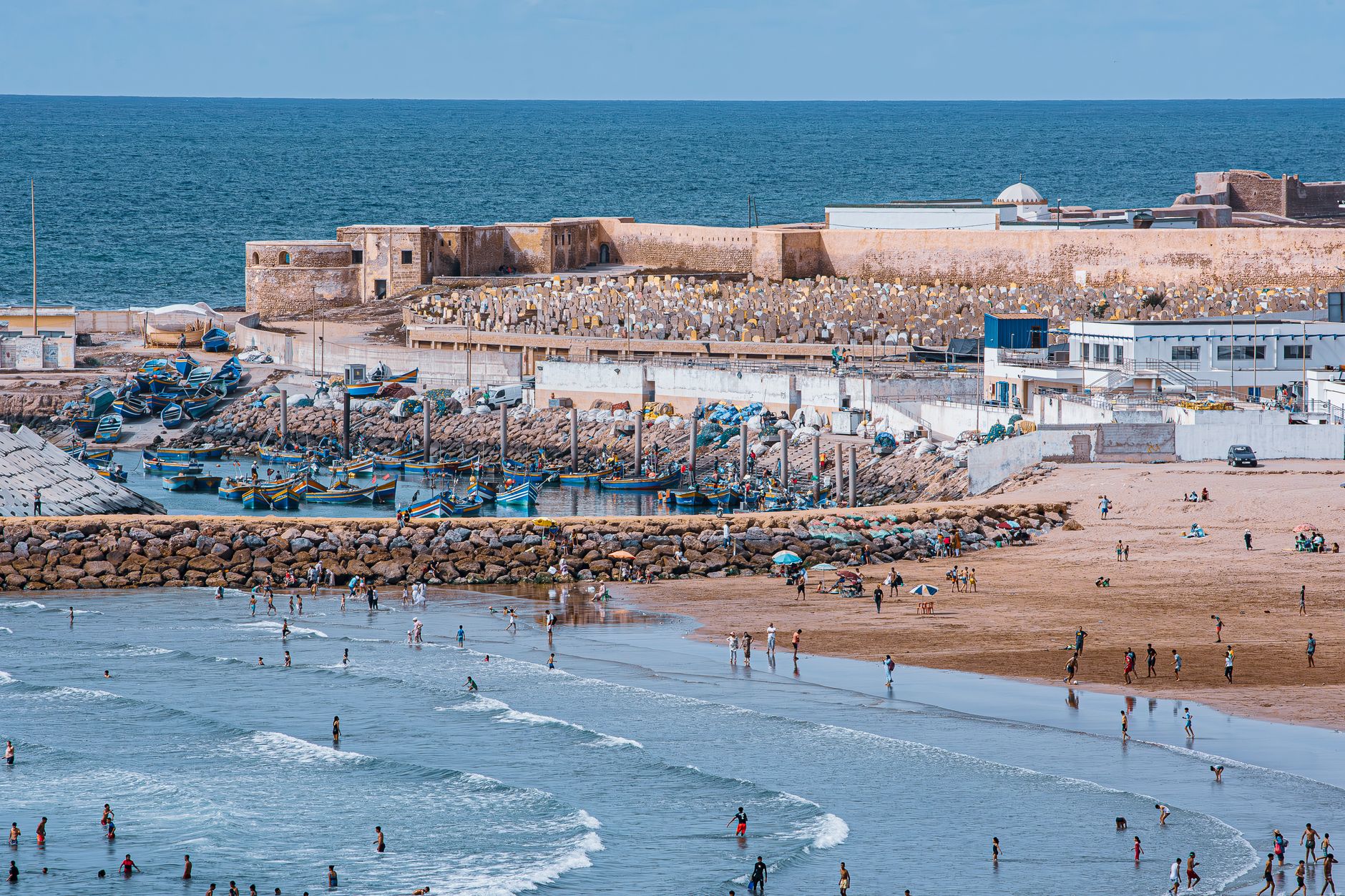
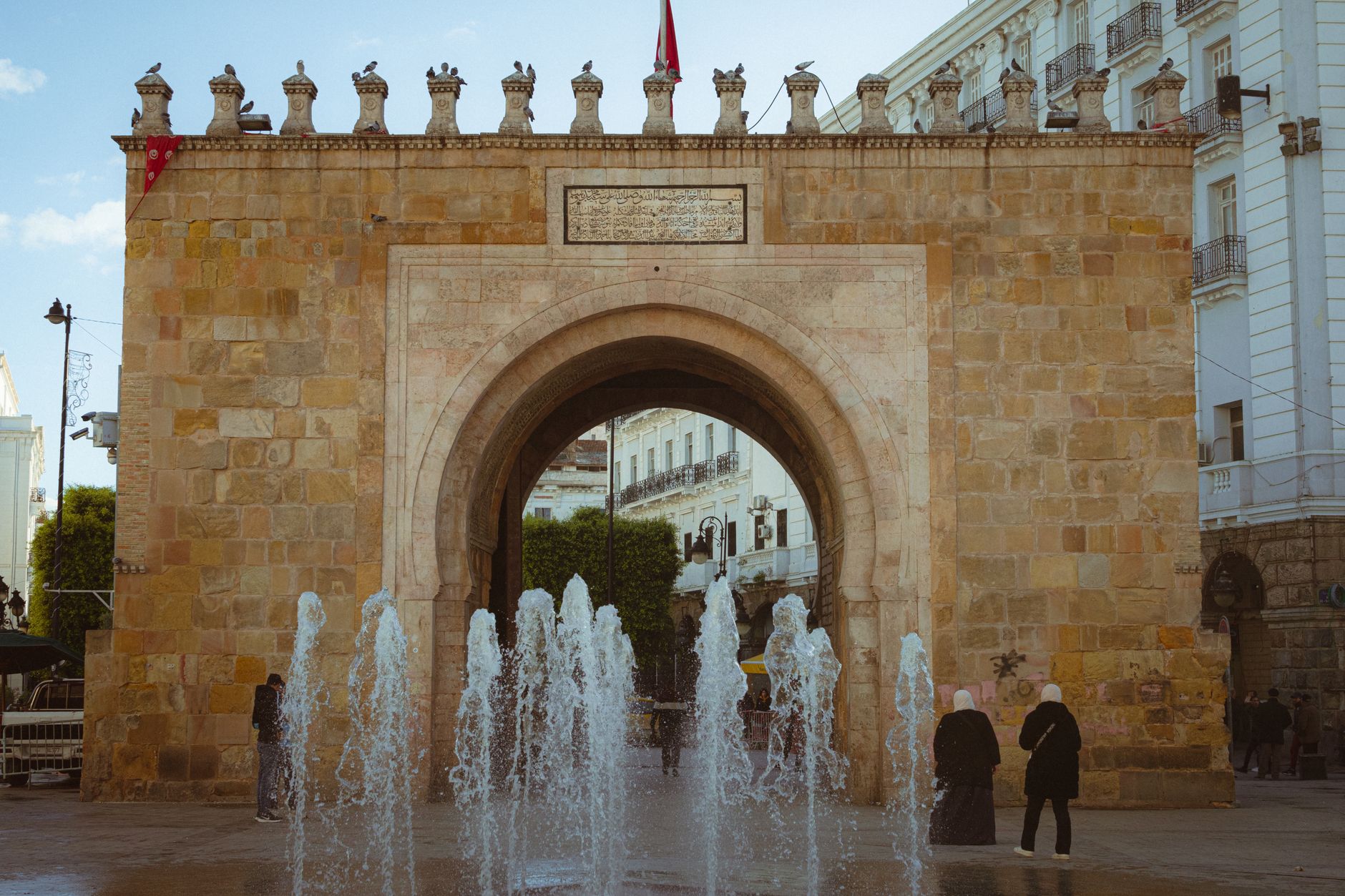
The Dar el Beida outbuilding sits in the northwest quadrant of the Agdal Gardens behind high pisé walls, and the honest thing to say upfront is that you won't be going inside. It is an active royal residence, closed to the public, and the gardens themselves shut entirely when the king is in residence. What you can do is stand in its orbit — walk the long straight paths between olive trees, follow the irrigation channels that have watered this working landscape for centuries, and sense the weight of a place that was built to last.
That proximity is its own thing. The scale of the walls, the rectangular mass of 120 by 142 metres pressing quietly against the garden's geometry, gives you a frame for the surrounding grounds that no map quite conveys.
💛 What travellers fall for
People who return to the Agdal tend to time it for a Friday morning, early enough to catch the low light on the water before other visitors arrive. The outbuilding's walls cast long shadows across the path that runs northwest — worth following slowly, with no particular destination in mind.
How Dar el Beida Outbuilding came to be
The outbuilding was constructed between 1822 and 1859 under the 'Alawi sultan Moulay 'Abd al-Rahman bin Hisham, as part of the broader development of the Agdal Gardens into a royal retreat and working agricultural estate. The compound is described as modest in scale but richly decorated — a combination that reflects the garden's dual character as both a productive landscape and a place of dynastic prestige.
After Moulay 'Abd al-Rahman's death in 1859, his successor Sidi Muhammad IV bin 'Abd al-Rahman took up the work and renovated the outbuilding during his own reign, which lasted until 1873. It has remained in royal use ever since.
Who and what shaped it
People who shaped it
Landmark buildings
See Dar el Beida Outbuilding in motion
Plan your visit
On the map
When to go
The gardens are most comfortable between October and April, when the heat eases and the light turns golden rather than flat. Summer visits before 9 a.m. are manageable; midday in July or August, with little shade on the main paths, is genuinely punishing.
Right now
Background & history adapted from Wikipedia (CC BY-SA) · specs from Wikidata (CC0) · weather from Open-Meteo · map data © OpenStreetMap contributors · photos from Wikimedia Commons / Unsplash with per-image credit. No third-party reviews or social posts reproduced.