
Small Basin (Sahraj el Ouled)
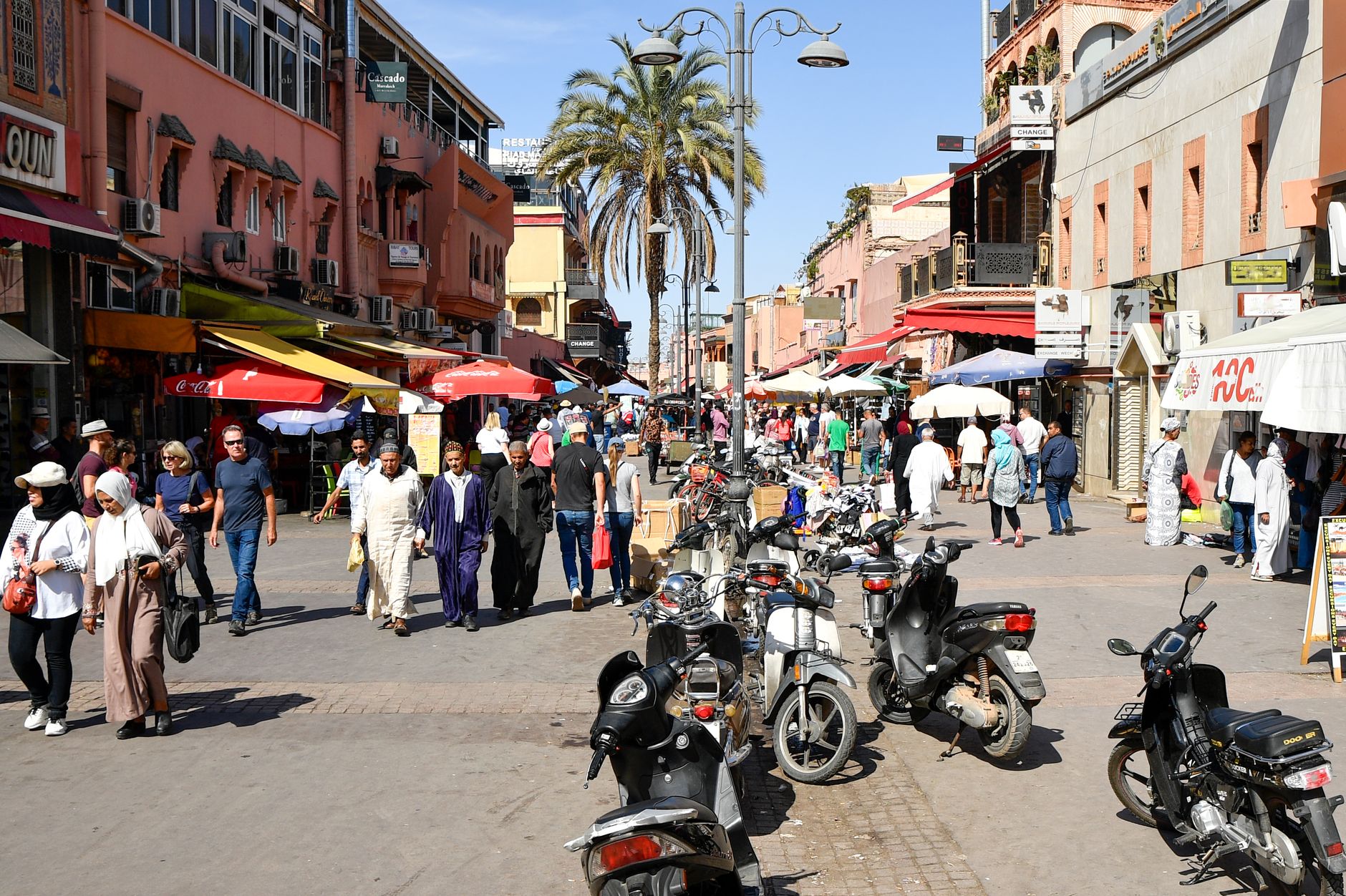

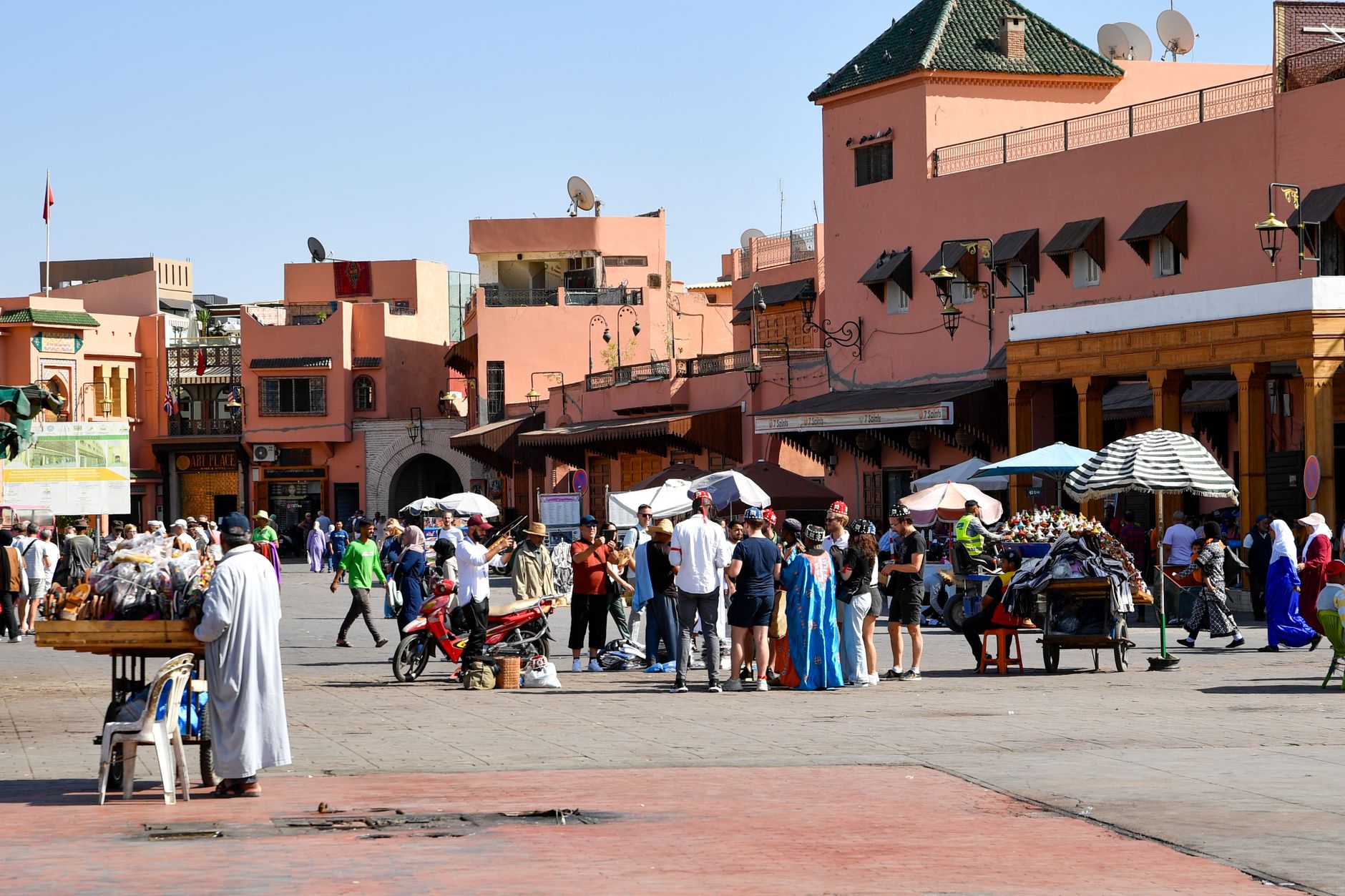
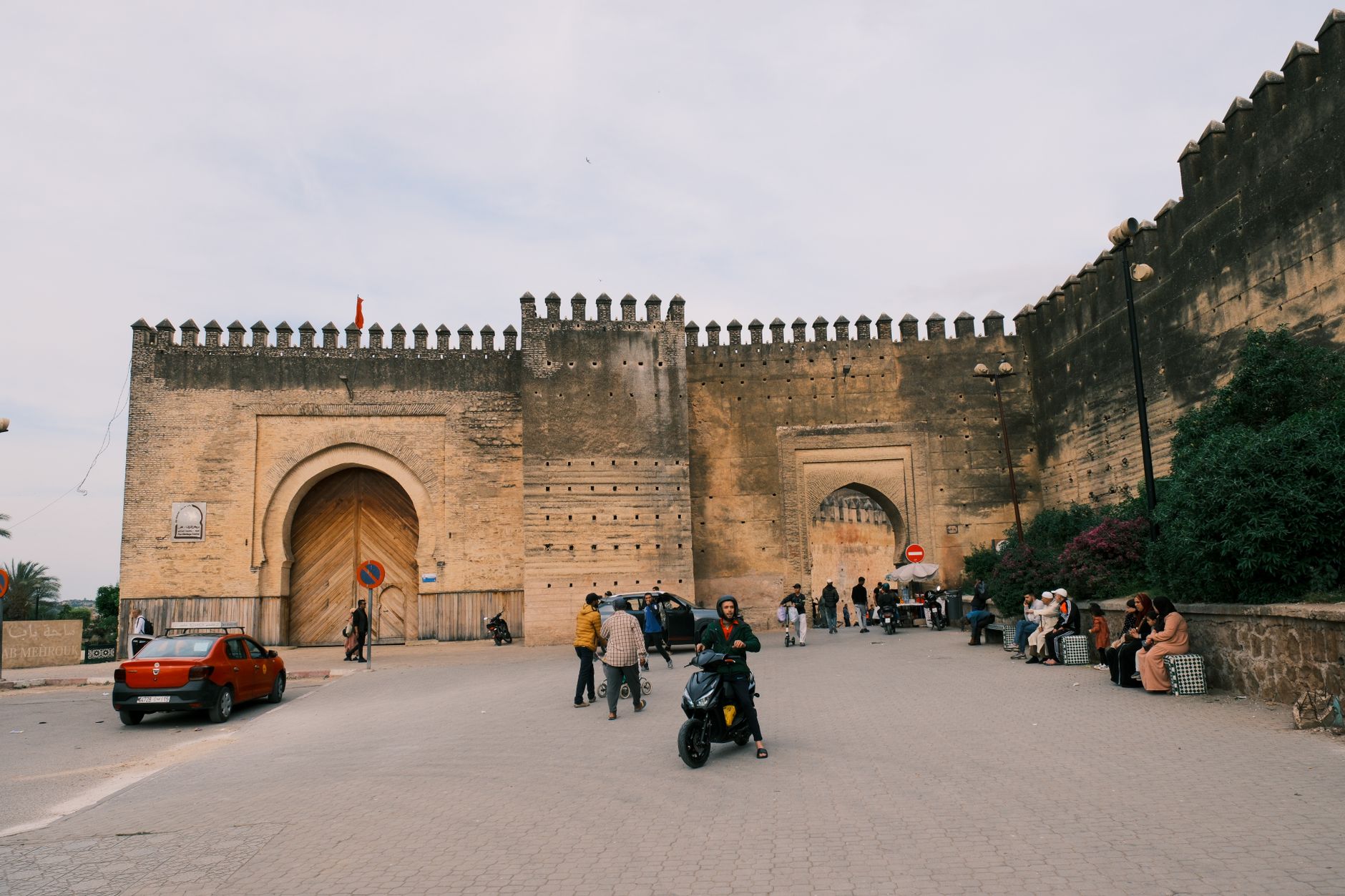
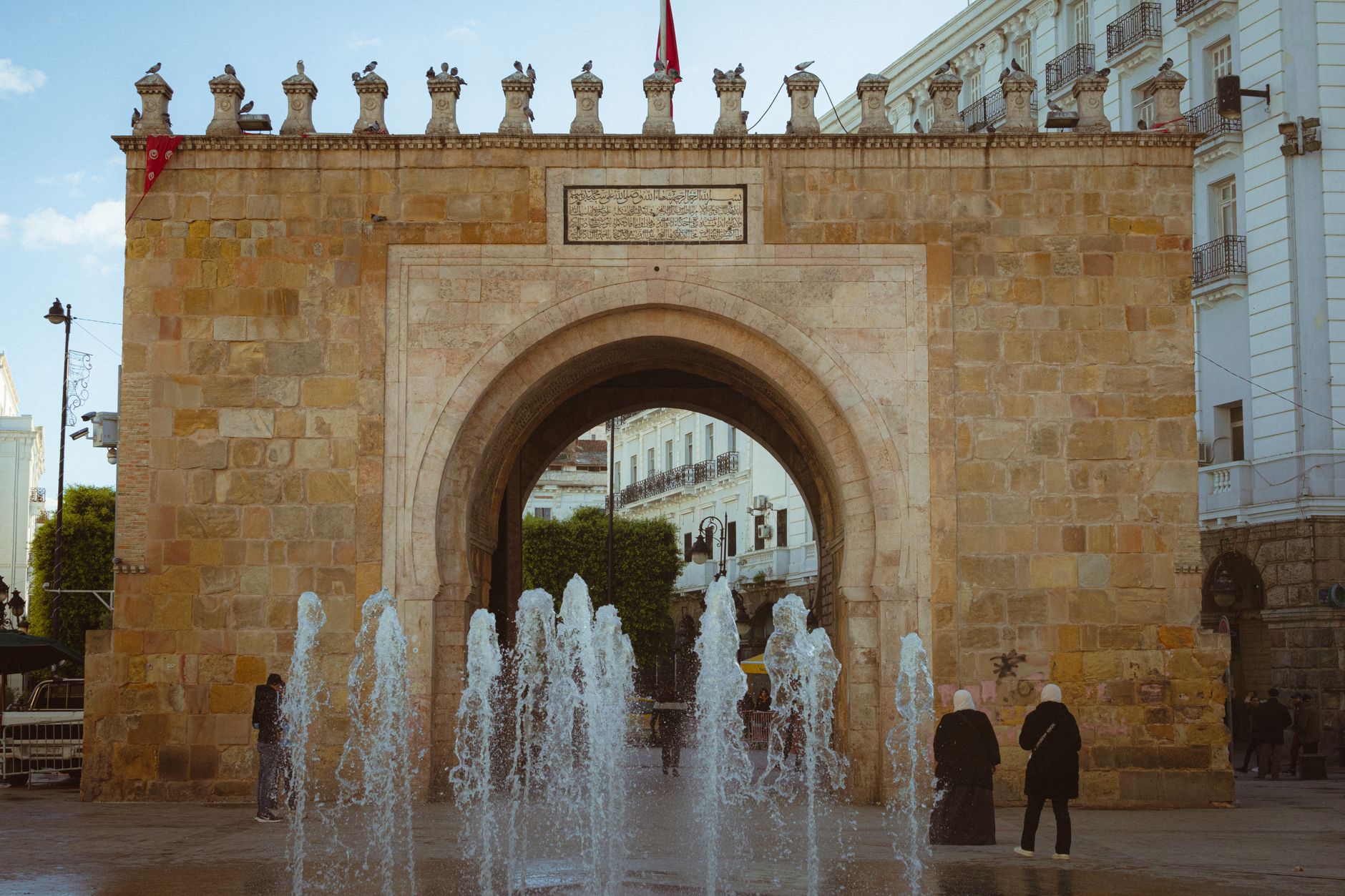
The Sahraj el Ouled sits within the Agdal Gardens as one of its quieter water features, a basin that holds the same function these reservoirs have served for centuries: storing Atlas snowmelt, channelled underground from the mountains through a system of khettara that predates most of Marrakech's famous monuments. The water arrives here having travelled many kilometres without ever seeing daylight.
Where the larger Sahraj el-Hana draws the eye with its sheer scale, this smaller basin rewards a slower pace. The paved paths around its edge are shaded, the surrounding orchards close enough that the smell of whatever is in season drifts across the water.
💛 What travellers fall for
People who come back tend to arrive early — the gardens open at 7:30 and the light on the water before 9am is worth the effort. The walk from the Northern Entrance Gate gives you time to settle into the scale of the place before you reach the basin itself.
How Small Basin (Sahraj el Ouled) came to be
The Agdal Gardens were laid out in 1157 under the Almohad caliph Abd al-Mu'min, designed by Ahmad ibn Muhammad ibn Milhan, an engineer of Berber origin from Al-Andalus. The hydraulic logic was ambitious from the start: water carried from the High Atlas via underground channels to fill reservoirs that would irrigate orchards and supply the city. The Saadi dynasty later renovated the gardens, and Sultan Moulay Abderrahmane expanded them significantly in the nineteenth century.
The gardens were inscribed as part of the UNESCO World Heritage Médina of Marrakesh in 1985. The basins have never been purely ornamental — troops once trained to swim in the largest of them, and the water sustained the orchards that still surround the smaller pools today.
Who and what shaped it
People who shaped it
Landmark buildings
Plan your visit
On the map
When to go
Spring (March to May) is the most temperate season, with temperatures around 24°C and the orchards in bloom. Summer heat regularly reaches 38°C, which makes the shaded pool paths more appealing but the midday hours genuinely punishing; autumn brings clear skies and comfortable warmth. Winter days can be mild but nights drop sharply, sometimes below 5°C.
Right now
Background & history adapted from Wikipedia (CC BY-SA) · specs from Wikidata (CC0) · weather from Open-Meteo · map data © OpenStreetMap contributors · photos from Wikimedia Commons / Unsplash with per-image credit. No third-party reviews or social posts reproduced.