
Fig Orchard
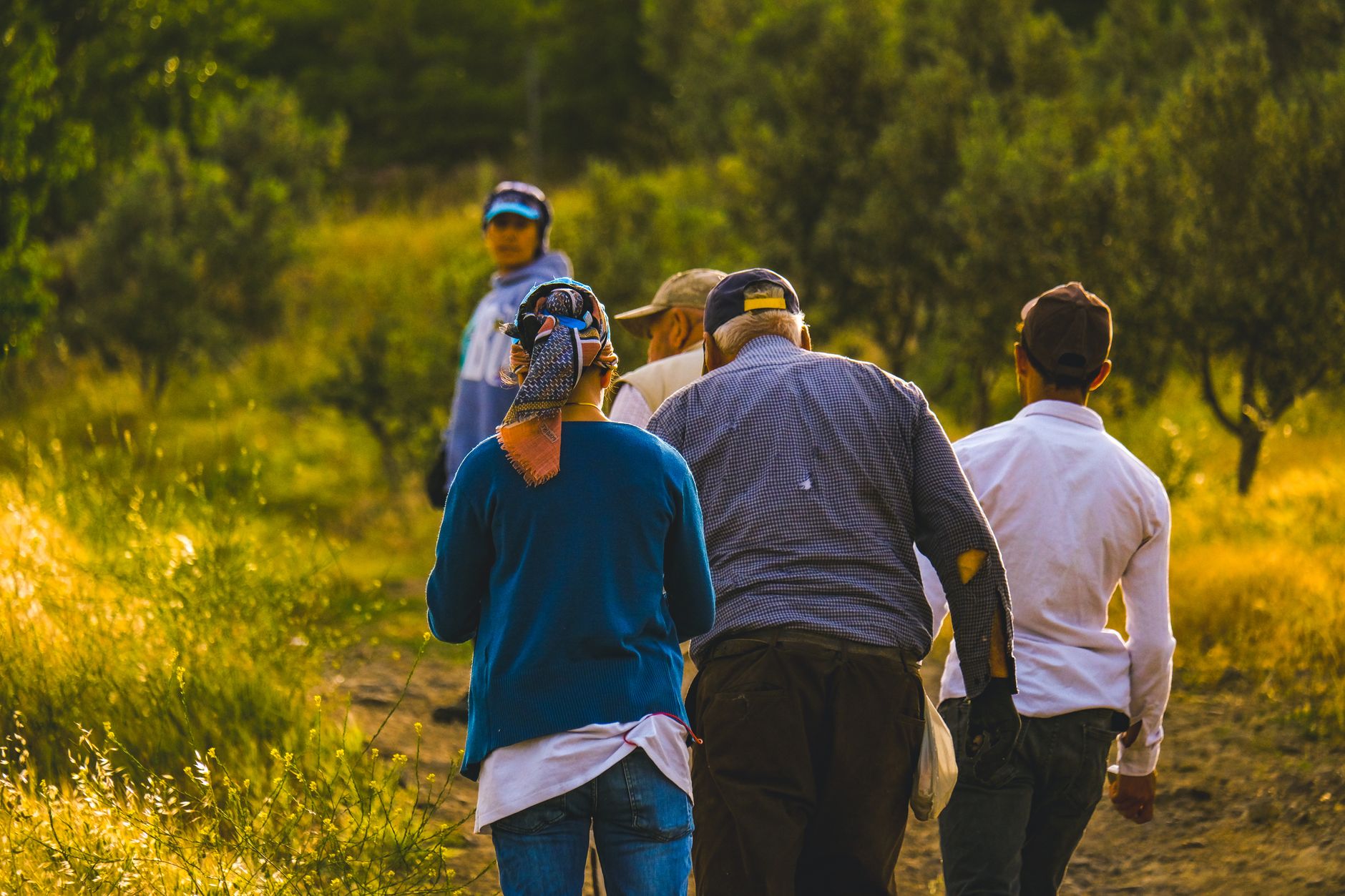
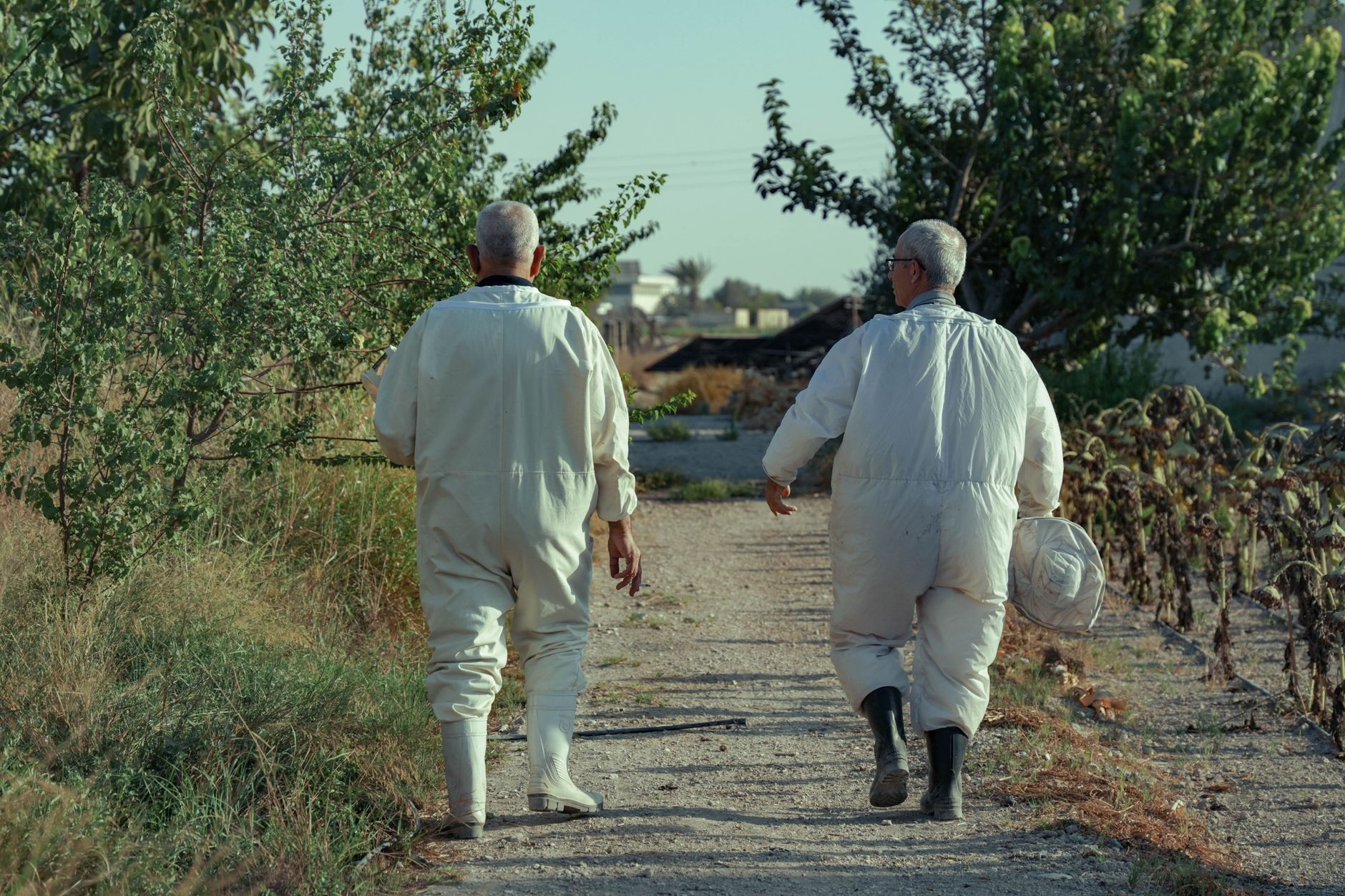
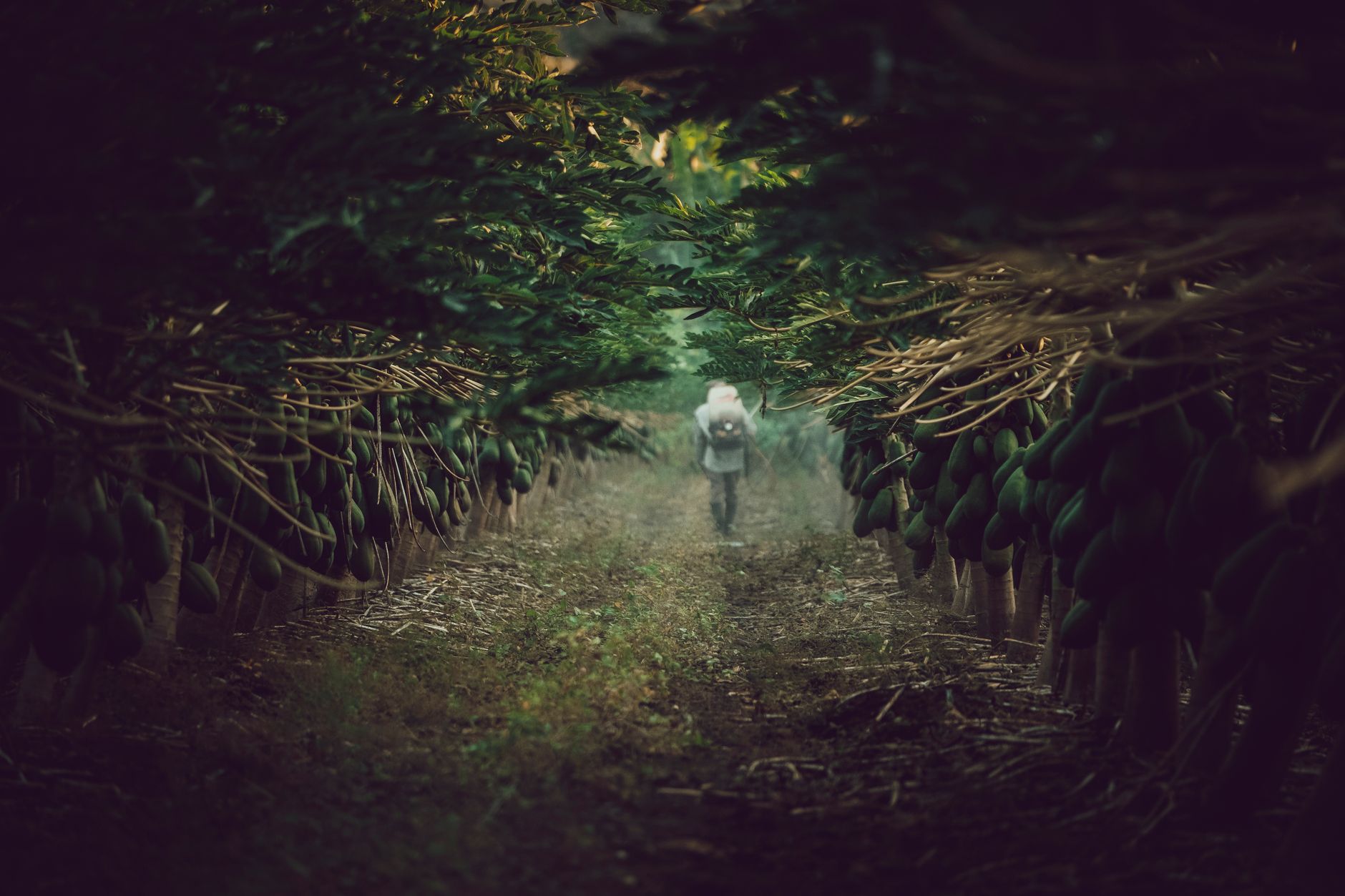
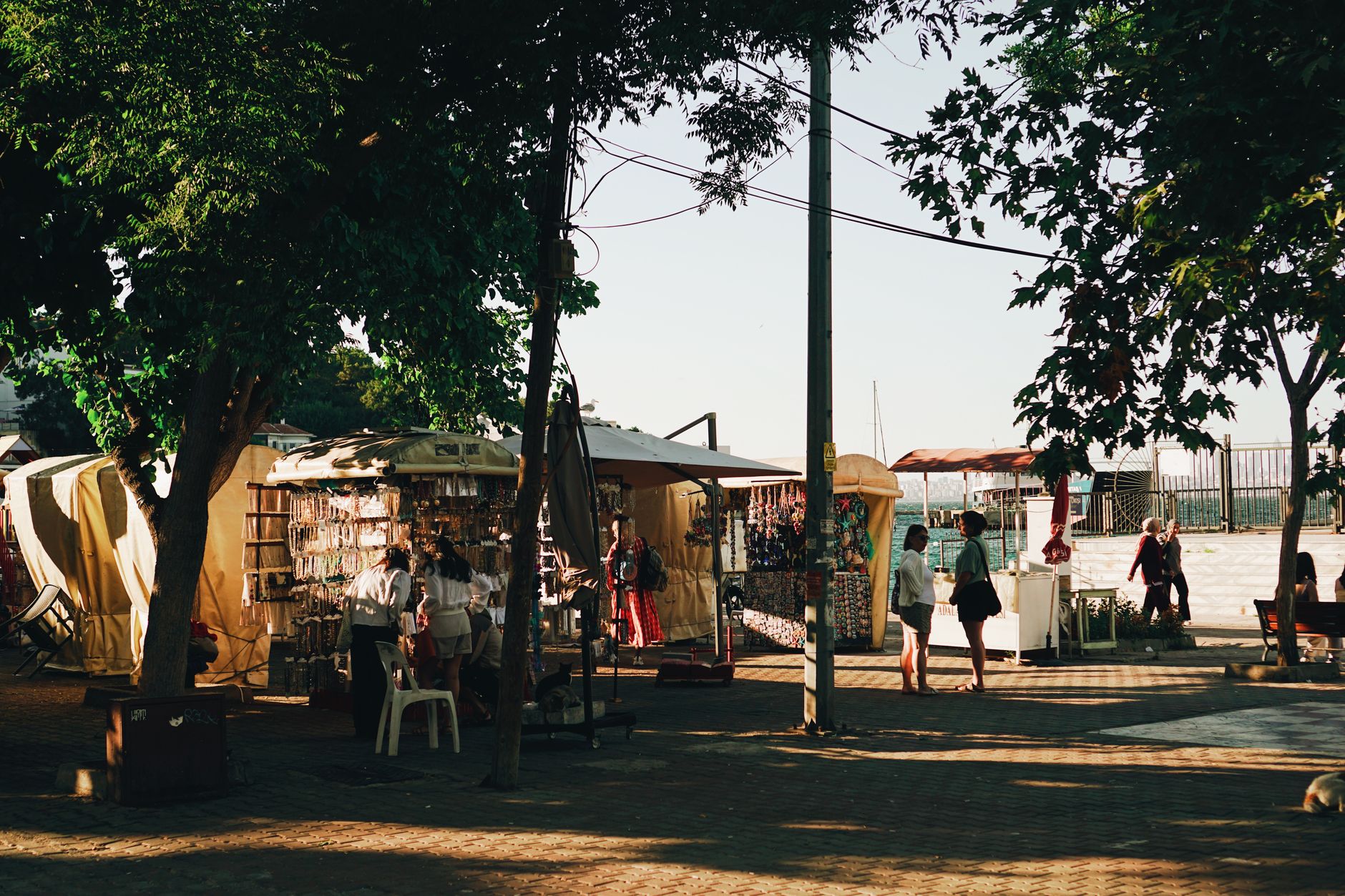
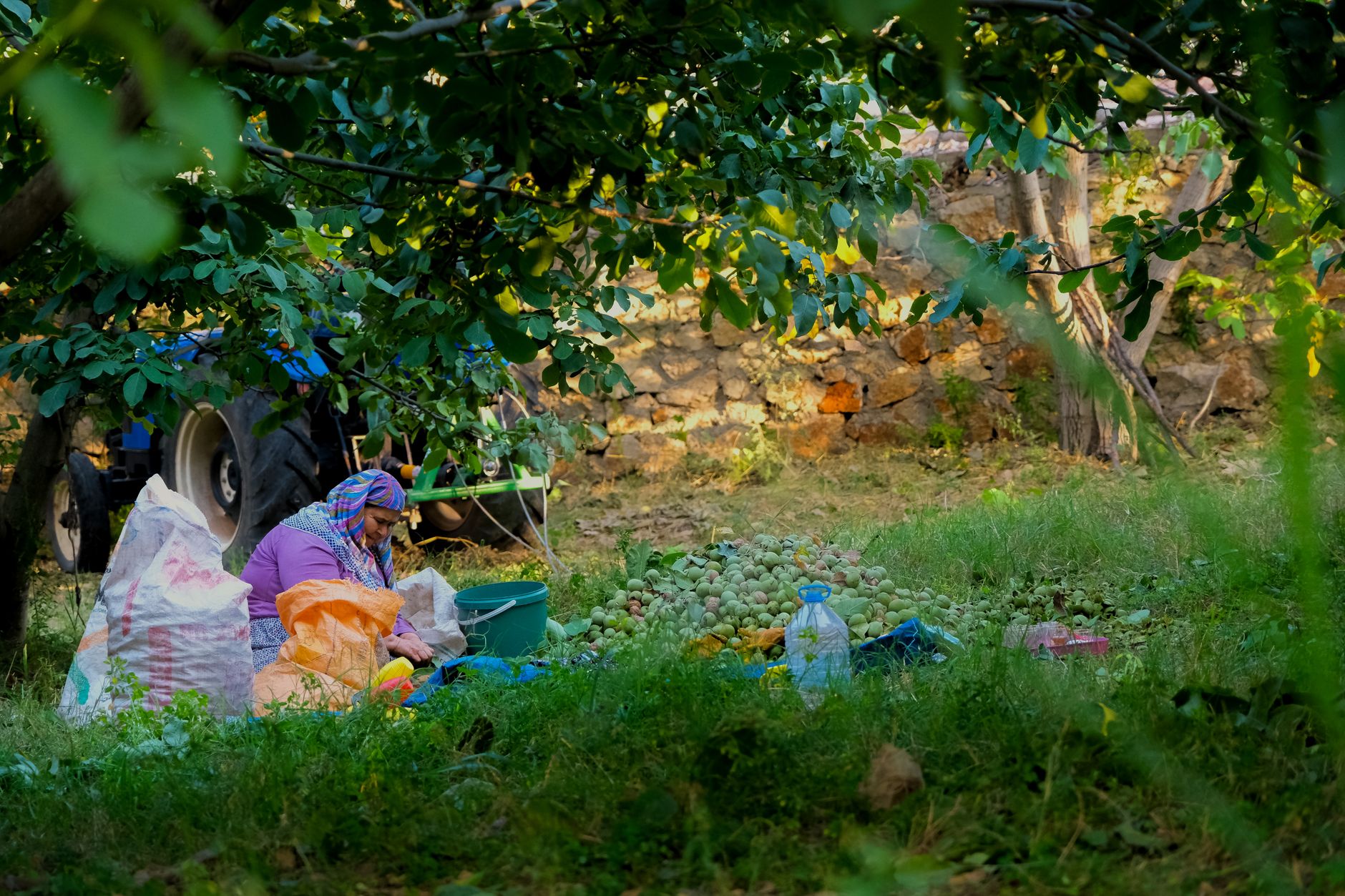
The fig trees here grow in rectangular plots, their broad leaves casting a particular kind of shade — dense and grey-green — that you don't find under the olives lining the paths between them. This is one section of the Agdal Gardens' working orchard landscape, where figs sit alongside apricots, lemons, and pomegranates, all fed by an underground channel system that has been moving water across this ground since the twelfth century.
There is very little to do here except walk slowly. The irrigation channels run at your feet, birds move through the canopy above, and the city recedes. The fig rows follow the same geometry the Almohad engineers laid down — straight lines, measured plots, a landscape built for productivity that has outlasted every dynasty that tended it.
💛 What travellers fall for
People who come back tend to time their visit for early Friday morning, when the gardens open and the light is still low through the fig canopy. Bring water and something to sit on — the shade is good but the benches are scarce. The walk from the Southern Enclosure Wall through the fig rows to the Central Promenade Pathway takes maybe twenty minutes at an unhurried pace.
How Fig Orchard came to be
The Agdal Gardens were laid out in 1157 under Abd al-Mu'min, the Almohad dynasty's founder, making them one of the oldest continuously cultivated royal gardens in the Islamic world. The engineer behind the design was Ahmad ibn Muhammad ibn Milhan, an Andalusian-born figure of Berber origin, whose underground khotara channels and surface sequia irrigation network still function today.
The gardens were restored under the Saadian dynasty and significantly enlarged in the nineteenth century during the reign of Moulay Abderrahmane (1822–1859), who also built the Dar el-Beida palace on the grounds. UNESCO listed the Agdal as a World Heritage Site in 1985.
Who and what shaped it
People who shaped it
Landmark buildings
See Fig Orchard in motion
Plan your visit
On the map
When to go
Spring (March to May) and autumn (late September to mid-November) are the most comfortable seasons — warm but not punishing. Summer days regularly exceed 40°C, which makes the fig canopy's shade less a pleasure and more a necessity; winter mornings can drop below 5°C, so a layer is worth packing.
Right now
Background & history adapted from Wikipedia (CC BY-SA) · specs from Wikidata (CC0) · weather from Open-Meteo · map data © OpenStreetMap contributors · photos from Wikimedia Commons / Unsplash with per-image credit. No third-party reviews or social posts reproduced.