
Dar el Hana Pavilion
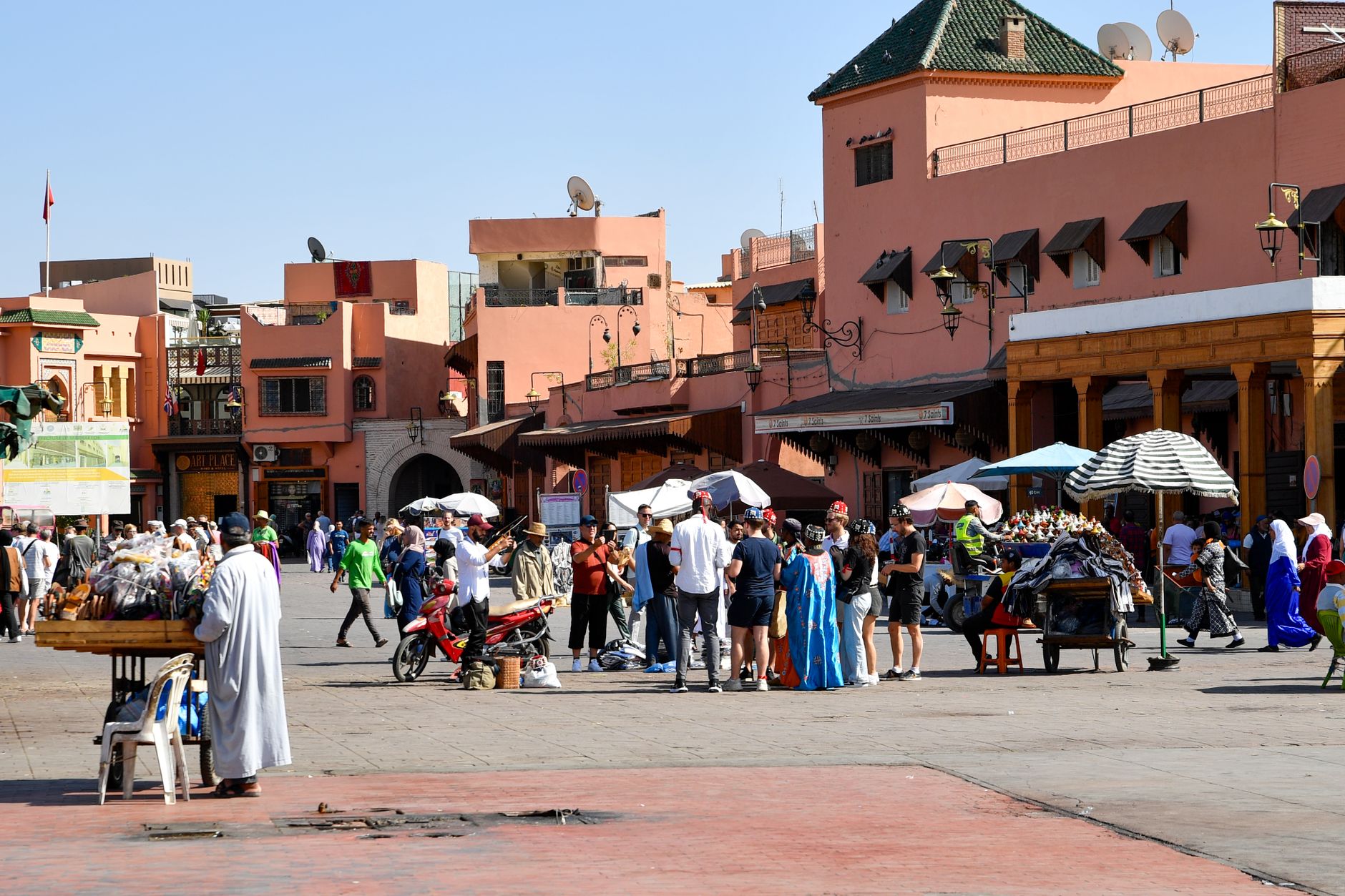
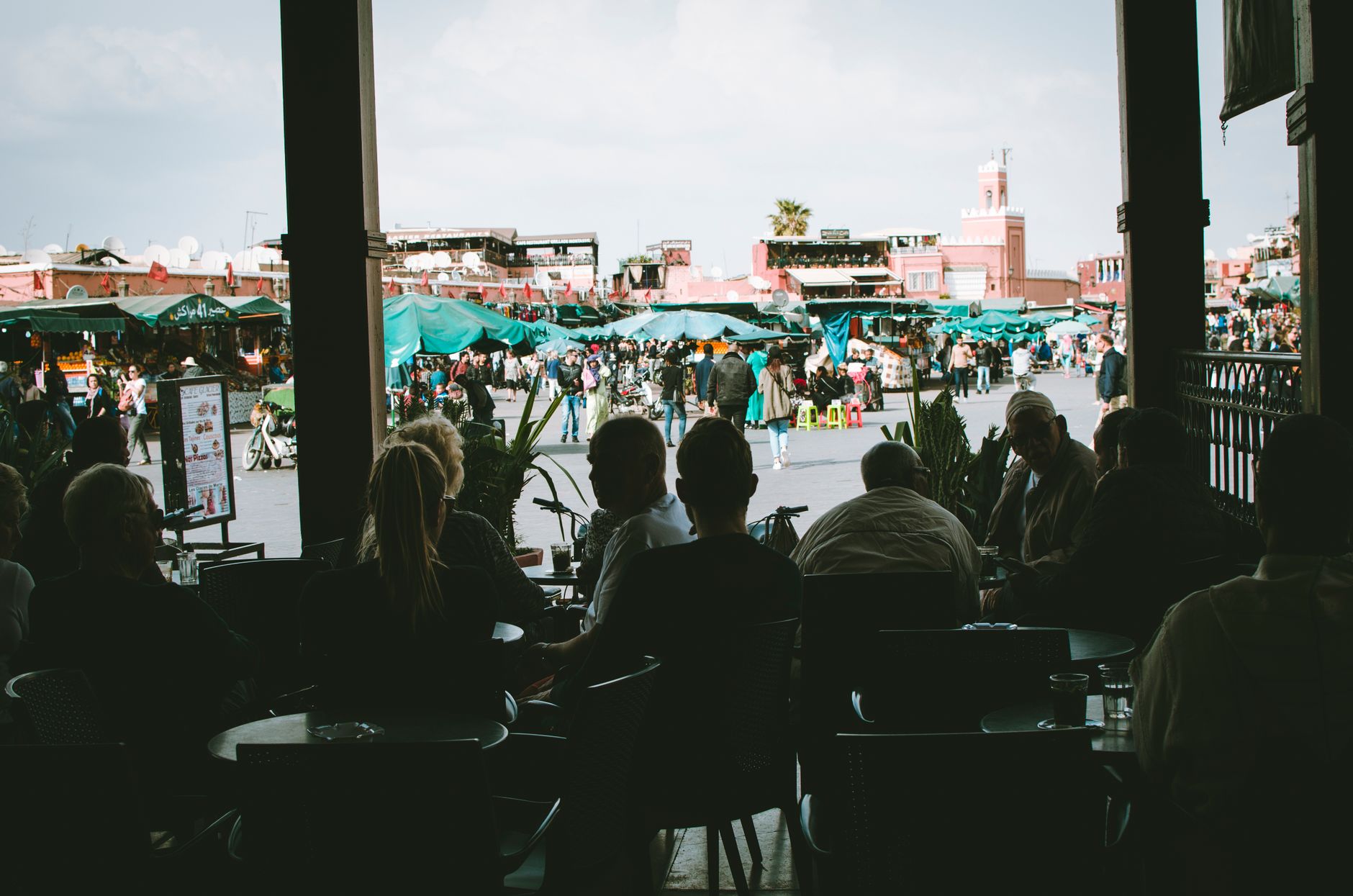
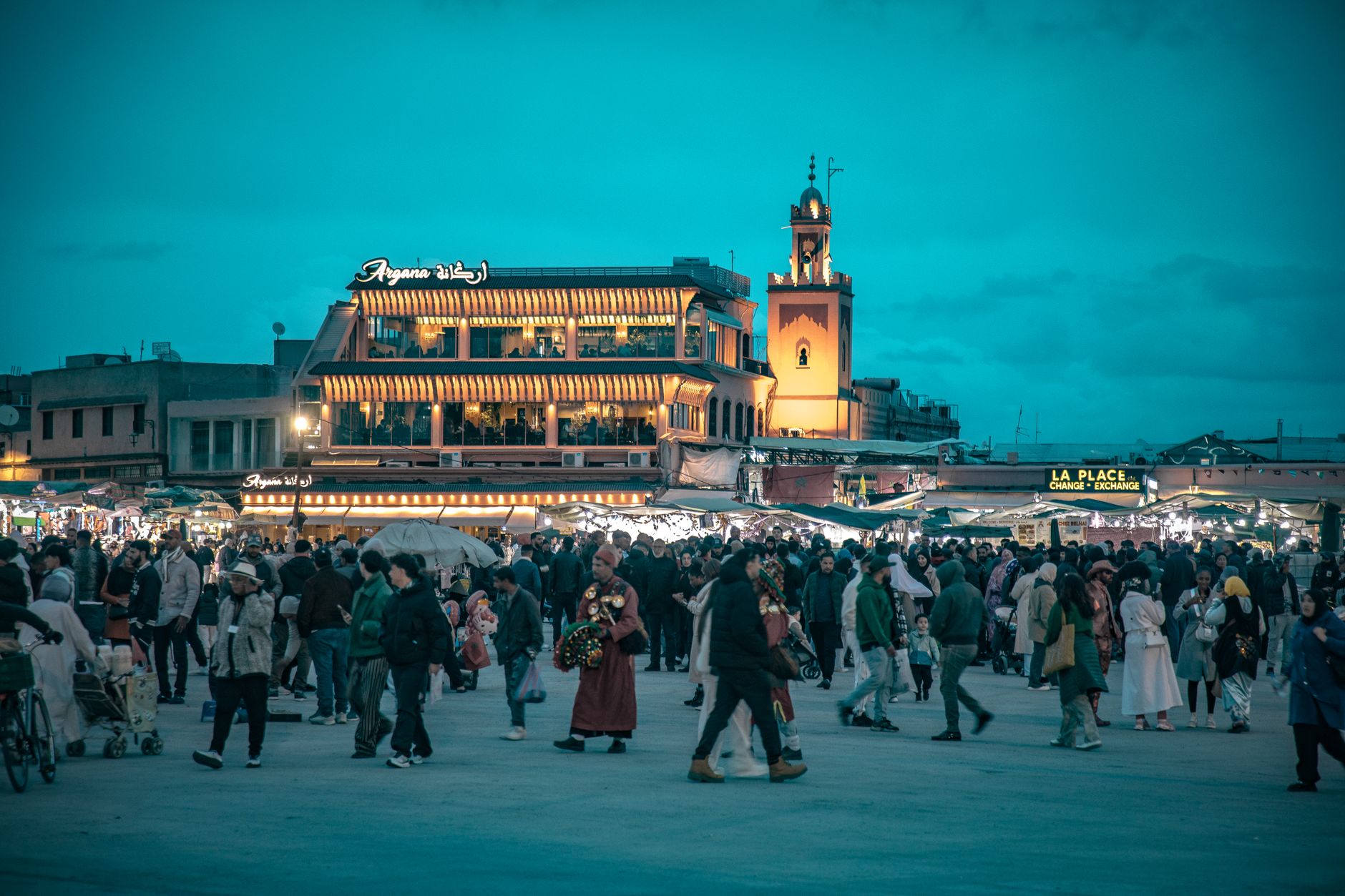
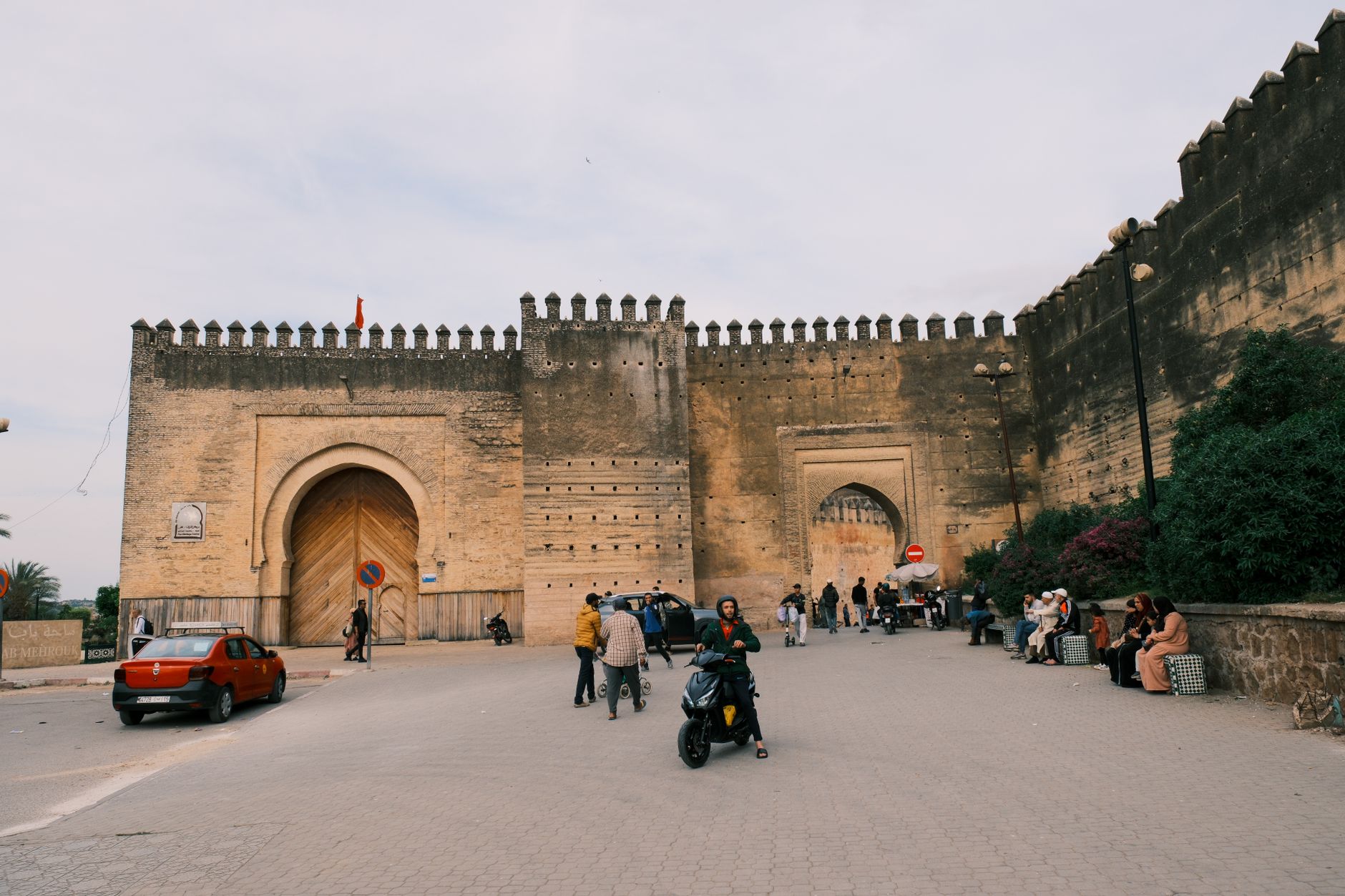
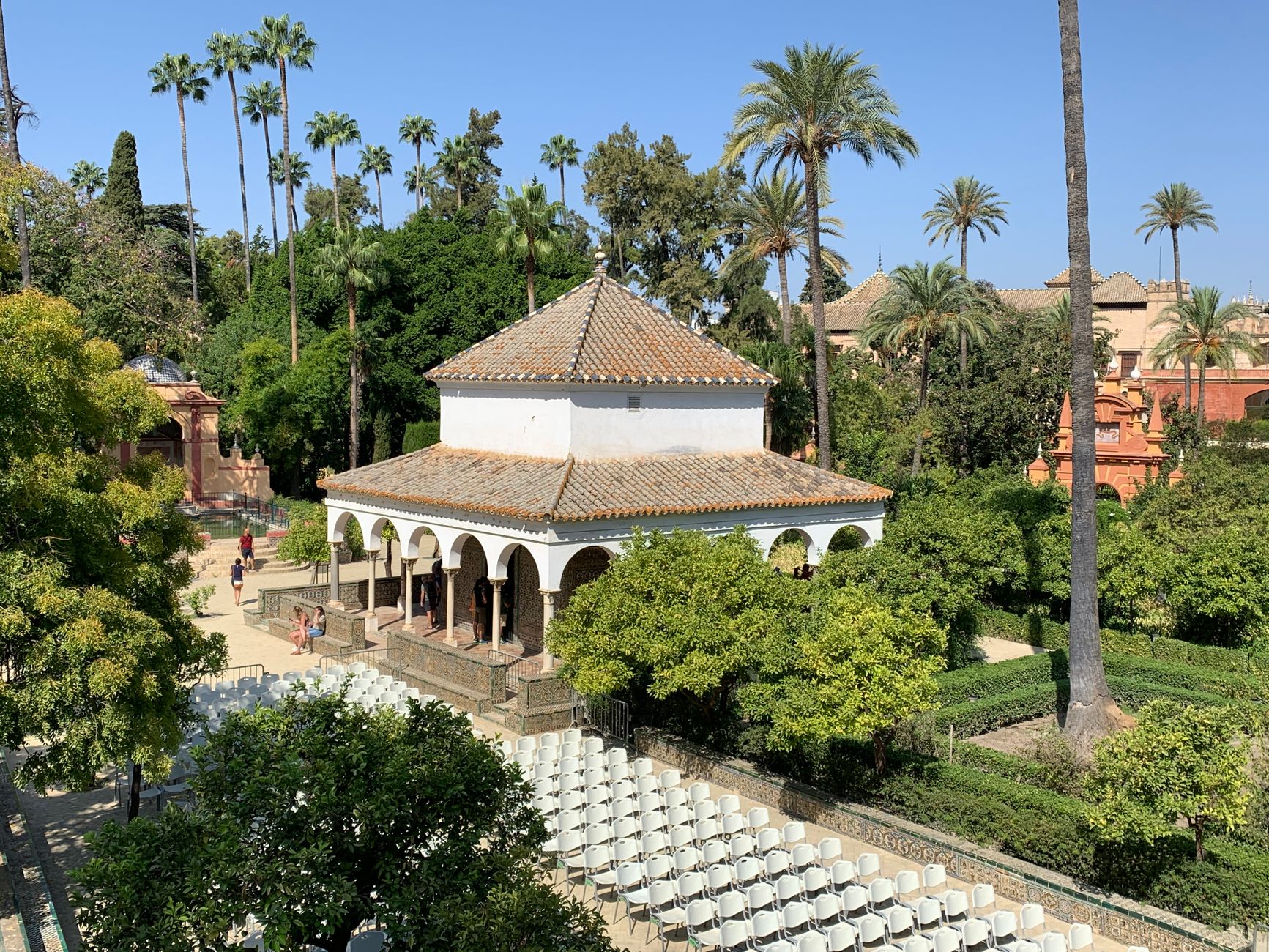
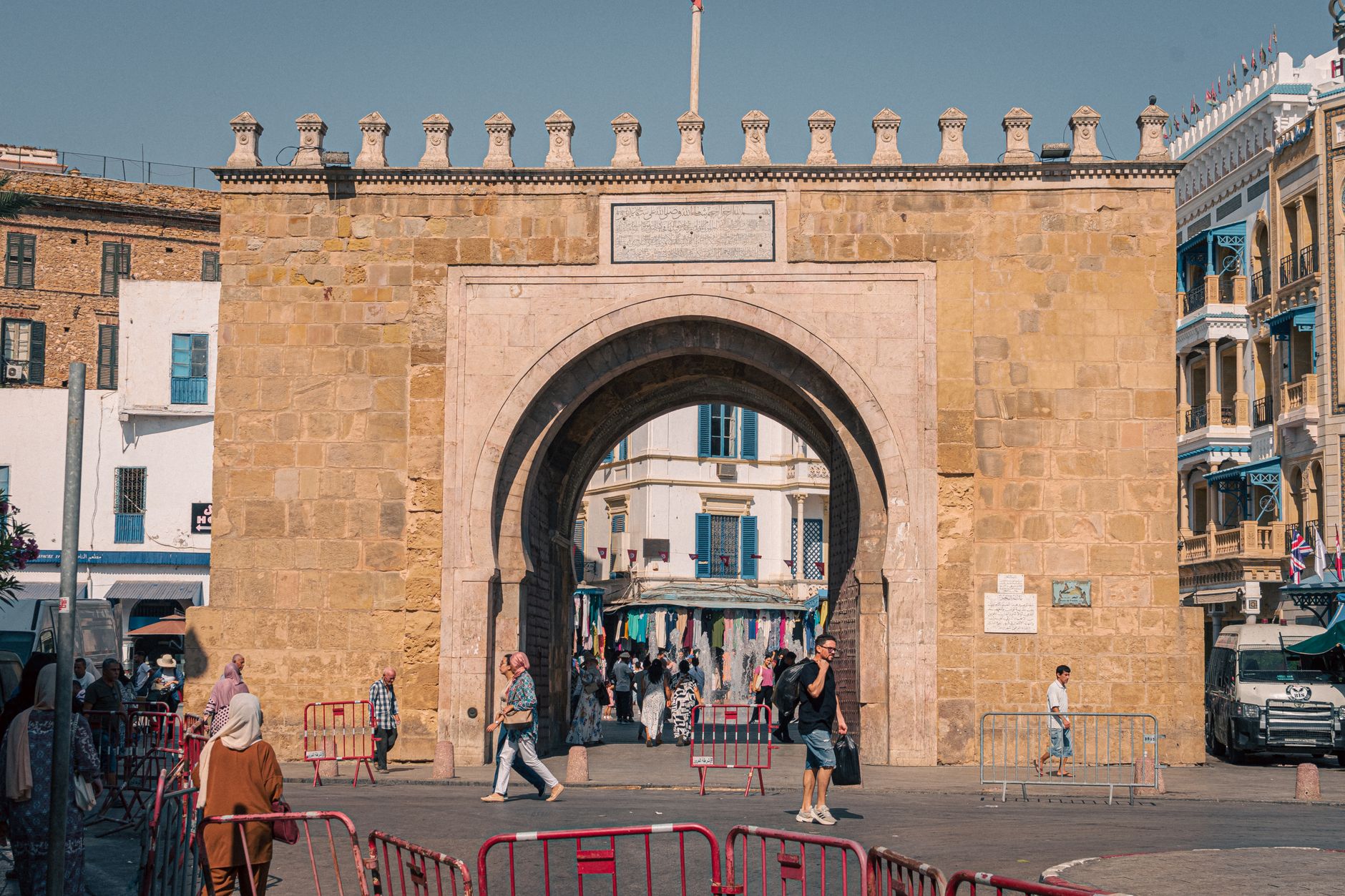
The Dar el-Hana Pavilion stretches eighty meters wide along the southern bank of the Sahraj el-Hana — the Tank of Health — where, in 1873, Sultan Mohammed IV drowned when his steam launch capsized in these same still waters. That fact tends to arrive quietly, once you're already standing there, looking out at a surface that reflects the High Atlas on a clear day.
The pavilion itself is an open loggia, built for royal entertaining, rebuilt in the mid-19th century and then again in the 1970s and '80s by French architect André Paccard in concrete dressed to look like something older. It sits within its own walled enclosure, the northern gate rising into a small observation pavilion above it.
💛 What travellers fall for
People who come back tend to arrive early, before the light gets harsh and the walk from Rue Sidi Mimoun heats up. The northern gate-pavilion — the menzeh — is worth pausing at before you continue south to the reservoir. The Atlas view from the terrace is clearest in spring and autumn, before the haze of summer settles in.
How Dar el Hana Pavilion came to be
A palace pavilion stood on this site during the Saadian period under Ahmad al-Mansur, though the precise date of that original structure isn't firmly established. What exists today descends from a mid-19th-century rebuild, constructed on a smaller scale than its predecessor. By that point, a village had grown up around the reservoir; its clearance preceded the restoration that returned the site to its ceremonial function.
In the 1970s and '80s, King Hassan II commissioned André Paccard — a French architect — to undertake another reconstruction. Paccard worked in concrete, shaping it into neo-traditional forms. The project was never fully completed, which gives the pavilion a particular quality: monumental in intention, quietly unresolved in execution.
Who and what shaped it
People who shaped it
Landmark buildings
See Dar el Hana Pavilion in motion
Plan your visit
On the map
When to go
March, April, and the stretch from late September into mid-November are the most comfortable times to visit — daytime temperatures sit between 20°C and 28°C in spring, cooling to the low 20s by November. Summer brings genuine heat, often 35–40°C, which is worth taking seriously on a site with little shade beyond the loggia itself.
Right now
Background & history adapted from Wikipedia (CC BY-SA) · specs from Wikidata (CC0) · weather from Open-Meteo · map data © OpenStreetMap contributors · photos from Wikimedia Commons / Unsplash with per-image credit. No third-party reviews or social posts reproduced.