
Almond Grove
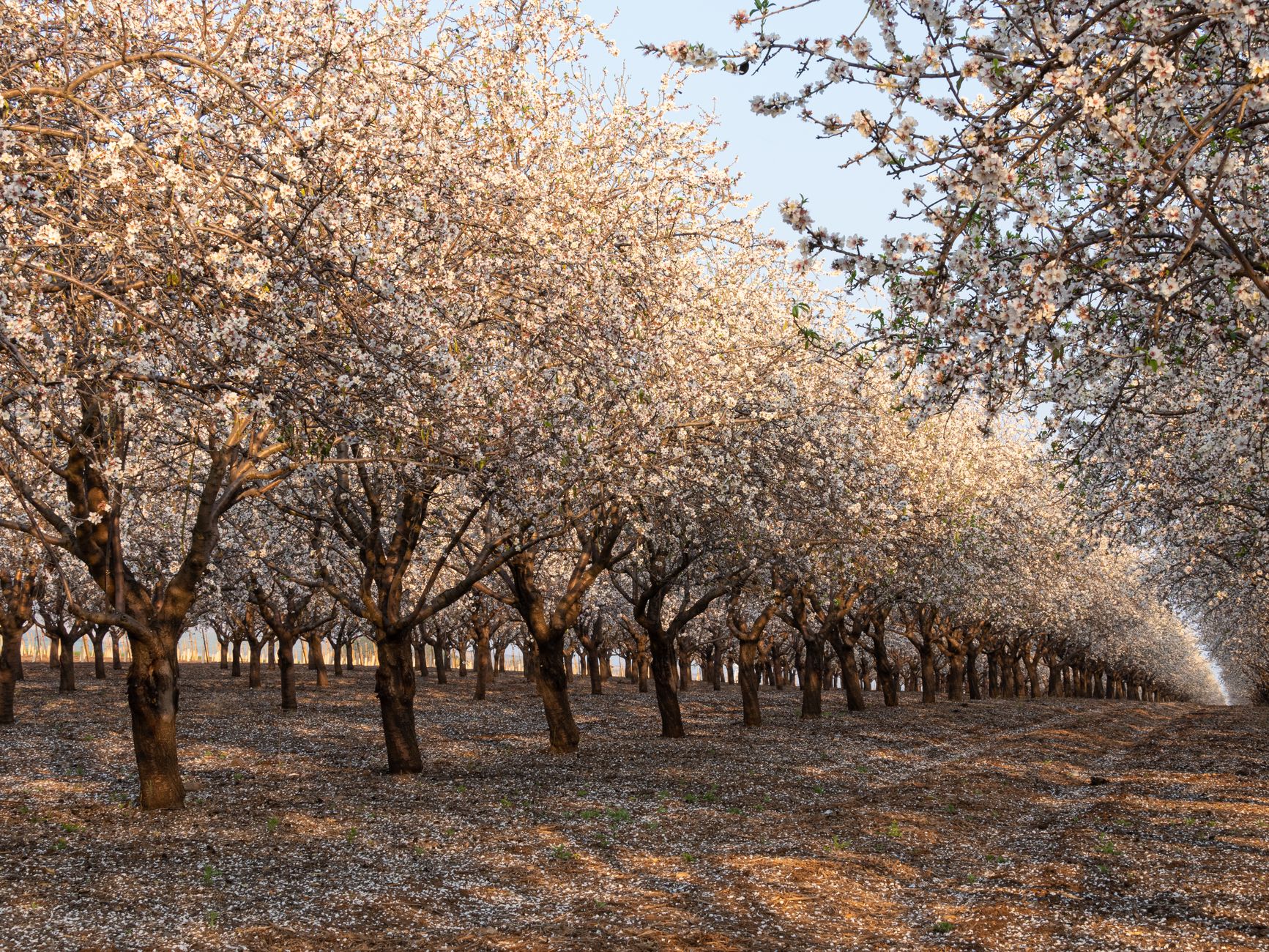
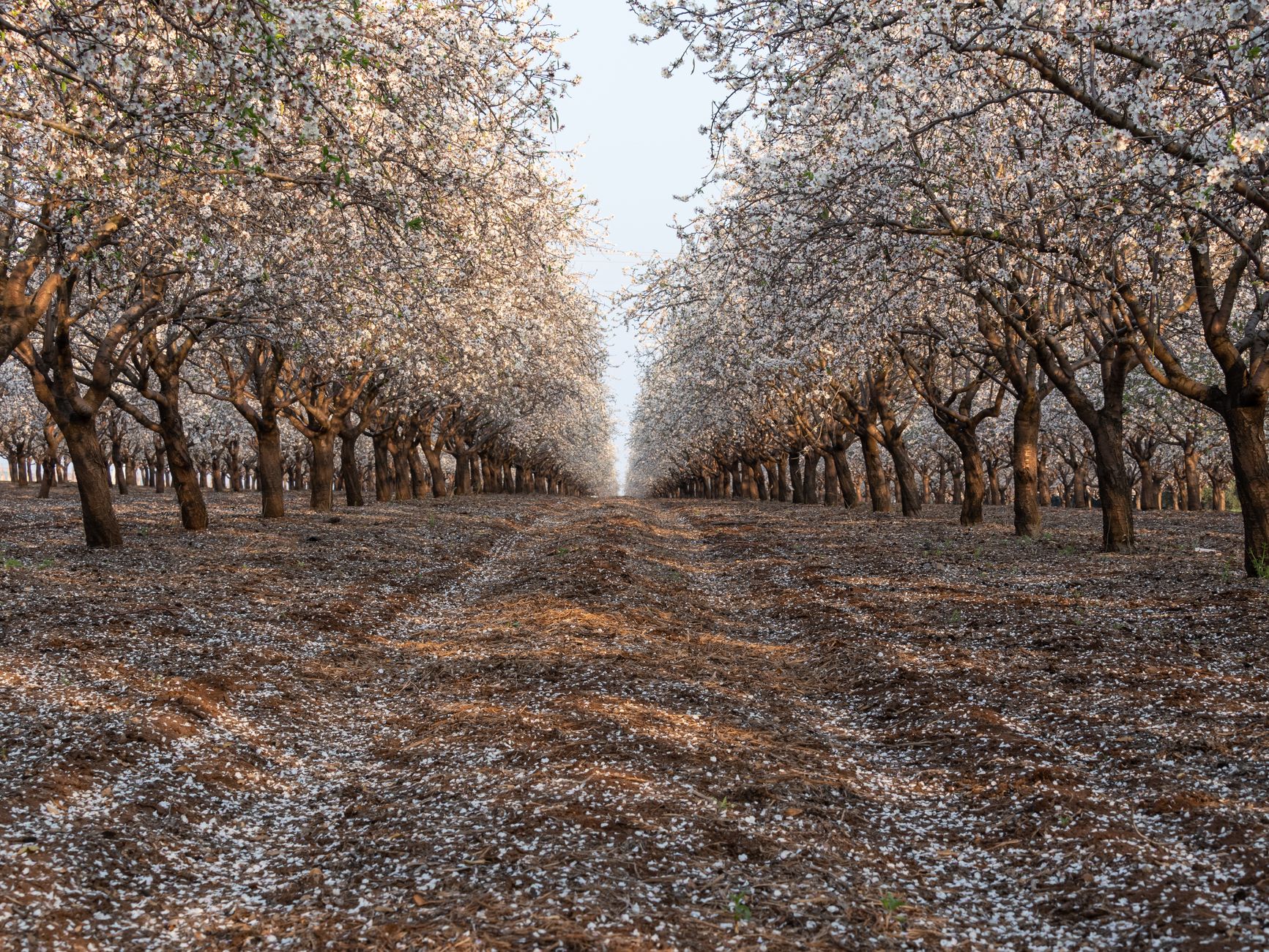
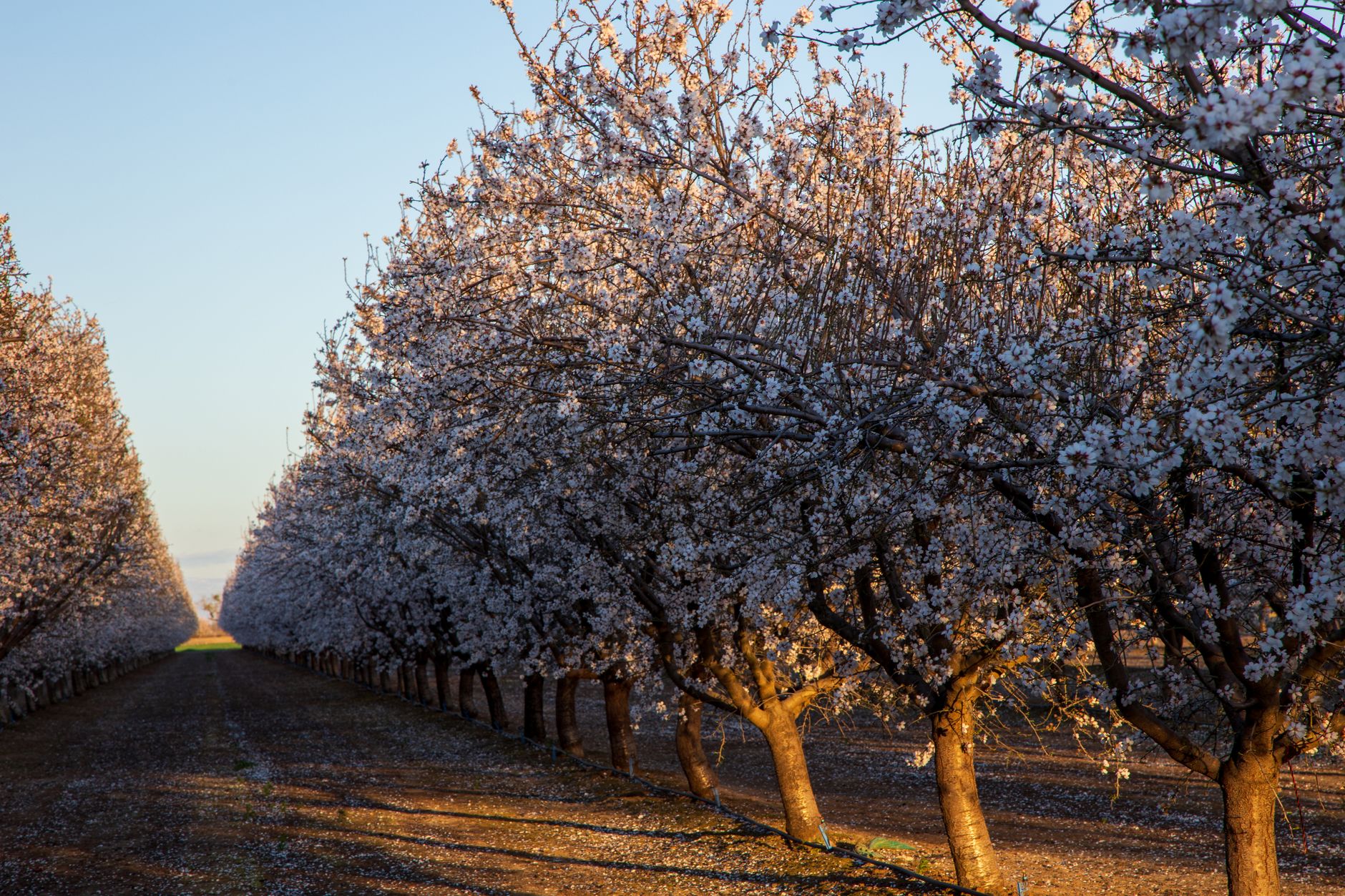
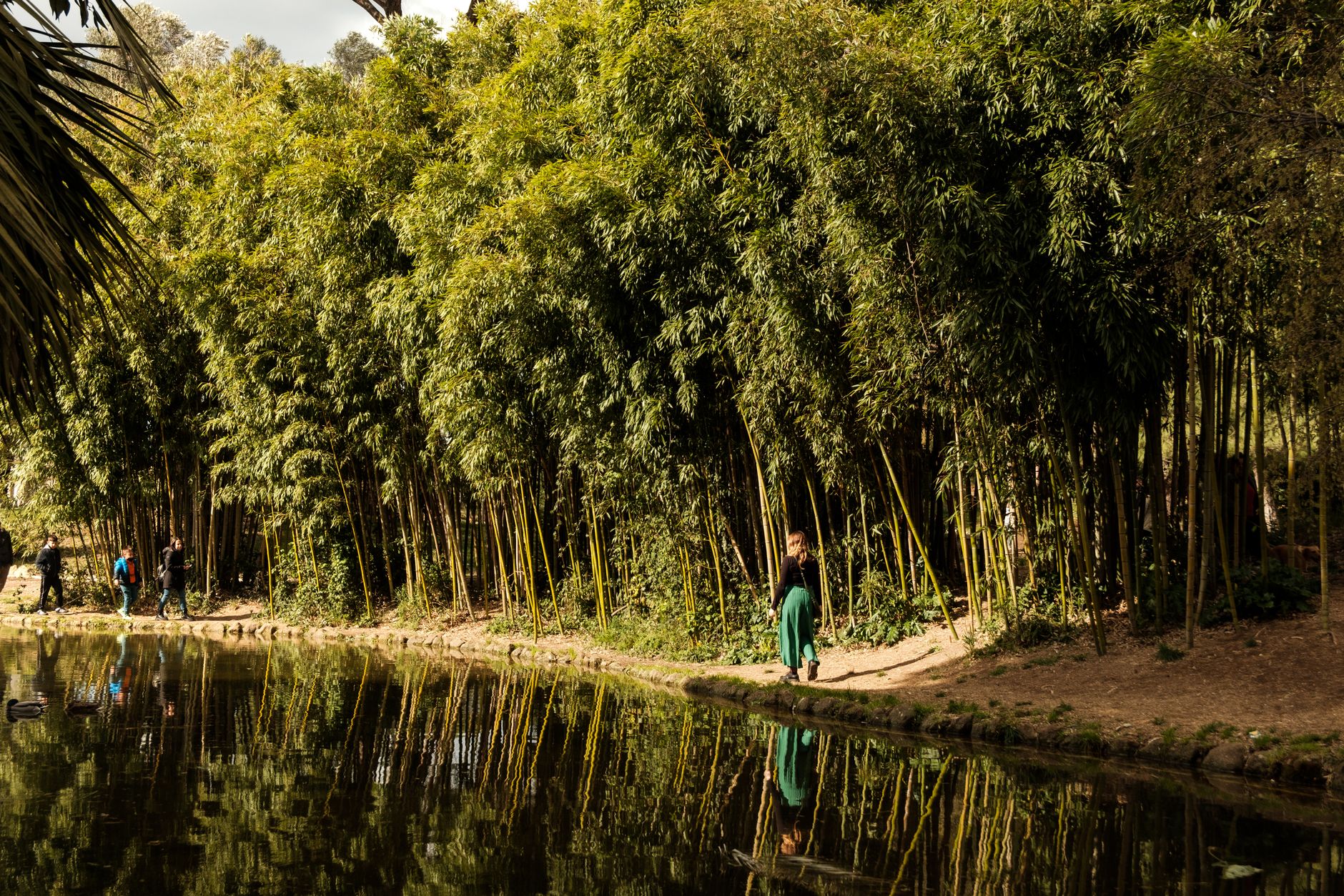

Almond trees are among the oldest plantings in the Agdal Gardens, part of a working landscape that Ahmad al-Mansur had replanted in the late sixteenth century alongside olives, figs, walnuts, and oranges. Walking through this part of the garden, the sense is less of an ornamental park than of a productive estate that has been tended, neglected, and tended again across nearly nine centuries.
The water that reaches the roots here travels underground from the High Atlas, carried through khettara — ancient irrigation channels — from the Ourika River valley some thirty kilometres south. On a clear day, you can see the mountains that supply it.
💛 What travellers fall for
People who come back tend to arrive early on a Friday or Sunday — the only two days the gardens open — before the midday heat sets in. The almond trees give real shade by mid-morning, and the crowds, such as they are, thin out quickly once you move away from the main basins toward the quieter groves.
How Almond Grove came to be
The Agdal Gardens were laid out in 1157 under the Almohad caliph Abd al-Mumin, designed by Ahmad ibn Muhammad ibn Milhan, an engineer of Andalusian and Berber origin. The complex covered roughly 500 hectares and was fed by an elaborate system of underground channels drawing water from the High Atlas. After the Almohad collapse, the gardens fell into long neglect.
The Saadian sultan Abdallah al-Ghalib began repairs to the water infrastructure in the mid-sixteenth century, and Ahmad al-Mansur extended the work between 1578 and 1593, replanting groves of olives, almonds, figs, palms, and oranges. A further restoration under Muhammad IV between 1834 and 1844 cleared the irrigation channels and replanted again — the trees standing today are the heirs of that effort.
Who and what shaped it
People who shaped it
Landmark buildings
See Almond Grove in motion
Plan your visit
On the map
When to go
Spring (March and April) and autumn (late September to mid-November) are the most comfortable times to visit — warm enough to sit under the trees, cool enough to walk without effort. Summer highs regularly exceed 36°C, so if you come in July or August, the early-morning opening hour is not a suggestion.
Right now
Background & history adapted from Wikipedia (CC BY-SA) · specs from Wikidata (CC0) · weather from Open-Meteo · map data © OpenStreetMap contributors · photos from Wikimedia Commons / Unsplash with per-image credit. No third-party reviews or social posts reproduced.