
Northern Entrance Gate
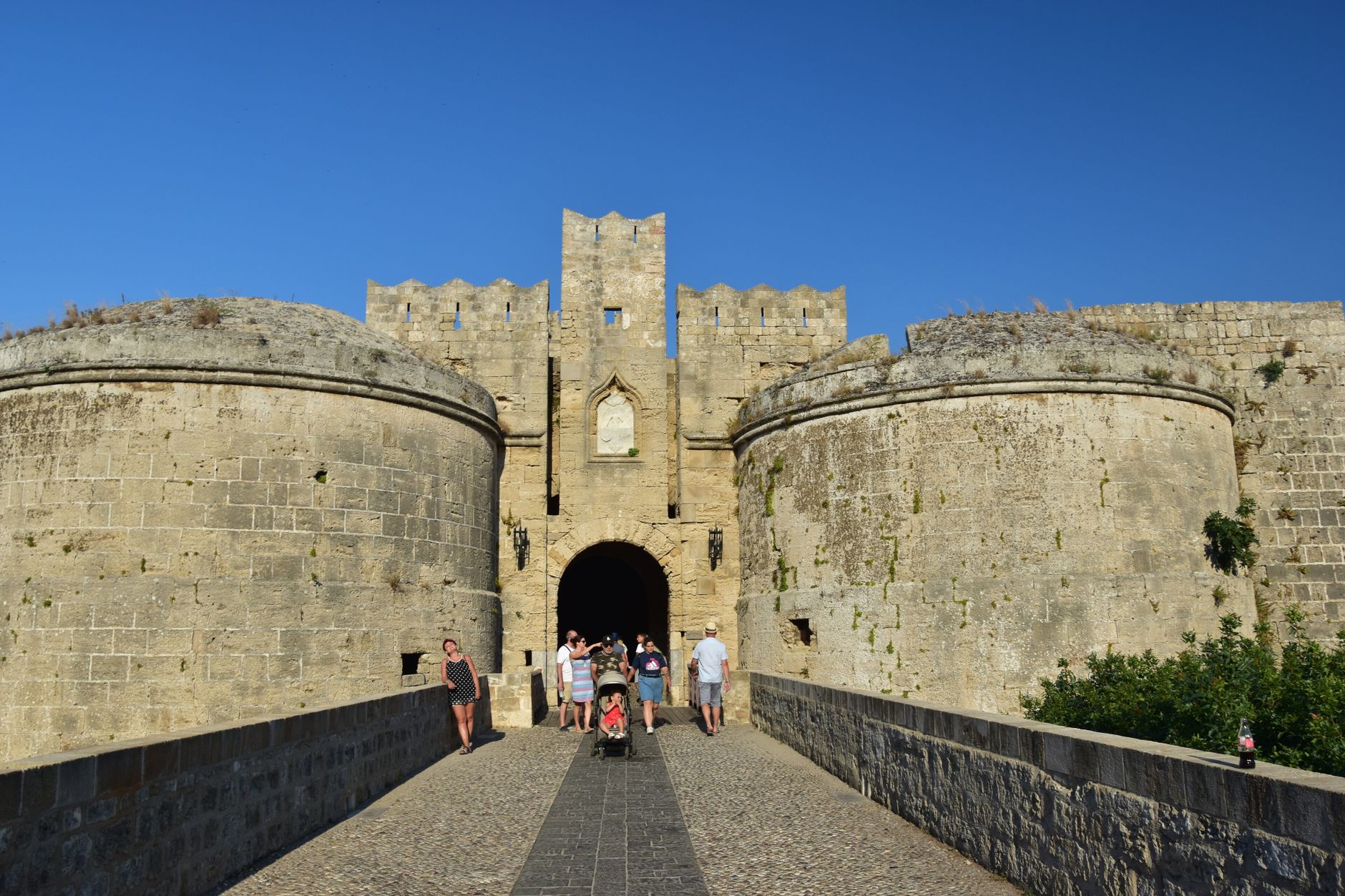
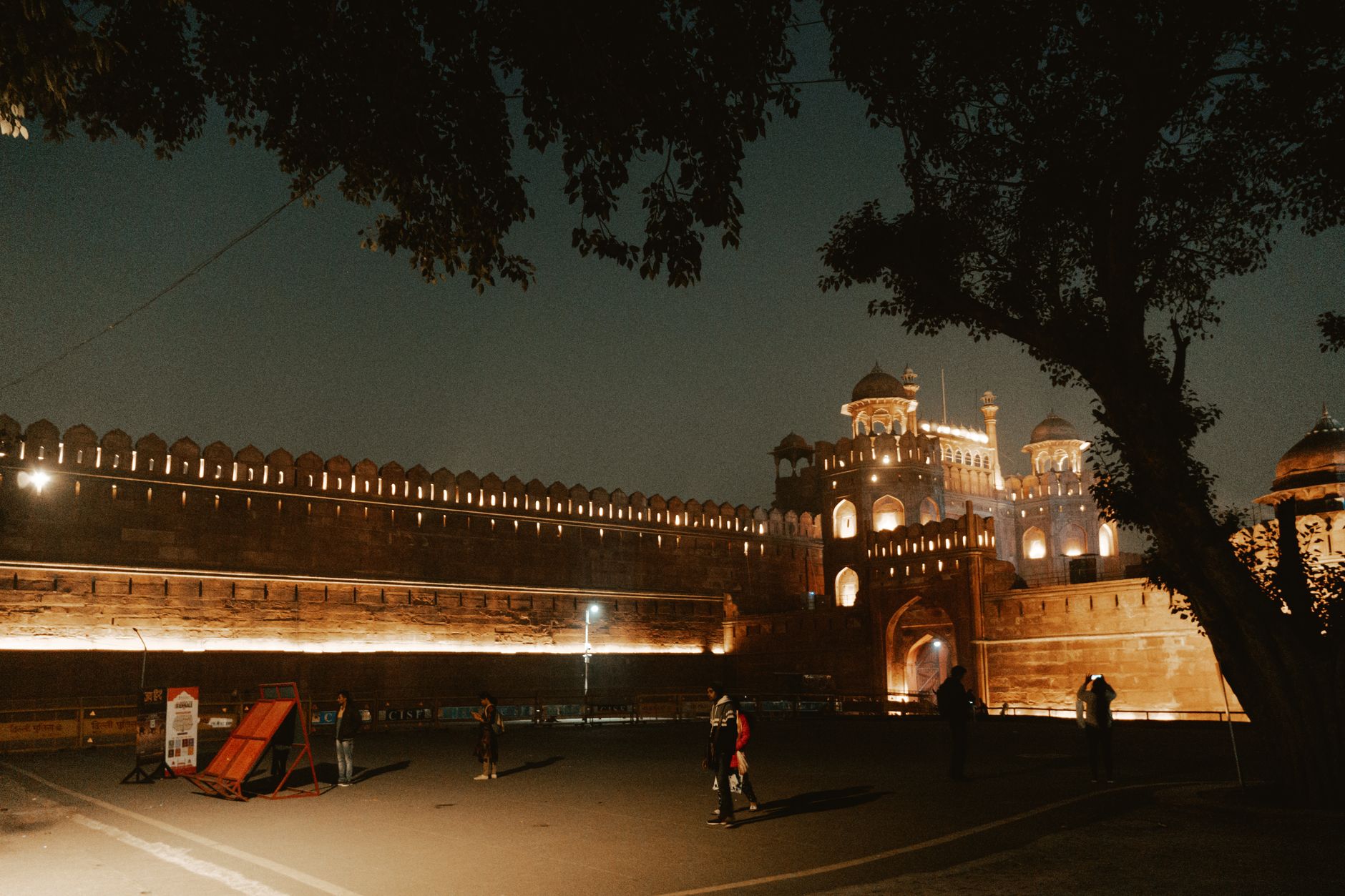
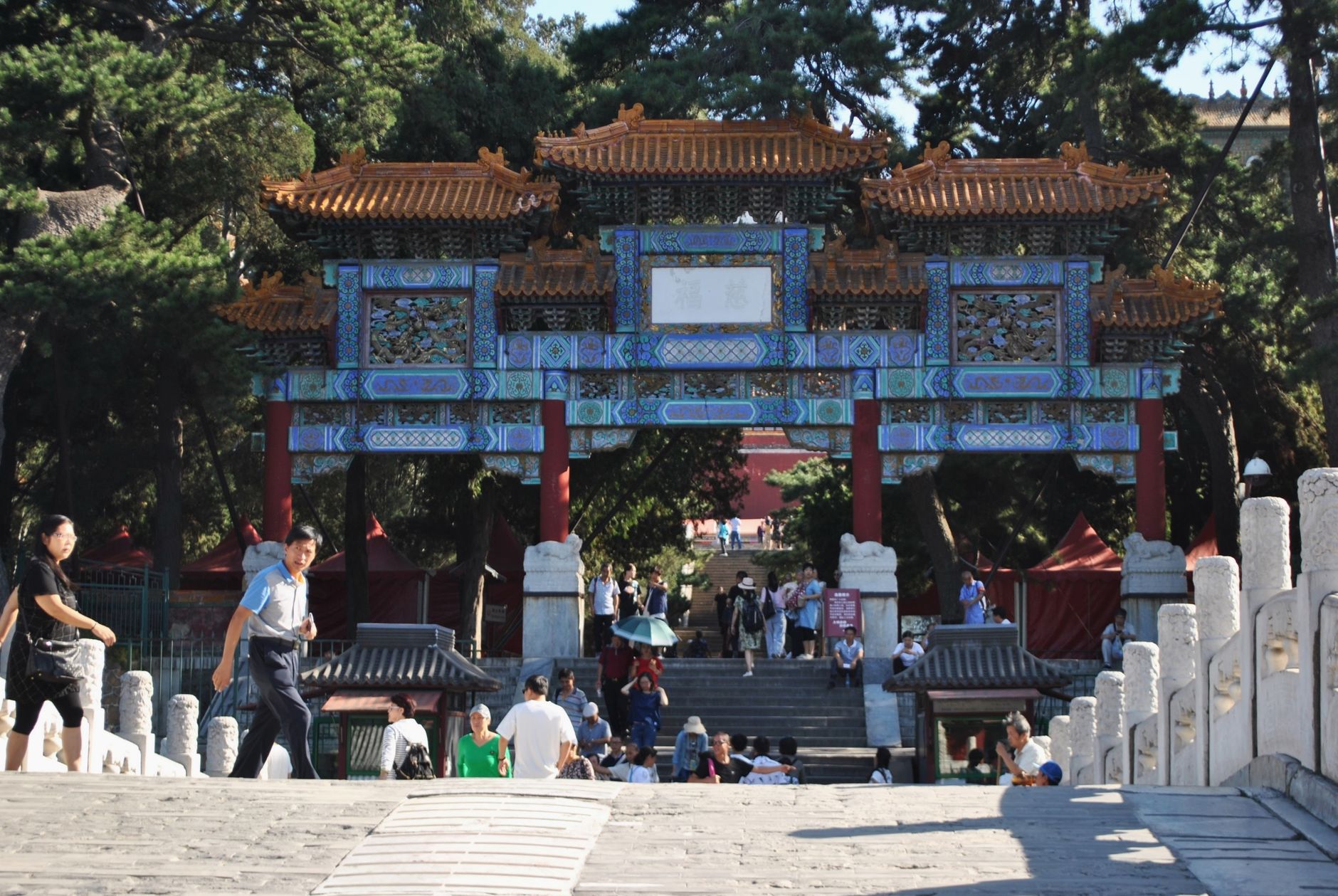
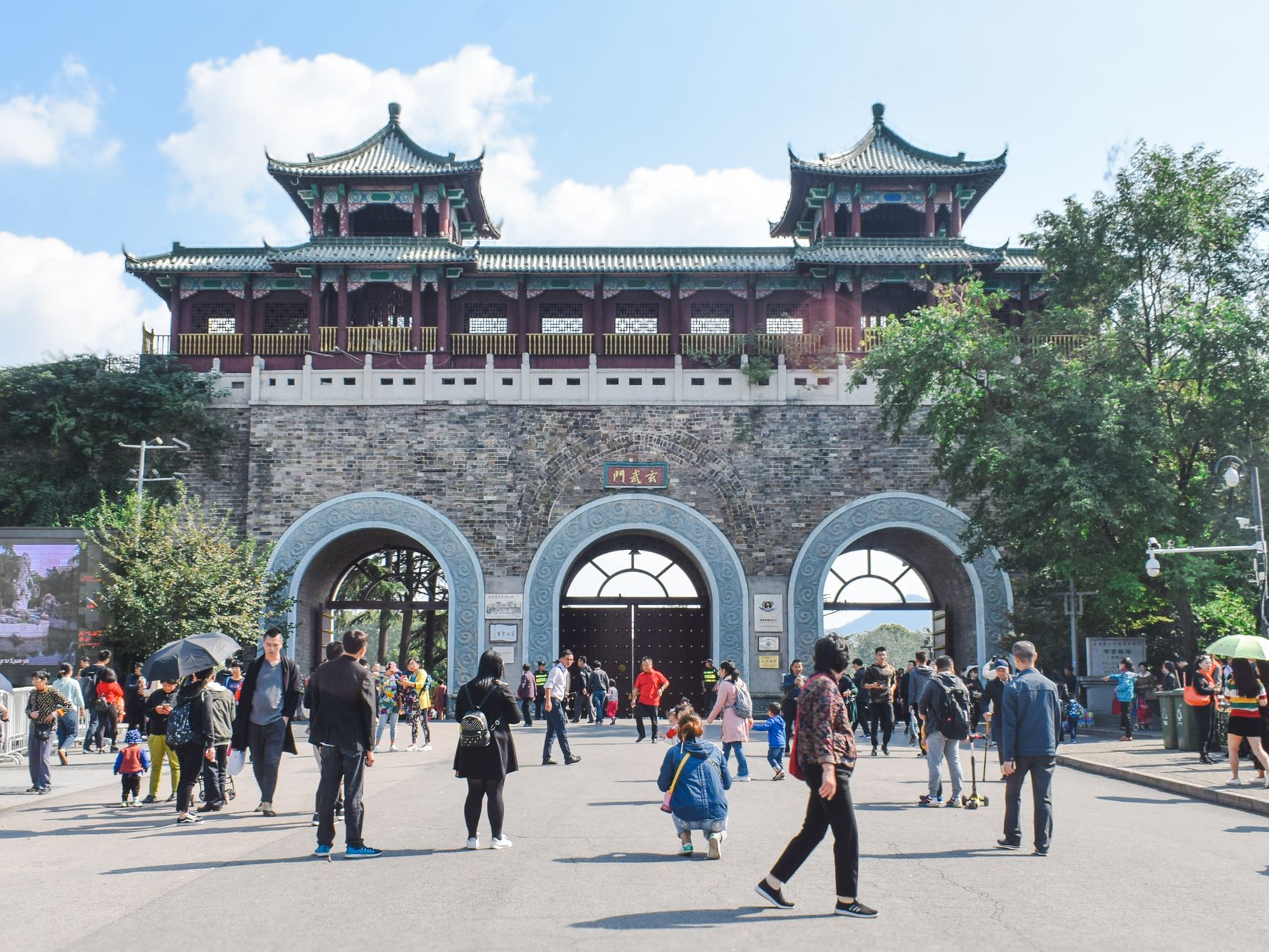
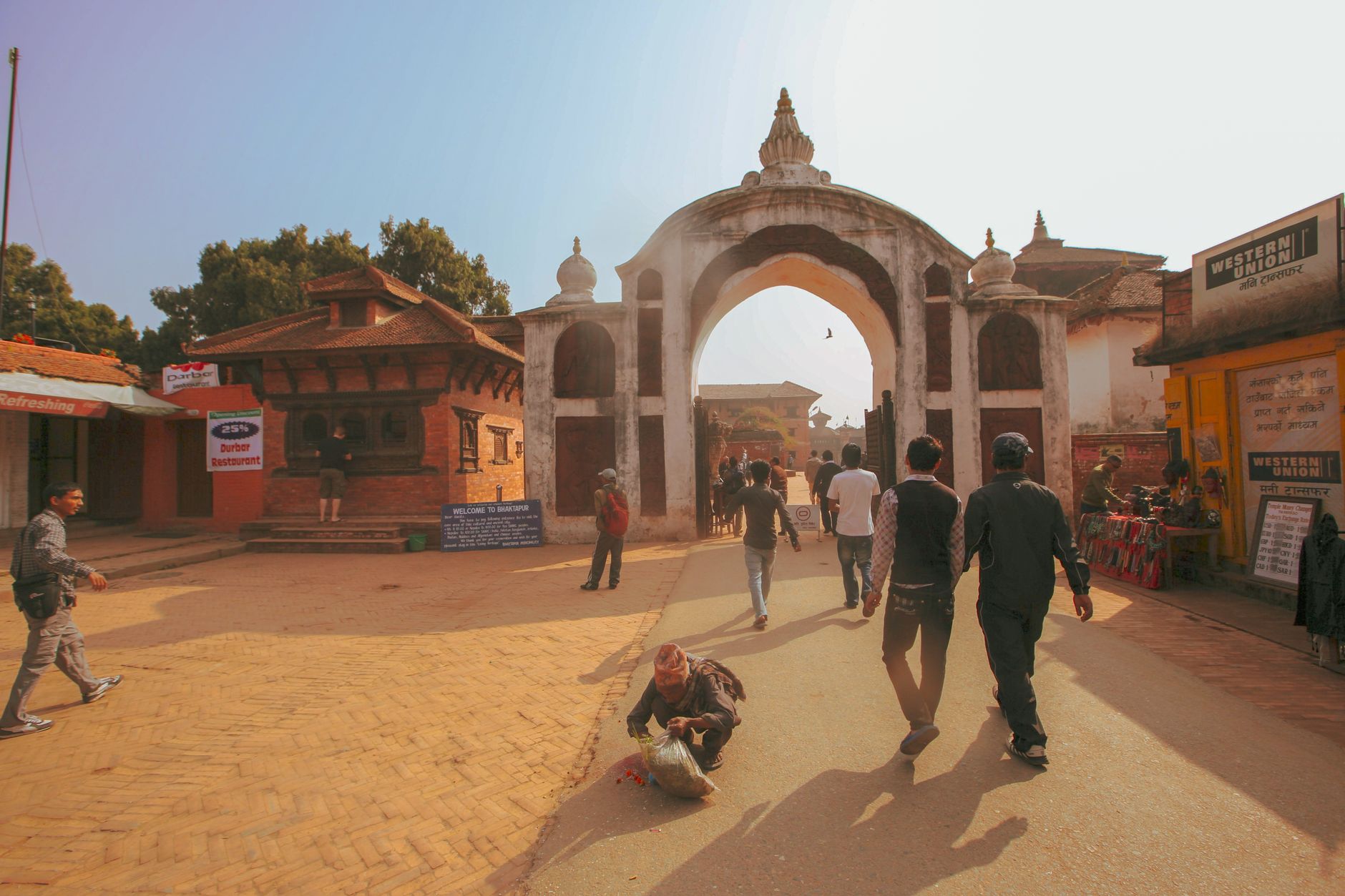
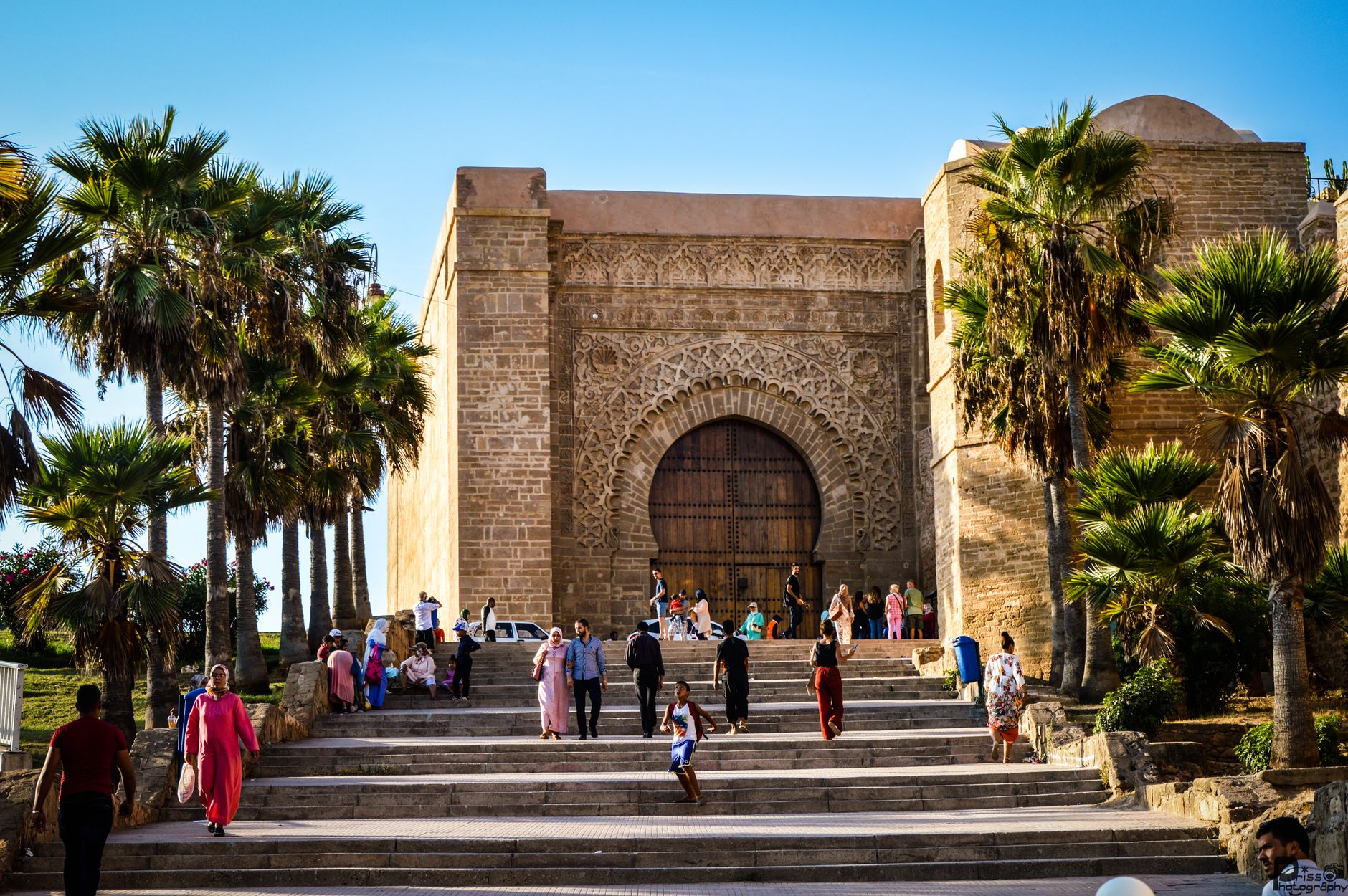
The Northern Entrance Gate is the point where the Agdal Gardens declare their intentions. Step through it and the city — its noise, its density, its insistence — recedes. Above you, an observation pavilion (a menzeh) rises over the gate itself, the kind of architectural doubling that says this threshold was always meant to be looked from as well as walked through. The gate sits on the gardens' main north-south axis, a line drawn from the Kasbah all the way south through kilometres of olive and orange groves to the great reservoir beyond.
What you're entering is one of the oldest royal gardens in the Islamic world, still fed by the same underground channels that have watered it for centuries. The olive trees lining every path are planted ten metres apart, with the precision of a plan that was never meant to be casual.
💛 What travellers fall for
People who come back tend to arrive early — the gate opens at 7:30 and the light through the olive rows is different before 9. Check the royal calendar before you go, or at least check the day before: if the king is in residence at the Royal Palace, the gardens close without announcement.
How Northern Entrance Gate came to be
The Agdal Gardens were first laid out under the Almohads, with the great reservoir — the Sahraj el Hana — attributed to the reign of Abu Ya'qub Yusuf (1163–1184). The north gate's alignment with the Kasbah suggests it was conceived as part of a deliberate urban axis, not an afterthought. The gardens' design is credited to Ahmad ibn Muhammad ibn Milhan, an Andalusian-born engineer of Berber origin.
In the 1830s, Sultan Moulay Abd al-Rahman (r. 1822–1859) reinforced the surrounding fortifications and commissioned the Dar el-Beida palace within the complex — part of a broader effort to secure and expand the southern gardens adjacent to the city walls. UNESCO recognised the whole ensemble as a World Heritage Site in 1985.
Who and what shaped it
People who shaped it
Landmark buildings
Plan your visit
On the map
When to go
Right now
Background & history adapted from Wikipedia (CC BY-SA) · specs from Wikidata (CC0) · weather from Open-Meteo · map data © OpenStreetMap contributors · photos from Wikimedia Commons / Unsplash with per-image credit. No third-party reviews or social posts reproduced.