
Orange Grove
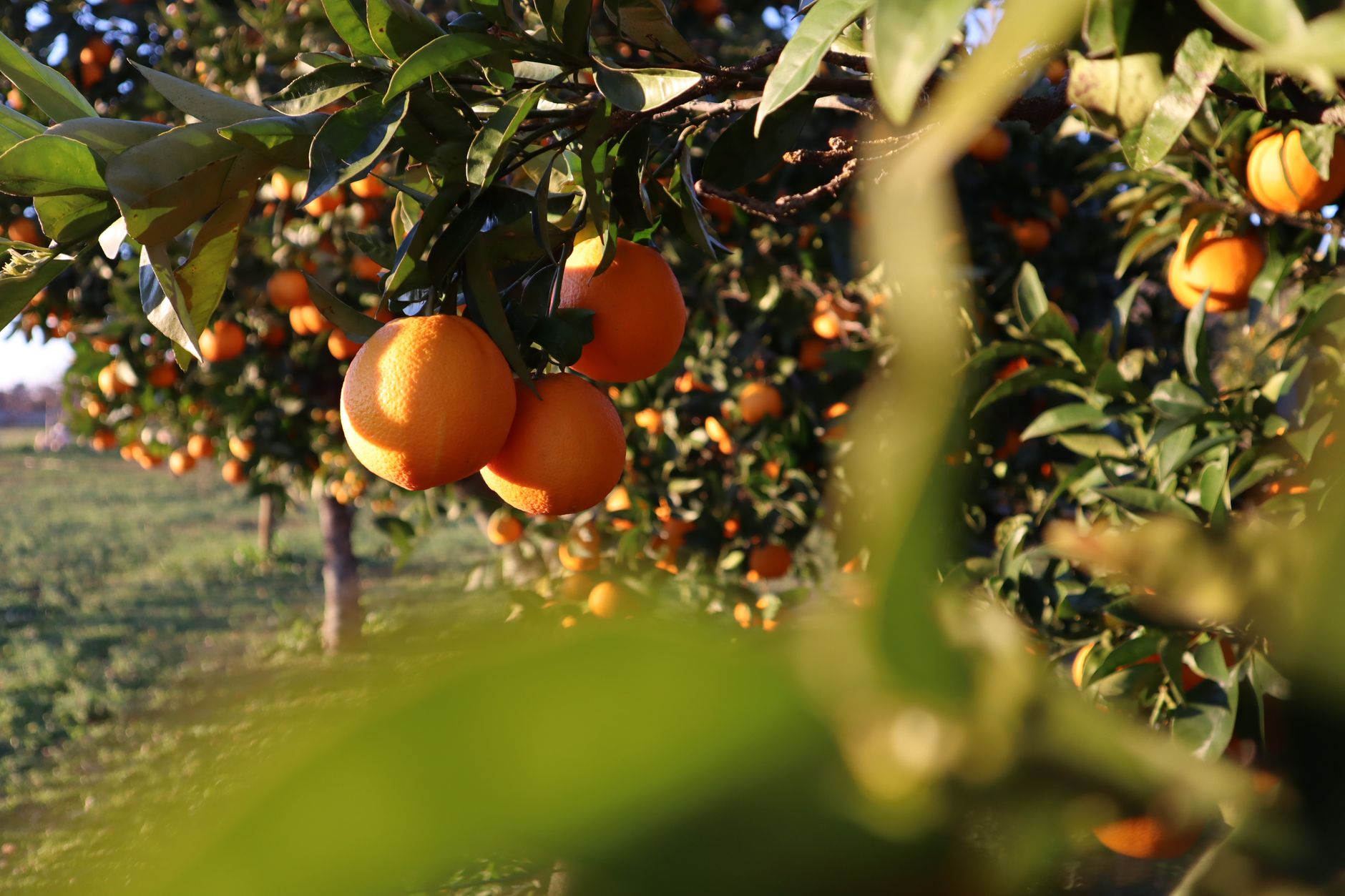

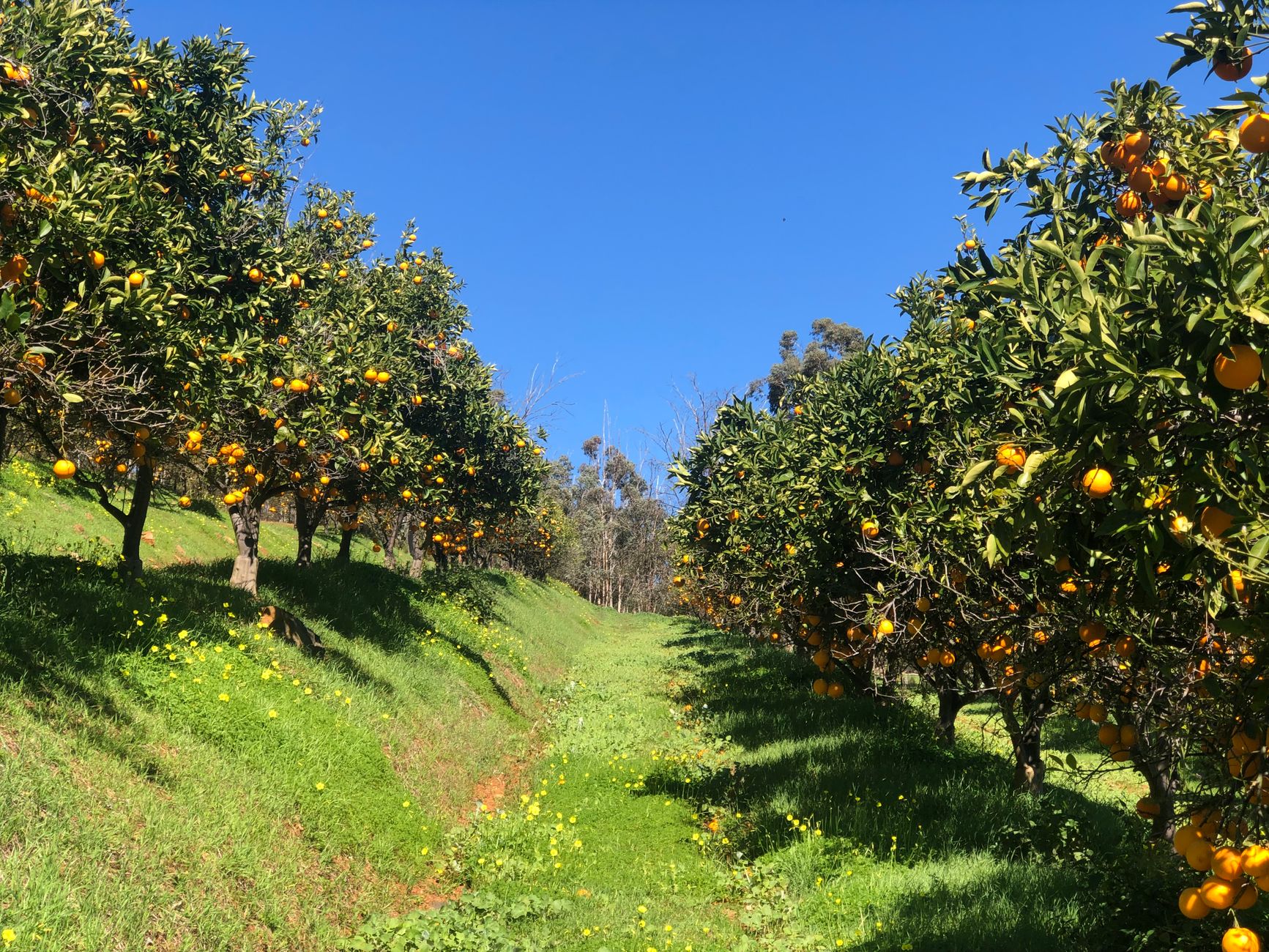

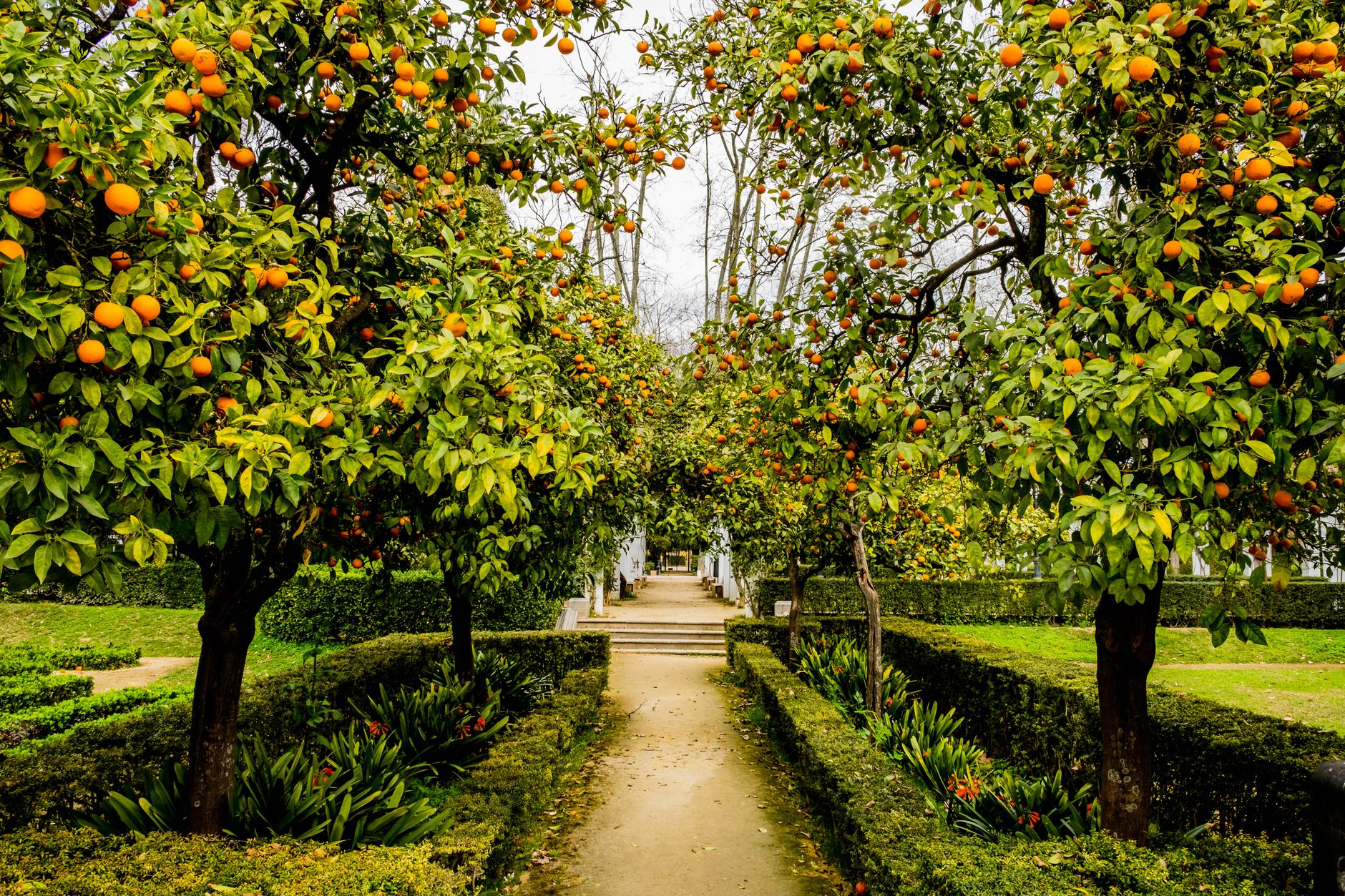
The orange trees here grow in long, shaded rows, their roots drawing water that has traveled underground from the Atlas foothills through a network of channels older than most European cities. This is the Orange Grove at the edge of the Agdal Gardens, roughly 80 hectares of working orchard that the Moroccan royal family still uses as a productive estate — which is partly why access comes and goes without much notice.
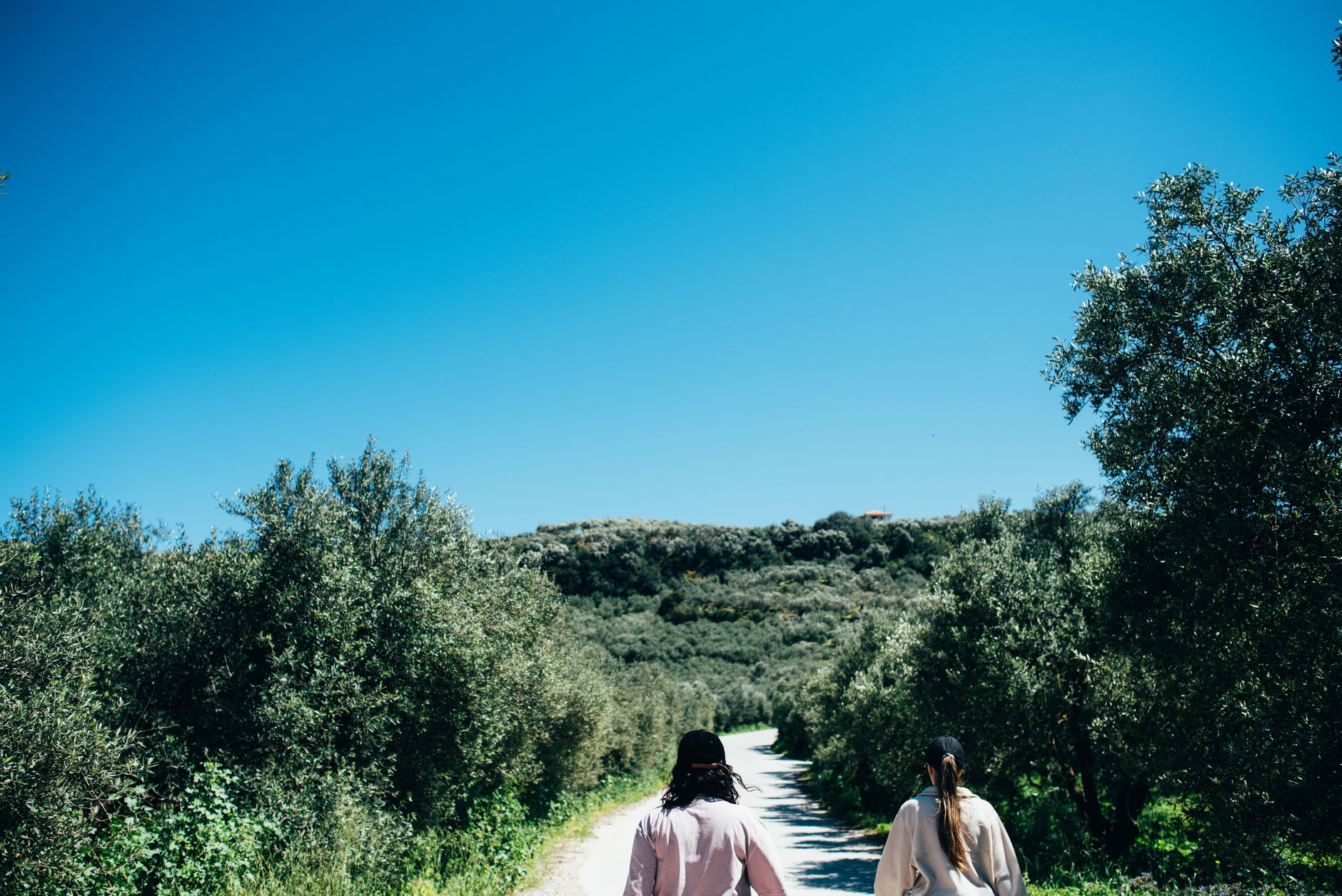
Come on a Friday or Sunday morning and you'll find a place that operates at a different pace from the medina entirely. The paths are wide and unpaved, the light filters through the canopy, and the two reservoirs nearby catch the sky when the water is high enough to act as a mirror.
💛 What travellers fall for
People who come back tend to time it for early morning, before the heat settles in. The walk from Rue Sidi Mimoun takes you past the Southern Enclosure Wall and into the grove almost immediately. Bring water — there's nothing to buy inside — and don't count on the gates being open if the king is in residence at Dar al-Bayda.
How Orange Grove came to be
The Agdal was laid out in 1157 under the Almohad caliph Abd al-Mumin, designed by Ahmad ibn Muhammad ibn Milhan, an engineer of Andalusian and Berber origin. The irrigation system he devised — diverting snowmelt and rainwater from nearby mountain wadis through underground channels called khettaras — is what made agriculture possible here at all, and much of it still functions today.
The gardens fell into neglect when the Almohad dynasty collapsed, were revived under the Saadians in the sixteenth century, and underwent their most thorough modern restoration between 1834 and 1844 under Muhammad IV, who cleared the channels and replanted dead groves. The White Palace, Dar al-Bayda, dates from that same period and remains the royal family's Marrakech residence.
Who and what shaped it
People who shaped it
Landmark buildings
Plan your visit
On the map
When to go
Spring (March to May) and autumn (late September through mid-November) are the most comfortable windows, with temperatures ranging from the low twenties to the low thirties Celsius. Summer afternoons regularly exceed 38°C, which makes the shade of the orange grove more necessity than pleasure.
Right now
Background & history adapted from Wikipedia (CC BY-SA) · specs from Wikidata (CC0) · weather from Open-Meteo · map data © OpenStreetMap contributors · photos from Wikimedia Commons / Unsplash with per-image credit. No third-party reviews or social posts reproduced.