
Mellah Jewelry Souk
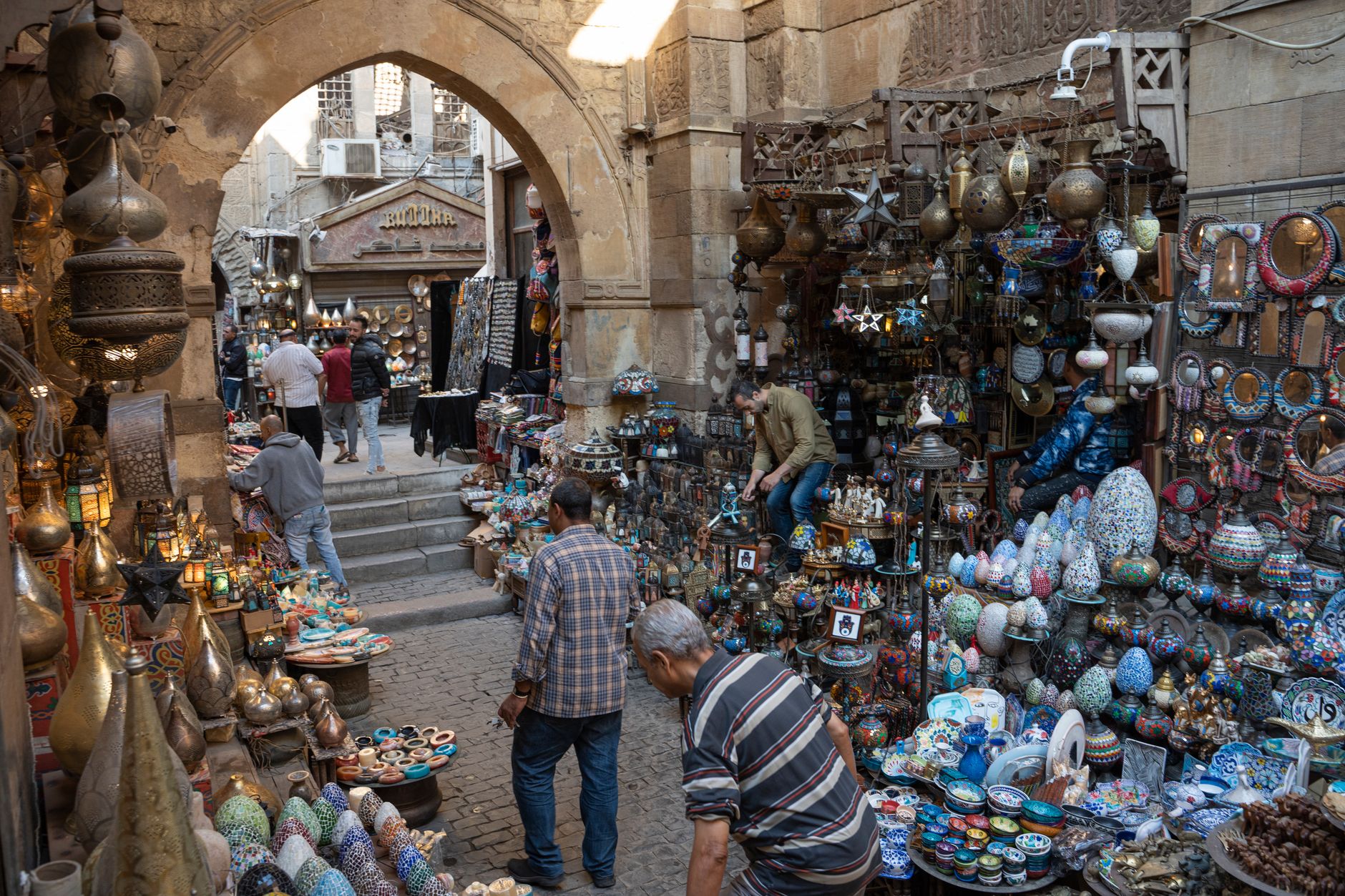
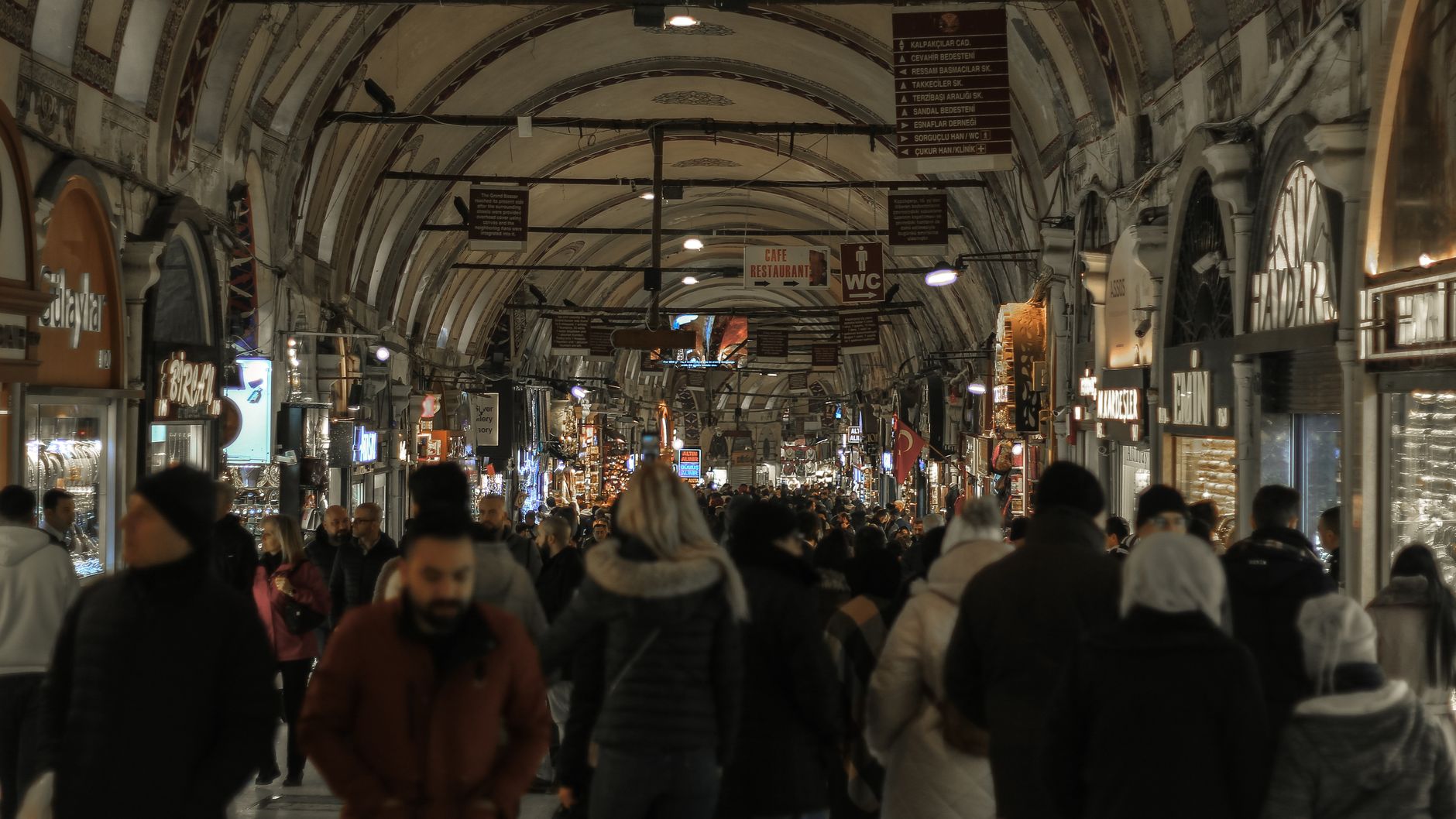
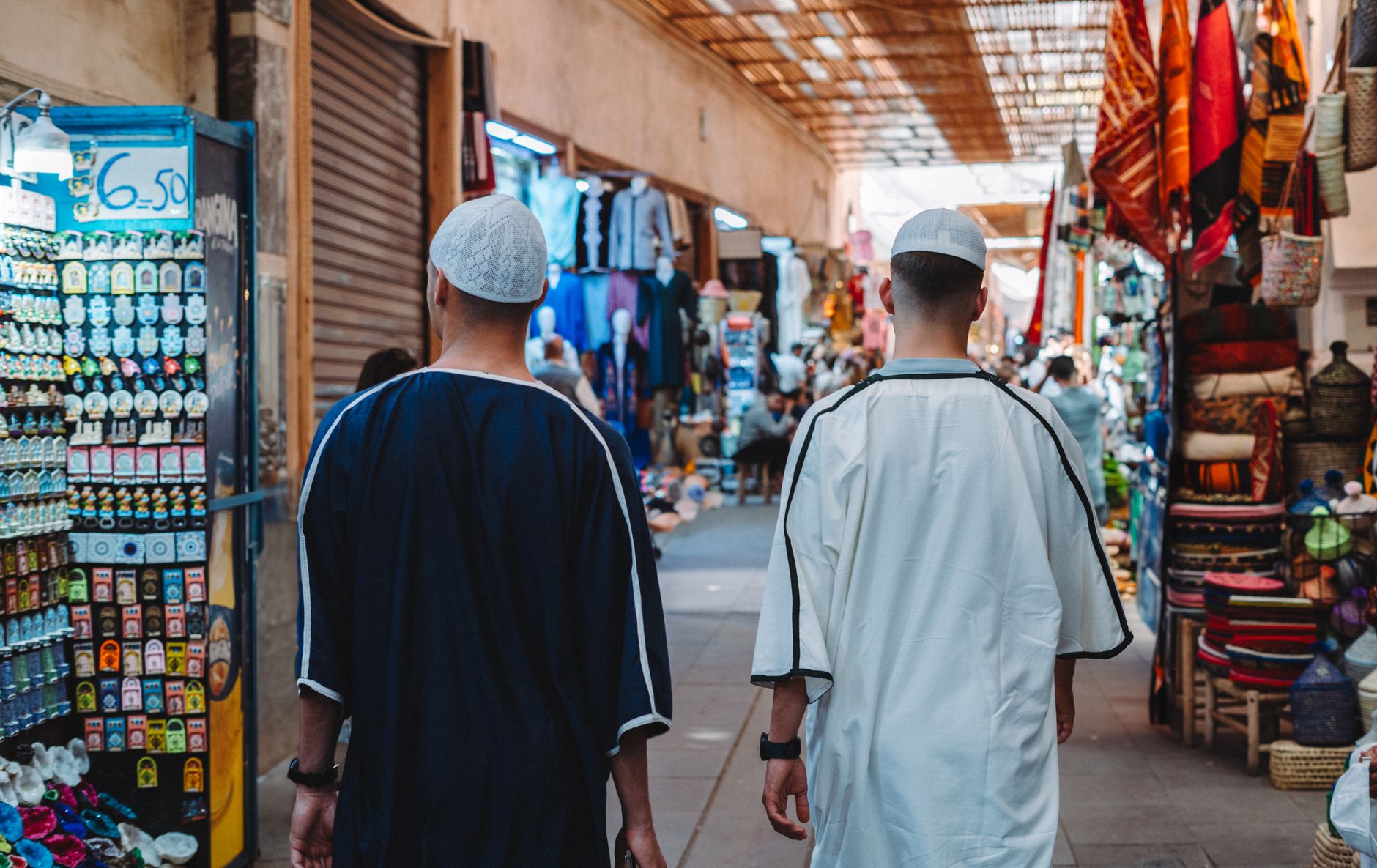
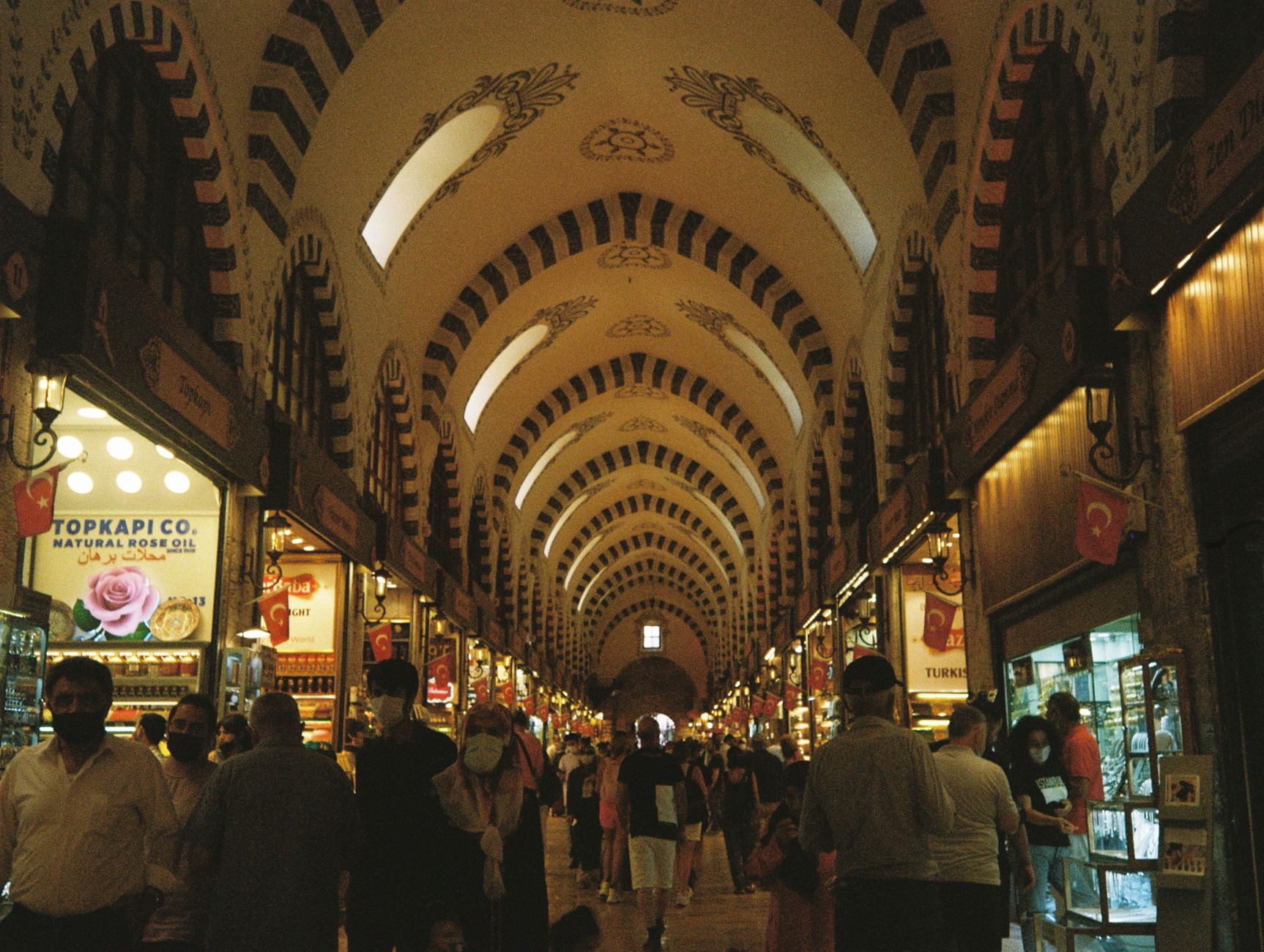
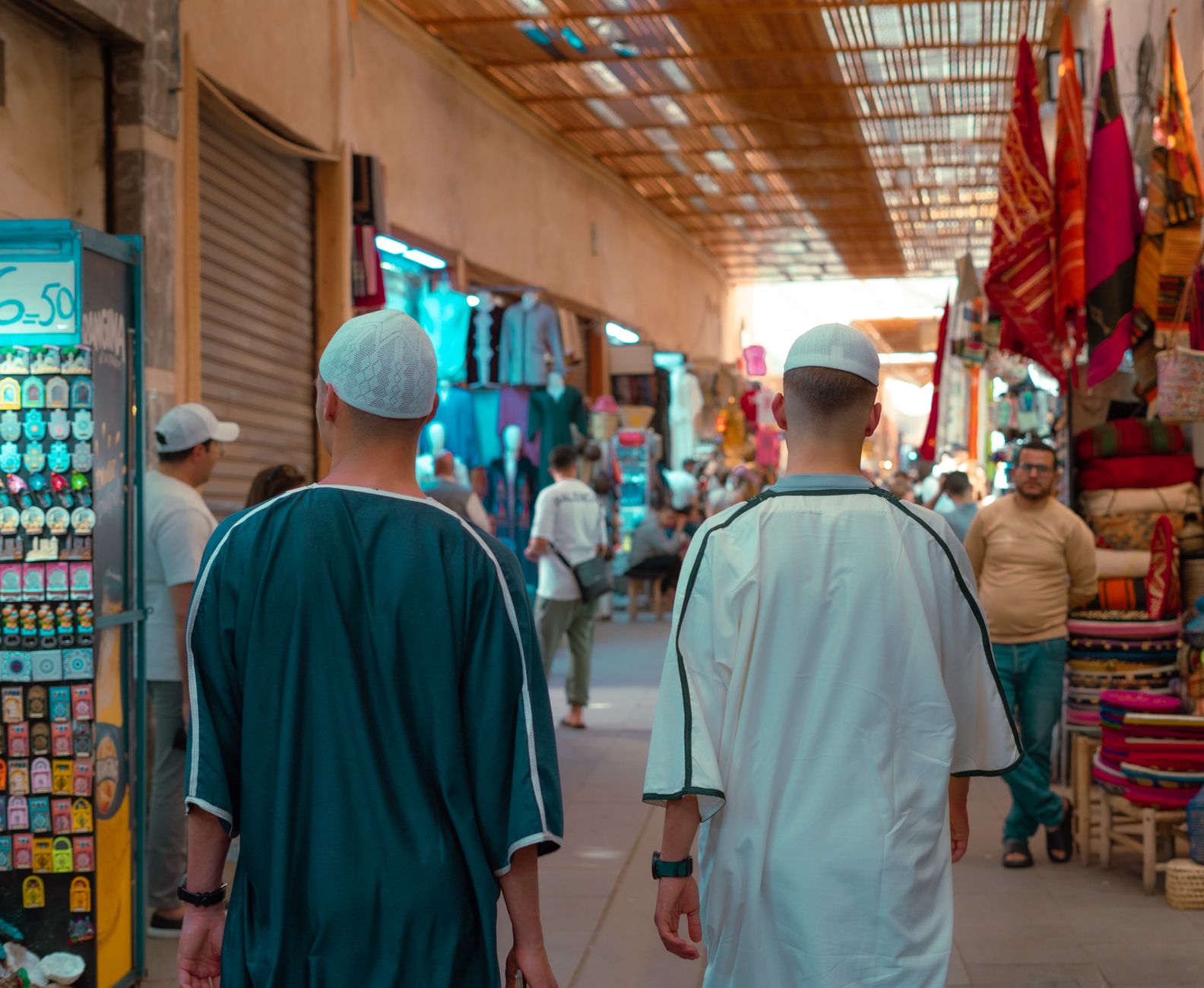
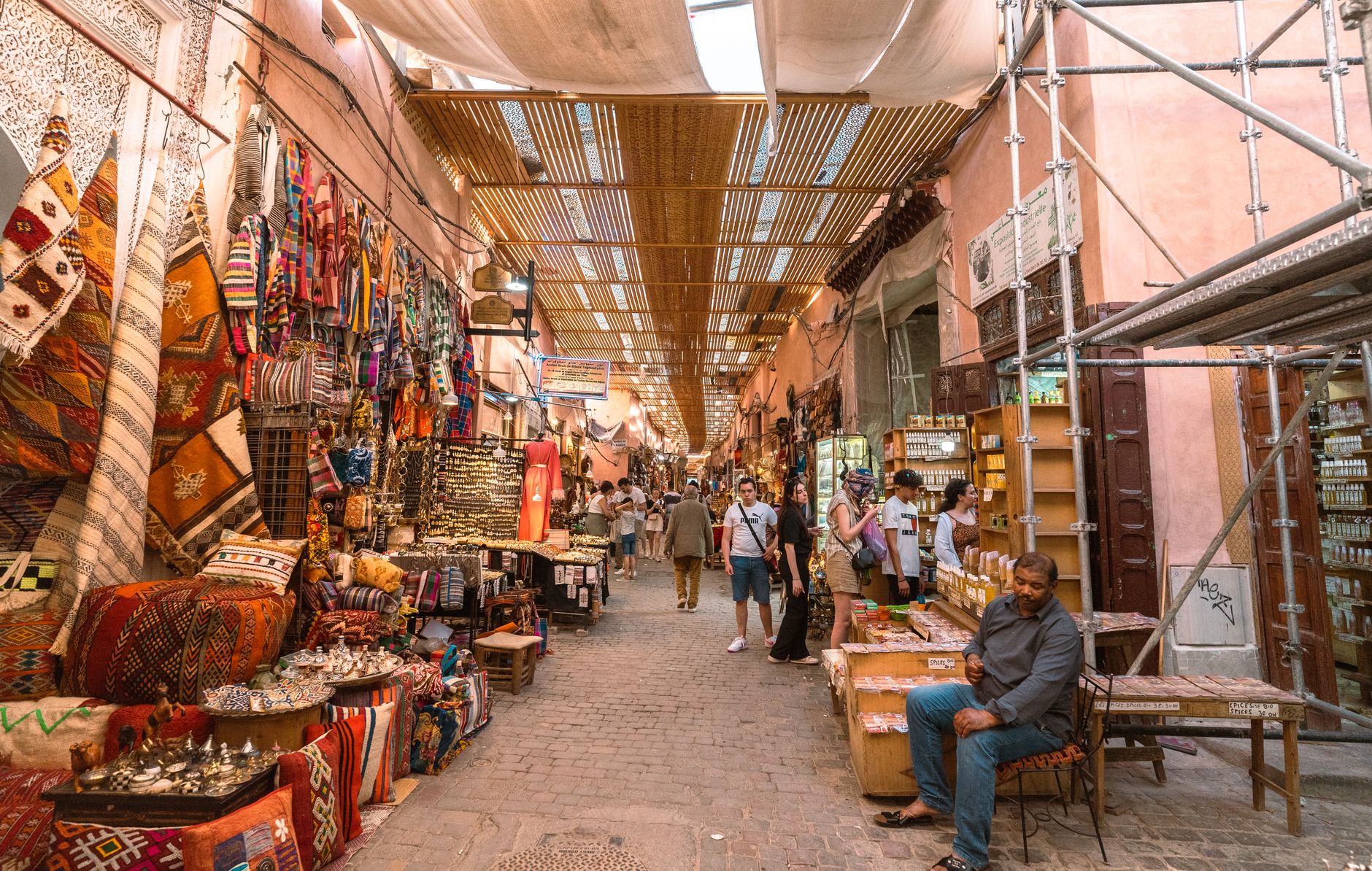
At 4:30 in the afternoon, a small crowd gathers in the covered galleries of the Mellah's jewelry souk and an auction begins. Rings, bracelets, chains — pieces move quickly between traders who know exactly what they're looking at. You can watch without bidding, and watching is itself an education.
The kissaria here is organised around two covered galleries, historically the domain of Jewish goldsmiths and jewellers, a trade that passed to Muslim craftsmen as the community emigrated across the mid-20th century. The silver and gold work still carries the weight of that long lineage.
💛 What travellers fall for
People who come back tend to time their arrival for the 16:30 auction — not necessarily to buy, but because it cuts through the usual souk theatre and shows you how the trade actually works. Arrive ten minutes early and position yourself near the inner gallery where the better pieces circulate.
How Mellah Jewelry Souk came to be
The Mellah was established in 1558 by the Saadian sultan Moulay Abdallah — a walled quarter south of the medina, its gates closed at night. Jewish merchants had been present in Marrakech since at least 1232, and the community swelled after 1492, when Sephardic Jews expelled from the Iberian Peninsula arrived in Morocco in large numbers. By the late 1940s, an estimated 40,000 people lived within its walls.
Emigration accelerated after Israeli independence, the end of the French protectorate, and the wars of 1967 and 1973. The jewelry souk — once, according to local accounts, a centre for gold trading from across the region — passed from Jewish to Muslim craftsmen. The quarter was renamed Essalam but reverted to El Mellah in 2017 following a royal initiative, the same period in which King Mohammed VI allocated over $20 million for restoration of its houses, streets, and synagogues.
Who and what shaped it
People who shaped it
Landmark buildings
Plan your visit
On the map
When to go
July and August push close to 100°F (38°C) and the covered galleries trap heat; if you visit in summer, the late-afternoon auction hour is marginally cooler than midday. Winter days are mild and clear, rarely dropping below the low 40s°F, making the market months of October through April the most comfortable for unhurried browsing.
Right now
Background & history adapted from Wikipedia (CC BY-SA) · specs from Wikidata (CC0) · weather from Open-Meteo · map data © OpenStreetMap contributors · photos from Wikimedia Commons / Unsplash with per-image credit. No third-party reviews or social posts reproduced.