
Mellah Market (Souk)
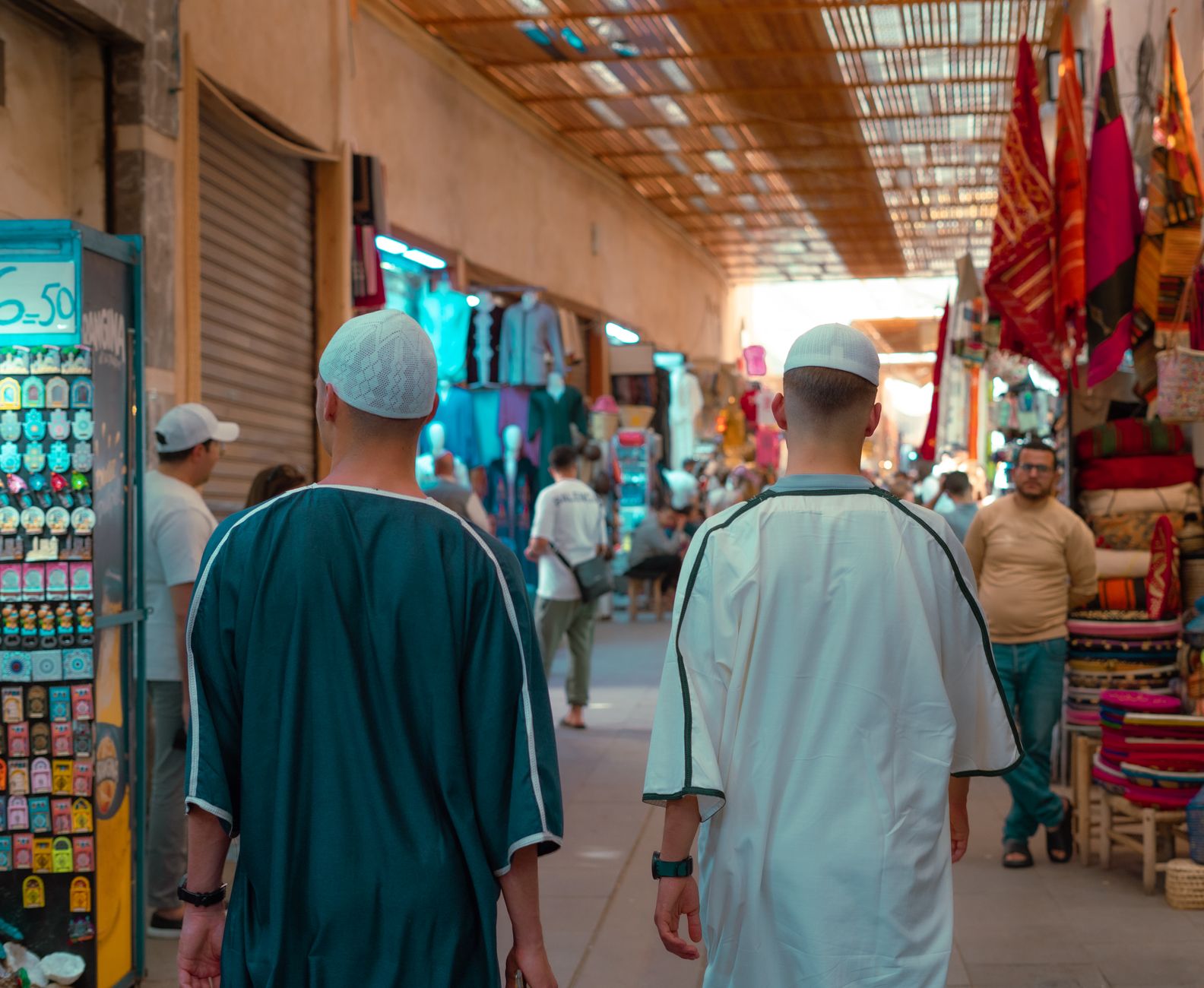
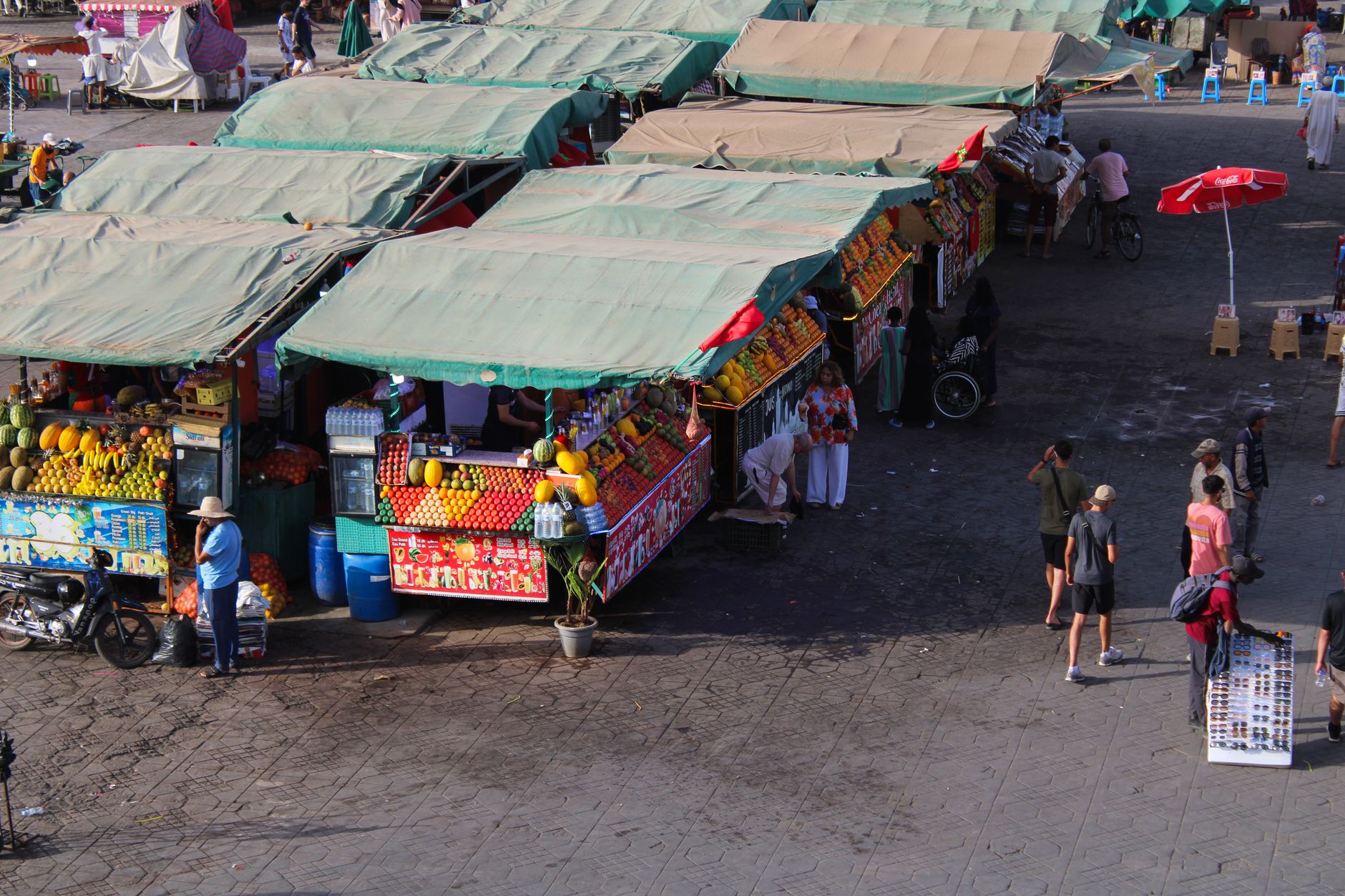
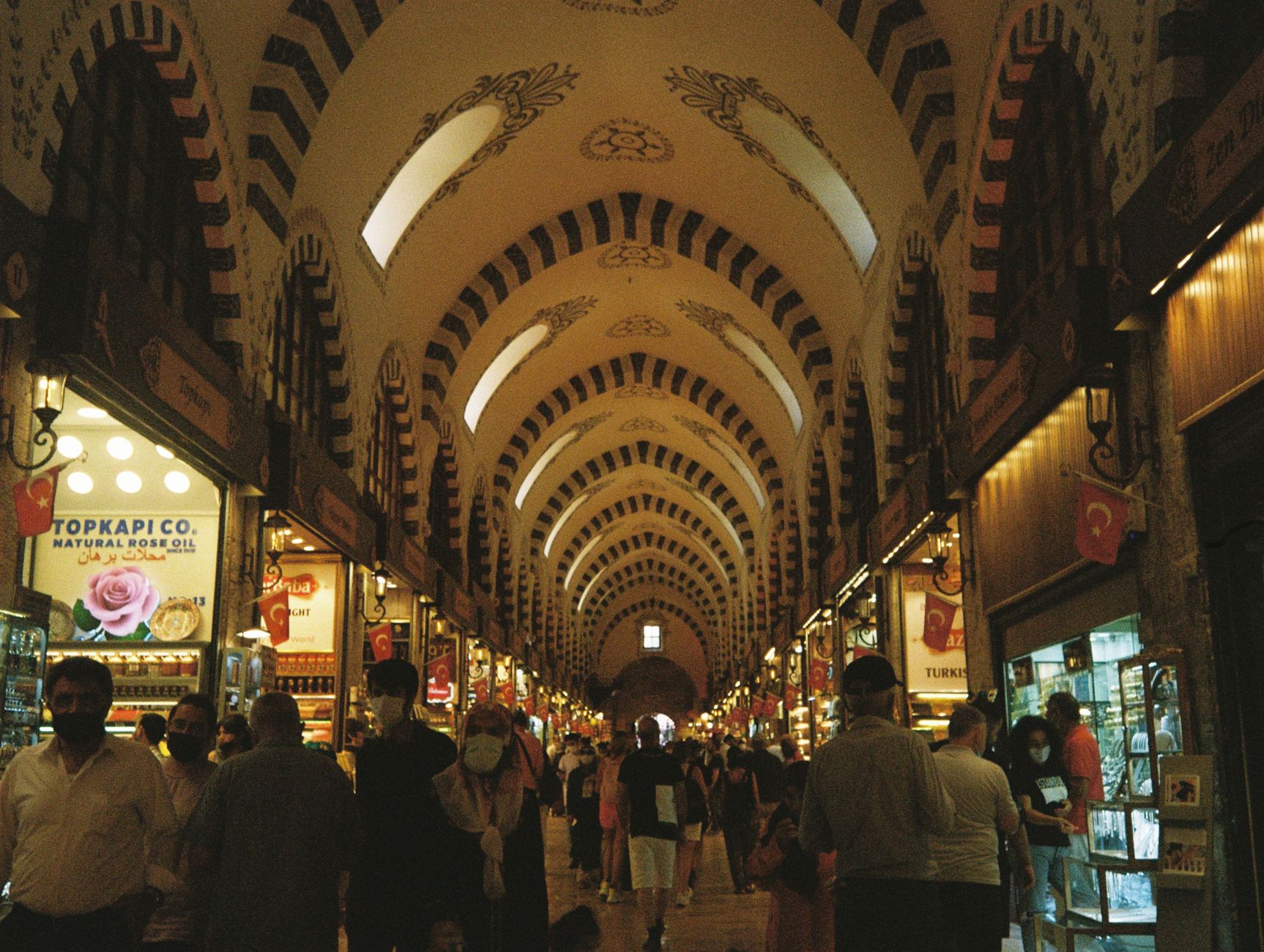
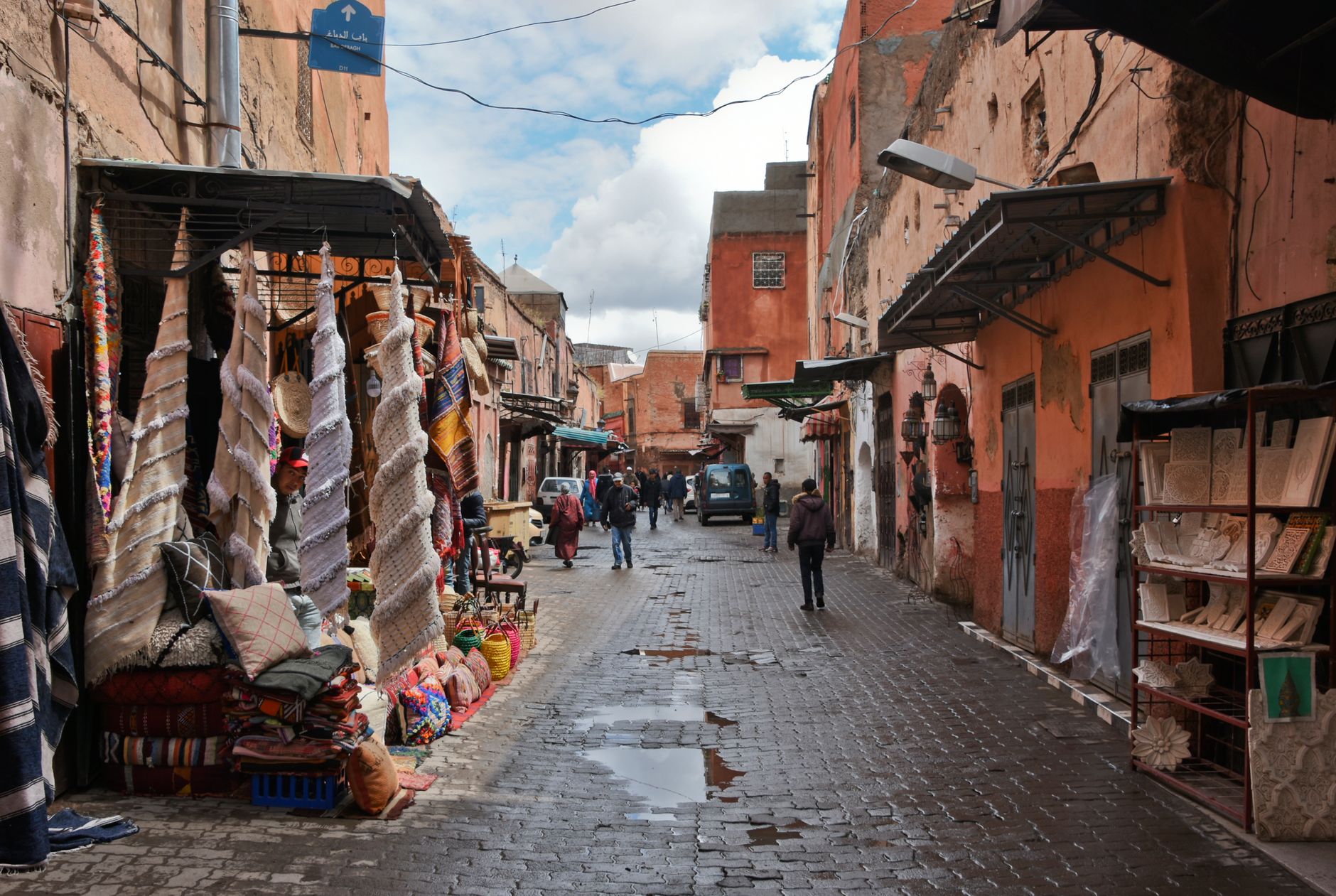
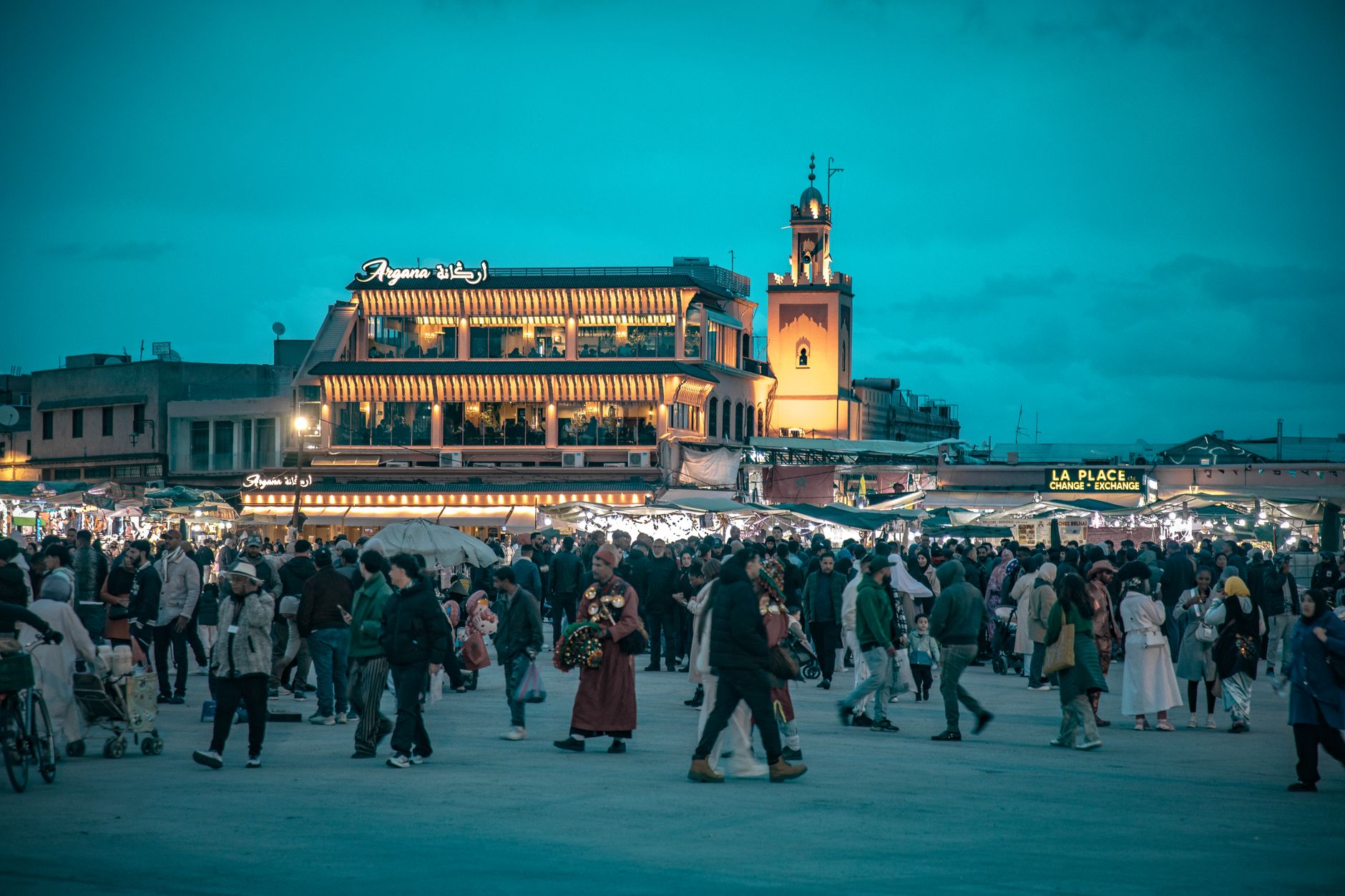
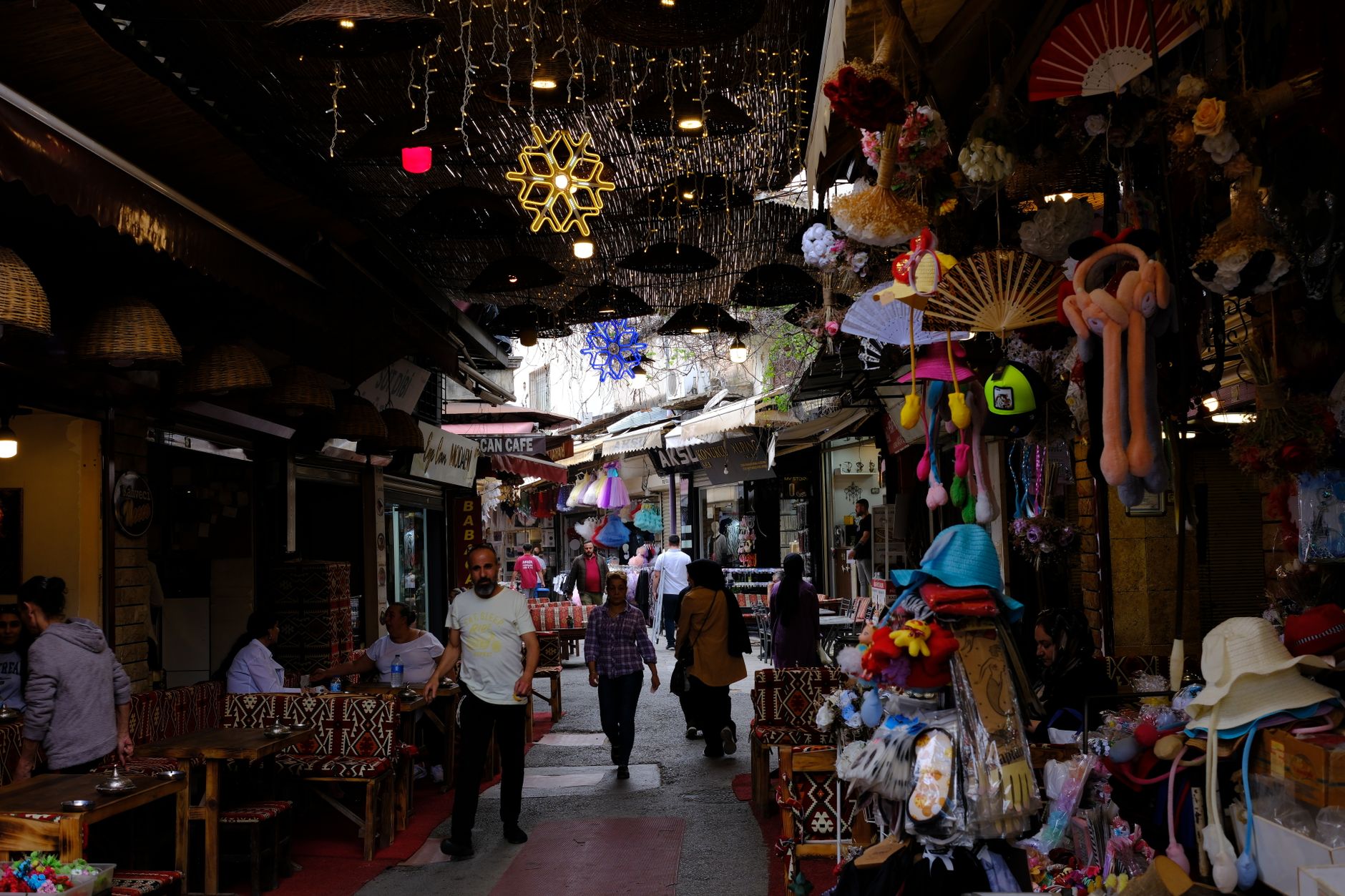
The Mellah market doesn't announce itself. You follow Riad ez Zitoun south from Jemaa El Fna — ten minutes on foot — and the street narrows into a quarter where the gold auction at the jewelry souk starts at half past four and tinsmiths hammer sheet metal into lanterns around the Square des Ferblantiers from early morning.
This is where Marrakech's Jewish and Berber commercial traditions folded into each other over centuries. The covered galleries of the kissaria — originally a Jewish creation — still deal in silver fibulas, Fatima's hands, and old gold coins, now run by Muslim traders who inherited the trade.
💛 What travellers fall for
People who come back tend to time the jewelry souk auction at 16:30 — it's quick, specific, and nothing like the fixed-price shops near the main square. The Square des Ferblantiers is worth arriving at early, before the heat, when the tinsmiths are working and the light is still soft.
How Mellah Market (Souk) came to be
Sultan Moulay Abdallah of the Saadian dynasty established the Mellah in 1558 — a walled quarter of more than 18 hectares, with two gates closed at night. Jews had been present in Marrakech since at least the 13th century, and after the 1492 expulsion from the Iberian Peninsula, Sephardic arrivals swelled the community considerably. By the late 1940s, an estimated 40,000 people lived within these walls.
Emigration after Israeli independence and the end of the French protectorate reduced that number to roughly 200 today. The quarter was renamed Essalam — Arabic for peace — but reverted to El Mellah in 2017 following a royal initiative. In 2016, King Mohammed VI committed more than $20 million to restoring its houses, streets, and synagogues.
Who and what shaped it
People who shaped it
Landmark buildings
Plan your visit
On the map
When to go
October through April is the most comfortable window — warm days, manageable crowds, and the rare chance of rain keeping the dust down. July and August regularly push past 36°C (97°F), and the heat inside the covered souks intensifies that considerably.
Right now
Background & history adapted from Wikipedia (CC BY-SA) · specs from Wikidata (CC0) · weather from Open-Meteo · map data © OpenStreetMap contributors · photos from Wikimedia Commons / Unsplash with per-image credit. No third-party reviews or social posts reproduced.