
Mellah Food Stalls
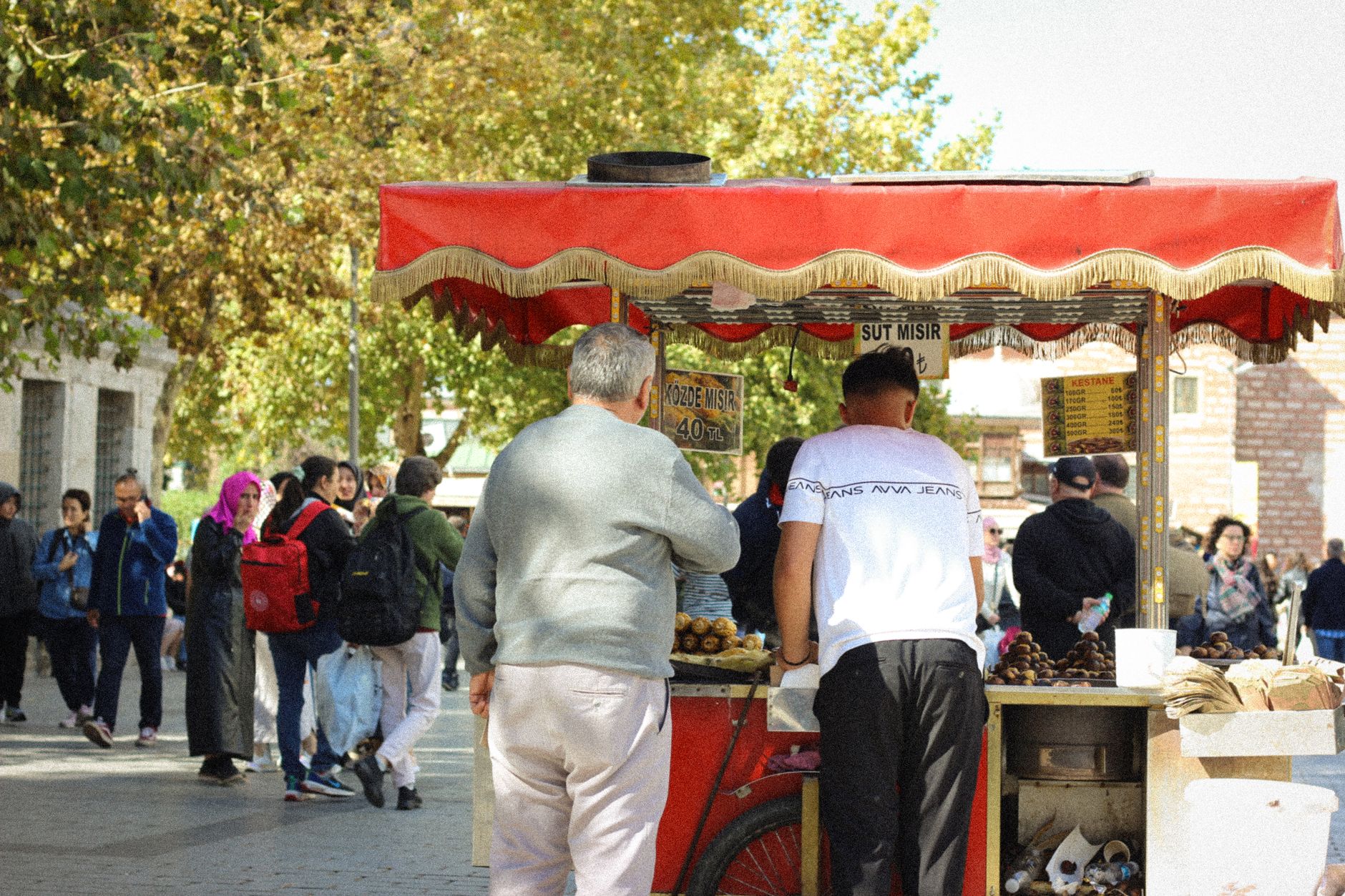


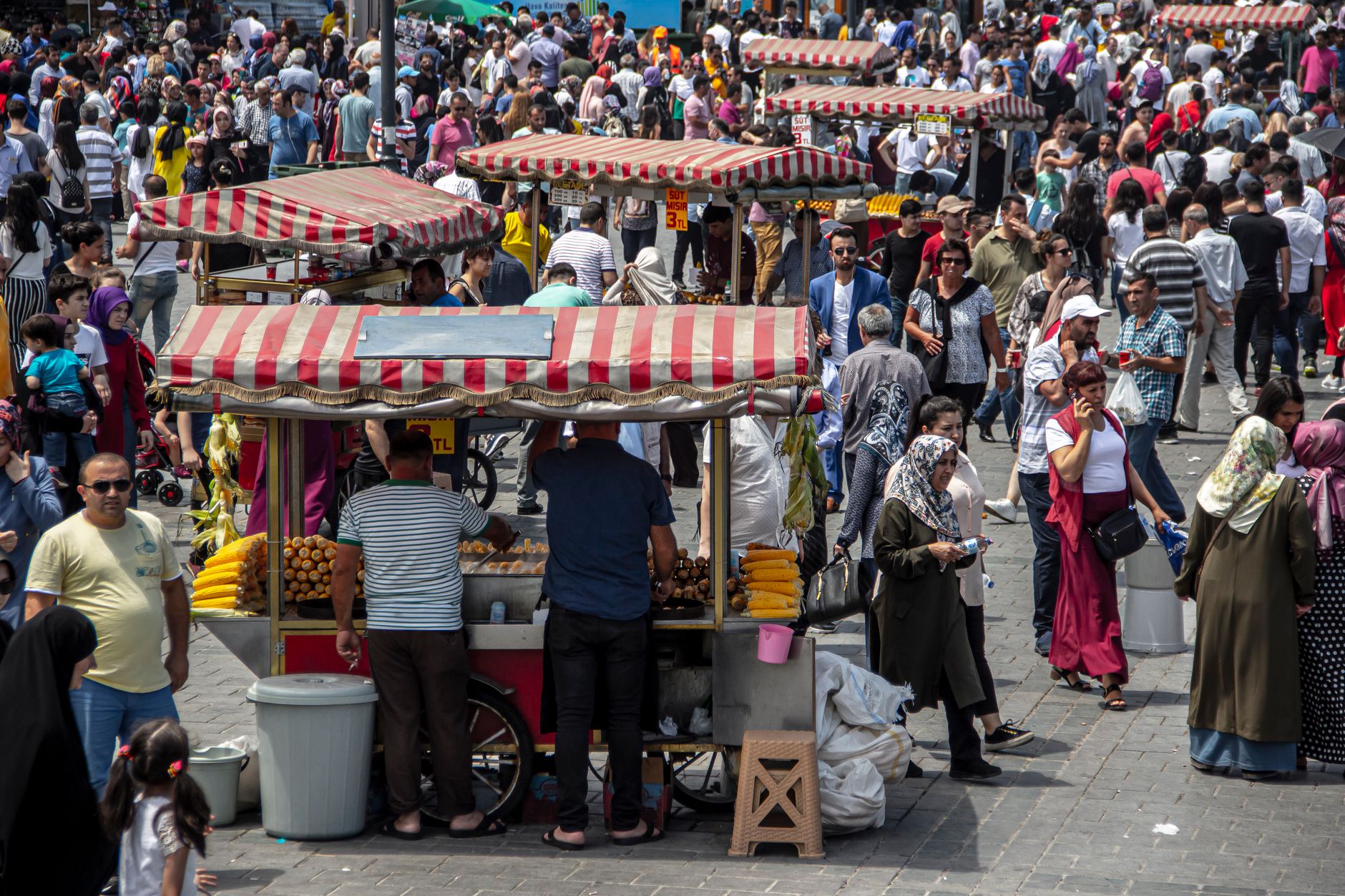
The spice merchants of the Mellah work early. By the time you arrive, the cones of turmeric and paprika are already arranged, ras el hanout blended to each vendor's private formula of up to thirty ingredients, and the bakers have long since pulled their round loaves from the clay ovens. This is a working quarter, not a performance of one.
Kefta sizzles on small grills, butchers hang lamb from iron hooks, and somewhere nearby a pickle vendor is ladling brine over olives with the unhurried efficiency of someone who has done it ten thousand times. The food stalls run through the old Jewish quarter in a loose chain — no single entrance, no map that quite captures it.
💛 What travellers fall for
People who come back tend to arrive before ten. The jewelry souk holds a daily auction at 16:30 if you want to watch the quarter shift gears. Buy spices only from vendors whose stock is sealed or freshly scooped in front of you — open containers have disappointed more than one traveller once they got home.
How Mellah Food Stalls came to be
The Mellah was established in 1558 by Sultan Abdallah al-Ghalib of the Saadian dynasty — the second Jewish quarter of its kind founded in Morocco. For much of the 16th and 17th centuries it functioned as one of Marrakech's primary commercial zones, its gates locked each night, its residents trading in sugar, textiles, jewellery, and banking.
At its peak in the late 1940s, around 40,000 people lived here. Emigration followed in waves — after Israeli independence, after the end of the French protectorate, after the wars of 1967 and 1973 — most leaving for Israel, some for France or Montreal. Today roughly 200 Jewish residents remain. A restoration programme launched in 2014 has worked to preserve the quarter's architecture and character.
Who and what shaped it
Landmark buildings
Plan your visit
On the map
When to go
Summer days push well above 35°C, so early morning is the only comfortable window for wandering stalls. Spring (March–April) and autumn (late September to mid-November) offer mild afternoons in the high teens to low twenties Celsius — the most forgiving seasons for spending time outdoors in the quarter.
Right now
Background & history adapted from Wikipedia (CC BY-SA) · specs from Wikidata (CC0) · weather from Open-Meteo · map data © OpenStreetMap contributors · photos from Wikimedia Commons / Unsplash with per-image credit. No third-party reviews or social posts reproduced.