
Slat Al Azama Synagogue
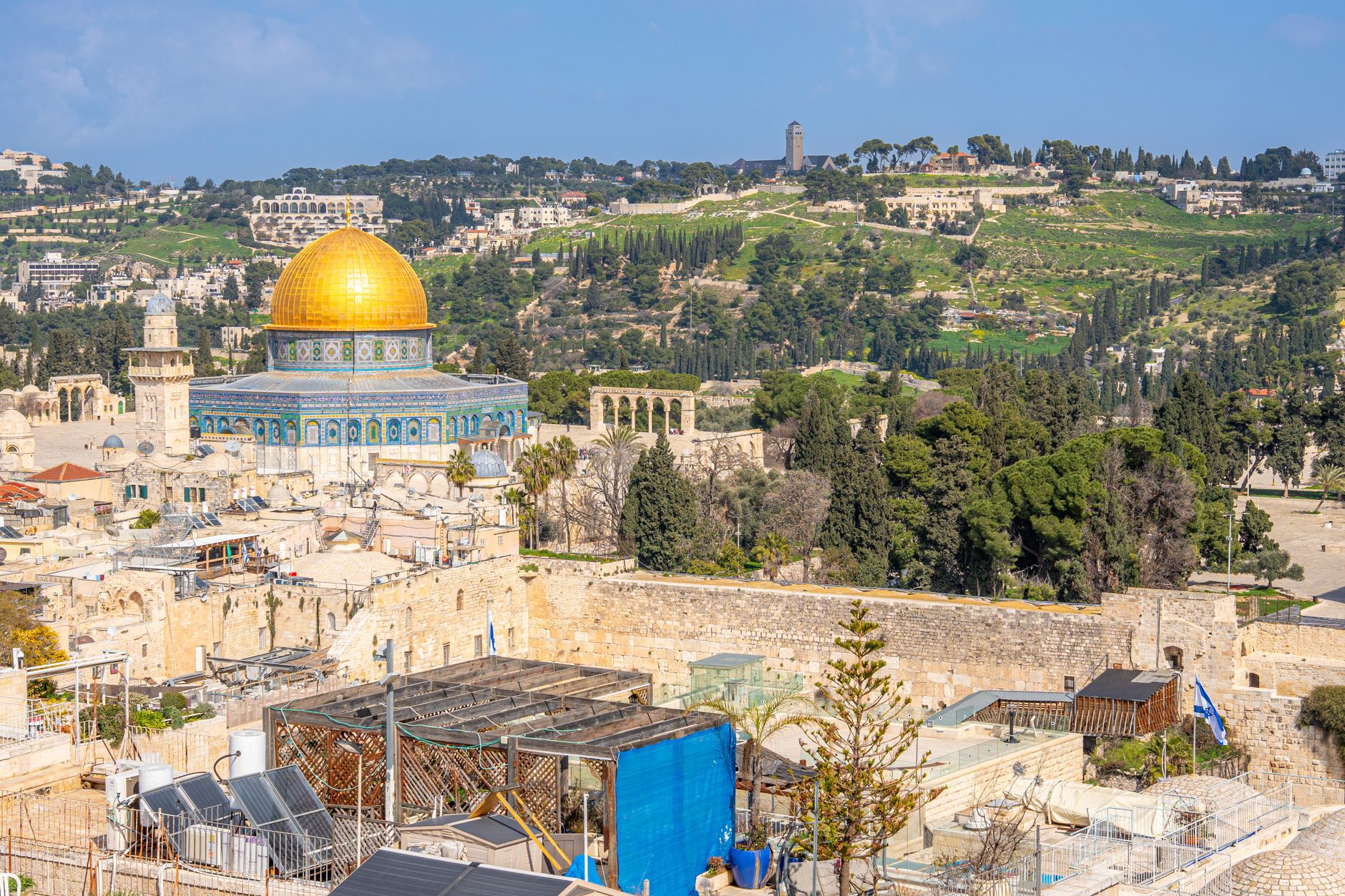
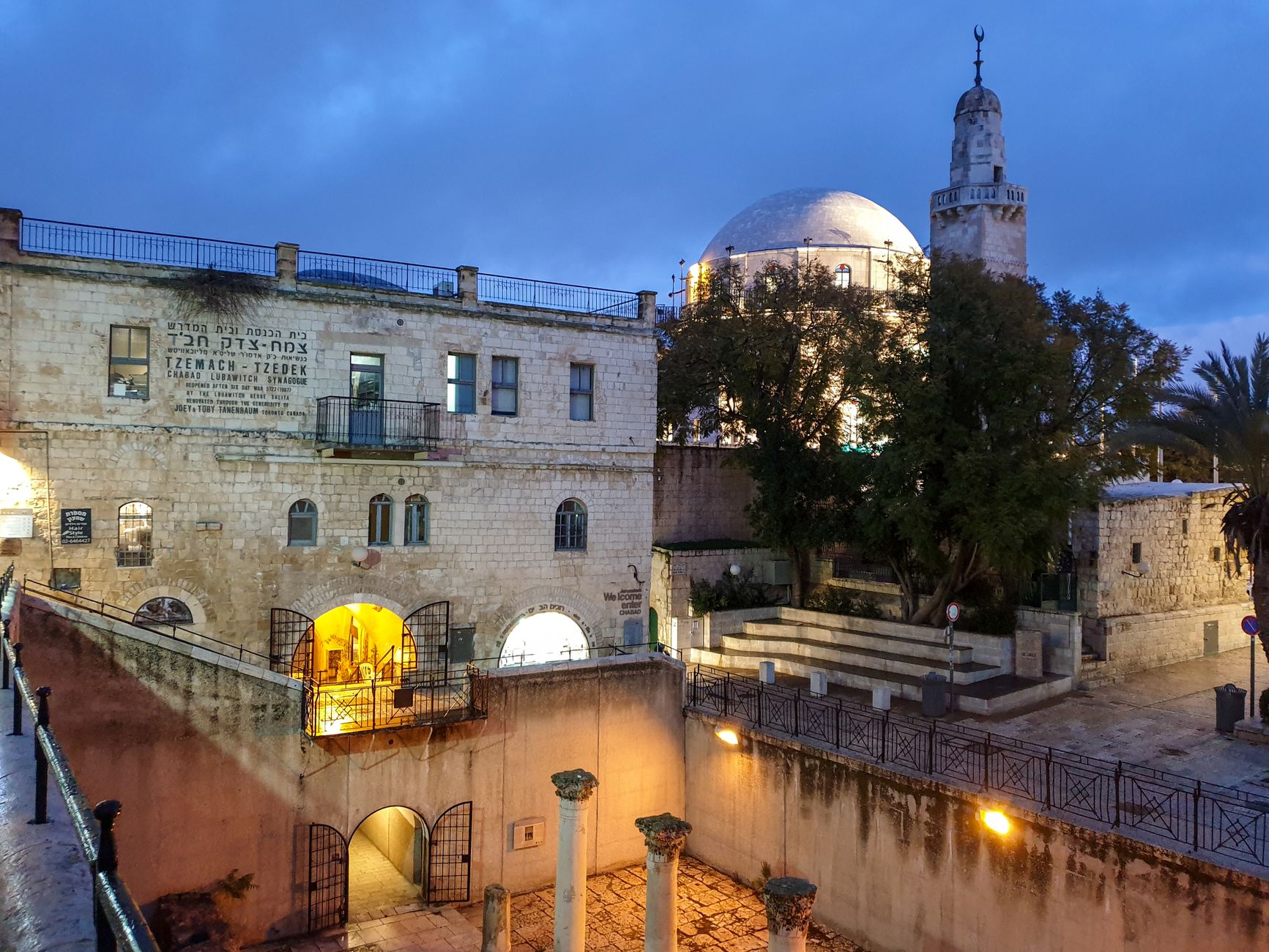
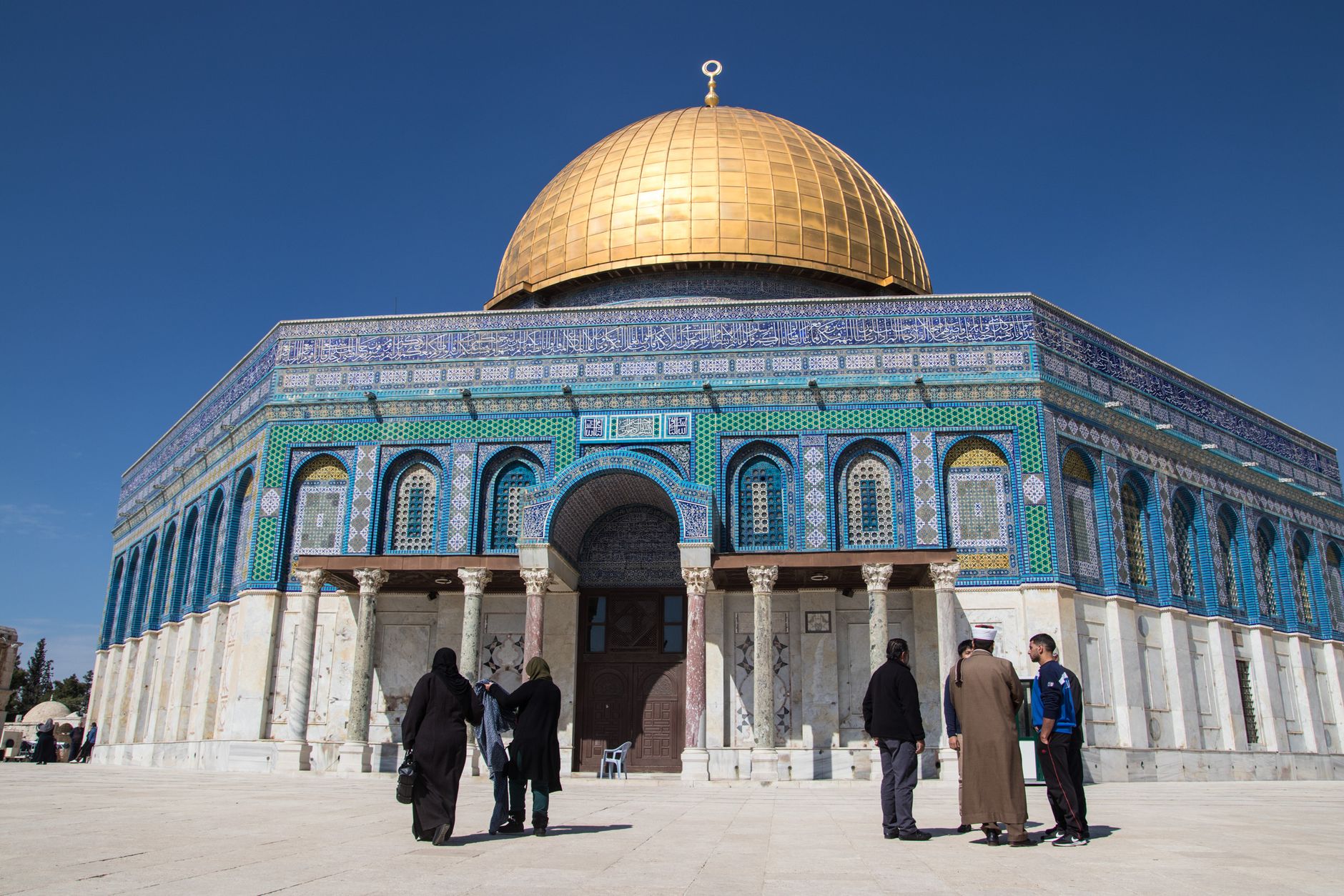
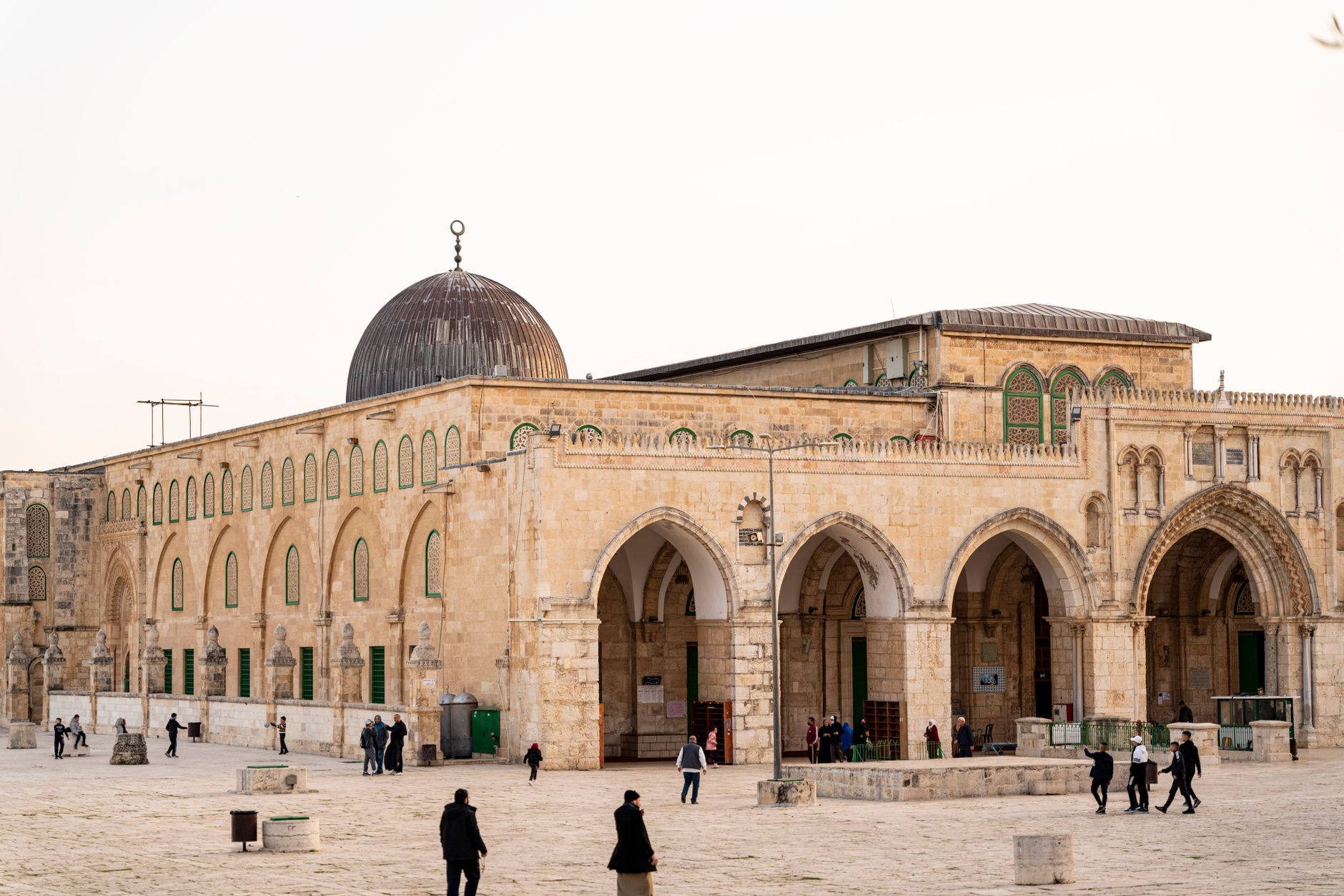
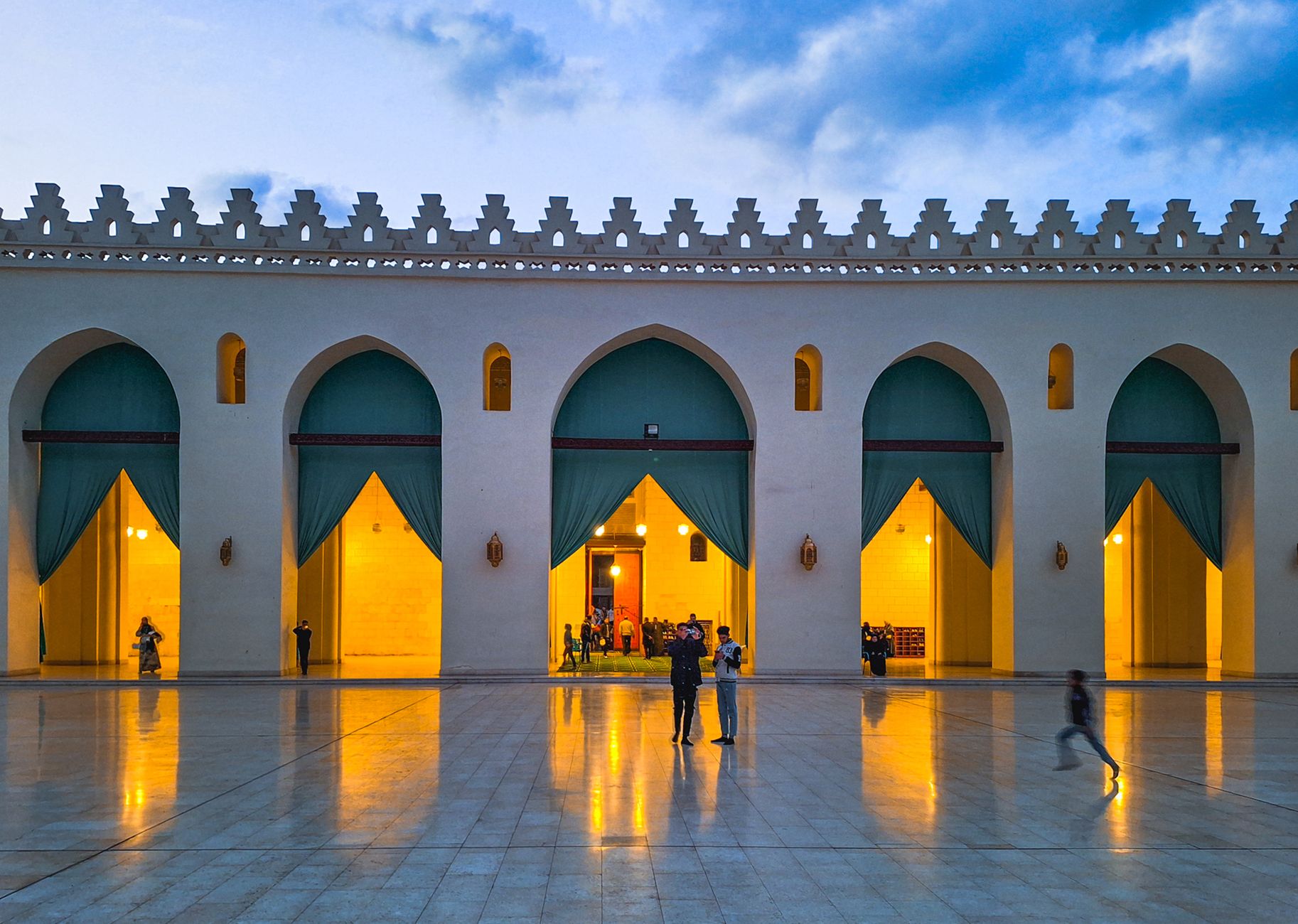
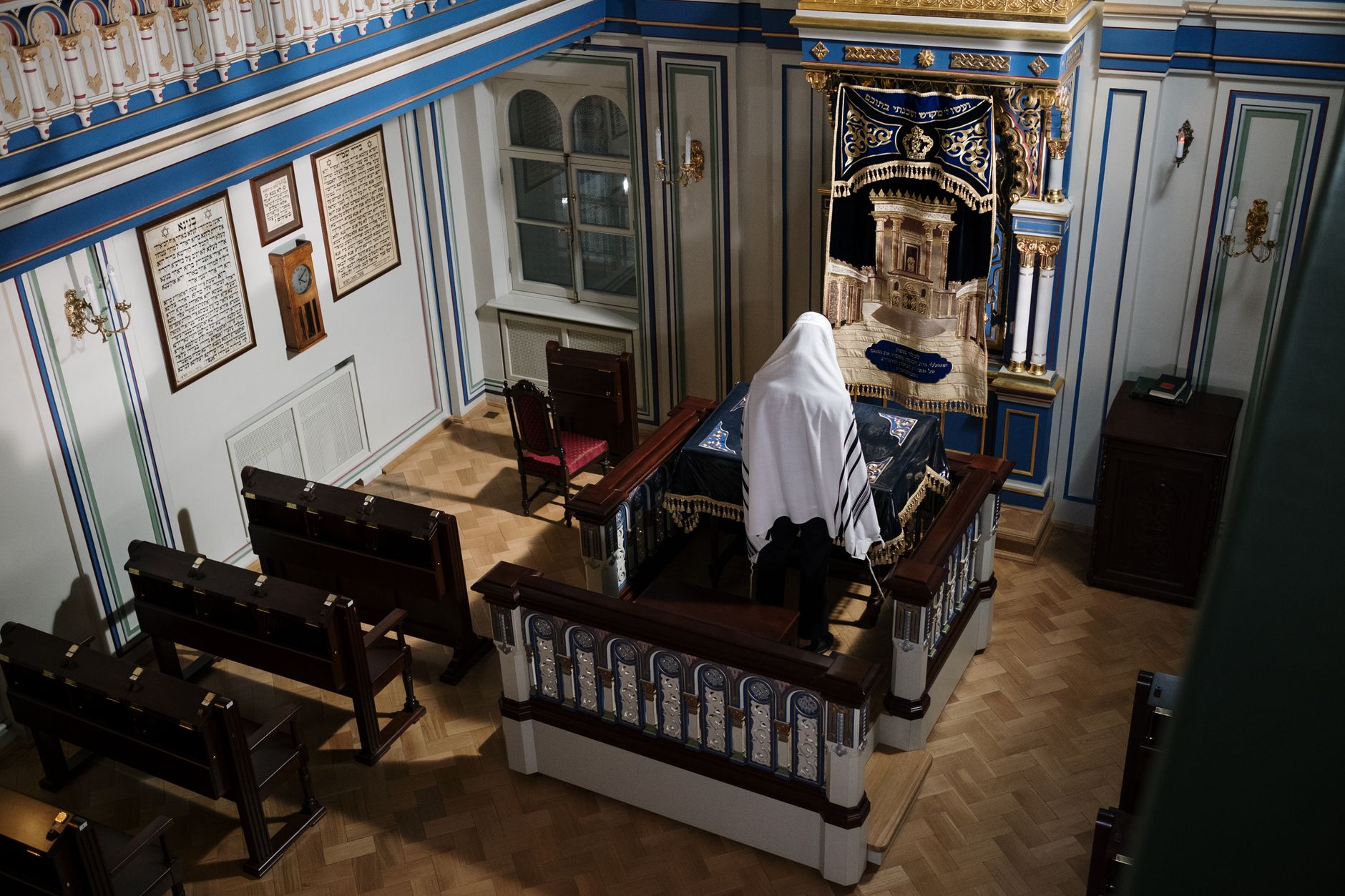
The entrance to Slat Al Azama gives almost nothing away — an unmarked door in a narrow Mellah alley, easy to walk past twice. Step through it and you find yourself in a courtyard tiled in blue and white, a fountain at its centre, a ritual hand-washing station to one side, and a quiet that feels deliberate. The synagogue itself, connected to what was once a private house built around a central courtyard, carries traditional Moroccan zellij tilework alongside a marble Torah ark set against the eastern wall — a place shaped by centuries of use and a 2005 restoration.
💛 What travellers fall for
People who make it here tend to mention the same thing: ask a local kid near the Mellah entrance to walk you to the door. The alley has no signage, and the small tip you'll give is well spent. Once inside, the museum — modest, a few rooms — repays slow looking more than a quick circuit.
How Slat Al Azama Synagogue came to be
The synagogue's founding is tied to 1492 — the year Spain expelled its Jewish population under the Inquisition, sending Sephardic communities across the Mediterranean and into North Africa. The Marrakech mellah itself wasn't formally established until 1557, when the Sa'di sultan Mawlāy al-Ghālib decreed that the city's Jewish residents move into this walled quarter.
Exactly when the current building was constructed is genuinely contested — sources place it variously in the 17th century or at the turn of the 20th — but the synagogue was restored around 2005. According to its director Isaac Ohayon, the building once ran 10 to 14 daily prayer services and drew more than 500 Torah students. A small museum, founded by Kobi Ifrac, now occupies part of the complex.
Who and what shaped it
People who shaped it
Landmark buildings
Plan your visit
On the map
When to go
Spring (March–May) and autumn (September–November) are the most comfortable seasons — daytime temperatures between roughly 20°C and 32°C, with manageable evenings. Summer visits mean midday heat of 35–40°C, so arriving when the synagogue opens at 9 am makes sense.
Right now
Background & history adapted from Wikipedia (CC BY-SA) · specs from Wikidata (CC0) · weather from Open-Meteo · map data © OpenStreetMap contributors · photos from Wikimedia Commons / Unsplash with per-image credit. No third-party reviews or social posts reproduced.