
Mellah Spice Market

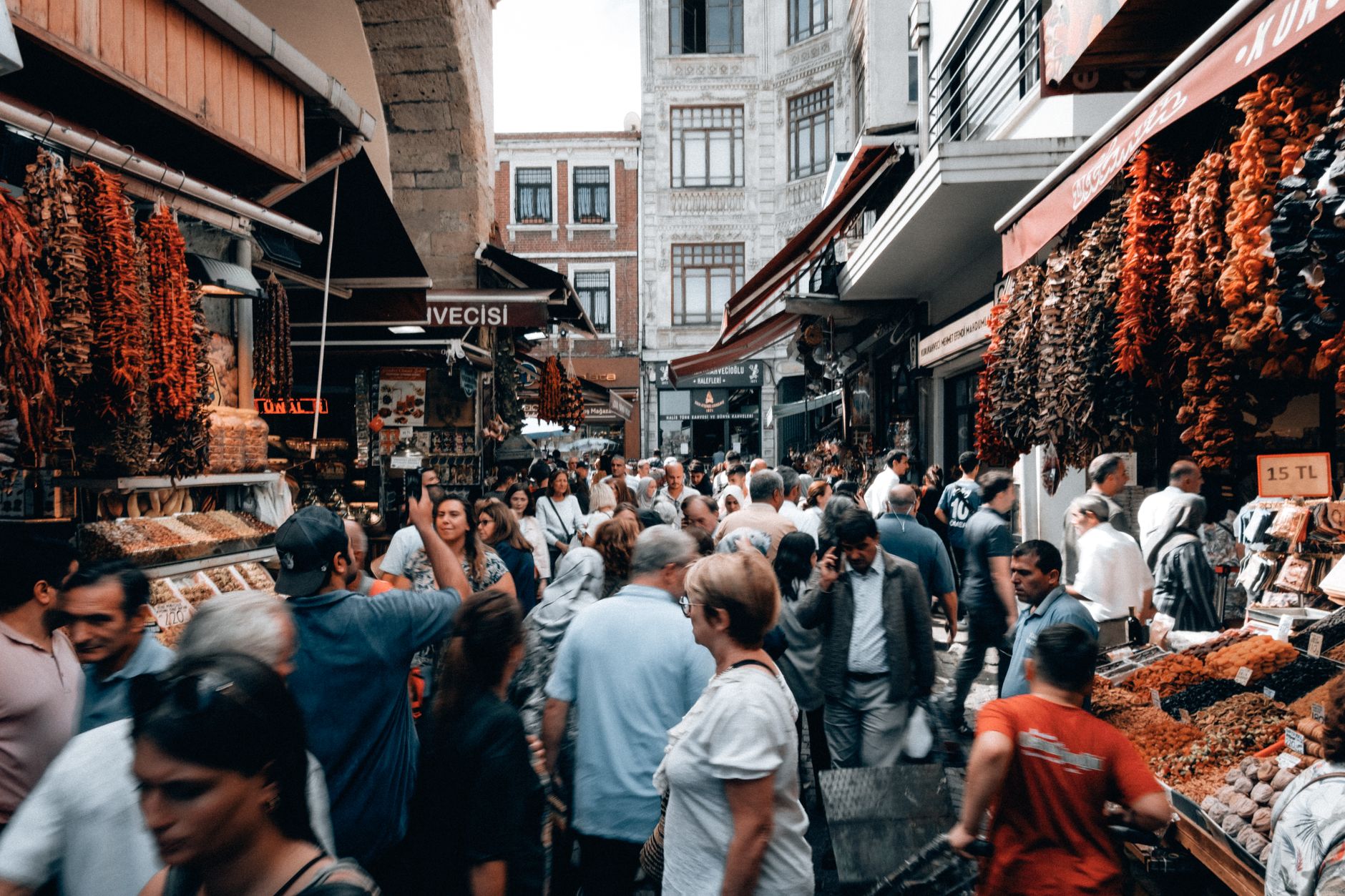
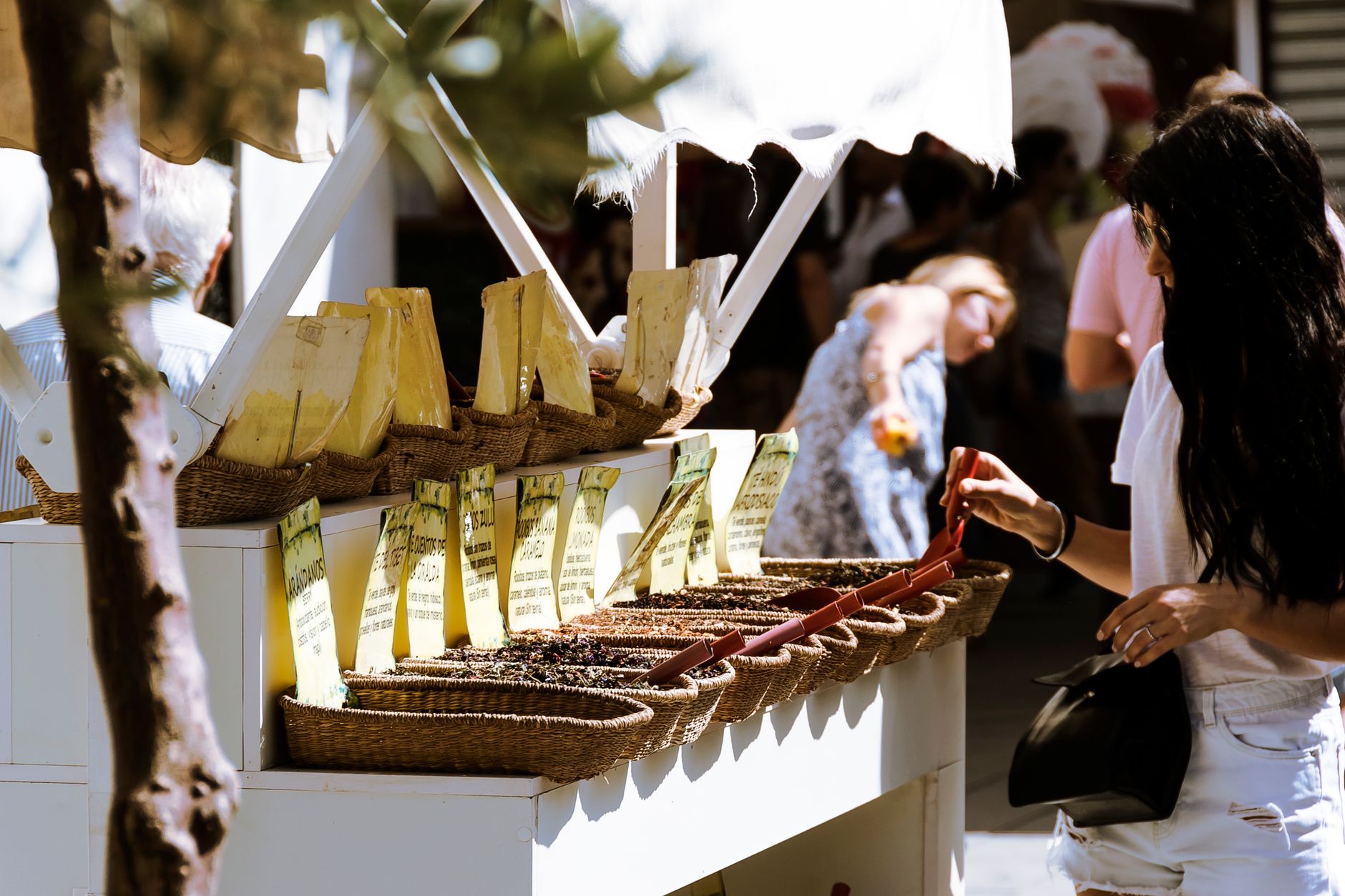
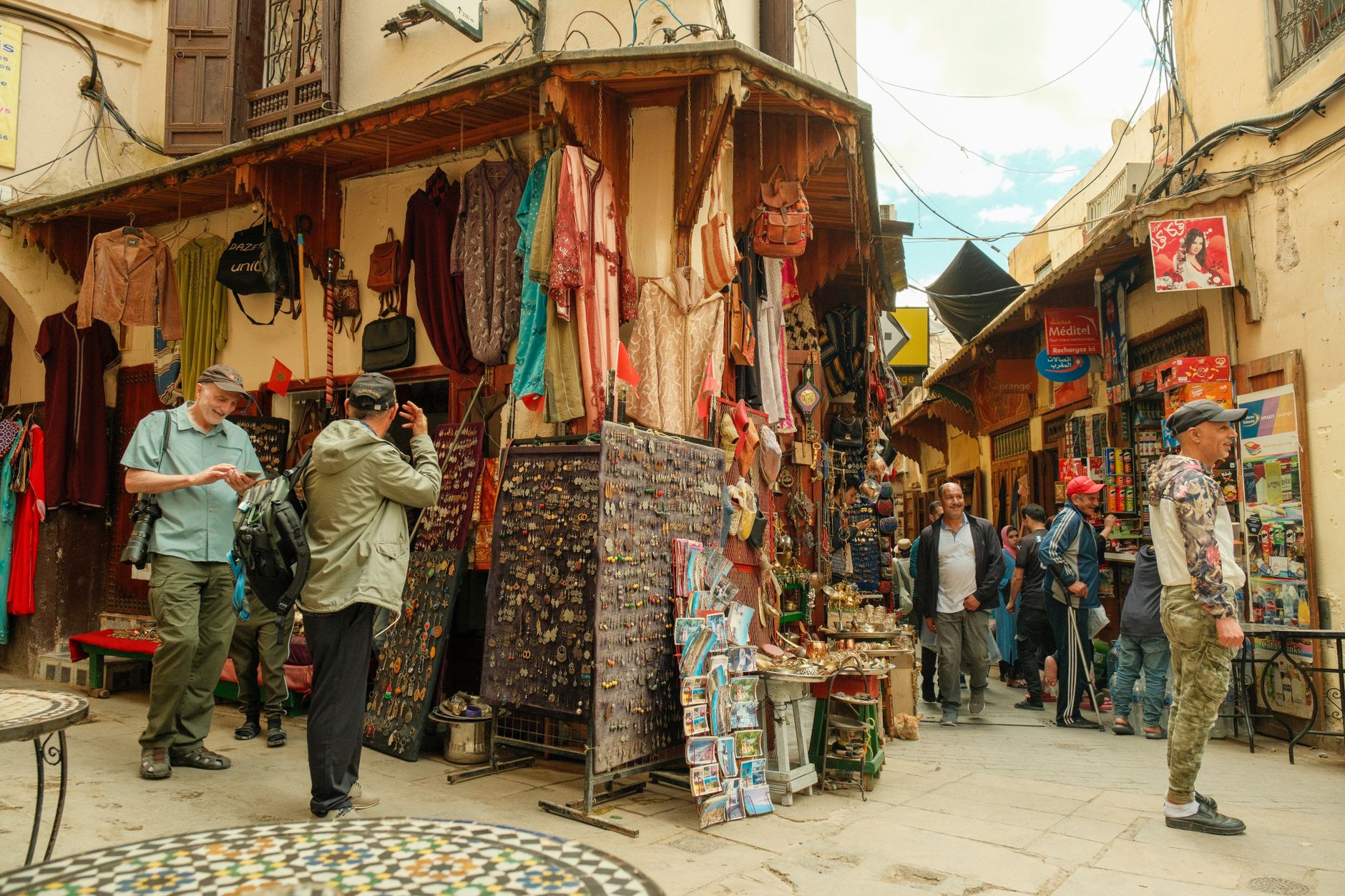

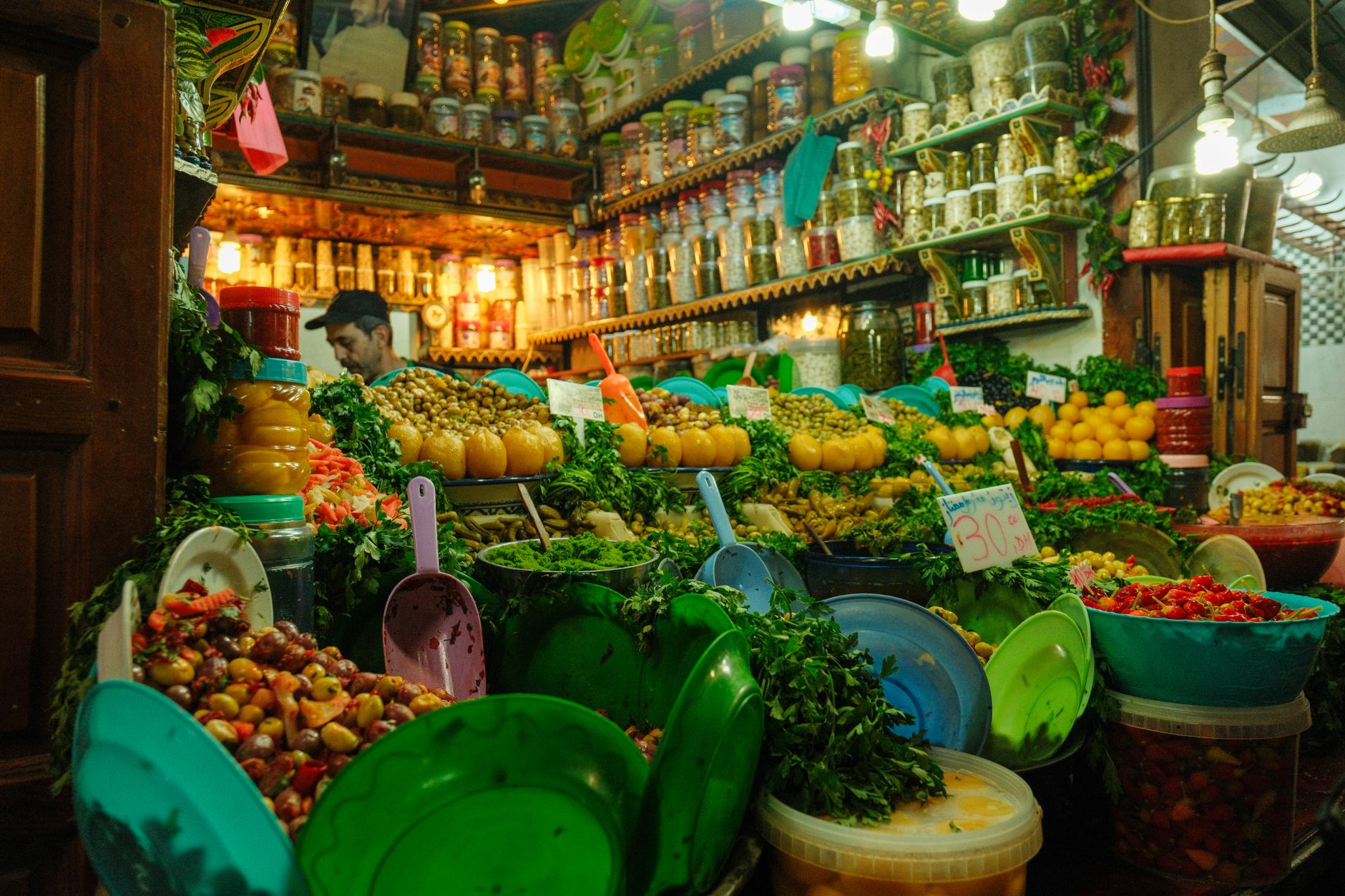
At the entrance to the great marketplace, sacks of cumin, ras el hanout, and dried rose petals sit open at knee height, their colours running from ochre to deep burgundy. Spice merchants work alongside herbalists selling dried chamomile and argan oil; a few steps further, the lane opens onto Square des Ferblantiers, where tinsmiths still hammer out lanterns and trays in a tradition that predates the current residents by centuries.
The Mellah Spice Market is not a single shop or a defined square — it is the commercial spine of the old Jewish quarter, where spice stalls give way to jewellers, fabric sellers, and metalworkers in quick succession. Balconies lean out over the narrow lanes, and the buildings rise unusually tall, a consequence of a neighbourhood that could not spread outward.
💛 What travellers fall for
People who return tend to mention one thing: the family-run spice shop at the end of a blind alley where the owner grinds cumin to order and charges what locals pay. Finding it takes a wrong turn or two. The jewellery auction at 16:30 near the spice souk is worth timing your afternoon around — it draws a genuine crowd.
How Mellah Spice Market came to be
The Mellah was founded in 1558 by the Saadian sovereign Moulay Abdallah, built just outside the walls of El Badi Palace with two gates that were locked at night. Though Jews had been present in Marrakech since at least 1232, the quarter's character shifted dramatically after 1492, when Sephardic Jews expelled from the Iberian Peninsula arrived in Morocco in significant numbers. Through the 16th and 17th centuries, the Mellah functioned as one of the city's main commercial centres.
At its peak in the late 1940s, an estimated 40,000 people lived within its walls. Emigration followed Israeli independence, the end of the French protectorate, and subsequent regional conflicts — most left for Israel, others for France or Montreal. Today roughly 200 Jewish residents remain. Since 2014, a restoration programme backed by King Mohamed VI with over US$20 million has worked to repair houses, streets, and synagogues across the quarter.
Who and what shaped it
People who shaped it
Landmark buildings
Plan your visit
On the map
When to go
Marrakech summers are hot and dry — the lanes offer some shade, but midday in July or August is punishing. Spring and autumn are the easier seasons to walk the market at length; winters are mild and rarely cold enough to matter.
Right now
Background & history adapted from Wikipedia (CC BY-SA) · specs from Wikidata (CC0) · weather from Open-Meteo · map data © OpenStreetMap contributors · photos from Wikimedia Commons / Unsplash with per-image credit. No third-party reviews or social posts reproduced.