
Mellah Hammam
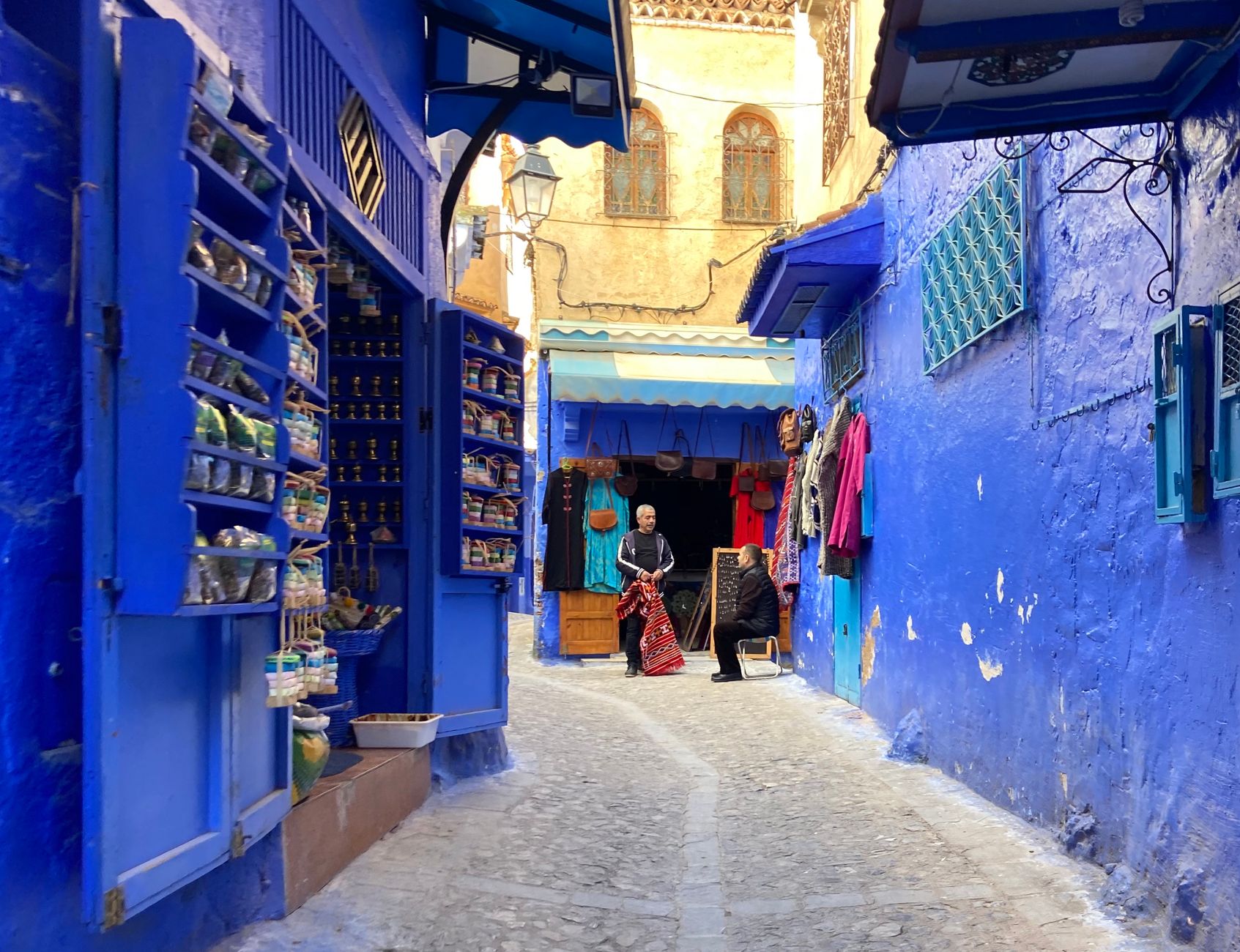
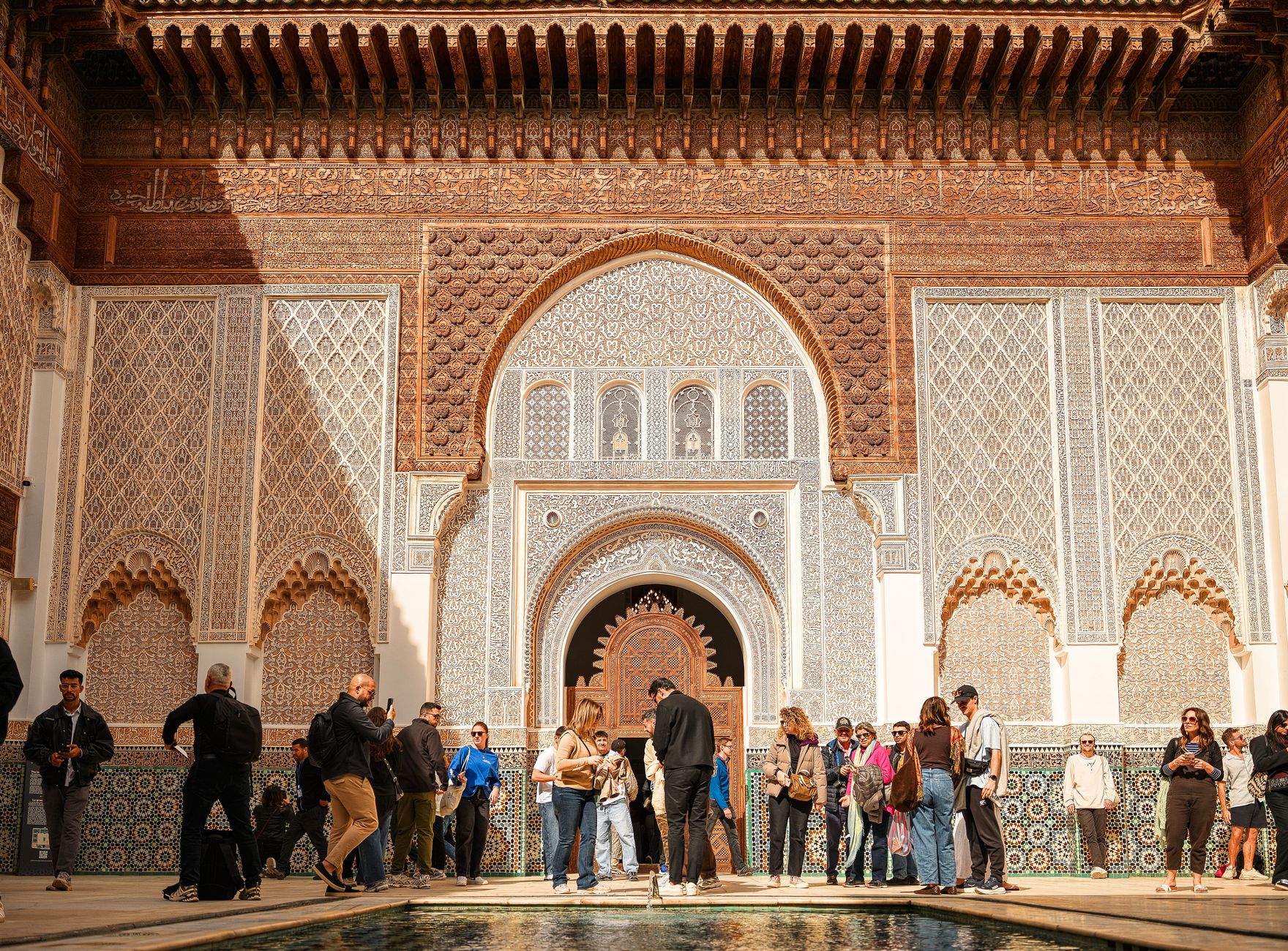
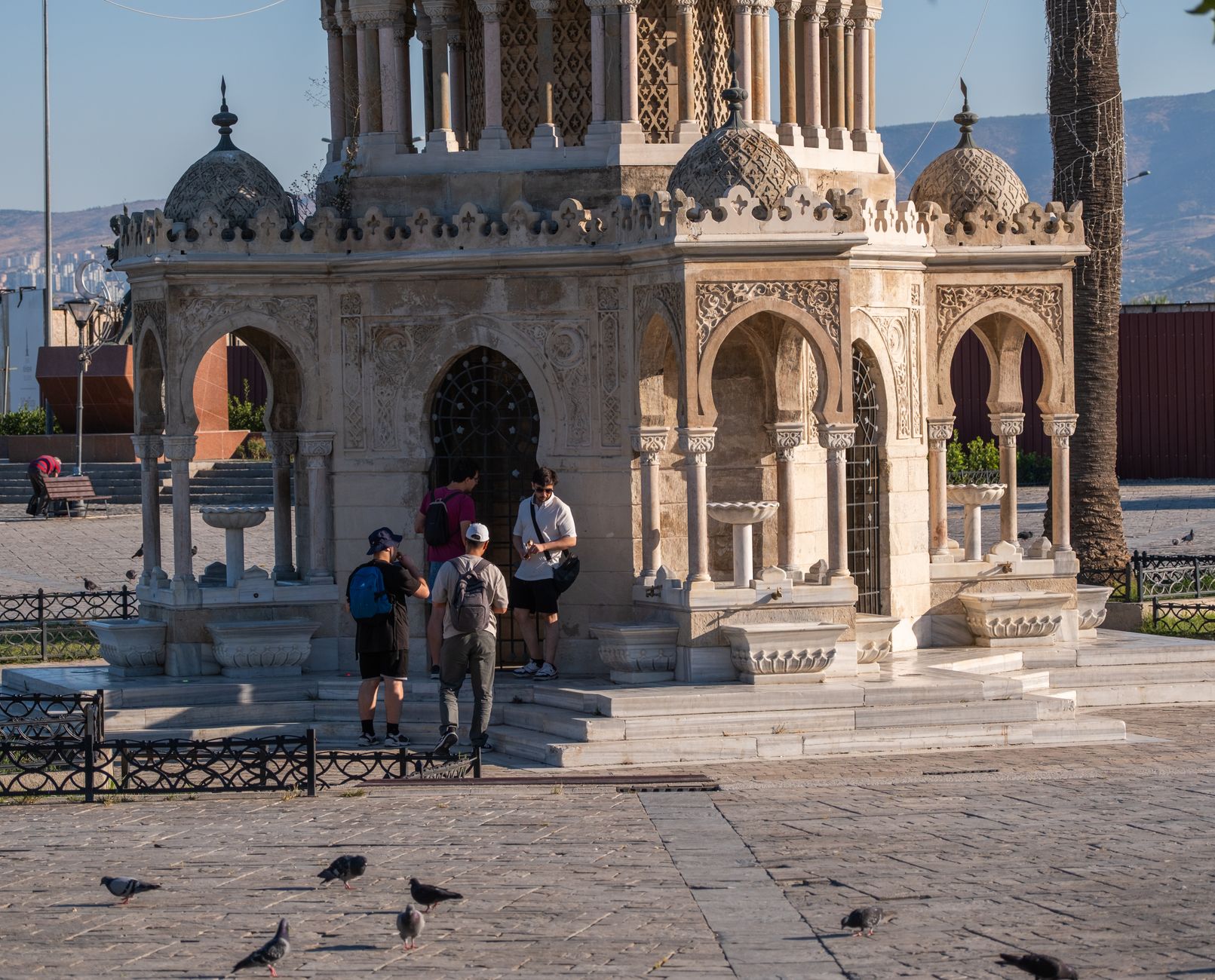
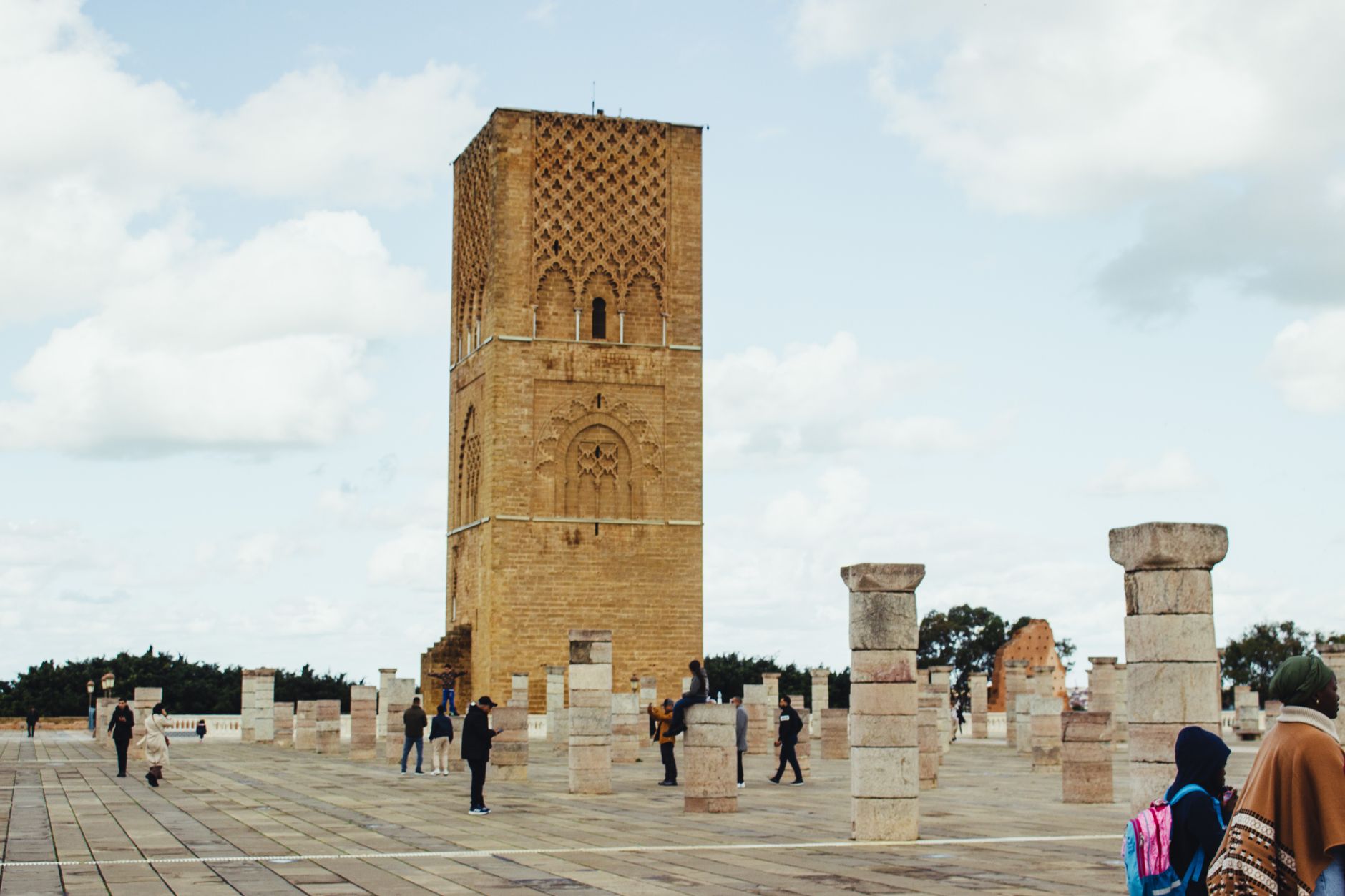
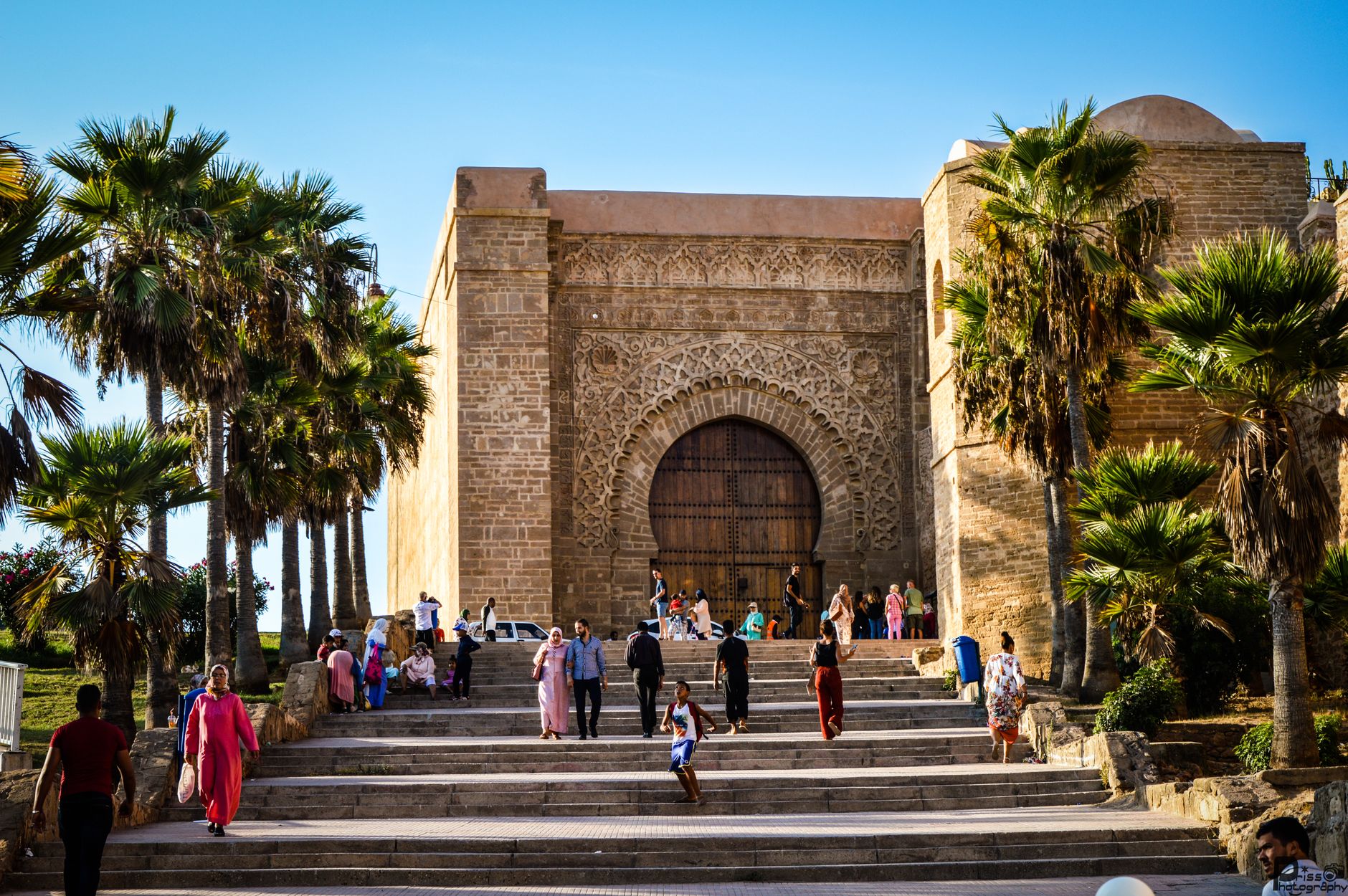
The Mellah announces itself with a change in the street signs. Look up in the narrow lanes and you'll find the names rendered in Hebrew alongside Arabic, restored in 2017 after decades of absence — a quiet act of memory in a quarter that has been many things to many people. The buildings here rise taller than anywhere else in the medina, pressed upward by the density of a community that once numbered in the thousands and is now closer to two hundred.
Today the quarter runs on spice, fabric, jewelry and tin. The auction at the jewelry souk starts around 16:30, and the last kosher butcher in Marrakech still keeps a stall in the market. The Mellah is working, lived-in and layered — a place where the commerce is real and the past is not far beneath the surface.
💛 What travellers fall for
People who come back tend to time it around the jewelry auction in the late afternoon — you don't have to bid, just watch. The entrance through Place des Ferblantiers is the obvious one, but following the tin-hammering sound to find the craftsmen is its own small detour worth taking before you head deeper into the souk.
How Mellah Hammam came to be
The Mellah was created in 1558 by Sultan Abdallah al-Ghalib of the Saadian dynasty — a walled quarter set aside for Marrakech's Jewish community, with gates that closed at night. It was the second mellah established in Morocco, and through the 16th and 17th centuries it functioned as one of the city's main commercial hubs. The Jewish cemetery here dates to 1537, predating the quarter itself, and is the largest of its kind in Morocco.
The quarter was officially renamed Hay Salam — 'neighbourhood of peace' — about twenty years ago, but in 2017 the original name was formally restored, along with the Hebrew street plates. A restoration program launched in 2014 has been slowly working through the architecture, though the vertical buildings, built tall to accommodate a dense population, still define the skyline of this corner of the medina.
Who and what shaped it
Landmark buildings
Plan your visit
On the map
When to go
Right now
Background & history adapted from Wikipedia (CC BY-SA) · specs from Wikidata (CC0) · weather from Open-Meteo · map data © OpenStreetMap contributors · photos from Wikimedia Commons / Unsplash with per-image credit. No third-party reviews or social posts reproduced.