
Mellah Heritage Houses
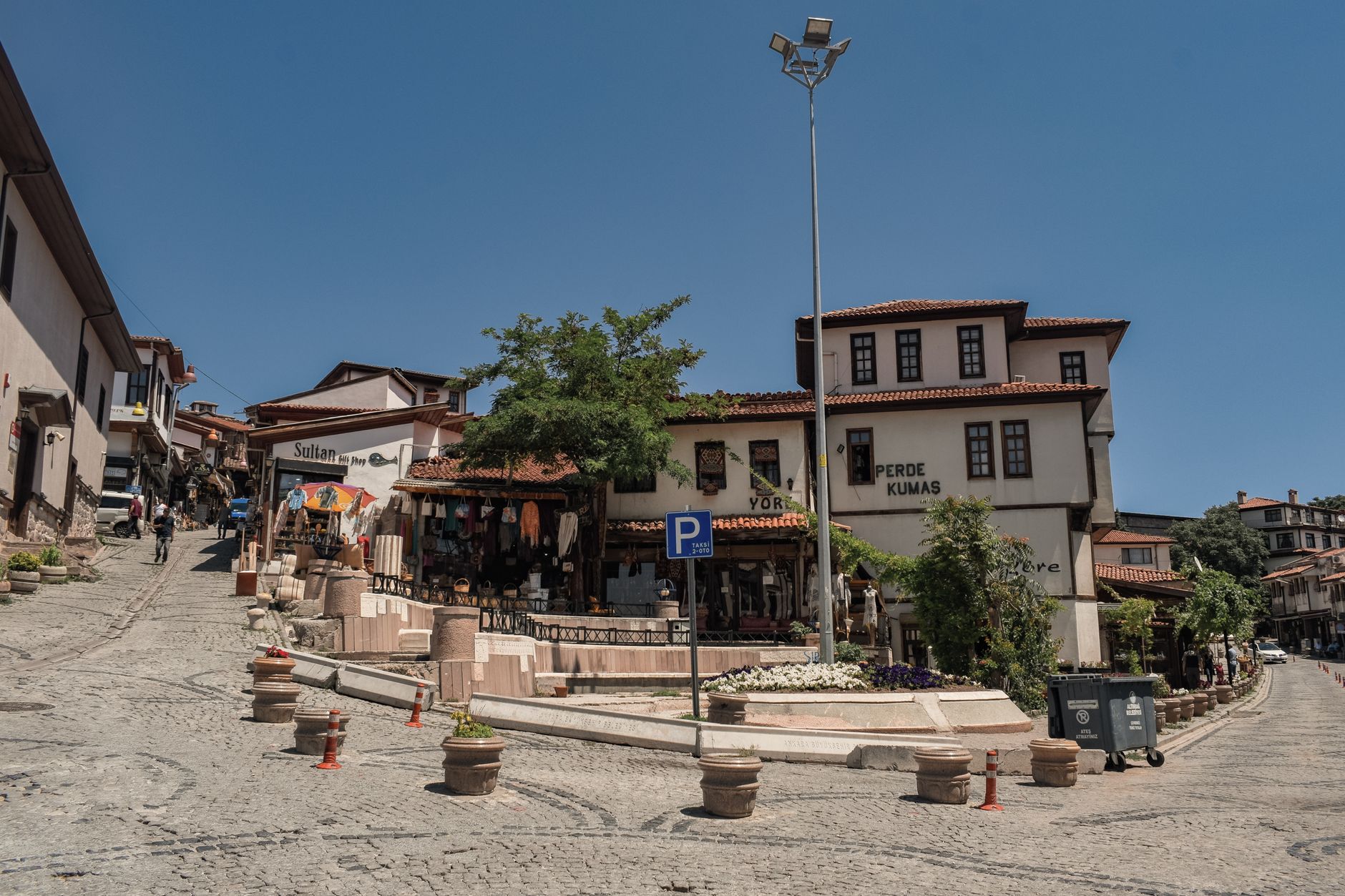
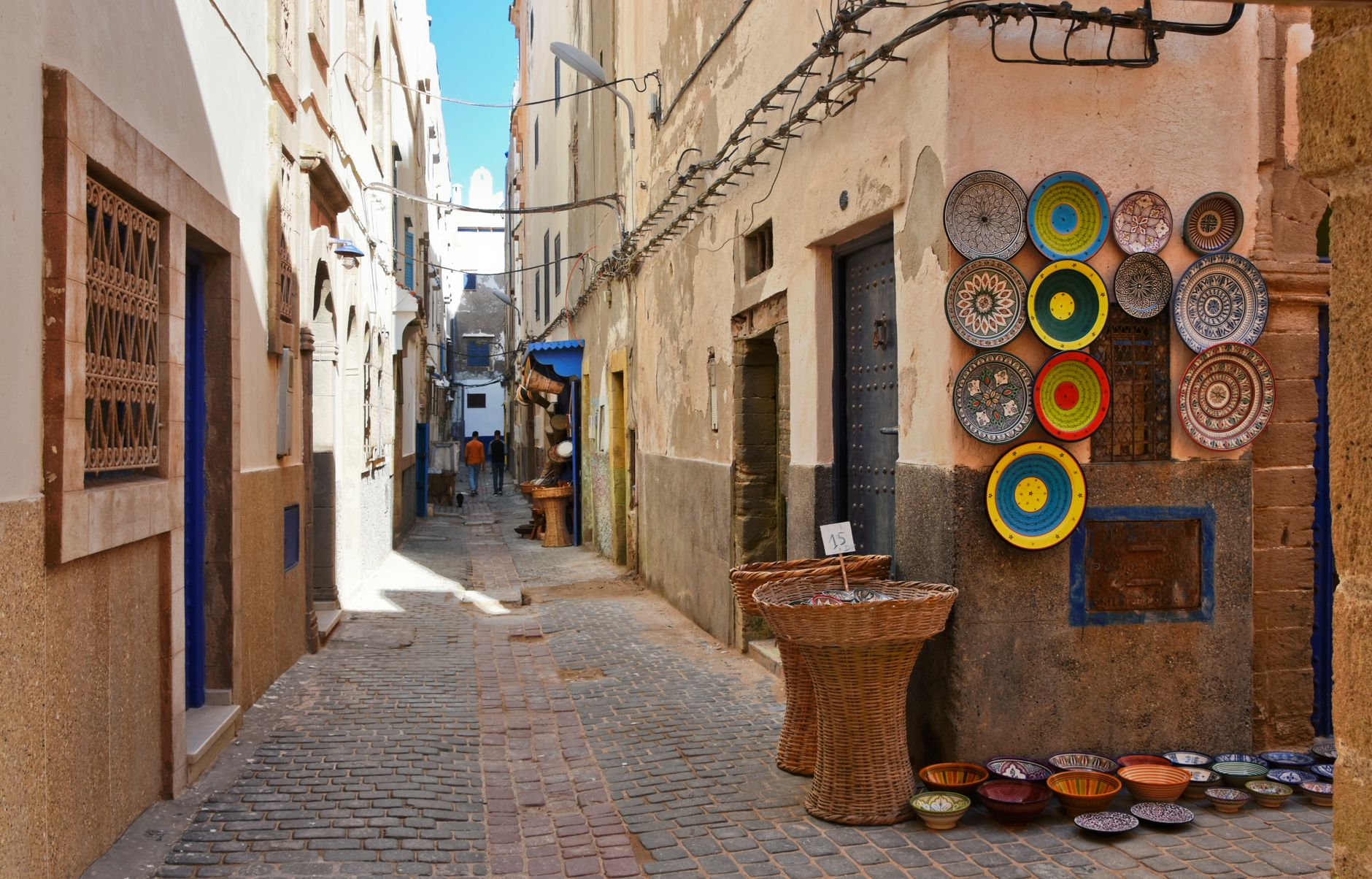
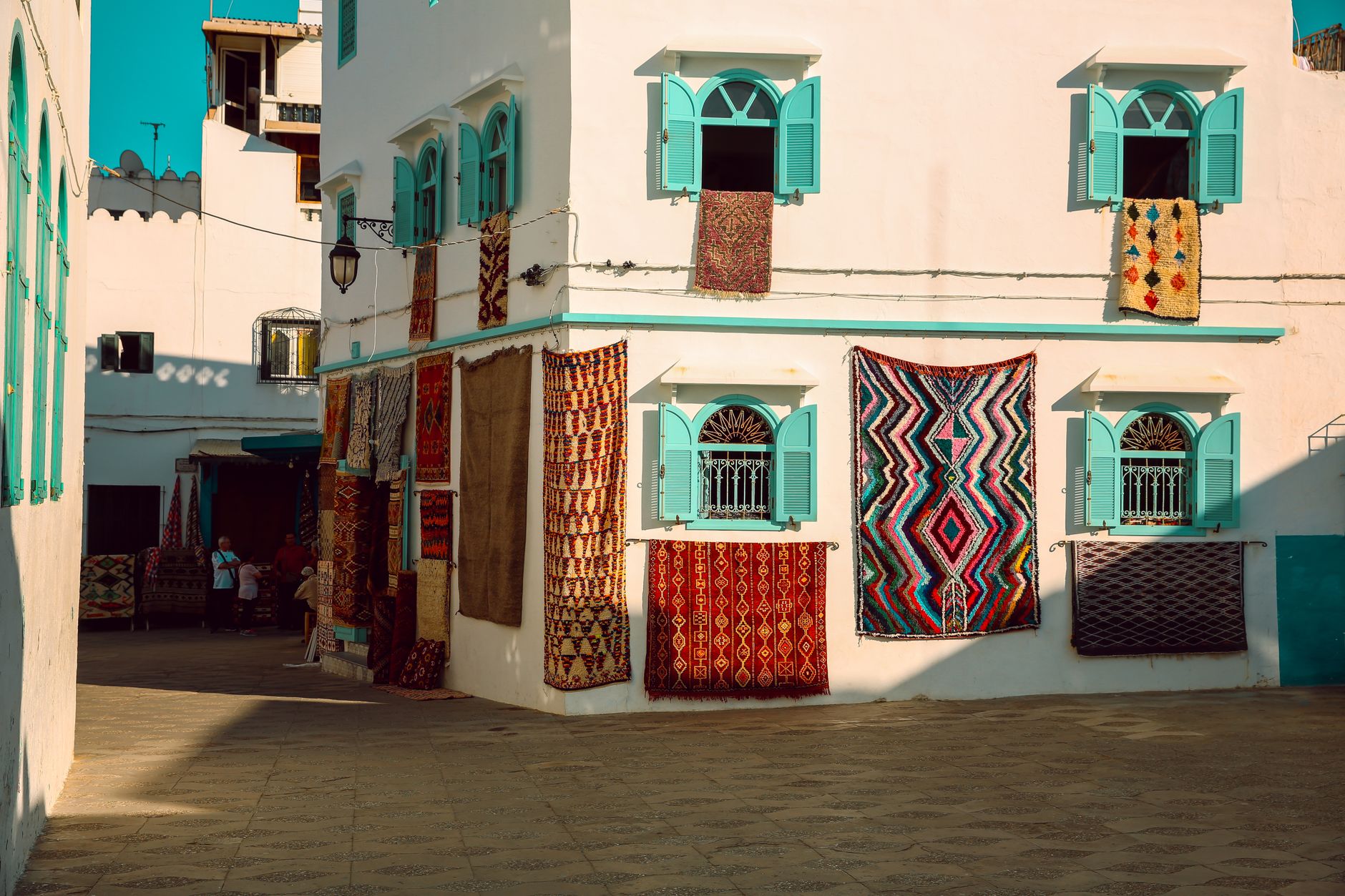
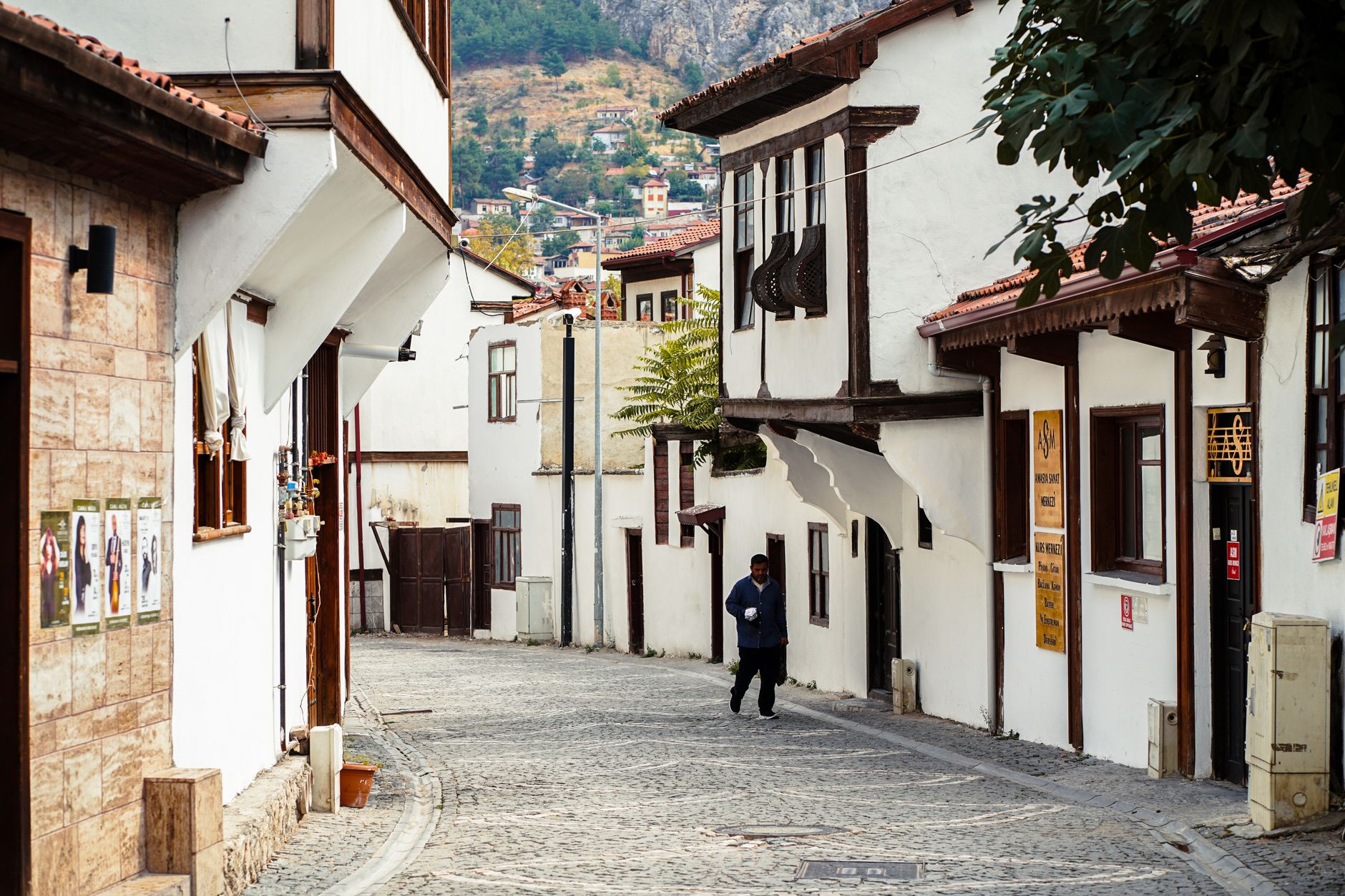
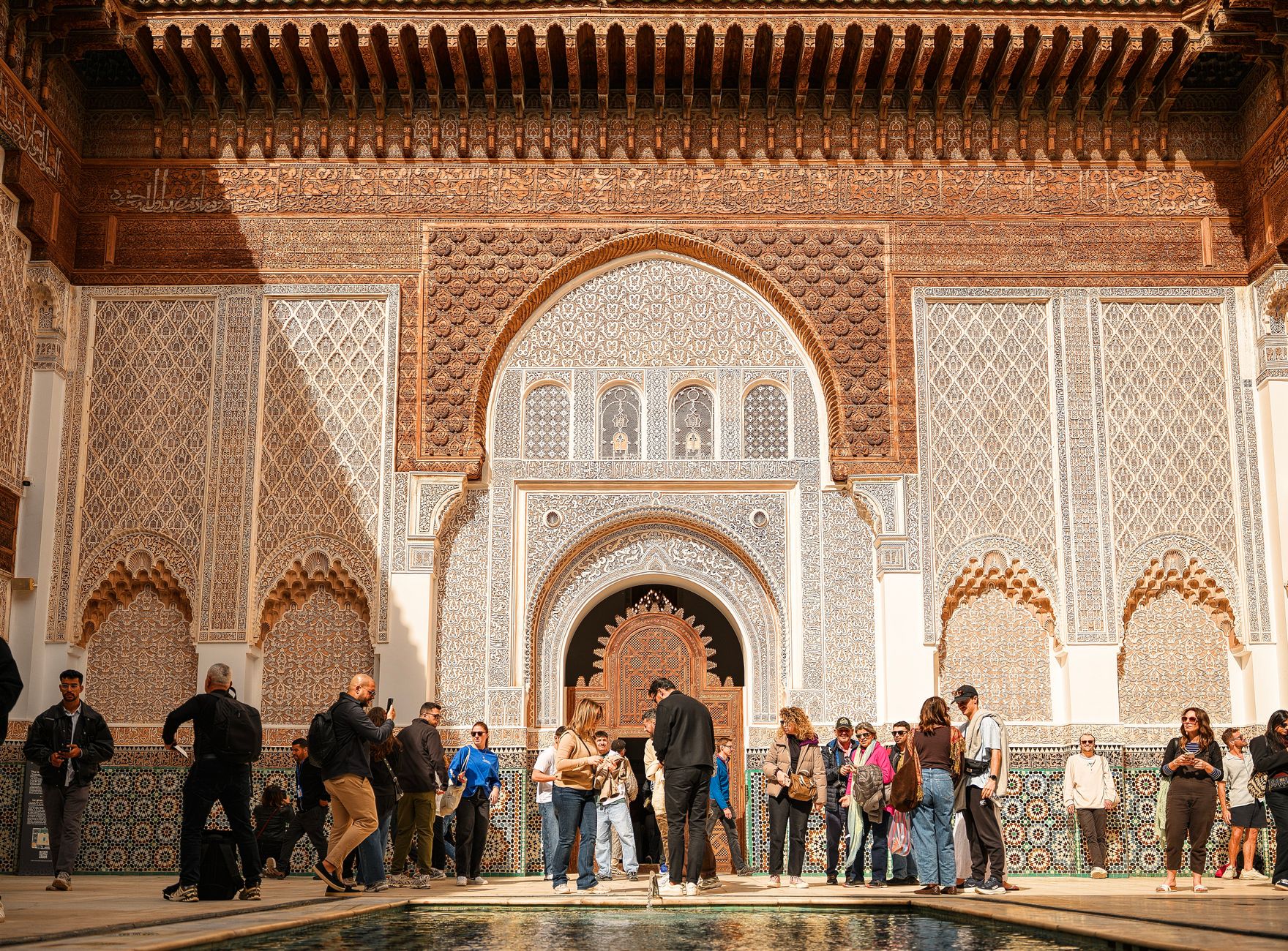
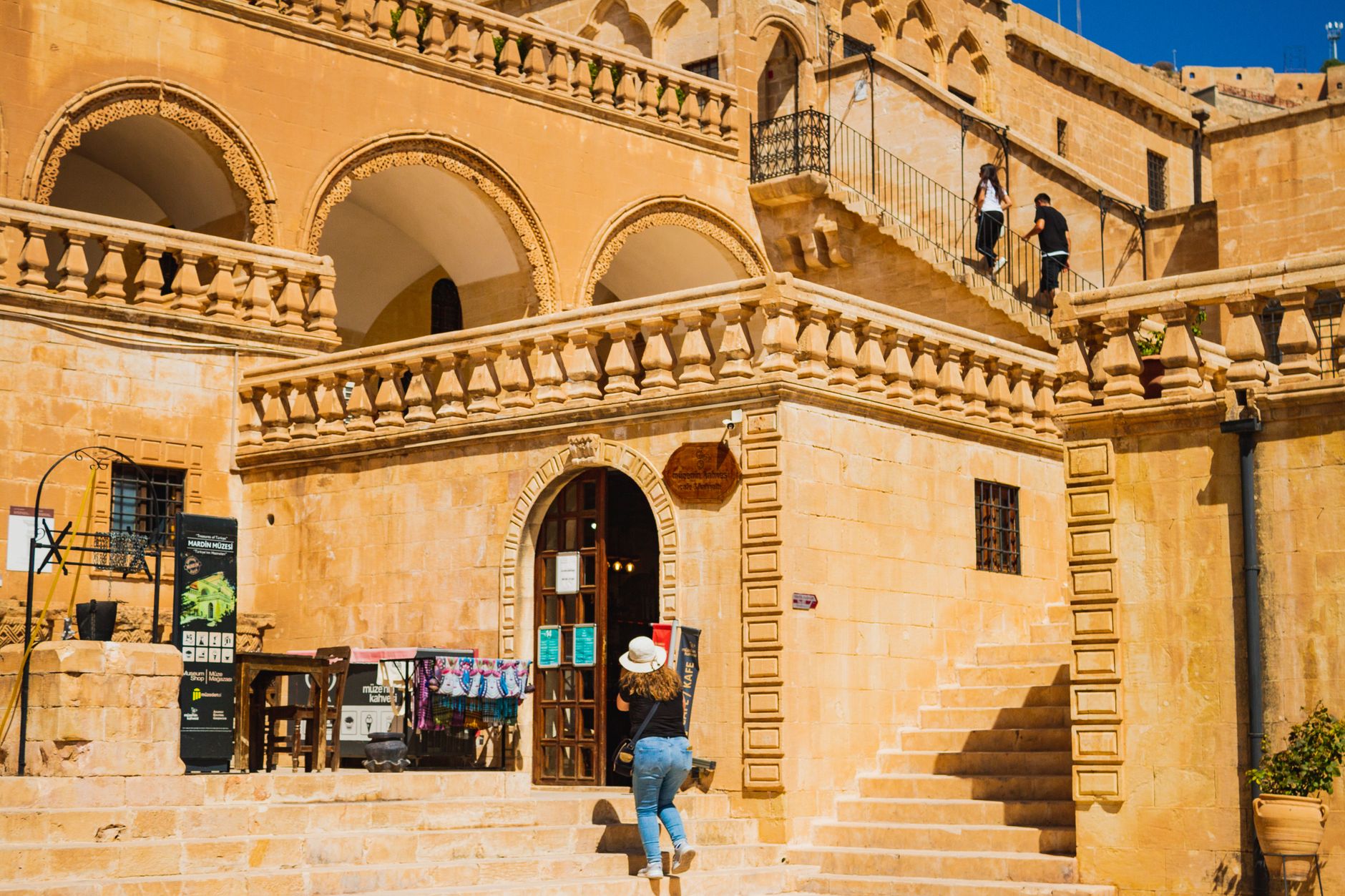
The upper-floor windows here face outward — an unusual inversion from the inward-looking riads of the medina. That architectural choice tells you something about the Mellah's history: a walled quarter with its own logic, its own gates, its own bakeries where challah was prepared for the Sabbath in communal ovens that still stand. Walk the parallel streets and you'll find wooden balconies, riad courtyards, and carved doorways that belong to a layered past most visitors pass over entirely.
The quarter was built for a community that, at its peak in the late 1940s, numbered around 40,000 people. Fewer than ten remain in the original Mellah today. What's left is architecture in the middle of becoming something else — part restoration, part ruin, part ordinary residential street.
💛 What travellers fall for
People who come back tend to arrive before 10 a.m., before the market lanes fill. The jewelry souk holds a daily auction around 4:30 p.m. that's worth timing your afternoon around — not to buy, necessarily, but to watch. The walk in from Place des Ferblantiers is the better approach: it gives you the scale of the old walls before the streets narrow.
How Mellah Heritage Houses came to be
Sultan Abdallah al-Ghalib of the Saadian dynasty created the Mellah by decree in 1558, relocating Marrakech's Jewish population to the foot of the royal palace — a proximity that offered both protection and control. The community had roots here going back to at least 1232, but it was the 1492 expulsion of Jews from the Iberian Peninsula that brought Sephardic families in significant numbers, reshaping the quarter's culture, commerce, and religious life. At its height, the Mellah held over thirty synagogues and was one of the city's principal trading districts.
The 20th century brought a long dispersal. Emigration accelerated after Israeli independence in 1948, the end of the French protectorate, and again after the wars of 1967 and 1973 — most families leaving for Israel, France, or Montreal. A restoration program launched in 2014, and in 2016 King Mohamed VI committed over US$20 million to repair houses, streets, and synagogues. The September 2023 earthquake added new damage; reconstruction is ongoing.
Who and what shaped it
People who shaped it
Landmark buildings
Plan your visit
On the map
When to go
Summer in the Mellah runs hot — Marrakech regularly exceeds 38°C in July and August, and the narrow streets offer little shade by midday. Spring (March to May) and autumn (September to November) are the most comfortable seasons for walking the quarter at length.
Right now
Background & history adapted from Wikipedia (CC BY-SA) · specs from Wikidata (CC0) · weather from Open-Meteo · map data © OpenStreetMap contributors · photos from Wikimedia Commons / Unsplash with per-image credit. No third-party reviews or social posts reproduced.