
Lazama Synagogue
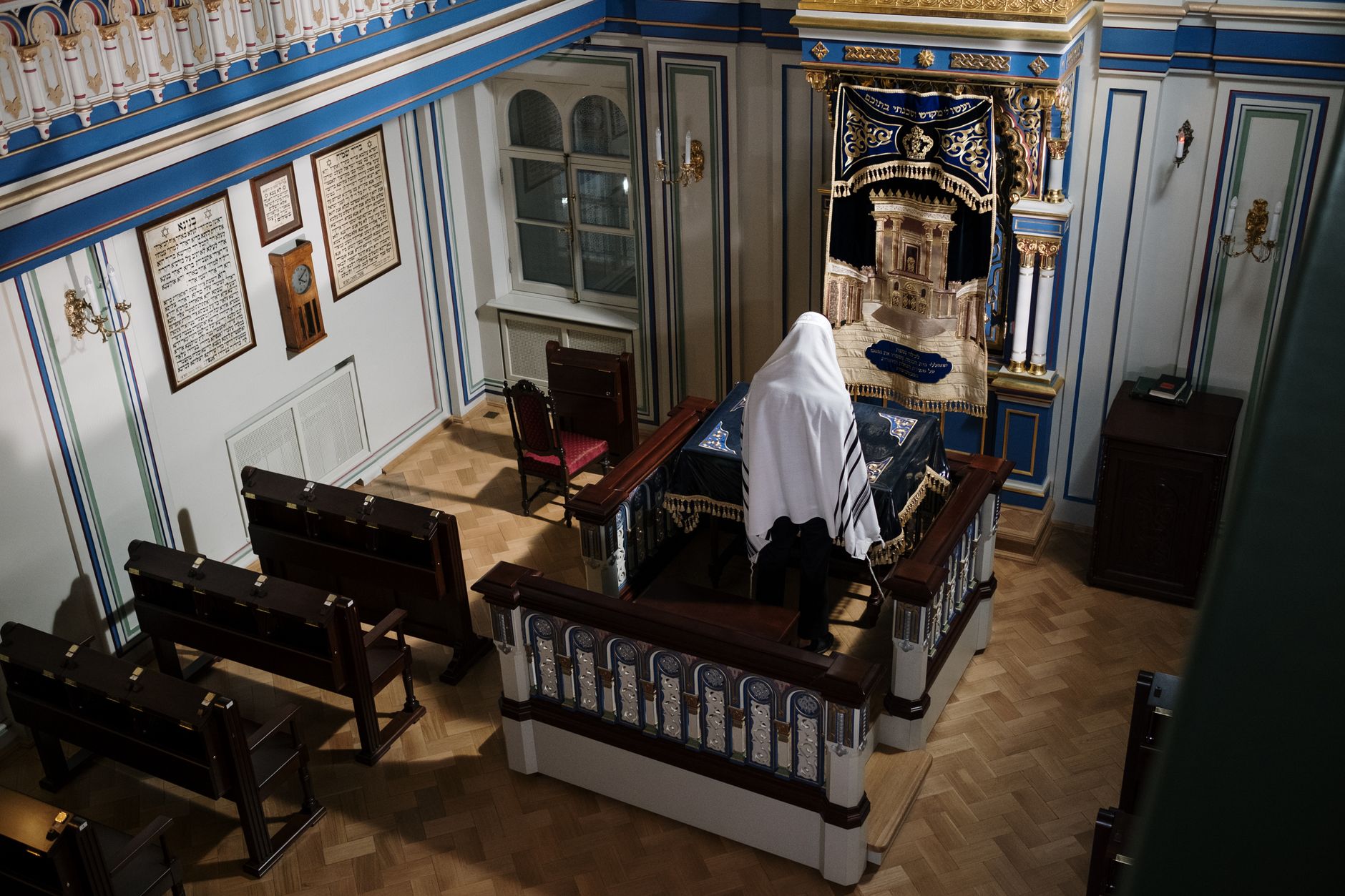
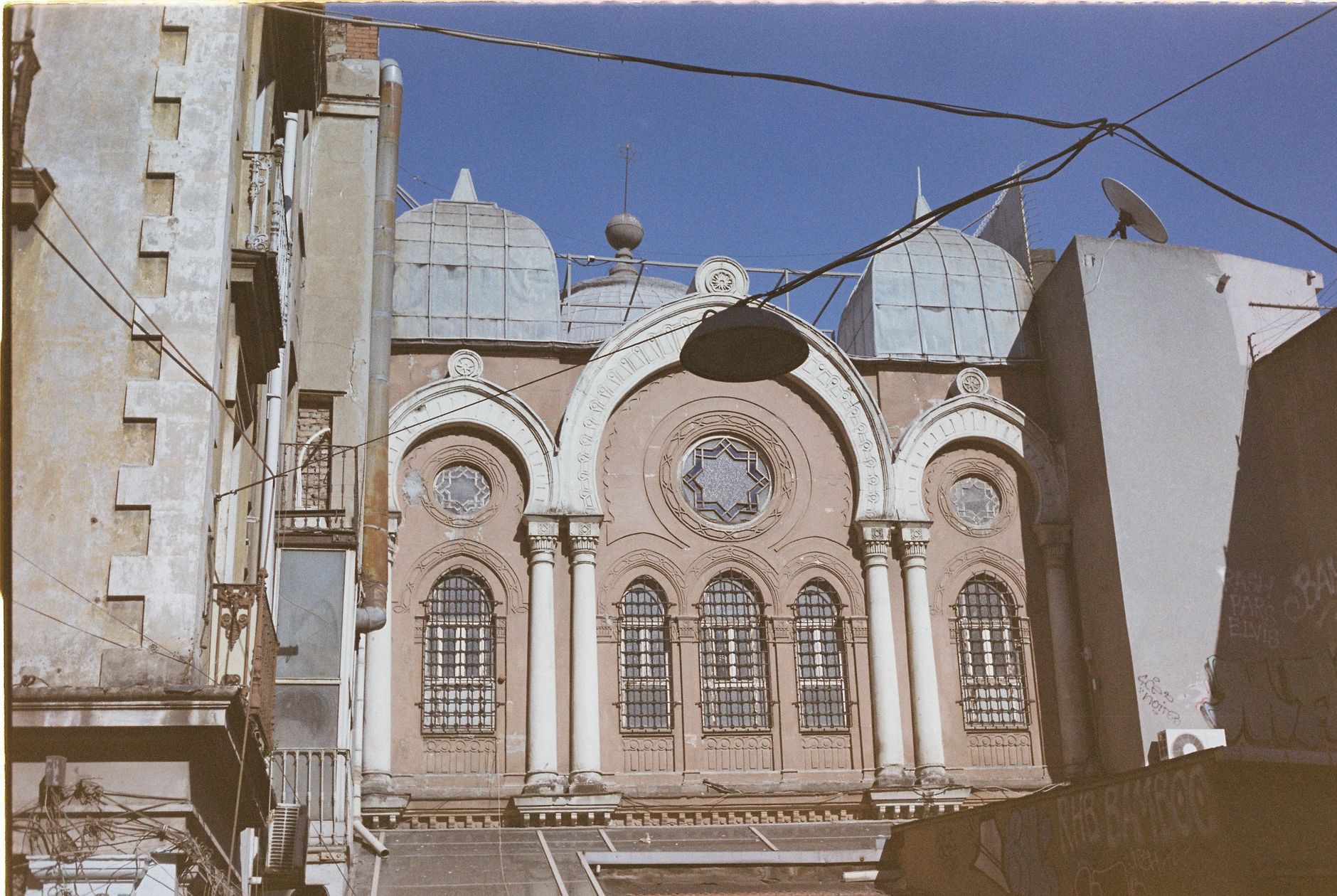
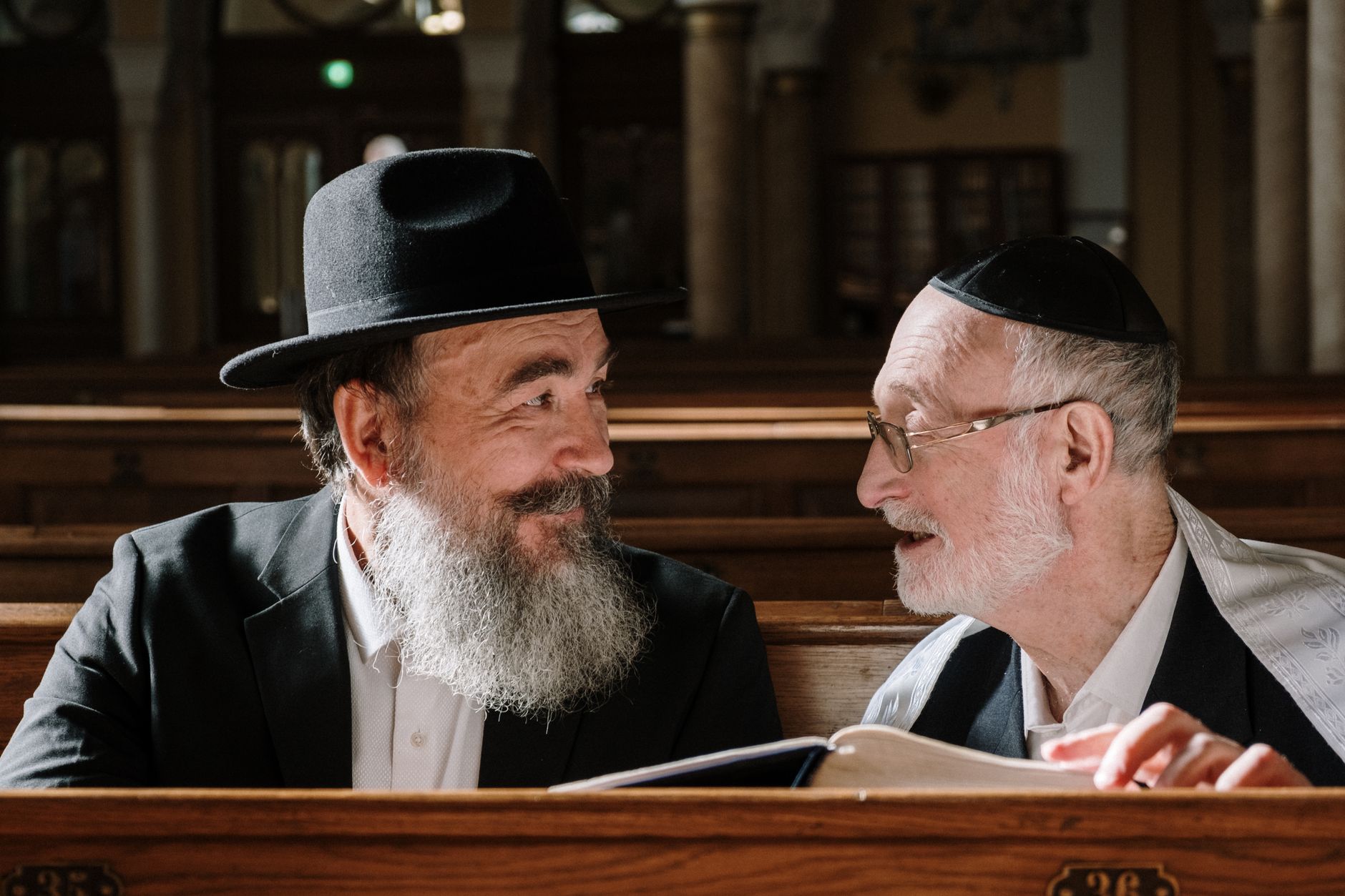
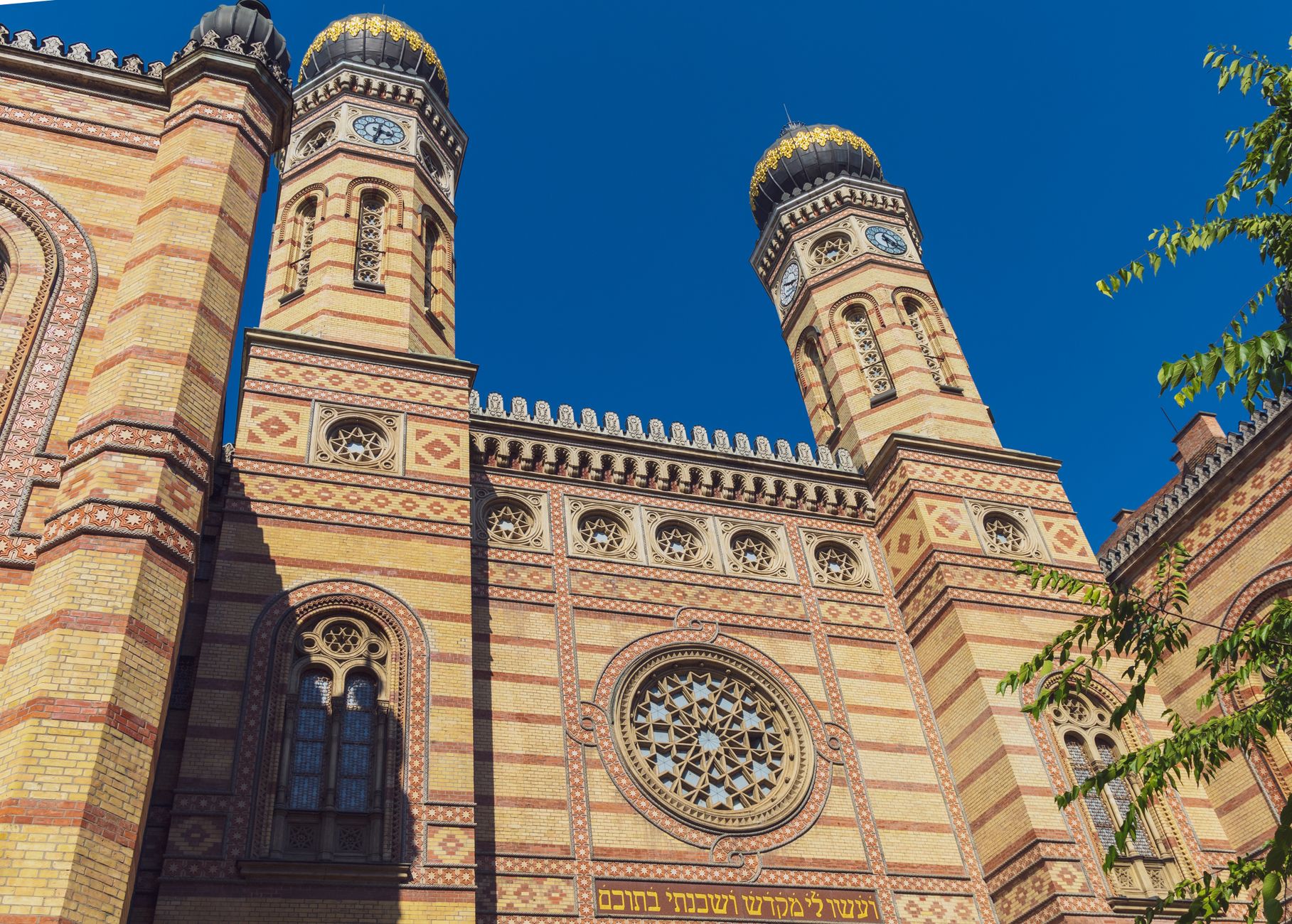
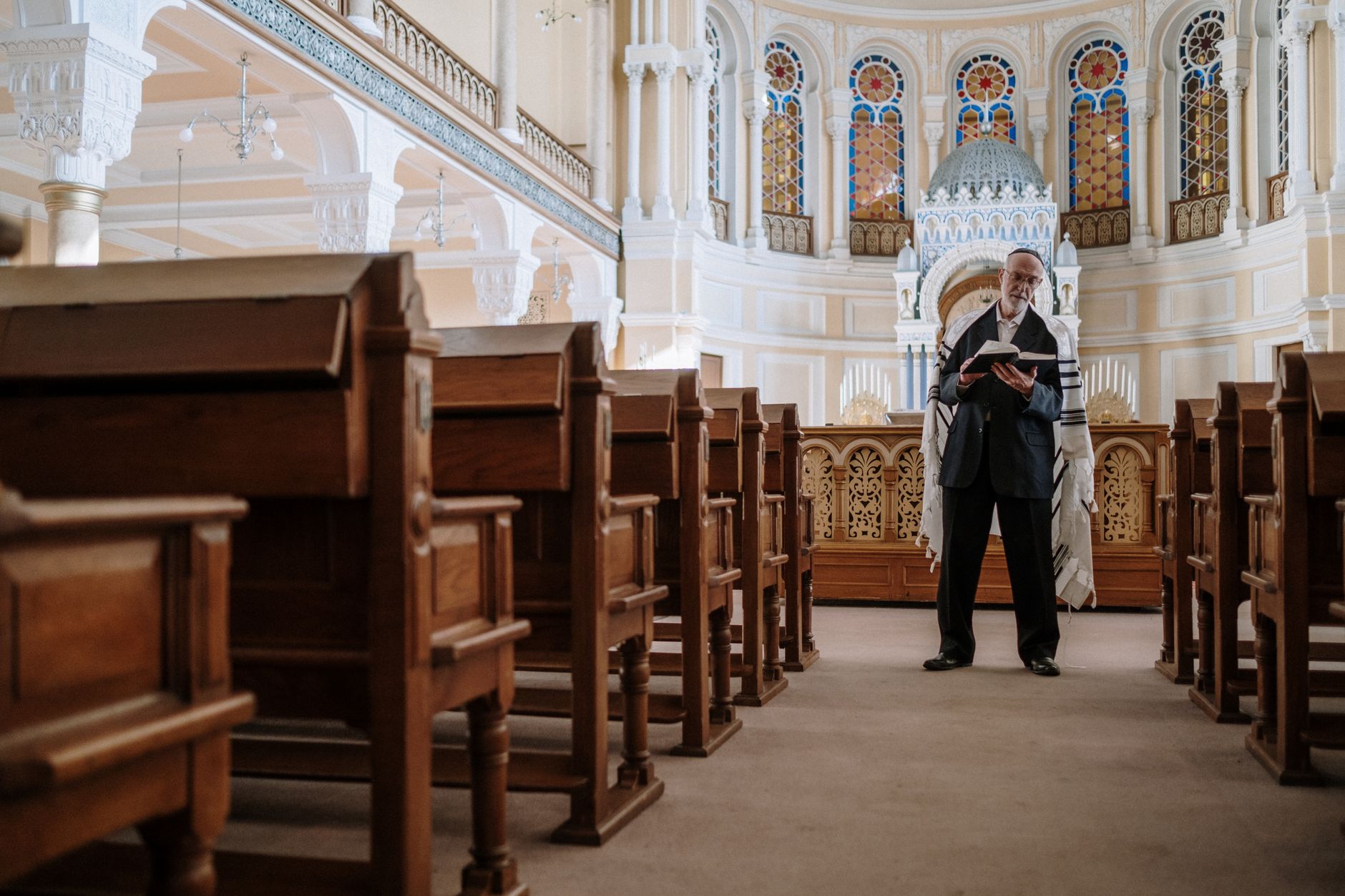
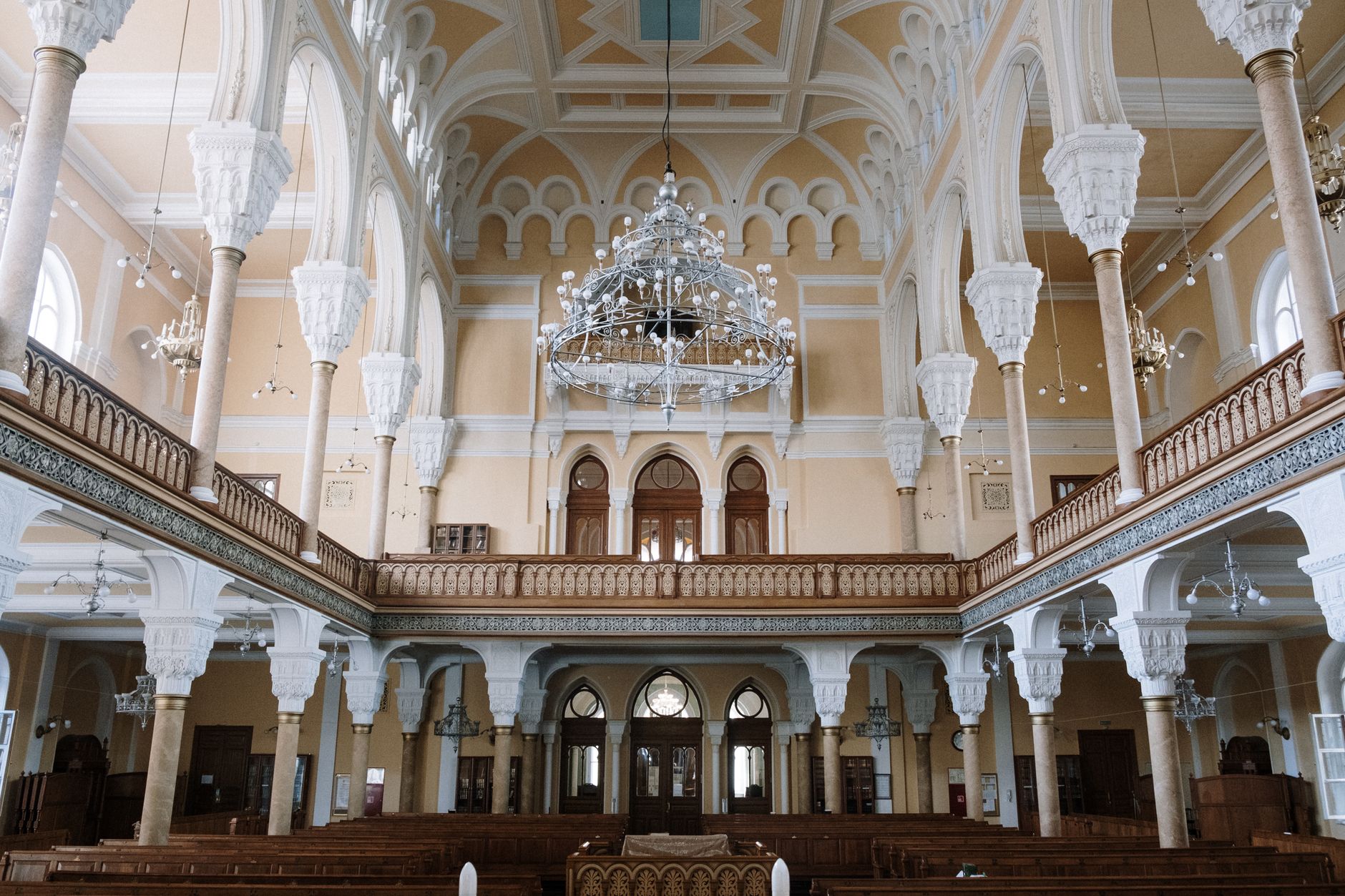
There's no sign outside 36 Derb L'Azen Nissim — just a doorway beside a house marked "Dar Beija," and beyond it, one of the Mellah's most quietly arresting spaces. The courtyard hits you first: blue-and-white zellij tilework, a fountain, a small garden, the particular hush of a place that has been maintained with care. The Lazama Synagogue sits folded inside a riad-style building, the way most Mellah synagogues do — private-looking from the street, expansive once you're in.
Inside, a marble Torah ark stands against the eastern wall, replacing an older wooden one. Chandeliers throw light across burgundy parochet and coloured carpets. A series of rooms to the left traces 2,000 years of Moroccan Jewish history, put together in recent years by Kobi Ifrac, who founded the small museum here.
💛 What travellers fall for
People who come back tend to linger in the courtyard longer than they planned, and to arrive early — by 9:30 the light in there is good and the space is still quiet. A few local kids near the entrance will point you down the right derb for a small tip, which saves the usual five minutes of circling.
How Lazama Synagogue came to be
The synagogue's founding is traditionally linked to 1492 — the year Spain expelled its Jewish population — and to the Sephardic Jews, known as the Megorashim, who arrived in Morocco carrying that displacement with them. The exact date of the original structure hasn't been independently verified, and the building standing today dates to the turn of the 20th century, with a women's wing added to the east side sometime after the 1950s. Architect Yaacov Finkerfeld documented the interior layout during that decade.
A restoration around 2005 brought the building to its current condition. The courtyard garden and the museum rooms came later, giving the space a layered quality — part active synagogue, part archive of a community that once made up the majority of the Mellah's population.
Who and what shaped it
People who shaped it
Landmark buildings
See Lazama Synagogue in motion
Plan your visit
On the map
When to go
Right now
Background & history adapted from Wikipedia (CC BY-SA) · specs from Wikidata (CC0) · weather from Open-Meteo · map data © OpenStreetMap contributors · photos from Wikimedia Commons / Unsplash with per-image credit. No third-party reviews or social posts reproduced.