
Mellah Fondouks
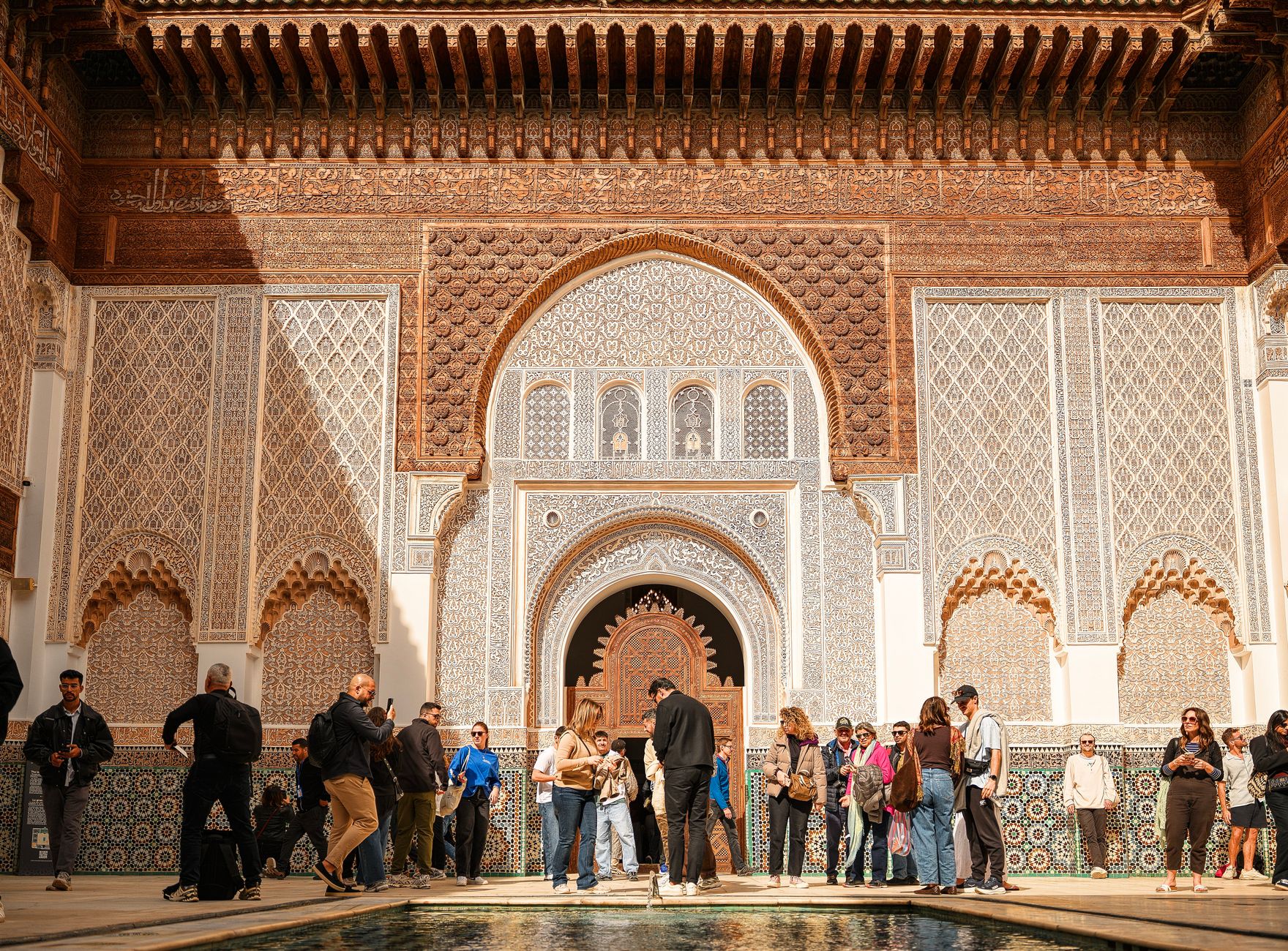
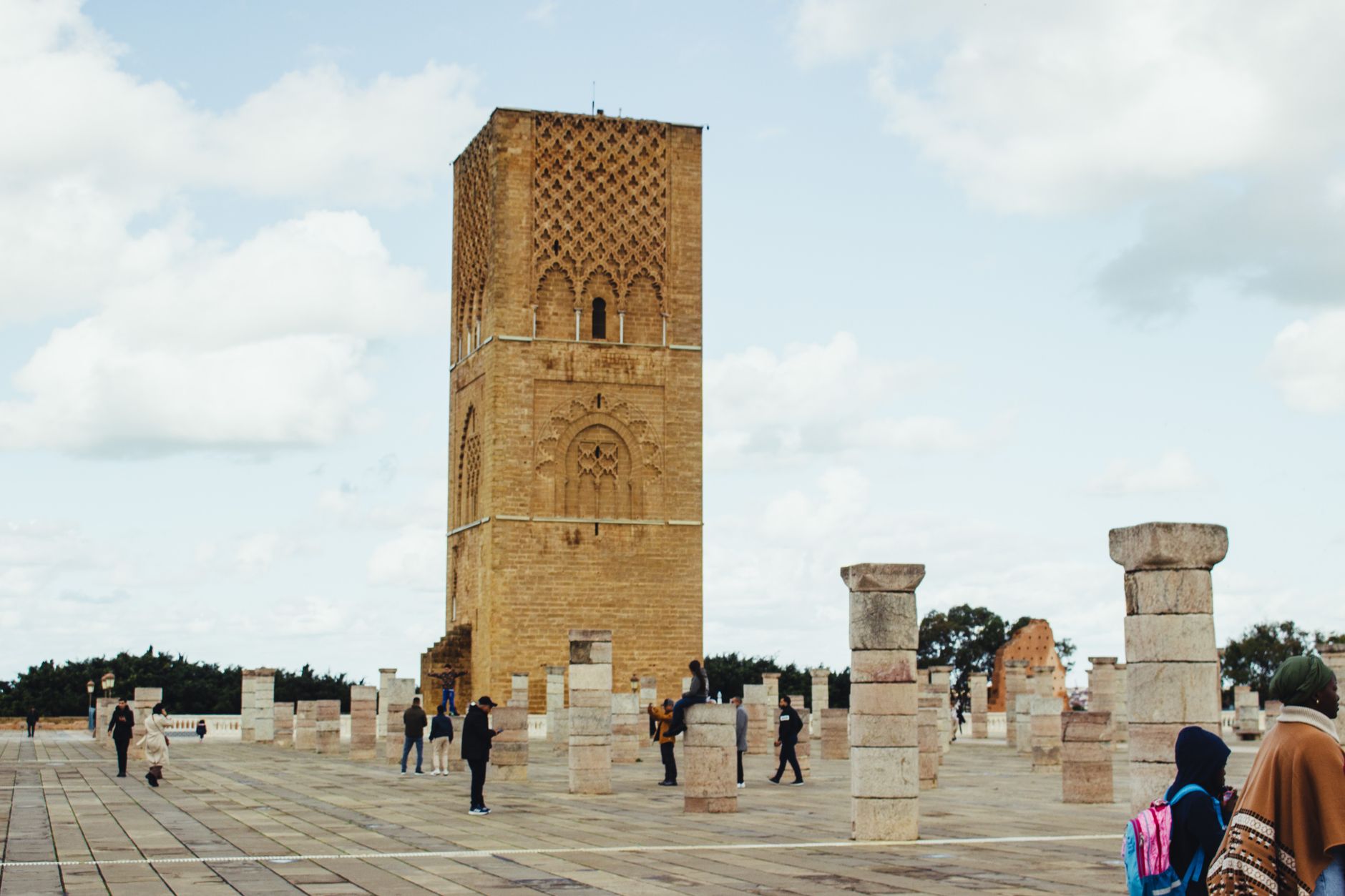

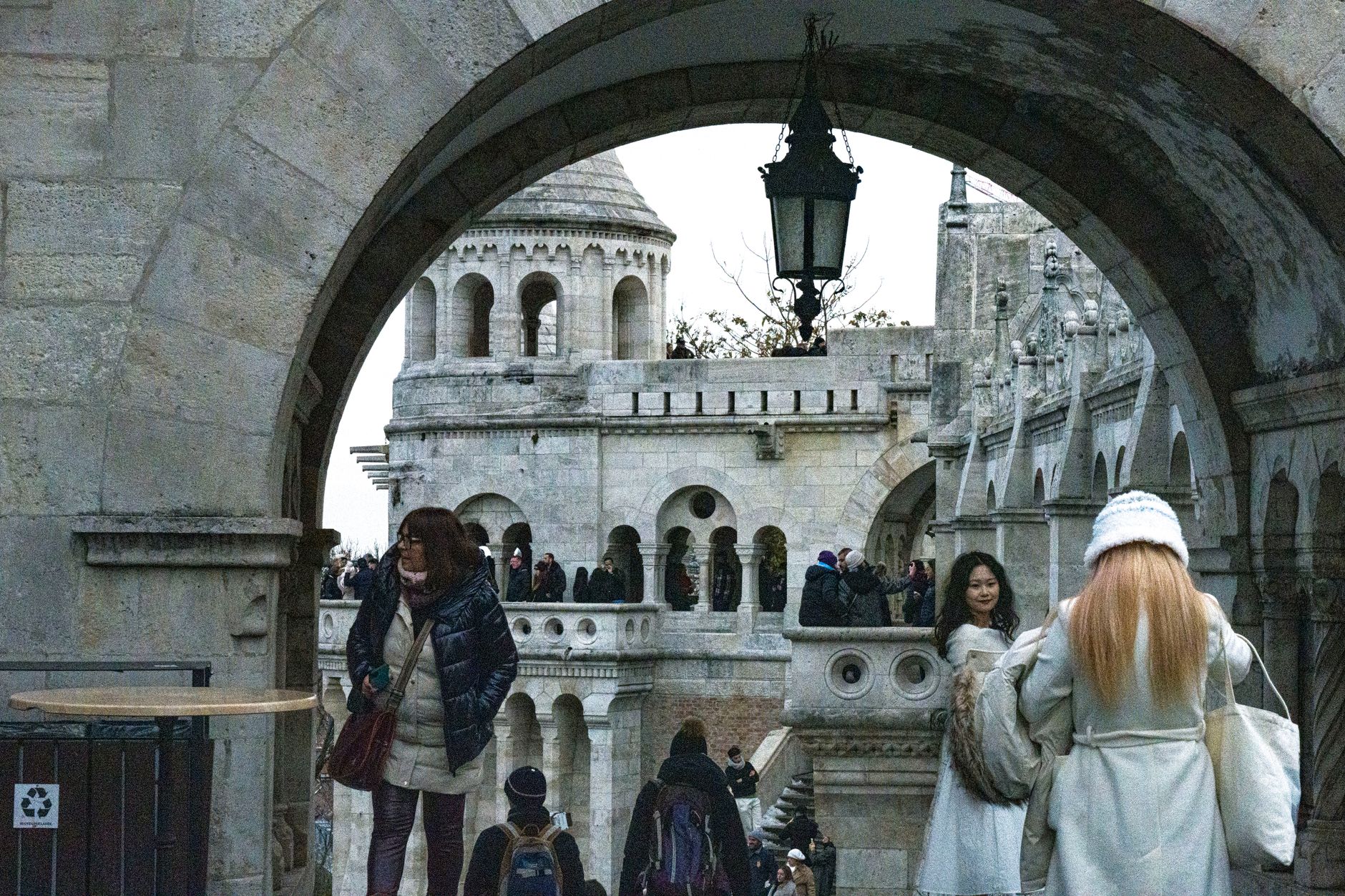
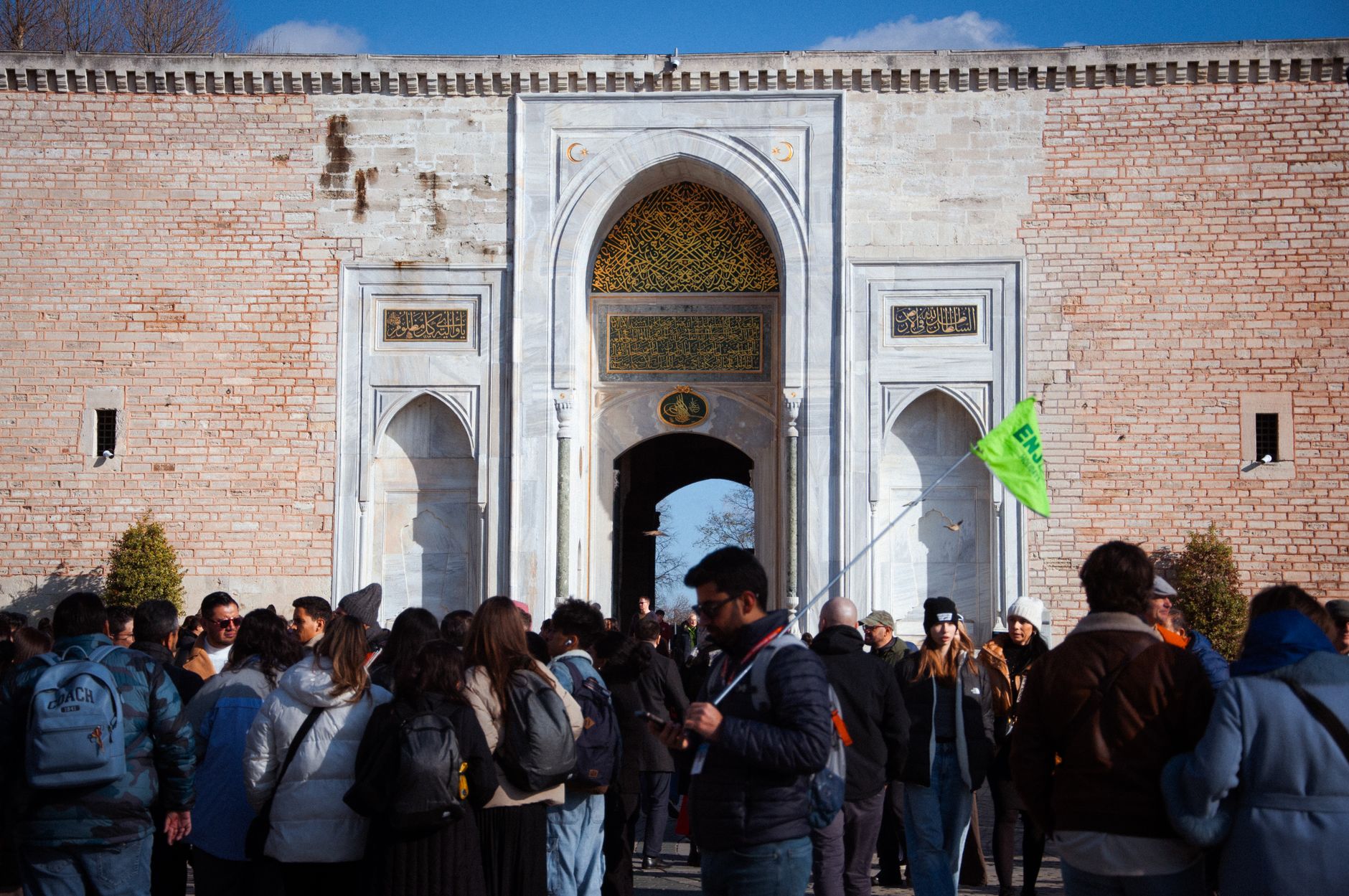
The fondouks of the Mellah are the bones of an old trading logic. Each one — Moulay Mustapha, Touma, Tazi, Souloubane, Souikat of El Mellah — follows the same grammar: an interior courtyard ringed by rooms that once sheltered merchants, their animals and their goods on the long routes into the city. The goods have changed; the architecture hasn't much.
Walk through any of the low doorways and the street noise drops. What you find inside is working space — fabric bolts, metalwork, storage — stacked around a courtyard that was doing exactly this five centuries ago.
💛 What travellers fall for
People who come back tend to arrive in the morning, before the light flattens. The Spice Souk at the entrance to the great souk is worth the detour, and the last kosher butcher in Marrakech still operates in the Mellah market nearby — a detail that tells you more about the quarter's layered history than any signboard.
How Mellah Fondouks came to be
Sultan Abdallah al-Ghalib of the Saadian dynasty established the Mellah by decree in 1558, making it the second oldest Jewish quarter of its kind in Morocco. Walled and gated, it functioned as one of the city's main commercial zones through the 16th and 17th centuries — a district that closed its gates at night and, at its peak in the late 1940s, held an estimated 40,000 residents.
After decades of degradation from the 1970s onward, a 2014 conservation programme placed the Mellah at the centre of medina restoration efforts. In 2016, King Mohamed VI committed over US$20 million to restore houses, streets and synagogues, and ordered the reinstatement of street names carrying Jewish heritage — a process that also saw the quarter's name officially revert from Hay Salam back to El Mellah in 2017.
Who and what shaped it
People who shaped it
Landmark buildings
Plan your visit
On the map
When to go
Spring (March–April) and autumn (late September to mid-November) offer the most manageable conditions — warm days without the punishing heat of summer, when temperatures regularly reach 38–40°C. Winter days are mild at around 18–22°C, but nights can drop to near 6°C, so carry a layer.
Right now
Background & history adapted from Wikipedia (CC BY-SA) · specs from Wikidata (CC0) · weather from Open-Meteo · map data © OpenStreetMap contributors · photos from Wikimedia Commons / Unsplash with per-image credit. No third-party reviews or social posts reproduced.