
Rue Talmud Torah
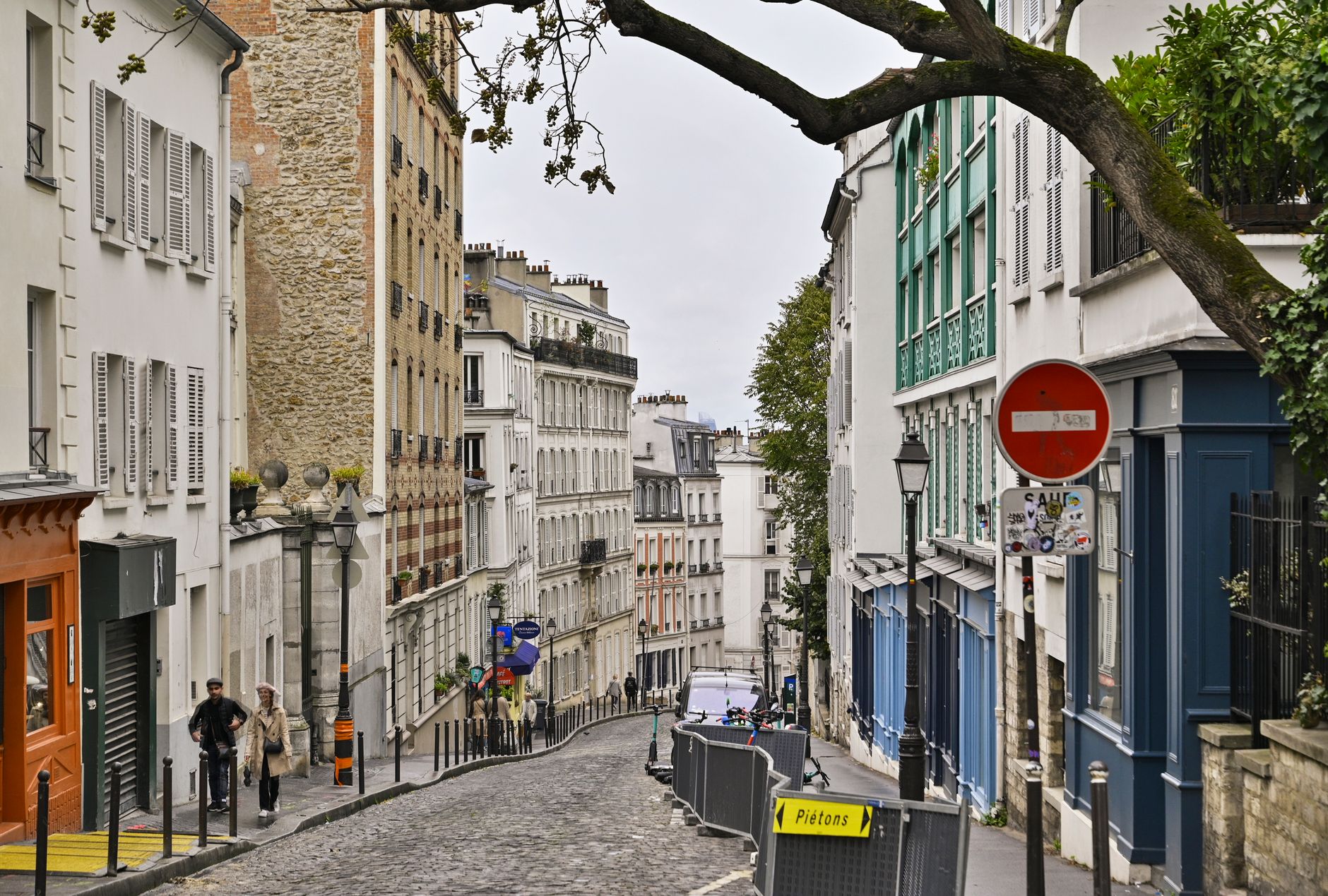
The street sign on Rue Talmud Torah is written in Hebrew, which is either the first thing you notice or the thing that stops you mid-step once you've already passed it. This narrow lane in the Mellah runs past the only functioning synagogue in the quarter — Slat Al Azama, also known as the Talmud Torah — and the name on the wall is a recent restoration, part of a 2017 effort to return the district to its original identity after two decades under the blander name Hay Salam.
The street is short, unassuming, and easy to walk past without registering what it represents: a neighbourhood that once held some 40,000 people and now holds around 200. The spice market nearby still closes on Saturdays.
💛 What travellers fall for
People who've come back more than once tend to go straight to the synagogue before anything else — the 10-dirham entry is nominal, and the small museum inside is the clearest account of Moroccan Jewish history you'll find in the medina. Go on a weekday morning; Friday afternoons the doors close early, and Saturdays it's shut entirely.
How Rue Talmud Torah came to be
The Mellah itself was established in 1558 by Sultan Abdallah al-Ghalib of the Saadian dynasty — one of the earliest designated Jewish quarters in Morocco. Jews had been present in Marrakech since at least 1232, but the community grew substantially after 1492, when Sephardic Jews expelled from the Iberian Peninsula arrived in Morocco in large numbers. The synagogue on this street traces its founding to that same wave of refugees from Spain.
At its peak in the late 1940s, the Mellah held around 40,000 residents. Emigration accelerated after Israeli independence in 1948 and continued through the following decades; most families left for Israel, others for France or Montreal. The street's Hebrew signage was restored as part of the quarter's formal renaming back to El Mellah in 2017.
Who and what shaped it
Landmark buildings
Plan your visit
On the map
When to go
Spring (March to April) and autumn (late September through mid-November) offer the most walkable conditions — warm but not punishing. Summer temperatures regularly exceed 40°C in the medina's enclosed lanes, which makes even a short visit an effort.
Background & history adapted from Wikipedia (CC BY-SA) · specs from Wikidata (CC0) · weather from Open-Meteo · map data © OpenStreetMap contributors · photos from Wikimedia Commons / Unsplash with per-image credit. No third-party reviews or social posts reproduced.