
Place des Ferblantiers
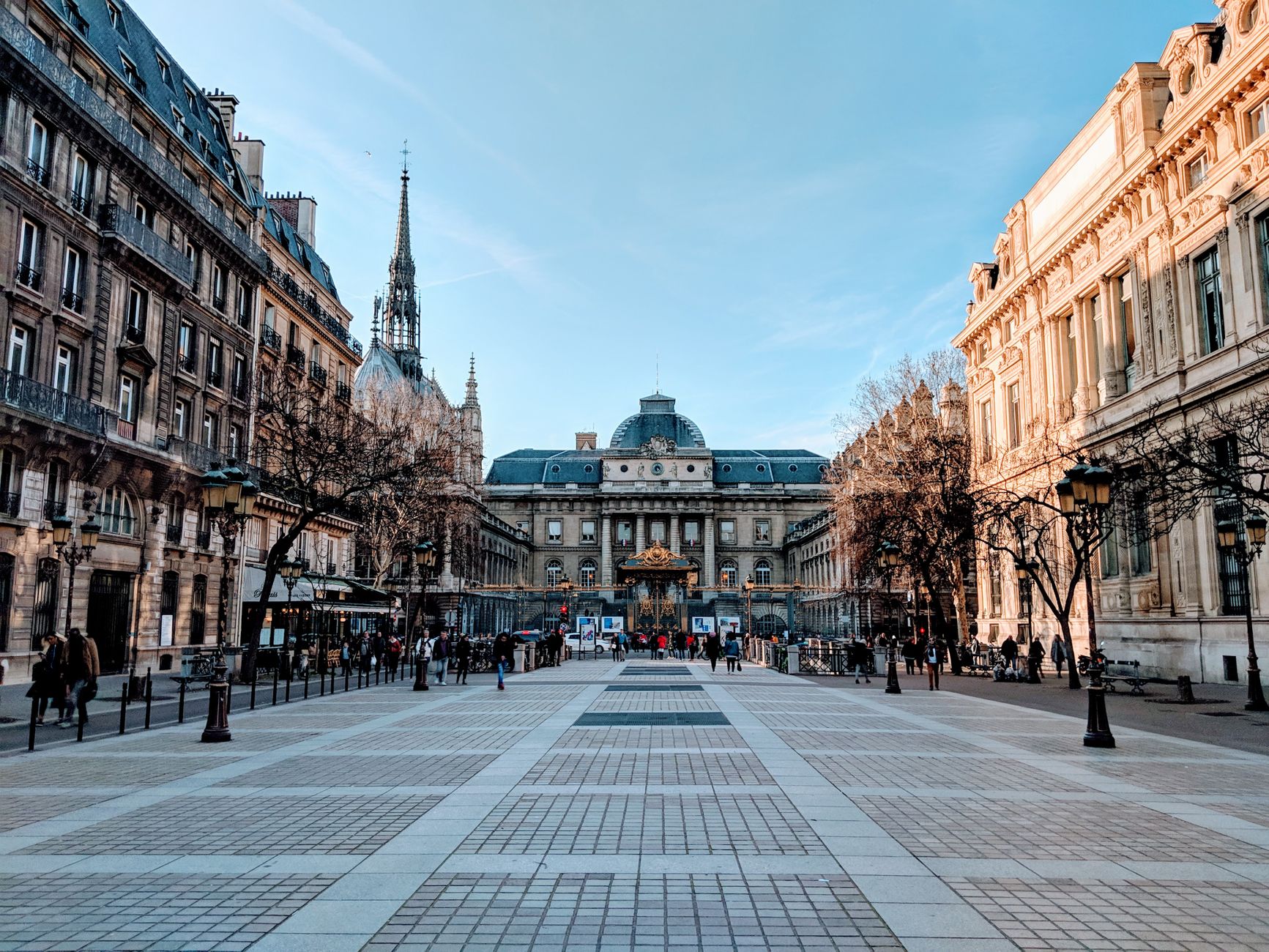
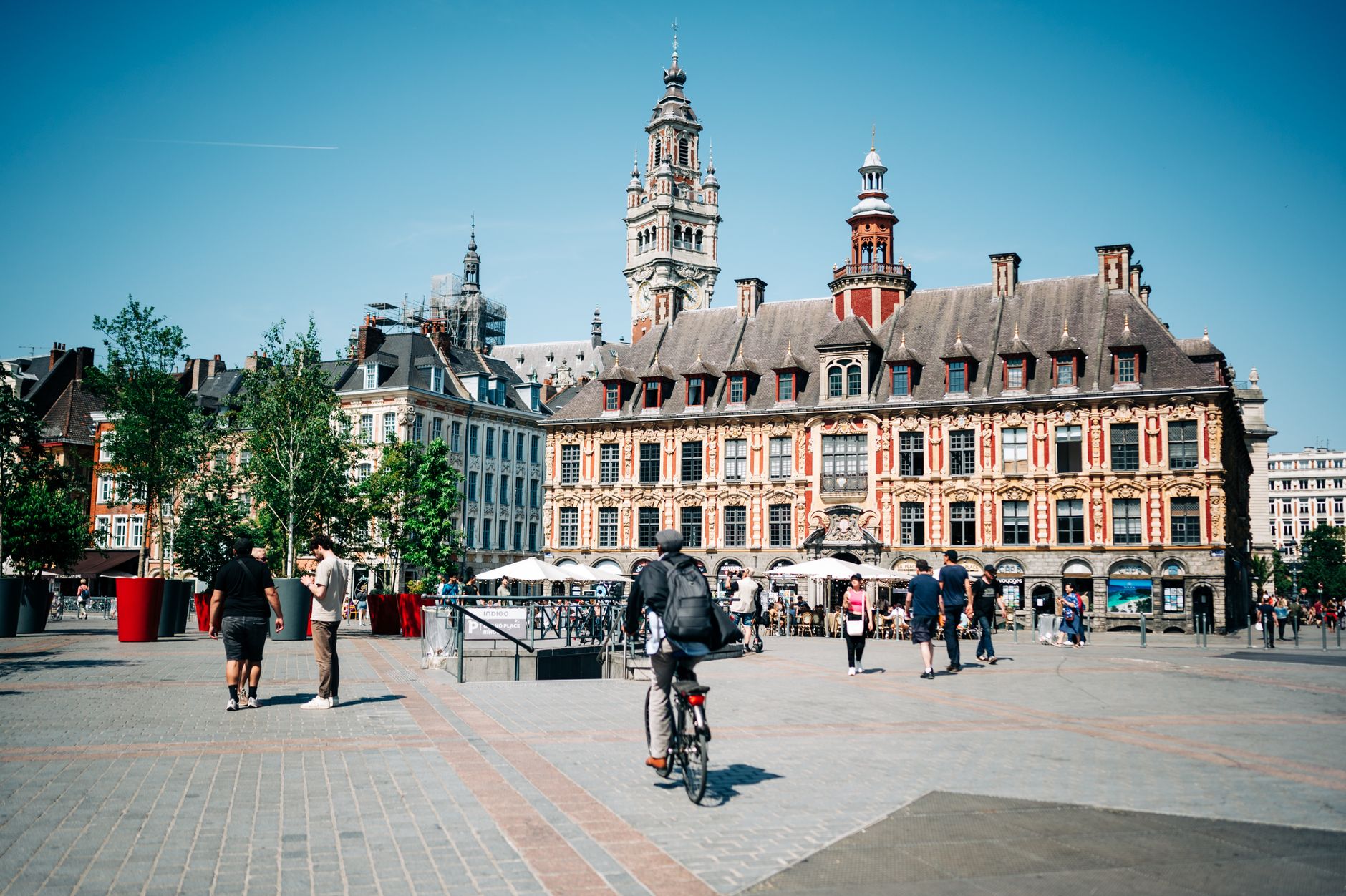
The sound reaches you before the square does — a steady, percussive ring of hammers on metal that has been the rhythm of this corner of the Mellah for centuries. Place des Ferblantiers is where the tinplate trade still happens in plain sight: craftsmen work in the open arcades, shaping iron and tin into the pierced lanterns that end up in riads across the city.
Palm trees and a broad eucalyptus shade the benches at the centre, and above the roofline of Bab Berrima to the south, storks have colonised the upper stonework. The square sits at the seam between the old medina and the Kasbah, with the Badi and Bahia palaces a short walk in either direction.
💛 What travellers fall for
People who come back tend to time it for mid-morning, when the workshops are in full swing and the light is good for watching the metalwork up close. The rooftop terraces of the surrounding bars are worth knowing about — a quiet coffee above the square gives you a different read on the storks and the skyline than anything at street level.
How Place des Ferblantiers came to be
The Mellah, the Jewish quarter that contains the square, was established in 1558 by decree of the Saadian sultan Abdallah al-Ghalib. Place des Ferblantiers takes its name from the ferblanterie — the tinplate workshops — that have occupied its arcades for much of that history. Through the centuries, the square functioned as the daily nerve centre of the quarter, where Jewish craftsmen worked metal and merchants sold honey, dairy and flowers.
The Jewish community that gave the square much of its character had largely left by the end of the 1960s. A restoration programme launched in 2014 brought the square back into public life, adding benches, a fountain and the palm trees that stand there now.
Who and what shaped it
Landmark buildings
Plan your visit
On the map
When to go
March to April and late September to mid-November offer the most agreeable conditions — warm without the intensity of summer, when midday temperatures regularly reach 38–40°C. Winter days are mild (around 18–22°C) but nights can drop to near 6°C, so an extra layer earns its place.
Right now
Background & history adapted from Wikipedia (CC BY-SA) · specs from Wikidata (CC0) · weather from Open-Meteo · map data © OpenStreetMap contributors · photos from Wikimedia Commons / Unsplash with per-image credit. No third-party reviews or social posts reproduced.