
Mellah Synagogue
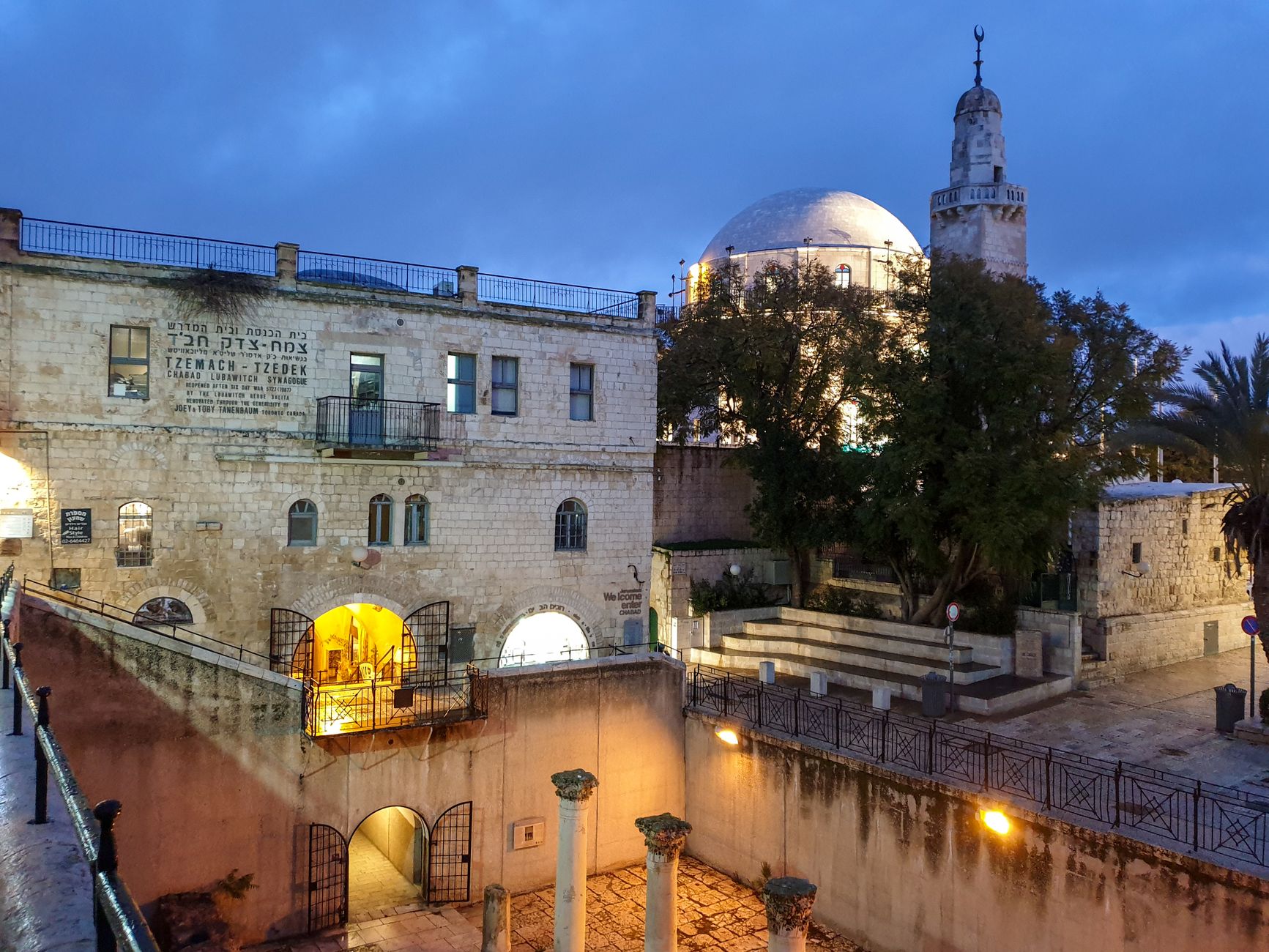
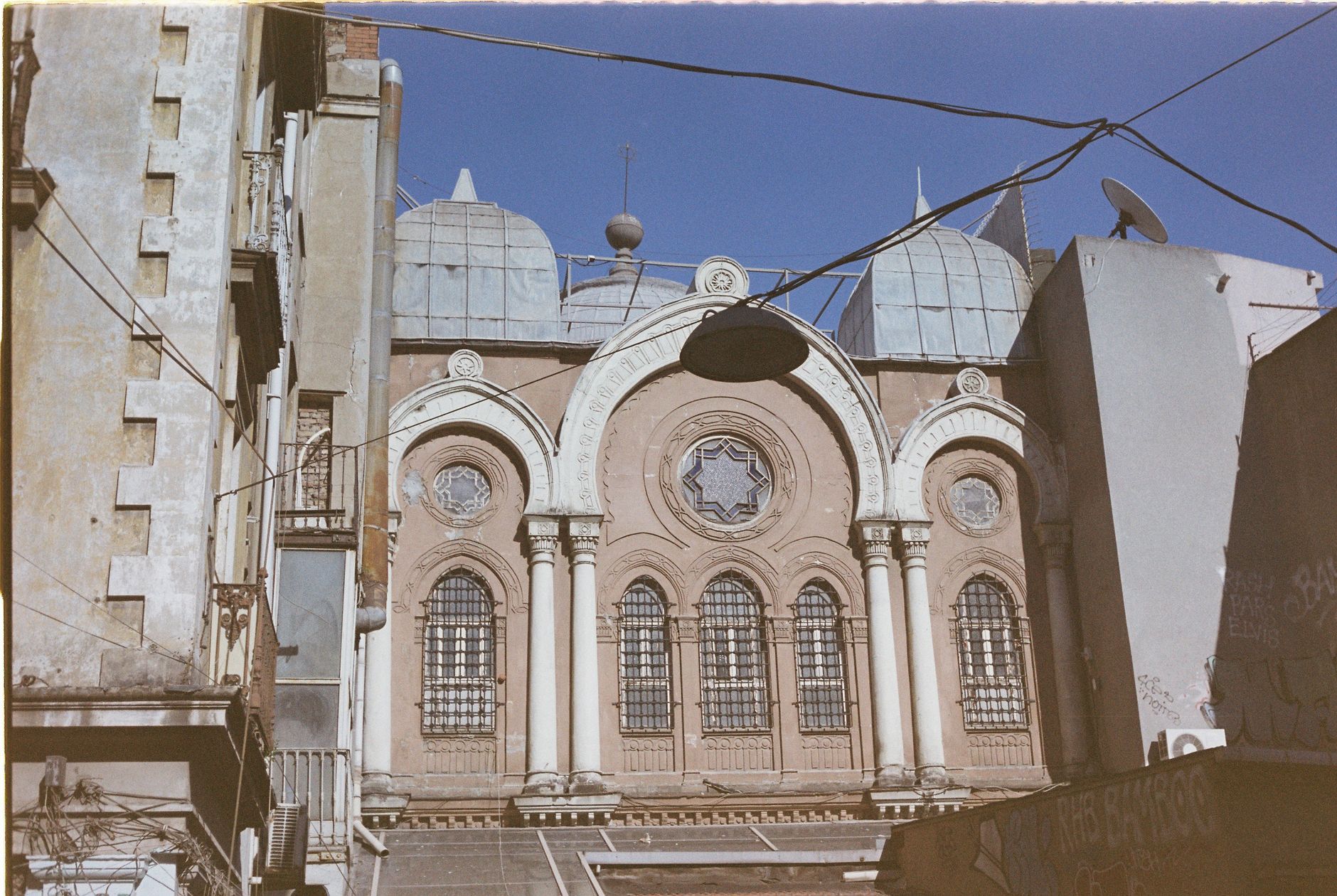
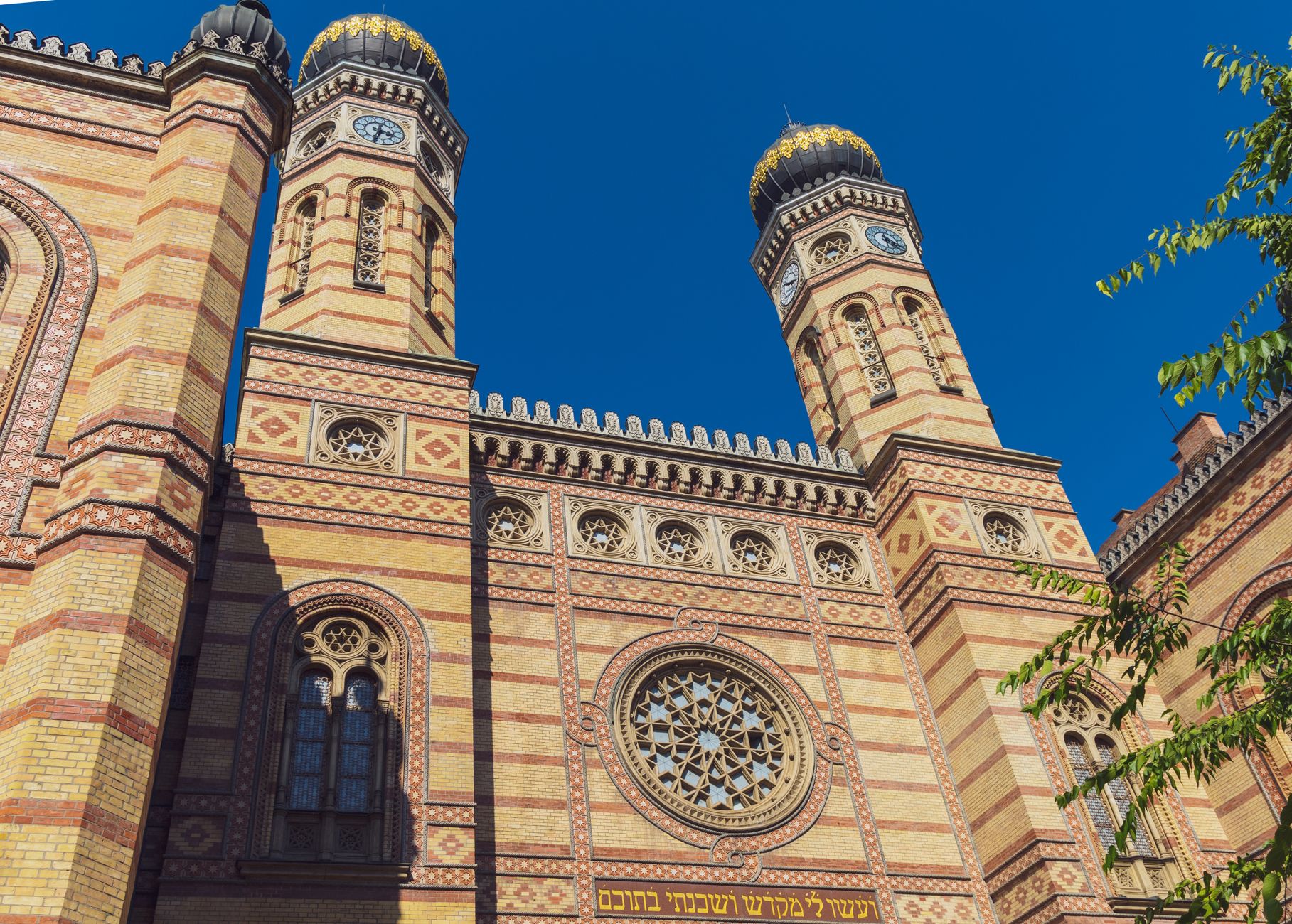
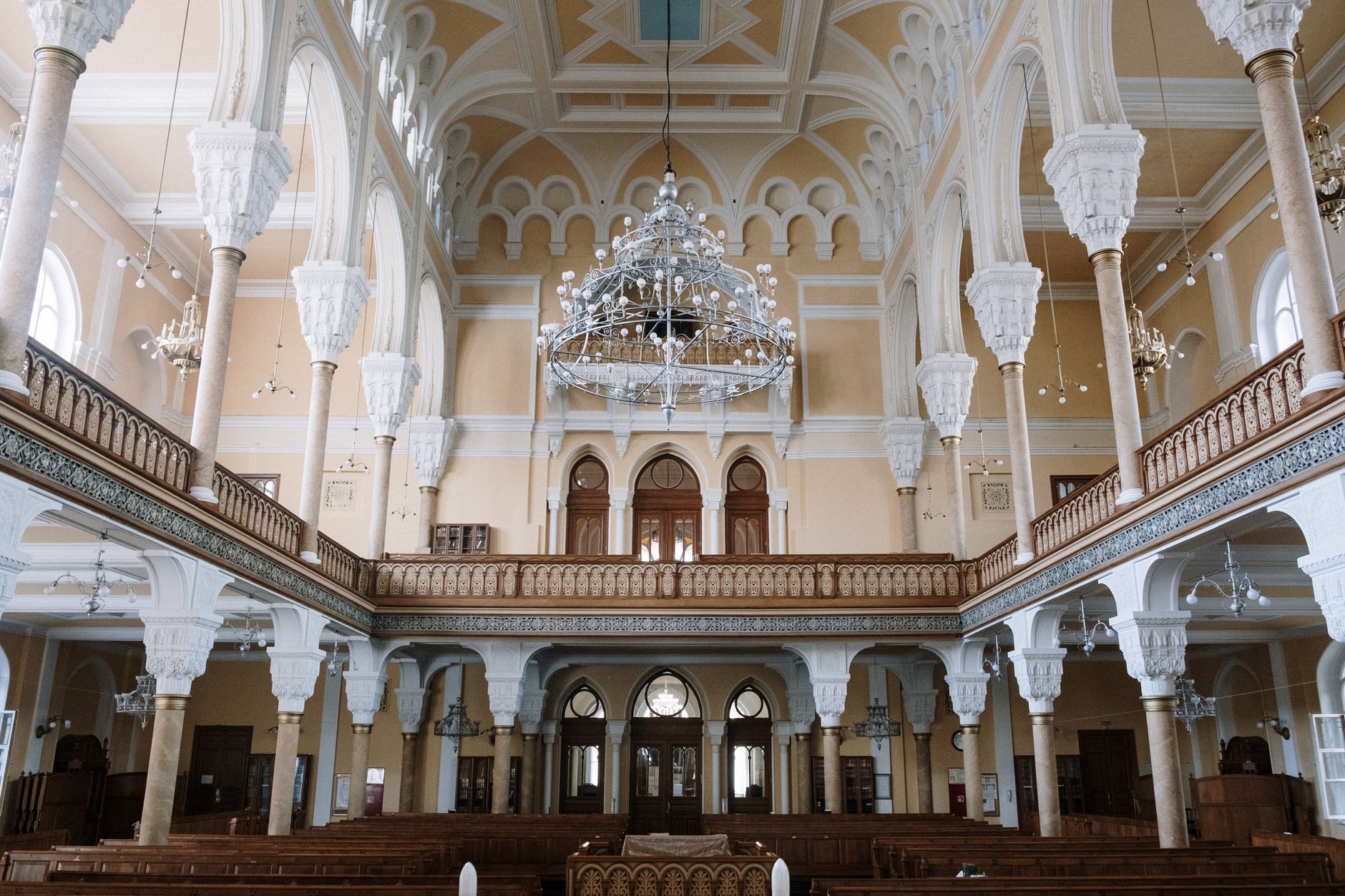
The shift happens quickly. One moment you're moving through the main medina's familiar press of stalls and motorbikes, and then a turn brings you into lanes where the buildings lean inward on wooden balconies, painted yellow, and some of the street signs are in Hebrew. This is the Mellah, Marrakech's old Jewish quarter, and one of its synagogues — Slat Al Azama — still opens its doors most mornings.
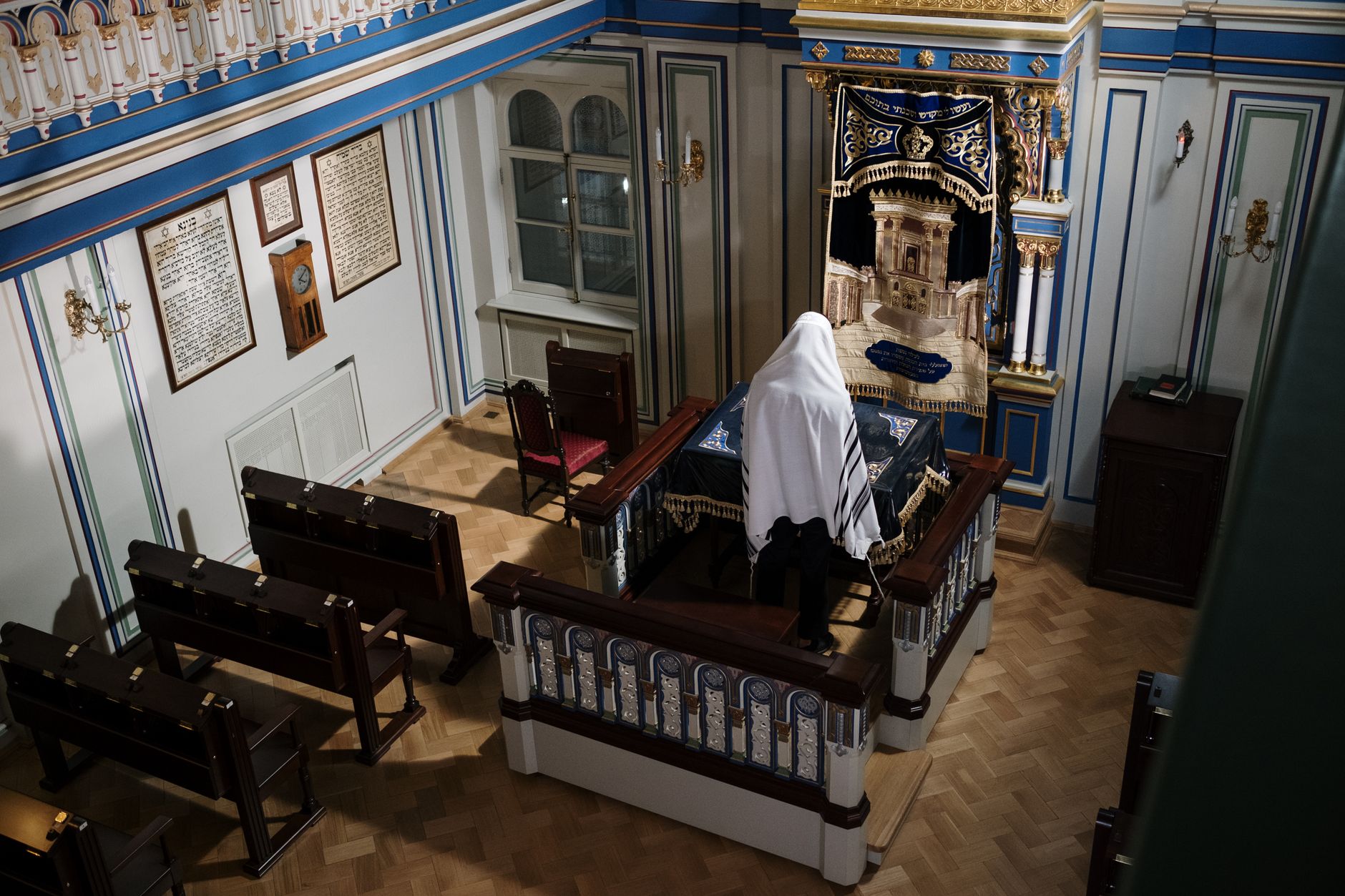
Inside, the whitewashed interior and painted woodwork hold their composure quietly. A small donation goes toward preservation. The last kosher butcher in Marrakech works nearby. The mikveh, a ritual bath once fed by winter rains through a drainpipe, still exists somewhere in the tangle of lanes.
💛 What travellers fall for
People who come back tend to arrive early, before the light flattens. The signage is sparse and the quarter feels genuinely unwatched, so give yourself time to get turned around. The spice souk at the entrance to the great souk is worth pausing at before you head deeper in — it anchors your bearings and smells nothing like the rest of the medina.
How Mellah Synagogue came to be
Sultan Abdallah al-Ghalib of the Saadian dynasty created the Mellah by decree in 1558, establishing a bounded Jewish quarter outside the walls of El Badi Palace. The community had been present in Marrakech since at least 1232, and grew dramatically after 1492, when the expulsion from the Iberian Peninsula sent Sephardic Jews — the Megorashim — across the Mediterranean in large numbers.
By the late 1940s, an estimated 40,000 people lived here. Then the departures began: Israeli independence, the end of the French protectorate, the wars of 1967 and 1973. Most went to Israel; others to France and Montreal. Around 200 Jewish inhabitants remain today. In 2016, King Mohamed VI committed over $20 million to restore the quarter's houses, streets, and synagogues, and in 2017 the area was renamed from Essalam back to its historic name, El Mellah.
Who and what shaped it
People who shaped it
Landmark buildings
Plan your visit
On the map
When to go
Spring and autumn keep temperatures mild enough for walking the narrow lanes without much strain. Summer heat in Marrakech is serious — the enclosed streets of the Mellah trap warmth, so mornings are your ally.
Right now
Background & history adapted from Wikipedia (CC BY-SA) · specs from Wikidata (CC0) · weather from Open-Meteo · map data © OpenStreetMap contributors · photos from Wikimedia Commons / Unsplash with per-image credit. No third-party reviews or social posts reproduced.