
Shanghai, China
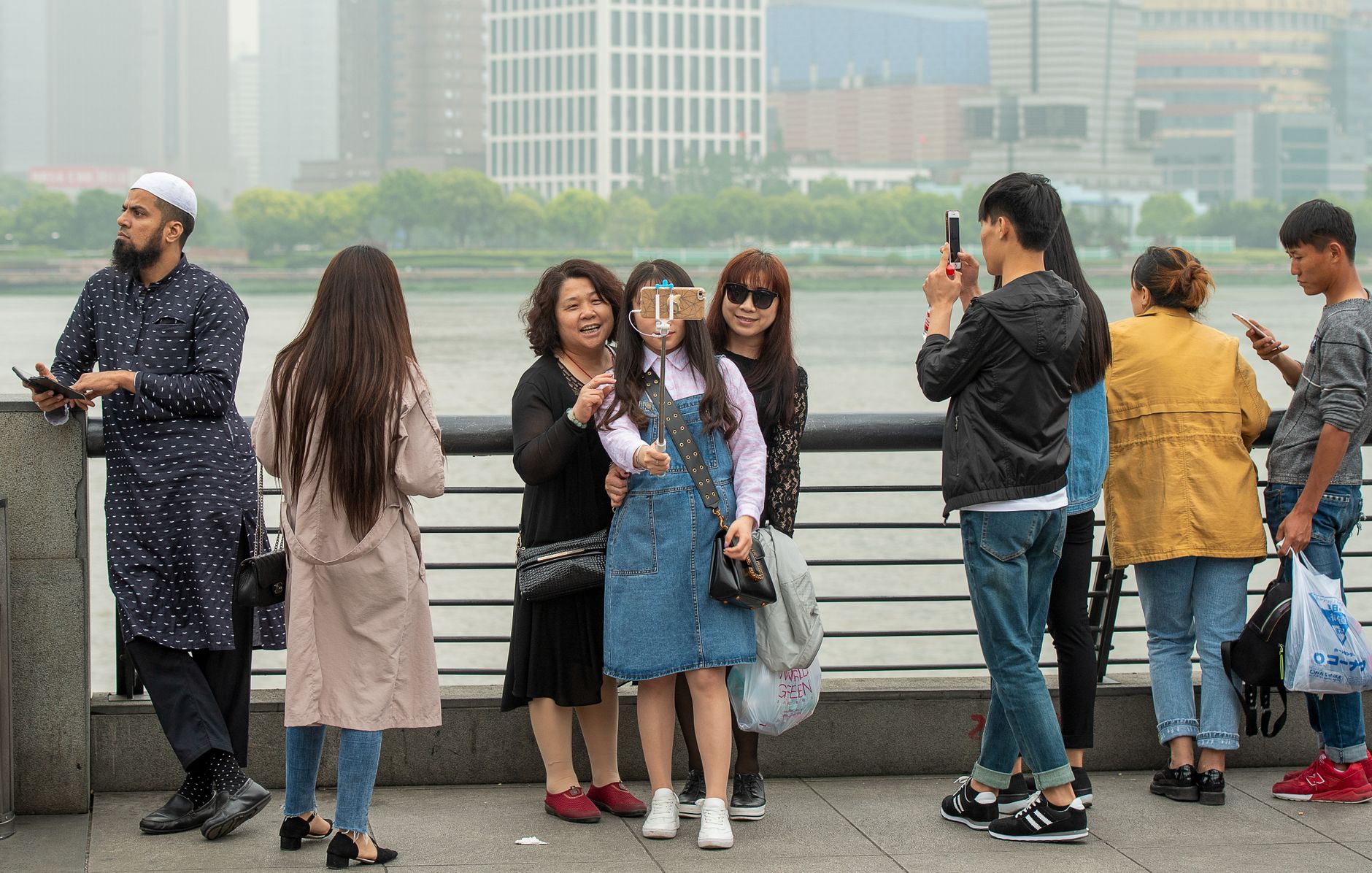
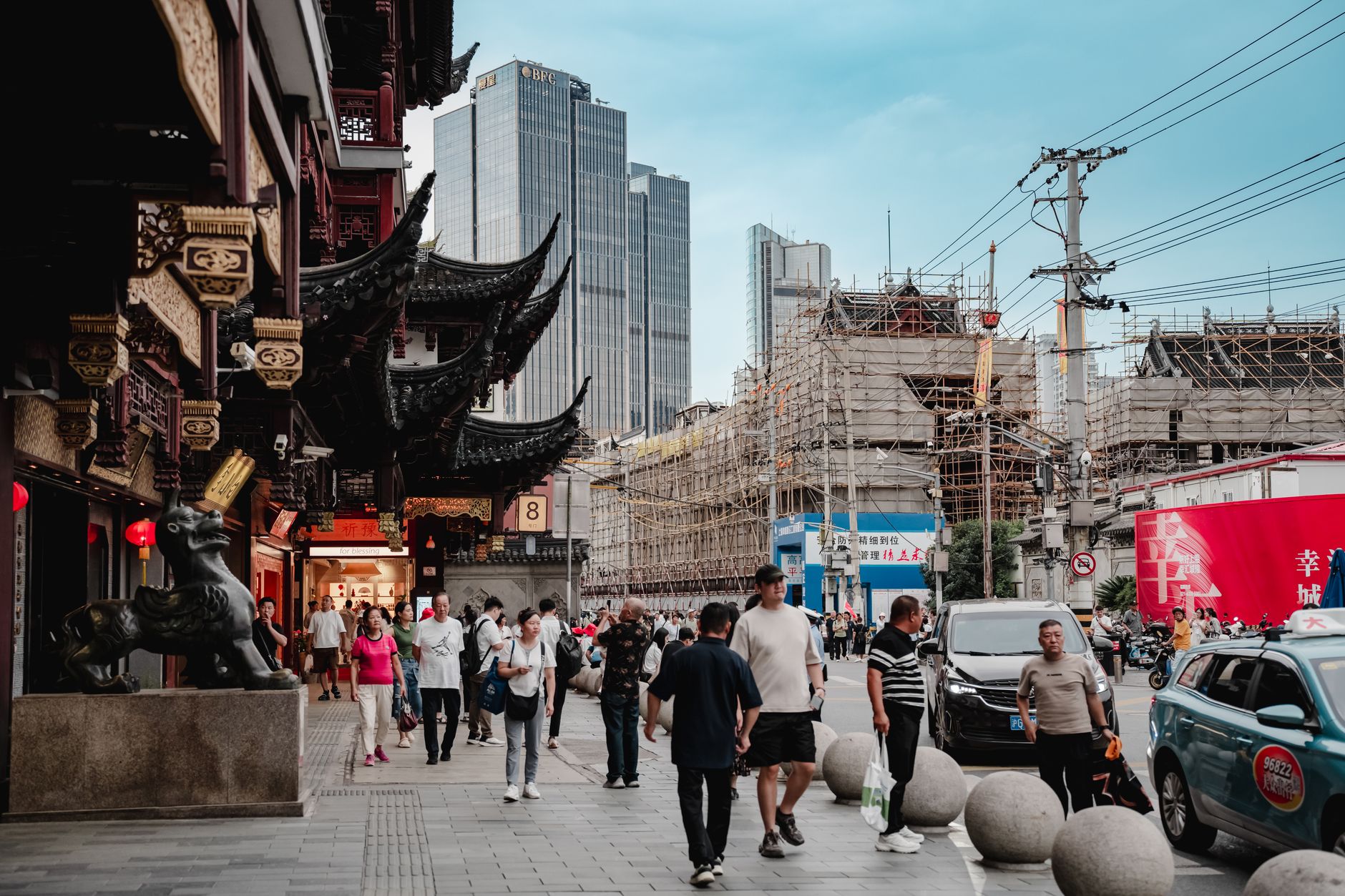
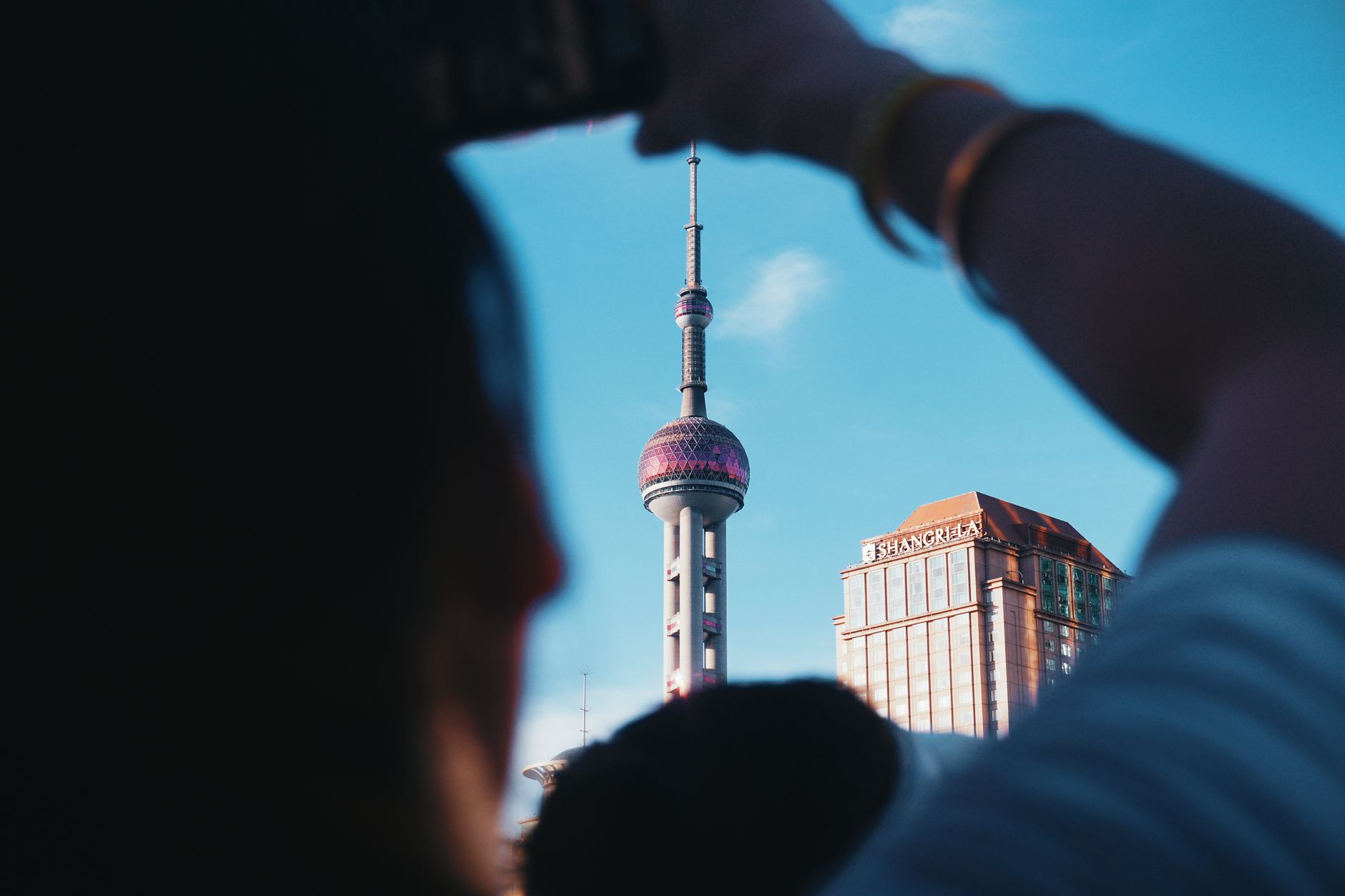
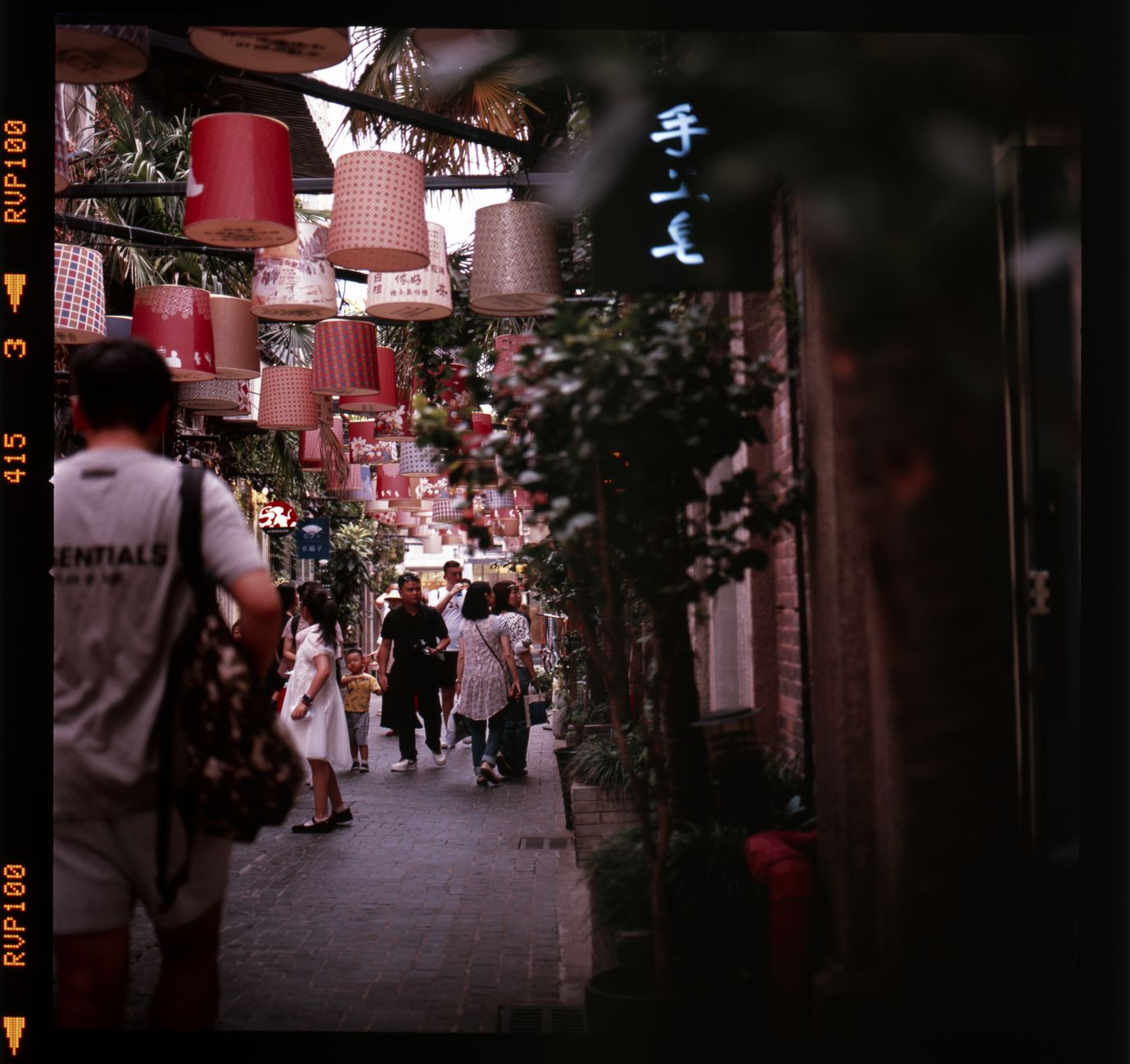
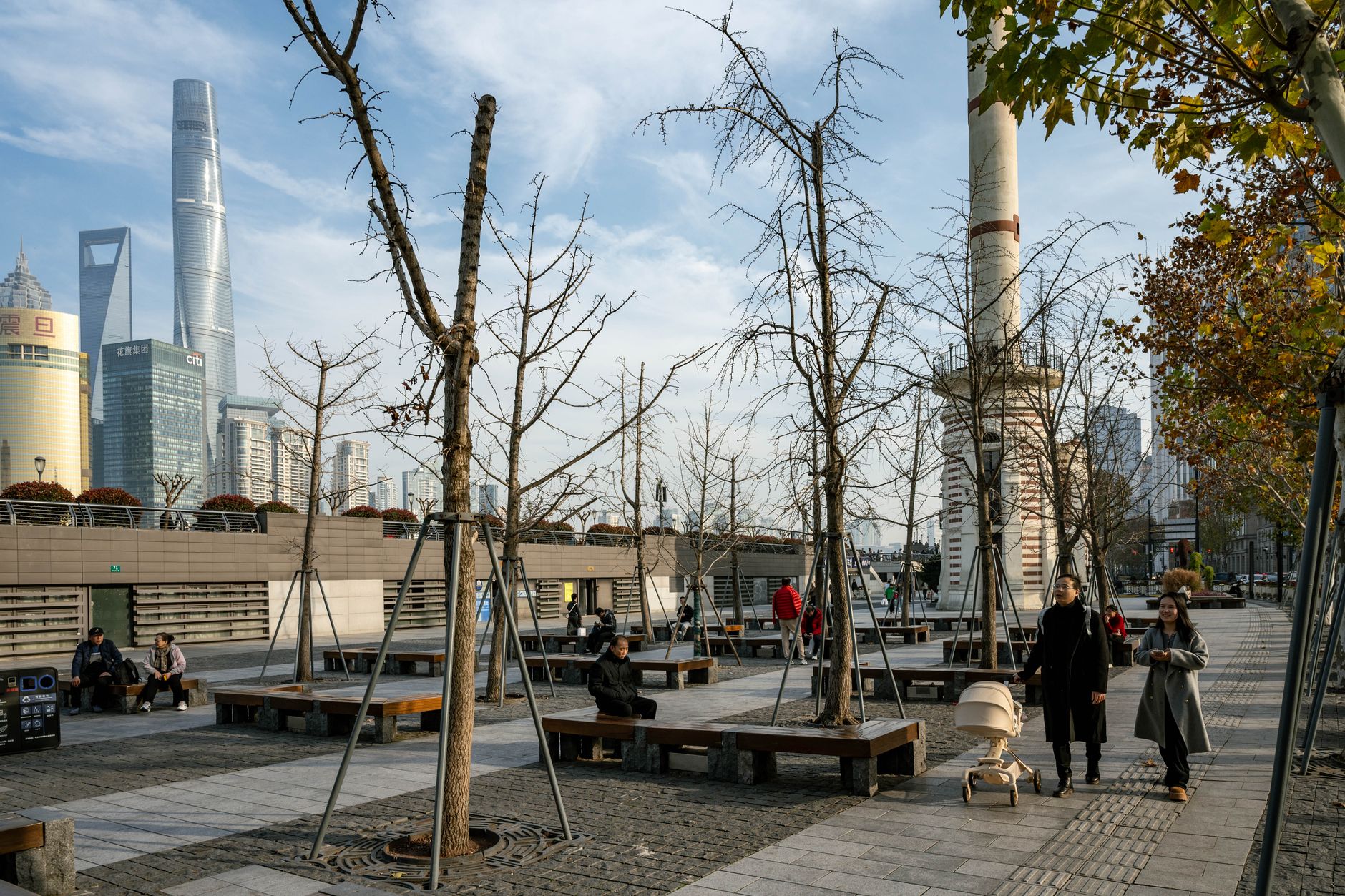
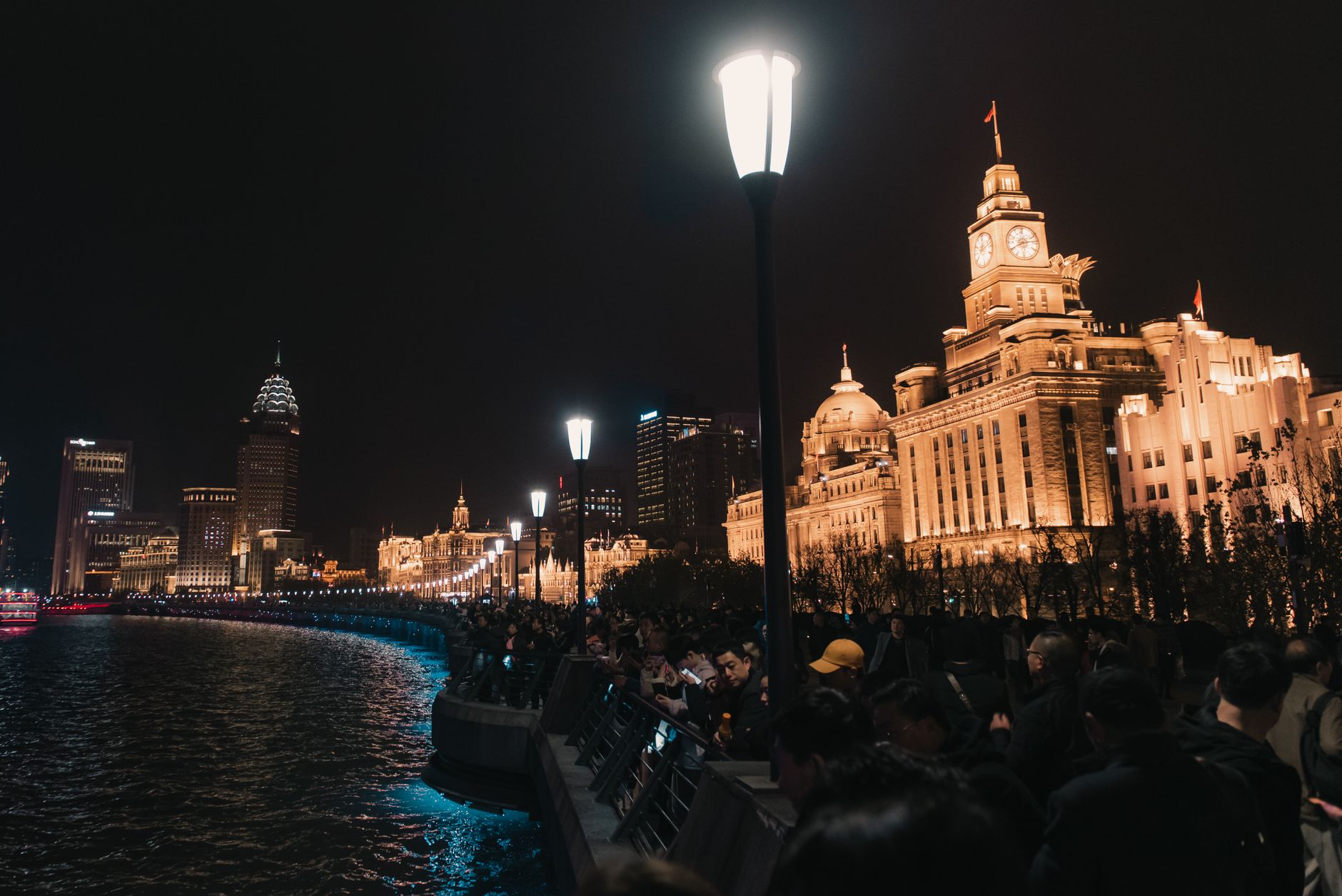
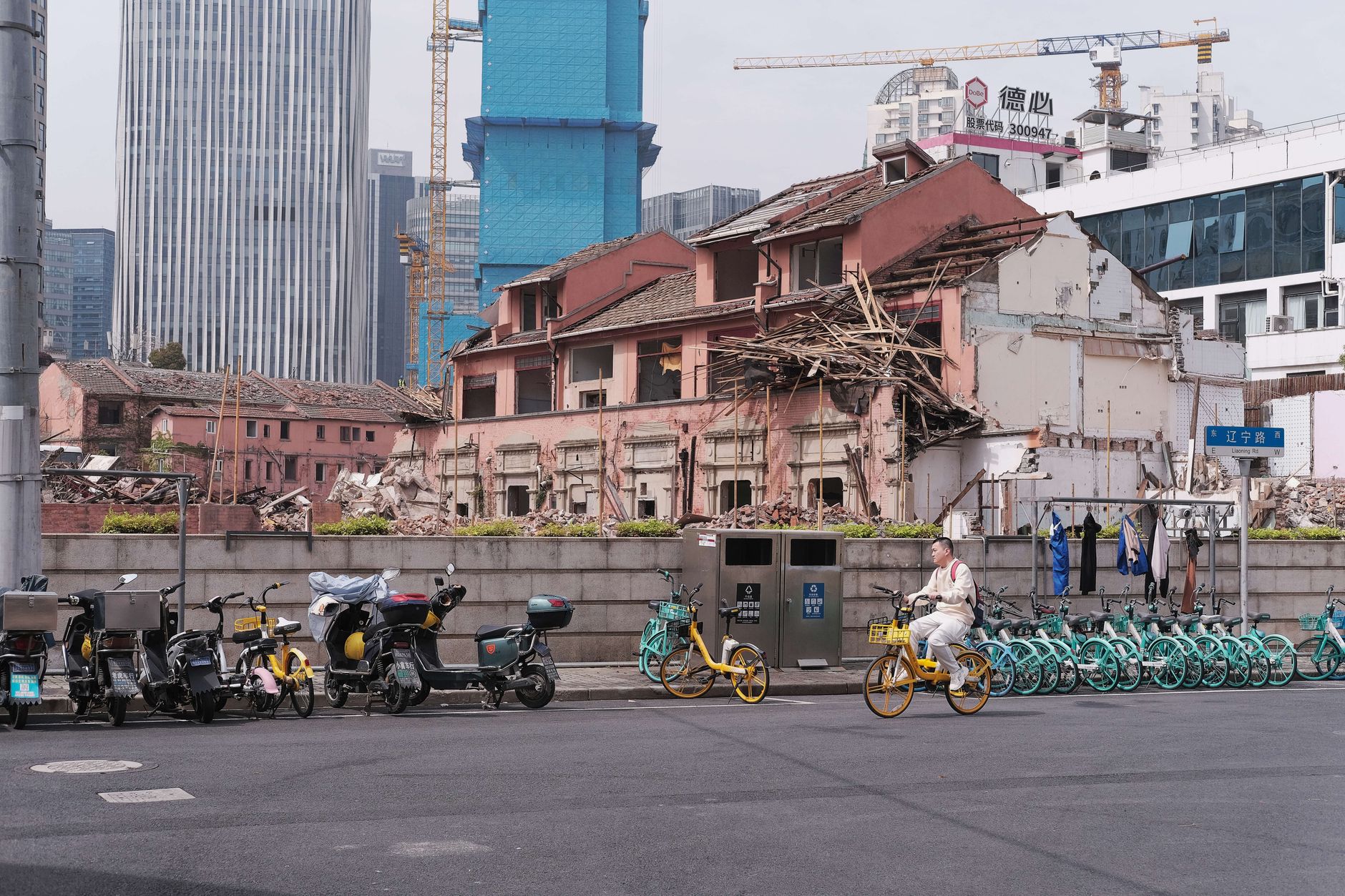
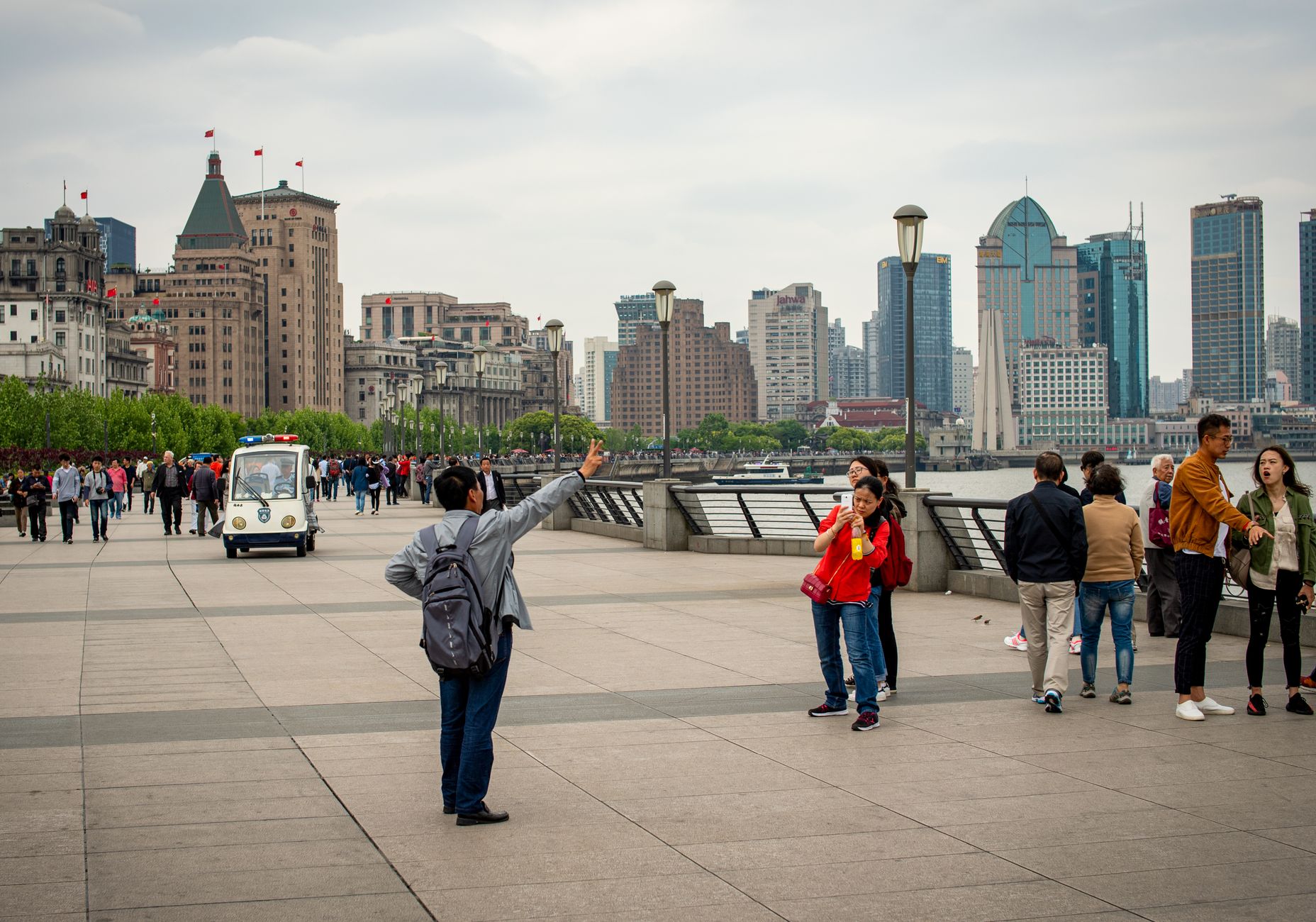
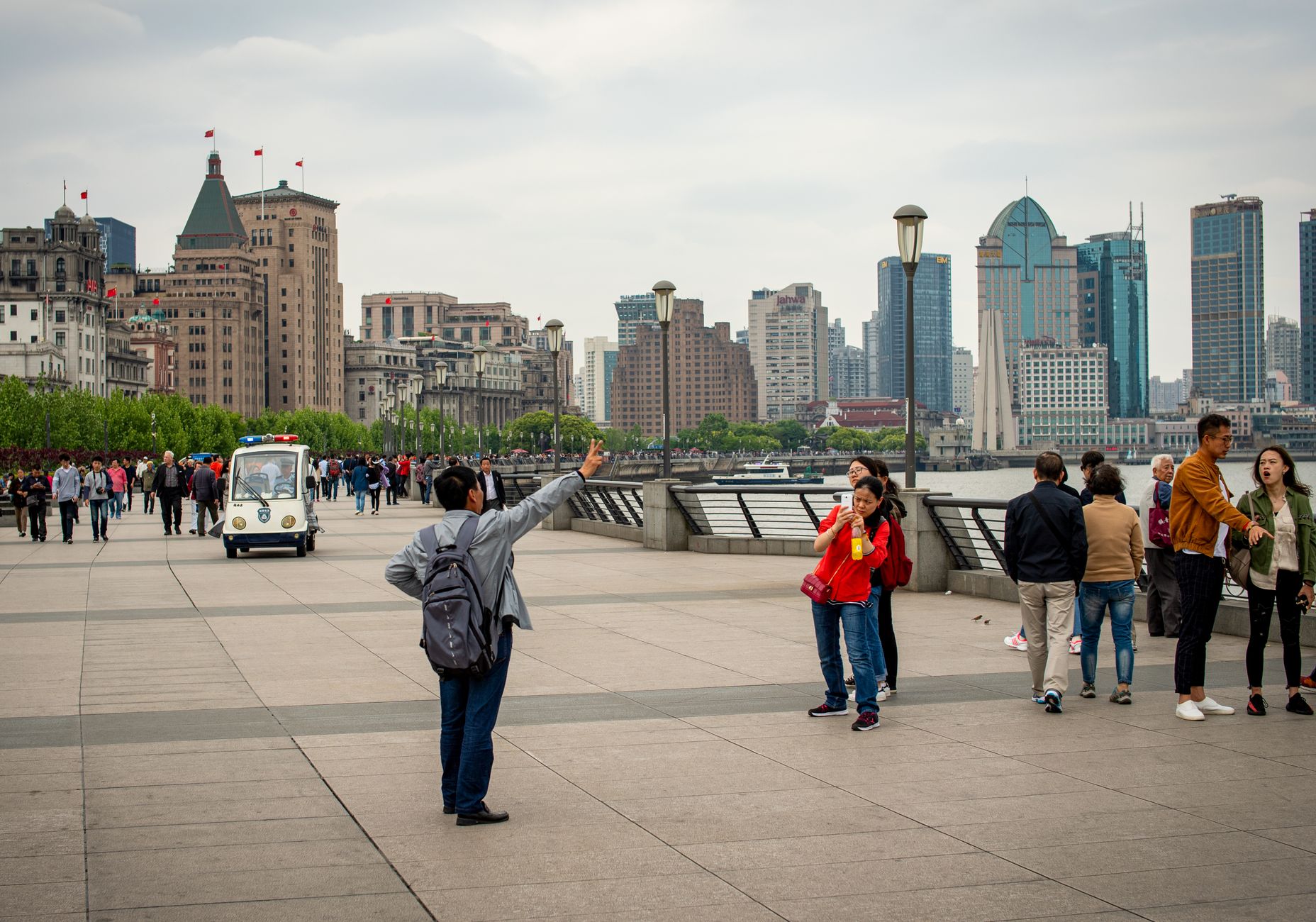
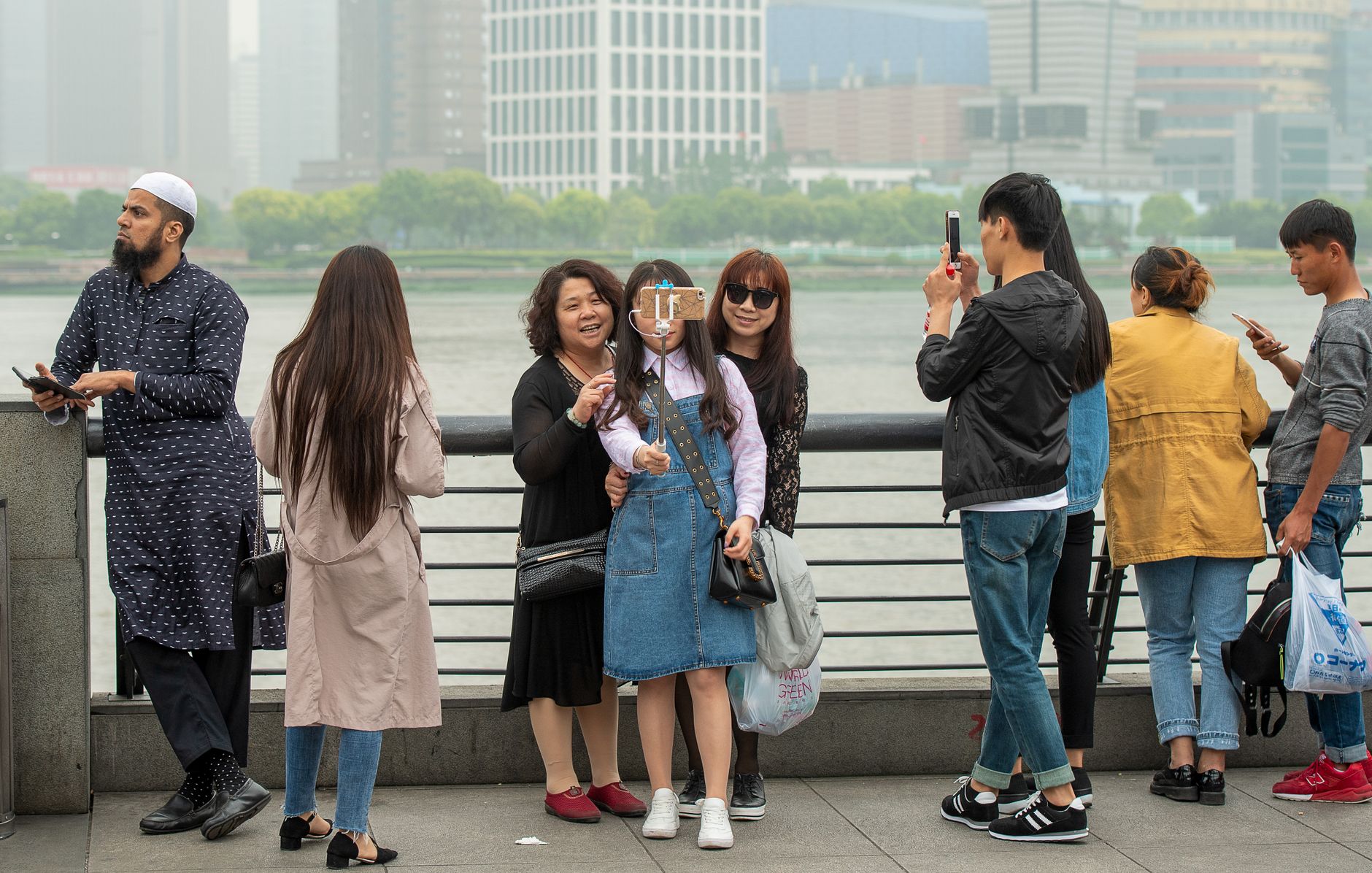
Stand on the Bund at dusk and the Huangpu River holds two cities at once: the 1920s and 1940s stone facades behind you — Neo-Classical, Art Deco, the Custom House clock tower — and across the water, the Pudong skyline where the Shanghai Tower's aerodynamic spiral rises 632 metres into the haze. That tension, between what was kept and what was built at speed, is what Shanghai actually feels like to move through.
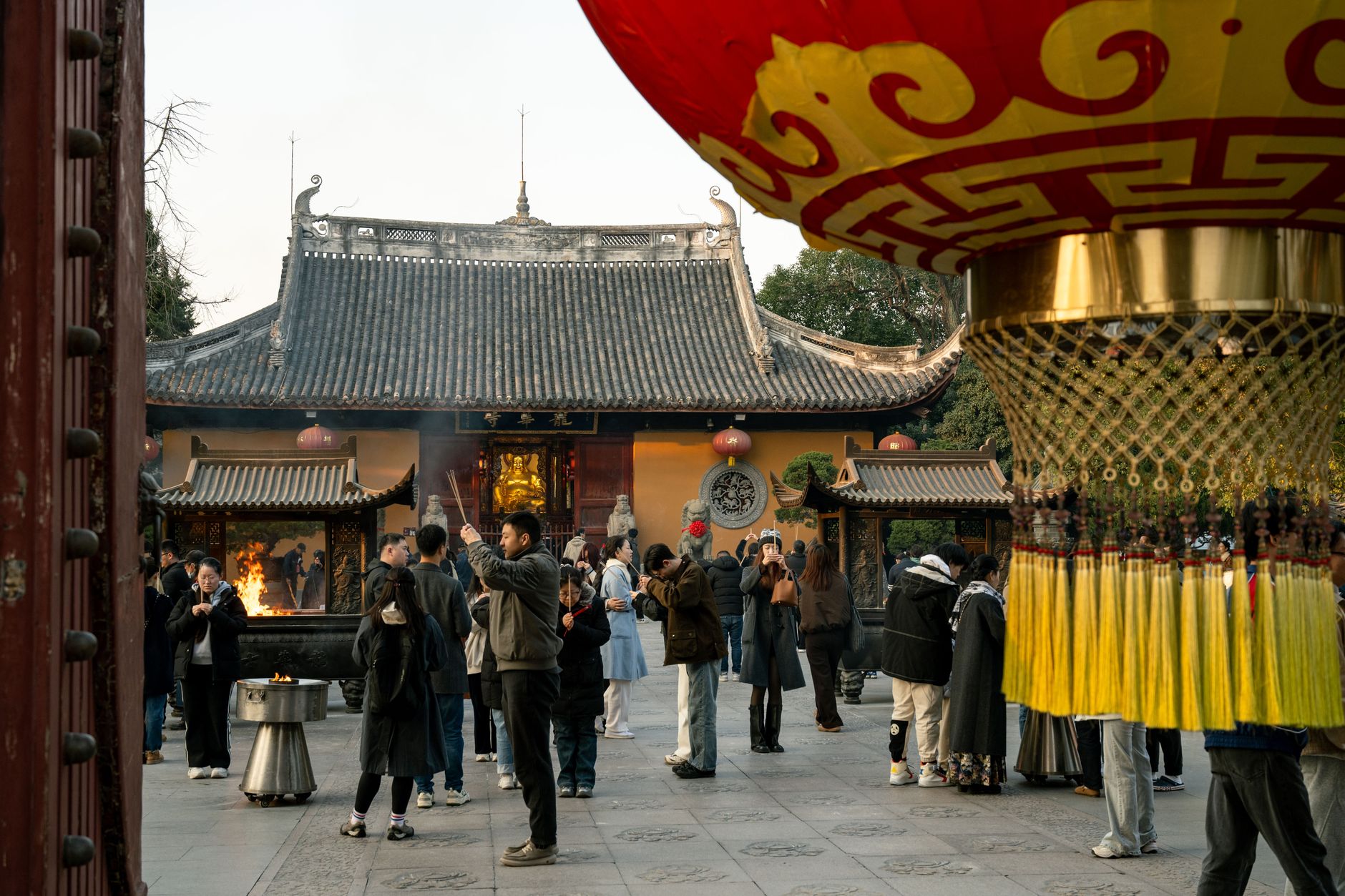
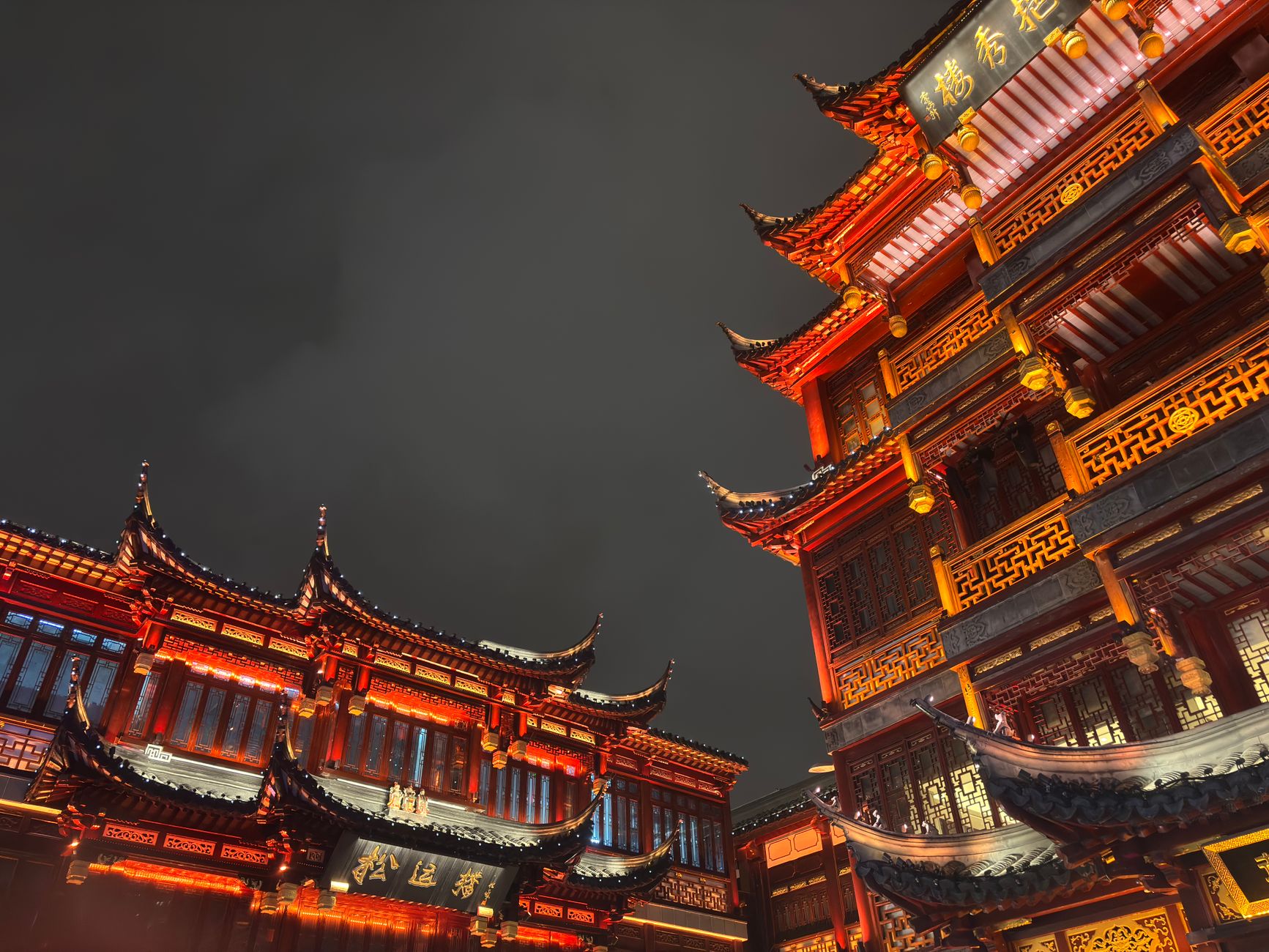
The metro — 808 kilometres of track, 506 stations, the second longest network on earth — puts almost everything within reach. A single card taps you from Pudong Airport to Yu Garden, from the French Concession's plane-tree streets to Longhua Temple, where a pagoda has stood in some form since 242 CE.
Popular cities in Shanghai, China
💛 What travellers fall for
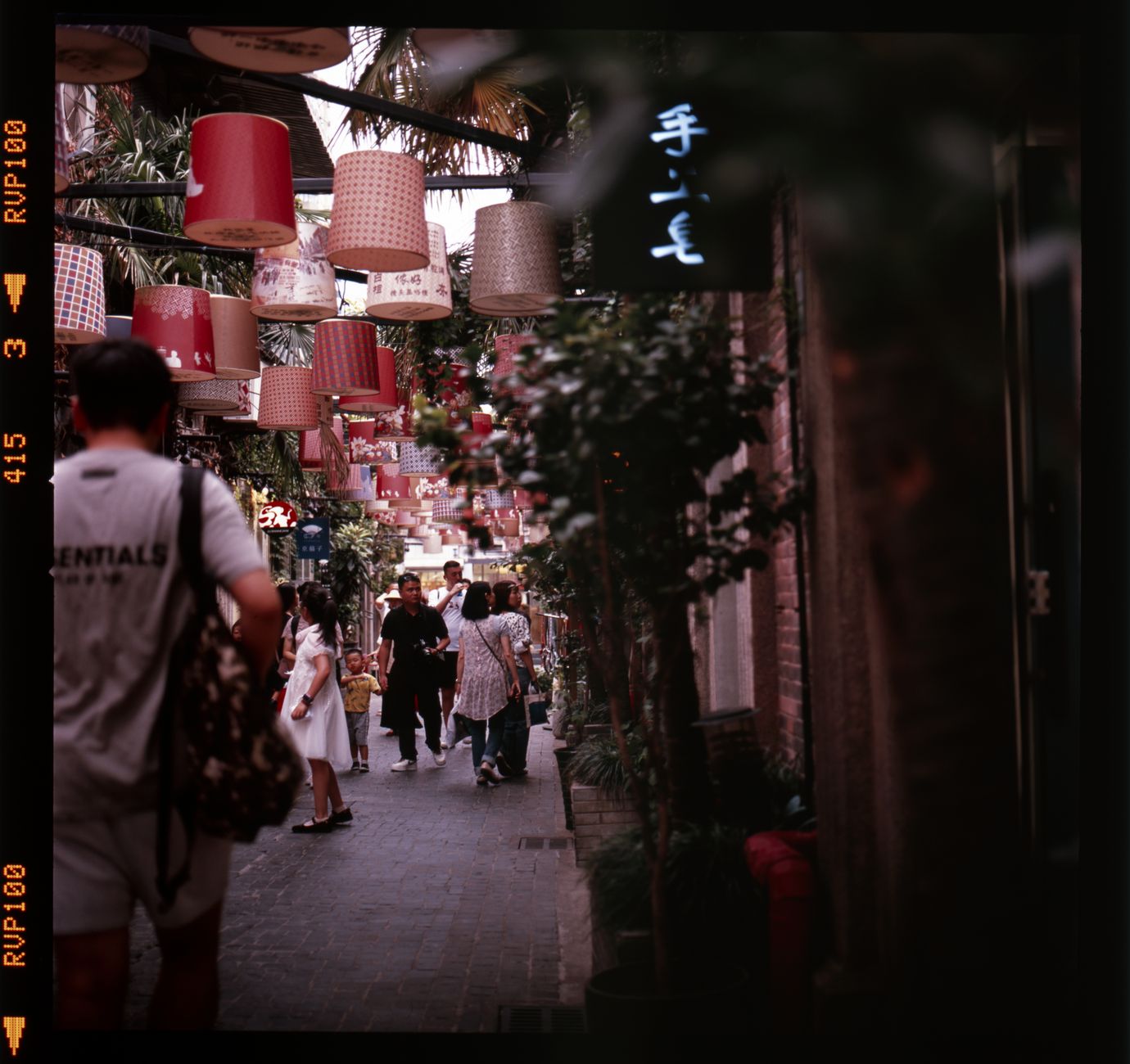
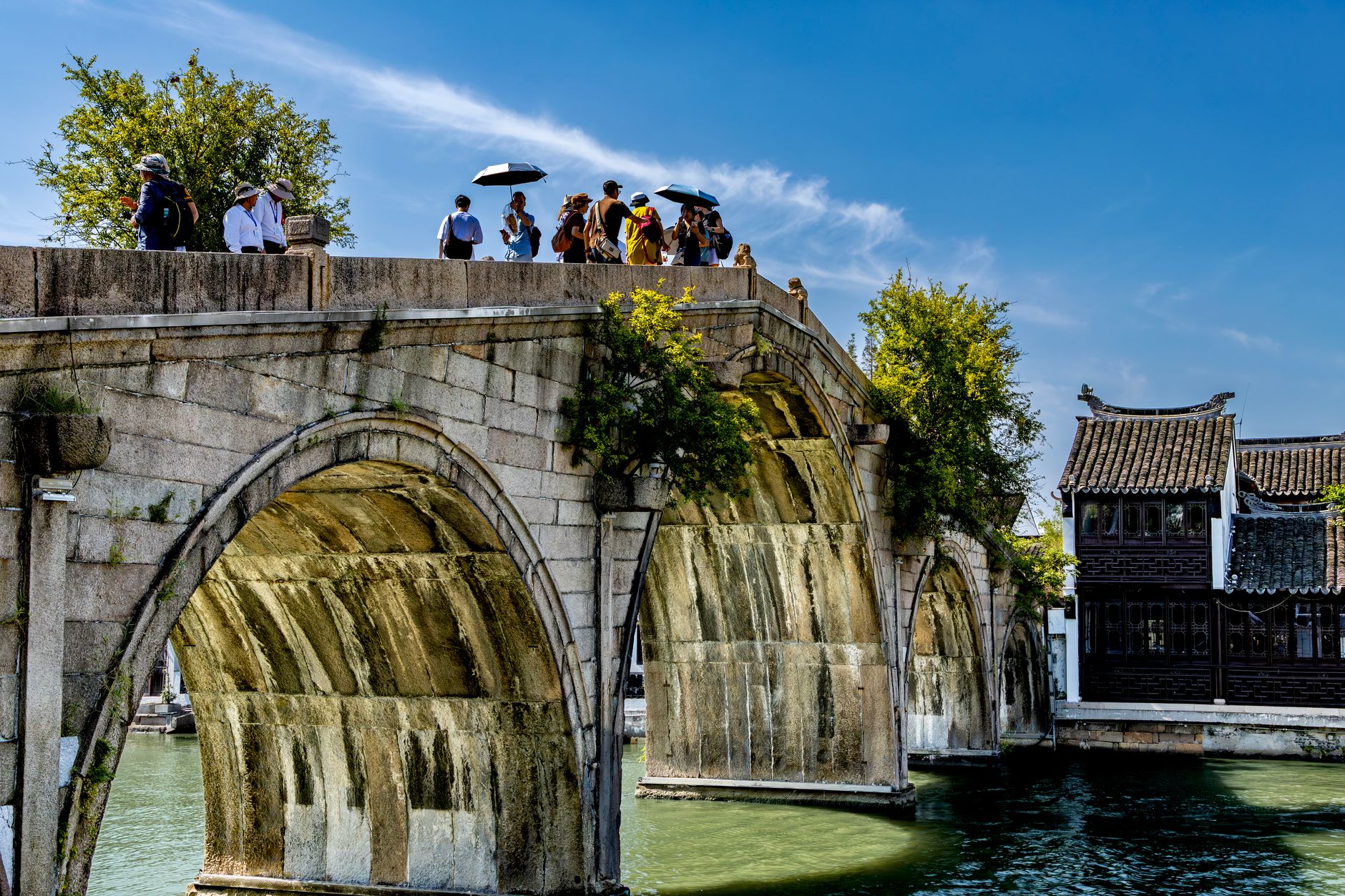
People who come back tend to anchor themselves in one neighbourhood rather than trying to cover the city whole. The French Concession rewards slow walking; Zhujiajiao, the water town established nearly 1,700 years ago, is best on a weekday morning before tour groups arrive. Line 2 of the metro is the workhorse — learn it early.
How Shanghai, China came to be
A garrison called Qinglong Zhen was established here in 746 CE, but Shanghai's outward shape was set later — by trade. The county was formalised in 1291 during the Yuan dynasty, and by the 13th century it was already one of seven official bureaus for foreign shipping. The Treaty of Nanjing in 1842 opened the port to British merchants, and concessions followed quickly: British in 1845, American in Hongkou in 1848, French in 1849. The Bund's stone buildings date from that era of layered foreign administration.
By the 1930s Shanghai had earned the nickname 'Paris of the East', a period of industrial acceleration that ended abruptly when Japan attacked and occupied the Chinese-administered districts in August 1937. Communist forces took control in May 1949. The city's current skyline — the World Financial Center completed in 2008, the Tower in 2016 — is the product of reforms that began in the early 1990s, when Shanghai was repositioned as China's financial centre and its port became the world's busiest for container traffic.
Who and what shaped it
People who shaped it
Landmark buildings
See Shanghai, China in motion
Plan your visit
On the map
When to go
Winters are grey and damp, with temperatures often hovering just above freezing; summers are genuinely hot and humid, regularly reaching 35°C with high rainfall. The shoulder seasons — particularly October and November — offer the clearest skies and the most comfortable temperatures for time spent outside.
Right now
↡ Cities
Background & history adapted from Wikipedia (CC BY-SA) · specs from Wikidata (CC0) · weather from Open-Meteo · map data © OpenStreetMap contributors · photos from Wikimedia Commons / Unsplash with per-image credit. No third-party reviews or social posts reproduced.