
Tianzifang
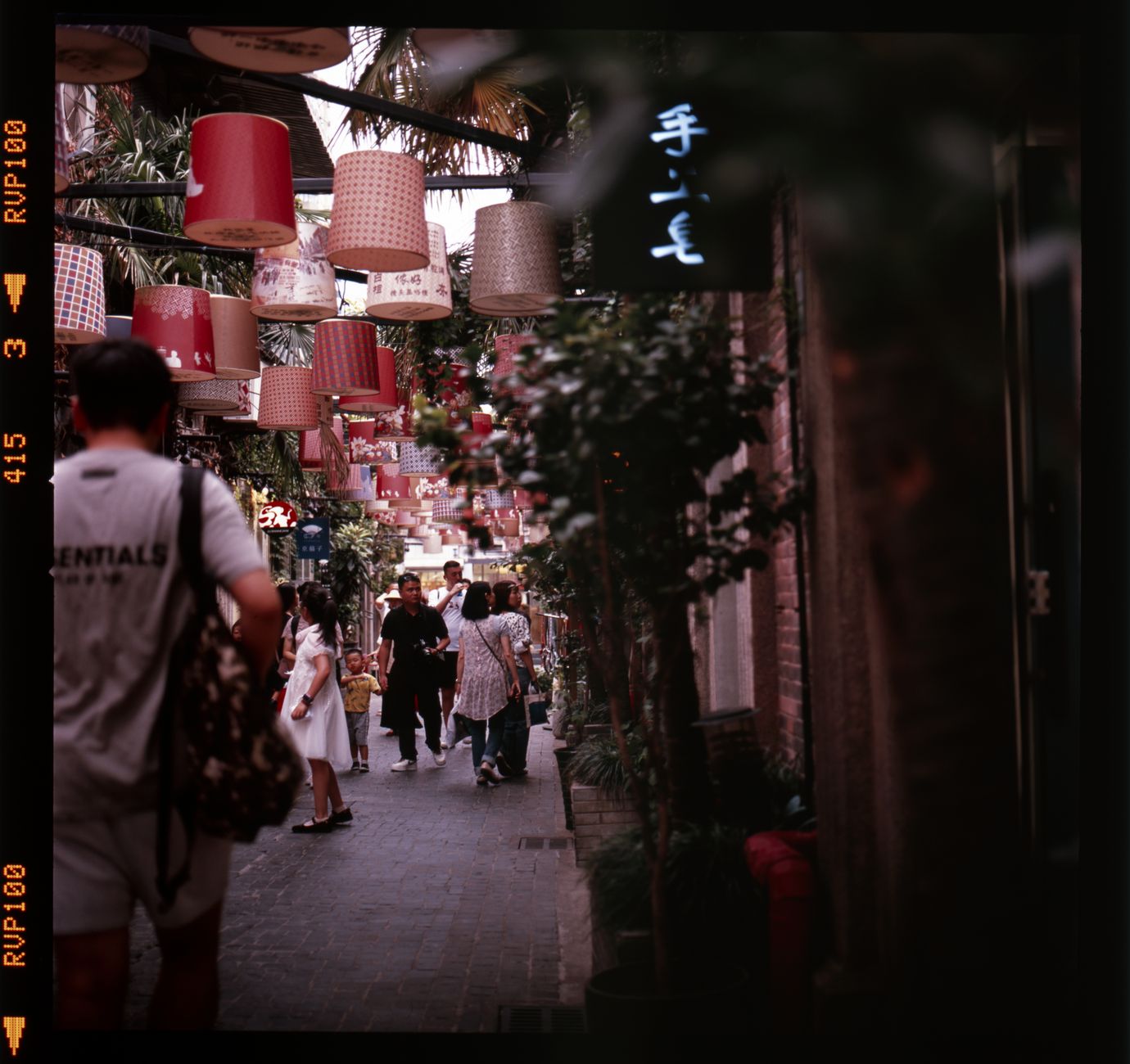
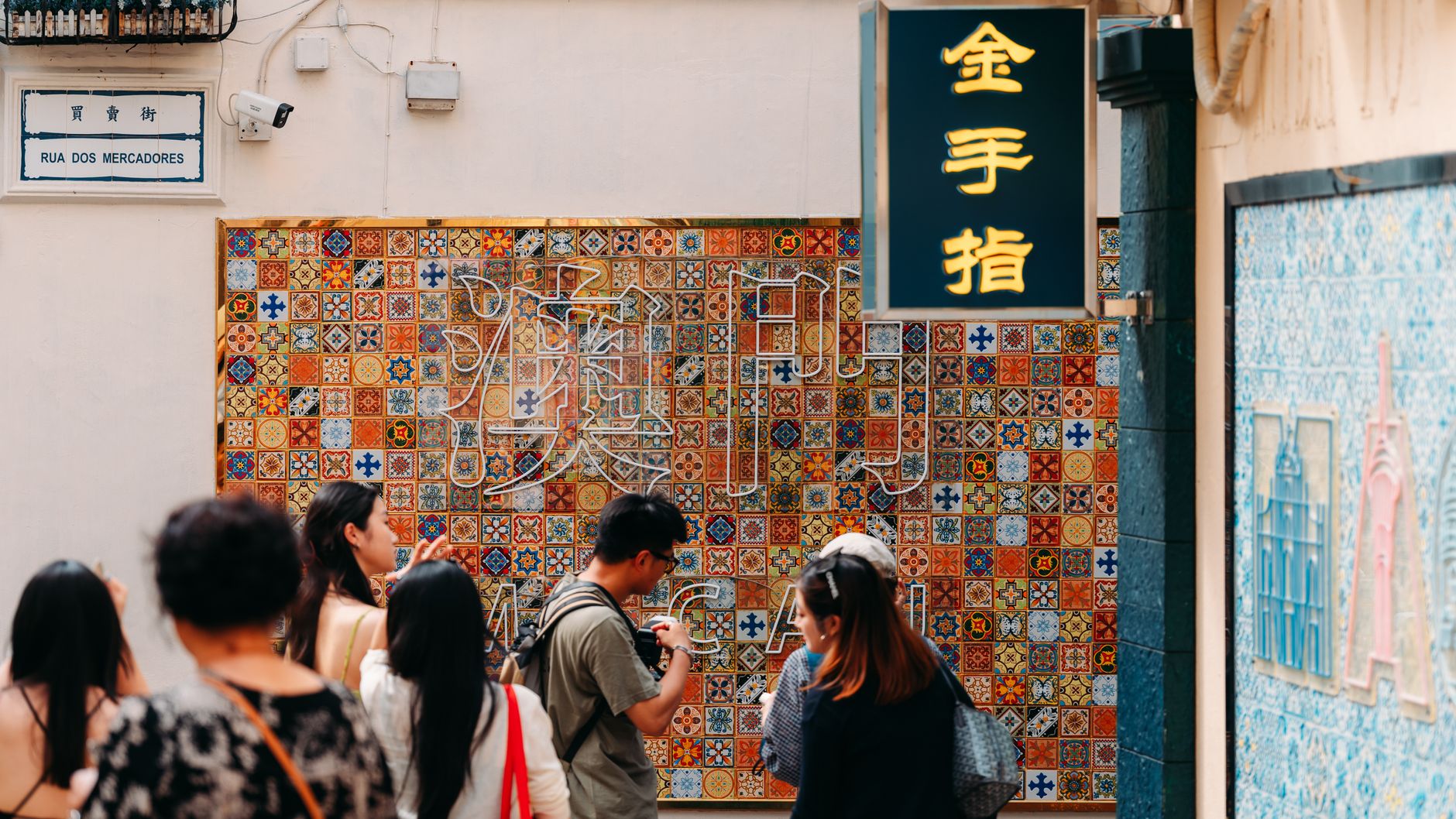
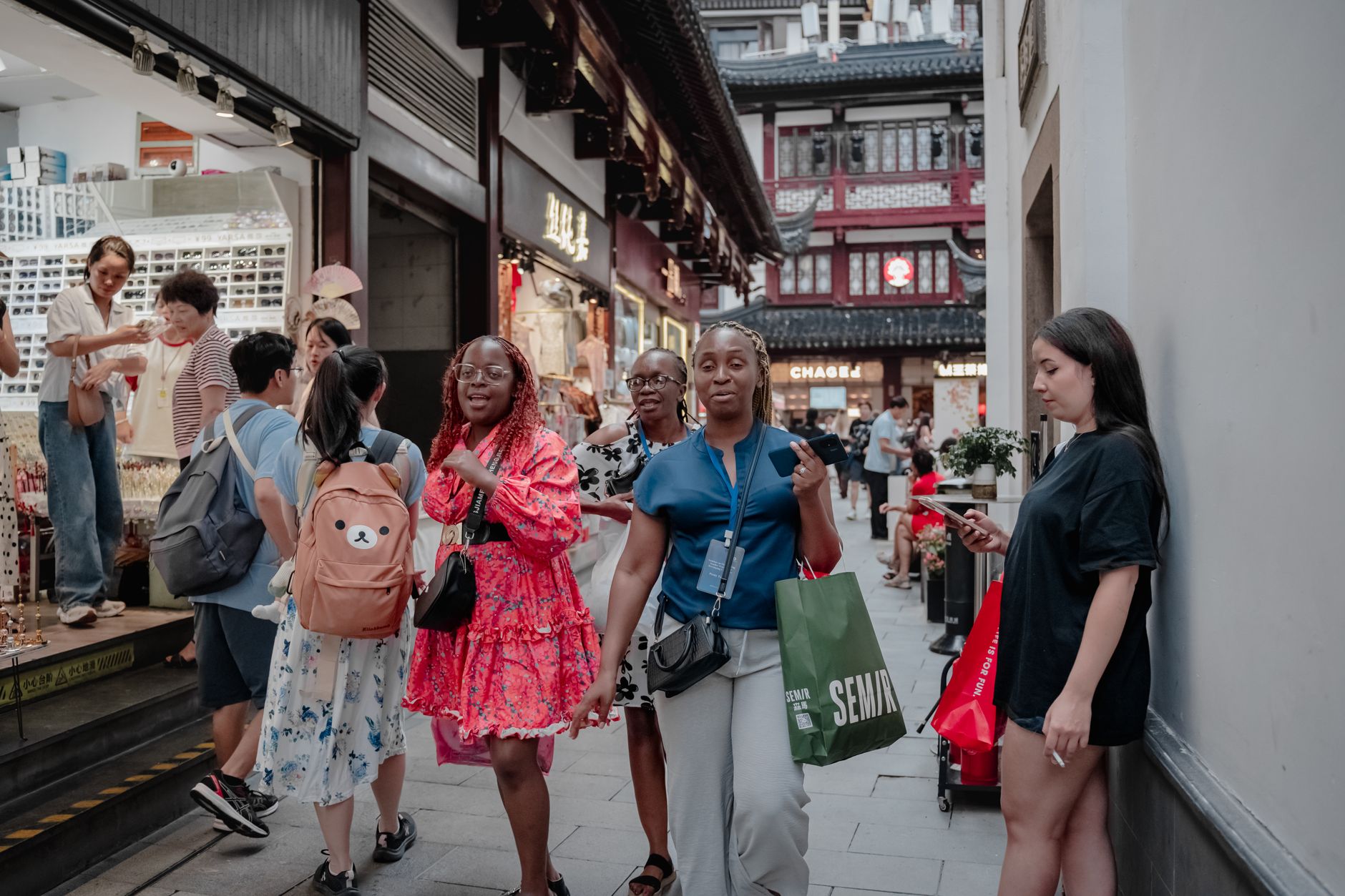
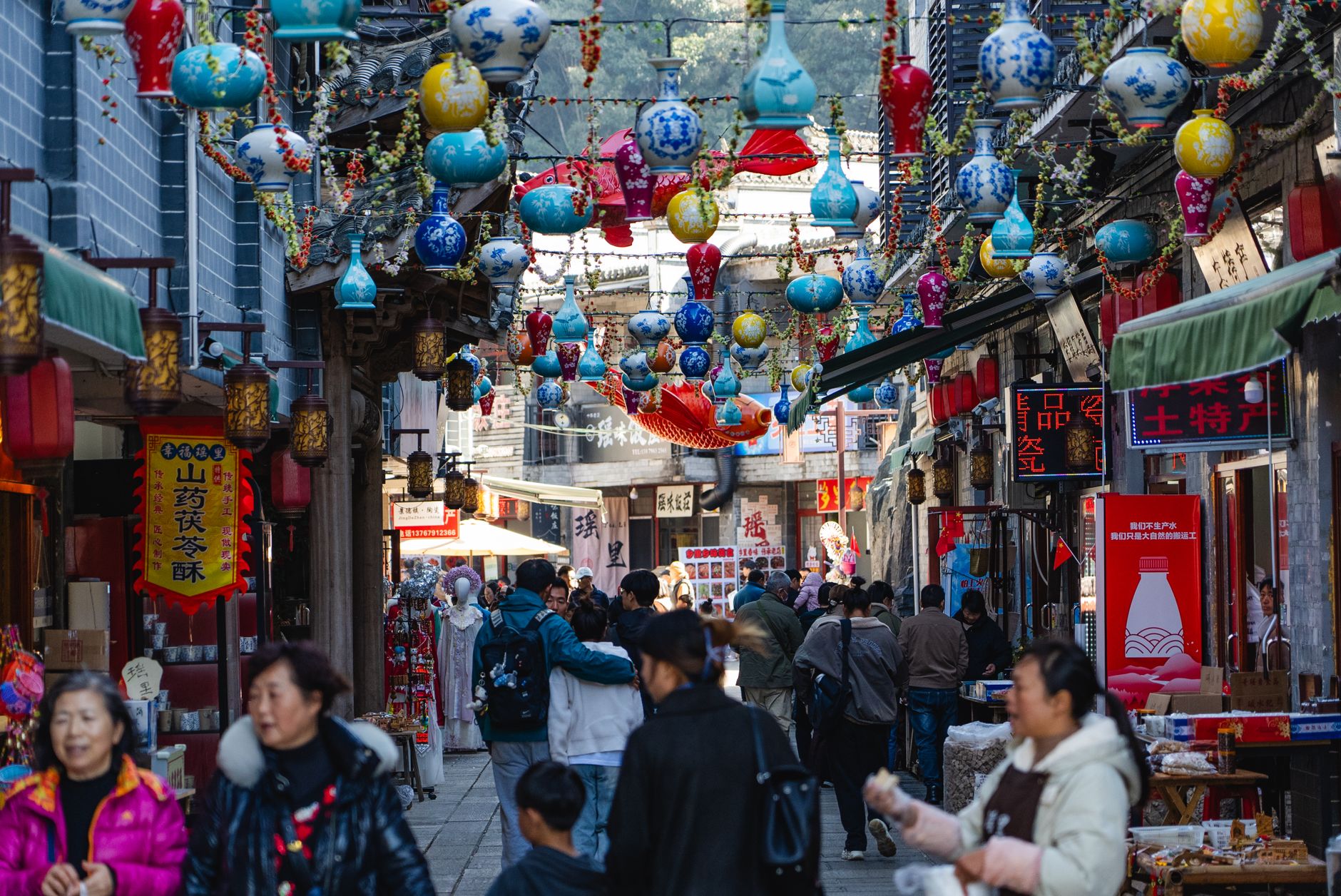
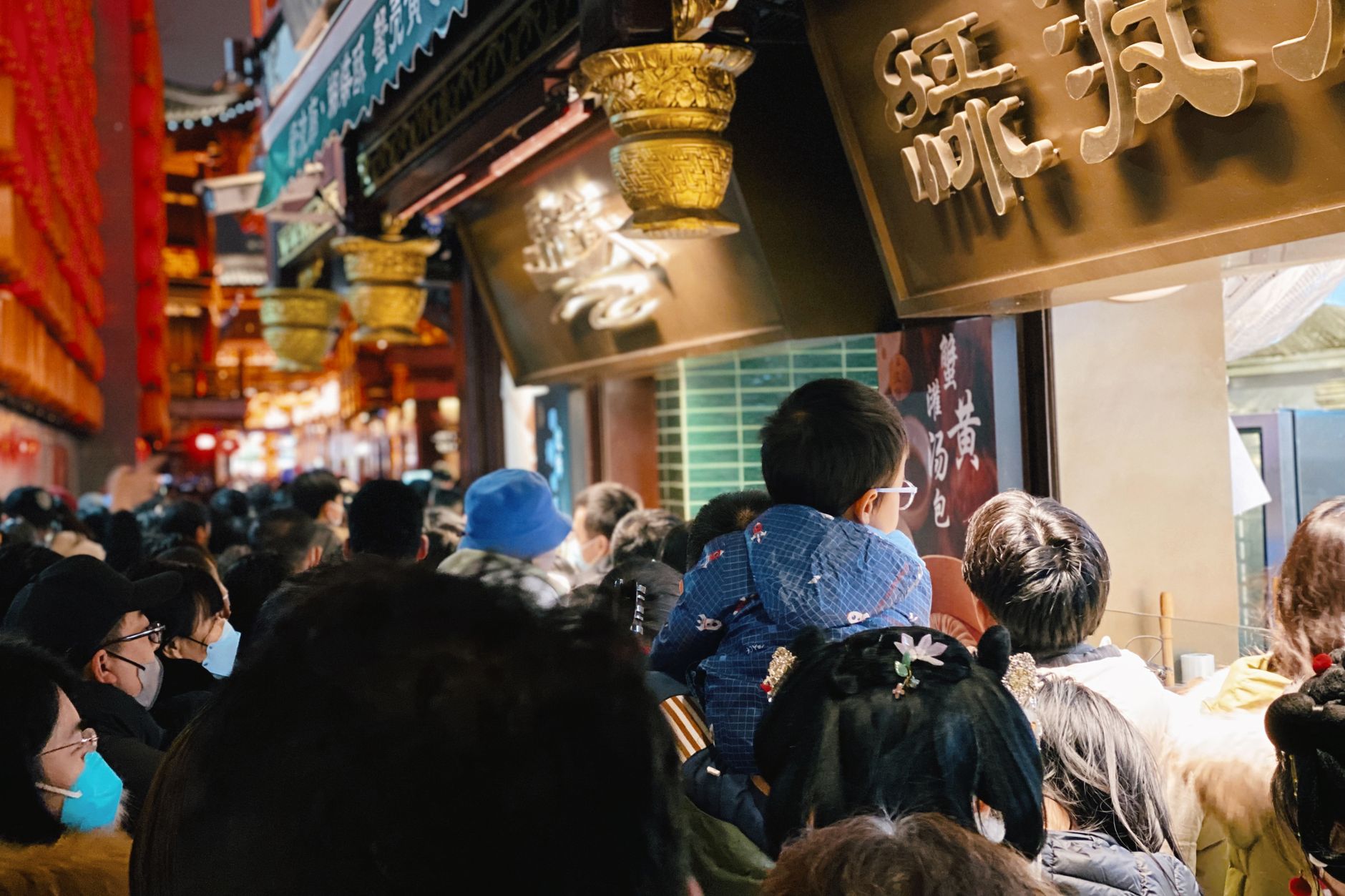
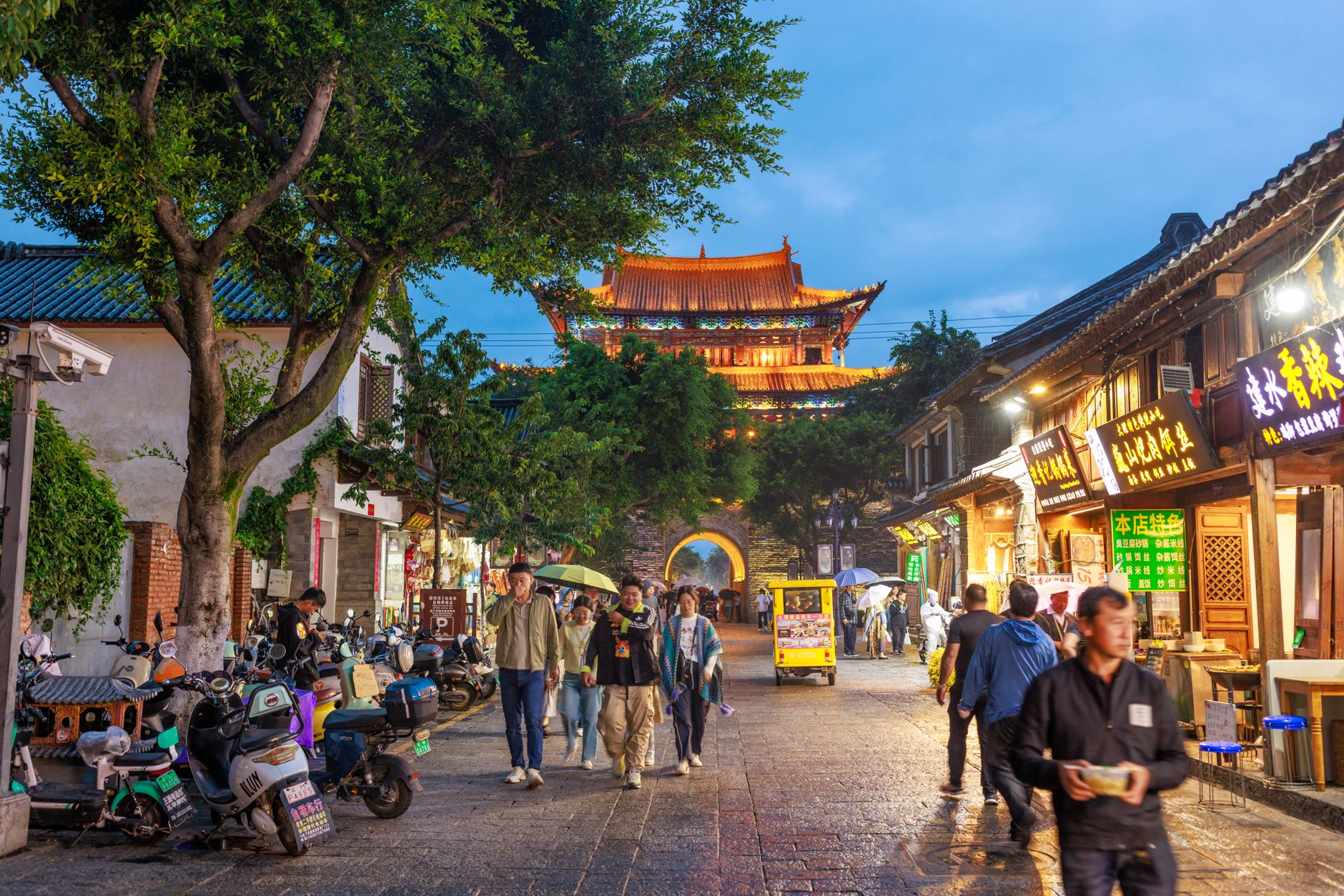
Tianzifang announces itself with a change in scale. You turn off Taikang Road and the city drops away — the lanes of Lane 210 are three to five metres wide, blue brick walls pressing close on both sides, stone gate lintels carved with the kind of detail that takes a second look. This is old Shanghai shikumen architecture, more than twenty varieties of it, in better condition than almost anywhere else in the city.
The whole quarter runs off three main lanes, each one threading past studios, small galleries, and the occasional courtyard where a cat is doing what cats do. The streets are open around the clock, free to enter, and the shops settle into their rhythm between 10 AM and 10 PM.
💛 What travellers fall for
People who come back tend to do it twice in one day — morning for the lanes when the light is low and the shopkeepers are still arranging things, then again after dark when the lanterns are lit. Chen Yifei's former studio in Lane 210 is free to visit and quieter than you'd expect. The Shikumen House Museum at Lane 248 is worth the twenty minutes it takes.
Deals in Tianzifang
Book directly at the provider


How Tianzifang came to be
The neighbourhood was built in 1930 as Zhichengfang, part of the French Concession expansion, and filled up with doctors, bank officers and artists who liked its convenience. It stayed an ordinary residential quarter for decades — until cheap rents drew a new generation of artists in the late twentieth century. The wet market on Taikang Road moved indoors in 1998, and by 2001 the precinct had been formally redesignated a creative quarter and given its current name.
The name itself is a pun engineered by painter Huang Yongyu, who swapped one character to make 'Taikang Road' echo Tian Zifang, the earliest recorded painter in Chinese history. Artist Chen Yifei converted two abandoned factory buildings in Lane 210 into studios for oil painting, sculpture and photography; Building 5, originally the Kangfu Weaving Factory of 1935, became the architectural symbol of the whole quarter. When demolition was proposed in 2006, residents, business owners and artists pushed back successfully — a campaign the UN-Habitat later cited as a model of bottom-up urban renewal.
Who and what shaped it
People who shaped it
Landmark buildings
See Tianzifang in motion
Plan your visit
On the map
When to go
Shanghai summers are hot and humid from June through August, which makes the narrow lanes feel close; spring (March to May) and autumn (September to November) are the most comfortable seasons to walk slowly and look at things. Winter is cool and occasionally raw, but the lanes are far less crowded.
Right now
Background & history adapted from Wikipedia (CC BY-SA) · specs from Wikidata (CC0) · weather from Open-Meteo · map data © OpenStreetMap contributors · photos from Wikimedia Commons / Unsplash with per-image credit. No third-party reviews or social posts reproduced.