
The Bund
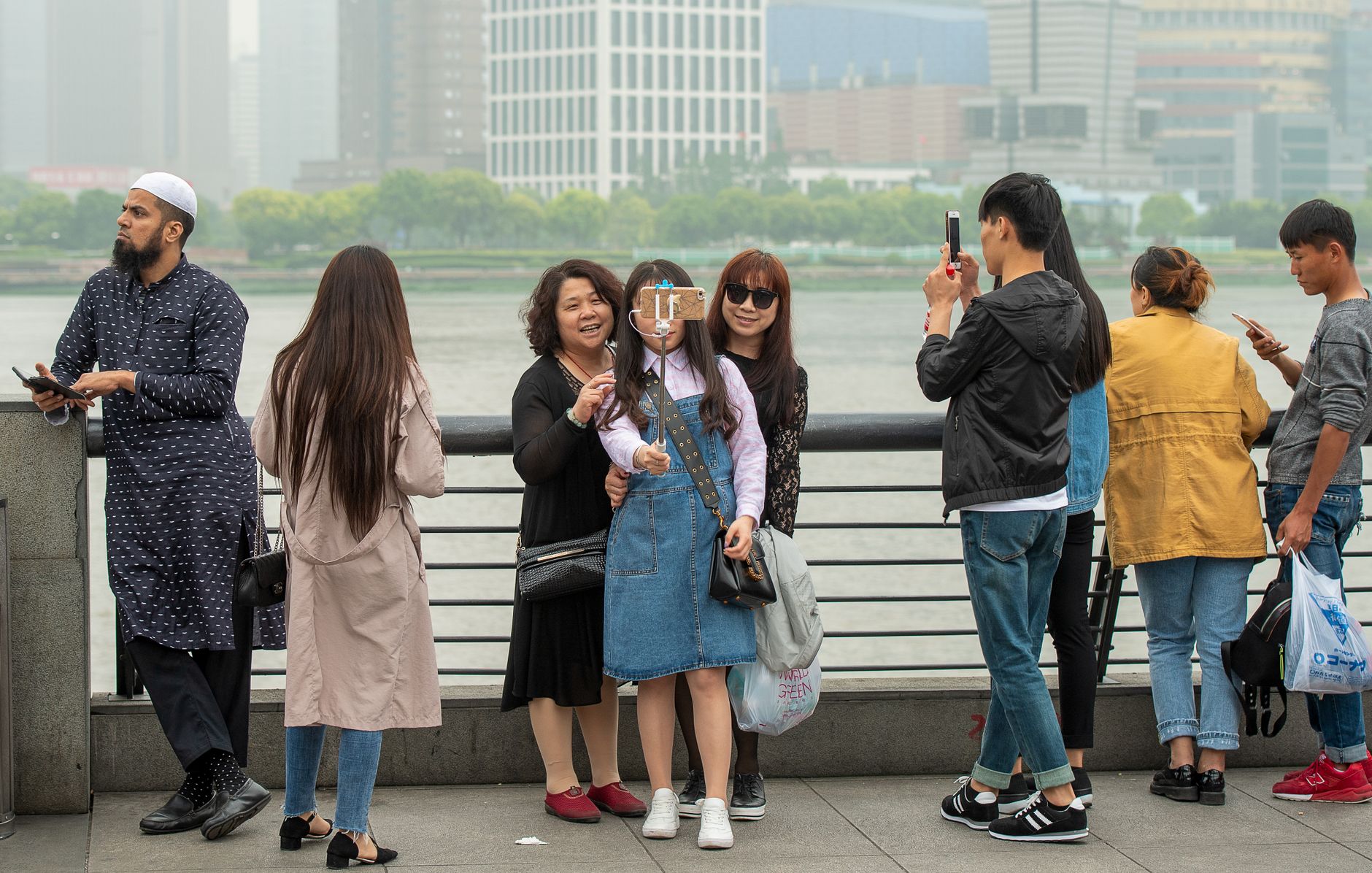
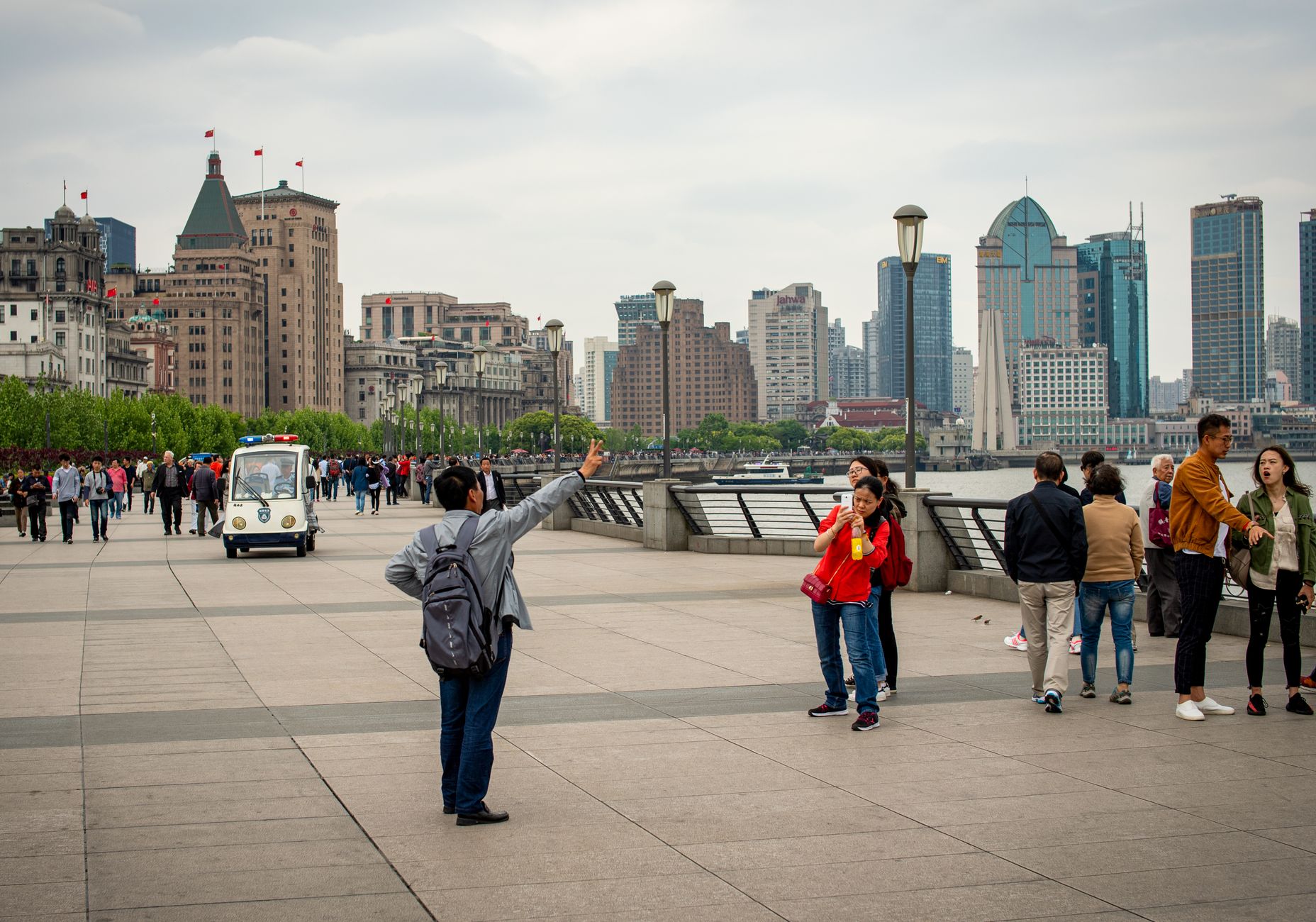
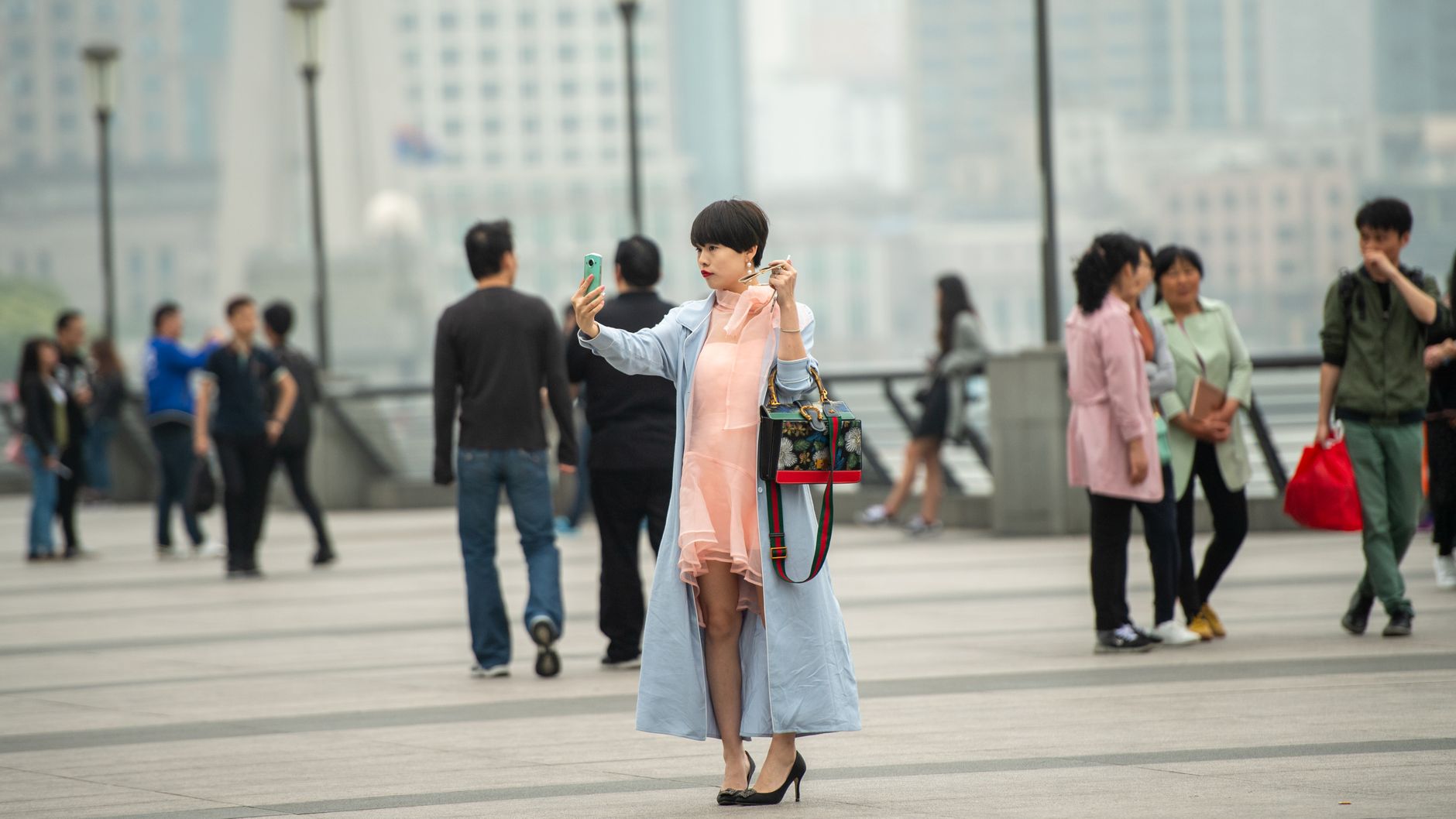
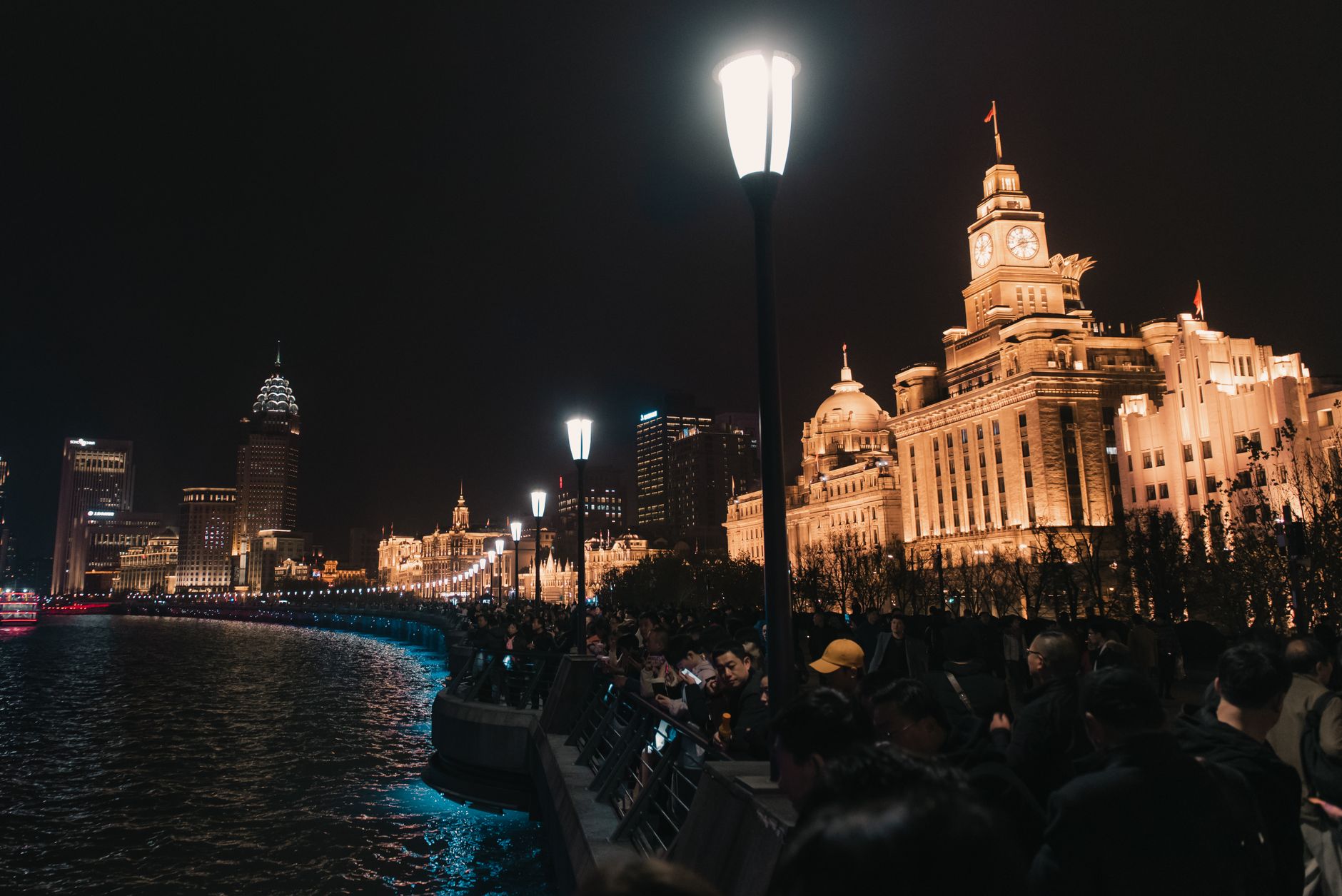
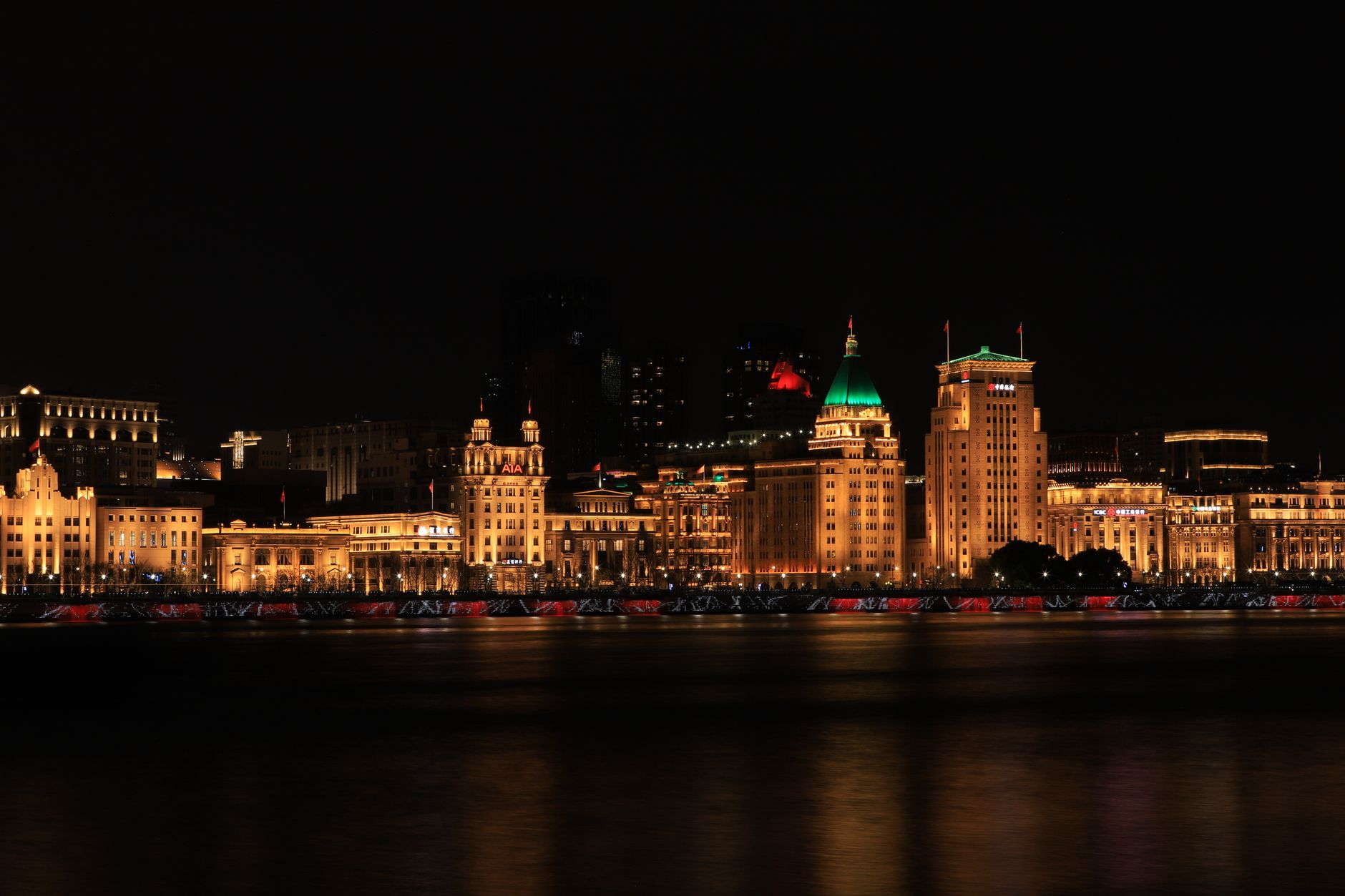
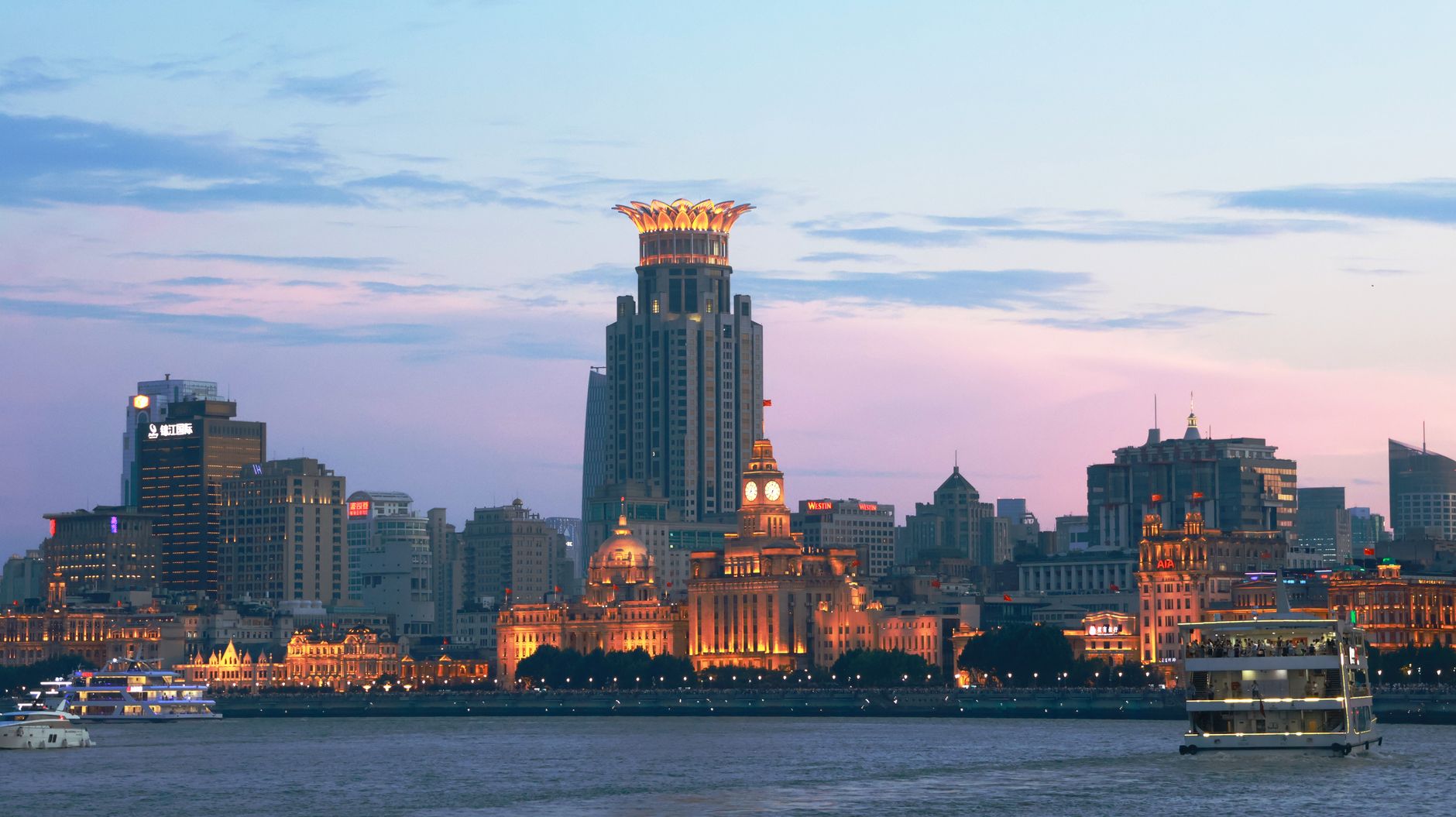
The Bund is a 1.5-kilometre seam of stone and ambition stitched along the western bank of the Huangpu River, where 52 Western classical buildings stand shoulder to shoulder in styles ranging from Romanesque Revival to Art Deco. Look east and the Lujiazui towers fill the sky; look west and the facades of the old HSBC Building and the Customs House clock tower — still the largest clock in Asia — remind you that this waterfront once anchored the financial machinery of the entire region.
The promenade is free and open around the clock, which means you can walk it at whatever hour suits you. Early morning, the light is flat and the crowds are thin. After dark, both banks illuminate in ways that photographs rarely do justice to.
💛 What travellers fall for
Regulars tend to arrive before 8am, when the river mist hasn't fully lifted and the promenade belongs mostly to retirees doing tai chi. They skip the Bund Sightseeing Tunnel entirely — CNY50 for a gimmick — and instead linger outside No. 12, the old HSBC Building, to study the mosaic ceiling in the entrance hall before the day's foot traffic makes it impossible.
Deals in The Bund
Book directly at the provider


How The Bund came to be
The Bund's origins sit inside a defeat. After Britain forced China to accept Shanghai as a treaty port following the First Opium War in the 1840s, Western firms began leasing the waterfront. Among the earliest were three opium trading houses — Jardine, Matheson & Co., Gibb, Livingston & Co., and Dent, Beale & Co. — who are credited with bringing the word 'bund' itself to Shanghai. The British and American settlements merged into the International Settlement in 1863, and from then through the 1930s the Bund operated as a legally protected financial centre for foreign powers.
The buildings that define the skyline today rose mostly in the early twentieth century. Palmer & Turner designed the HSBC Building, completed in 1923 and at the time the second largest building in the world. Victor Sassoon, whose family held large commercial interests across Asia, built the Cathay Hotel — now the Peace Hotel — in 1929, a 77-metre Art Deco tower that still anchors the northern end of the strip. The Communist Party's arrival in 1949 ended the foreign concession era, and the Bund faded until China's economic reforms in the 1990s brought restoration efforts that returned the facades to something close to their original weight.
Who and what shaped it
People who shaped it
Landmark buildings
See The Bund in motion
Plan your visit
On the map
When to go
Spring (March–May) and autumn offer the most manageable conditions for a long waterfront walk — mild temperatures and relatively low humidity. July and August can push to 40°C with damp, heavy heat; if you visit in summer, early morning is the only tolerable window.
Right now
Background & history adapted from Wikipedia (CC BY-SA) · specs from Wikidata (CC0) · weather from Open-Meteo · map data © OpenStreetMap contributors · photos from Wikimedia Commons / Unsplash with per-image credit. No third-party reviews or social posts reproduced.