
Fengxian District
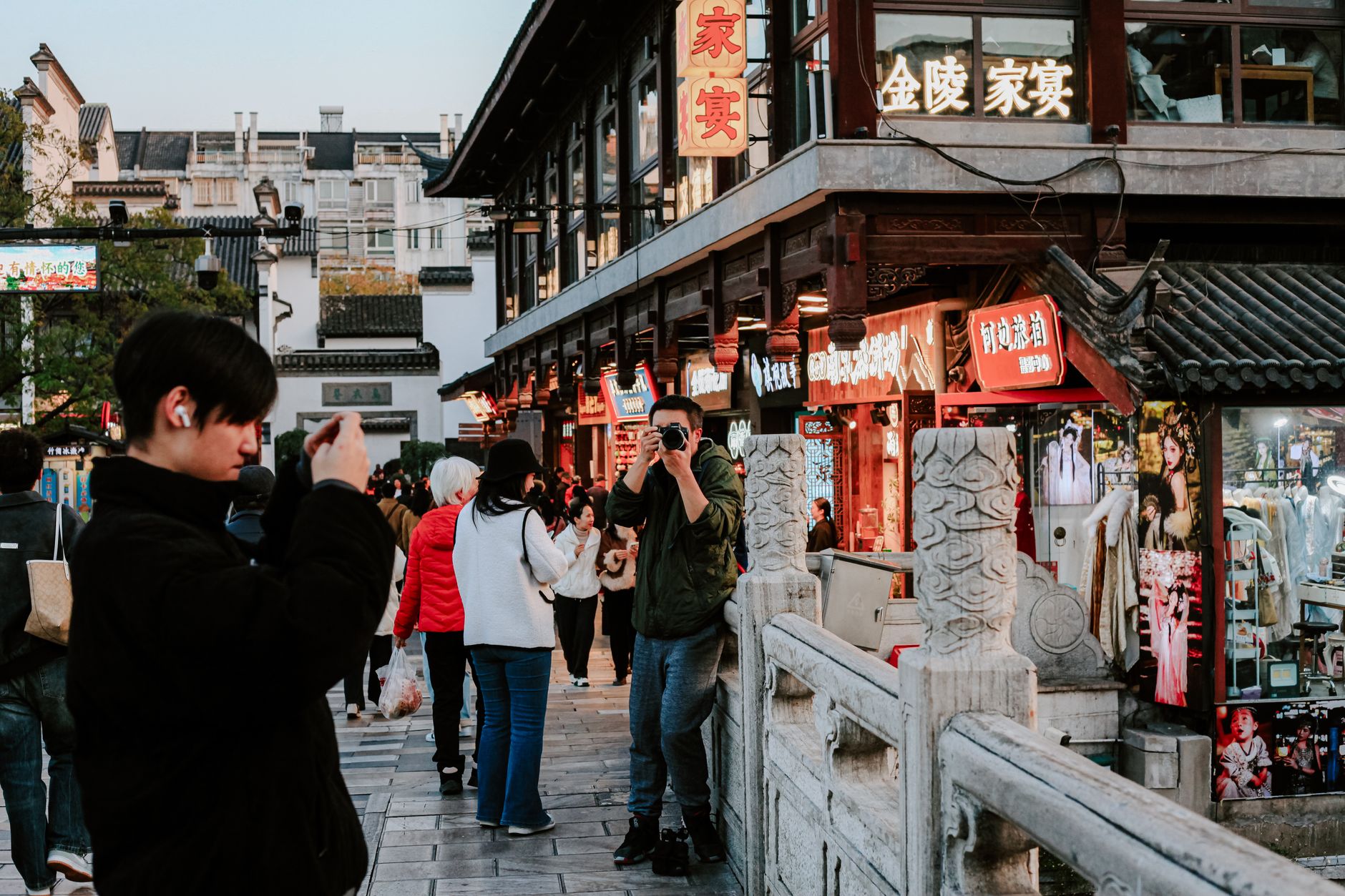
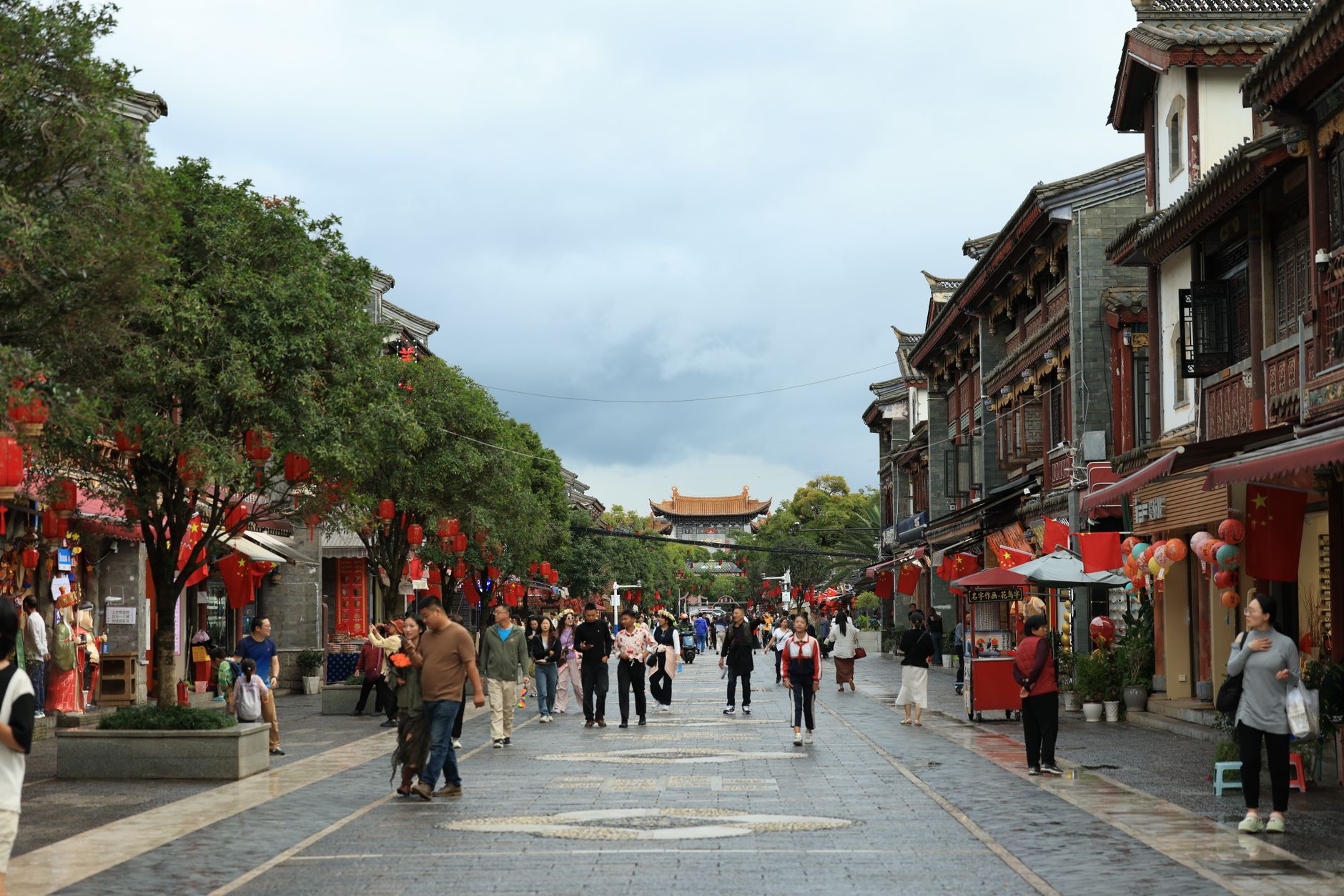
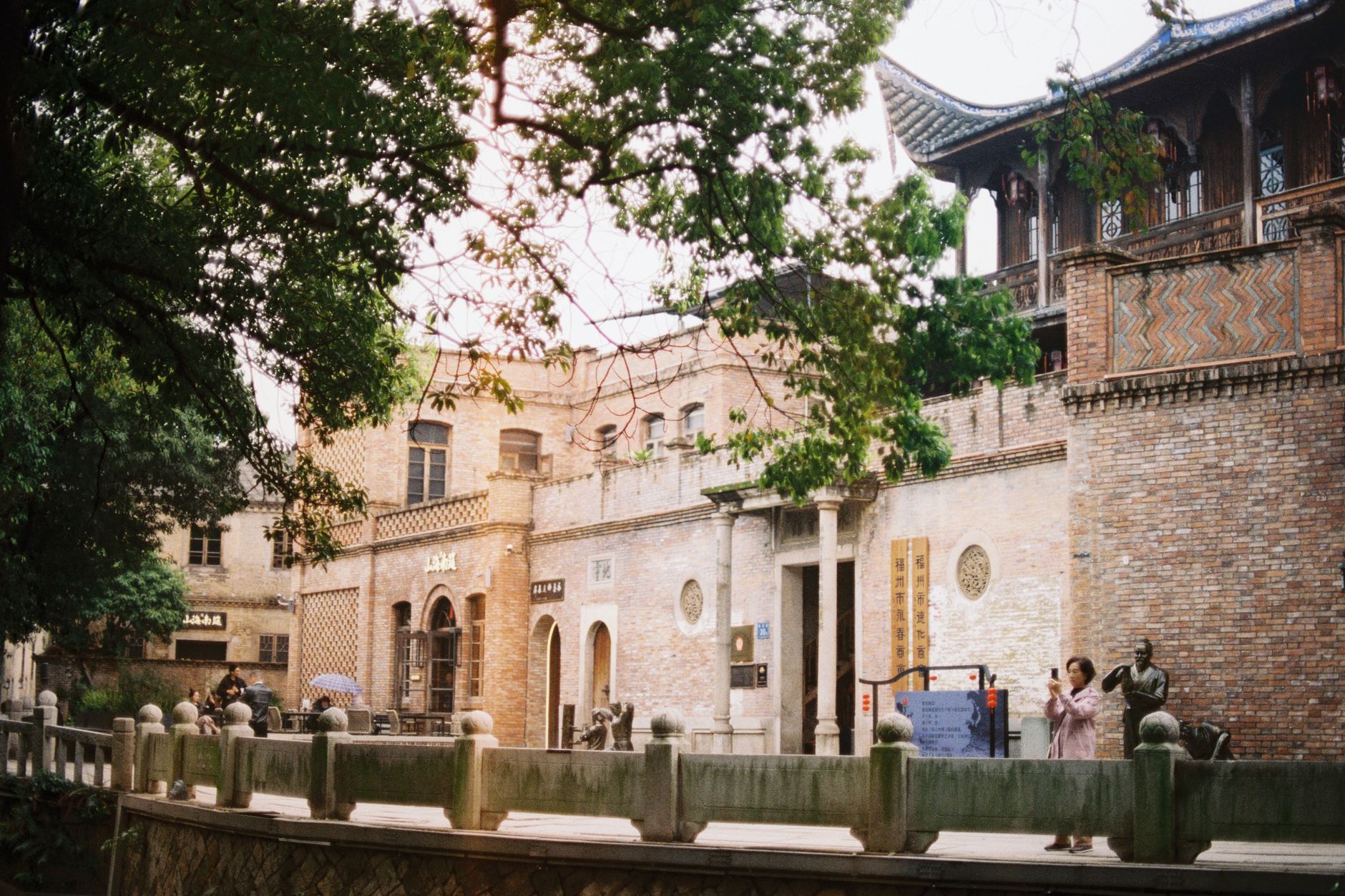
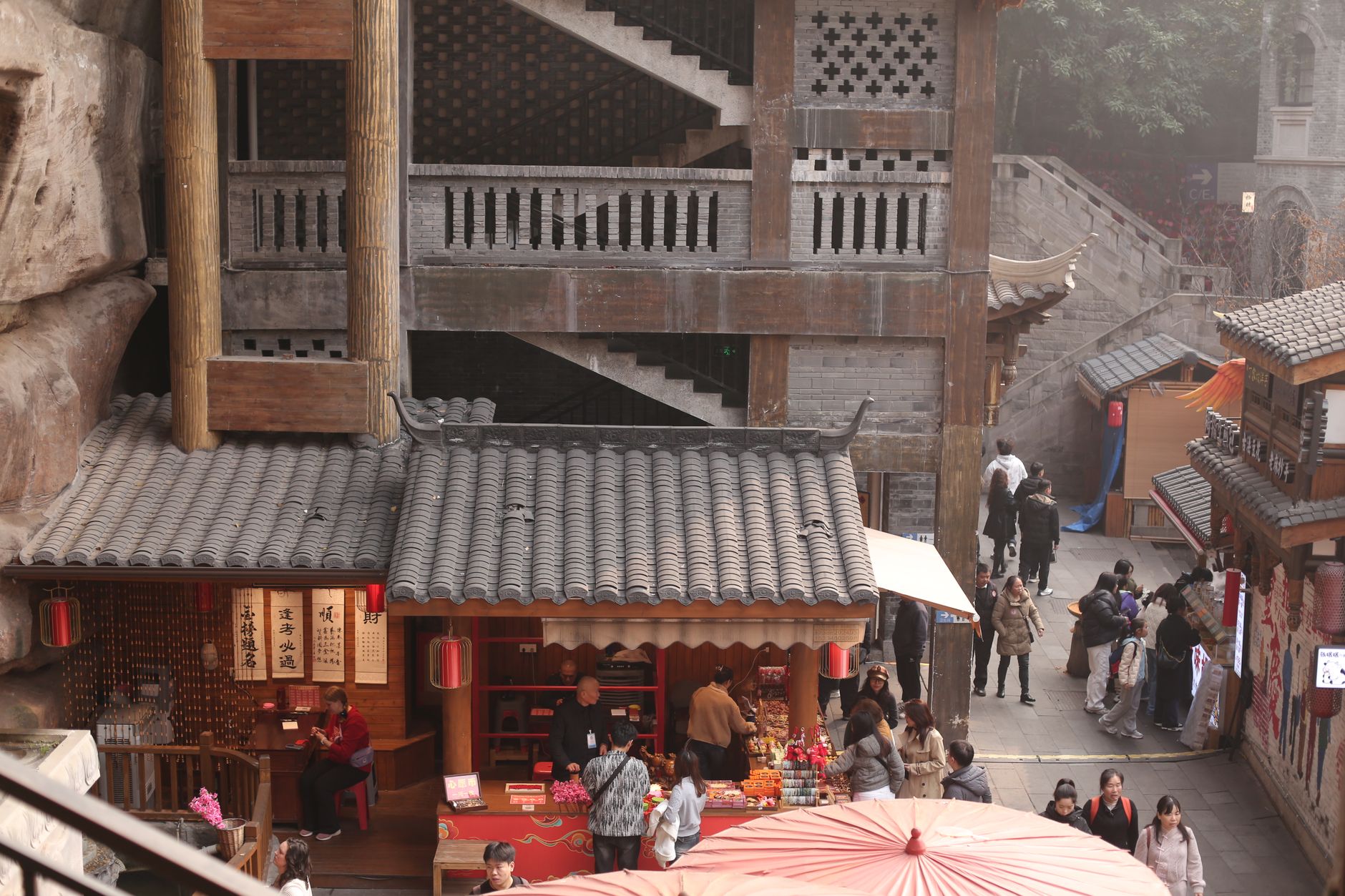
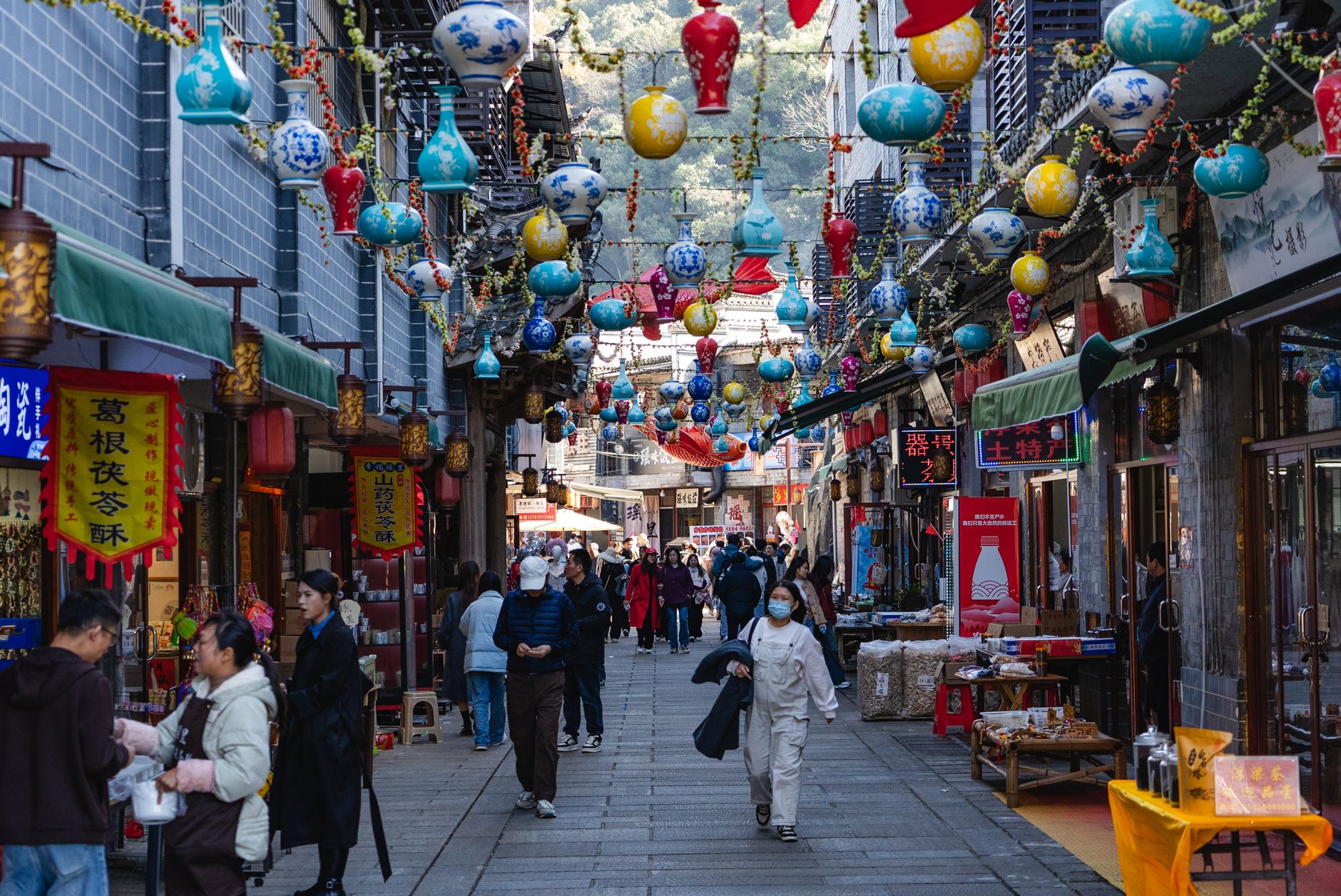
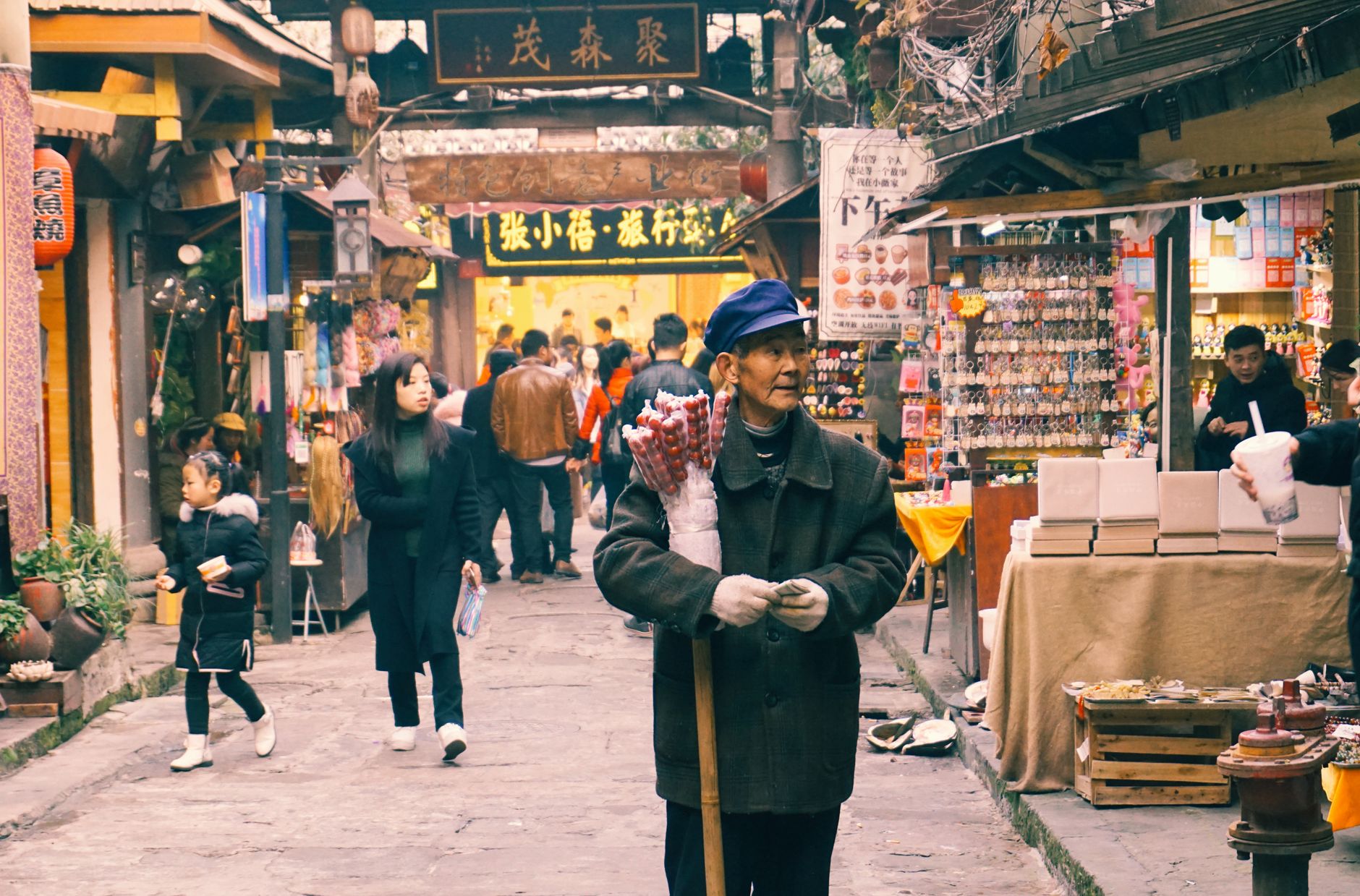
Forty-two kilometres south of People's Square, Fengxian sits at the edge of Shanghai where the city quietly runs out of city. The coastline here is real — or as real as a beach gets when the sand was shipped up from Hainan — and the old streets in Qingxi and Zhuanghang still carry the proportions of Ming and Qing towns rather than the proportions of renovation budgets.
What draws people down Metro Line 5 isn't one landmark but a particular ratio: more space, fewer crowds, and a goldfish-shaped lake designed by the planner behind Dubai's Palm Island. The district has its own tempo, and it's slower than the one you left behind.
💛 What travellers fall for
People who make the trip more than once tend to arrive on a weekday. Bihai Jinsha fills up fast on summer weekends with Shanghainese families, and Qingxi Old Street is easier to read when the teahouse chairs are half-empty. The Wanfo Pavilion opens at eight — early enough to have the courtyard to yourself before the heat builds.
Deals in Fengxian District
Book directly at the provider


How Fengxian District came to be
Settlement in the Fengxian area reaches back around three thousand years, but the district as an administrative unit dates to 1726, the fourth year of the Yongzheng reign, when Fengxian County was carved out of the southeastern part of Huating County. The name was chosen deliberately — a modification of an earlier place name, it translates roughly as 'offer to the worthy.'
For most of its existence Fengxian remained a rural county on Shanghai's southern edge. It was absorbed into Shanghai Municipality in November 1958, and in 2001 the county designation was formally replaced by district status. The revolutionary history is local too: in 1927, Li Zhuyi — born Li Xianzhang, a Fengxian native who had joined the Chinese Communist Party while studying at Shanghai Datong University — founded Shuguang Secondary School at the Pan Gong Temple in Fengcheng, using it as a base for political organising.
Who and what shaped it
People who shaped it
Landmark buildings
See Fengxian District in motion
Plan your visit
On the map
When to go
Spring and autumn offer the most manageable conditions — mild temperatures and enough clear days to make the coastline worth the trip. Summer runs genuinely hot, with July pushing above 35°C and heavy rain in July and August; if you're visiting then, plan accordingly and arrive early.
Right now
Background & history adapted from Wikipedia (CC BY-SA) · specs from Wikidata (CC0) · weather from Open-Meteo · map data © OpenStreetMap contributors · photos from Wikimedia Commons / Unsplash with per-image credit. No third-party reviews or social posts reproduced.