
Pudong
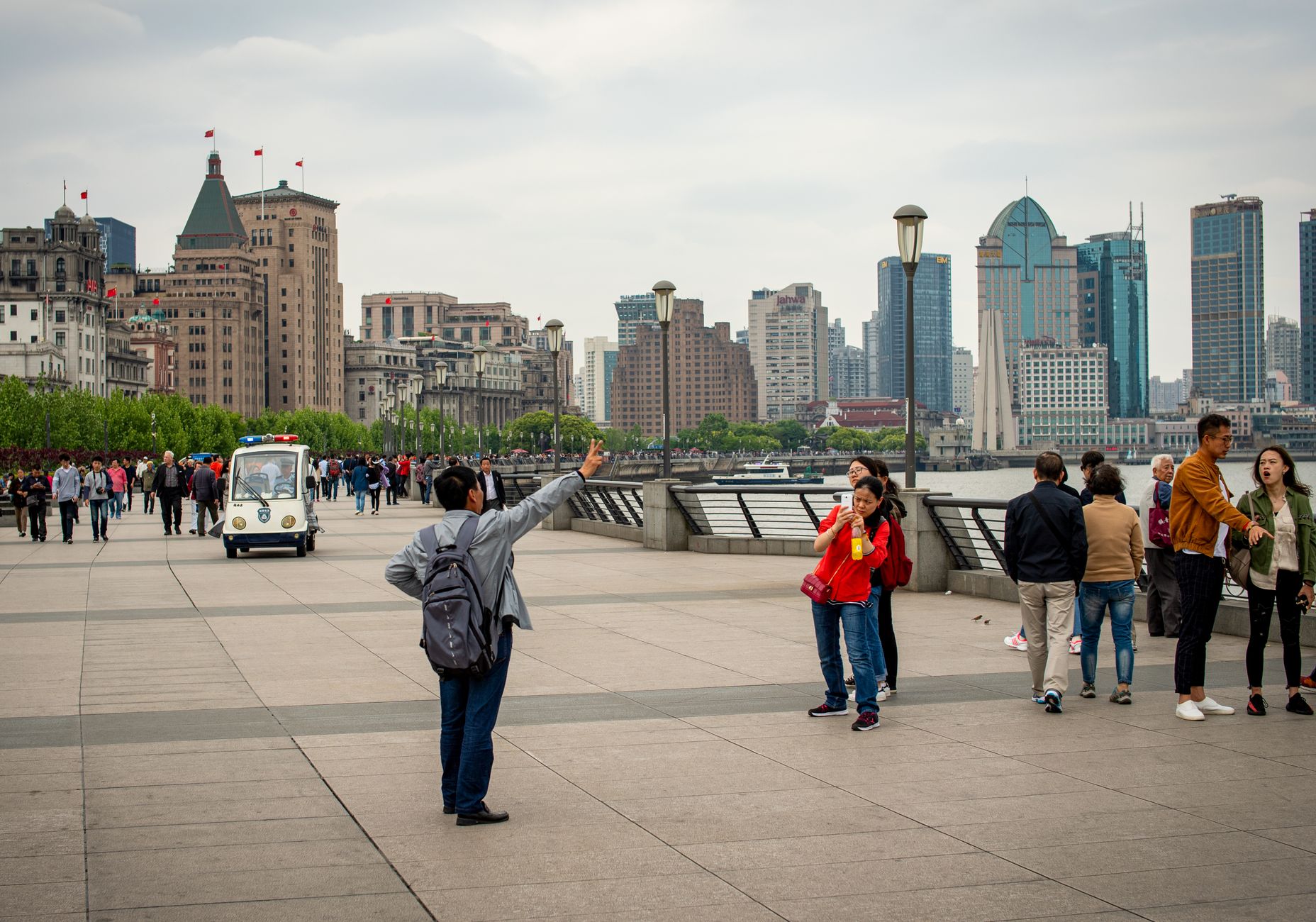
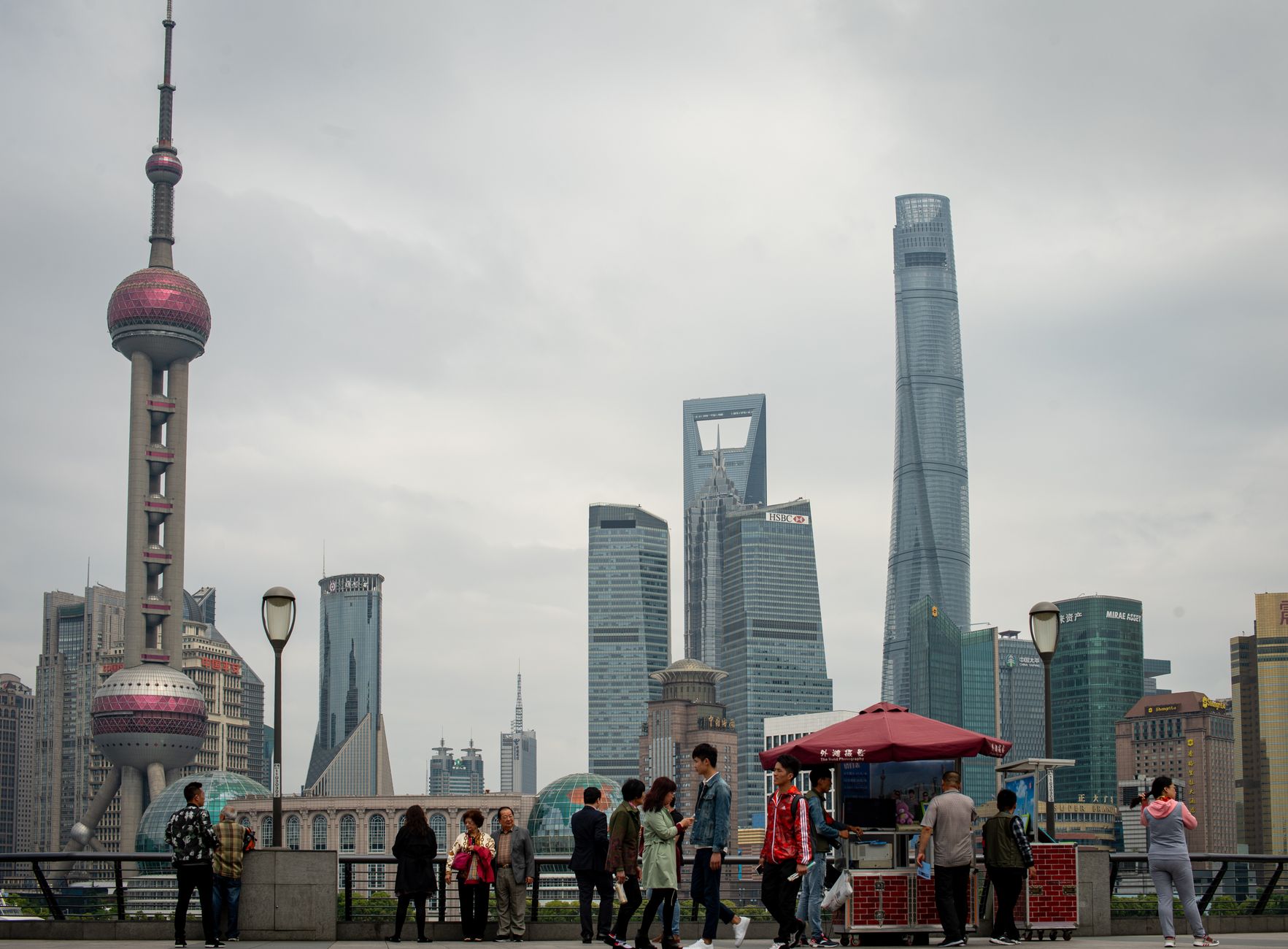
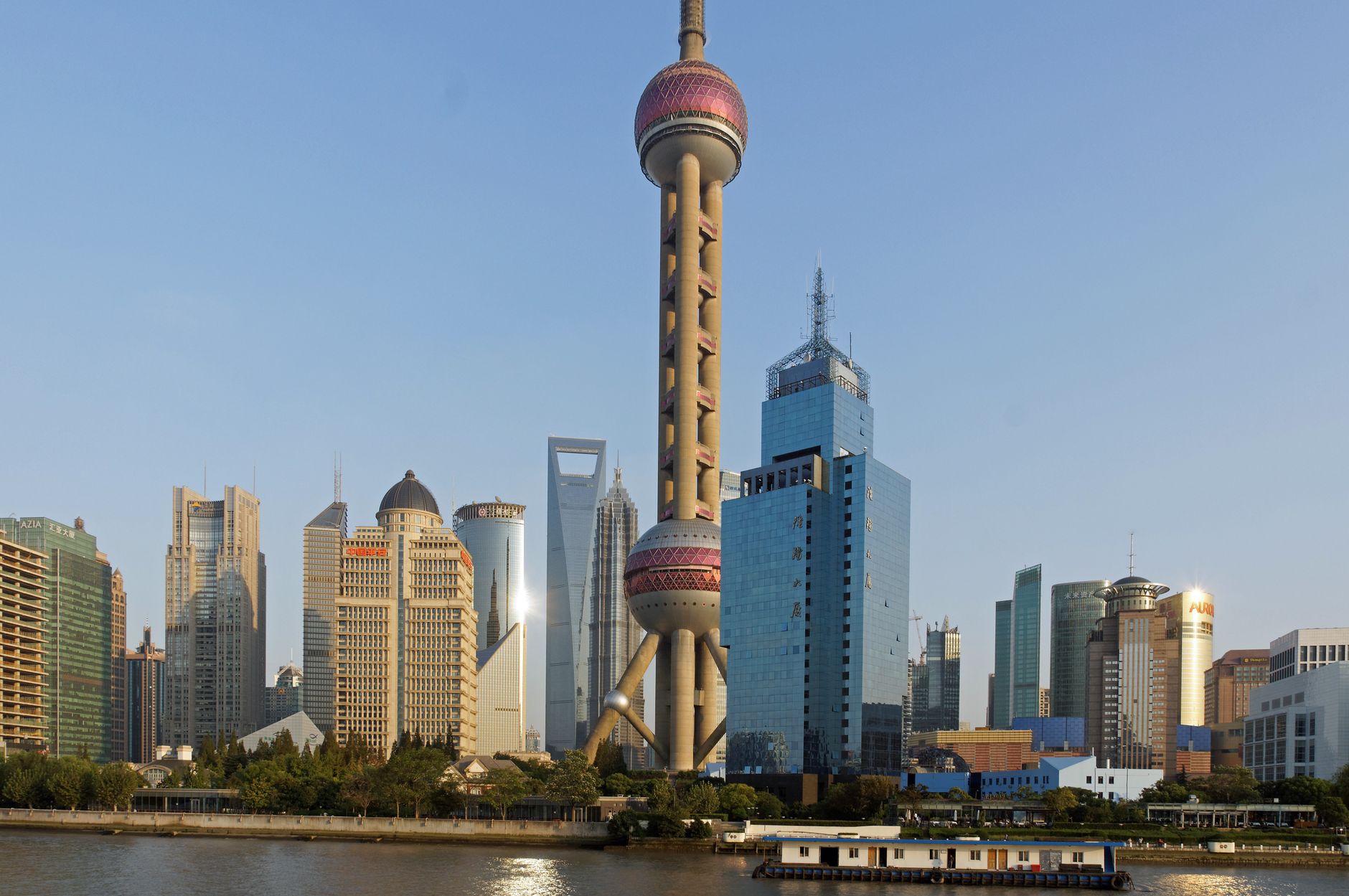
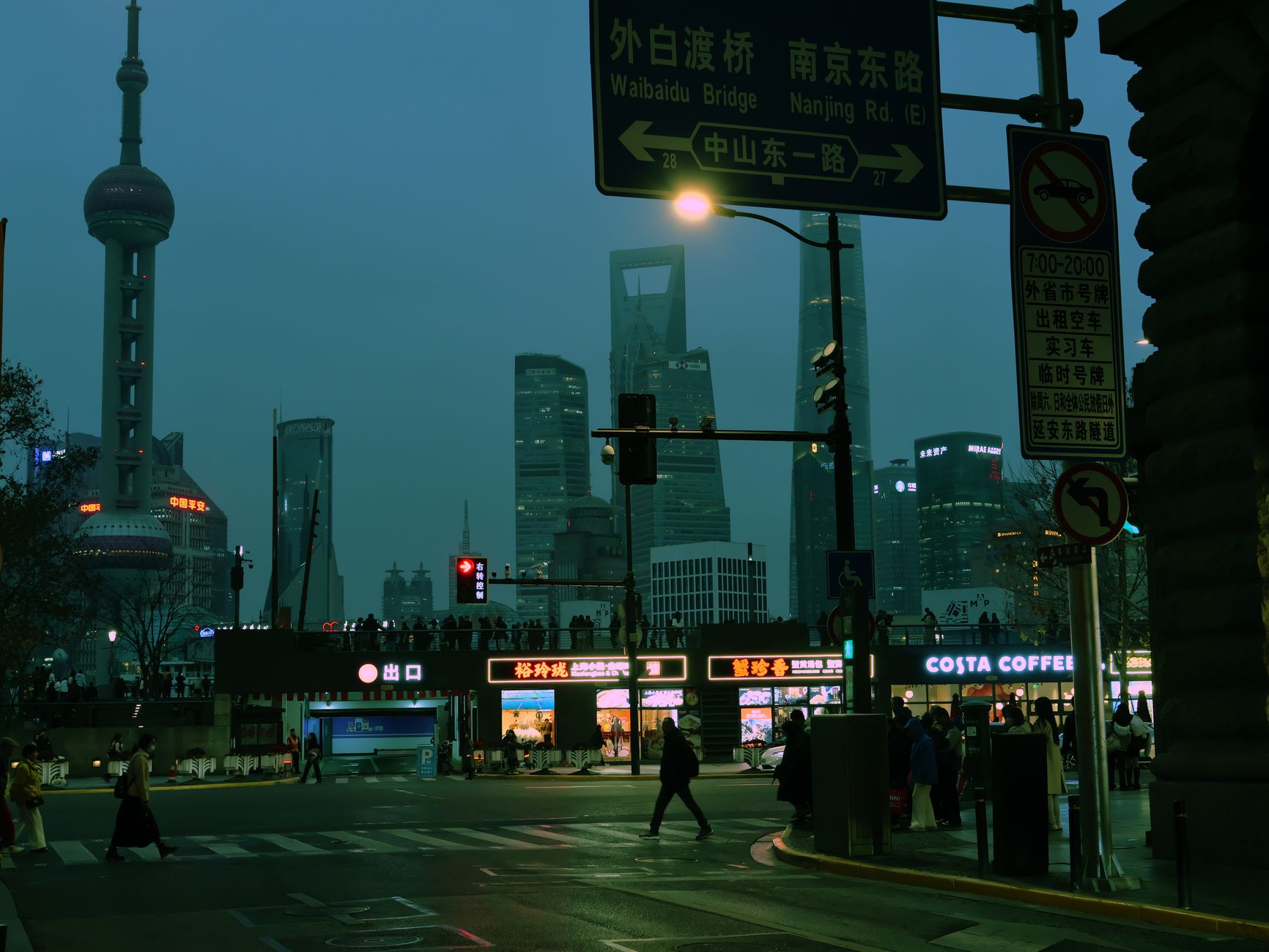
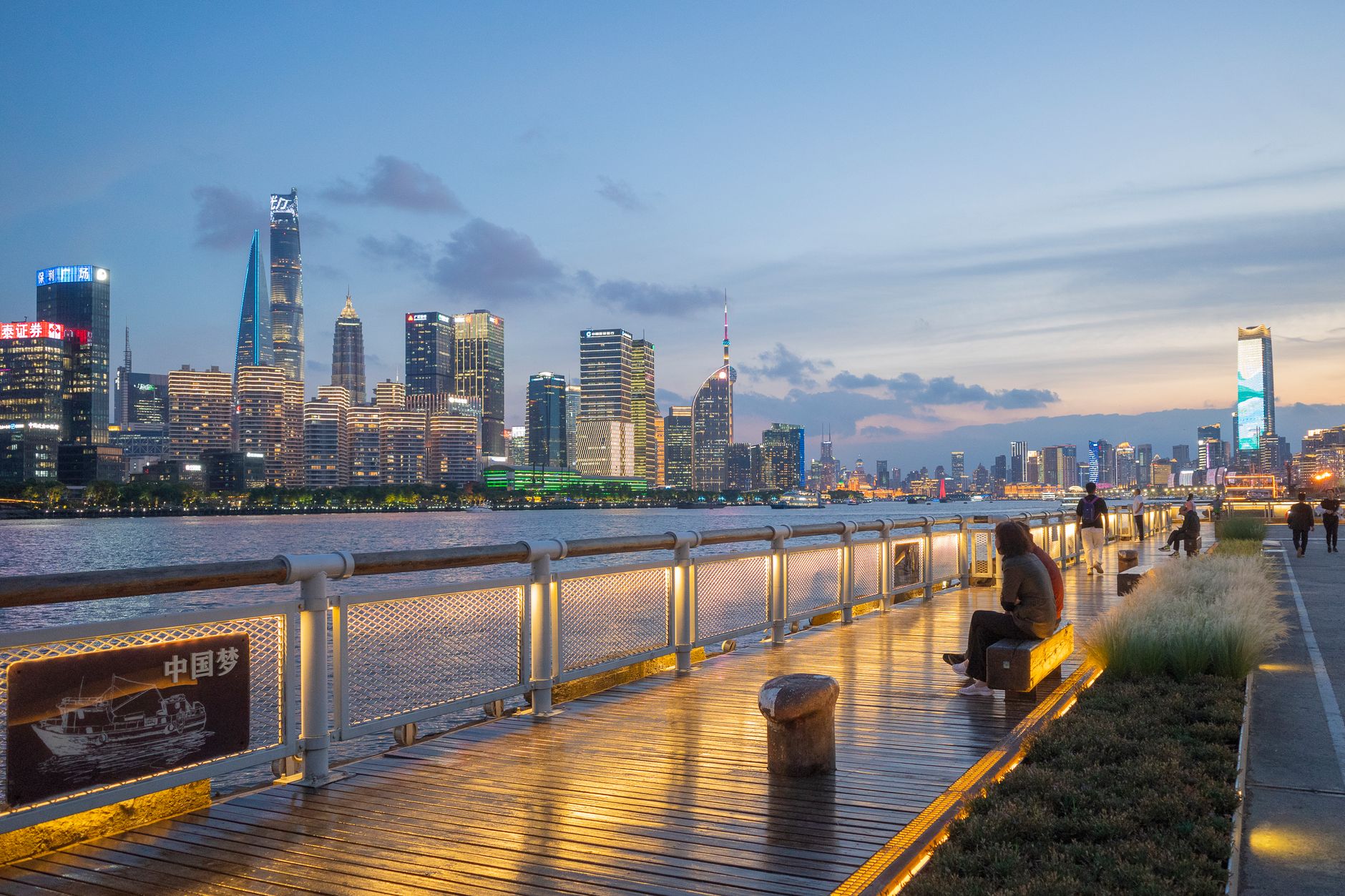
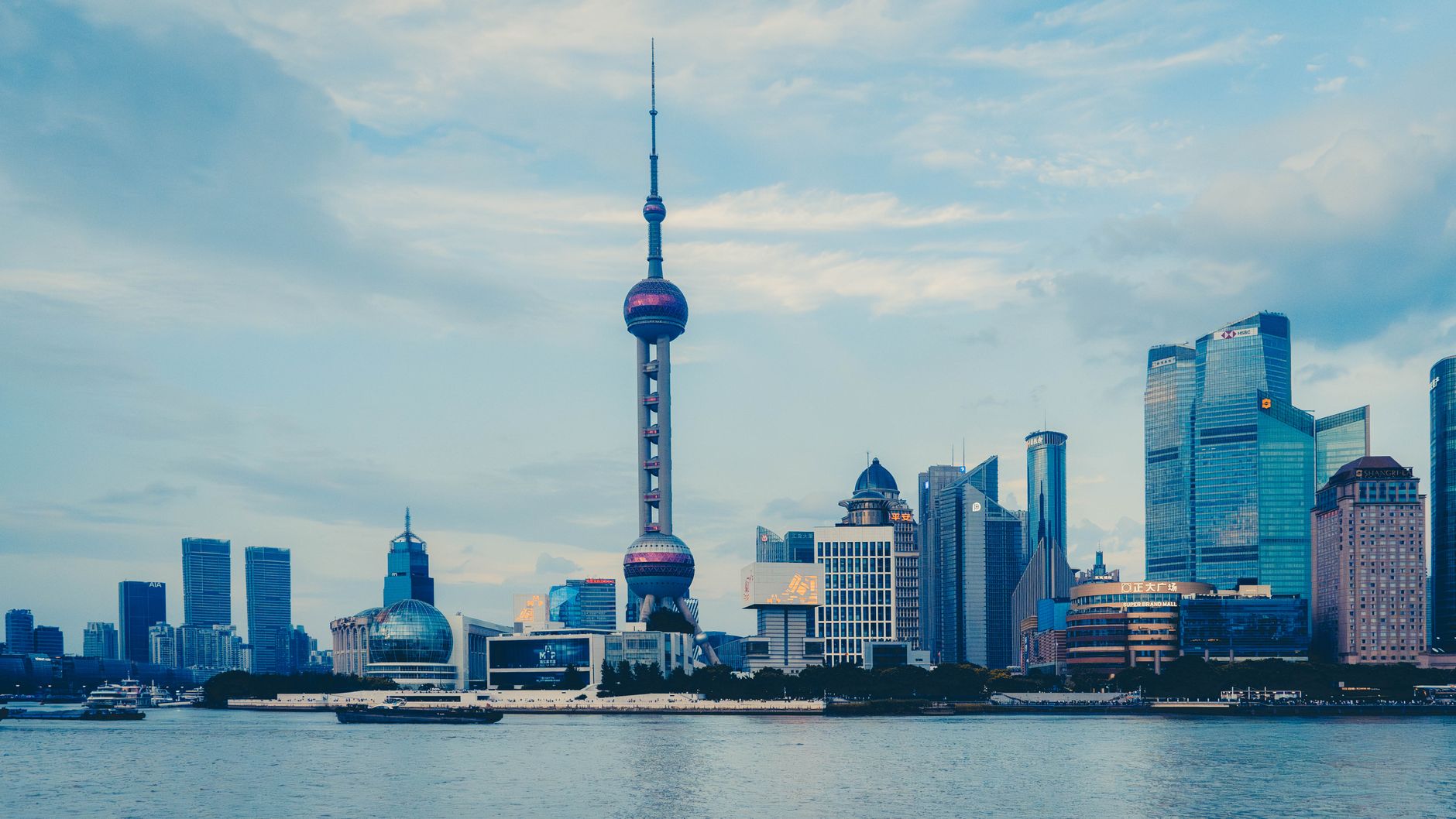
Stand on the Huangpu's east bank and look up: three of the world's tallest buildings occupy the same patch of sky, close enough that you can trace the Shanghai Tower's spiral glass skin from street level. Thirty-five years ago, this was farmland and riverside warehouses. The speed of the change is the point — Pudong is what happens when a country decides to prove something to itself.
The district runs far beyond the Lujiazui skyline most photographs show. Century Park spreads across 140 hectares of grassland and lake. The airport, which opened in 1999, now ranks fifth busiest on earth by passenger traffic. Pudong is less a neighbourhood than a city-within-a-city, still mid-sentence.
💛 What travellers fall for
People who come back tend to time the Maglev at least once — 50 yuan, eight minutes, 300 km/h, and the flat eastern suburbs blur into something cinematic. They also learn that Line 2 threads the whole district together, from the airport through Lujiazui to People's Square, which makes the skyline far more walkable than it first appears on a map.
Deals in Pudong
Book directly at the provider

How Pudong came to be
On April 18, 1990, Premier Li Peng announced the policy that effectively created Pudong as a development zone — a date the district still treats as its founding. The groundwork had been laid quietly by Deng Xiaoping, who pushed the idea three years earlier as a signal that China's Reform and Opening Up was real and irreversible. Zhu Rongji, then mayor of Shanghai, shaped the vision of Pudong as China's leading free economic zone.
The institutional moves followed fast. Three national development zones — Lujiazui, Waigaoqiao and Jinqiao — were established in 1990. The Shanghai Stock Exchange relocated here in 1997. The Shanghai Free Trade Zone was approved in 2013. Each decision added another layer to what had been, within living memory, fields and wharfs.
Who and what shaped it
People who shaped it
Landmark buildings
See Pudong in motion
Plan your visit
On the map
When to go
Spring and autumn are the most comfortable seasons — March to May brings mild warmth, October and November cool clarity. Summer runs long and humid from June through September; the skyline views are hazier and the heat on the open plazas around the towers is real.
Right now
Background & history adapted from Wikipedia (CC BY-SA) · specs from Wikidata (CC0) · weather from Open-Meteo · map data © OpenStreetMap contributors · photos from Wikimedia Commons / Unsplash with per-image credit. No third-party reviews or social posts reproduced.