
Yu Garden
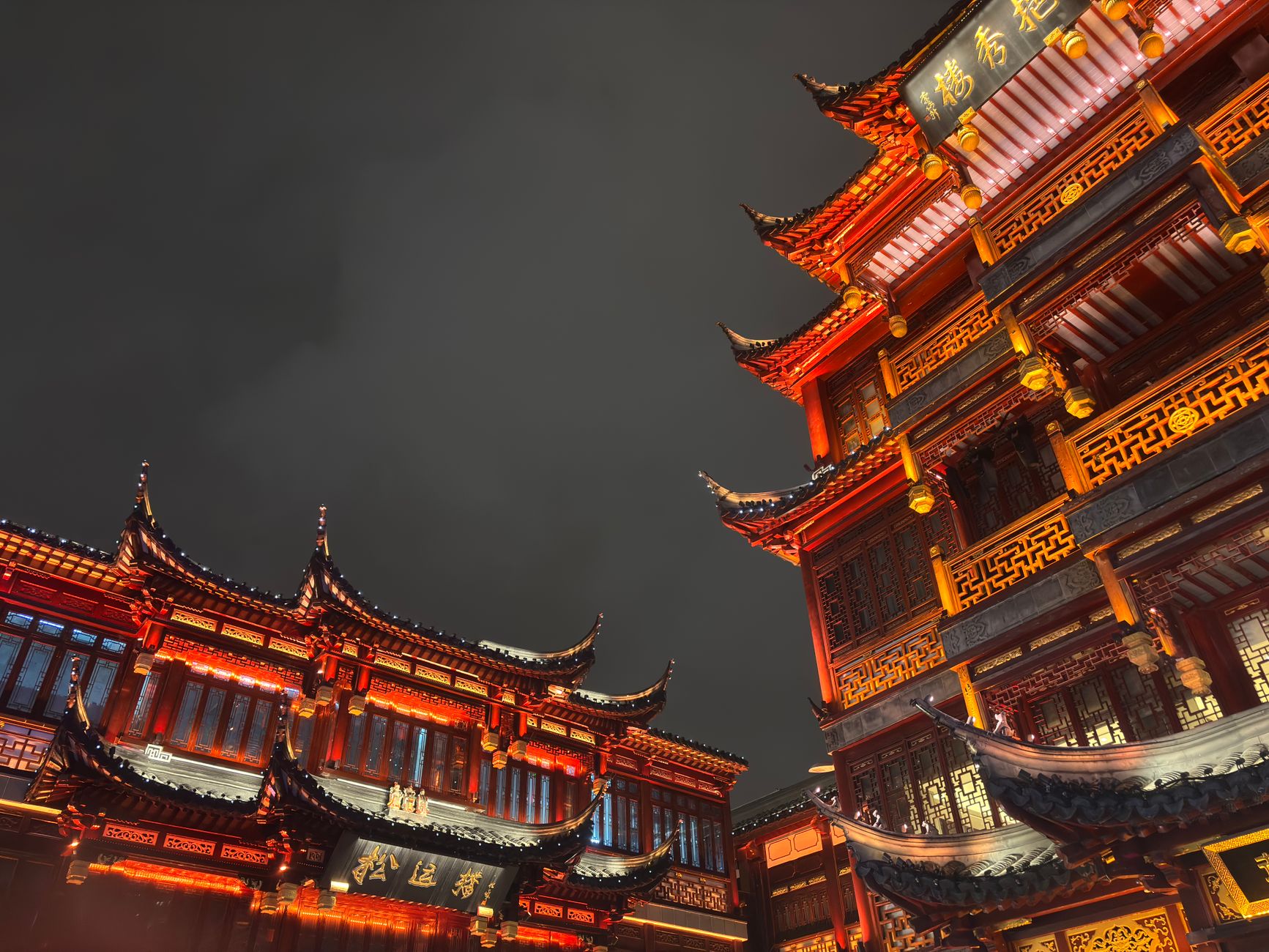
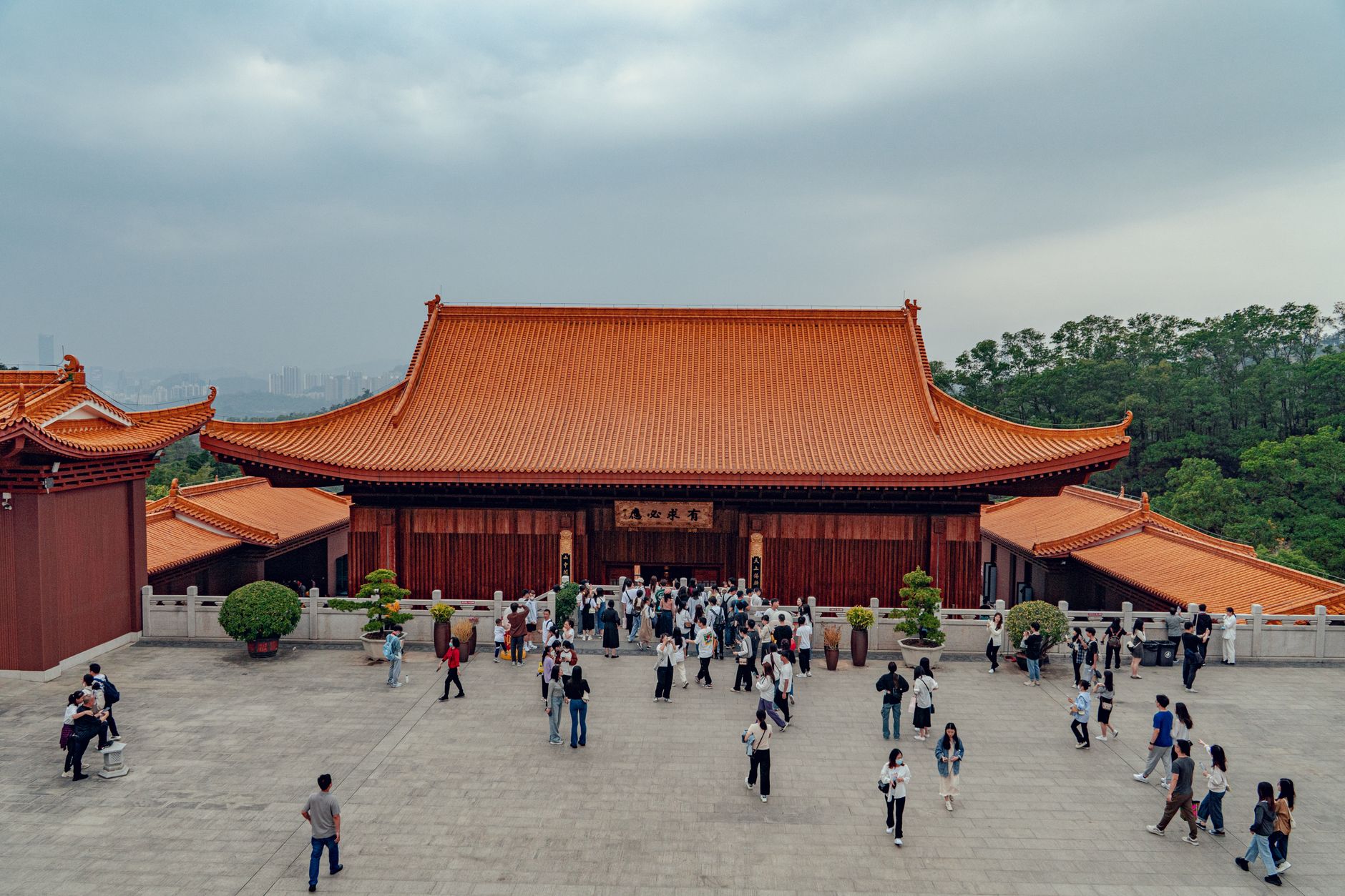
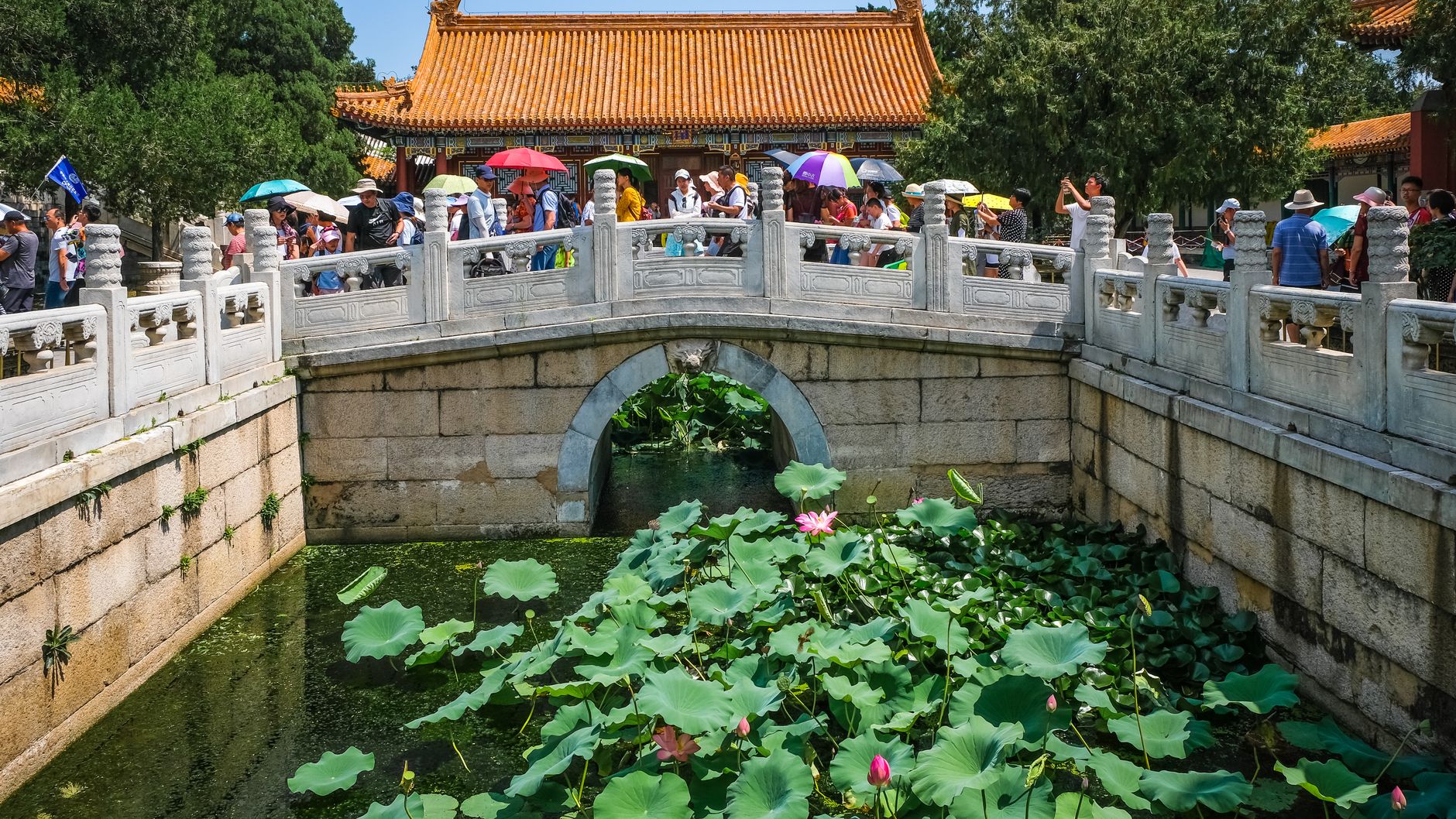
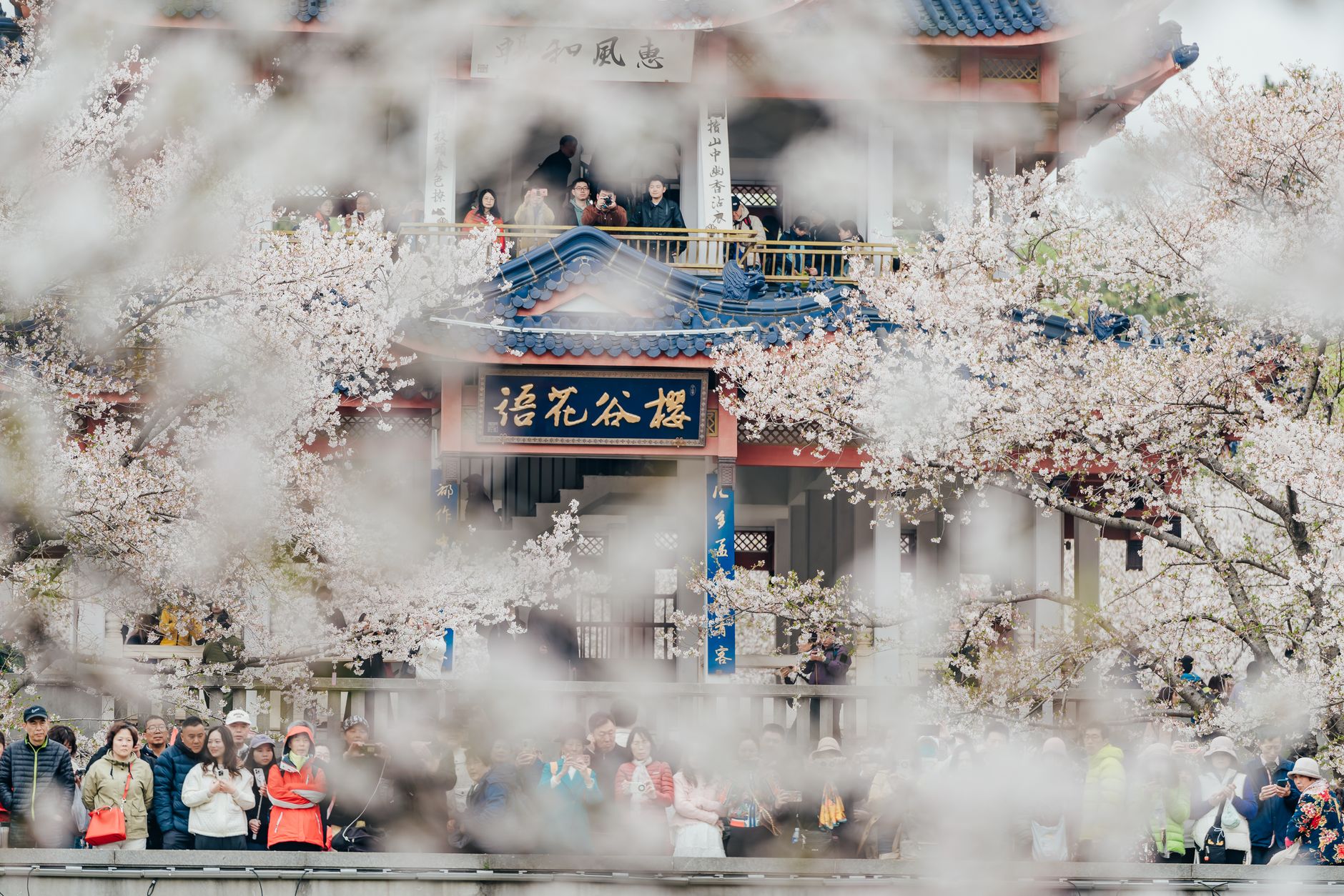
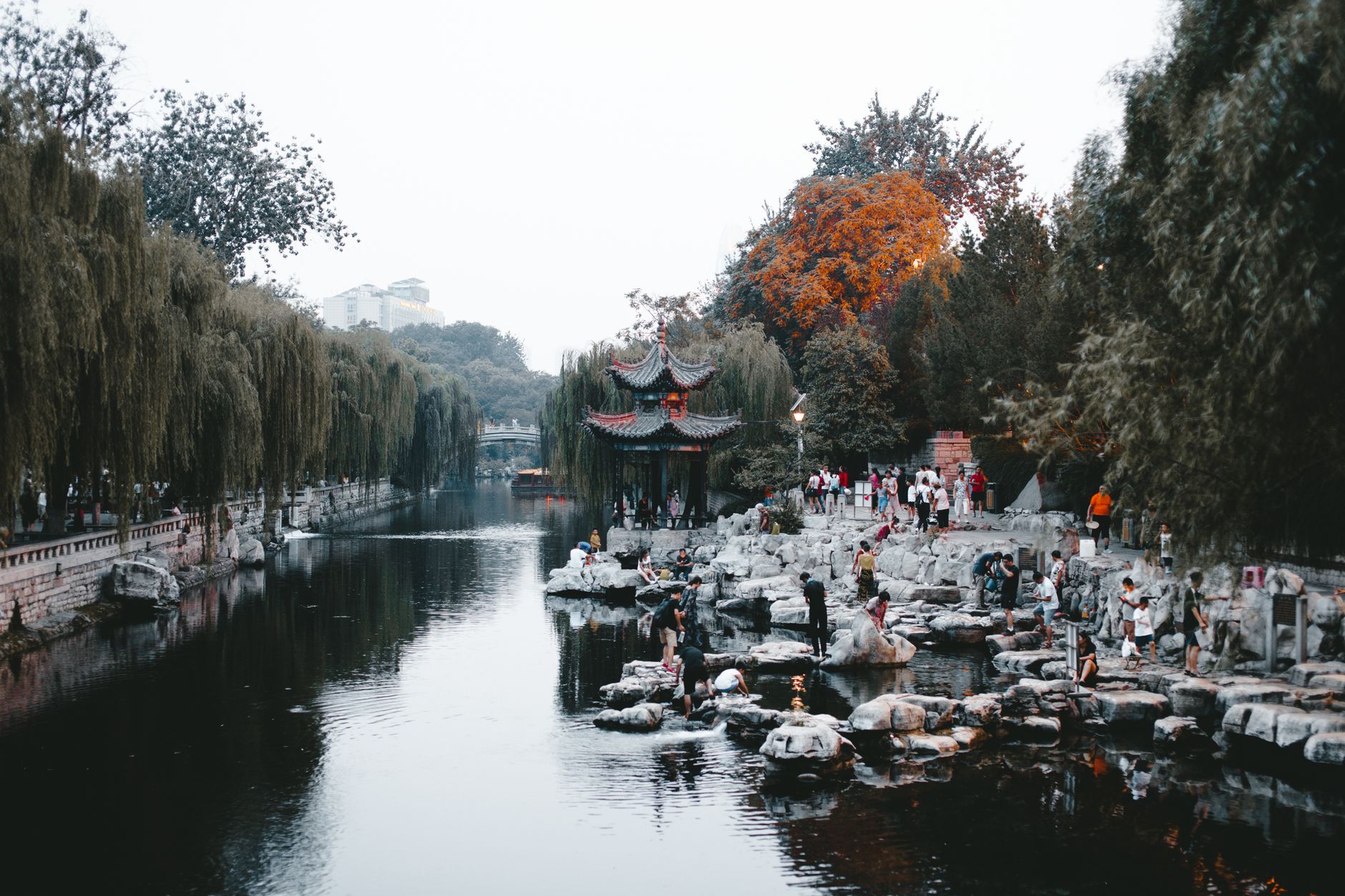
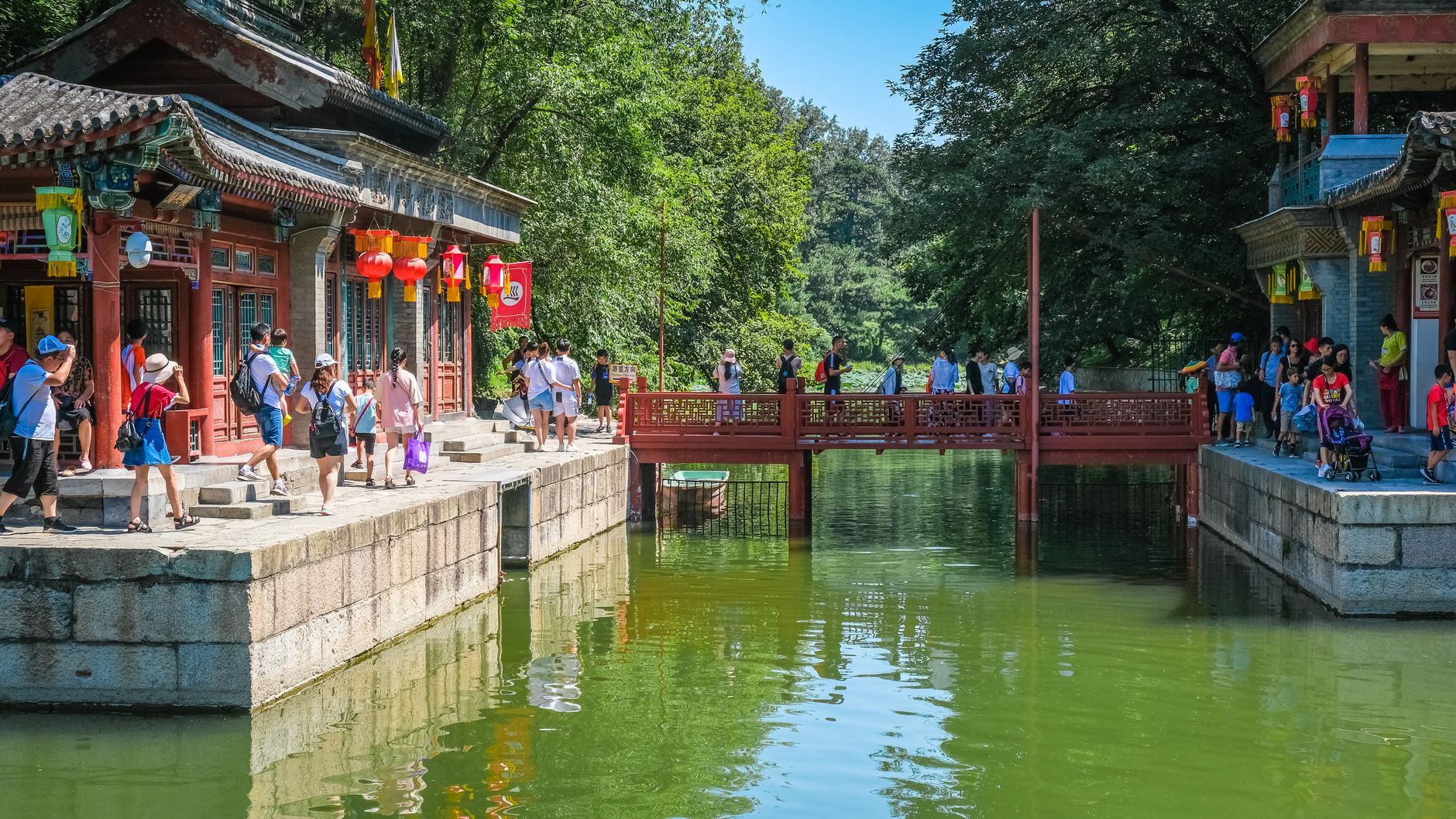
A 12-metre stack of yellow stone rises near the entrance of Yu Garden, assembled from 2,000 tons of rock hauled out of Zhejiang Province sometime in the sixteenth century. That Grand Rockery — rough, deliberate, improbable — sets the tone for the two hectares of pavilions, ponds and corridors that follow. This is a Ming Dynasty private garden that has survived an Opium War, a rebellion, Japanese bombardment and decades of neglect, and it carries that history in its walls.
Outside the paid gates, the Nine-Turn Bridge zigzags over water toward the Huxinting Teahouse, built in 1855 and briefly commandeered by British forces in 1842. A 21-metre ginkgo tree stands outside Wanhua Chamber, reportedly planted by the garden's original owner four centuries ago. Plan around two hours inside.
💛 What travellers fall for
People who return tend to arrive just after 9 AM on a weekday, when the six main areas — Sansui Hall through to the Inner Garden — are quietest. The Exquisite Jade Rock, a 5-ton porous boulder in Yuhua Hall, rewards a slow look: water poured at the top emerges from dozens of holes simultaneously. The Yuyuan Bazaar and Nanxiang Xiaolongbao are right outside and worth the detour.
Deals in Yu Garden
Book directly at the provider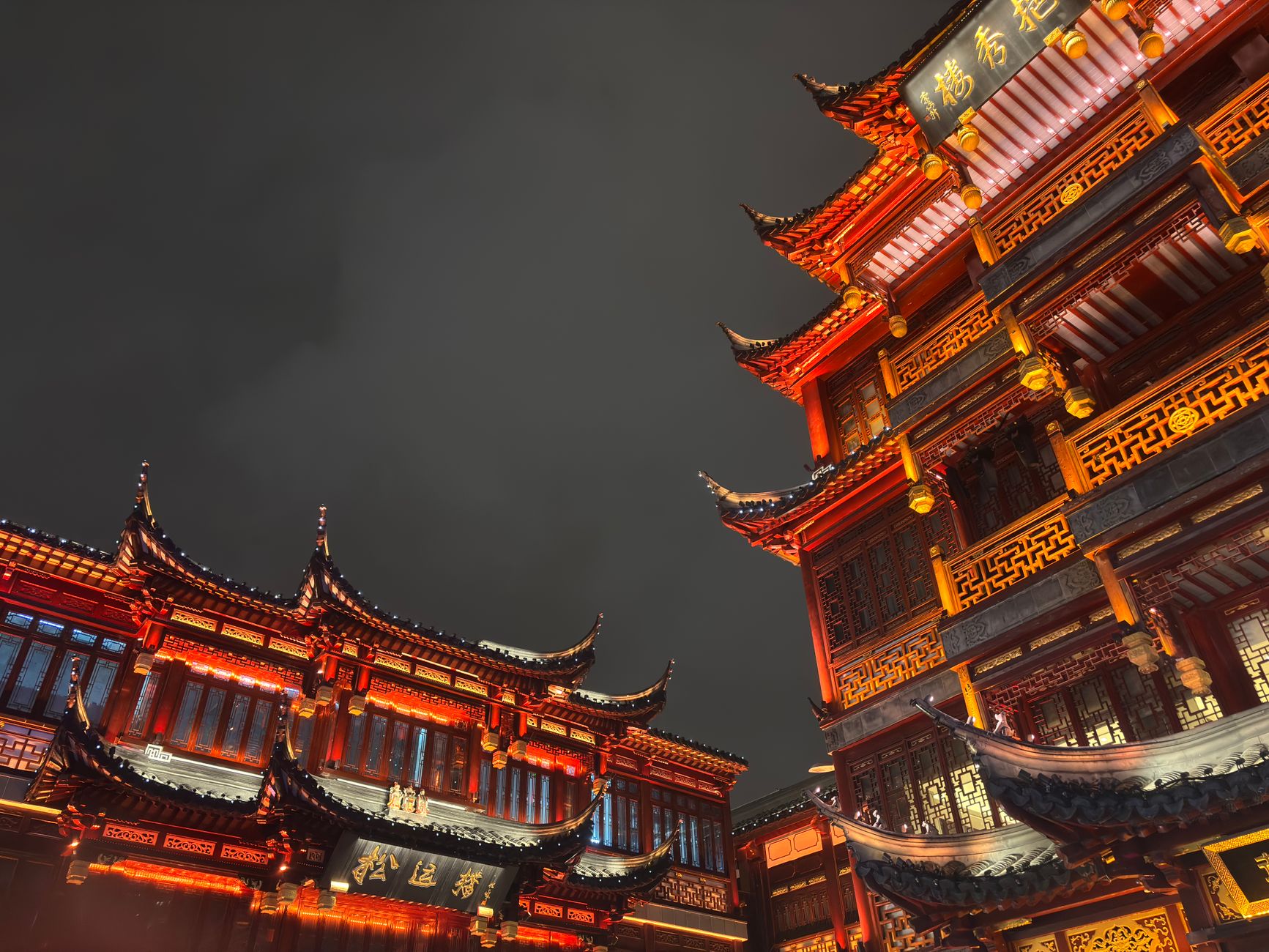
How Yu Garden came to be
Pan Yunduan broke ground in 1559 with the intention of giving his father, the minister Pan En, a place to spend his old age. Construction stalled when Pan Yunduan was appointed governor of Sichuan, and the garden wasn't finished until 1590 — nearly twenty years later than planned. The design and construction were overseen by Zhang Nanyang, a celebrated Ming Dynasty garden architect.
The centuries that followed were hard ones. In 1842, British troops used the Huxinting Teahouse as a temporary base during the First Opium War. In 1853, the Small Sword Society staged an uprising against Qing rule, seized the walled city of Shanghai, and ran its headquarters from Dianchun Hall for roughly a year — leaving most of the original structures destroyed when Qing forces retook it. Japanese forces damaged the garden again in 1942. The Shanghai government appointed restorer Liangshun Han to repair it between 1956 and 1961, after which it opened to the public. It was declared a national monument in 1982.
Who and what shaped it
People who shaped it
Landmark buildings
See Yu Garden in motion
Plan your visit
On the map
When to go
Spring (April to June) and autumn (September to November) bring the most comfortable temperatures and the lowest chance of Shanghai's heavy summer humidity. The garden's flowers are at their best in spring; autumn light does the rockeries particular justice.
Right now
Background & history adapted from Wikipedia (CC BY-SA) · specs from Wikidata (CC0) · weather from Open-Meteo · map data © OpenStreetMap contributors · photos from Wikimedia Commons / Unsplash with per-image credit. No third-party reviews or social posts reproduced.