
Jing'an District
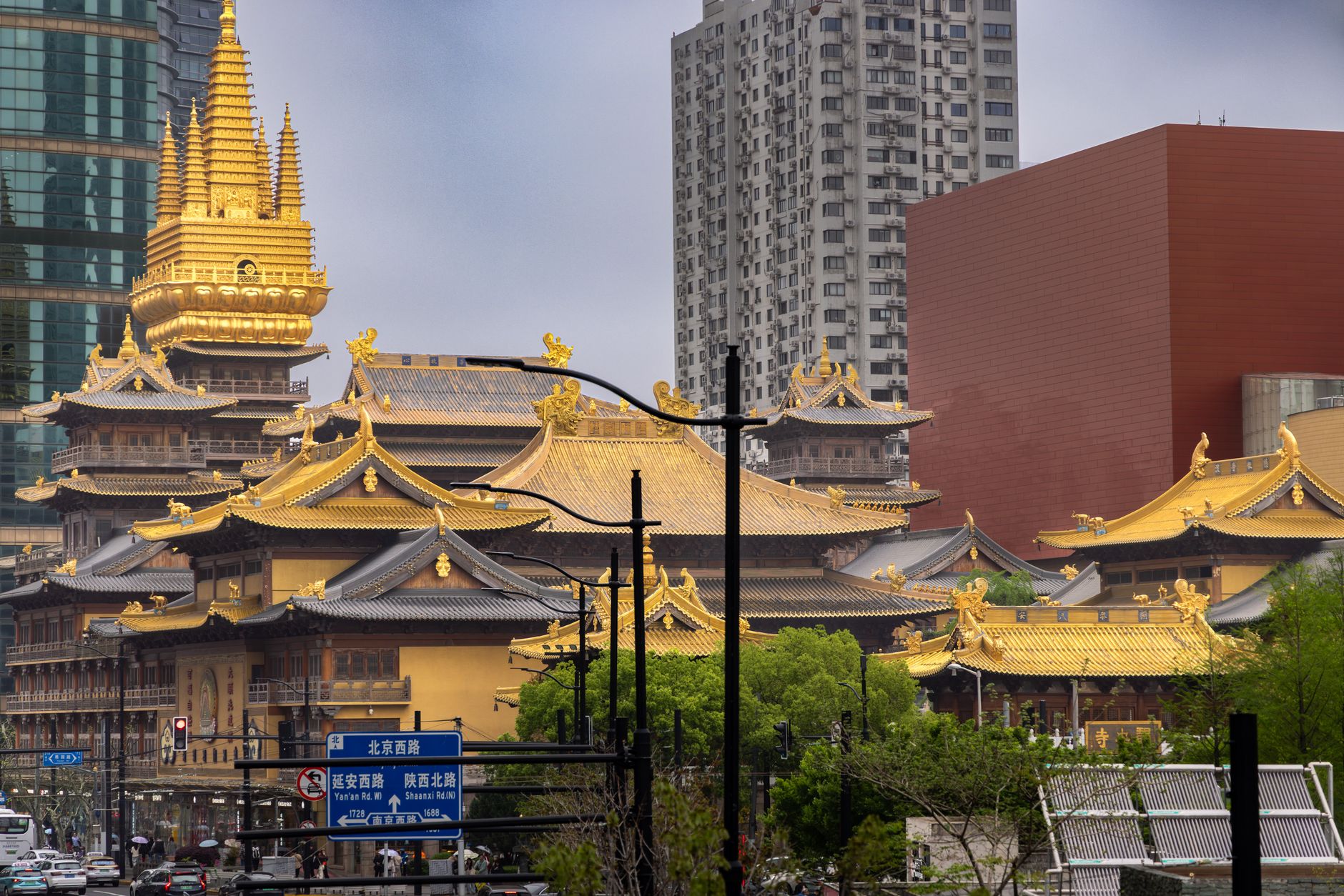
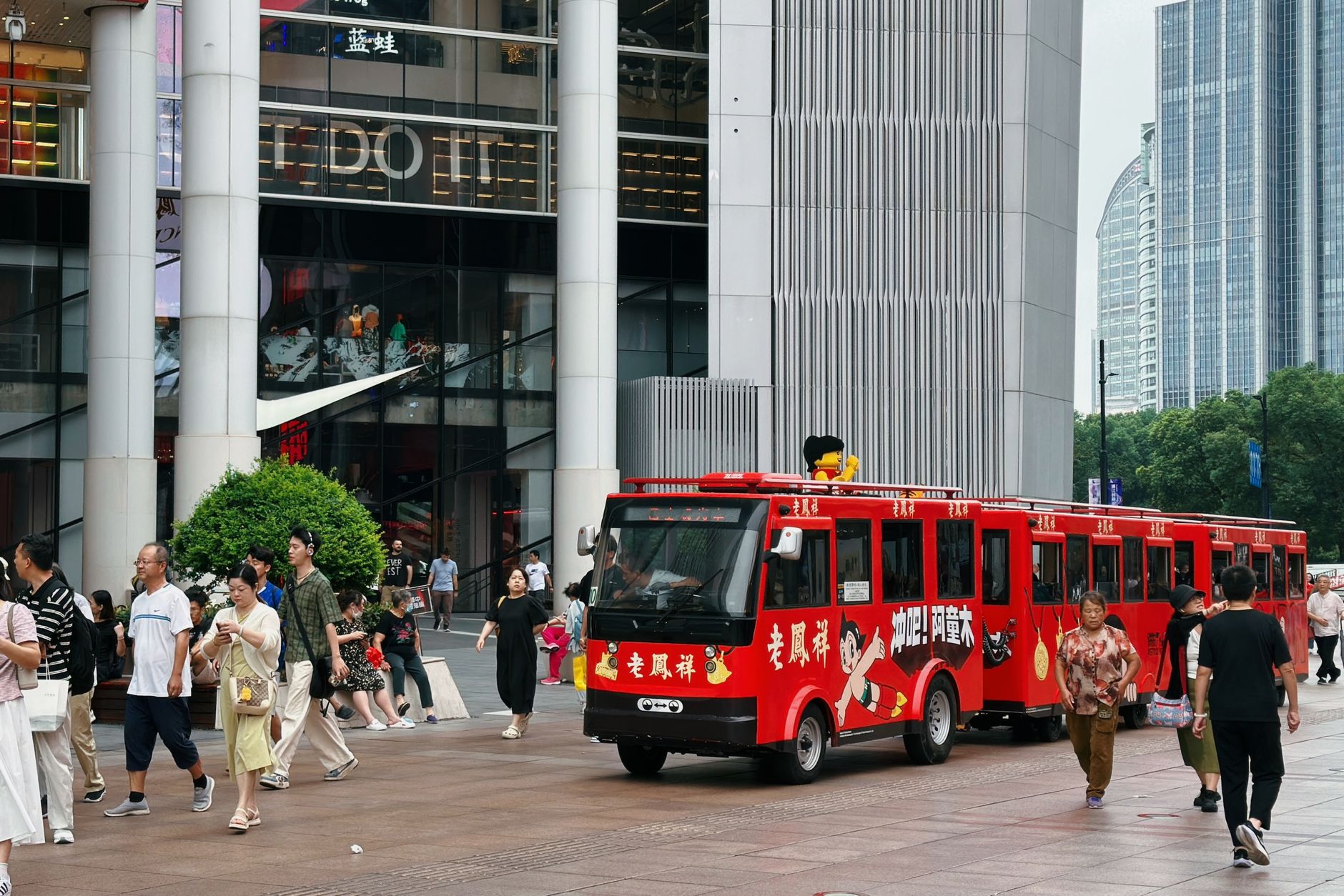
The district takes its name from a temple that has stood, in one form or another, since 247 AD — and that temple still anchors everything here. You'll find it on West Nanjing Road, its gilded rooftops rising between the glass towers of Plaza 66 and the Jing An Kerry Centre, a juxtaposition so Shanghai it almost feels staged. Inside, a jade Sakyamuni statue nearly four metres tall and weighing eleven tonnes sits in the Mahavira Hall, carved from Burmese stone.
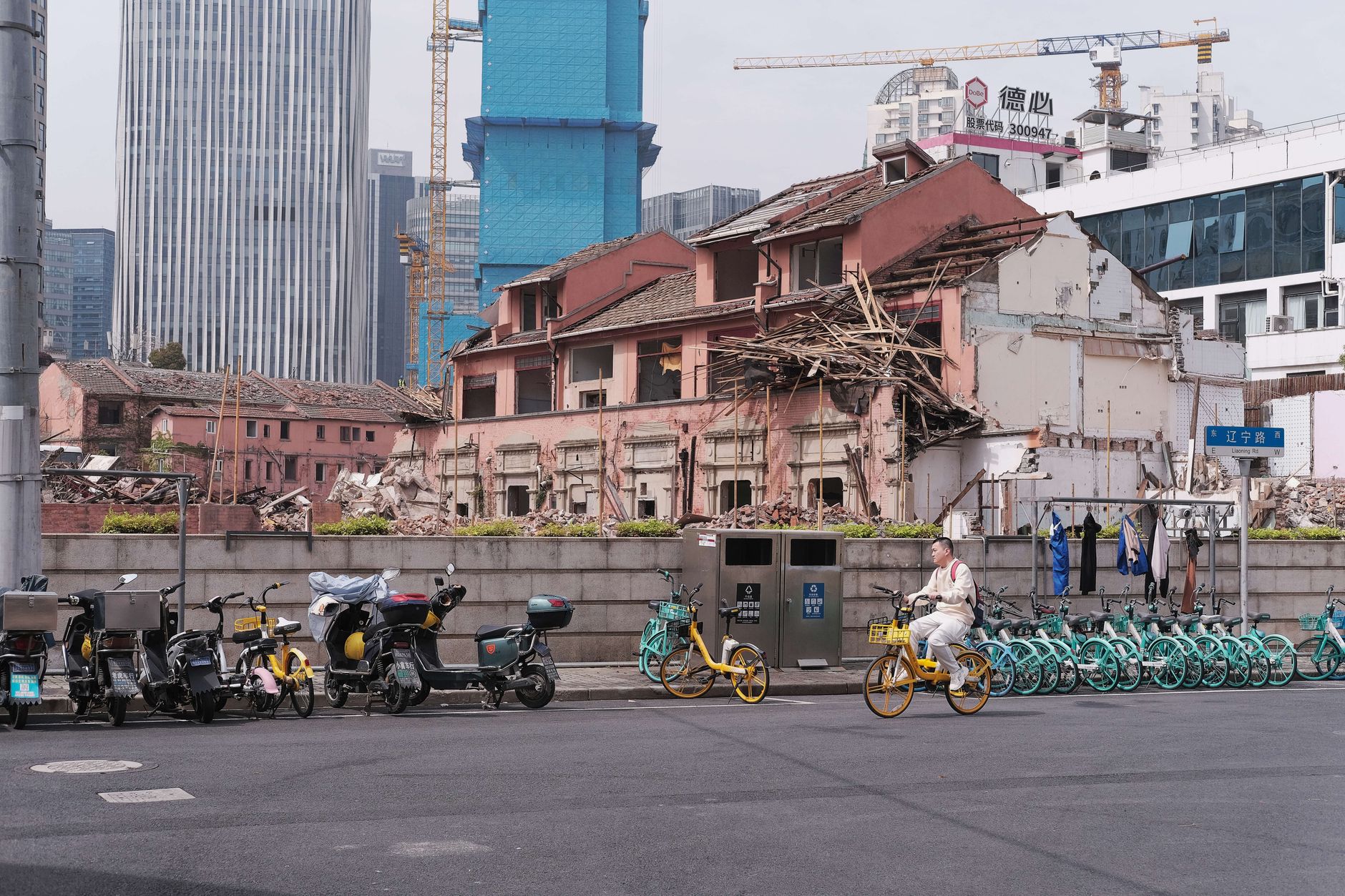
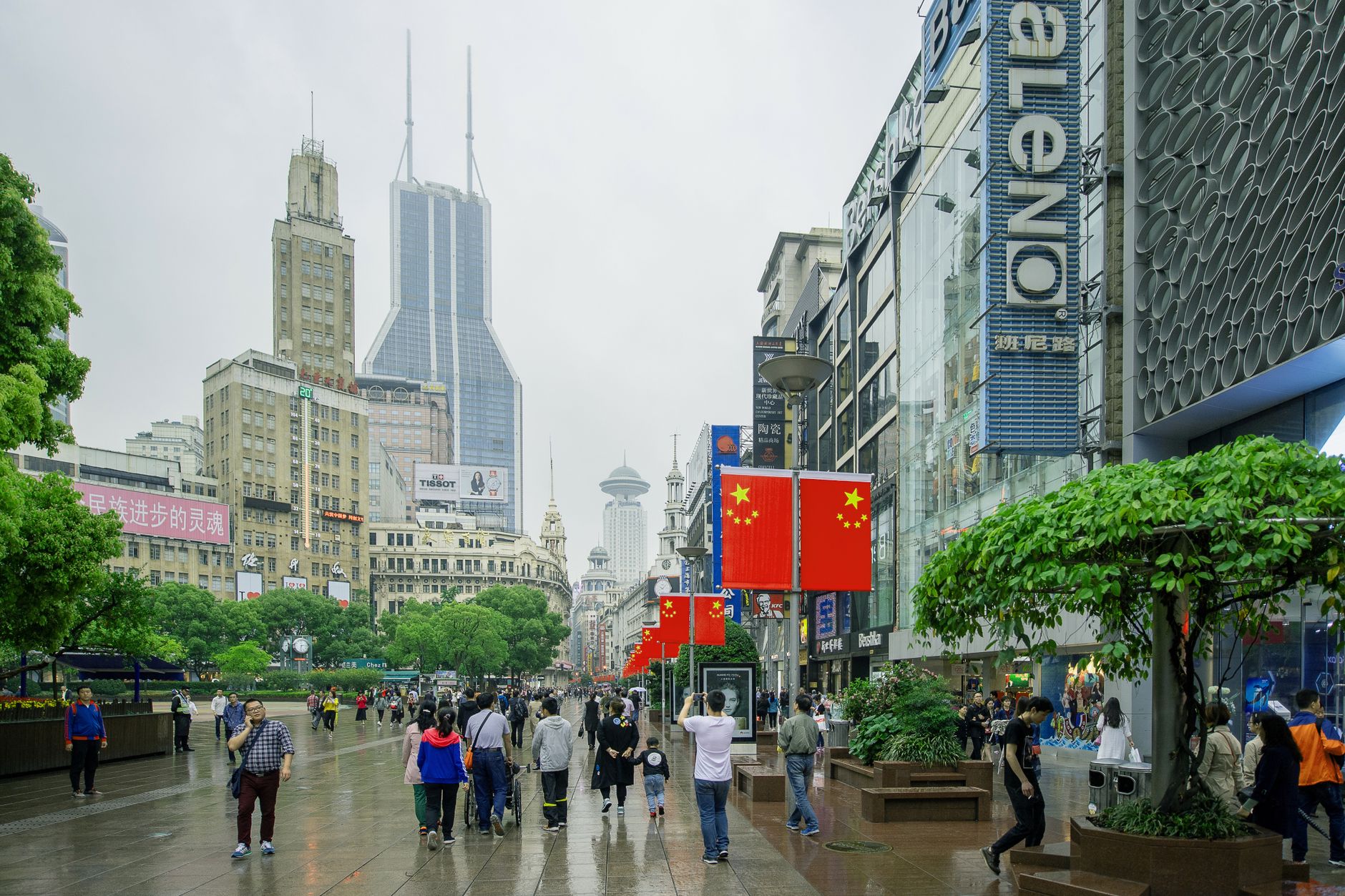
Beyond the temple, Jing'an is where the city's commercial spine meets quieter lanes of the former Zhabei quarter — a district that merged with Jing'an in 2015 and brought a different, grittier rhythm with it. The Natural History Museum sits in a sculpture park; a 25-metre EVA Unit-01 mecha holds a Guinness record nearby. The district holds contradictions comfortably.
💛 What travellers fall for
People who keep coming back tend to arrive at Jing'an Temple early, before the incense smoke thickens. They also recommend the Shanghai Natural History Museum on a weekday — the 11,000-specimen collection deserves more than a crowd. And the Writers' Association building on Julu Road, László Hudec's old 'Garden of Psyche', is worth a slow walk past.
Deals in Jing'an District
Book directly at the provider

How Jing'an District came to be
The temple that named this district was founded in 247 AD by the monk Kang Senghui, during the Three Kingdoms period, on the banks of the Wusong River. It was renamed Jing'an — 'tranquil peace' — in 1008 during the Song Dynasty, and relocated to its present site on West Nanjing Road in 1216. The architecture you see today dates mainly from the Guangxu reign (1875–1908), with the Mahavira Hall reconstructed in 1991 and a full refurbishment completed in 2012.
As an administrative unit, Jing'an has shifted repeatedly. It was reinstated as a district in 1960, and in November 2015 it absorbed the neighbouring Zhabei District — a working-class area with its own industrial and revolutionary history — bringing the district to its current 37 square kilometres and nearly a million residents.
Who and what shaped it
People who shaped it
Landmark buildings
See Jing'an District in motion
Plan your visit
On the map
When to go
Shanghai summers in Jing'an are hot and humid, often topping 35°C from July through August — the temple courtyards offer little shade. Spring (March to May) and autumn (October to November) bring mild temperatures and the best conditions for walking the district's streets; winters are damp and grey but rarely severe.
Right now
Background & history adapted from Wikipedia (CC BY-SA) · specs from Wikidata (CC0) · weather from Open-Meteo · map data © OpenStreetMap contributors · photos from Wikimedia Commons / Unsplash with per-image credit. No third-party reviews or social posts reproduced.