
Qibao Ancient Town

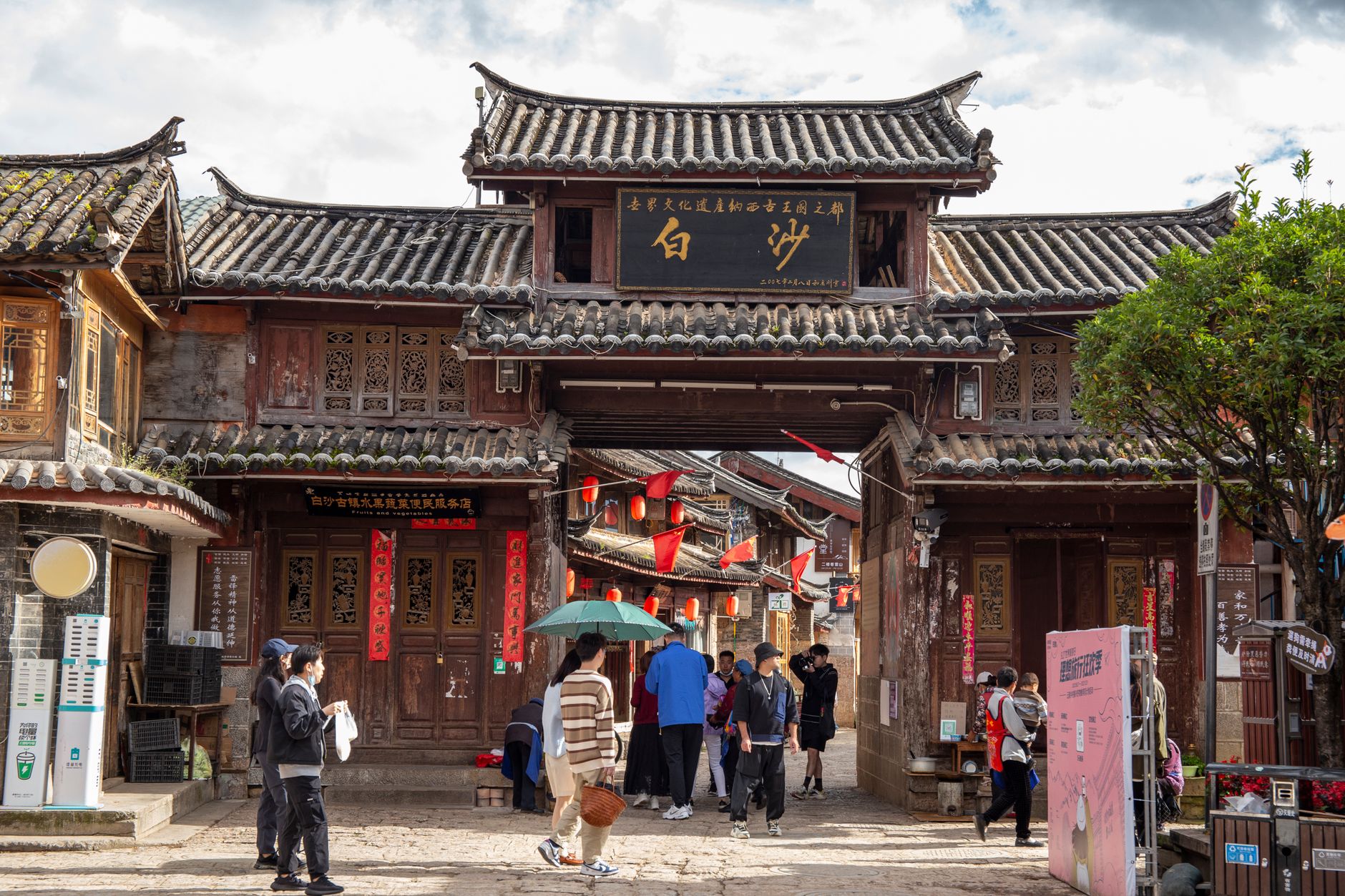
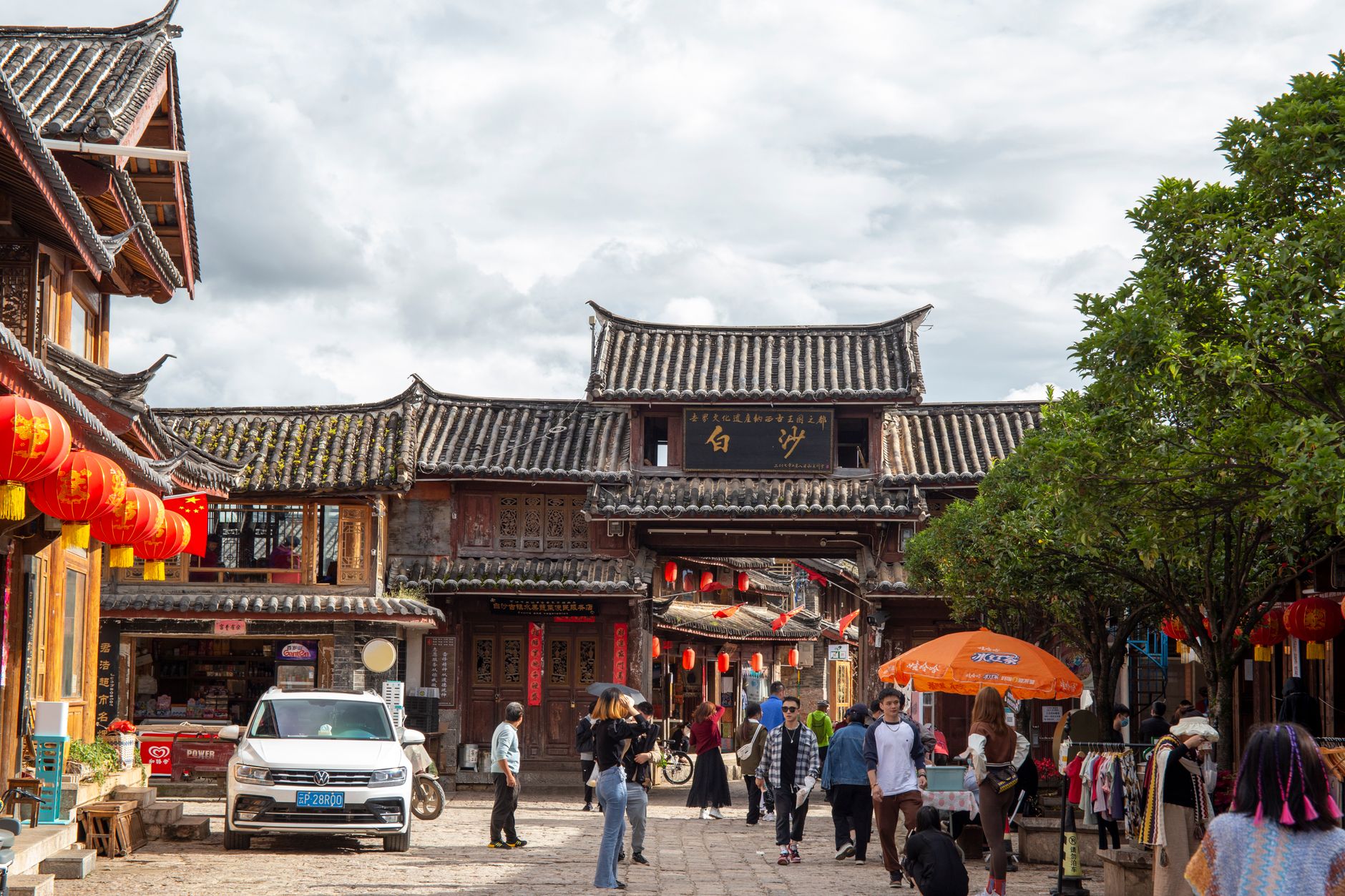
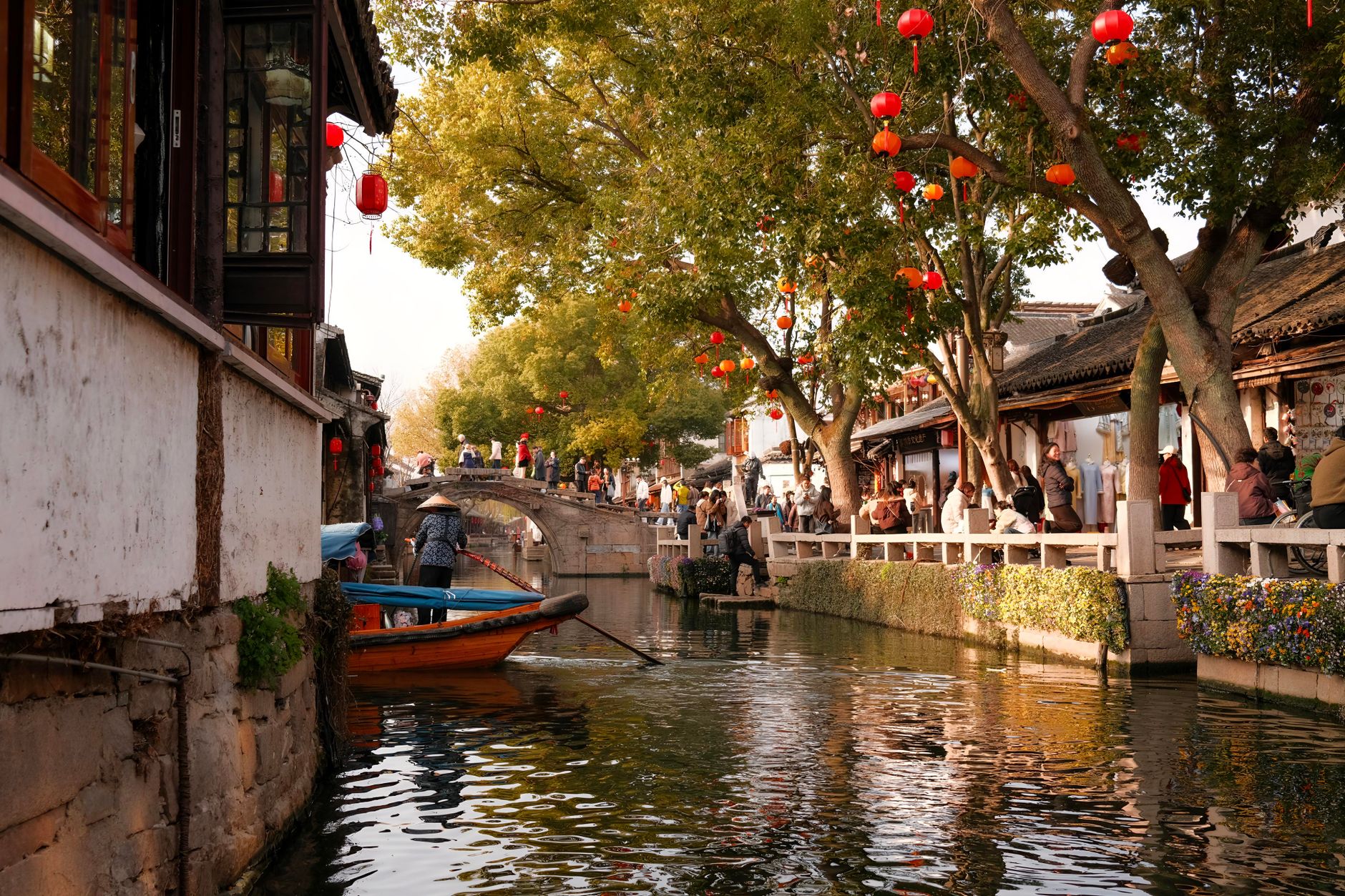
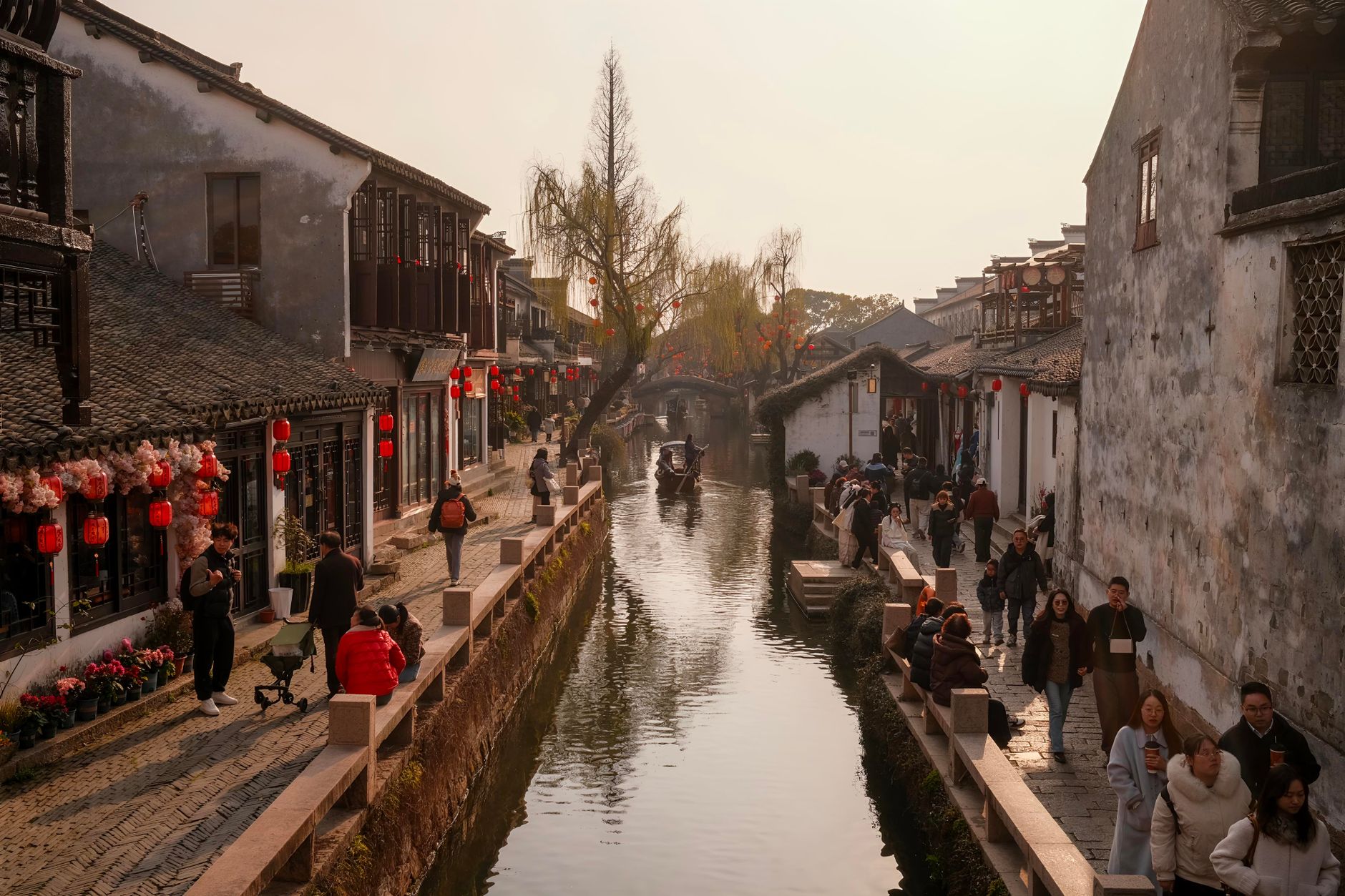
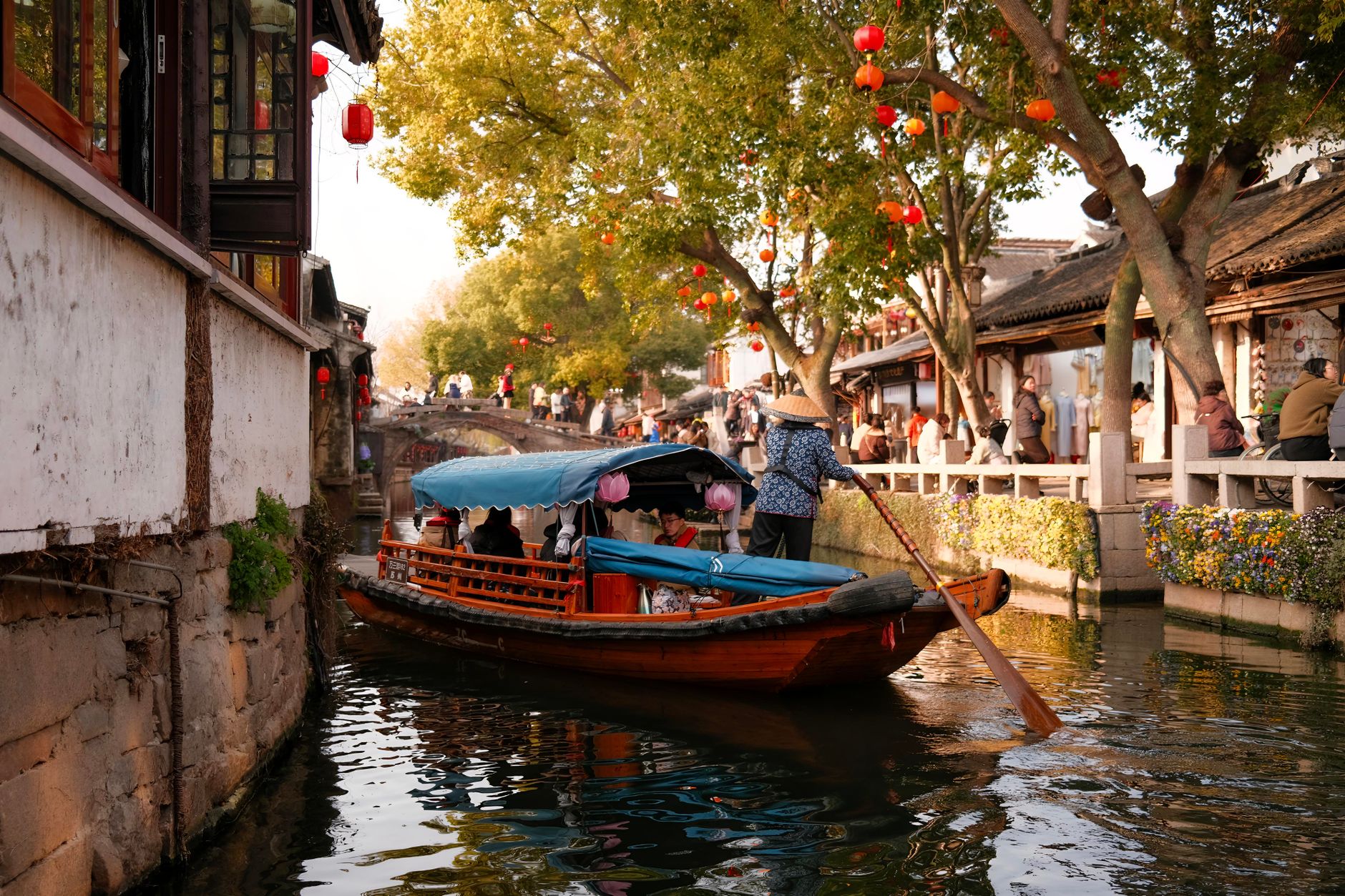
Eighteen kilometers from the Bund, Qibao sits along a kilometer of slow canal where wooden gondolas still make the rounds and the smell of roasting sweet potatoes drifts over the water. The old street — 360 meters, split between North and South — has been a trading spine since the Ming and Qing dynasties, and enough of that grain survives to make the walk feel earned rather than staged.
The town is compact enough to cover in a morning, but the details reward attention: a 2-ton bronze bell cast in 1621 that still rings at dawn and dusk, a Catholic church older than Xujiahui, and the story of a local painter whose friendship with a Belgian cartoonist left a trace in the pages of Tintin.
💛 What travellers fall for
People who come back tend to arrive on a weekday, early, before the snack stalls hit full stride. The shadow play performances cost five yuan for ten minutes and run inside one of the old buildings off South Street — easy to miss, worth finding. The boat ride on the canal is short but gives you the rooflines from the right angle.
Deals in Qibao Ancient Town
Book directly at the provider


How Qibao Ancient Town came to be
The town's roots reach back to the Northern Song Dynasty (960–1127), when a settlement took shape along the river. Its name comes from the local Qibao Temple, which itself dates to the Five Dynasties and Ten States period (907–960) and was substantially renovated during the Ming Dynasty. Through the Ming and Qing eras, Qibao grew into a river-trading center — rice, silk, and goods moving through its canal toward the Grand Canal network.
The Puhuitang Bridge, built in 1518 during the Zhengde period and funded by Xu Shou and Zhang Xun, marks what became the geographic center of town. The Fangsheng Bridge, a single-arch stone crossing built in 1571, still stands. The Catholic church, established in 1867 during the Tongzhi reign, predates both Xujiahui and Sheshan — a detail that quietly reorders the usual Shanghai timeline.
Who and what shaped it
People who shaped it
Landmark buildings
See Qibao Ancient Town in motion
Plan your visit
On the map
When to go
Spring (March to May) and autumn (September to November) are the most comfortable seasons, with temperatures between 15°C and 25°C and the canal banks at their best. Summer pushes past 30°C with heavy humidity; winter settles around 5°C and wraps the water in mist.
Right now
Background & history adapted from Wikipedia (CC BY-SA) · specs from Wikidata (CC0) · weather from Open-Meteo · map data © OpenStreetMap contributors · photos from Wikimedia Commons / Unsplash with per-image credit. No third-party reviews or social posts reproduced.