
Huangpu District
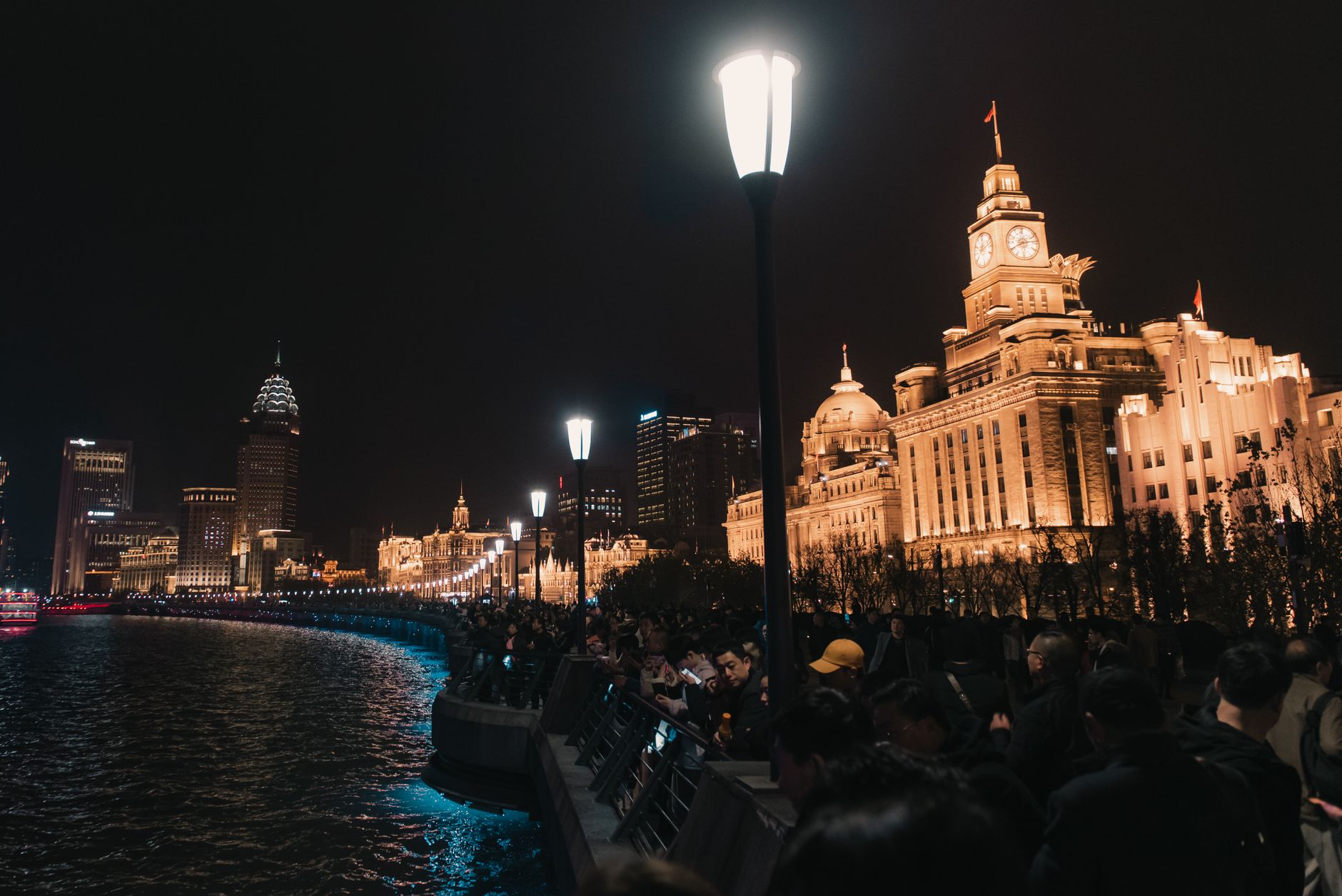
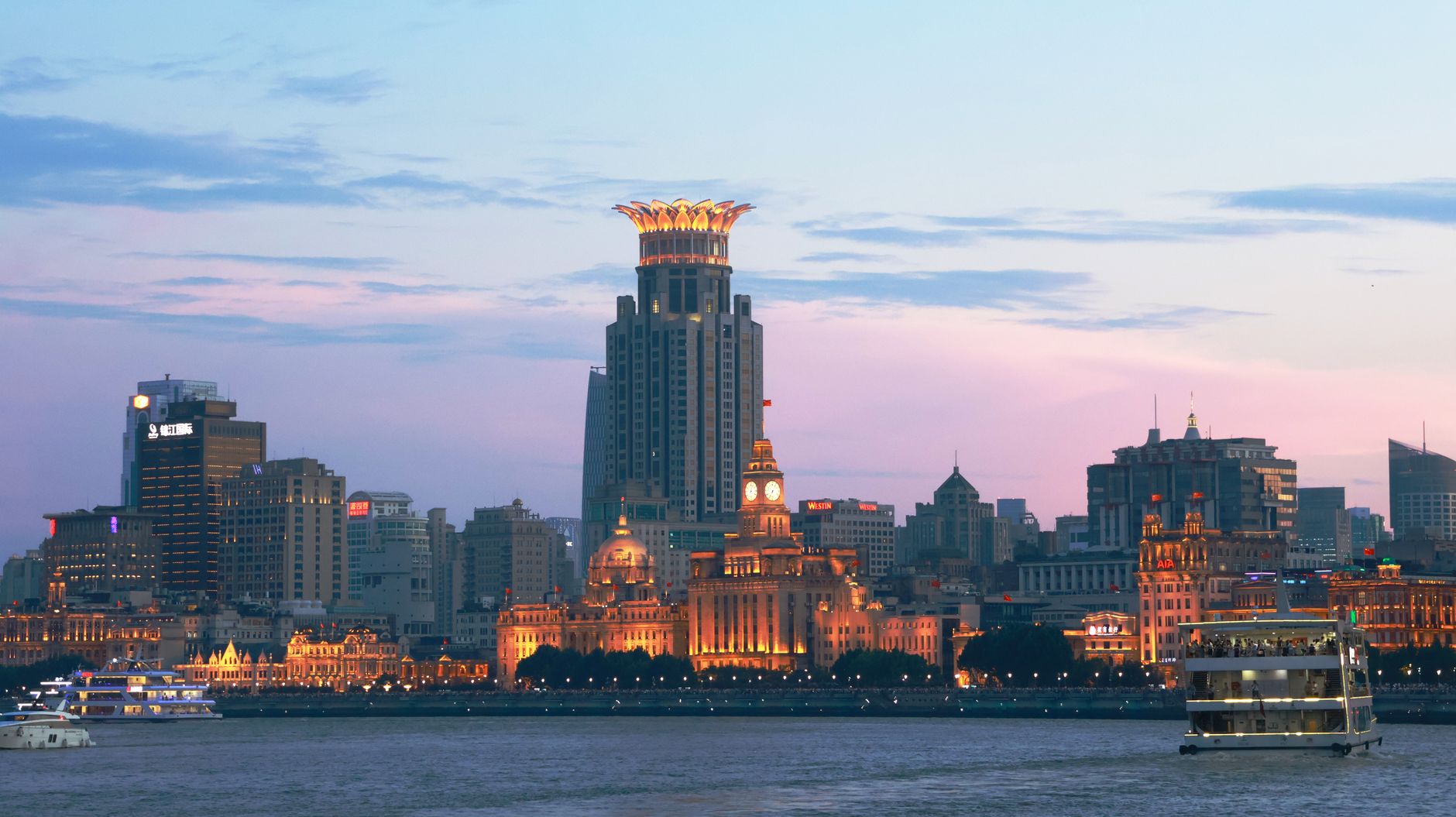
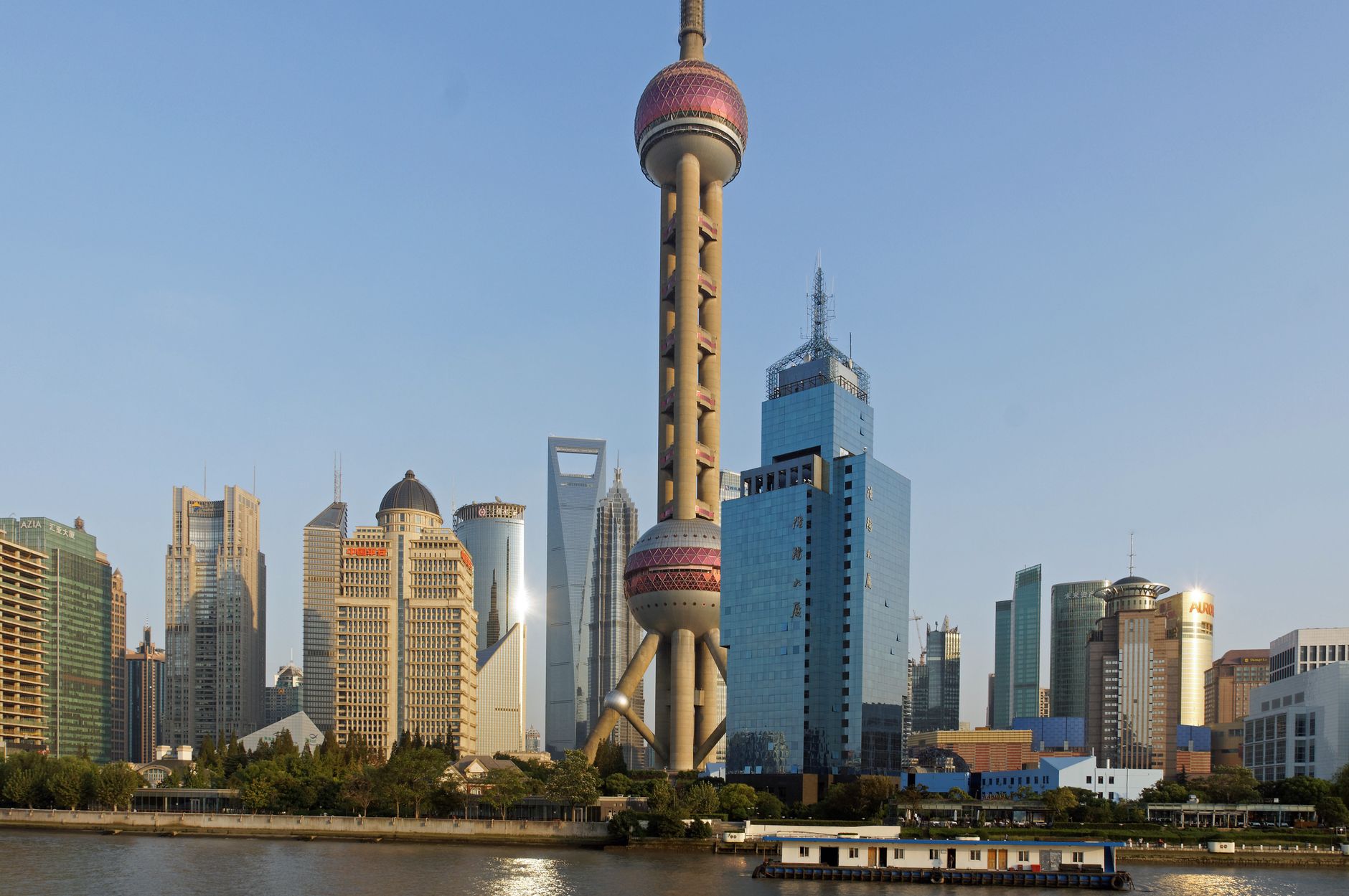
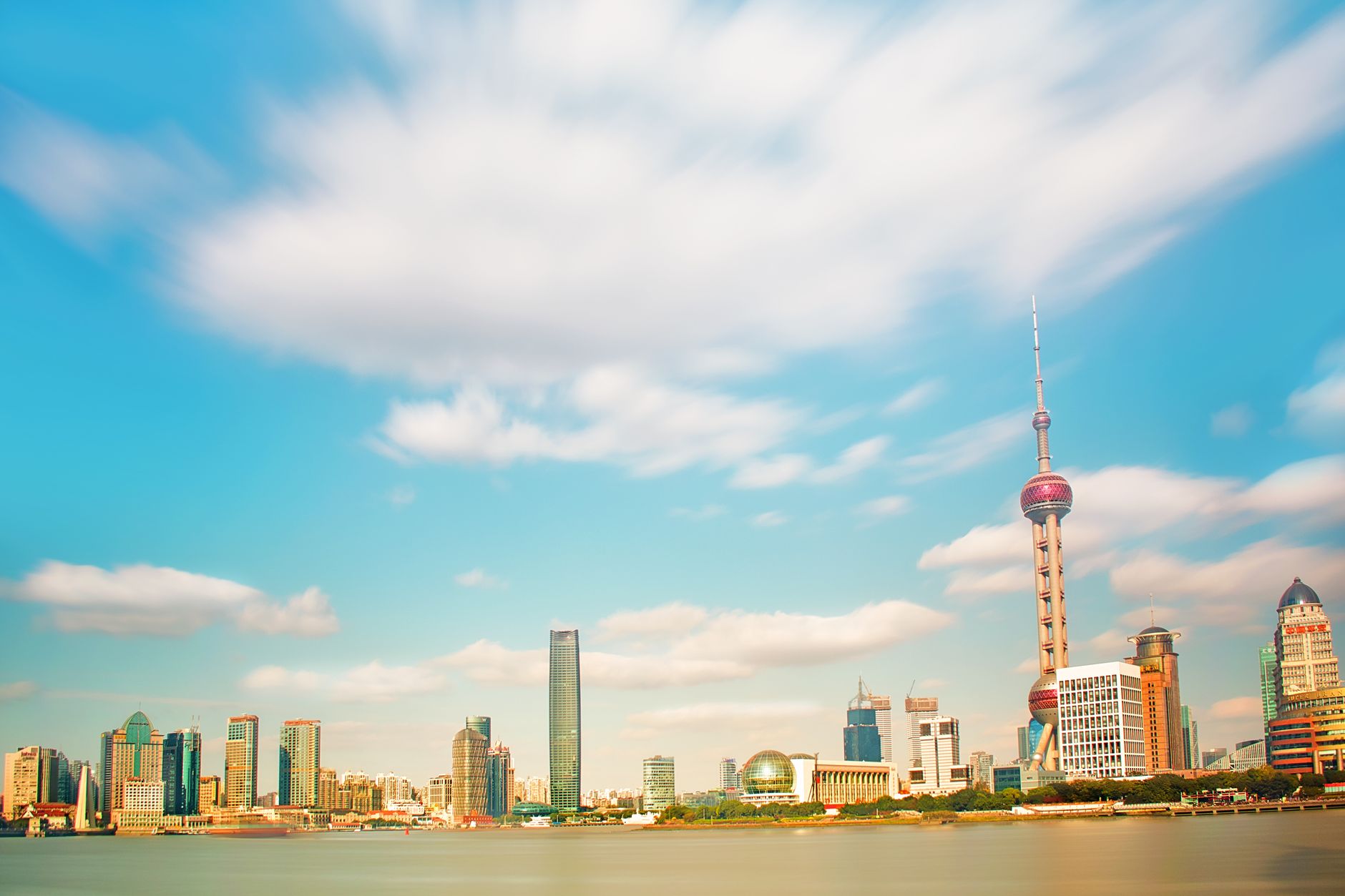
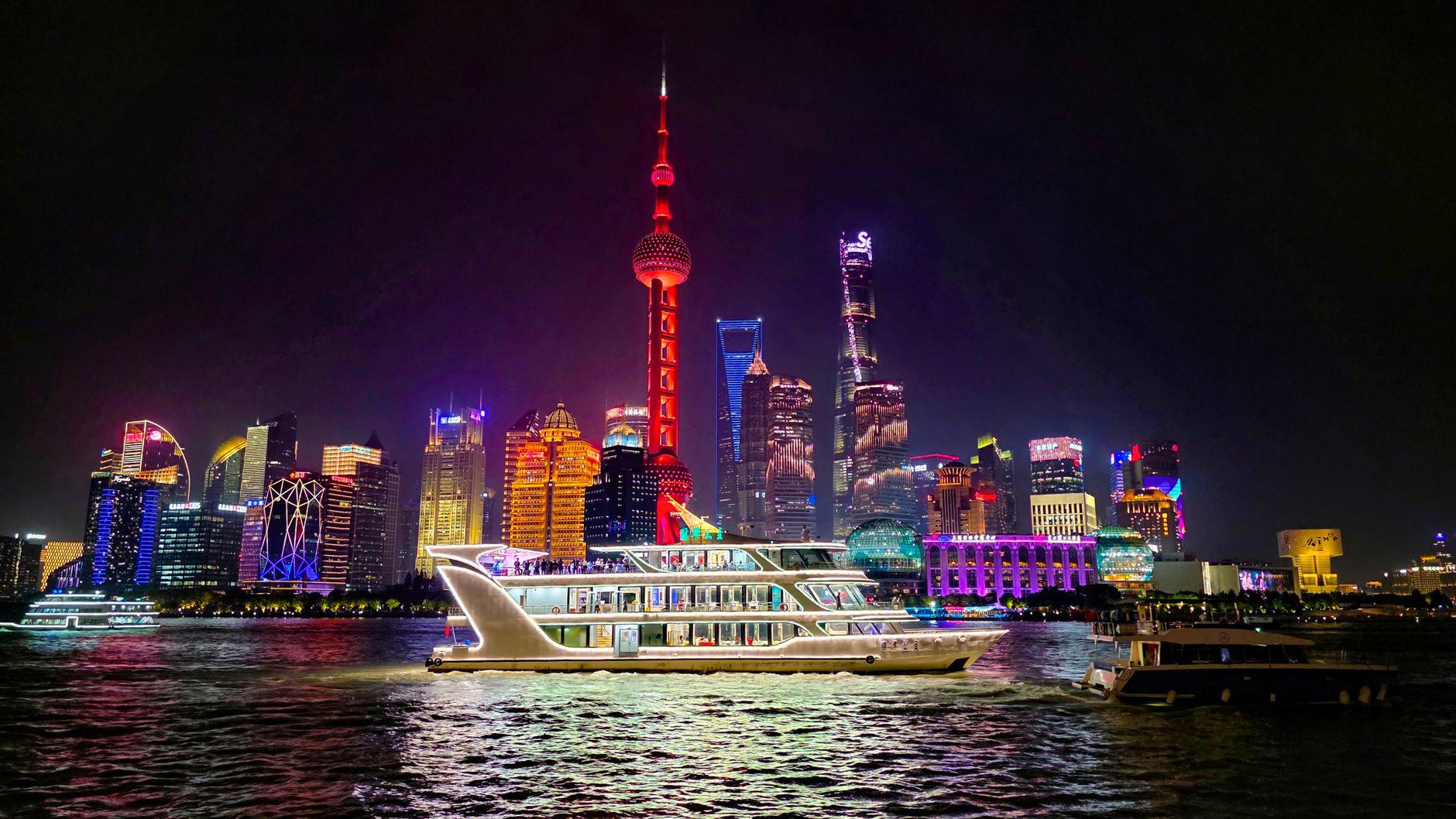
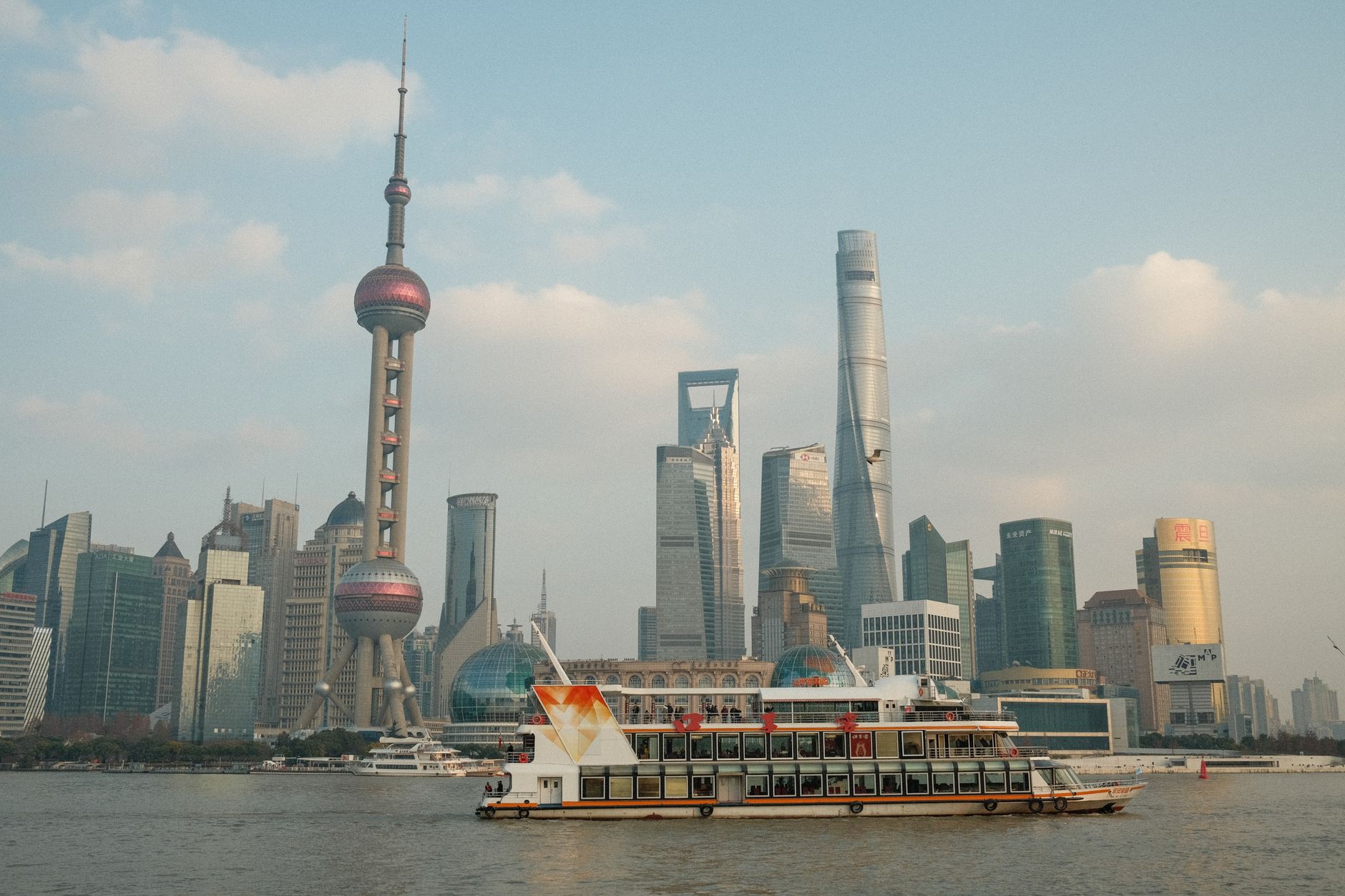
Huangpu District is where Shanghai keeps its oldest arguments with itself — the Ming-era walls that once defined the city's entire urban edge, the Bund's 52 buildings in 52 borrowed styles lining 1.5 kilometres of river, and People's Square sitting where a colonial racetrack used to be. The district is Shanghai's administrative and symbolic core, the place where the city's contradictions — imperial, colonial, revolutionary, and relentlessly contemporary — have been accumulating since a county office was first planted here in 1292.
You'll cover ground on foot more than anywhere else in Shanghai. The Bund runs along the Huangpu River's west bank; Yu Garden, first laid out in 1559, sits a short walk inland; and the Site of the First National Congress of the Communist Party occupies a Shikumen townhouse on Xingye Road. The district rewards slow walking and unhurried looking.
💛 What travellers fall for
People who come back tend to make a habit of the Shanghai Museum on a weekday morning, when the bronze galleries are quiet enough to actually read the placards. They also learn quickly that People's Square station — where Lines 1, 2, and 8 converge — runs deep and wide, so build in a few extra minutes underground.
Deals in Huangpu District
Book directly at the provider


How Huangpu District came to be
The land that became Huangpu District has been administratively significant since the Tang Dynasty, when it fell under Huating County around 751 AD. In 1292, Yuan-dynasty administrators established the Shanghai County seat in what is now the district's southern reaches — effectively making this patch of ground the origin point of the city. The Ming Dynasty added a city wall to fend off coastal raiders, and that wall defined the limits of urban Shanghai for centuries.
The 1843 opening of Shanghai as a treaty port fractured that coherence. Britain, France, and other powers carved out foreign concessions across parts of the area, layering a new architectural and political reality over the old. The district took its present shape gradually — a 1956 merger, then further consolidations in 2000 and 2011 — absorbing the former districts of Nanshi, Huangpu, and Luwan into a single administrative unit that now holds the residences of figures as different as Sun Yat-sen, Mei Lanfang, and Mao Zedong.
Who and what shaped it
People who shaped it
Landmark buildings
See Huangpu District in motion
Plan your visit
On the map
When to go
July and August push to 37°C (97°F) and the humidity makes the Bund walk genuinely taxing midday. Winter runs December through February with temperatures around 7°C (45°F) — cool but walkable if you dress for it. Spring and mid-autumn are the steadiest seasons for being outside for long stretches.
Right now
Background & history adapted from Wikipedia (CC BY-SA) · specs from Wikidata (CC0) · weather from Open-Meteo · map data © OpenStreetMap contributors · photos from Wikimedia Commons / Unsplash with per-image credit. No third-party reviews or social posts reproduced.