
Hongkou District
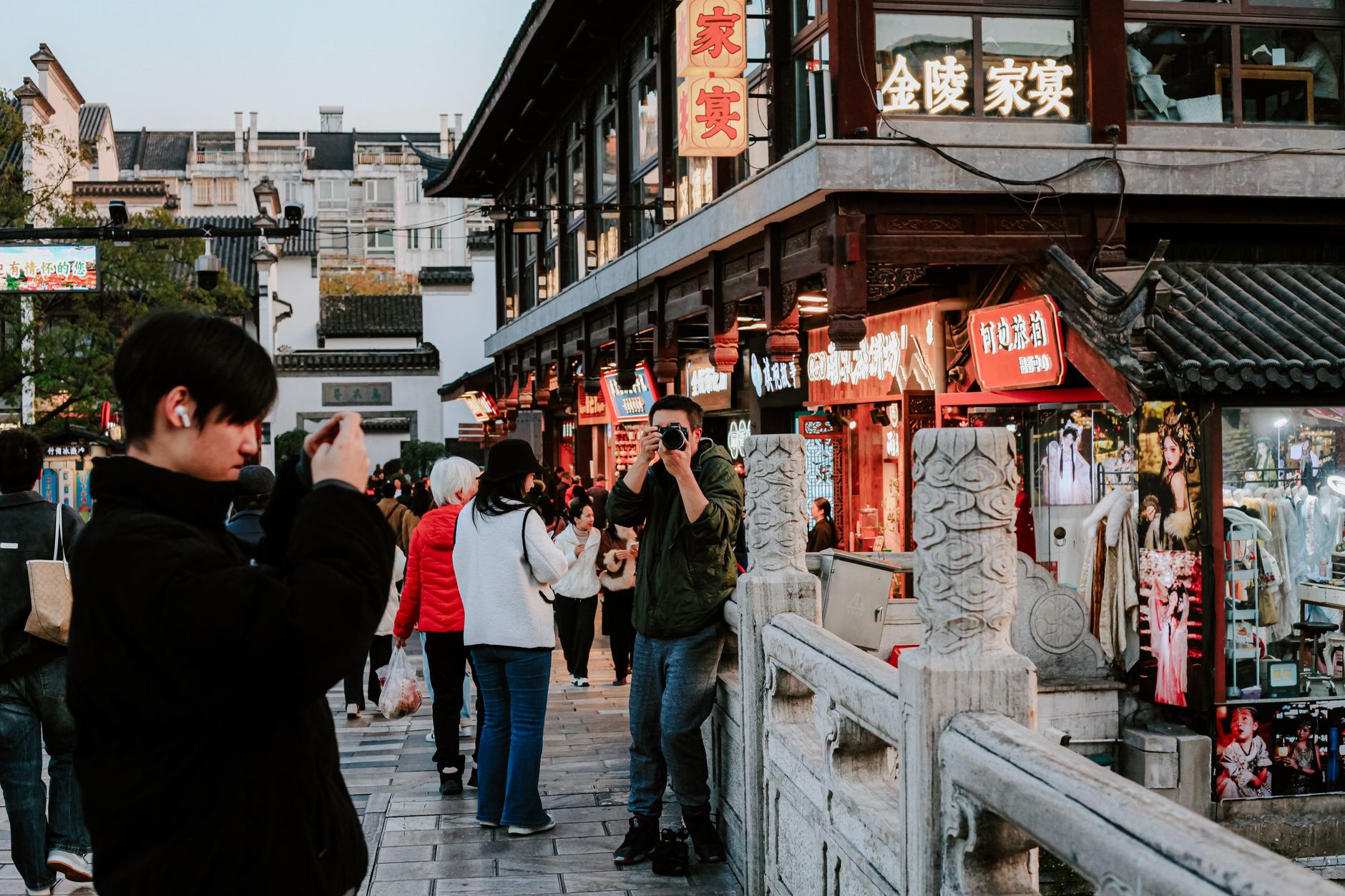
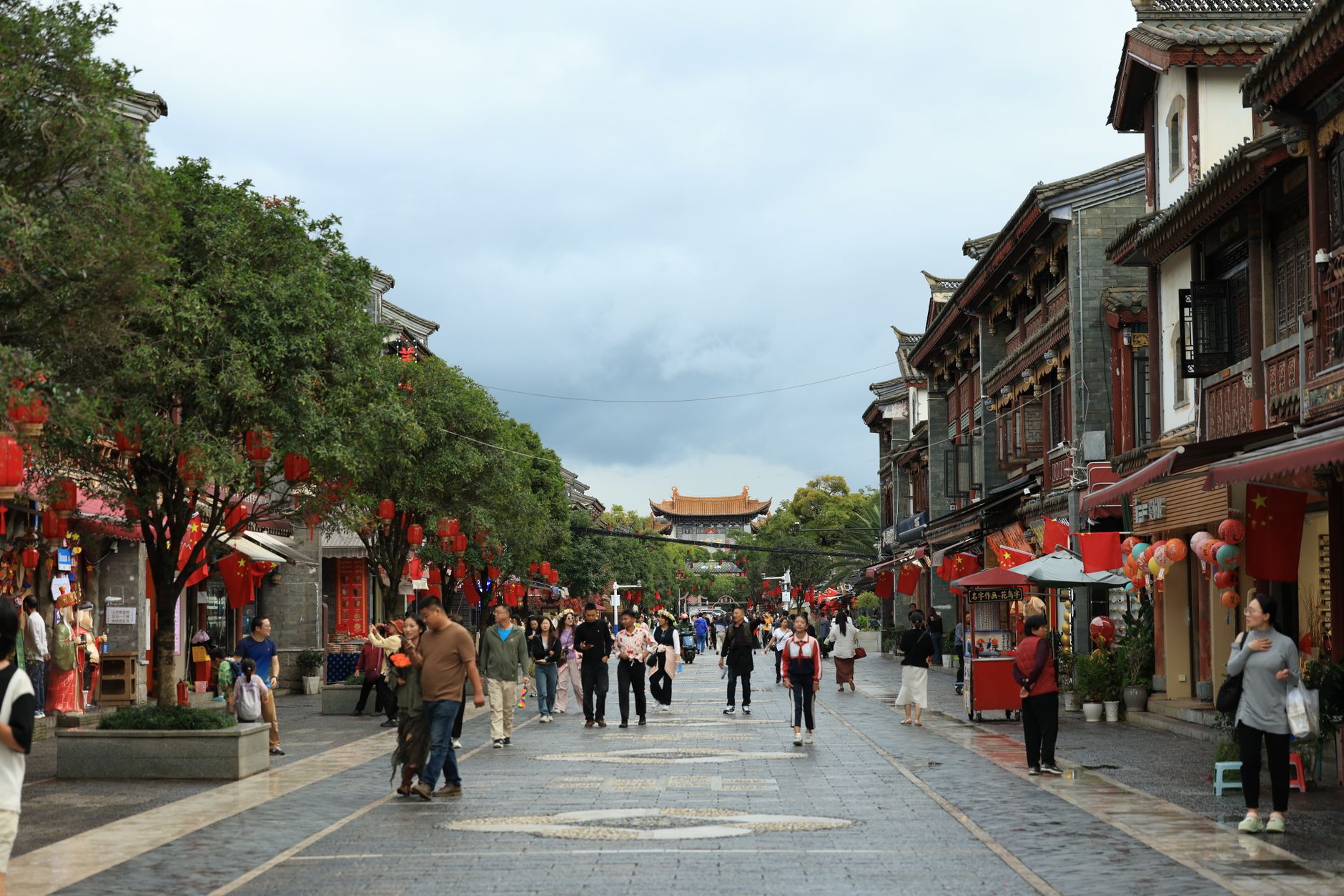
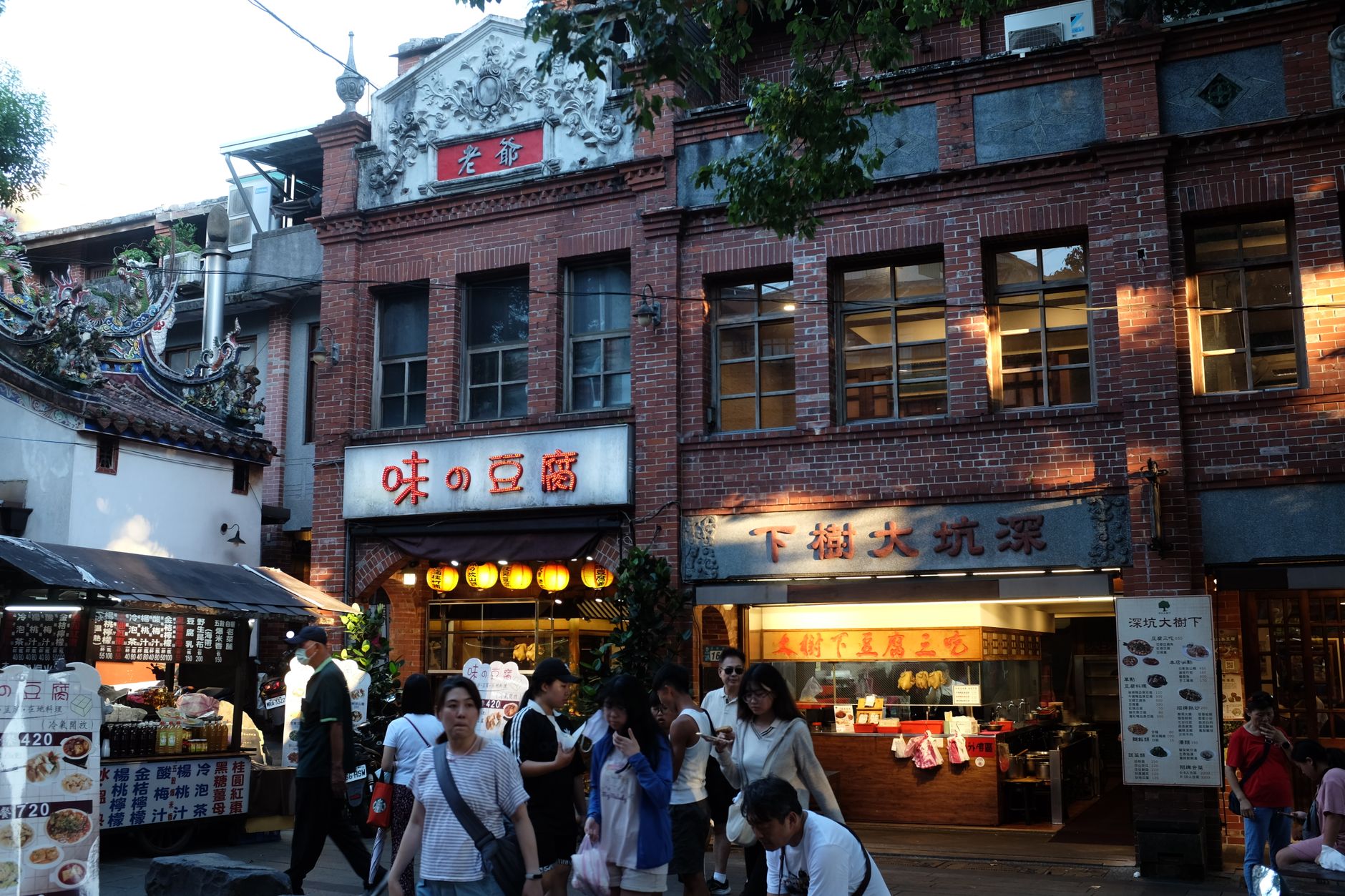
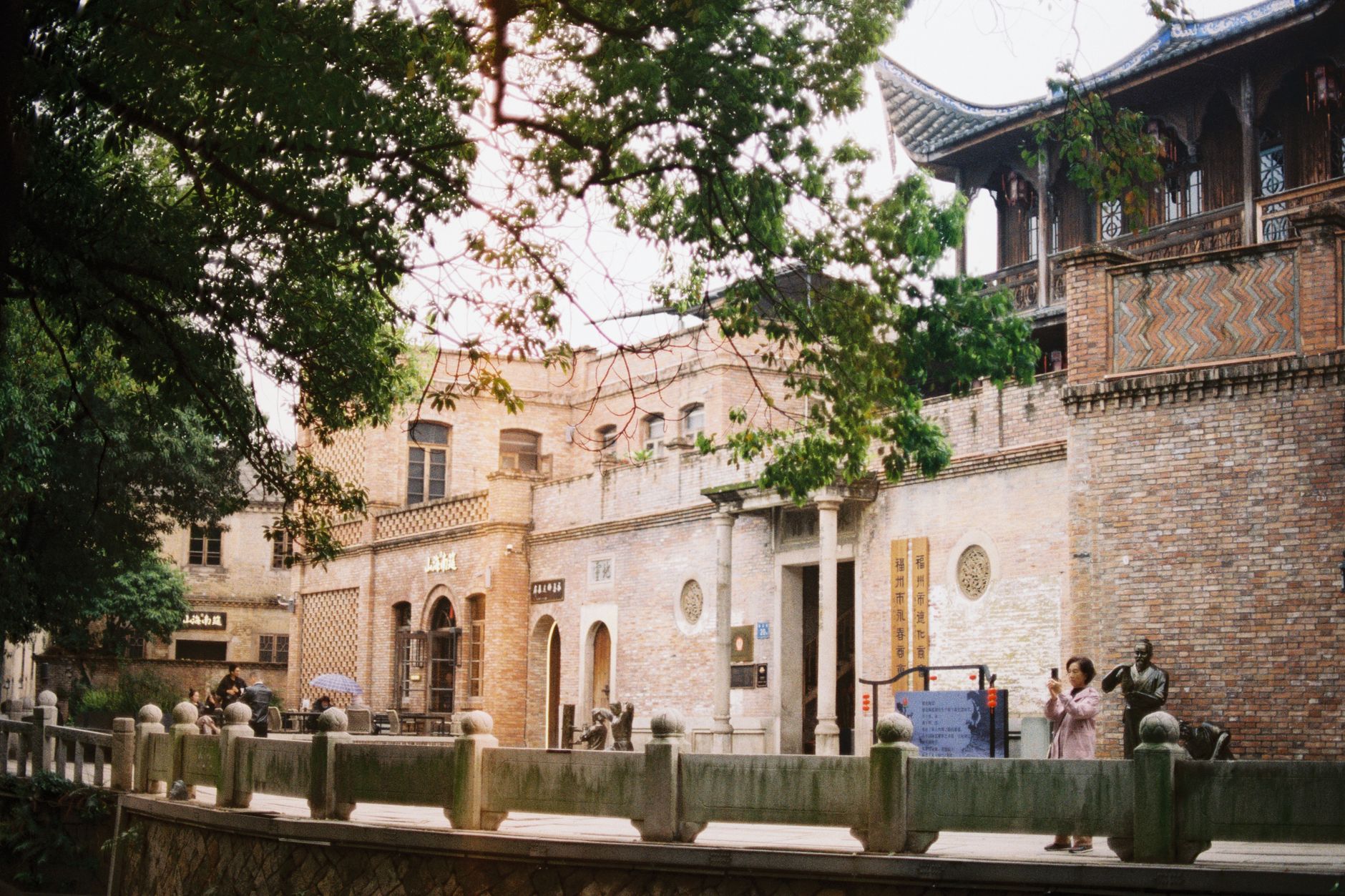
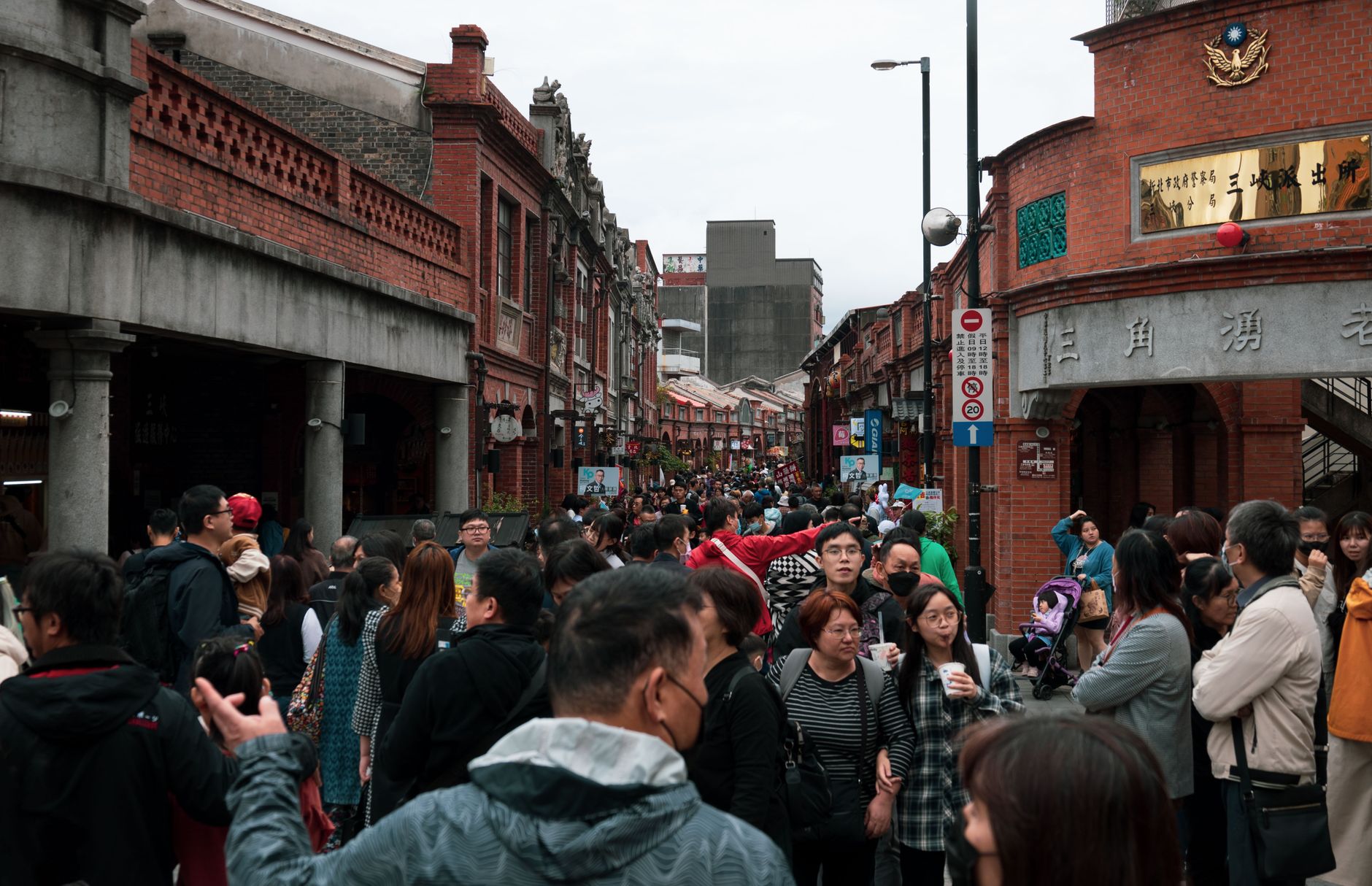
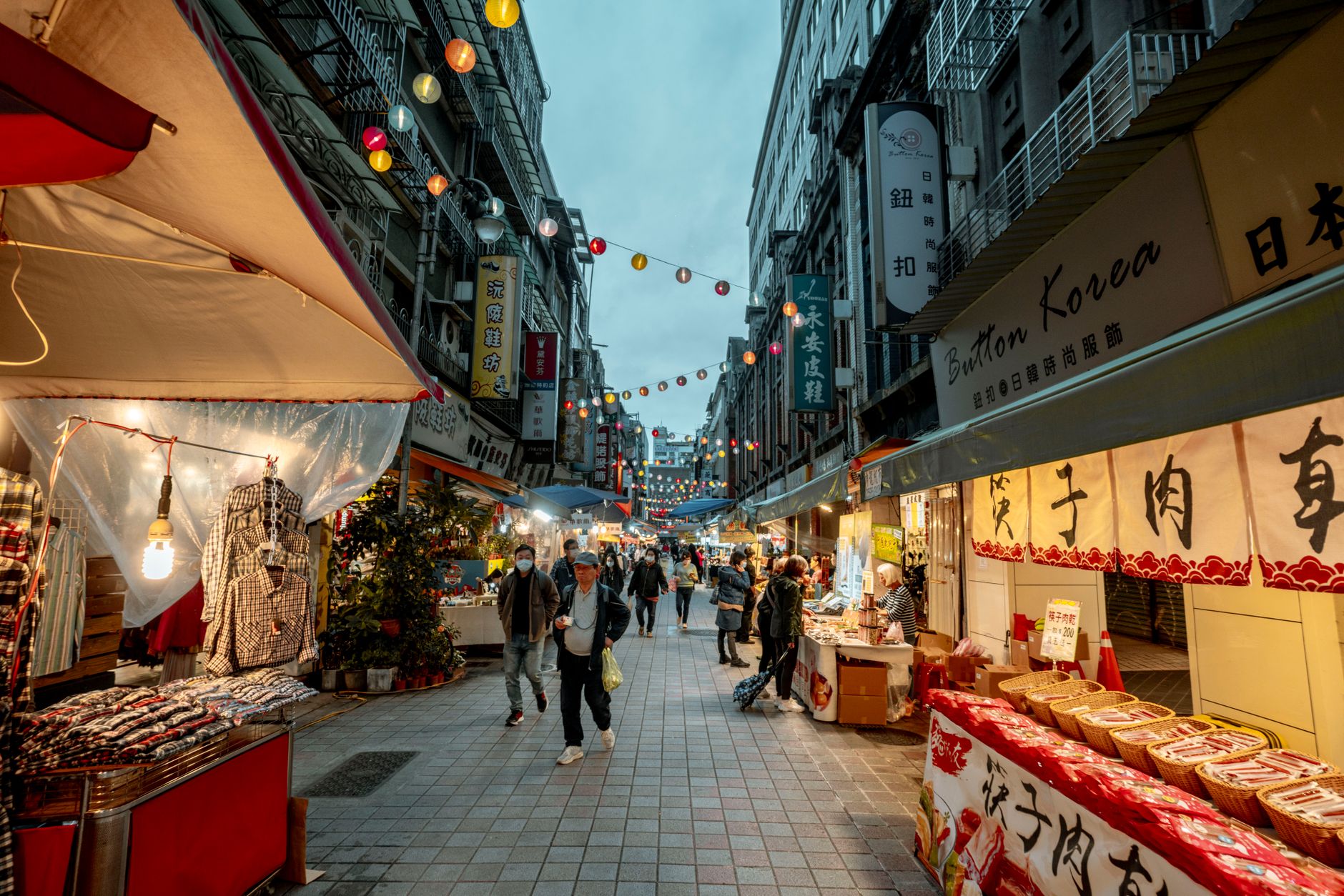
Hongkou sits north of Suzhou Creek, and the first thing you notice walking its older streets is how many layers of history have been left standing rather than swept away. A converted Art Deco slaughterhouse from the 1930s now houses restaurants on multiple floors connected by spiral ramps. A synagogue built by Russian Jews in 1928 became a place of refuge for twenty thousand Ashkenazi refugees fleeing Nazi-occupied Europe, and now functions as a museum.
This is also where Lu Xun — the writer who effectively invented modern Chinese literature — spent his final years, and where a 550-metre side street off North Sichuan Road became an open-air gallery of early twentieth-century architecture. Hongkou rewards the kind of walking that has no fixed endpoint.
💛 What travellers fall for
People who return tend to mention Lu Xun Park specifically — not the museum, but the park itself: the lake, the boats, the older residents doing morning exercises around the memorial. Go early, before the tour groups arrive. Duolun Road on a weekday afternoon is quieter than you'd expect, and worth the detour for the building facades alone.
Deals in Hongkou District
Book directly at the provider


How Hongkou District came to be
The area that became Hongkou had already been through several names — Huangpukou in the early Ming dynasty, then 虹口 by the Qing — before American bishop W. J. Boone purchased land here in 1845. What followed was the American Concession, which merged into the International Settlement in 1863. By the early twentieth century the district had acquired the nickname 'Little Tokyo,' reflecting a substantial Japanese presence that hardened into occupation after the First Battle of Shanghai in 1932.
The district's most quietly significant chapter came during the Second World War, when the Tilanqiao neighbourhood — already home to the Ohel Moishe Synagogue, built by Russian Jews in 1928 — absorbed around twenty thousand Jewish refugees from Nazi-occupied Europe. That synagogue is now the Shanghai Jewish Refugees Museum. Hongkou was formally named a district in 1947.
Who and what shaped it
People who shaped it
Landmark buildings
See Hongkou District in motion
Plan your visit
On the map
When to go
March to April and September to November are the most comfortable months, with temperatures between 15 and 21°C and manageable rainfall. Summer runs hot and wet — June through August can reach 38°C — and winter is cold enough for a proper coat, occasionally dropping to zero.
Right now
Background & history adapted from Wikipedia (CC BY-SA) · specs from Wikidata (CC0) · weather from Open-Meteo · map data © OpenStreetMap contributors · photos from Wikimedia Commons / Unsplash with per-image credit. No third-party reviews or social posts reproduced.