
Songjiang District
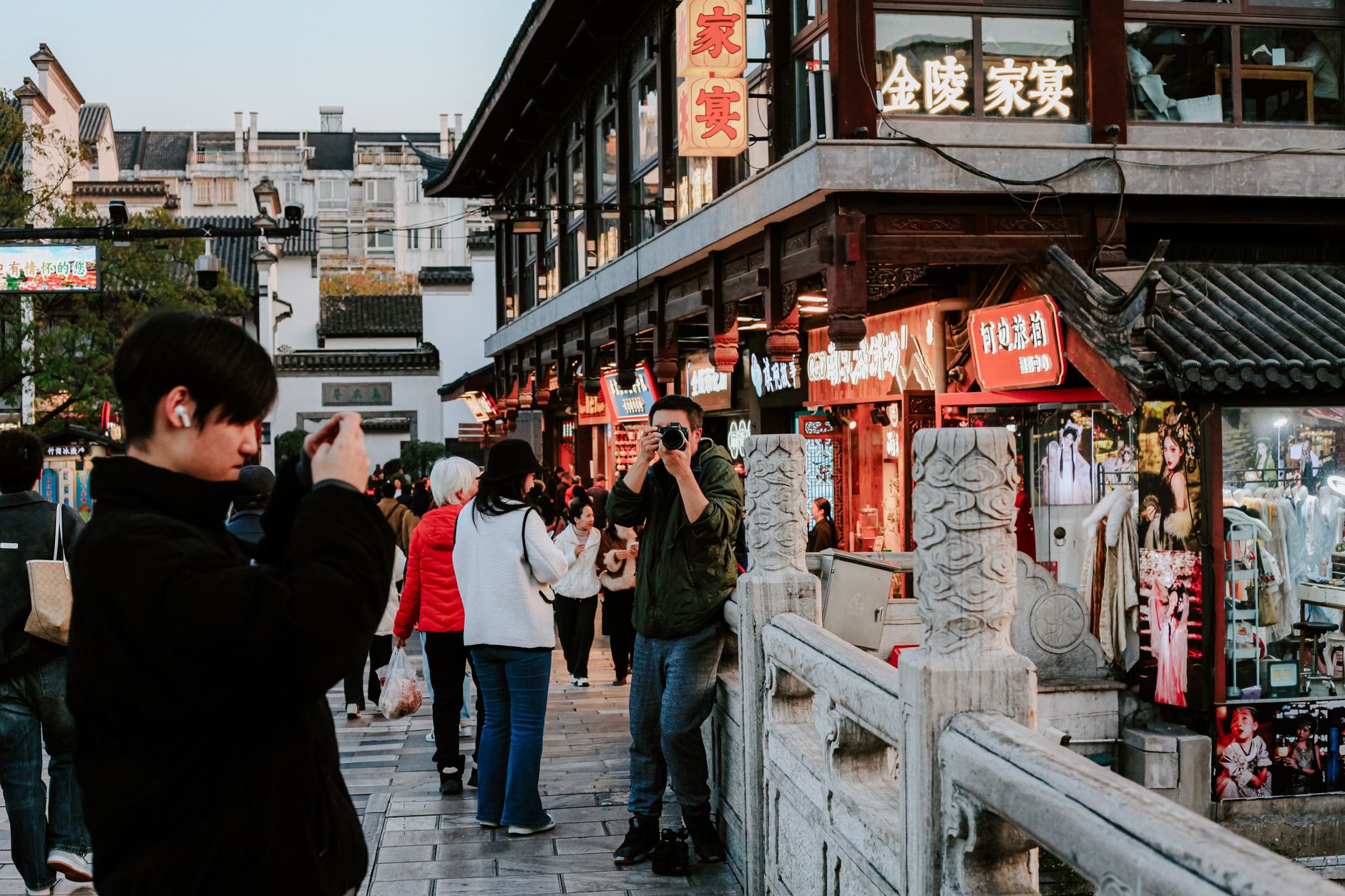
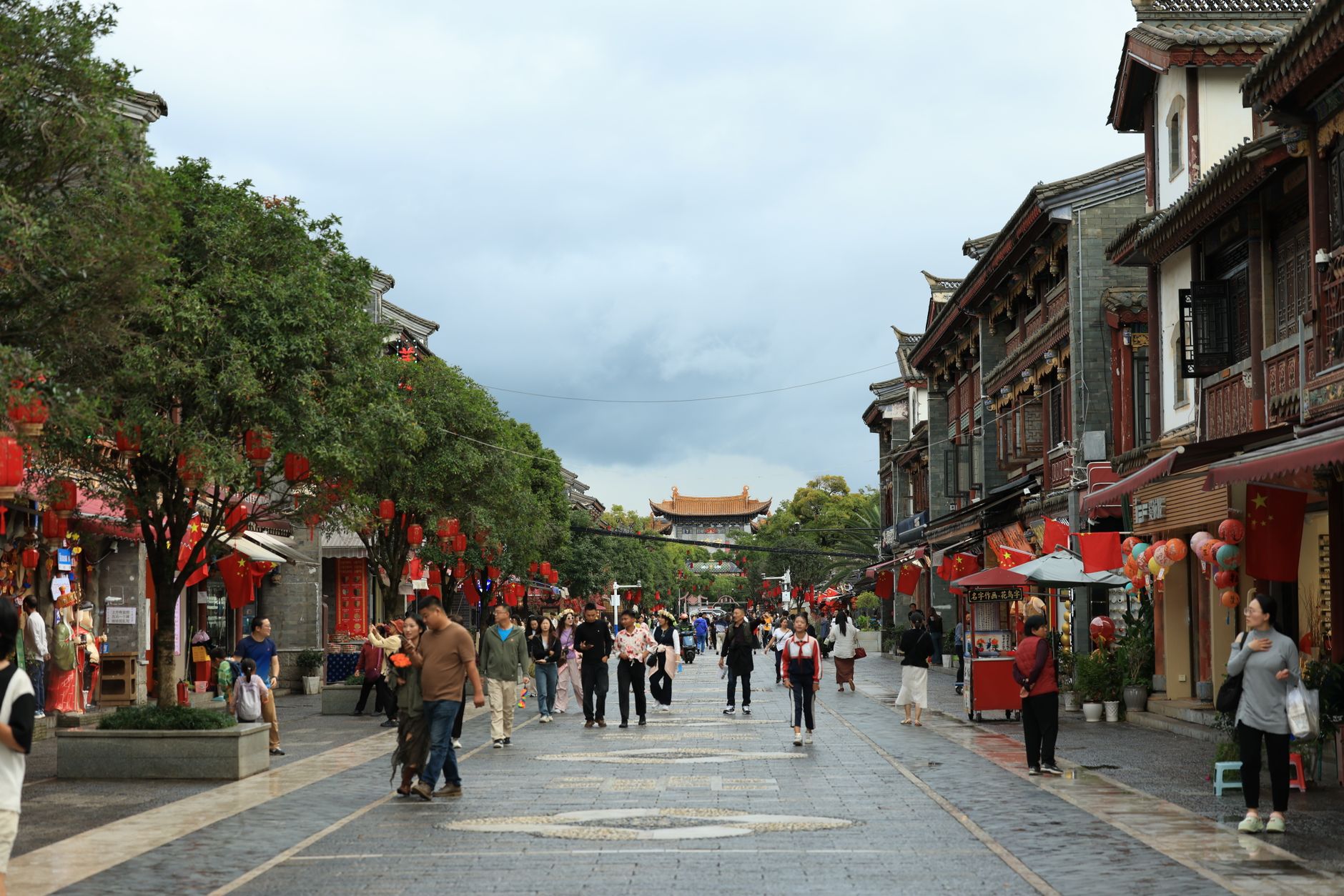
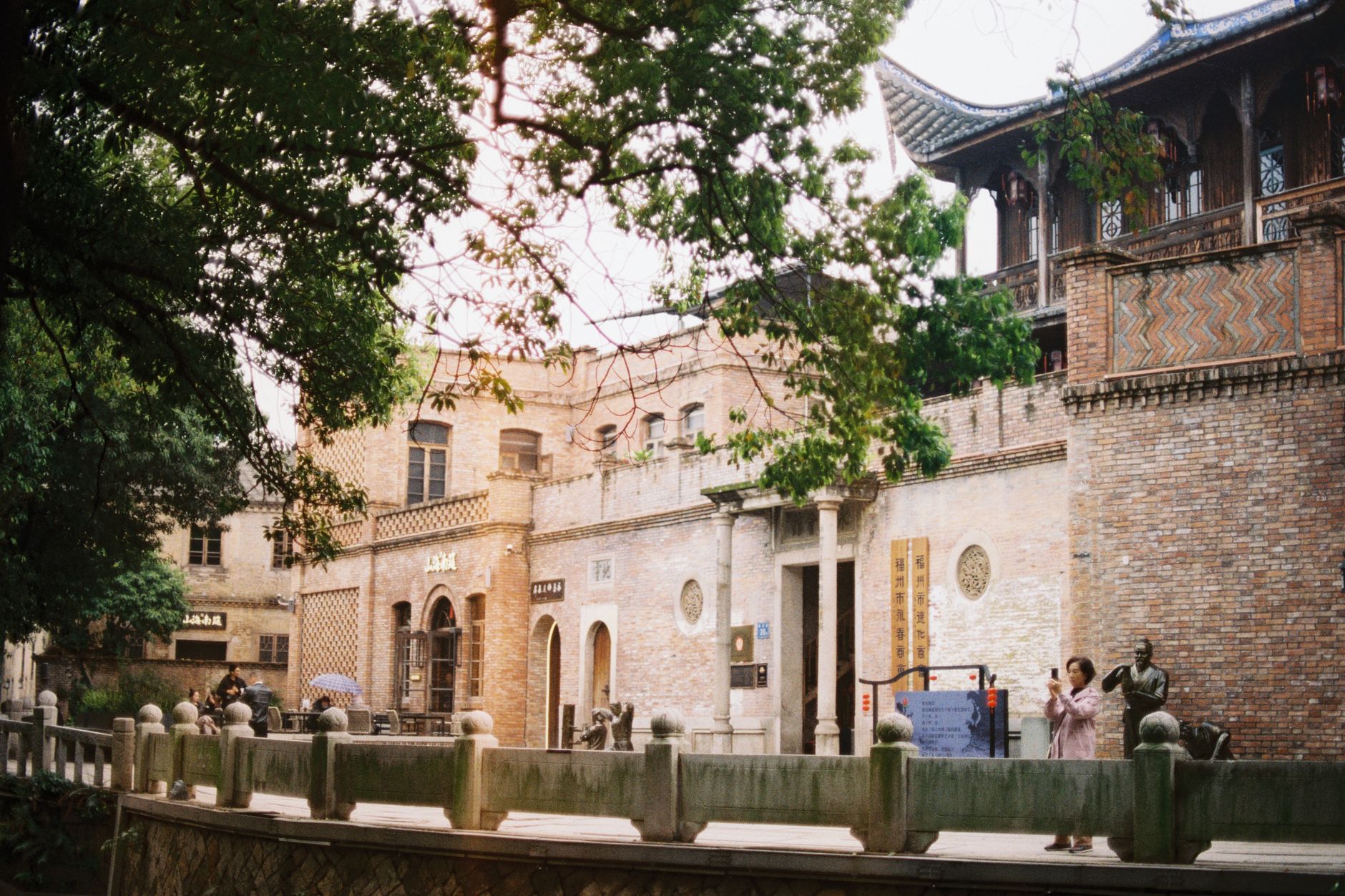
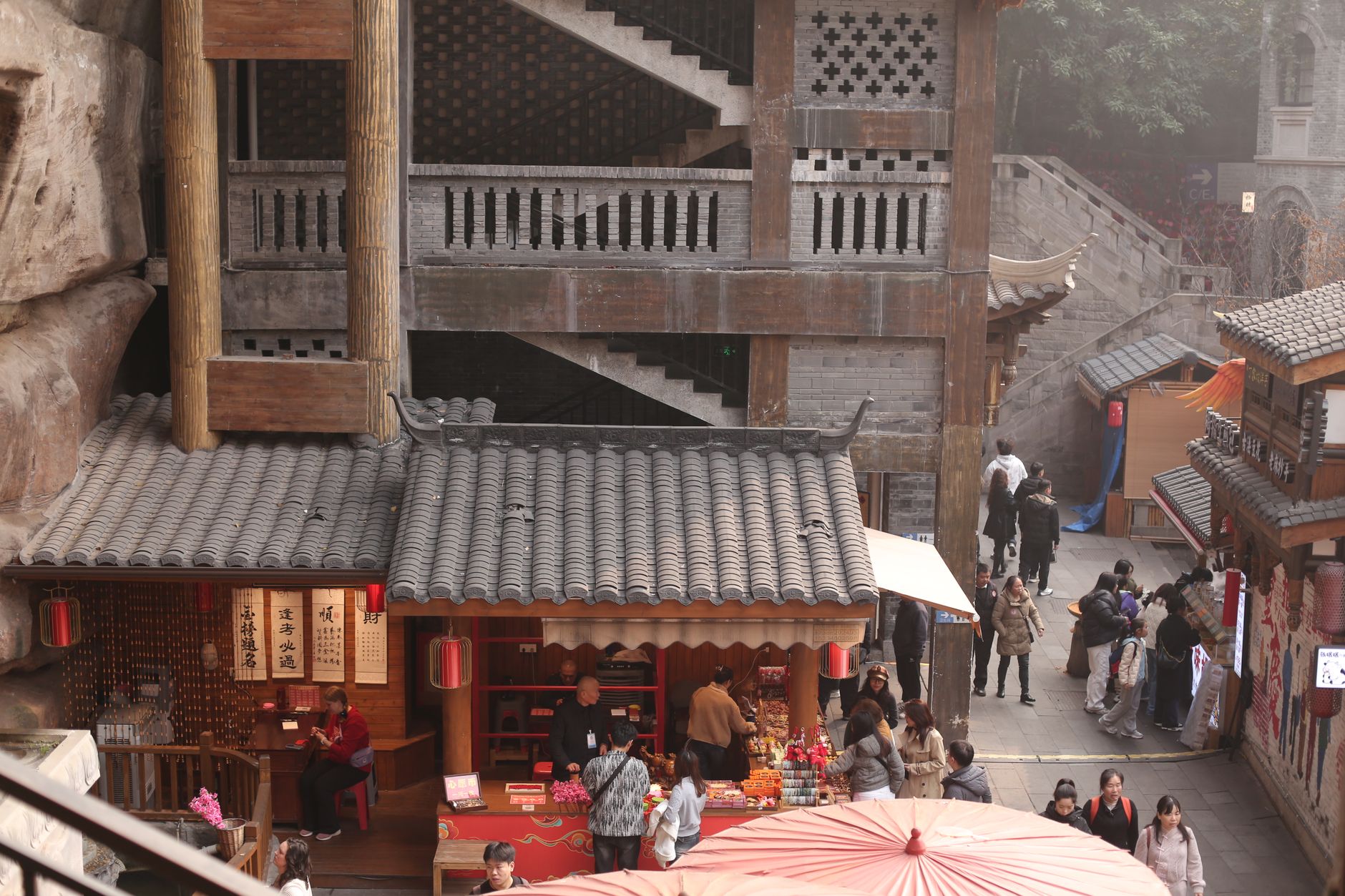
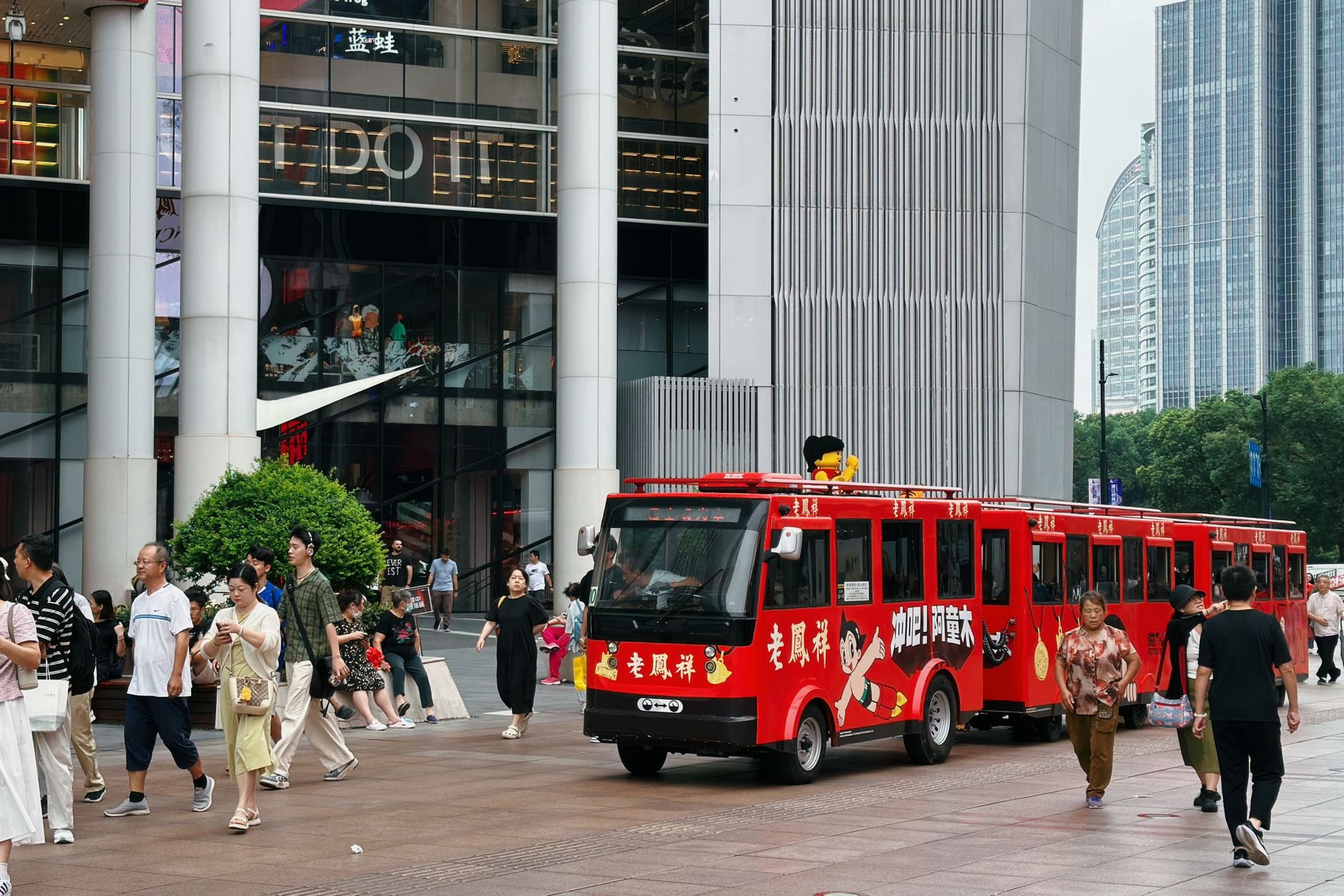
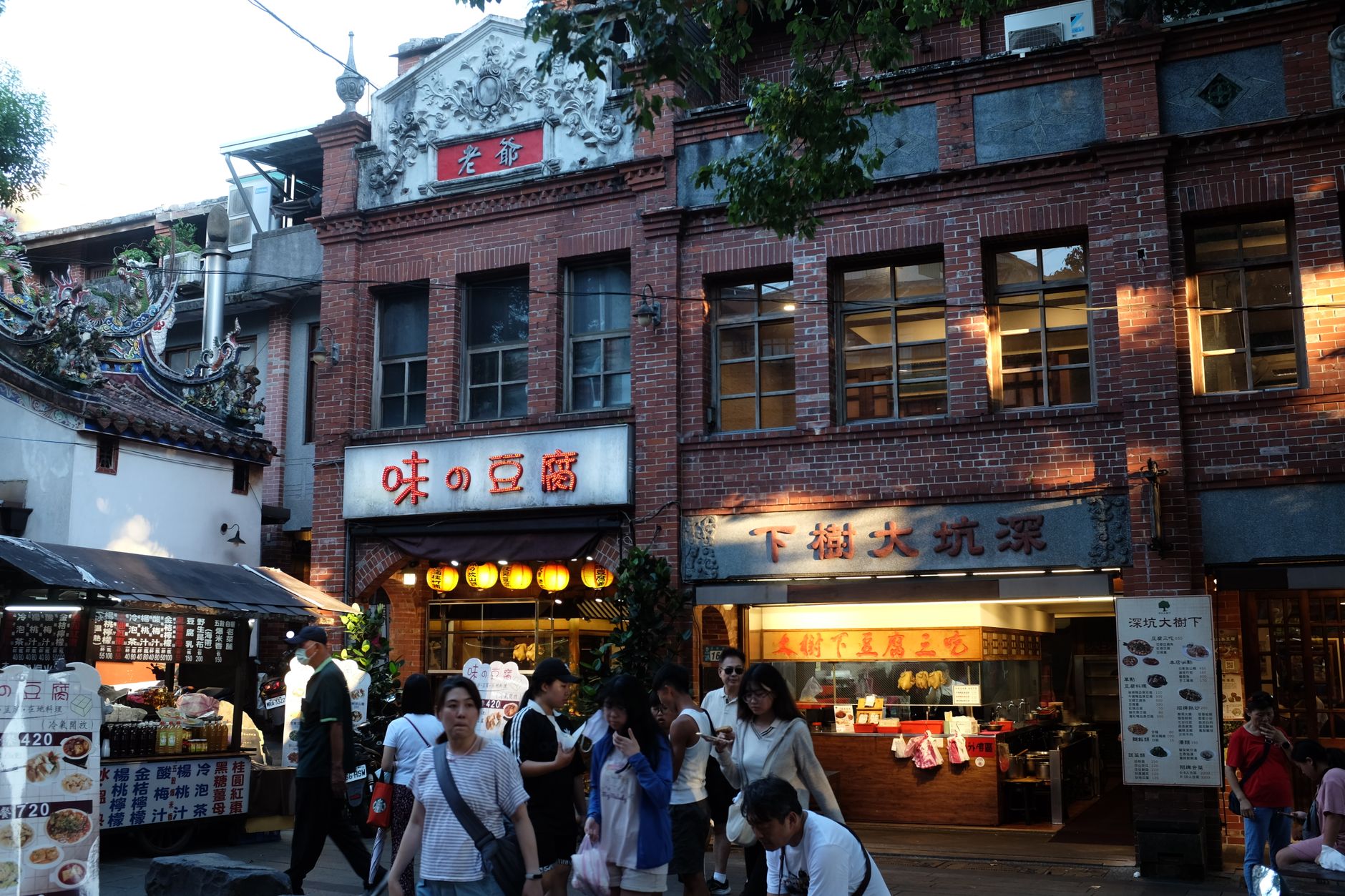
Songjiang wears its age quietly. At the center of the district stands a nine-story square pagoda — Fangta — rising over a park that was, a thousand years before the park existed, the commercial heart of ancient Huating. That layering is the whole story of Songjiang: a place that was the political and cultural capital of Shanghai long before Shanghai was Shanghai, and that has been quietly accumulating history ever since.
Today the district holds Shanghai's oldest mosque, its largest archaeological site, its only natural hill forest, and — somewhat improbably — a full-scale replica English market town. It rewards slow movement and a willingness to read the ground beneath your feet.
💛 What travellers fall for
People who come back tend to anchor on specifics: the peony beds at Zuibaichi Garden in April, the 40-centimeter refractor telescope at the old Sheshan Observatory, or a coffee inside Fan Jingwen's Ming-dynasty residence, now operating as One Step Garden cafe inside Guangfulin Cultural Relic Park. The metro drops you at named stops for most of these — no guessing.
Deals in Songjiang District
Book directly at the provider


How Songjiang District came to be
The ground here was settled long before the Tang dynasty formalized it. Artifacts from the late Liangzhu culture — dating to around 3400 BC — were unearthed at Guangfulin, now the largest archaeological site in Shanghai. The county of Huating was officially established in 751 AD, elevated to a prefecture under the Yuan dynasty in 1277, and renamed Songjiang in 1278. By the Ming and Qing dynasties it had become the center of China's textile industry, carrying the title 'Metropolis of the Southeast.'
That prominence faded after Shanghai opened its ports in 1843 and gravity shifted east. Songjiang became a county, then was absorbed into Shanghai municipality in 1958, and designated a district in 1998. The Cangcheng historical area — once a granary of national importance — holds 127 protected heritage sites, roughly half of everything protected in the district.
Who and what shaped it
People who shaped it
Landmark buildings
See Songjiang District in motion
Plan your visit
On the map
When to go
Summers are hot and humid, often above 35°C with high rainfall from June through August. Spring and autumn — particularly March to May and September to November — offer the most comfortable conditions for walking between sites, with autumn bringing chrysanthemum season to Zuibaichi Garden.
Right now
Background & history adapted from Wikipedia (CC BY-SA) · specs from Wikidata (CC0) · weather from Open-Meteo · map data © OpenStreetMap contributors · photos from Wikimedia Commons / Unsplash with per-image credit. No third-party reviews or social posts reproduced.