
Xintiandi
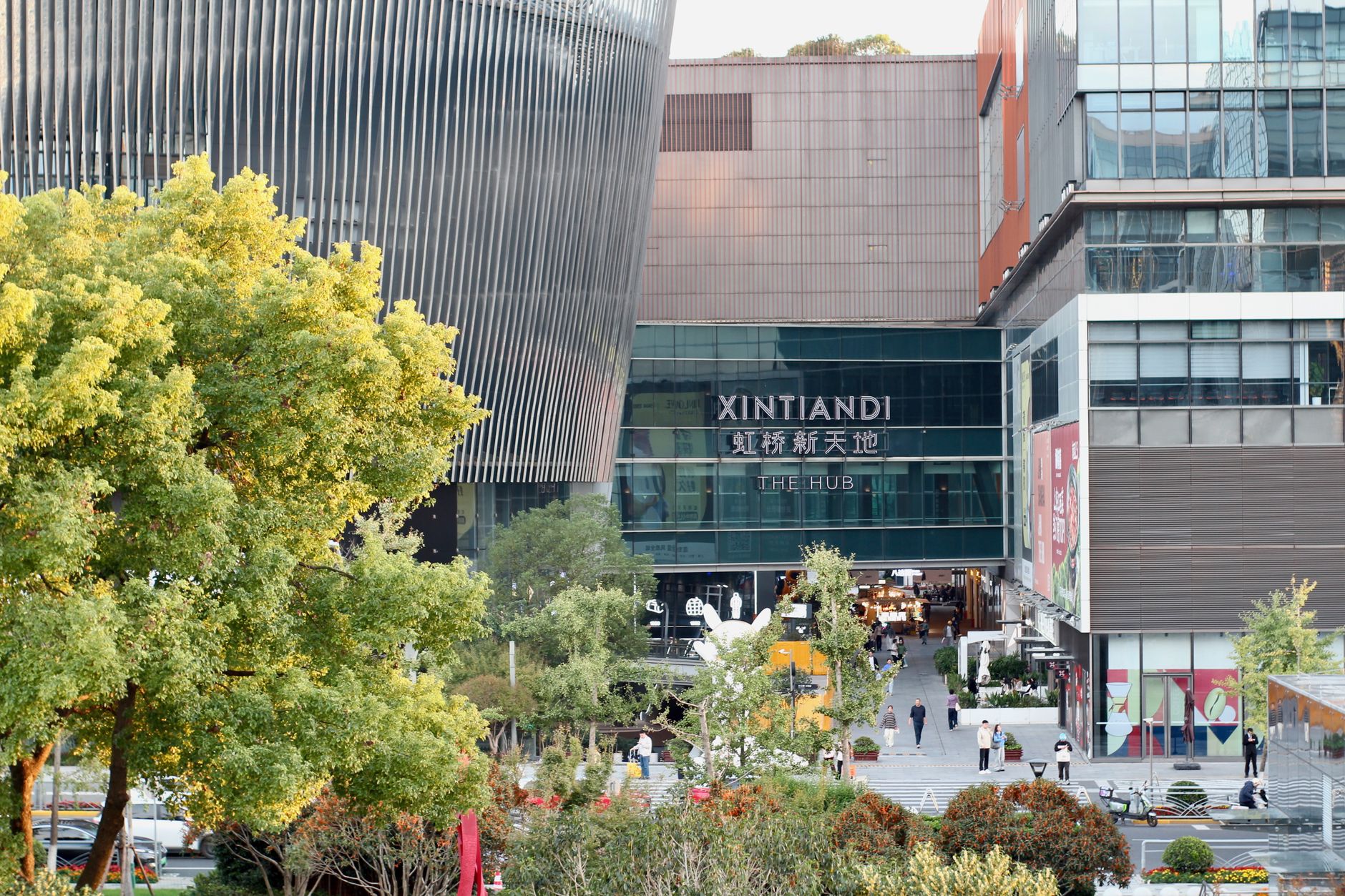
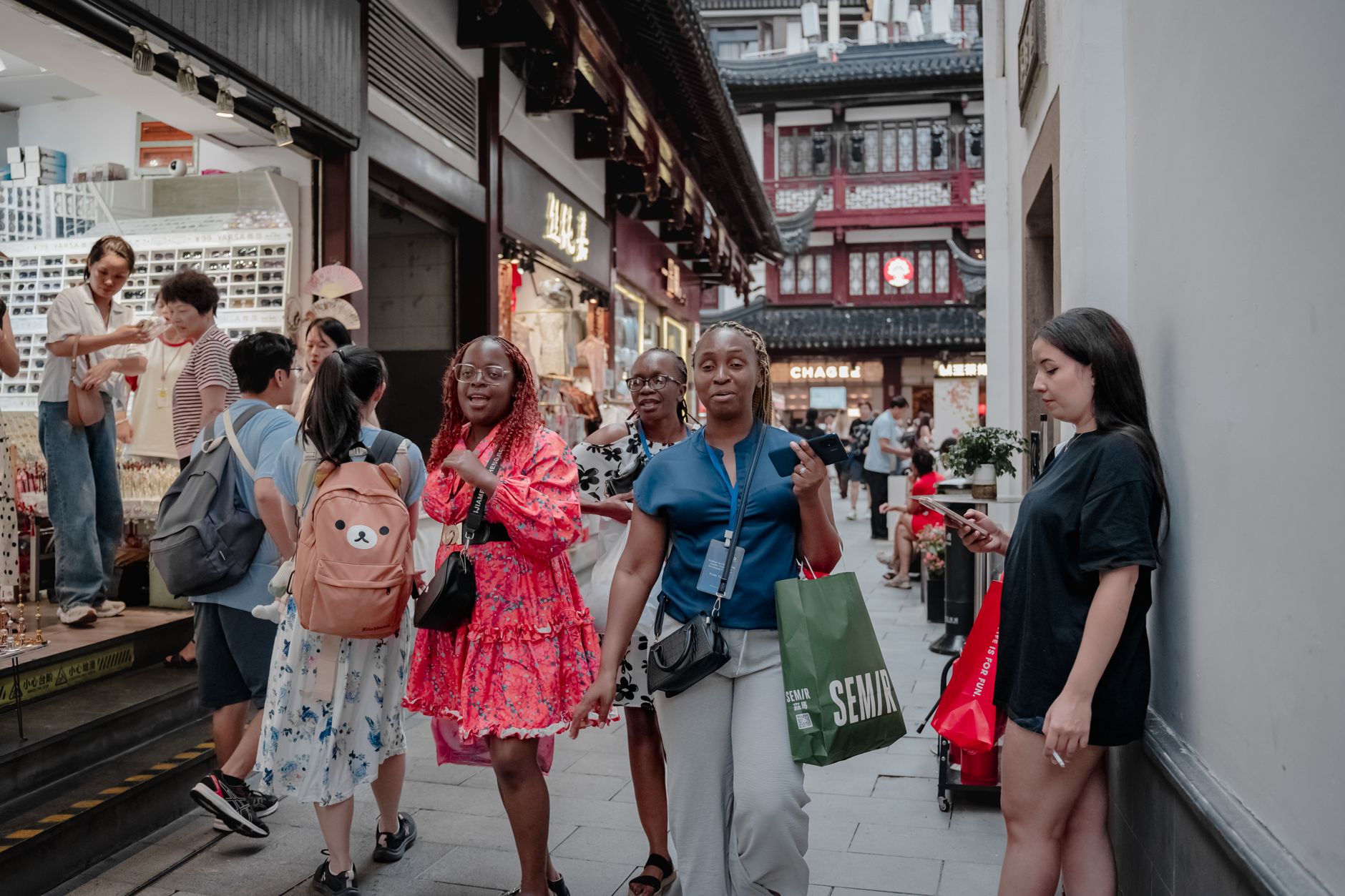
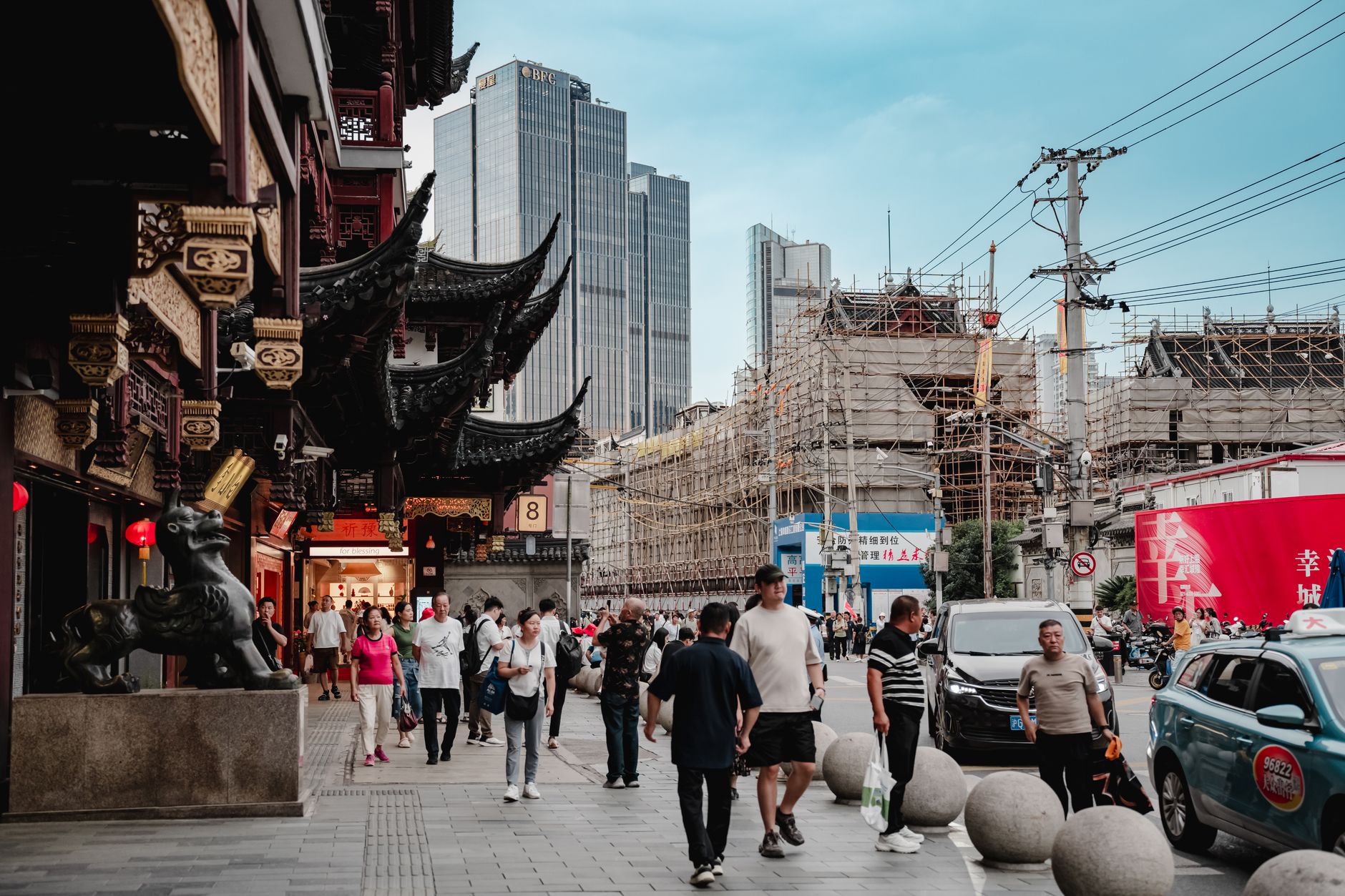
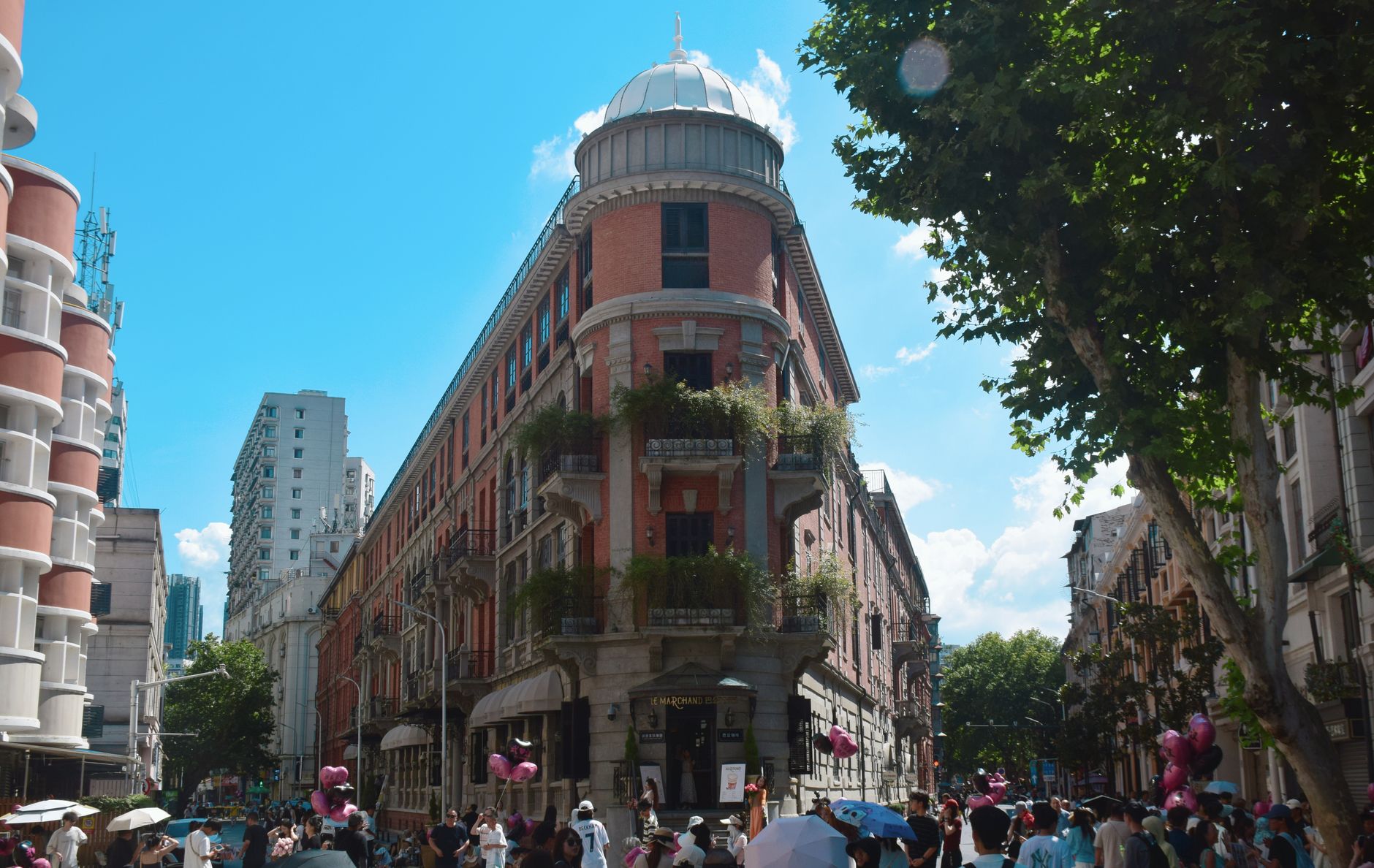
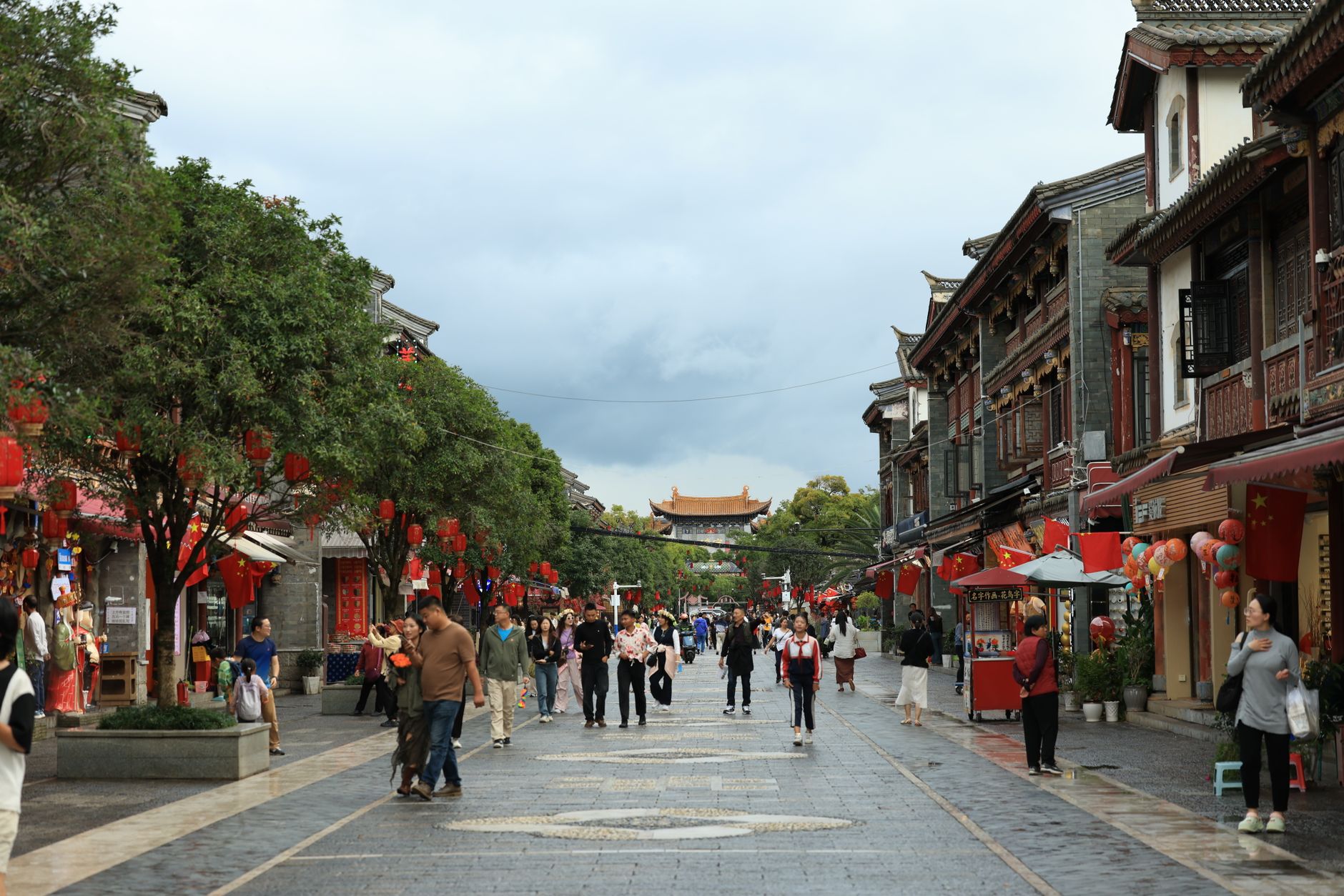
The stone doorframes give it away before anything else does. Walk through Xintiandi's North Block and you'll keep stopping at thresholds — thick granite lintels, black timber doors, decorative carvings worn smooth — the bones of Shanghai's shikumen row houses, a housing form that emerged in the 1860s when refugees flooded the foreign settlements and landlords built fast and at scale.
Today those same bones frame wine bars and boutiques. Xingye Road splits the quarter into two halves: the North Block, where the rehabilitated courtyard homes still read as a neighbourhood, and the South Block, which opened in 2002 around a service hotel and a retail building with a cinema on its top floor. Taiping Lake's 44,000 square metres of parkland and water stretch alongside.
💛 What travellers fall for
People who come back tend to time it deliberately: arrive around 3 pm, when the light hits the red-brick walls at an angle that picks out every textural detail, then stay for dinner under the sycamore trees as the lanes fill out. The Museum of the First National Congress at 76 Xingye Road is worth the detour — the building itself is the point as much as what's inside.
Deals in Xintiandi
Book directly at the provider
How Xintiandi came to be
Shikumen houses were Shanghai's dominant urban fabric for nearly a century — red brick, stone frames, lanes arranged in tight rows — before Shui On Group, the Hong Kong developer founded by Vincent H.S. Lo in 1971, acquired 23 city blocks here in 1996 and began planning their transformation. The project launched in 1997; a soft opening followed in January 2001, with the South Block completing in mid-2002.
The redevelopment displaced around 25,000 households and 800 work units — 3,800 households and 156 workplaces relocated in just 43 days at one point. Skidmore, Owings & Merrill, working alongside architect Benjamin T. Wood and Nikken Sekkei International, oversaw the design. The result kept the street-level texture of the old lanes while gutting and reprogramming almost everything behind the facades.
Who and what shaped it
People who shaped it
Landmark buildings
See Xintiandi in motion
Plan your visit
On the map
When to go
Shanghai runs hot and humid from June through August, which makes the shaded lanes and open-air sycamore terraces feel earned rather than incidental. Spring and autumn — particularly October and November — bring drier air and the most comfortable temperatures for walking the blocks at length.
Right now
Background & history adapted from Wikipedia (CC BY-SA) · specs from Wikidata (CC0) · weather from Open-Meteo · map data © OpenStreetMap contributors · photos from Wikimedia Commons / Unsplash with per-image credit. No third-party reviews or social posts reproduced.