
Bali, Indonesia
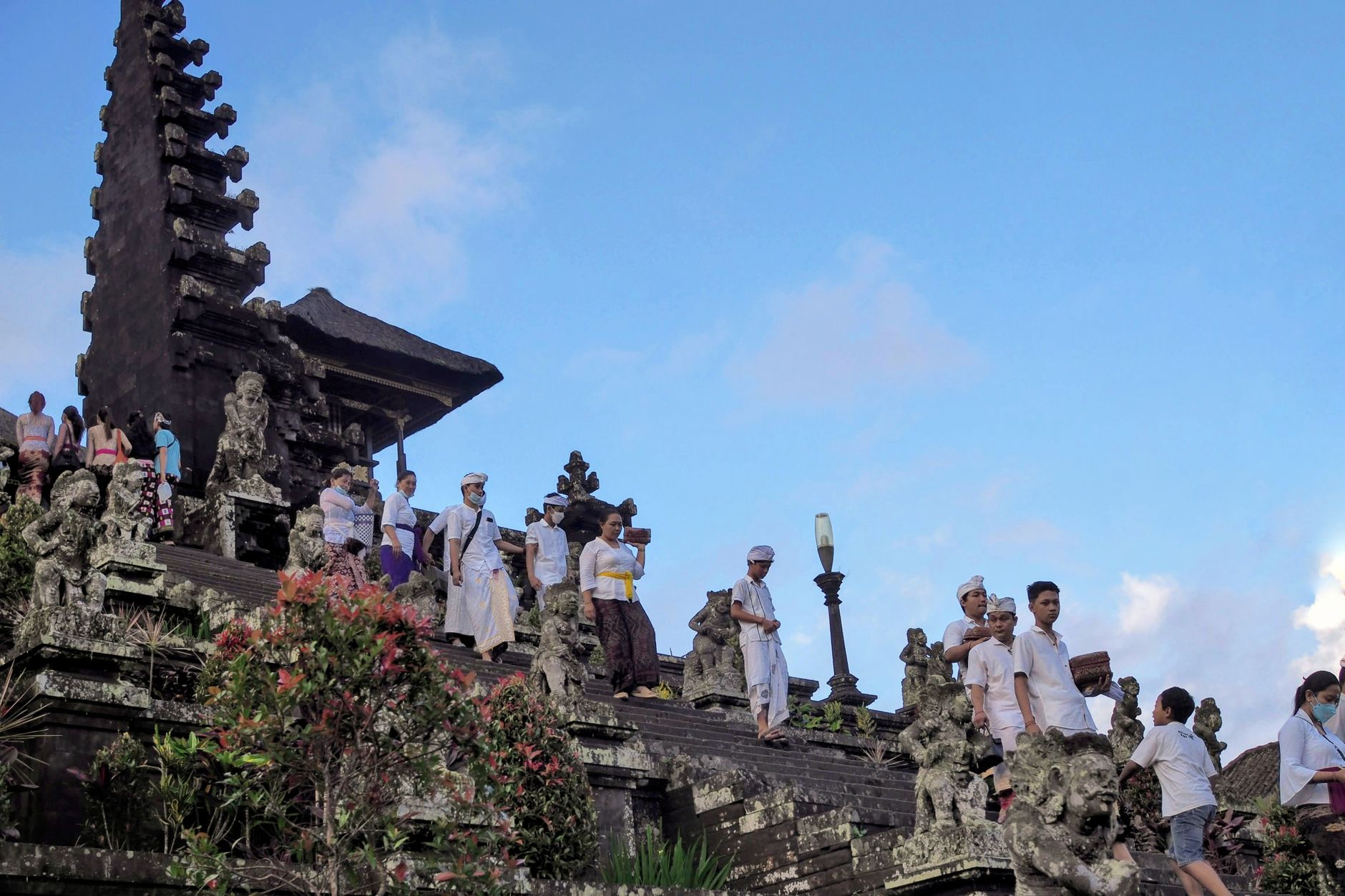
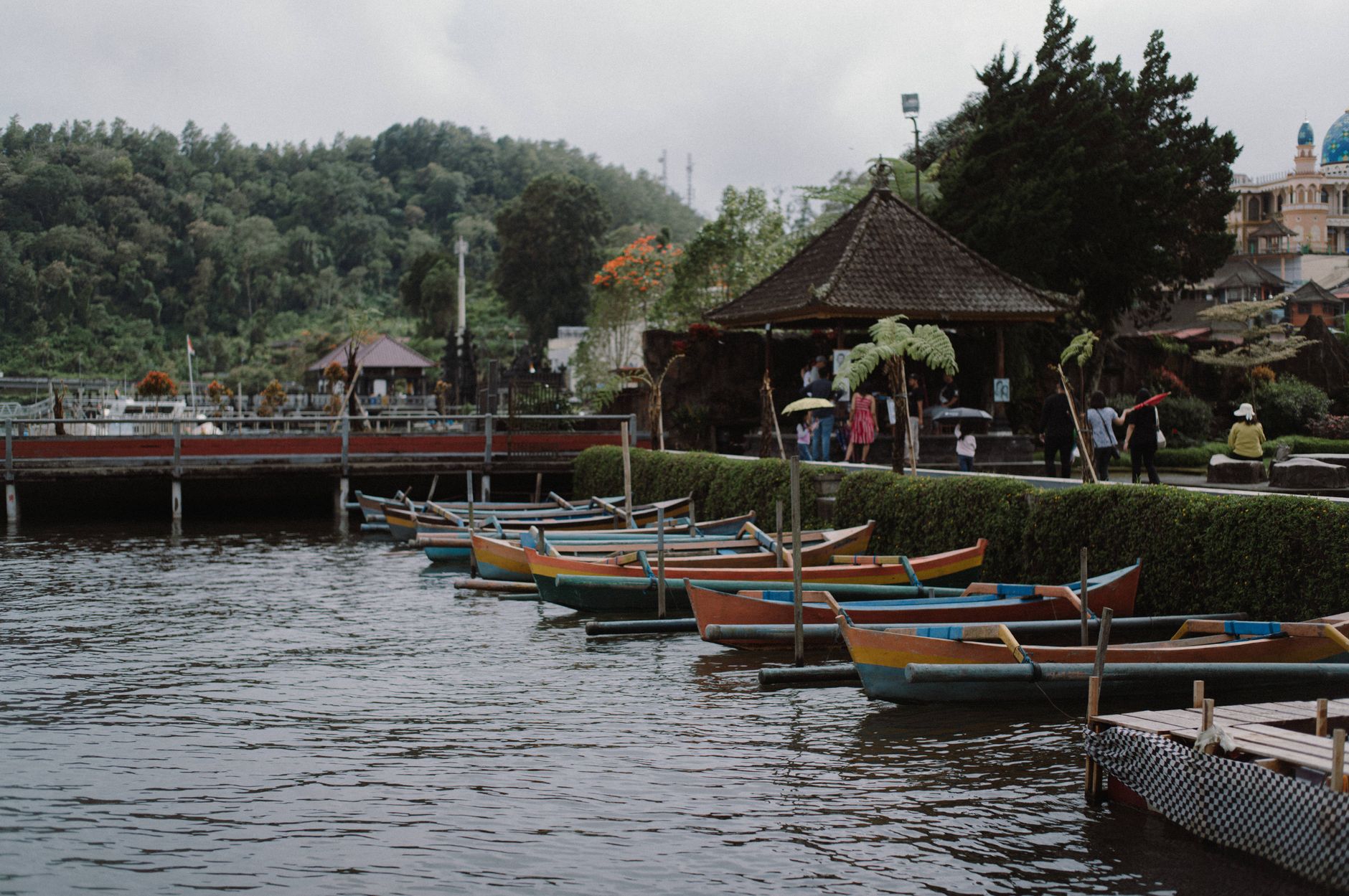
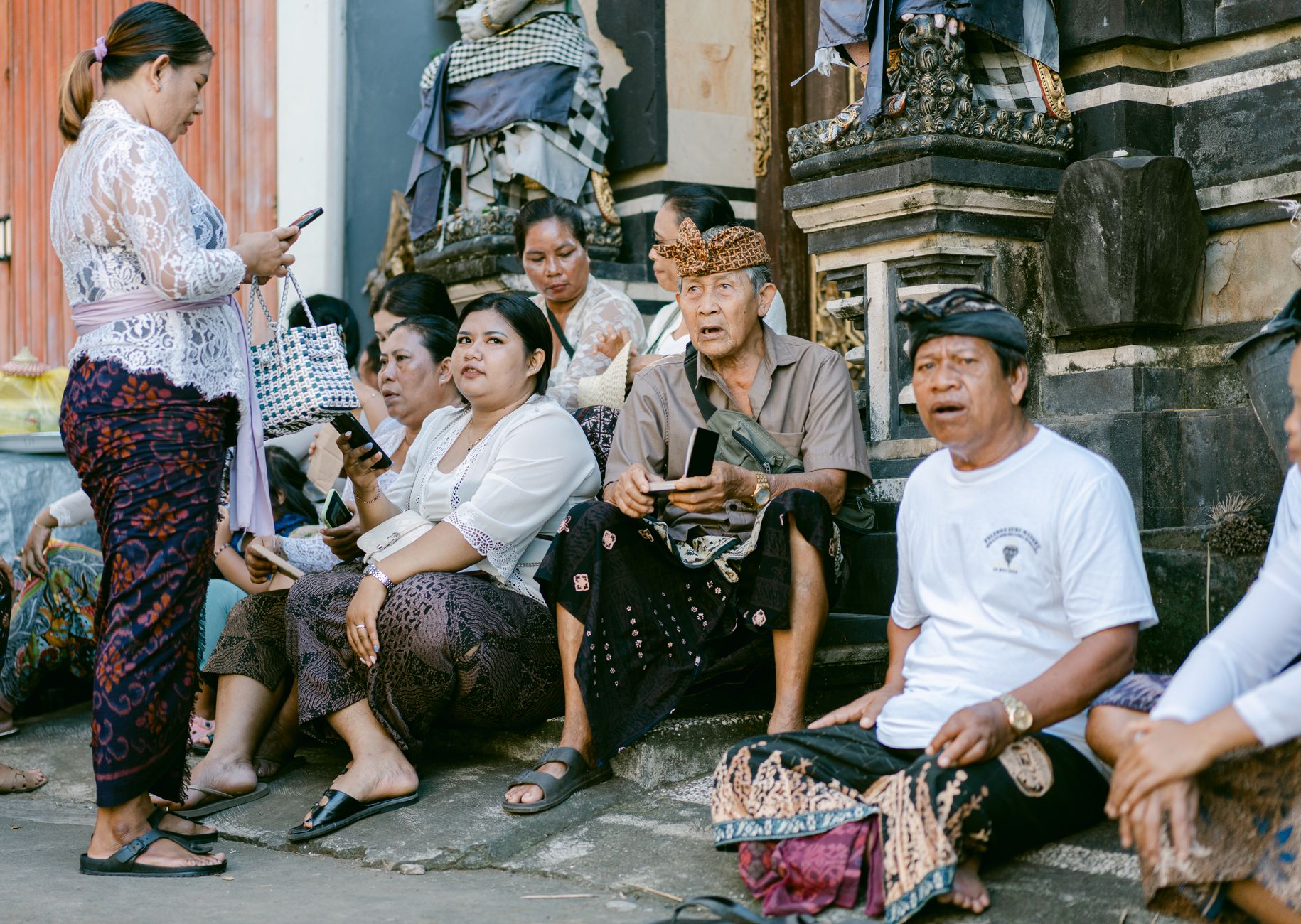
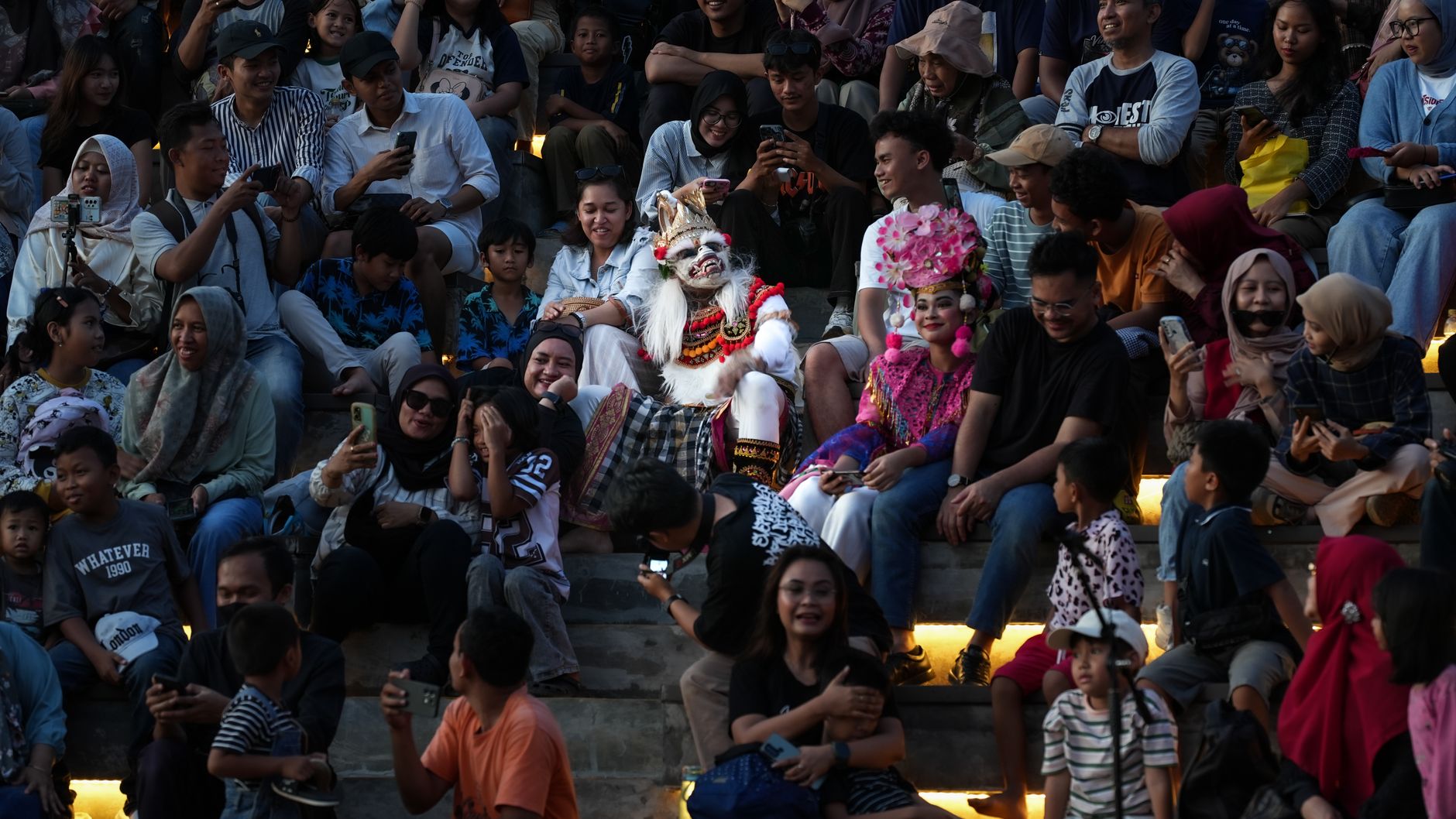
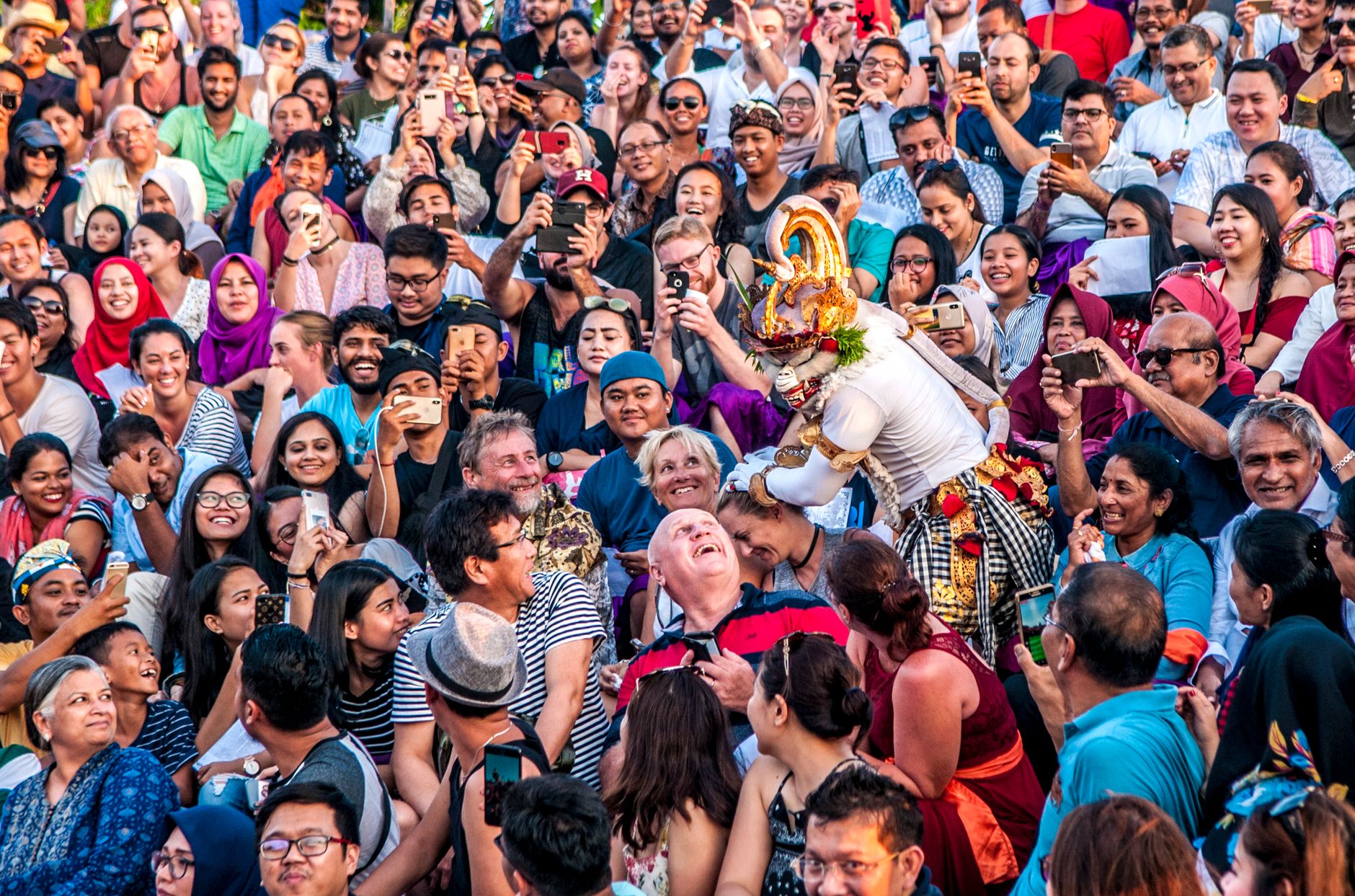
Bali runs on ritual. On any given morning, you'll find small woven offerings — flowers, incense, a few grains of rice — placed on doorsteps, motorbike seats, and temple thresholds before the day properly begins. This is a place where the sacred and the everyday share the same square metre of ground, and that texture is what most visitors carry home long after the tan has faded.
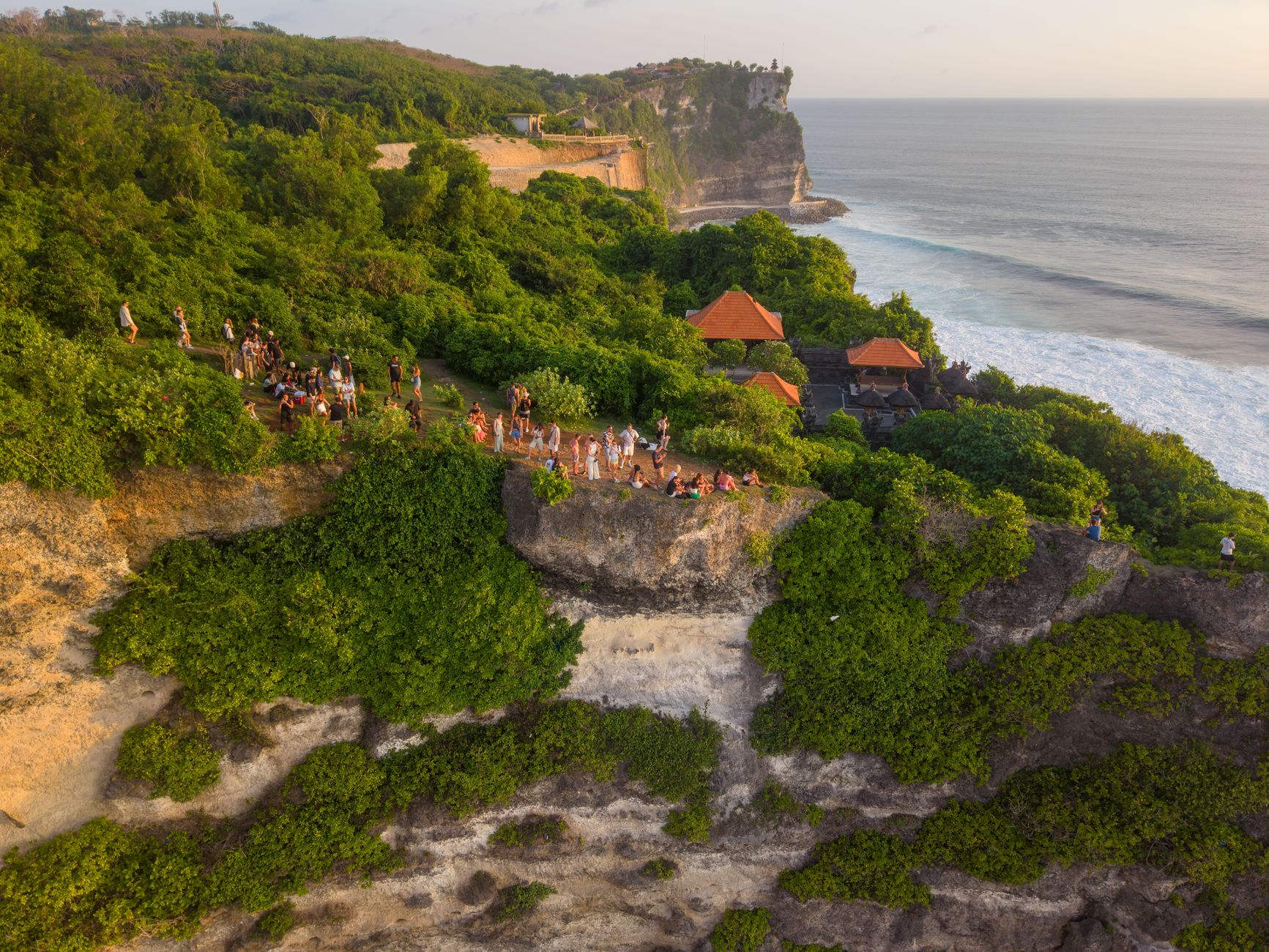
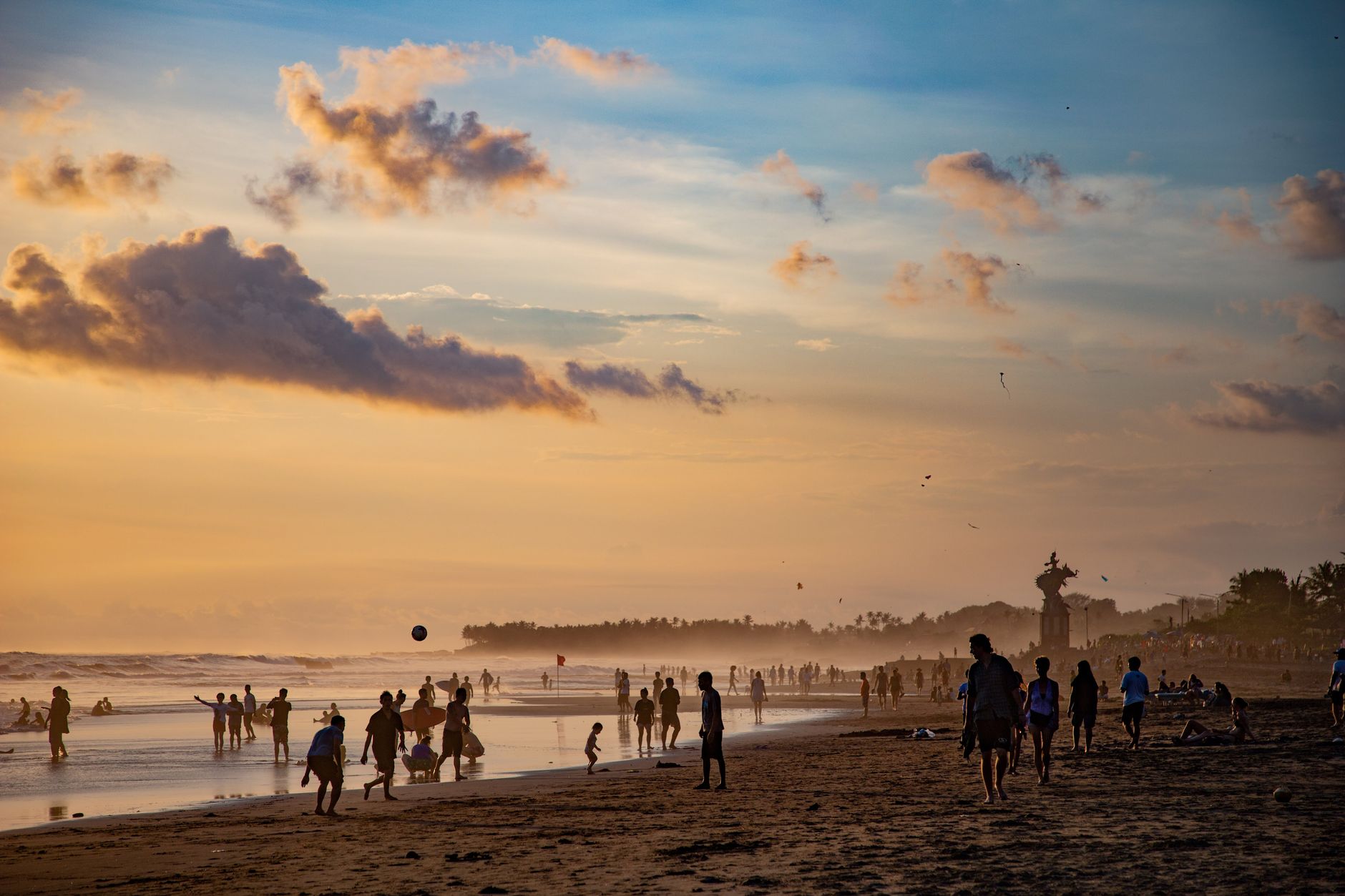
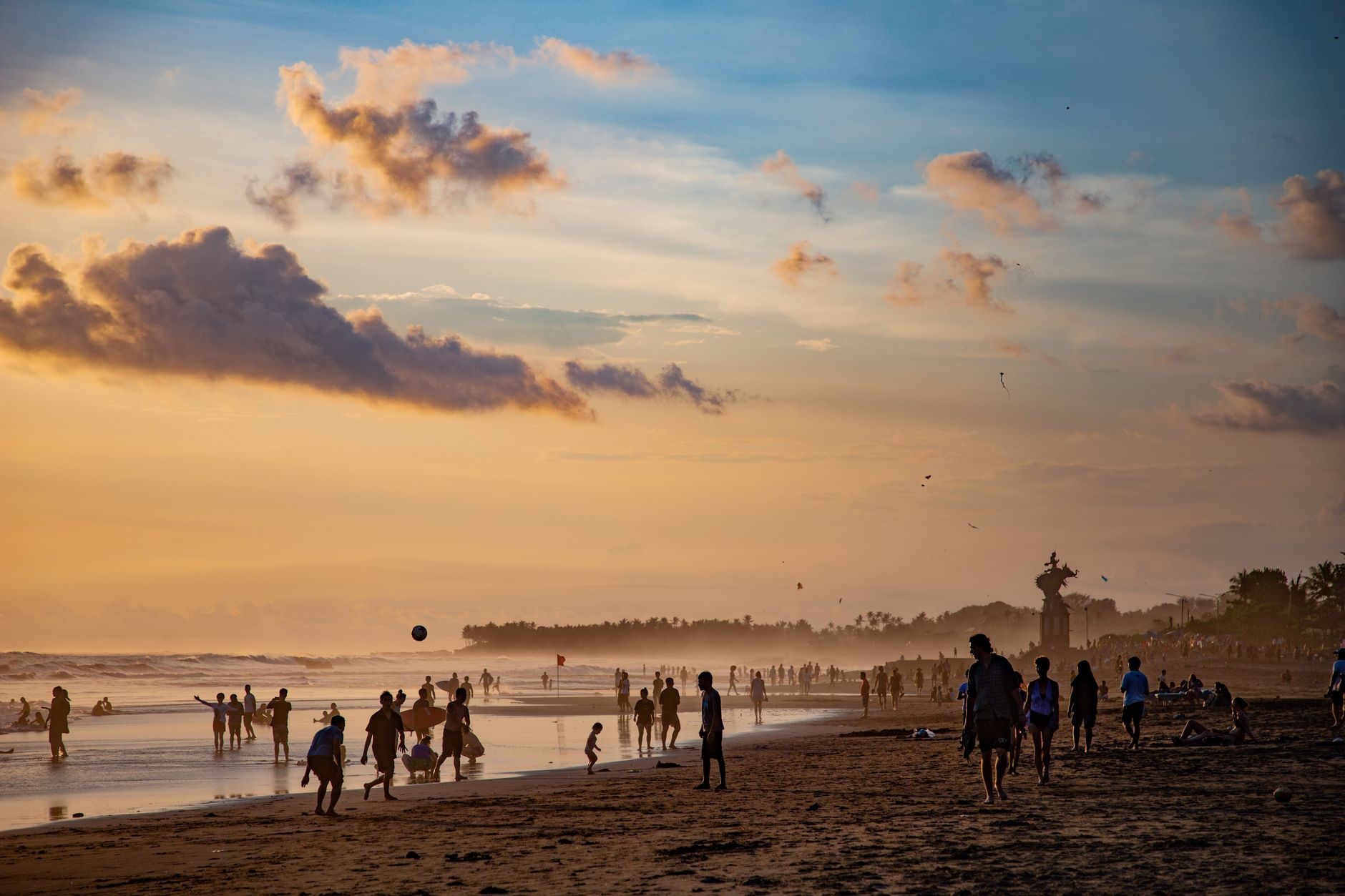
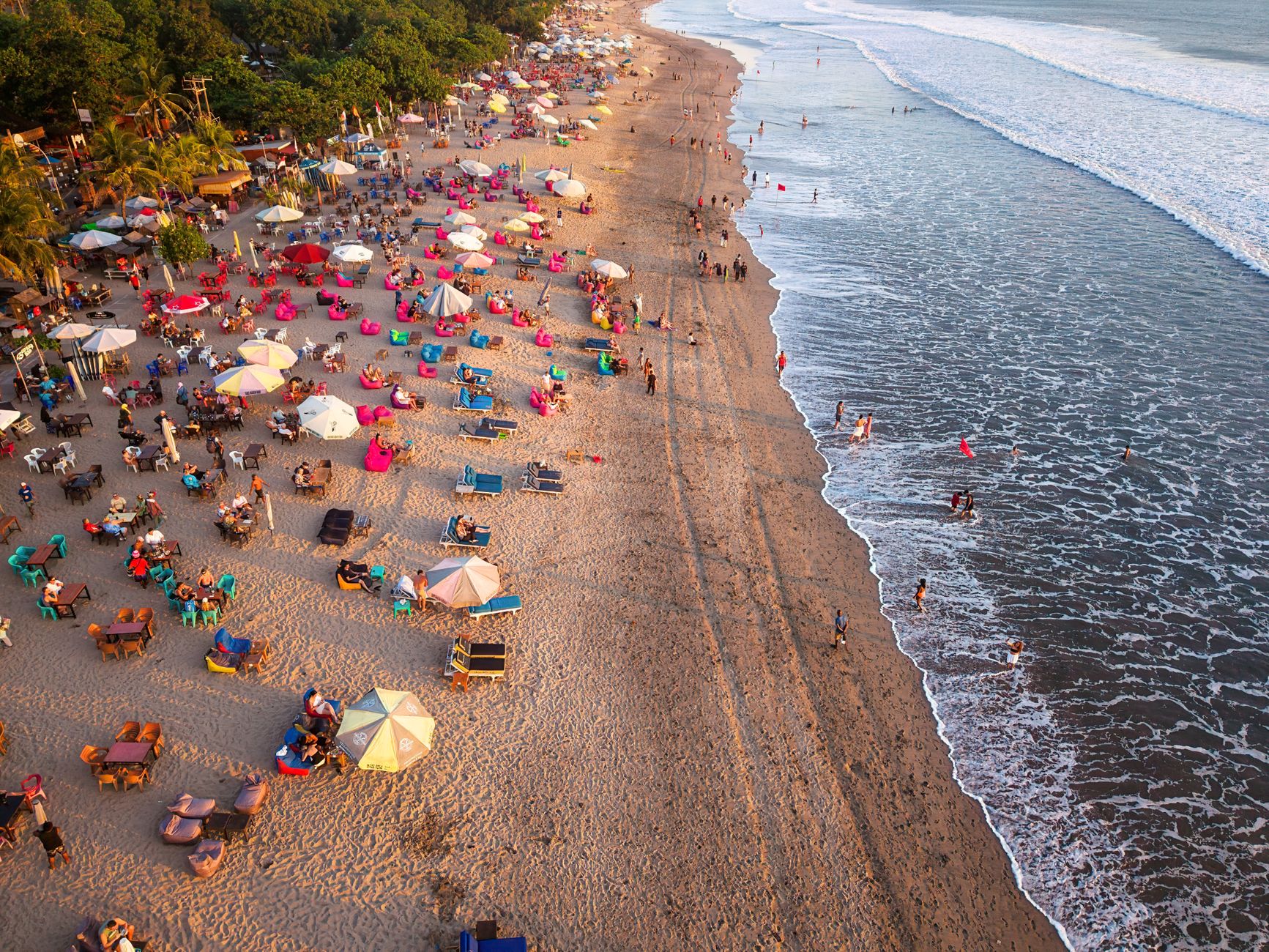
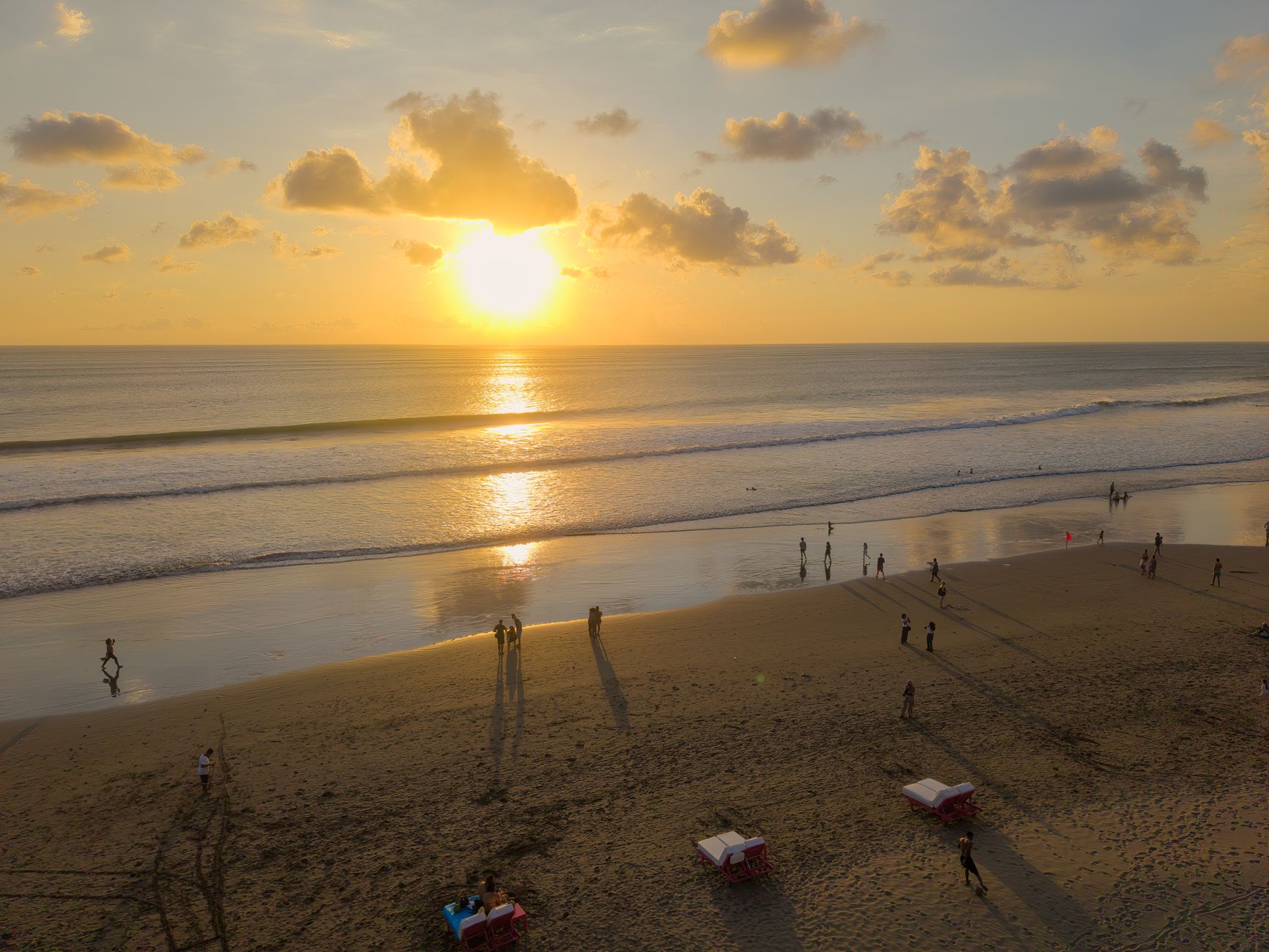
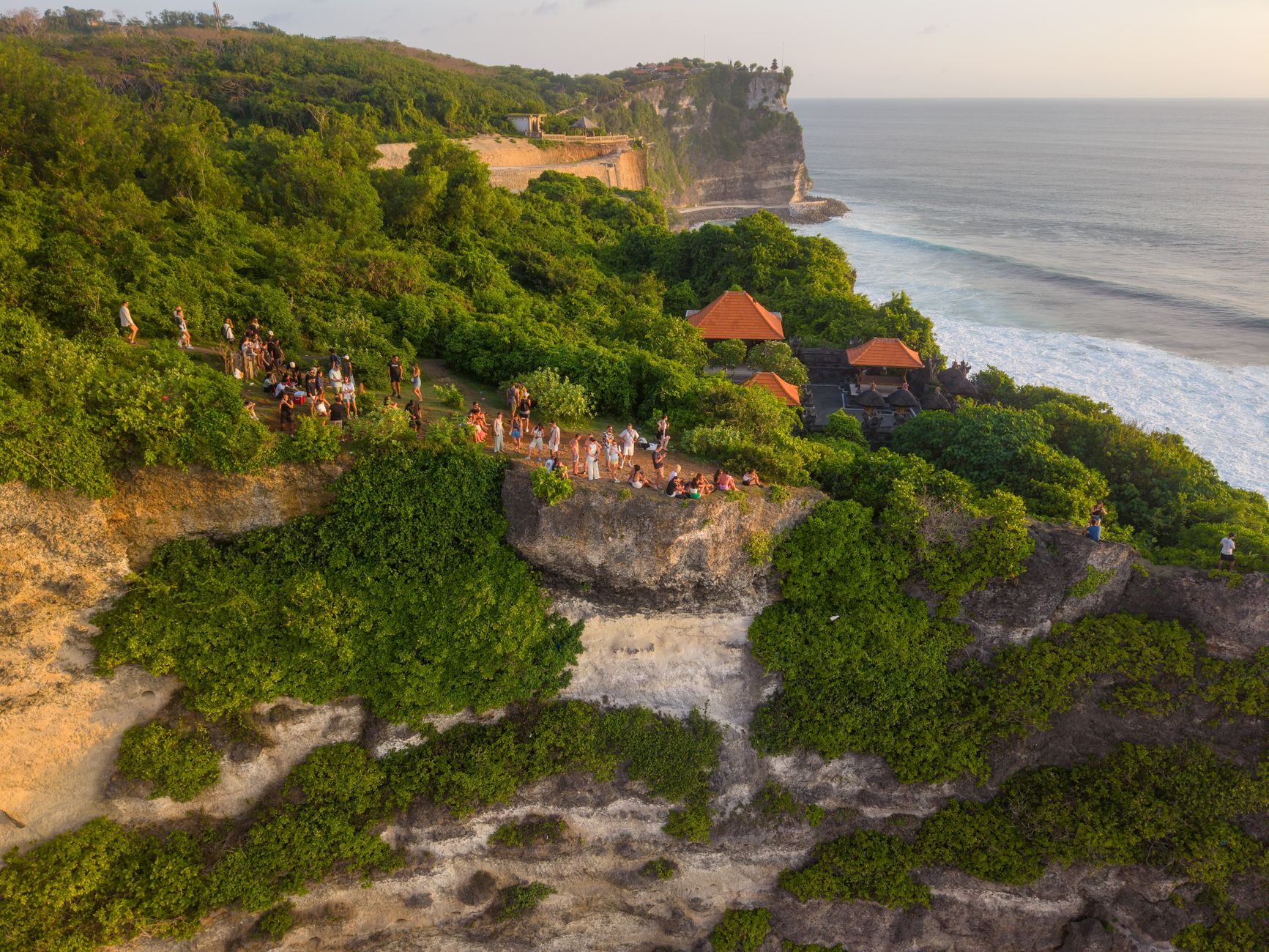
The island is compact enough to cross in a few hours yet varied enough to keep you reorienting. Rice terraces step down from the central highlands around Ubud. Clifftop temples hang over the Indian Ocean in the south. Fishing villages line the black-sand north coast. Each pocket has its own character, its own pace.
Popular cities in Bali, Indonesia
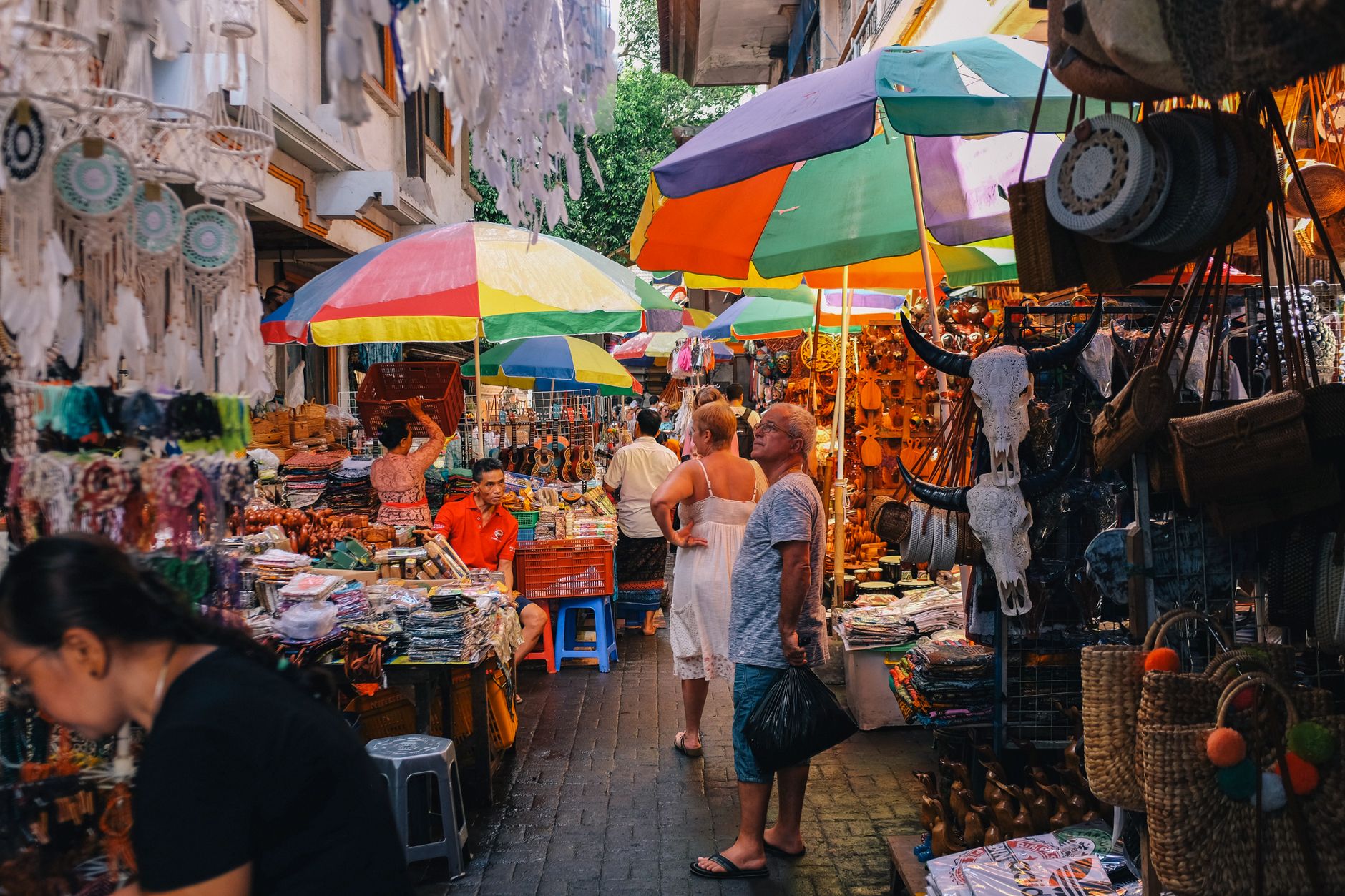
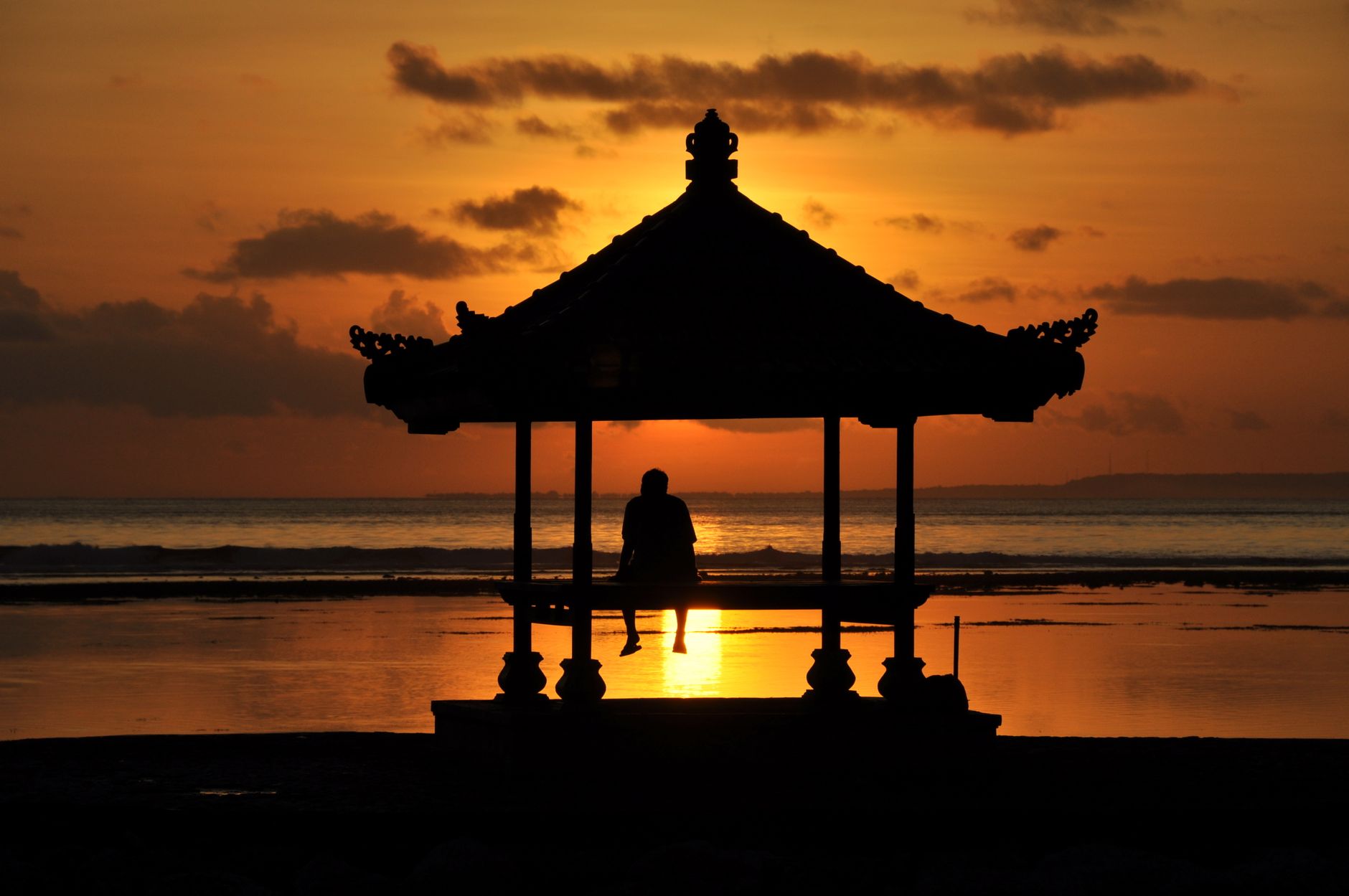
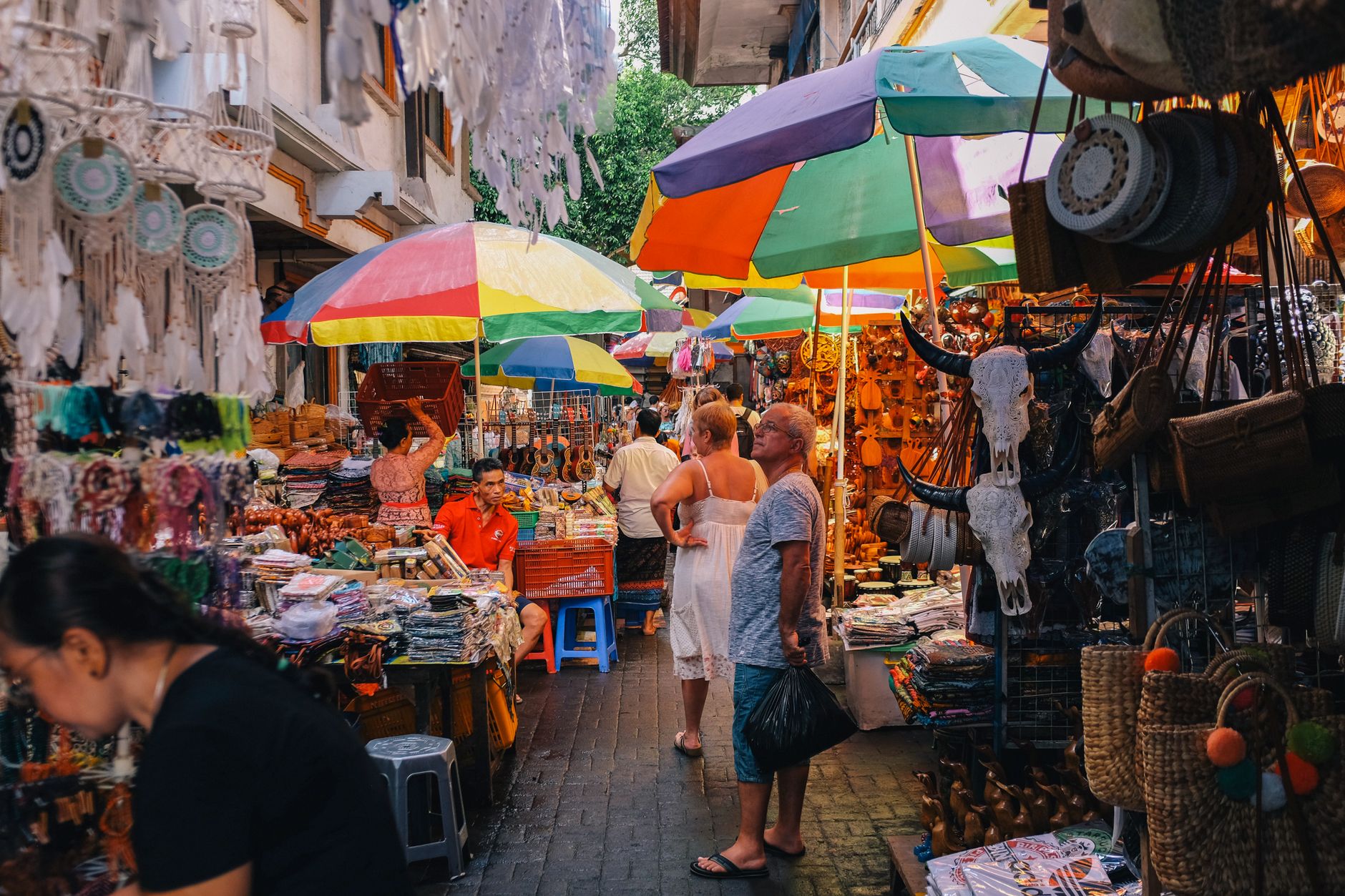
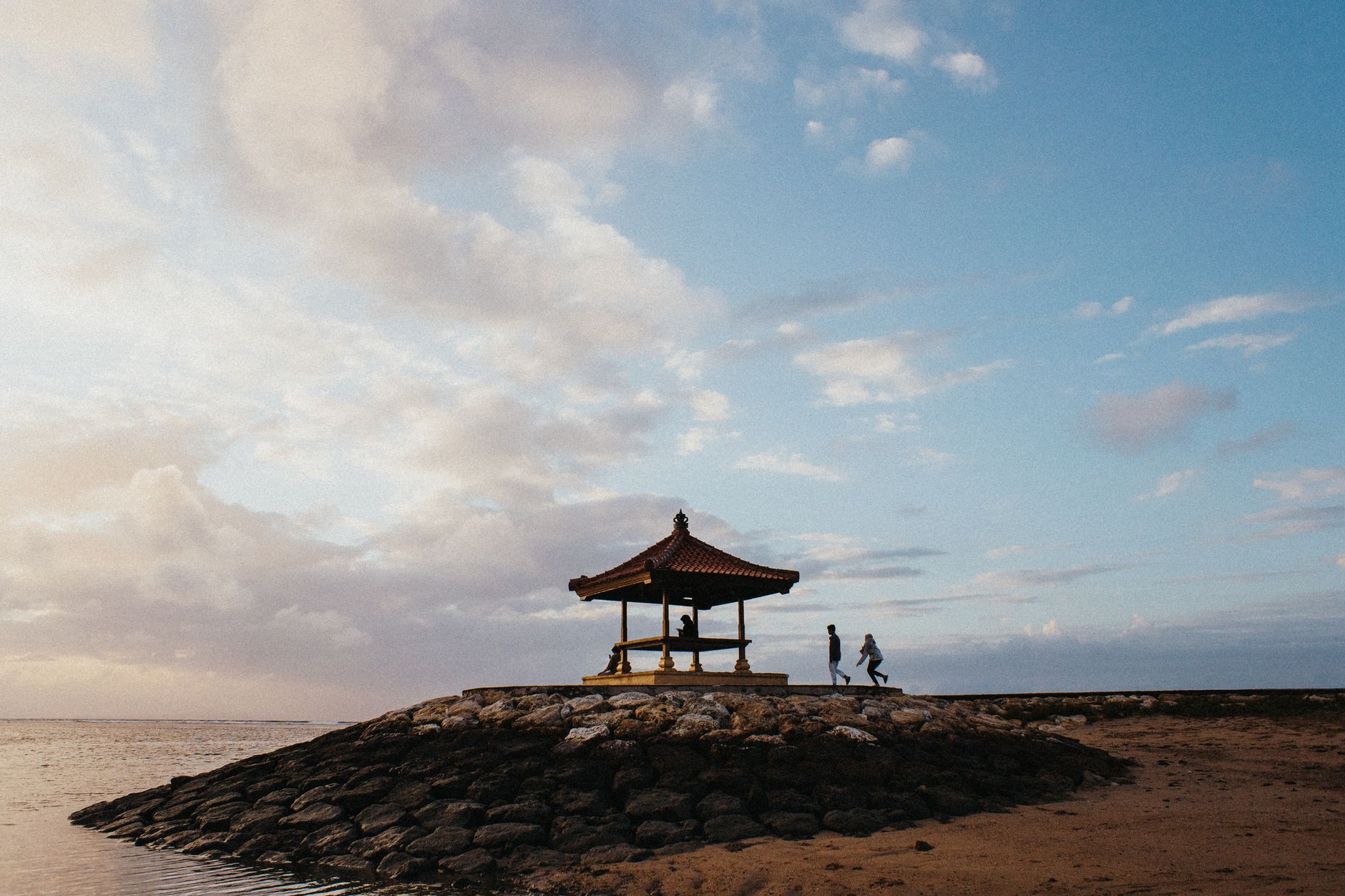
💛 What travellers fall for
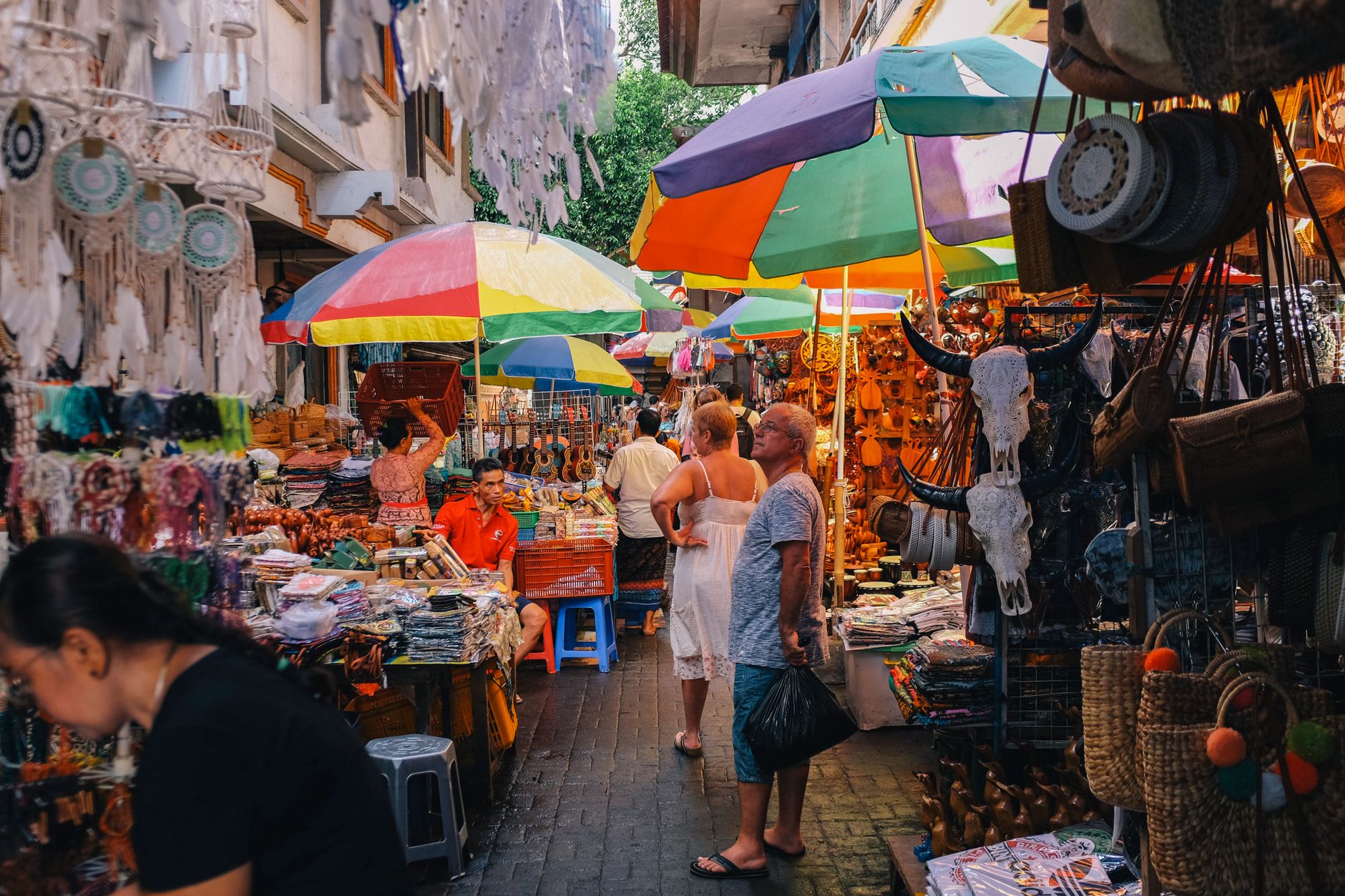
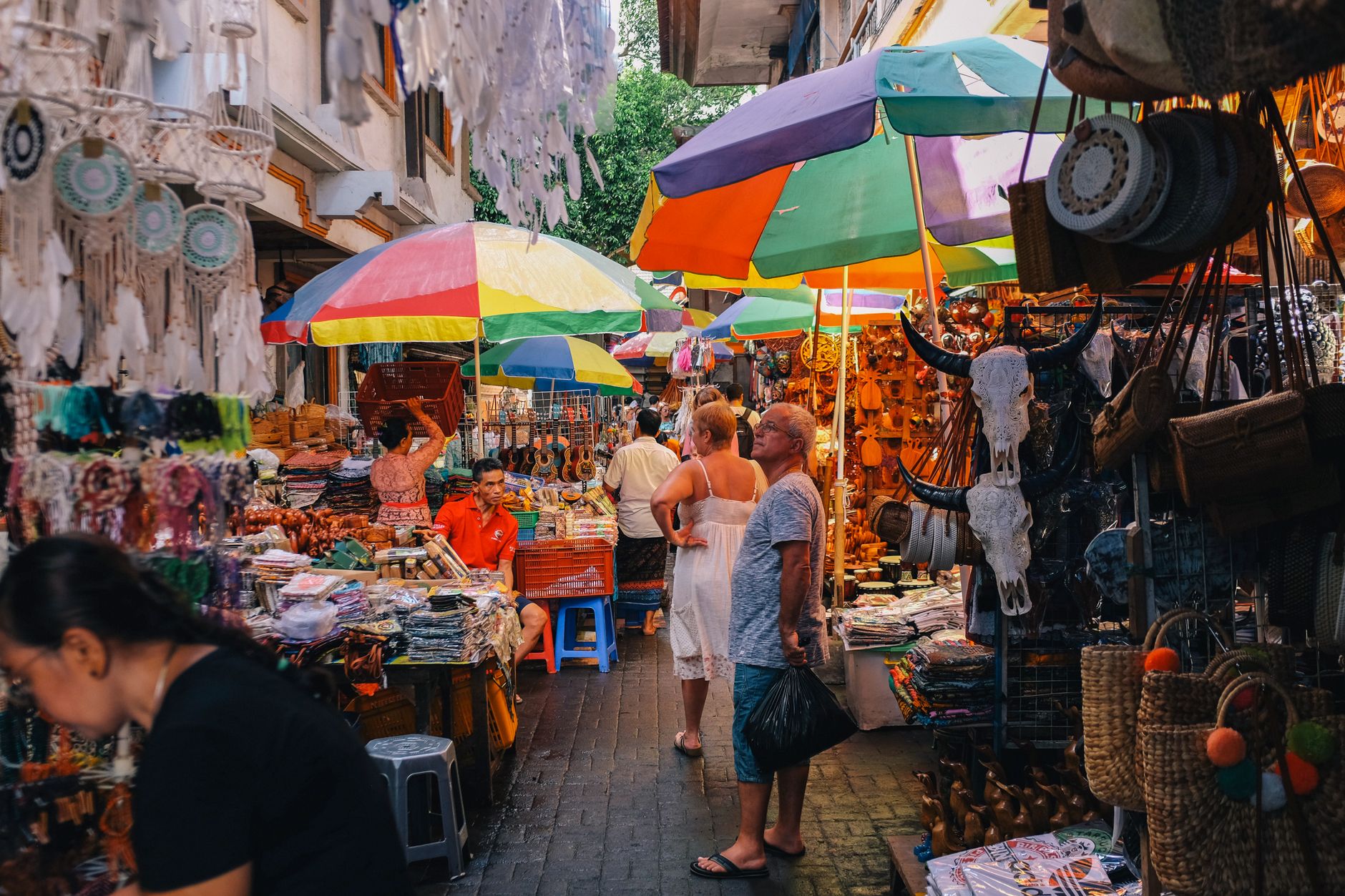
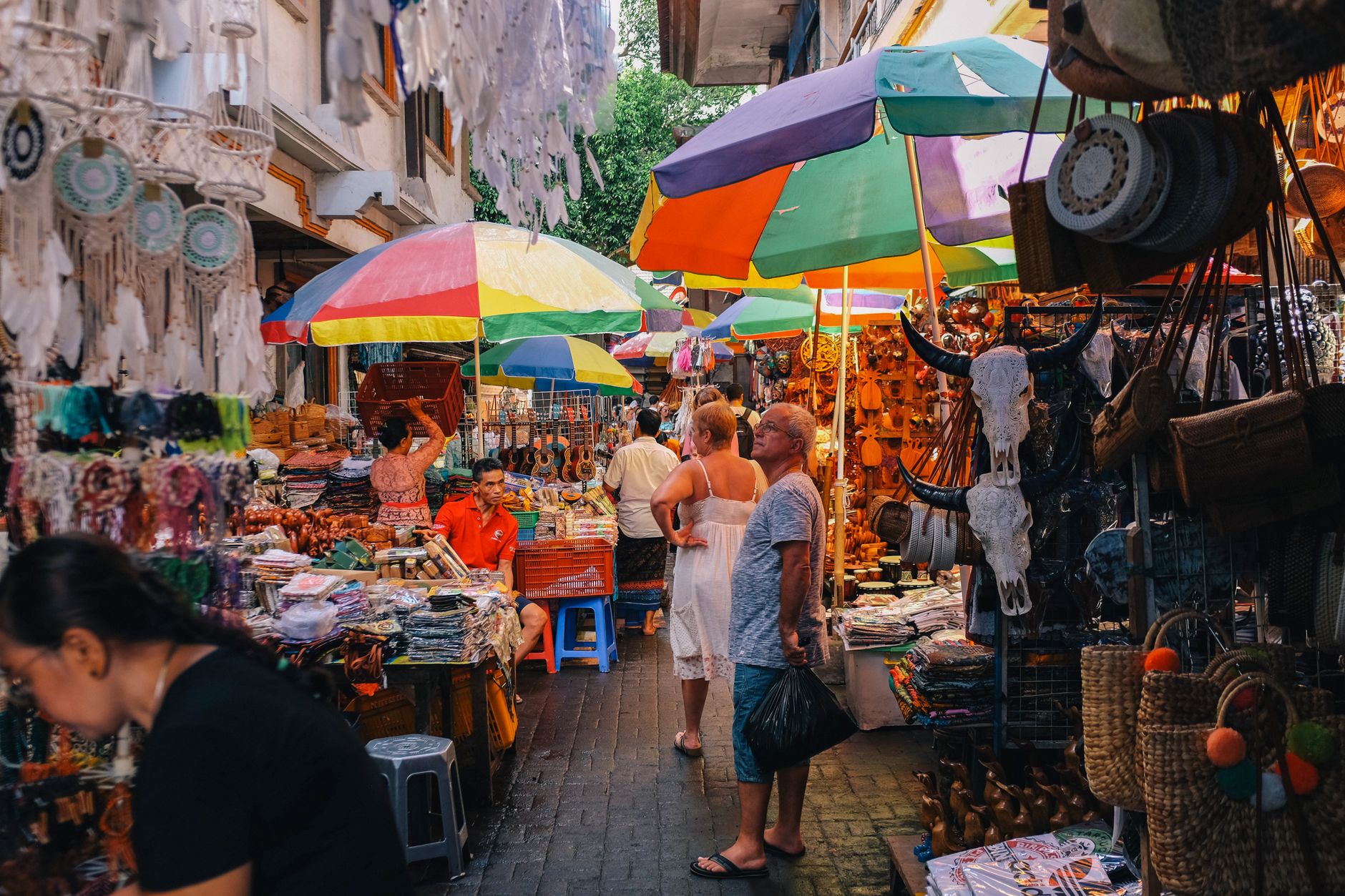
People who return to Bali tend to pick a base and go deep rather than covering ground. Ubud rewards that approach most — walk the ridge paths above the Campuhan River early, before the tour groups arrive, and eat at the warungs the locals actually use. The longer you stay in one place, the more the island opens up.
How Bali, Indonesia came to be
People have lived on Bali since Paleolithic times, with stone hand axes found near Sembiran and Trunyan as evidence. Austronesian migrants arrived around 2000 BC, and by the 8th century CE, Buddhist clay stupas were being made here. The Belanjong pillar in Sanur, inscribed on 4 February 914 CE, records the reign of king Sri Kesari Warmadewa — the oldest written record on the island.
In 1343, the Javanese Majapahit Empire consolidated control over Bali under prime minister Gajah Mada. When that empire collapsed in the 15th century and Islam spread across Java, Hindu priests, artists, and intellectuals relocated to Bali — among them the priest Nirartha, who shaped the island's spiritual architecture and is credited with building both Uluwatu and Tanah Lot. The Dutch arrived in 1597, and colonial rule ground on until Indonesian independence was recognised on 29 December 1949, after a final, bloody chapter: the 1946 Battle of Marga, where Colonel I Gusti Ngurah Rai and his entire battalion were killed fighting Dutch forces.
Who and what shaped it
People who shaped it
Landmark buildings
See Bali, Indonesia in motion
Plan your visit
On the map
When to go
The dry season (April–October) brings clear skies and lower humidity, making it the most comfortable time to visit. The wet season (November–March) brings daily downpours, usually in the afternoon — the landscape turns intensely green, but outdoor plans need flexibility.
Right now
↡ Cities
Background & history adapted from Wikipedia (CC BY-SA) · specs from Wikidata (CC0) · weather from Open-Meteo · map data © OpenStreetMap contributors · photos from Wikimedia Commons / Unsplash with per-image credit. No third-party reviews or social posts reproduced.