
Singaraja

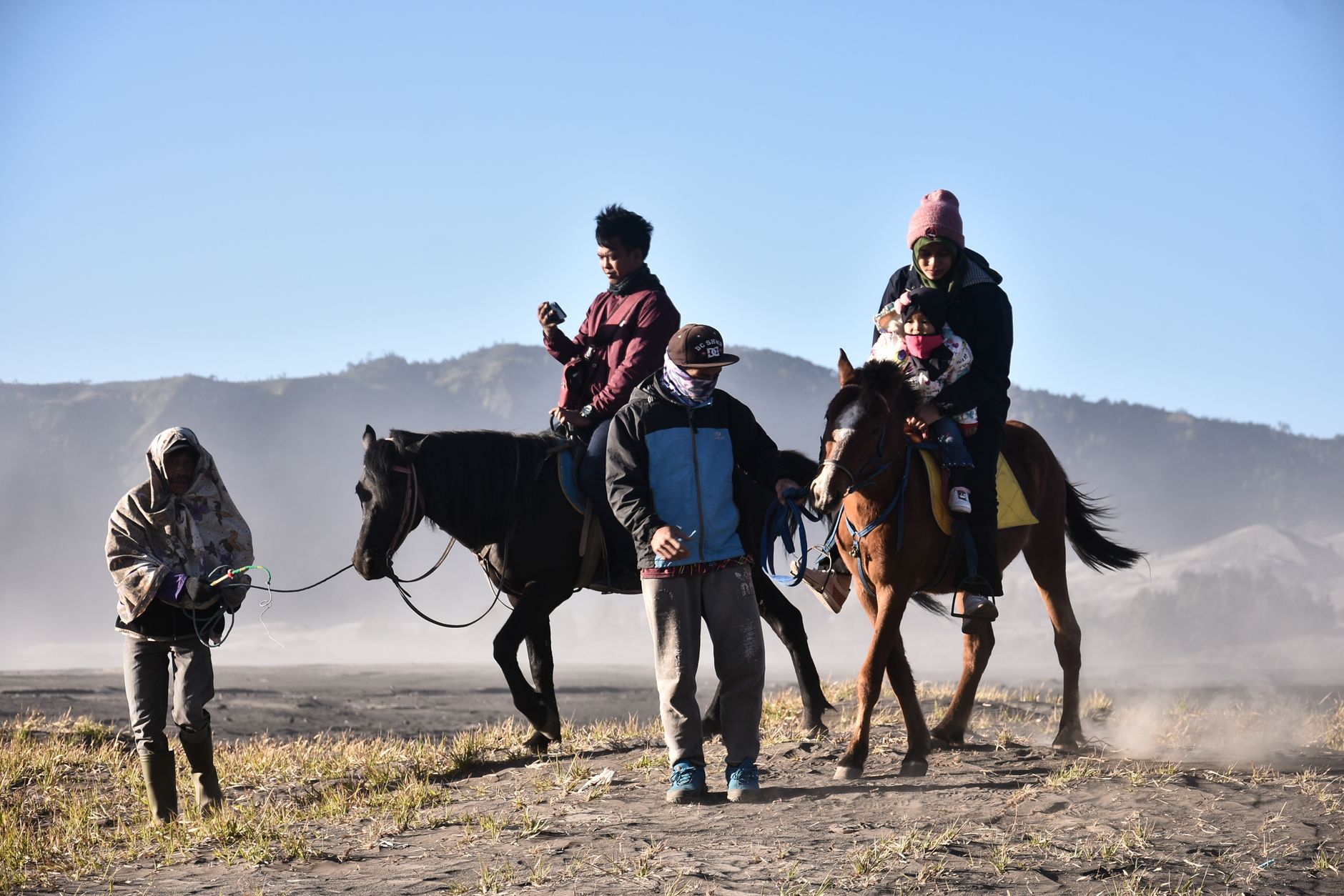
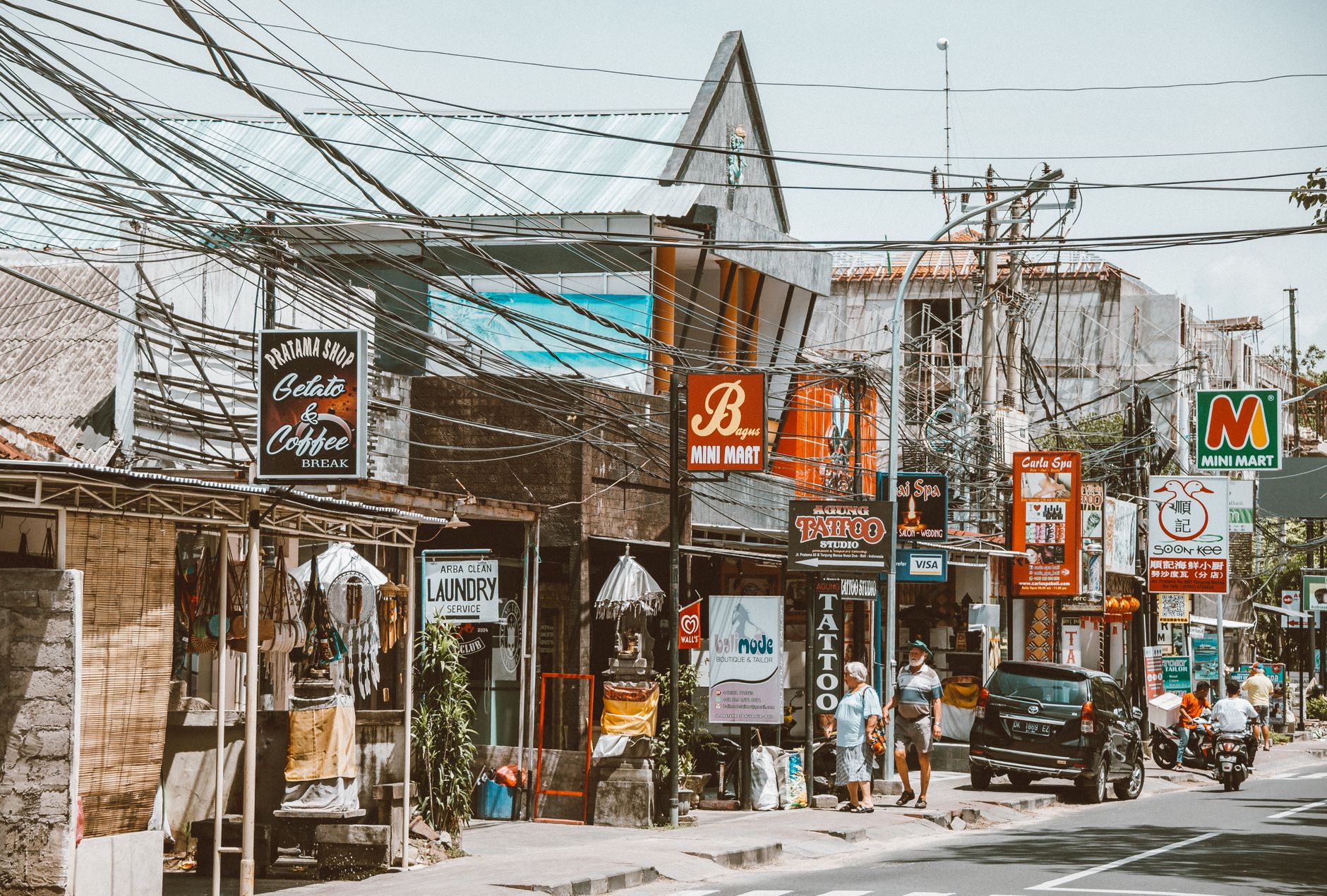
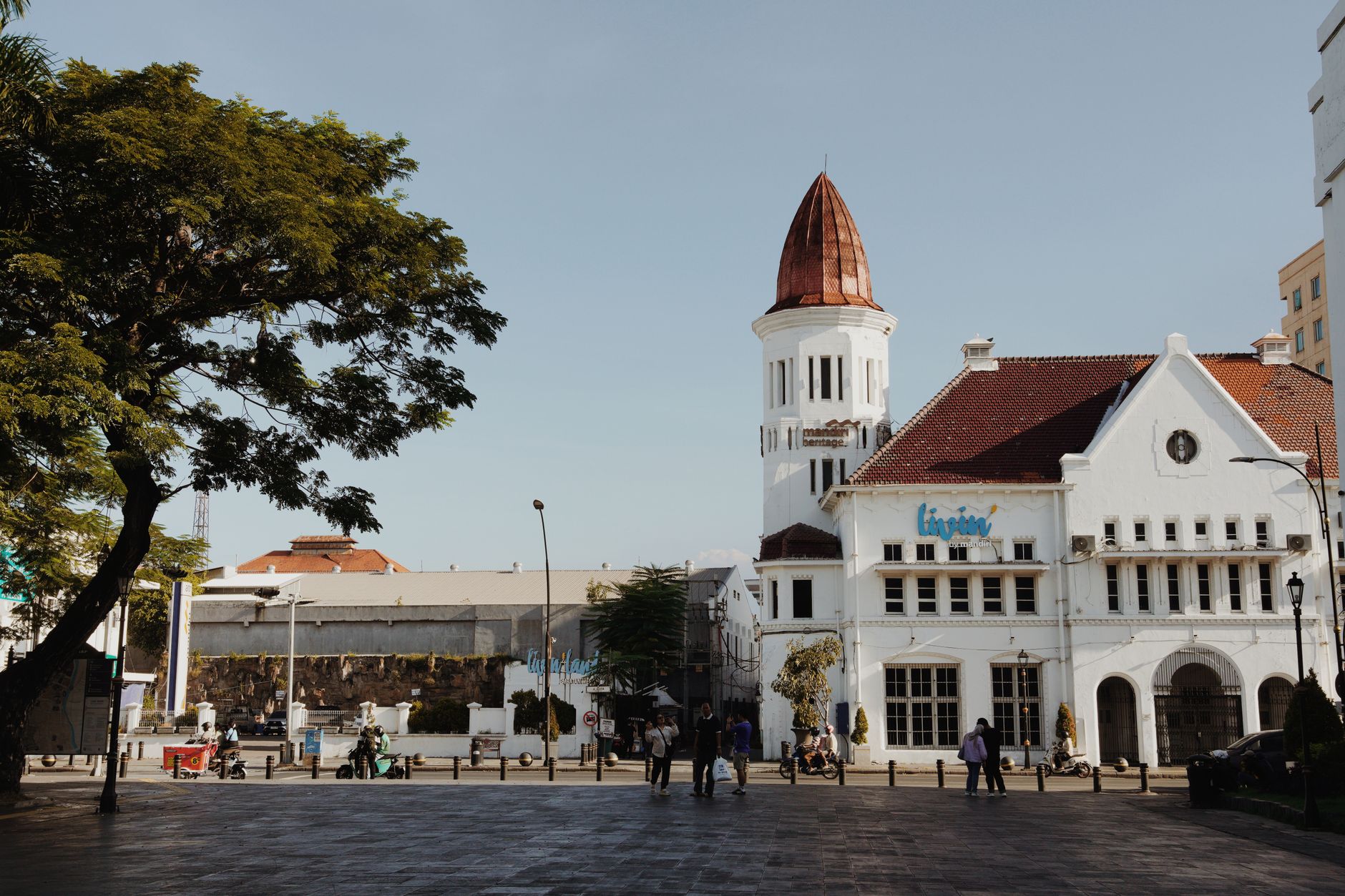

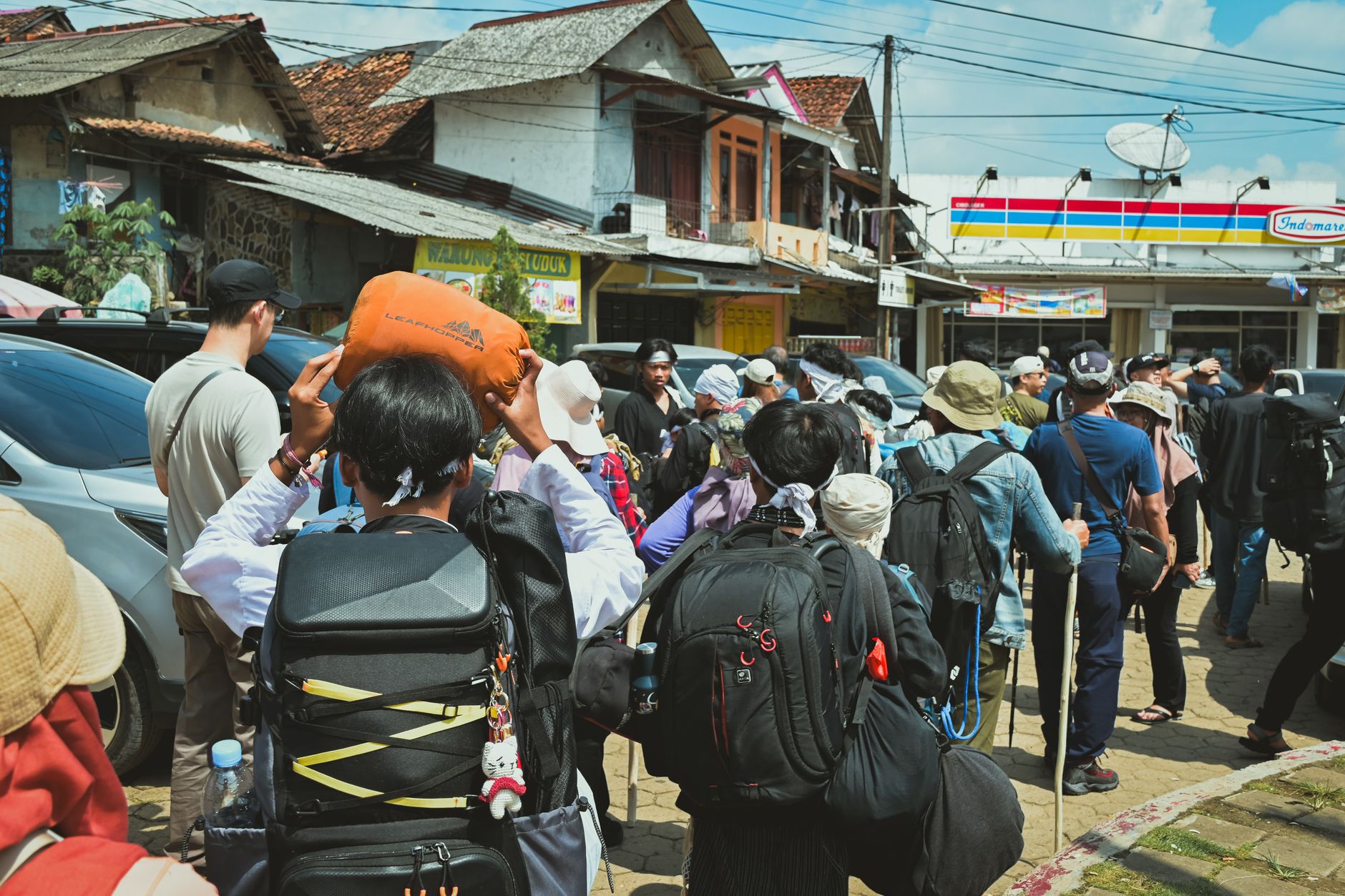
Singaraja is the city the rest of Bali forgot to talk about. For over a century it was the colonial capital of Bali and the Lesser Sunda Islands — the place where Dutch administrators ran things, Chinese merchants built temples by the port, and Balinese scribes pressed their knowledge into palm leaves. Then, in 1958, the bureaucrats moved south to Denpasar and Singaraja was left to get on with being itself.
Today it wears that history without performing it. The old harbor sits quietly behind a Chinese temple founded in 1873. A library holds around 3,000 lontar manuscripts. The royal palace, founded on March 30, 1604, still has descendants of the last raja living inside.
💛 What travellers fall for
People who make it here tend to mention the same two stops: Gedong Kirtya, the palm-leaf manuscript library, where the smell alone is worth the 10,000 IDR entry, and Pura Jagat Natha in the evenings, when gamelan rehearsals drift out from the compound. Come on a weekday — the library closes on weekends.
Deals in Singaraja
Book directly at the provider


How Singaraja came to be
On March 30, 1604, Raja Panji Sakti laid the foundation of his royal palace on the northern coast and named the settlement Singaraja — Lion King — after himself. The city became the capital and main port of the Kingdom of Buleleng, drawing traders from China, Arabia, and across the archipelago. In the 1840s, his descendant's prime minister, I Gusti Ketut Jelantik, led Balinese resistance against Dutch colonial incursions before Singaraja fell in 1849.
The Dutch made it their administrative center for Bali and the Lesser Sunda Islands, a status it held for over a century. In 1928 they founded Gedong Kirtya to preserve the lontar manuscripts that carry Balinese literature, law, and ritual. When Indonesian independence reorganized the map, the capital shifted south to Denpasar in 1958, and Singaraja settled into the quieter role it still occupies.
Who and what shaped it
People who shaped it
Landmark buildings
See Singaraja in motion
Plan your visit
On the map
When to go
The north coast runs dry from June through October — the most reliable window for a visit. December through March brings heavy rain, though downpours tend to be brief. April, May, and November sit in between, with moderate rainfall that rarely ruins a morning out.
Right now
Background & history adapted from Wikipedia (CC BY-SA) · specs from Wikidata (CC0) · weather from Open-Meteo · map data © OpenStreetMap contributors · photos from Wikimedia Commons / Unsplash with per-image credit. No third-party reviews or social posts reproduced.