
Padangbai
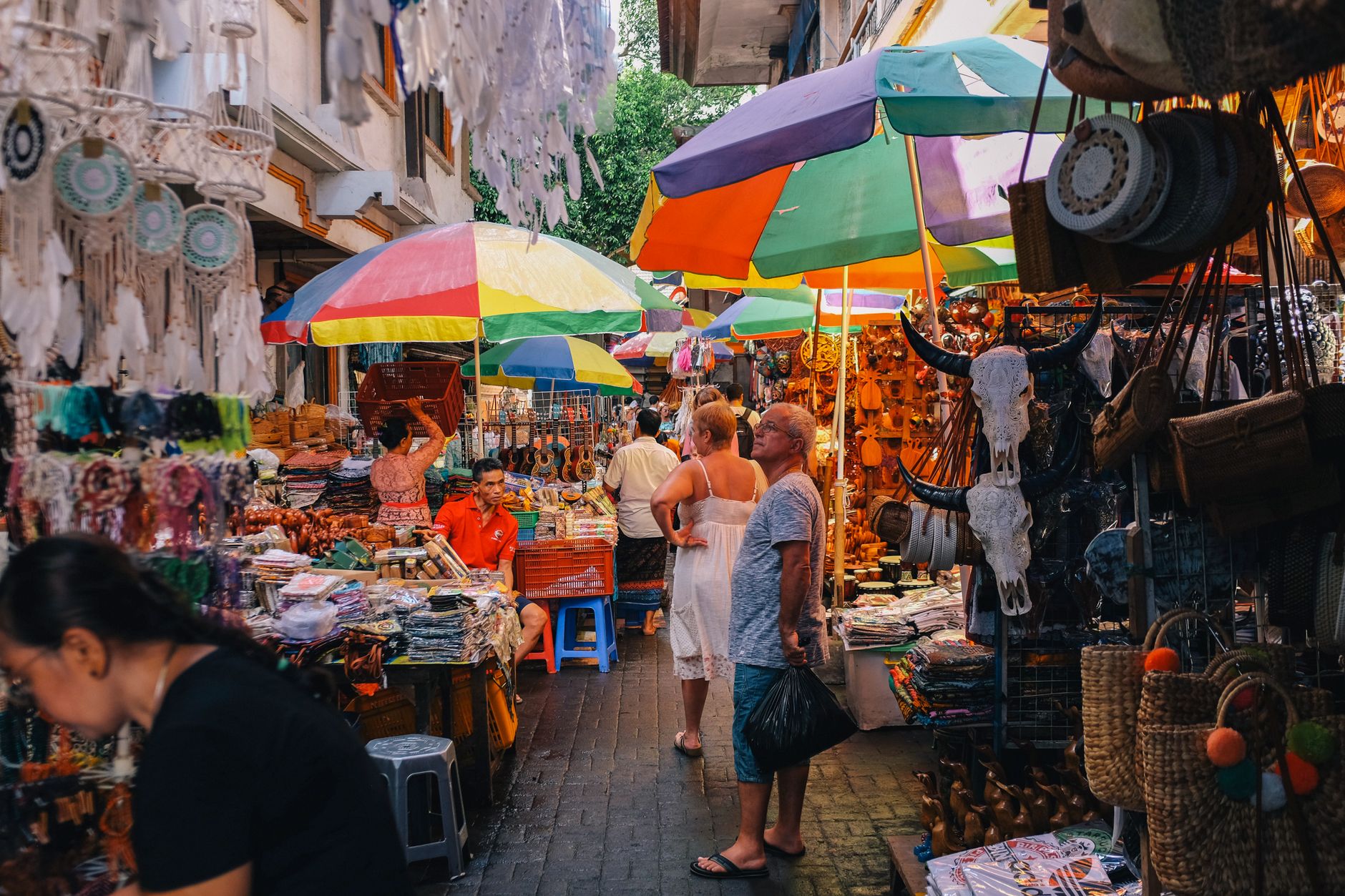
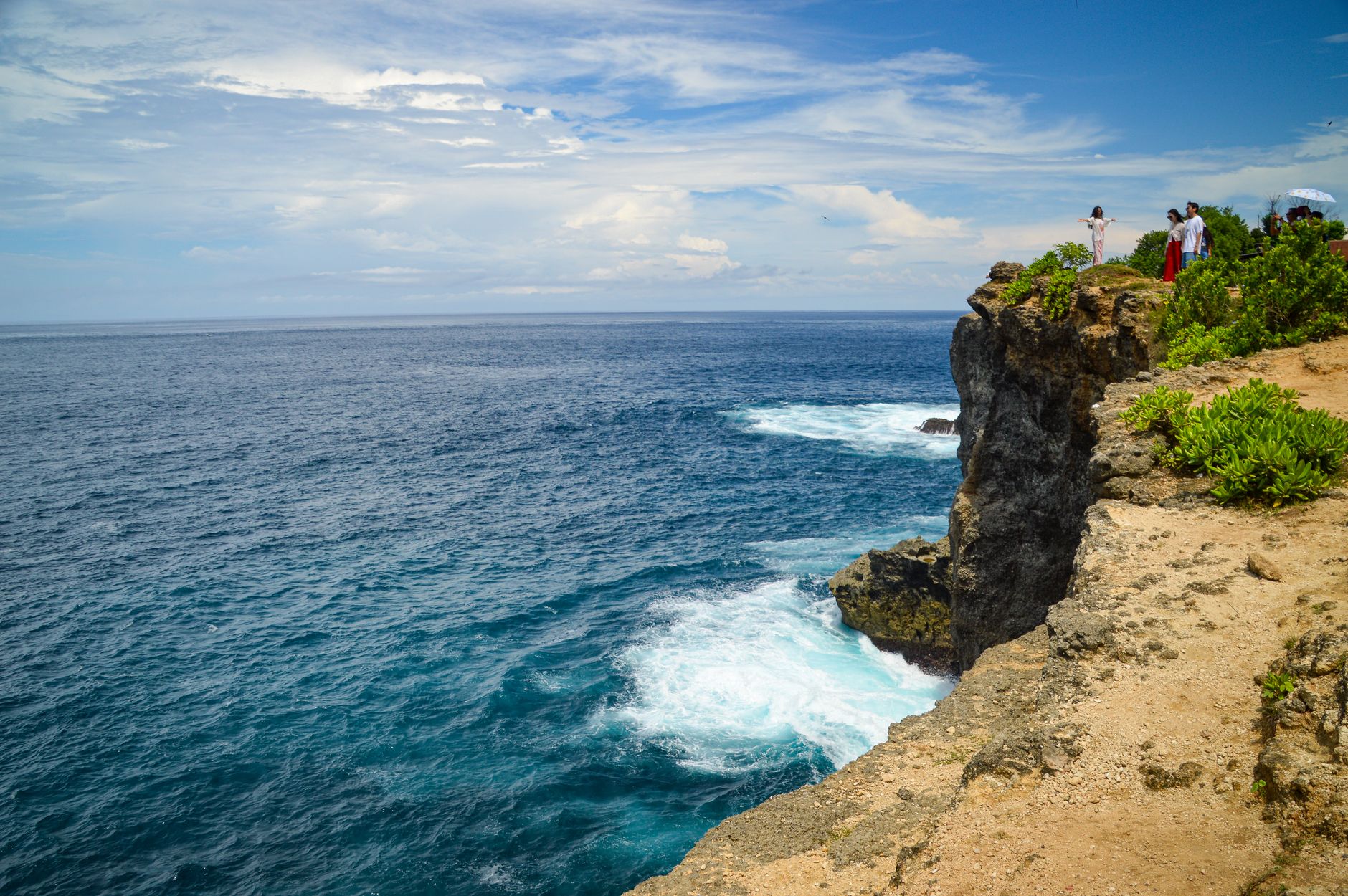
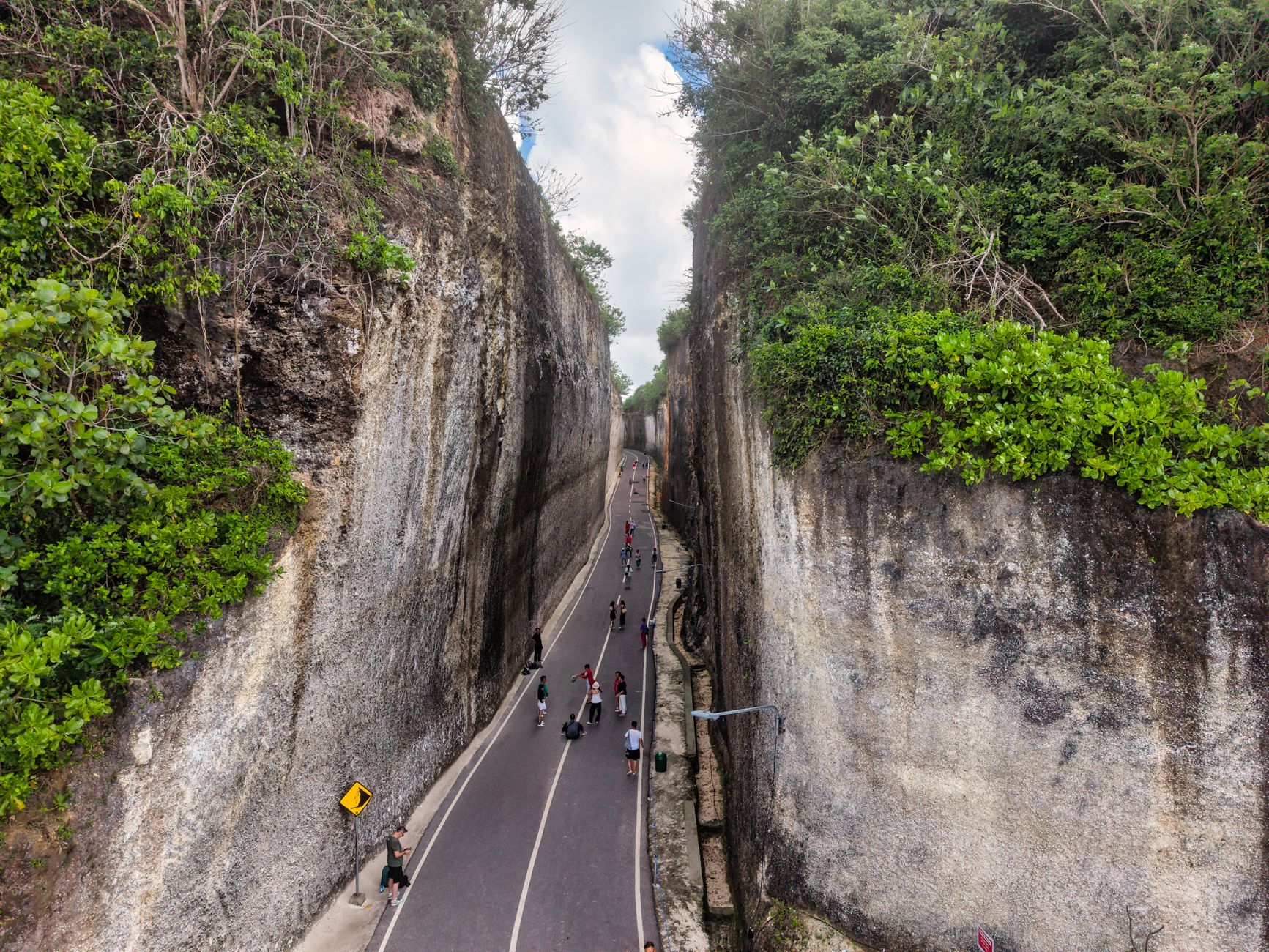
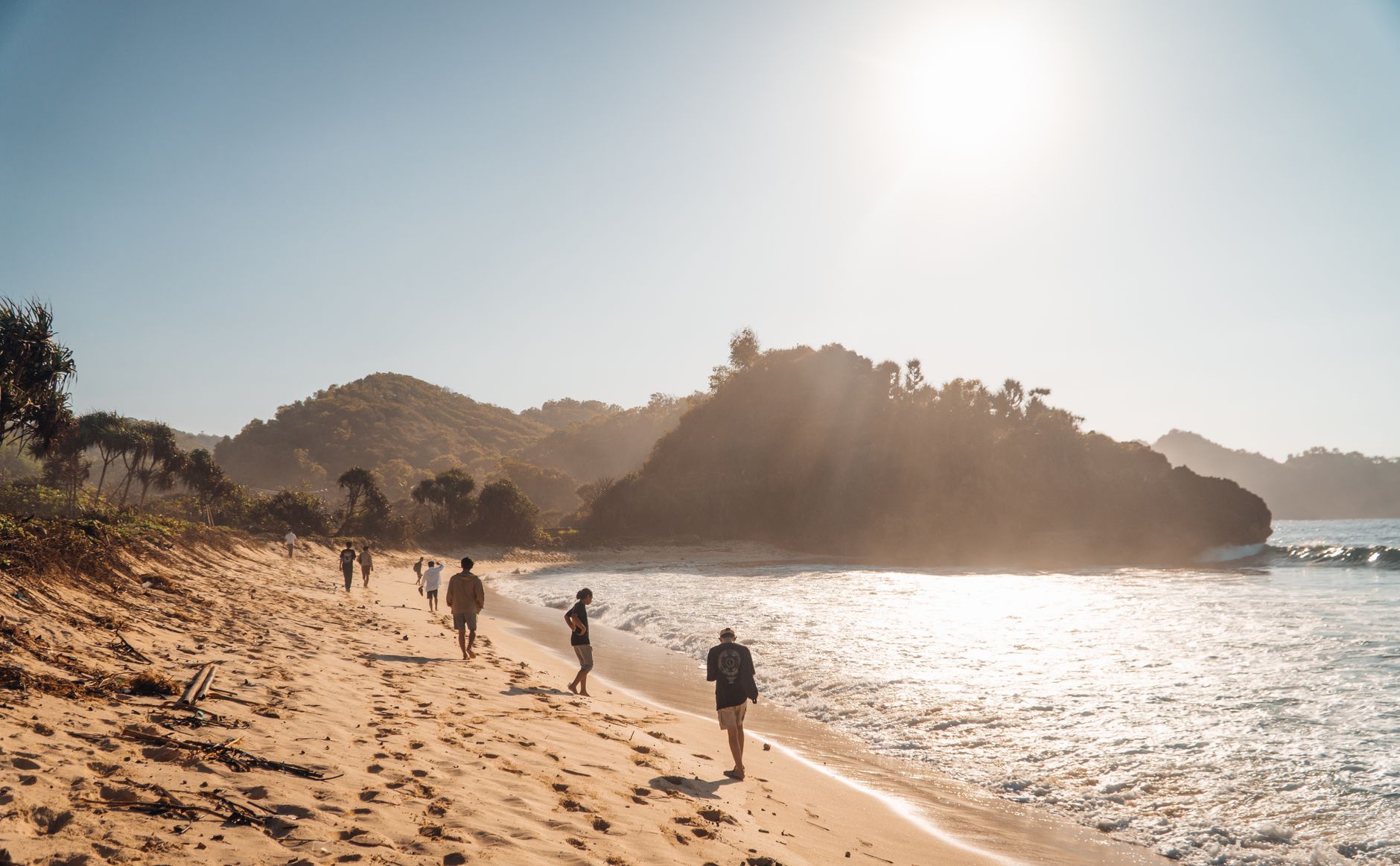
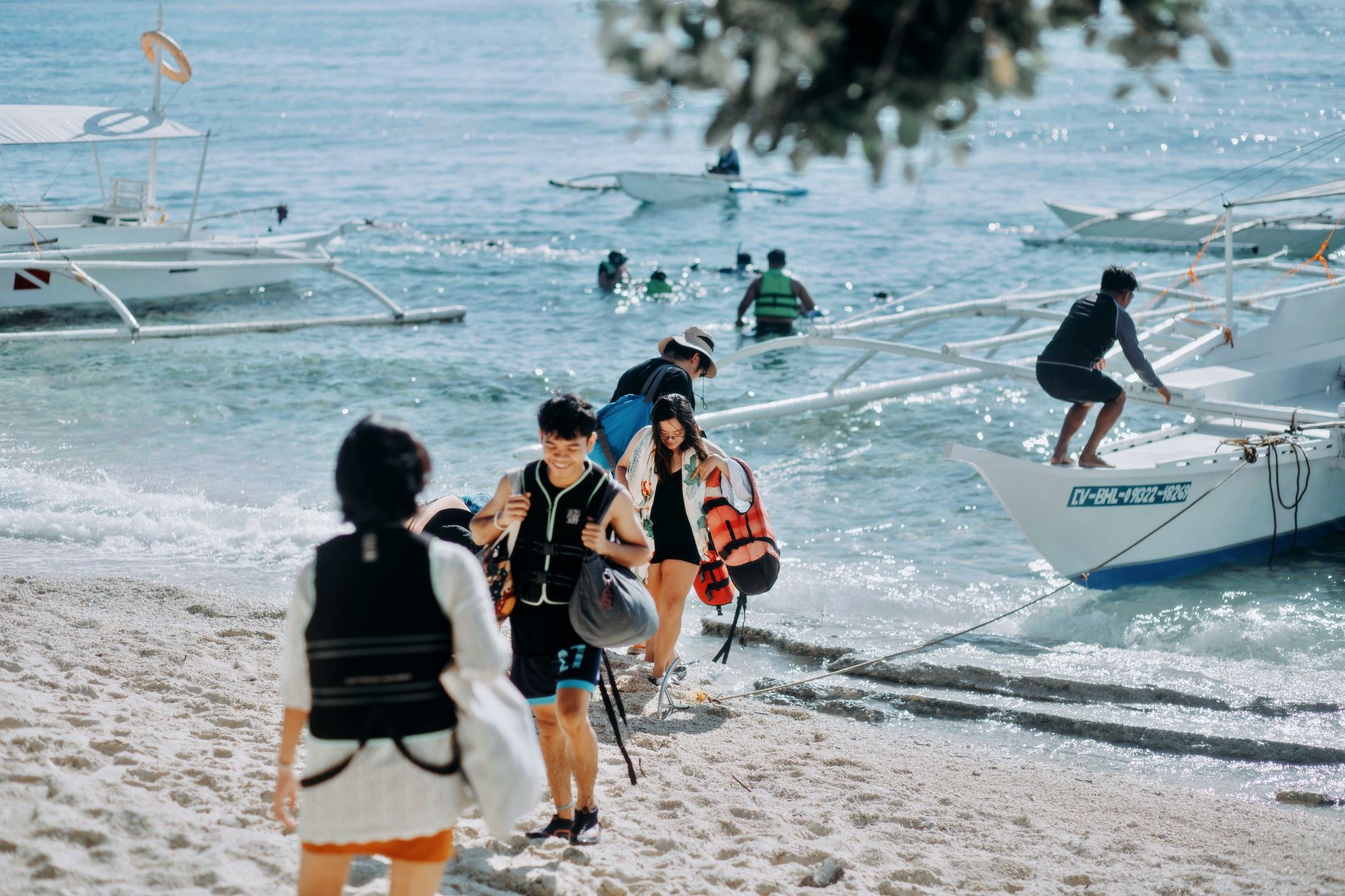
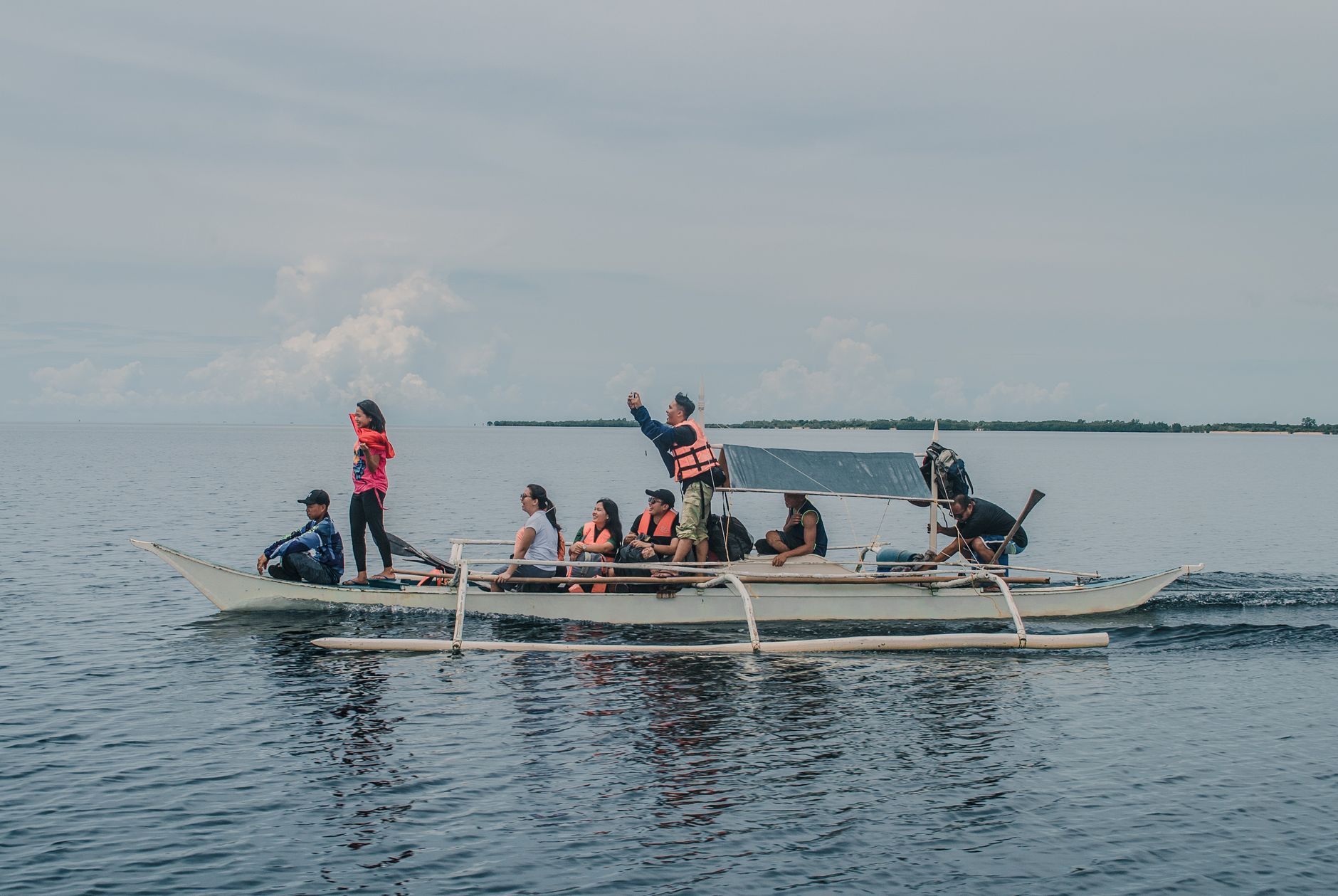
Padangbai is the kind of place you arrive at with a ferry ticket in hand and leave with a different plan. The harbour runs around the clock — Lombok-bound ferries depart every hour, day and night — and the town has shaped itself around that rhythm: warung stalls, dive shops, and guesthouses stacked along a single main road that ends at the water. But step a few hundred metres in either direction and you find something quieter.
Blue Lagoon Beach sits in a compact bay northeast of the port, its sixty metres of white sand backed by coral that a local outfit called Livingseas has been rebuilding since 2019 using hexagonal steel frames seeded with new growth. Southwest, Pantai Bias Tugel is even smaller, reachable on foot, and usually half-empty by mid-morning.
💛 What travellers fall for
People who come back tend to time it around the tides at Blue Lagoon — early morning, before the day-trippers, when the water runs clear over the reef. They also mention the Pura Silayukti climb at dusk, and eating grilled fish from the warung row near the harbour entrance rather than anything with an English-language sign out front.
Deals in Padangbai
Book directly at the provider


How Padangbai came to be
The town's oldest landmark, Pura Silayukti, traces back to the 11th century, when a Javanese priest named Empu Kuturan is said to have lived here. Kuturan is credited with introducing the caste system to Bali, and the temple complex — which includes the smaller shrines Pura Telaga Mas, Pura Tanjung Sari, and Pura Tirta Segara Muncar — still draws Balinese pilgrims alongside the occasional traveller who makes the short climb from the port.
Five centuries later, the high priest Dang Hyang Nirartha passed through during his spiritual travels across Bali and is believed to have founded Pura Penataran Agung on the western edge of the harbour. Long before the fast-boat timetables, Padangbai was already a place people moved through on their way to somewhere else — and left something behind.
Who and what shaped it
People who shaped it
Landmark buildings
See Padangbai in motion
Plan your visit
On the map
When to go
Temperatures sit close to 28°C year-round, with April running slightly warmer. The wet season, roughly November through March, brings afternoon downpours that can affect fast-boat schedules; the dry months from May to October are the most reliable for diving and open-water crossings.
Right now
Background & history adapted from Wikipedia (CC BY-SA) · specs from Wikidata (CC0) · weather from Open-Meteo · map data © OpenStreetMap contributors · photos from Wikimedia Commons / Unsplash with per-image credit. No third-party reviews or social posts reproduced.