
Kuta
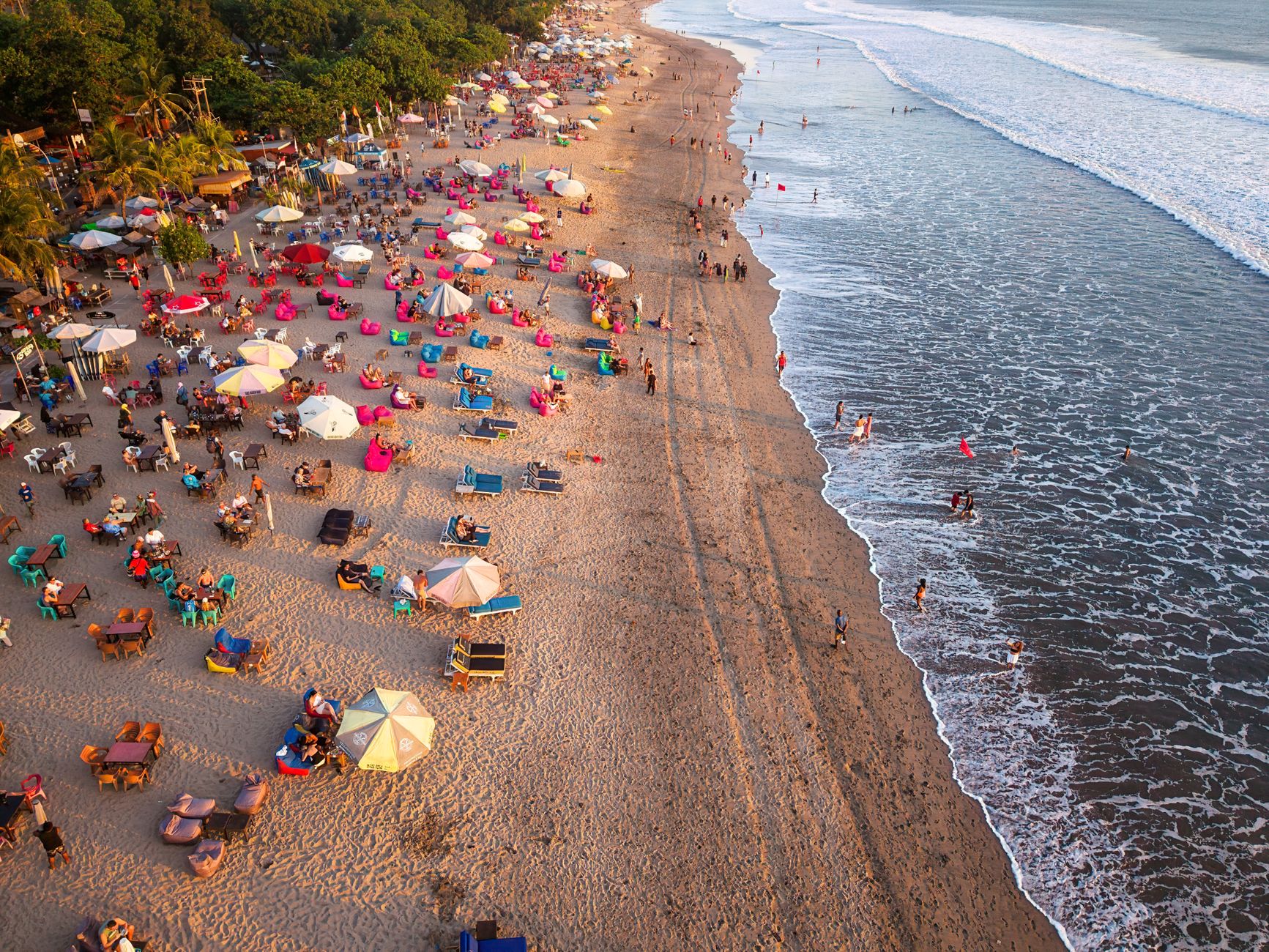
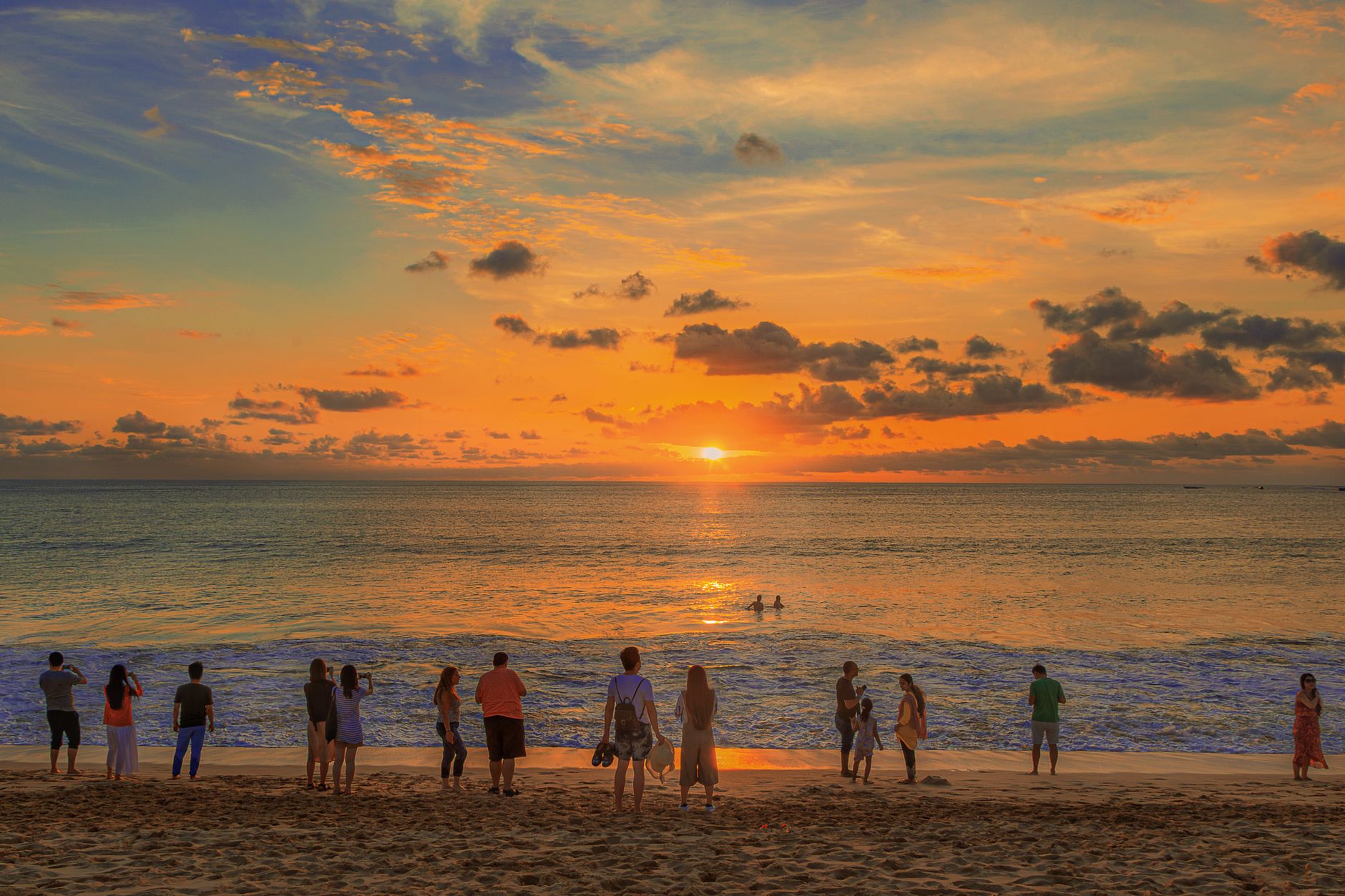
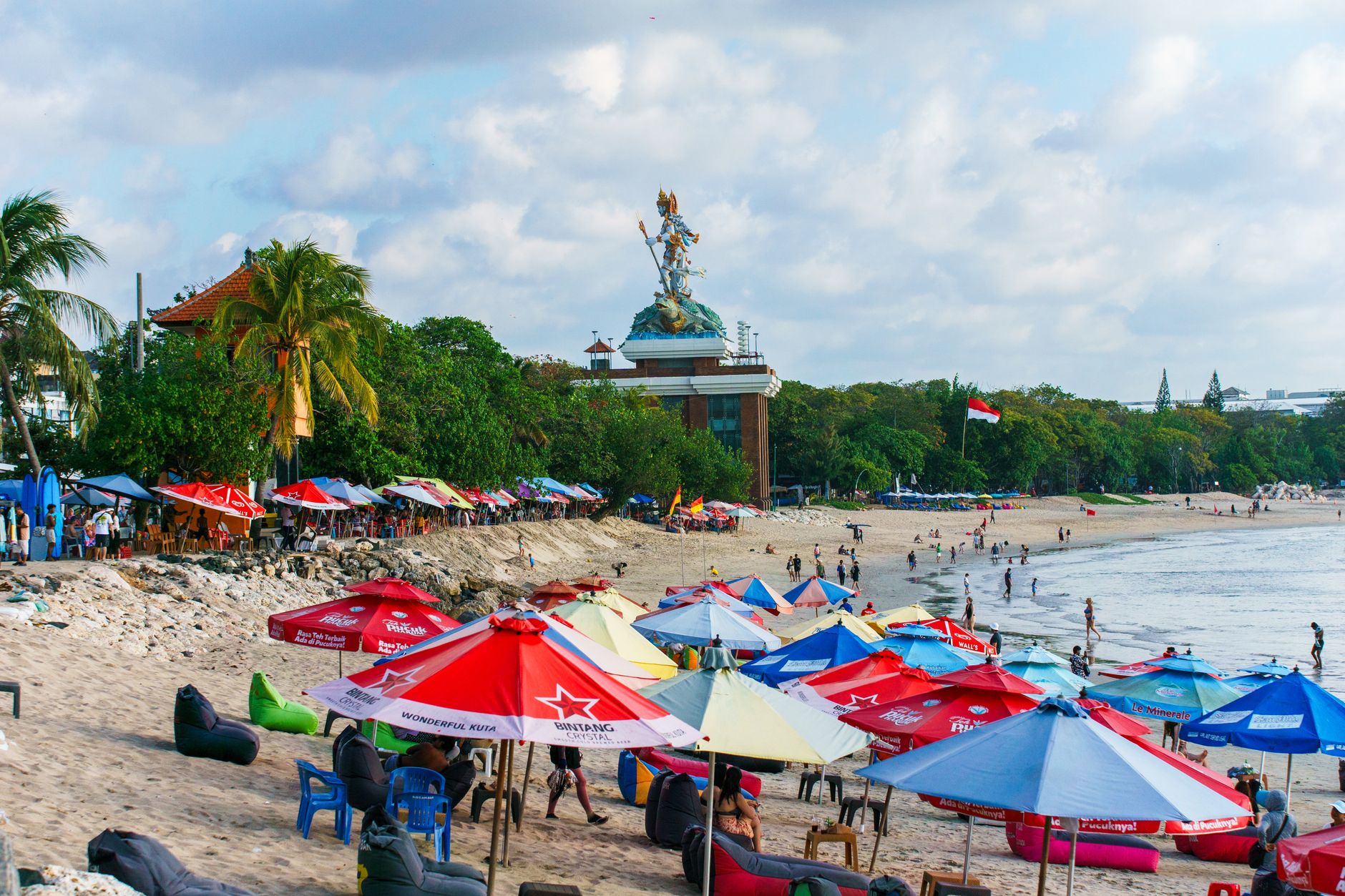
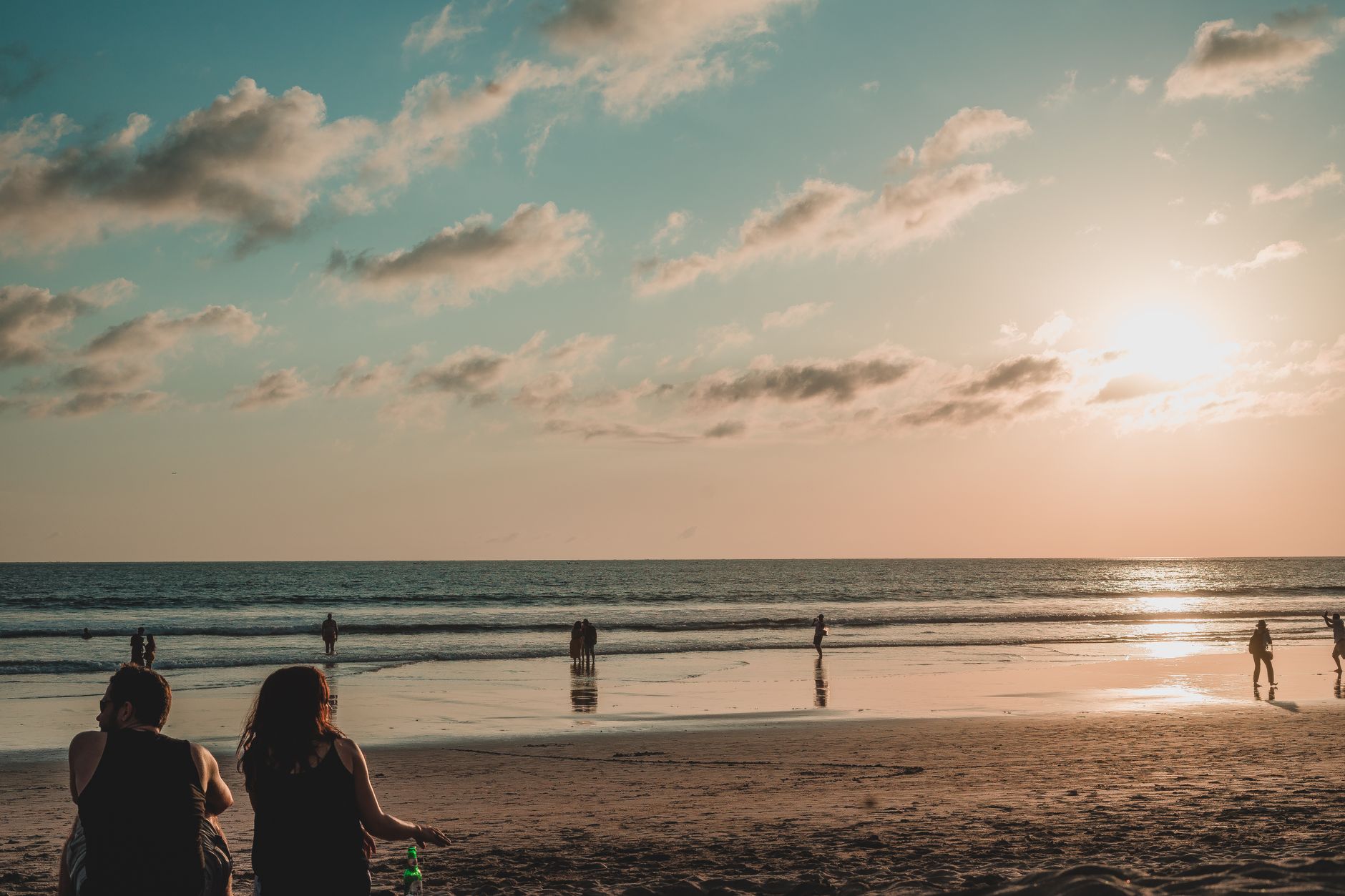
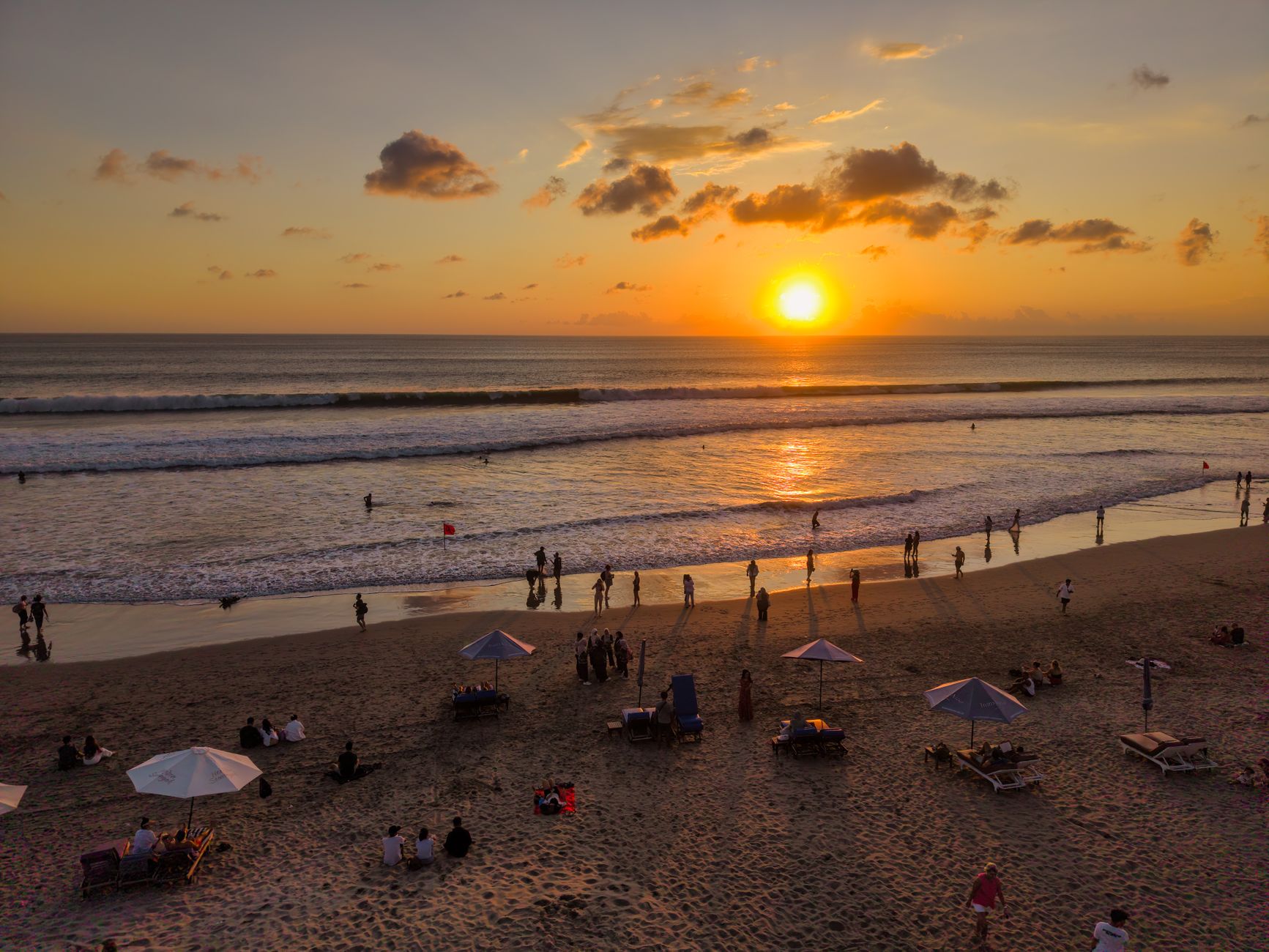
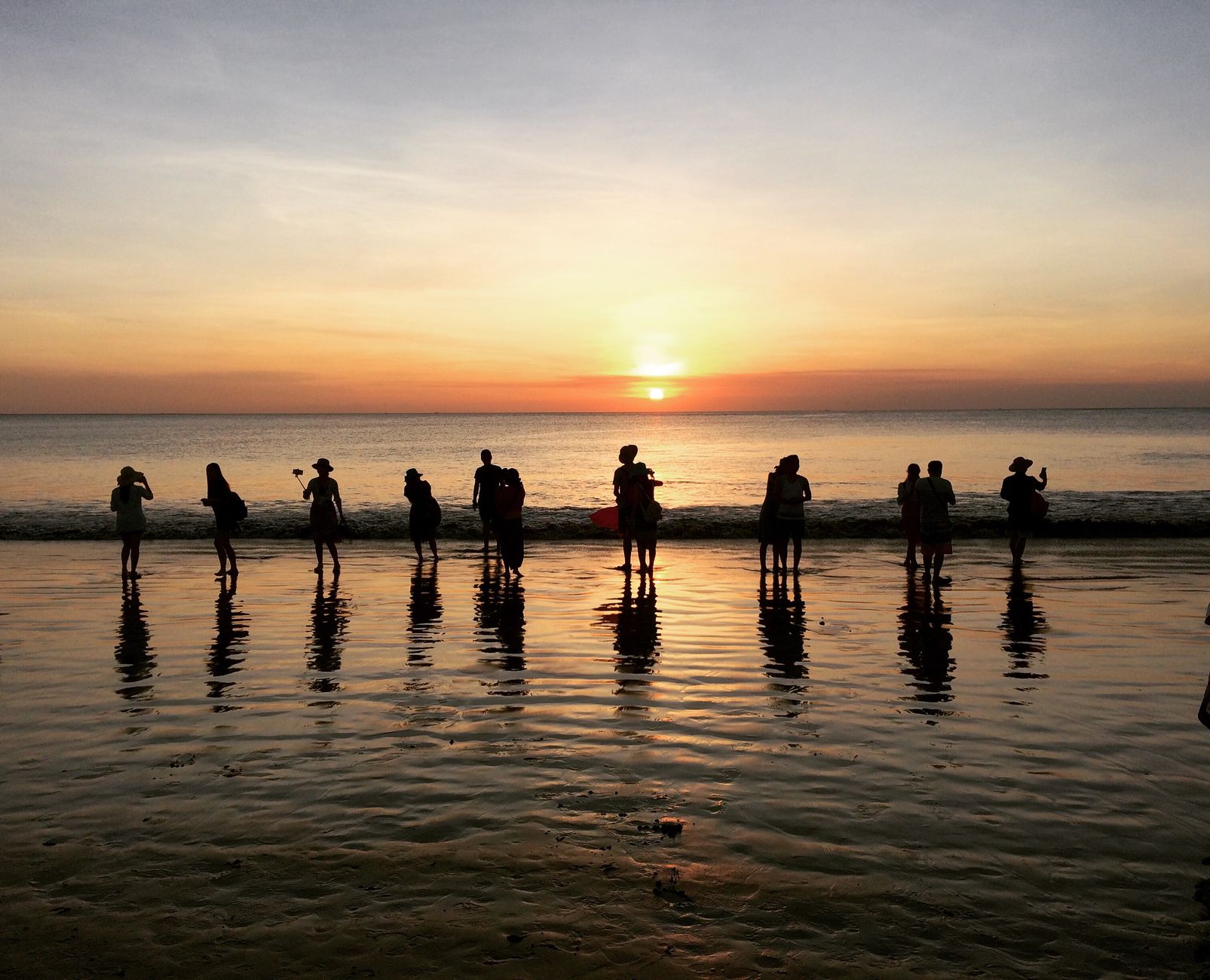
Kuta Beach runs for two flat kilometers of dark volcanic sand, and on any given afternoon you'll find surfers reading the break, hawkers carrying cold drinks in styrofoam boxes, and a sky that turns improbable colors at dusk. This is Bali's front door — the place most people land first, and the place many misjudge.
It's loud, commercial, and chronically gridlocked. It's also where the island's modern story began, where a Danish trader built a trading post in the 19th century, where American surfers opened the first hotel in the 1930s, and where, in 2002, a bombing killed 202 people and changed Bali permanently. Kuta holds all of that at once.
💛 What travellers fall for
People who keep coming back tend to sort themselves out early: use Grab or GoJek for every ride, never flag down a freelance taxi. Walk to the beach — traffic on Pantai Kuta Street moves slower than your feet most evenings. And find the Vihara Dharmayana Temple, about a kilometer from the shore, when the main strip starts to feel like too much.
Deals in Kuta
Book directly at the provider


How Kuta came to be
Kuta spent most of its early existence as a poor fishing and farming village on Bali's southwest coast. That changed in the 19th century when Danish trader Mads Lange established a trading base here, drawing ships and commerce through what became a recognized port. A century later, American surfers Bob and Louise Koke opened the first hotel in the 1930s, just as Western travelers were discovering the beach's long, consistent waves.
The 1960s brought a different wave — backpackers and hippies moving through Southeast Asia made Kuta a standard stop. Hotels, restaurants, and souvenir shops followed through the 1970s. Then, on October 12, 2002, bombs detonated on Legian Street, killing 202 people. The memorial at that intersection — known as Ground Zero — remains, a quiet, specific counterweight to everything commercial around it.
Who and what shaped it
People who shaped it
Landmark buildings
See Kuta in motion
Plan your visit
On the map
When to go
April through October brings the dry season: daily highs between 29–32°C, lower humidity, and reliable sea breezes in the afternoon. November through March is the wet season — temperatures stay warm but heavy rain arrives in concentrated bursts, and the surf gets rougher.
Right now
Background & history adapted from Wikipedia (CC BY-SA) · specs from Wikidata (CC0) · weather from Open-Meteo · map data © OpenStreetMap contributors · photos from Wikimedia Commons / Unsplash with per-image credit. No third-party reviews or social posts reproduced.