
Legian
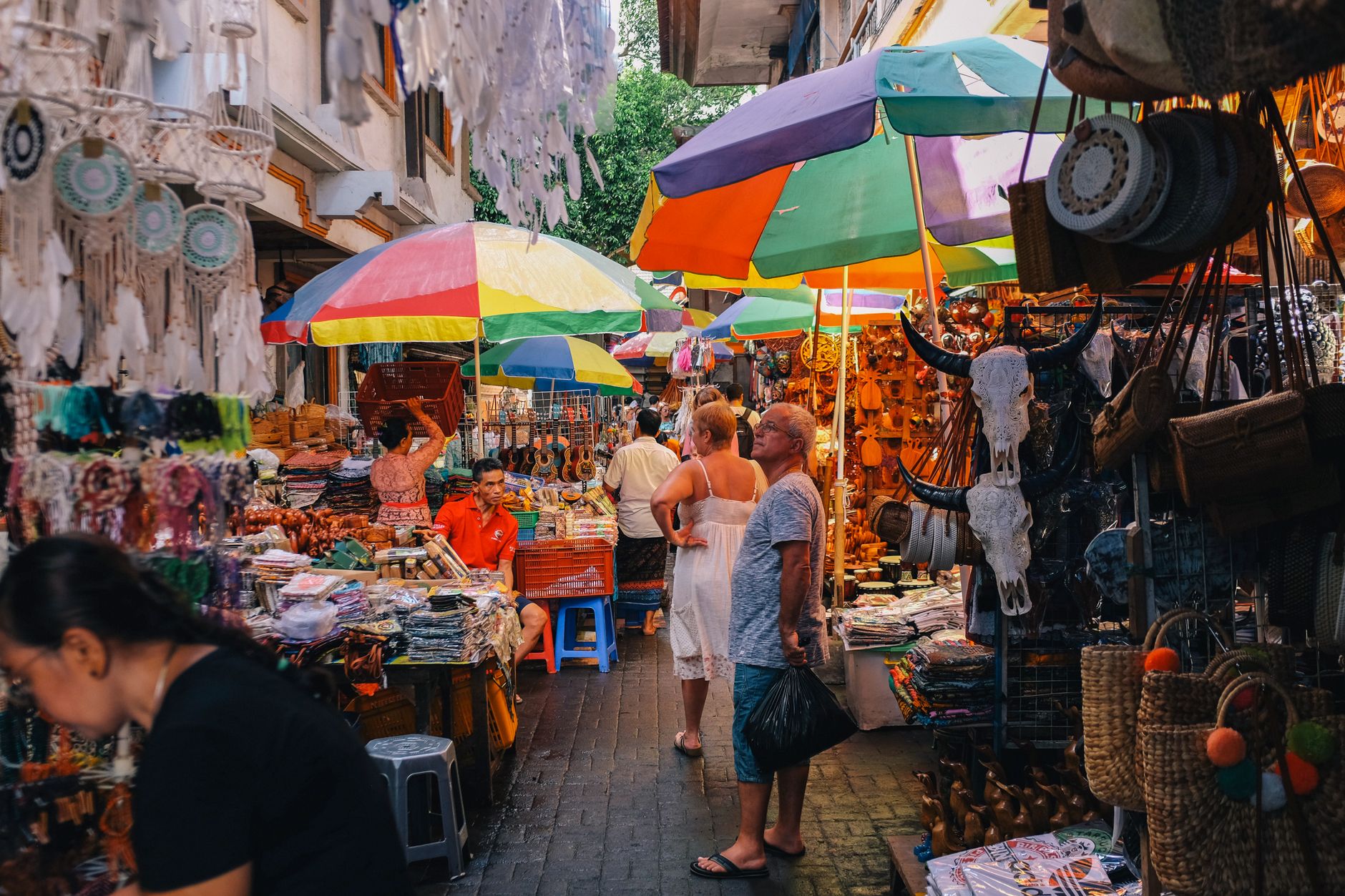

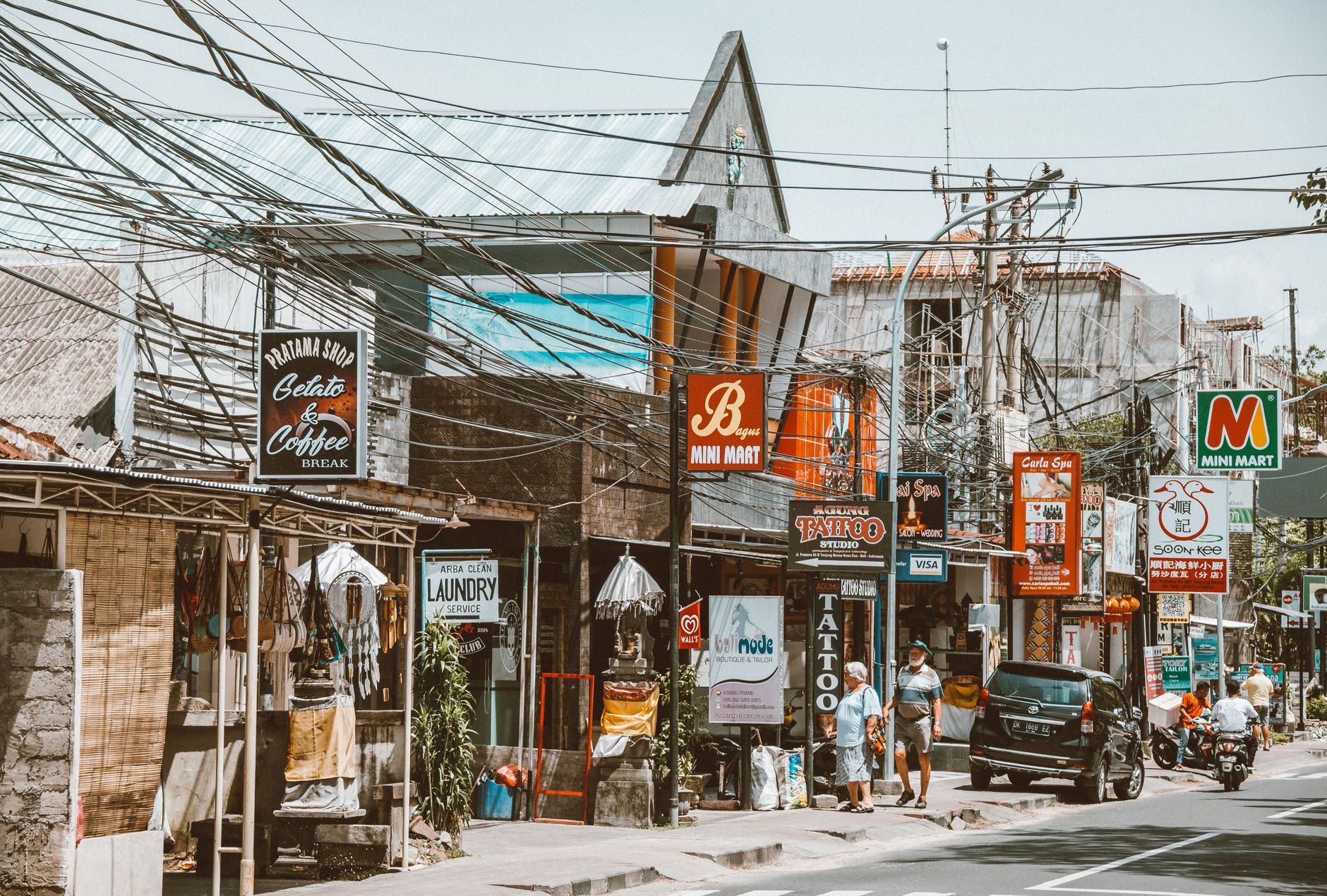
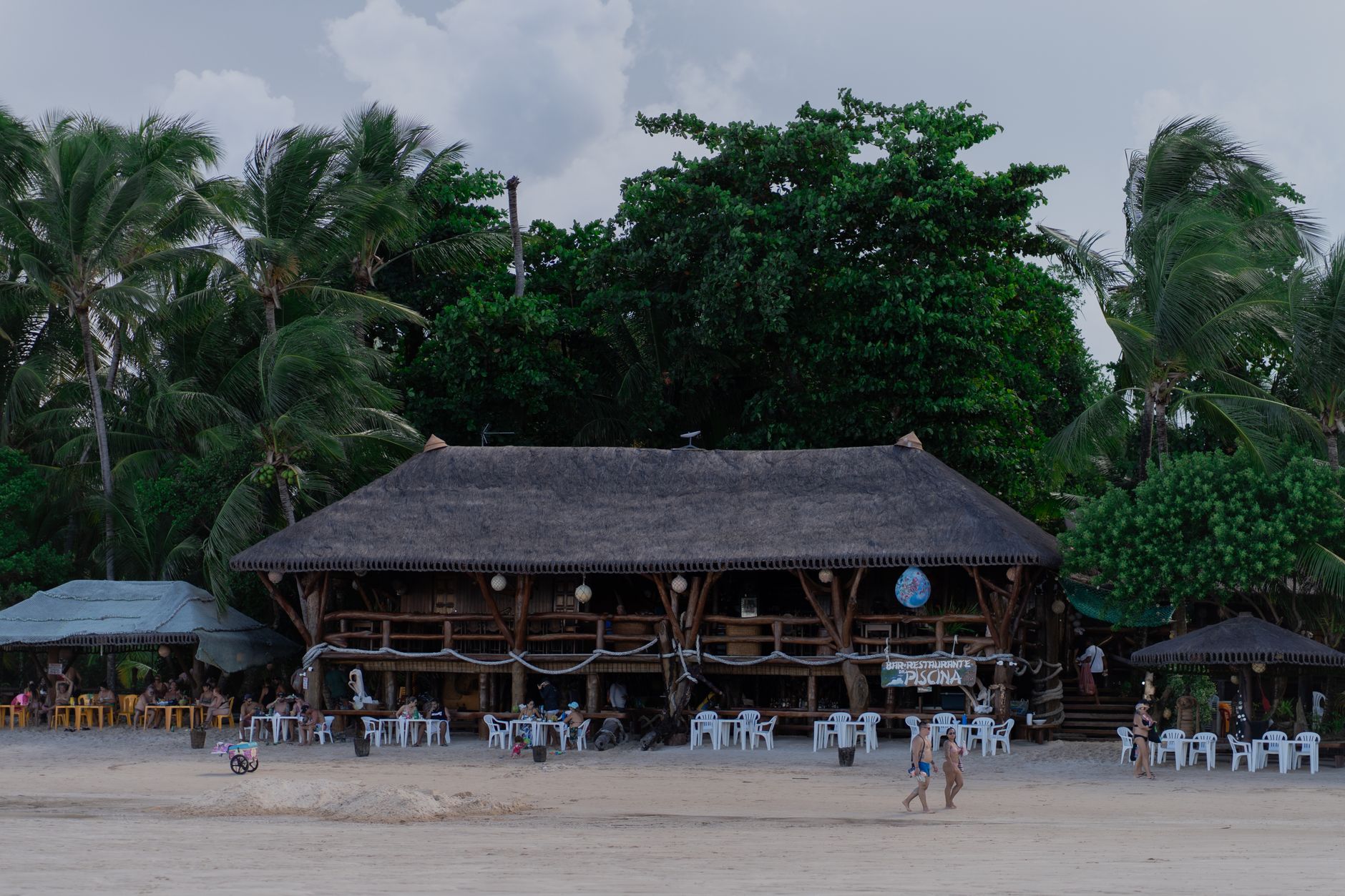


The name Legian comes from a Balinese word meaning sweet and pleasant, and while that could easily tip into marketing copy, it holds up on the ground. The strip runs north from Jalan Melasti to Jalan Arjuna — also called Jalan Double Six — and the beach it fronts is wide enough that you can always find a quieter patch, even when the Padma area is busy with vendors and cheap cold beer.
After dark, fire spinners work the shoreline, passing orange light between their hands in quick arcs. Up on Jalan Camplung Tanduk, sports bars screen football and cricket; down on Garlic Lane, stalls sell sarongs and silver. It is not a place trying to be anything other than what it is.
💛 What travellers fall for
People who come back tend to eat at Warung Murah more than once — it is a two-minute walk from the sand, and the queue outside tells you everything you need to know before the food arrives. The Padma Beach stretch is the spot for a late-afternoon beer from a street vendor while the light goes sideways across the water.
Deals in Legian
Book directly at the provider


How Legian came to be
Through most of the twentieth century, Legian was a fishing village on Bali's southwestern coast, its beach more functional than recreational. The transformation came in the 1970s, when travelers who had already discovered neighboring Kuta began drifting north looking for something quieter. Guesthouses followed, then restaurants, then the infrastructure of a beach destination.
Today Legian sits administratively within Kuta District, Badung Regency, pressed between Kuta to the south and Seminyak to the north — close enough to both that its edges blur on the map, distinct enough that it has held onto its own character: louder than Seminyak, less chaotic than Kuta at its peak.
Who and what shaped it
Landmark buildings
See Legian in motion
Plan your visit
On the map
When to go
The dry season runs April through October, with July and August bringing the most sunshine and the fewest rainy days — temperatures sit between 27°C and 32°C year-round regardless of season. From November through March, expect afternoon downpours and, in January and February, debris-littered sand from seasonal swells.
Right now
Background & history adapted from Wikipedia (CC BY-SA) · specs from Wikidata (CC0) · weather from Open-Meteo · map data © OpenStreetMap contributors · photos from Wikimedia Commons / Unsplash with per-image credit. No third-party reviews or social posts reproduced.