
Sanur
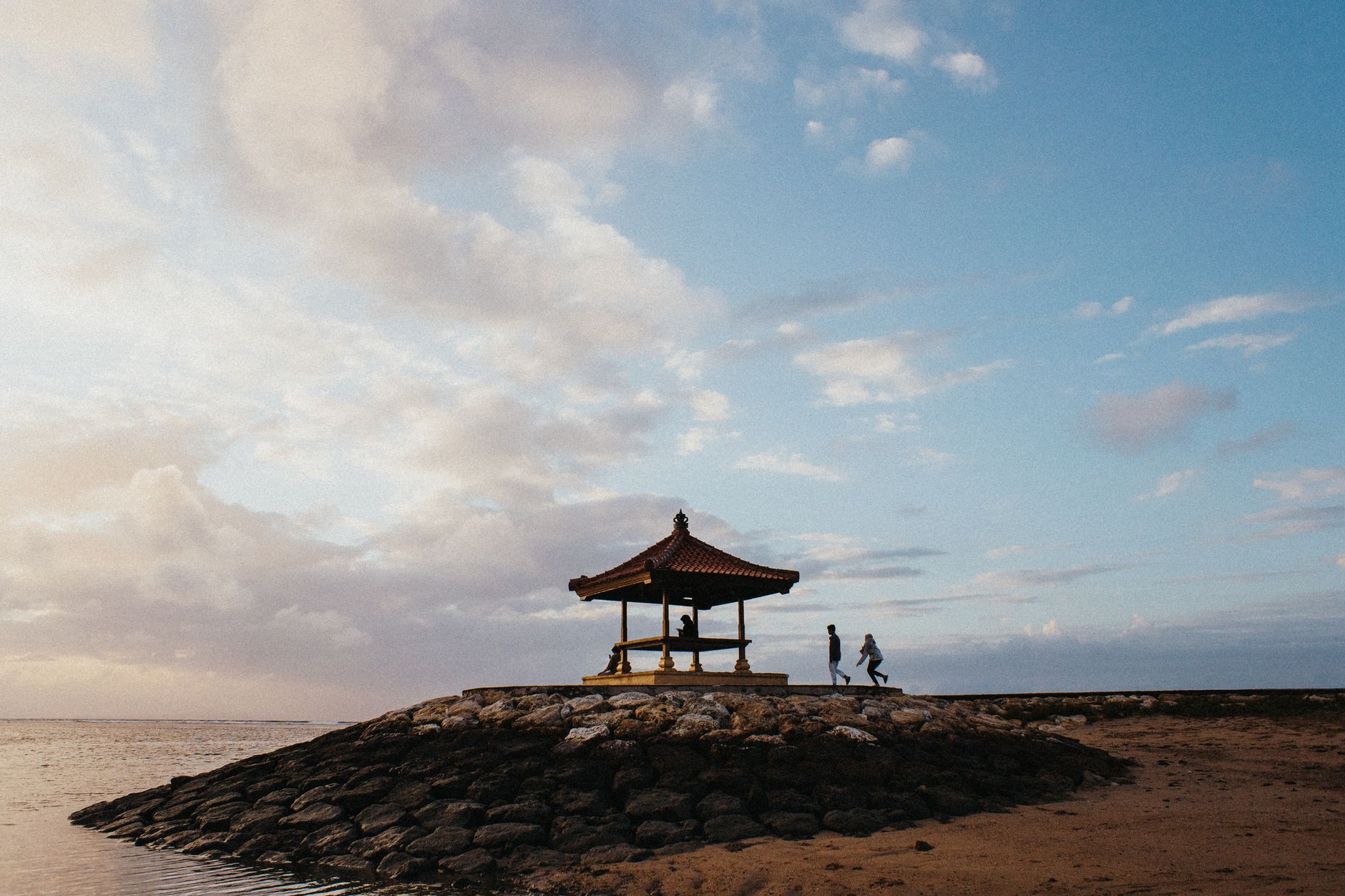


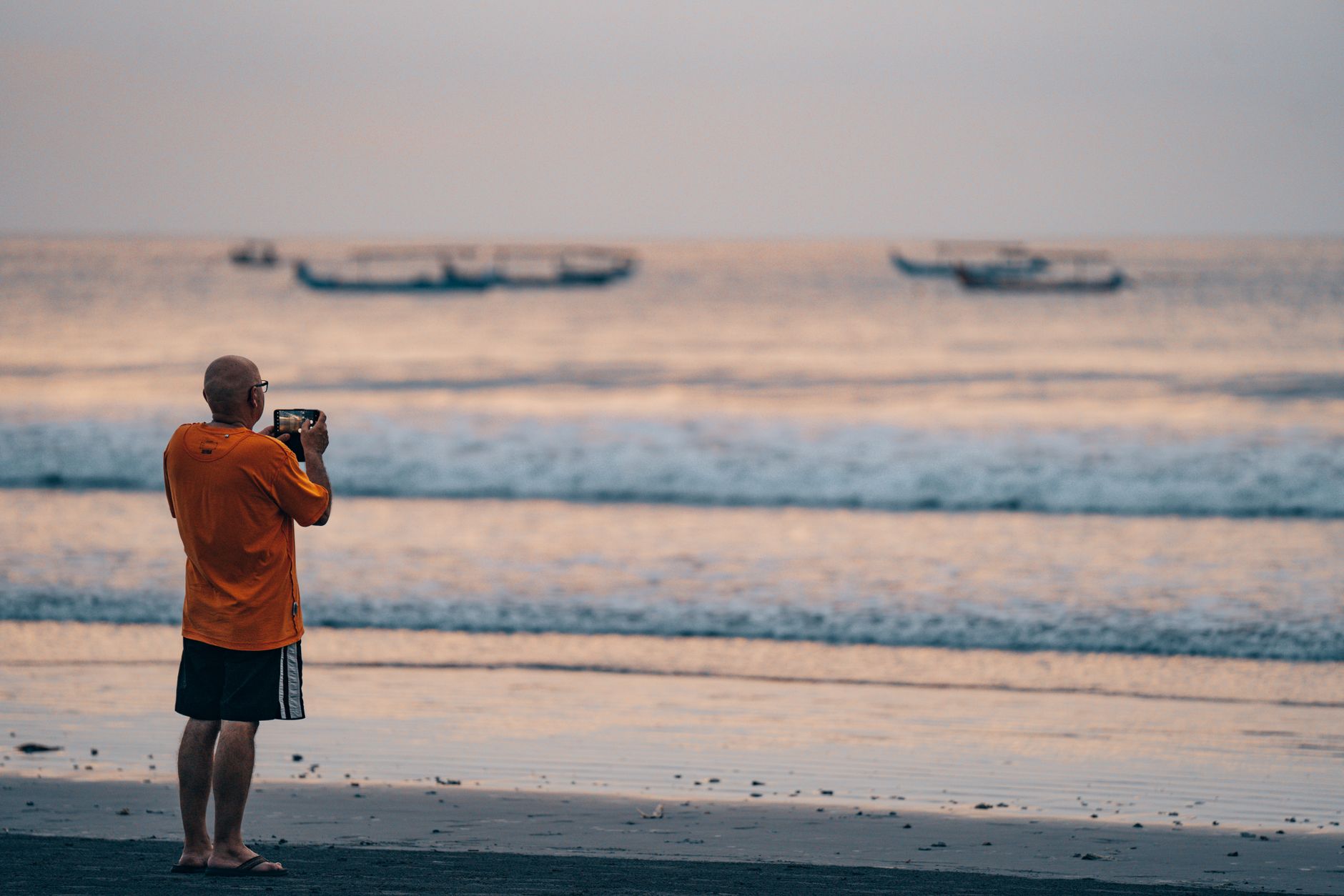

Sanur faces east, which means the light hits the beach in the morning and the water stays calm — the reef sits far enough out that waves barely register by the time they reach shore. This is the quieter, older side of Bali's tourist coast, where a 7-kilometre promenade runs past fishing boats and warungs, and boats to Nusa Penida leave directly from the sand, no pier, just wading in.
The place carries more history than its low-rise, unhurried pace might suggest. A stone pillar from 914 CE still stands near Mertasari Beach. A Belgian painter spent the last 26 years of his life here. The hotel that changed Bali's skyline — and then prompted a law ensuring nothing would ever be built taller than a coconut tree — is still standing at the north end of the beach.
💛 What travellers fall for
People who keep coming back to Sanur tend to mention the same few things: renting a bicycle and doing the promenade before 8am, catching the fast boat to Nusa Penida from Jalan Hang Tuah, and spending a slow hour at the Le Mayeur Museum before the tour groups arrive. Bluebird taxis are the consensus call for getting anywhere without negotiating.
Deals in Sanur
Book directly at the provider

How Sanur came to be
The oldest evidence of Sanur is stone: megaliths from the Bronze Age, now gathered at Sanur Stone Park, and a carved pillar erected in 914 CE by Sri Kesari Warmadewa, first king of the Warmadewa dynasty. The pillar, written in two scripts, sat largely unnoticed until its rediscovery in 1932 — the same year Belgian painter Adrien-Jean Le Mayeur arrived and built the beachfront home that is now a museum.
Sanur saw two twentieth-century invasions land on its beach — Dutch forces in 1906, Japanese in 1942. Then, under President Sukarno, it became the site of Bali's first five-star hotel, a ten-storey, 566-room block funded by Japanese war reparations and inaugurated in 1966. The building's height so alarmed the island's authorities that in 1971 the Bali Governor legislated that no hotel could rise above 15 metres — roughly the height of a mature coconut tree. That law still shapes the skyline today.
Who and what shaped it
People who shaped it
Landmark buildings
See Sanur in motion
Plan your visit
On the map
When to go
Year-round temperatures hover around 26–27°C with high humidity. April through October brings the driest, clearest conditions — daytime highs of 28–31°C with short showers possible but rare; the wet season from November to March brings heavier, more sustained rain, though mornings are often clear.
Right now
Background & history adapted from Wikipedia (CC BY-SA) · specs from Wikidata (CC0) · weather from Open-Meteo · map data © OpenStreetMap contributors · photos from Wikimedia Commons / Unsplash with per-image credit. No third-party reviews or social posts reproduced.