
Nusa Dua
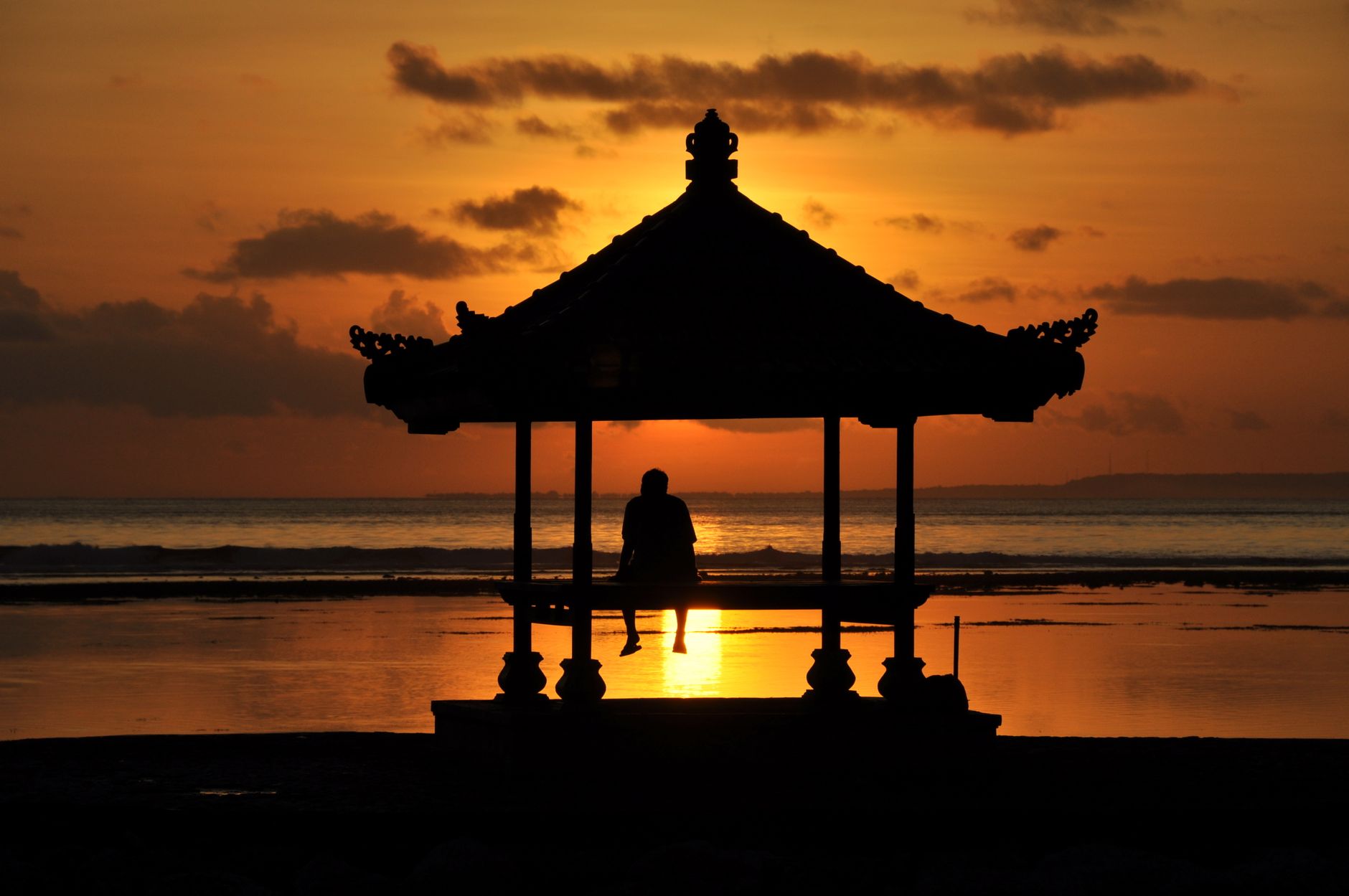
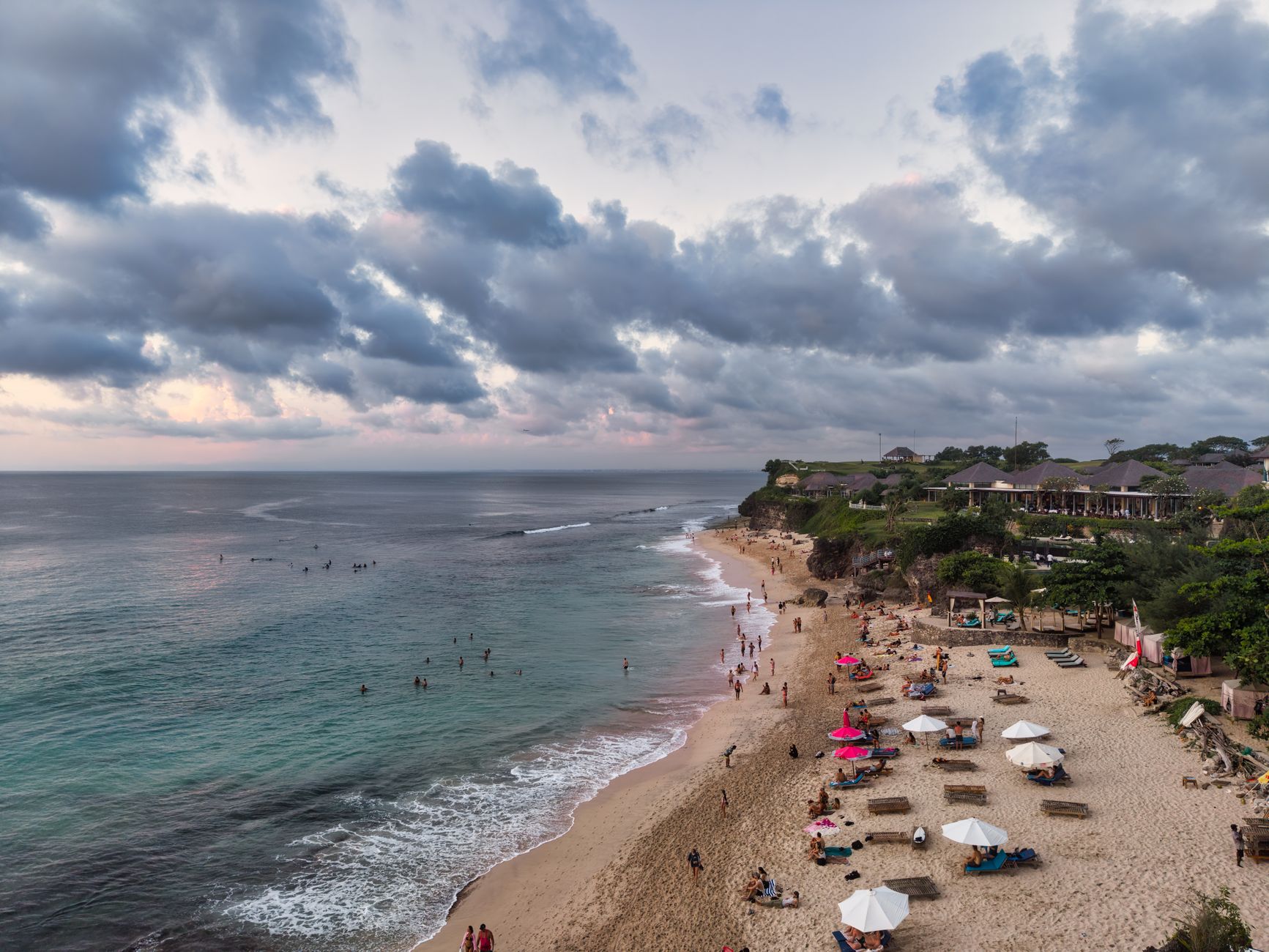
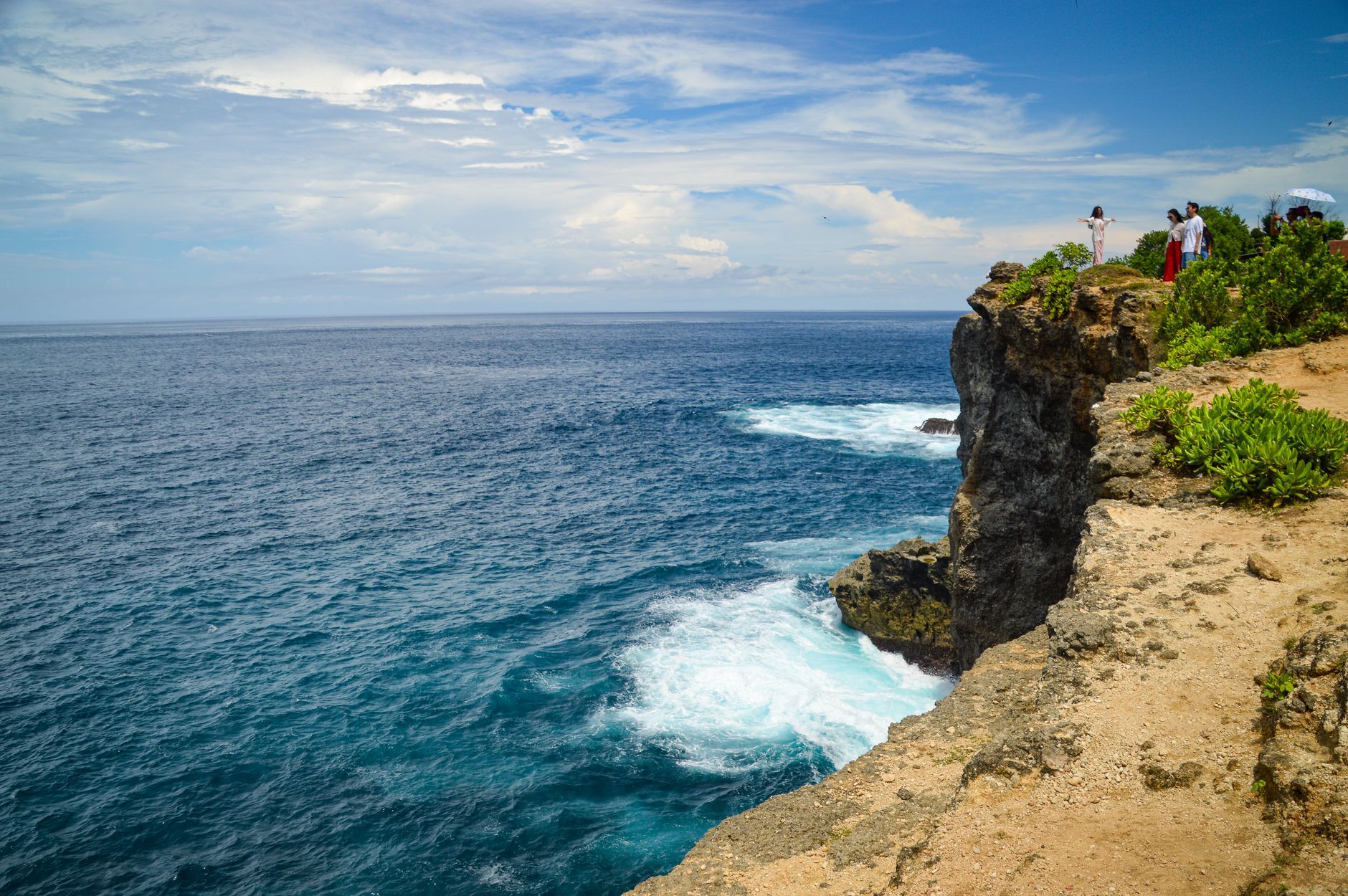
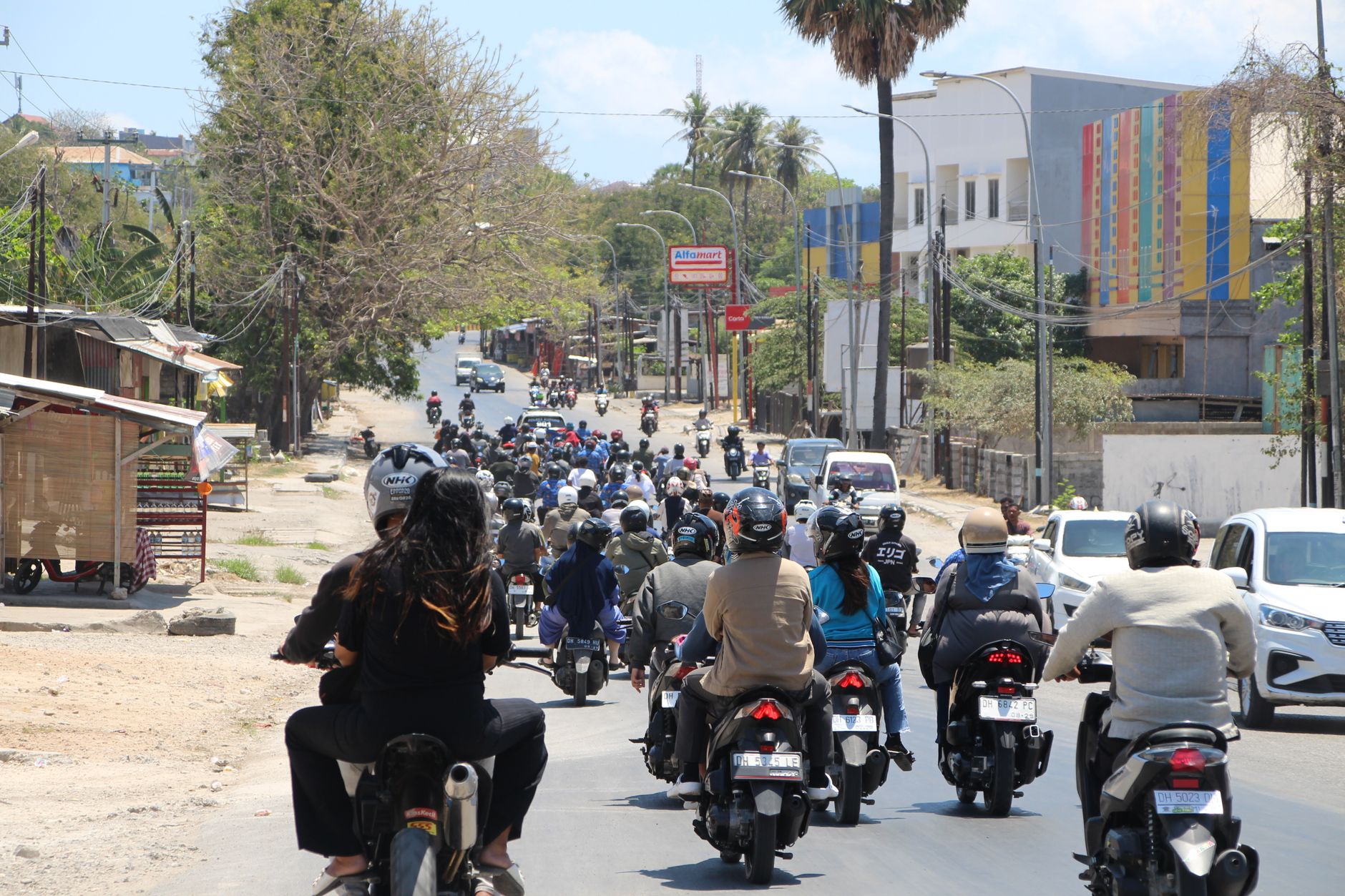
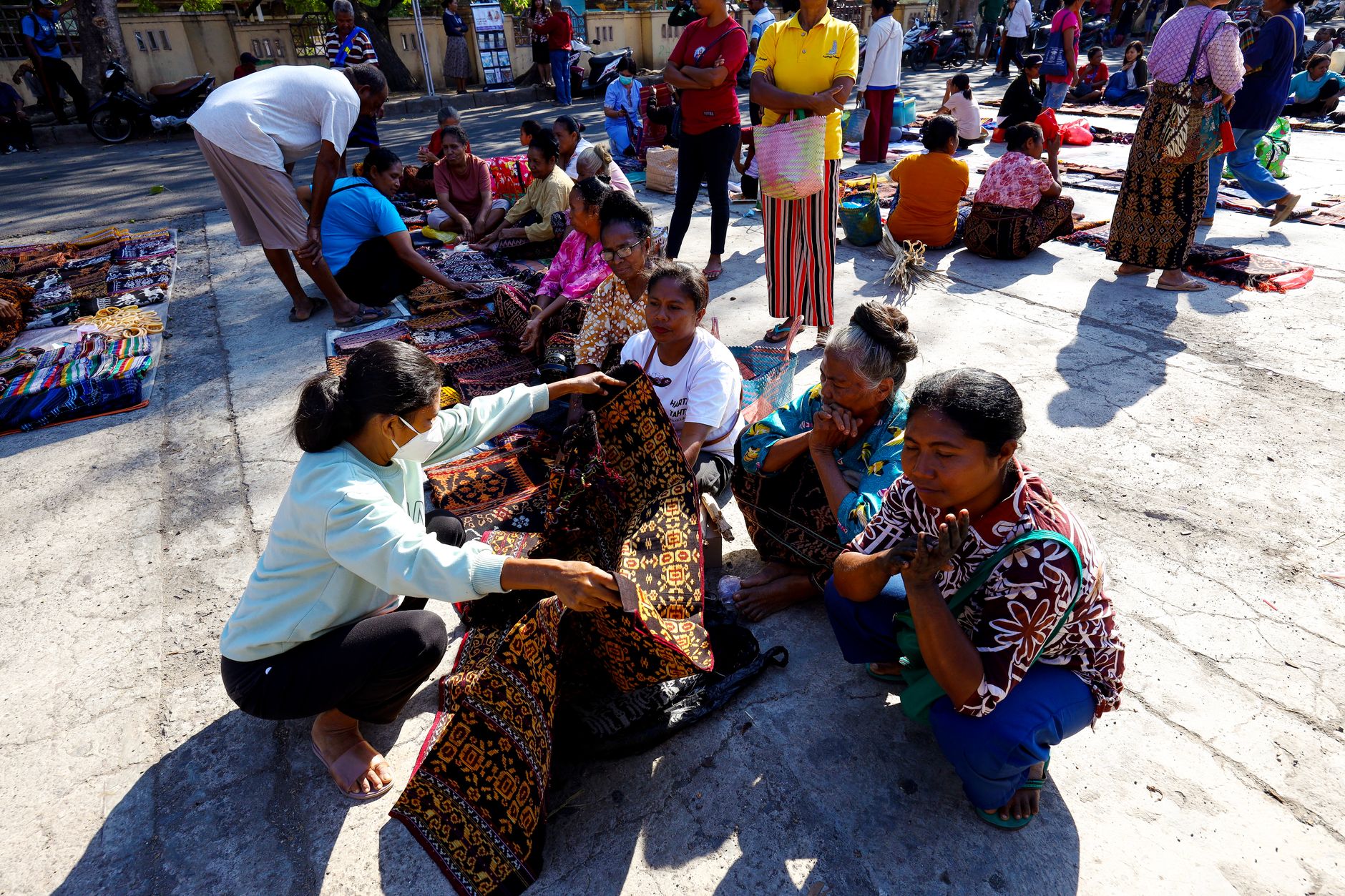
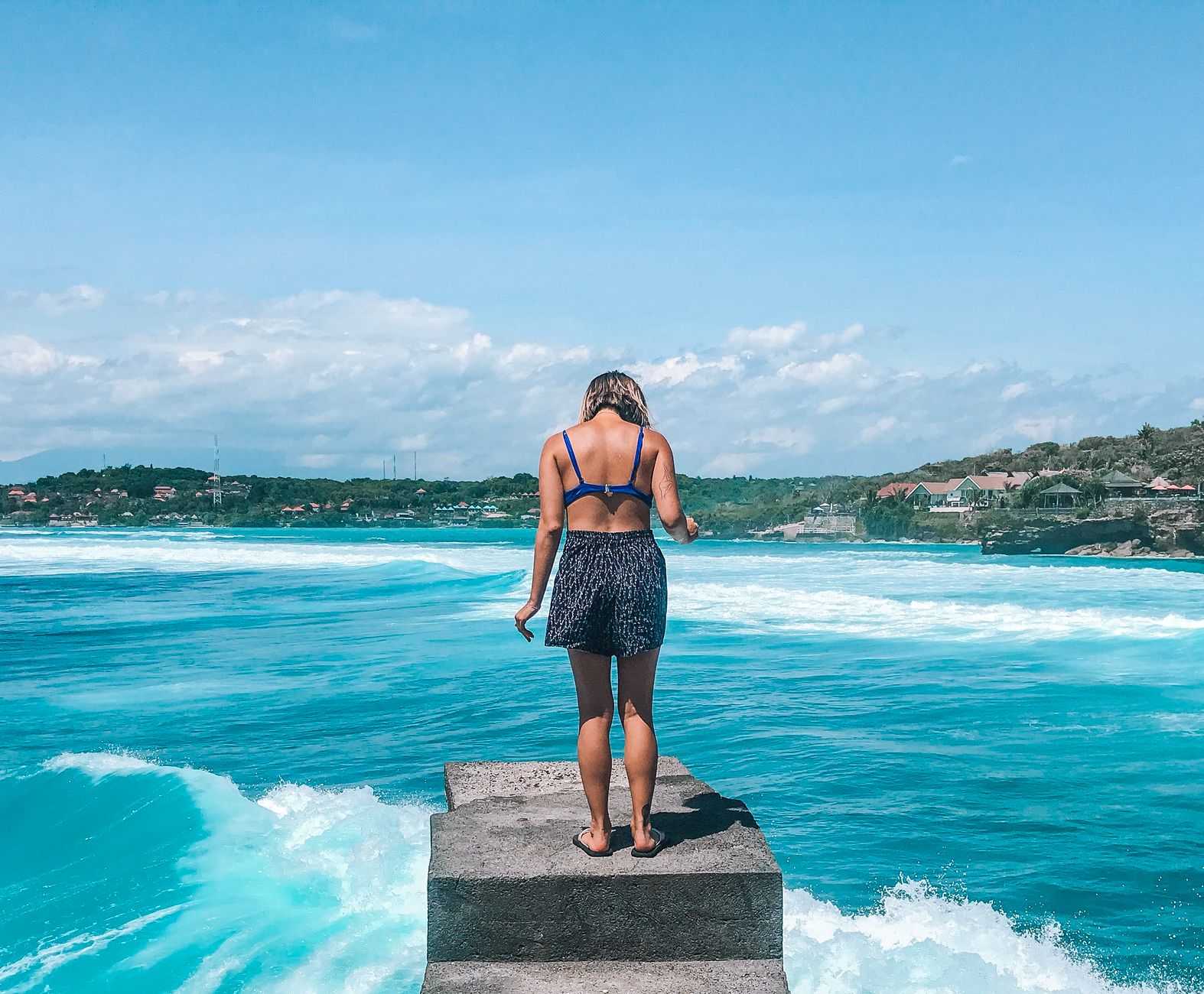
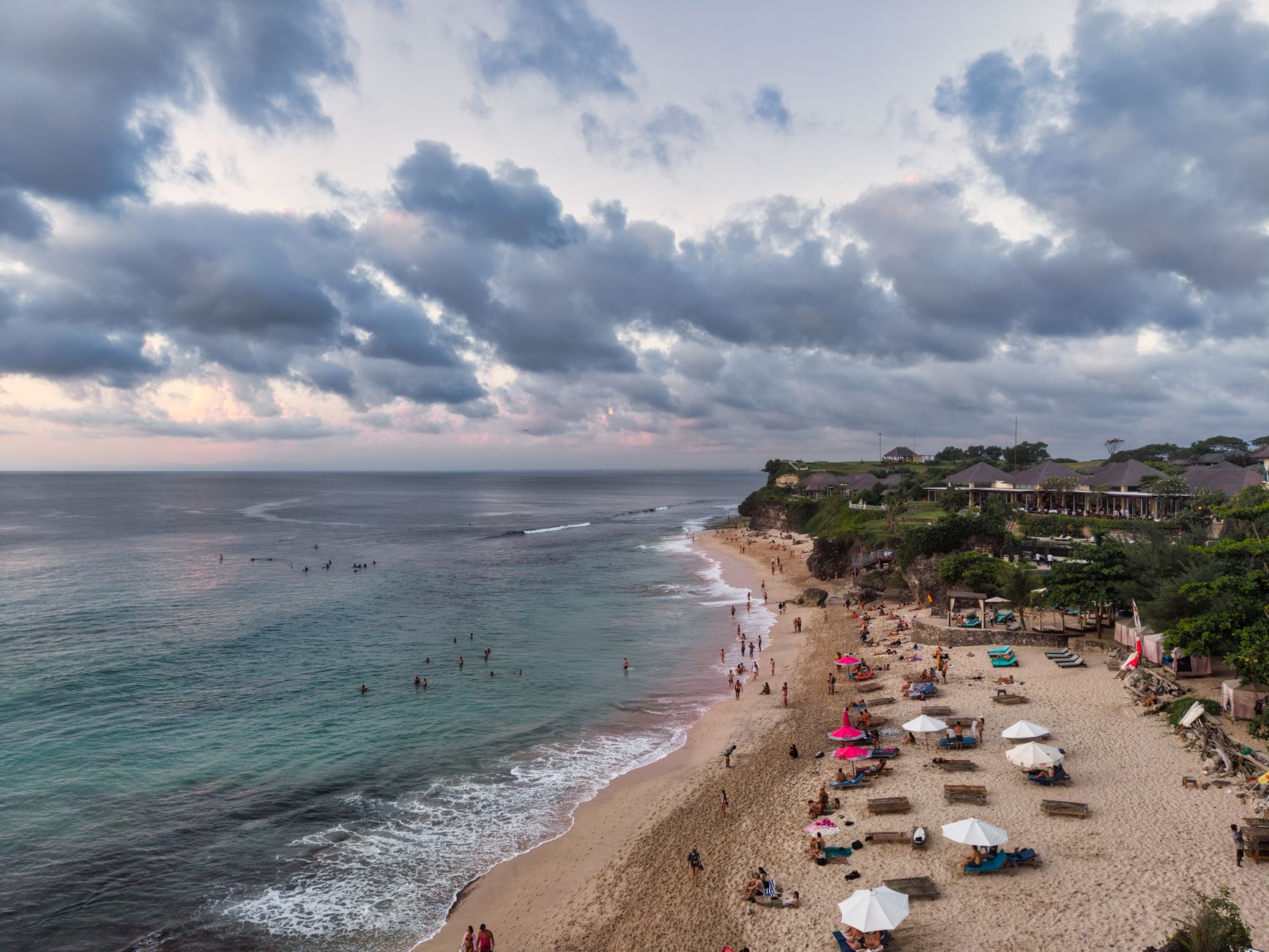
Nusa Dua is a deliberate place — 350 hectares of southern Bali coast, gated and groomed, where the Indonesian government and World Bank once drew lines on a map and decided to build luxury from scratch. The result is a resort enclave of more than twenty properties connected by paved beach paths, with security checkpoints at the entrance and a calm that feels engineered, because it was.
What keeps it interesting is what sits alongside the hotels: a clifftop temple at Geger Beach where pilgrims still come on full and new moons, a complex of five houses of worship standing side by side at Puja Mandala, and Museum Pasifika, which quietly holds work by over 200 artists from 25 countries across eleven rooms.
💛 What travellers fall for
Regulars tend to mention the same things: rent a bike inside the gates rather than walking — the resort loop is longer than it looks. Catch the Devdan Show on a Wednesday when the Saturday crowd thins out. And if you're at Geger Beach around a full moon, stay long enough to watch the temple activity on the cliff above you.
Deals in Nusa Dua
Book directly at the provider
How Nusa Dua came to be
In 1971, a French consulting firm called SCETO identified Nusa Dua's coastal scrubland — then largely unproductive — as the right place to concentrate Bali's international tourism rather than let it spread unchecked across the island. The Indonesian government formed the Bali Tourism Development Corporation in 1972, and brought in Pacific Consultants International of Japan to draw up a master plan, which was delivered in 1973. The project was announced publicly at the 1974 PATA conference in Jakarta, backed by the World Bank.
Construction moved through the decade, and in 1983 the Nusa Dua Beach Hotel and Spa opened as the enclave's first international-standard property — operated initially by government-owned Aerowisata, later bought in 1990 by Sultan Hassanal Bolkiah of Brunei, who still owns it today.
Who and what shaped it
People who shaped it
Landmark buildings
See Nusa Dua in motion
Plan your visit
On the map
When to go
April through October brings the most reliable weather — July and August average only around two rainy days per month, with eight to ten hours of daily sun and temperatures in the low 30s. From November through March, expect frequent afternoon showers and heavier humidity, with January the wettest month by a wide margin.
Right now
Background & history adapted from Wikipedia (CC BY-SA) · specs from Wikidata (CC0) · weather from Open-Meteo · map data © OpenStreetMap contributors · photos from Wikimedia Commons / Unsplash with per-image credit. No third-party reviews or social posts reproduced.