
Candidasa
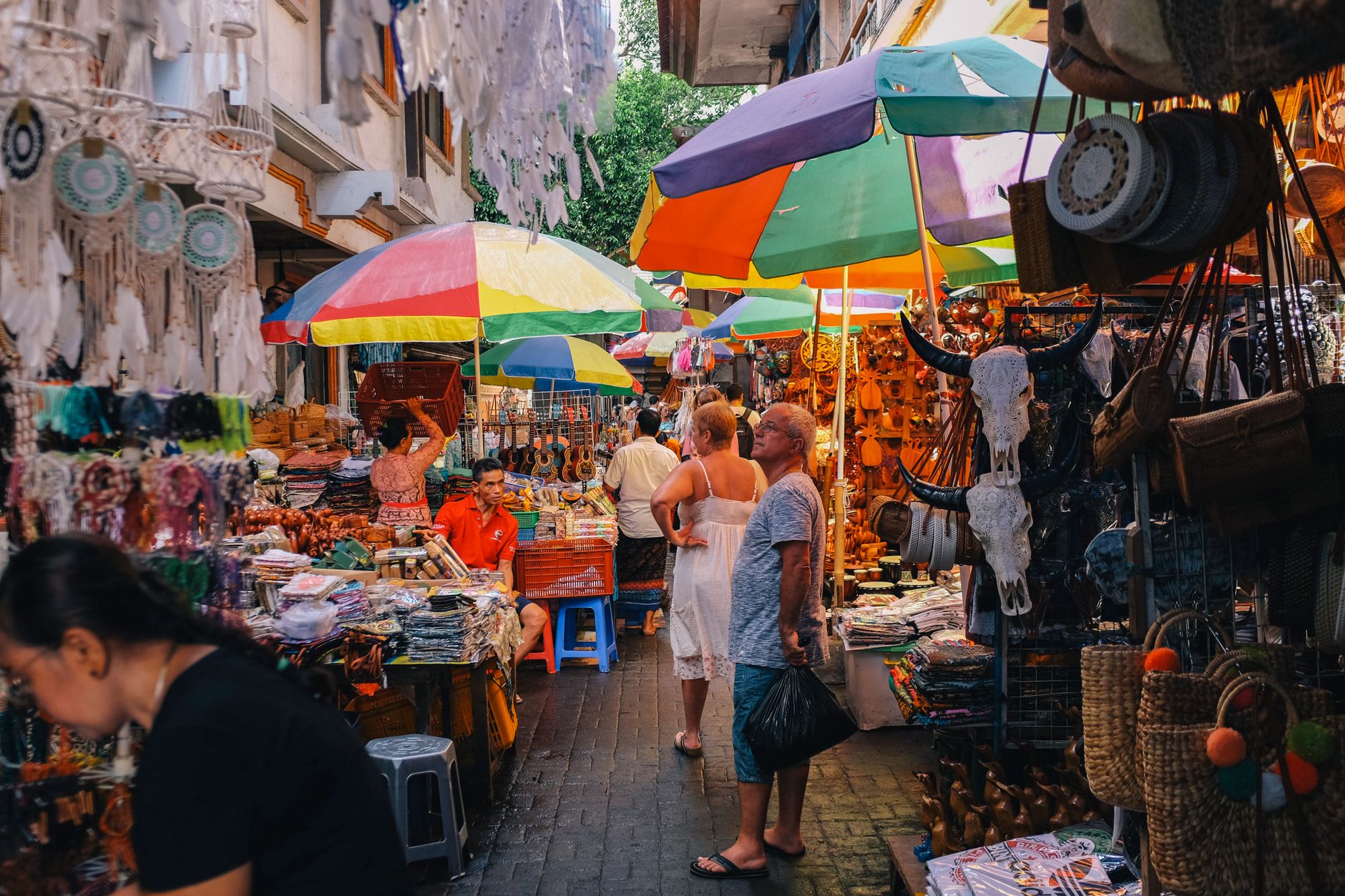
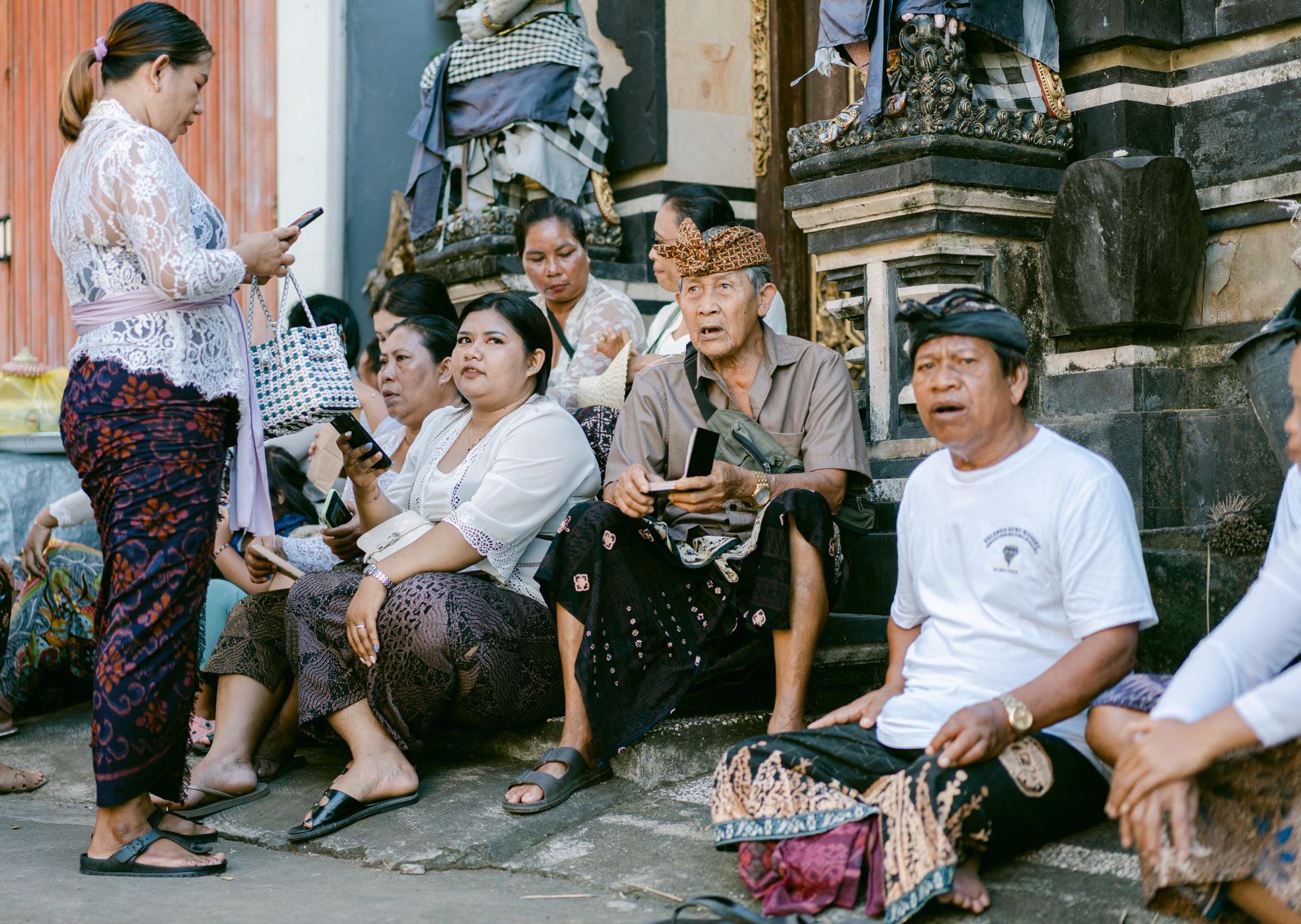
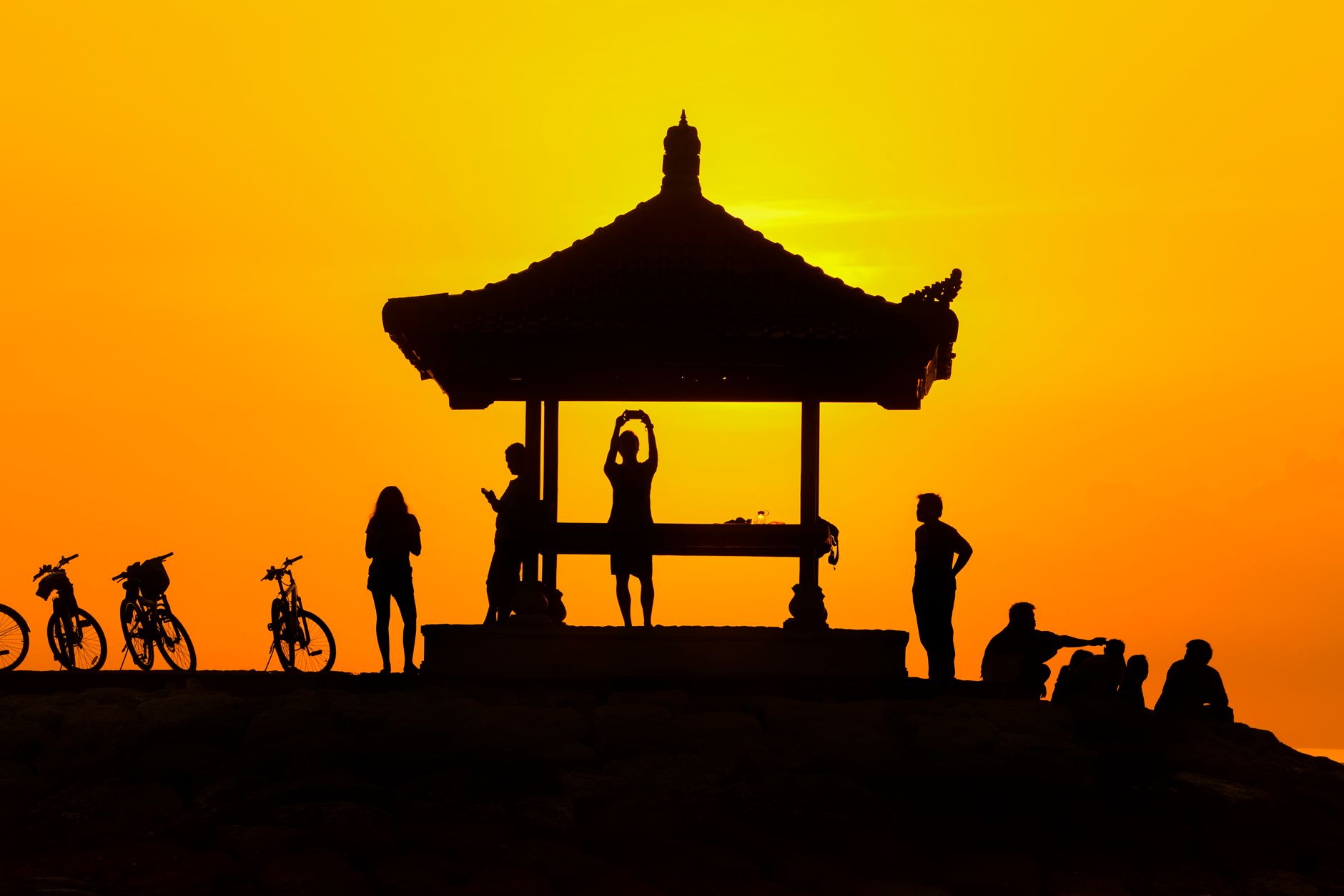
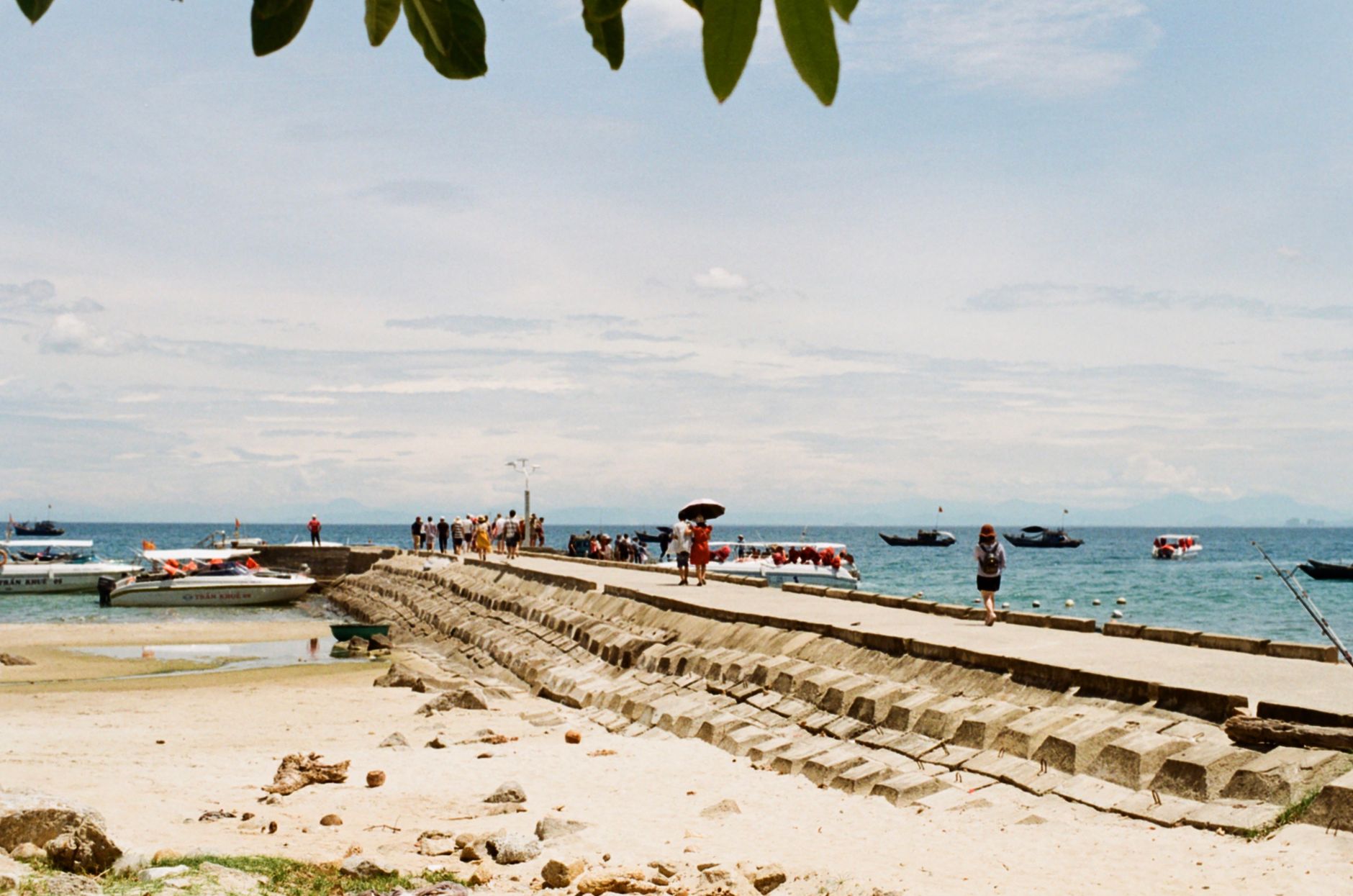
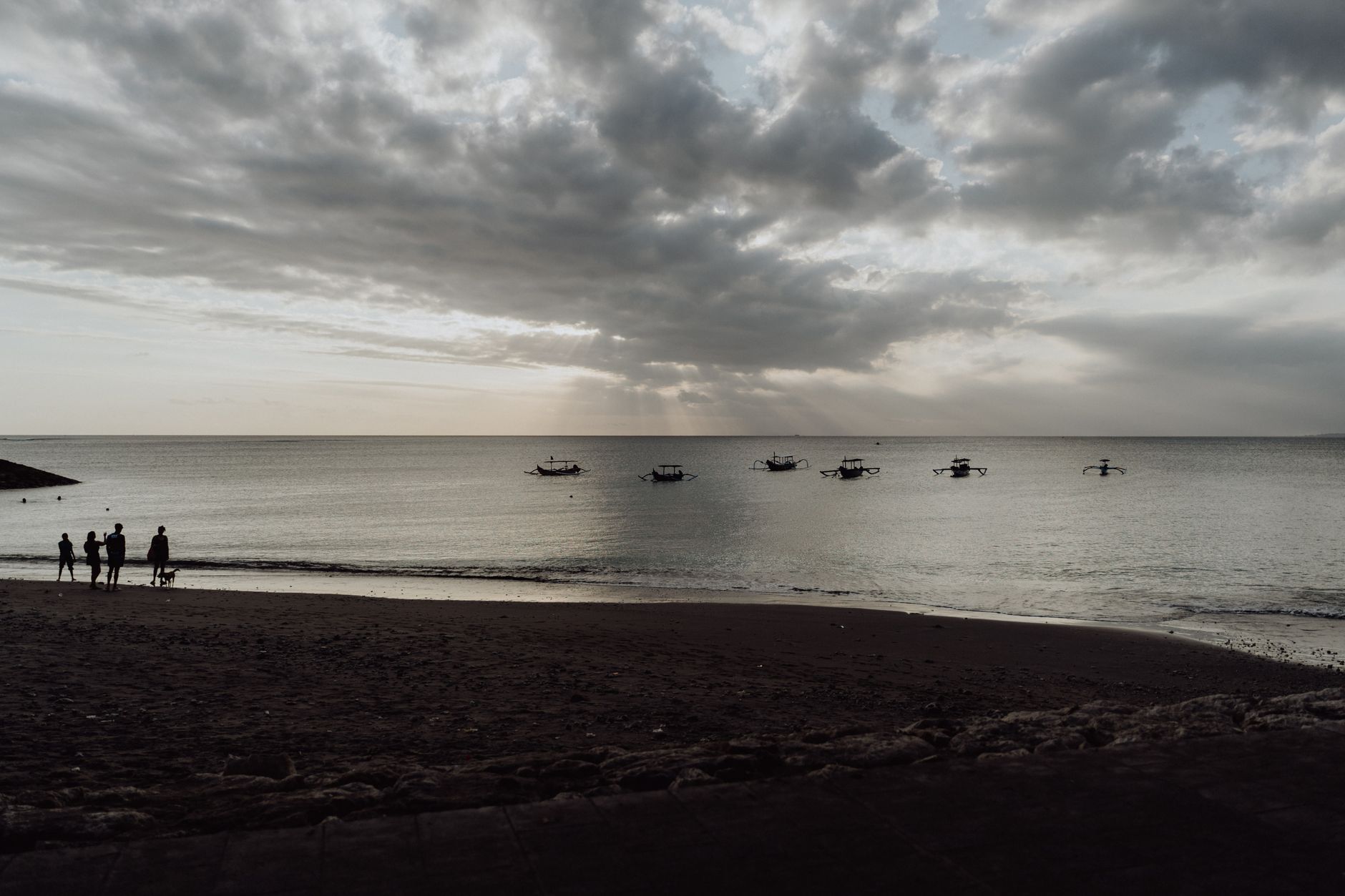
The lotus lagoon at the edge of town is the first thing that stops you — pink and fuchsia blooms covering still water, a small island of statues at the centre, the whole scene slightly unreal in the flat afternoon light. Candidasa sits along Bali's east coast, quieter than the south and less scenically dramatic than Amed to the north, which is precisely its appeal. The main road, Jalan Raya Candidasa, runs close to the water, and the pace here is genuinely slow.
The beach itself is narrow, the offshore reef largely gone — mined for cement during the building boom of the 1970s and 1980s, leaving the shoreline exposed. That history is written into the place, and it gives Candidasa an honesty that flashier coastal towns lack. What remains is a useful, unfussy base for the temples, water palaces and Bali Aga villages of the east.
💛 What travellers fall for
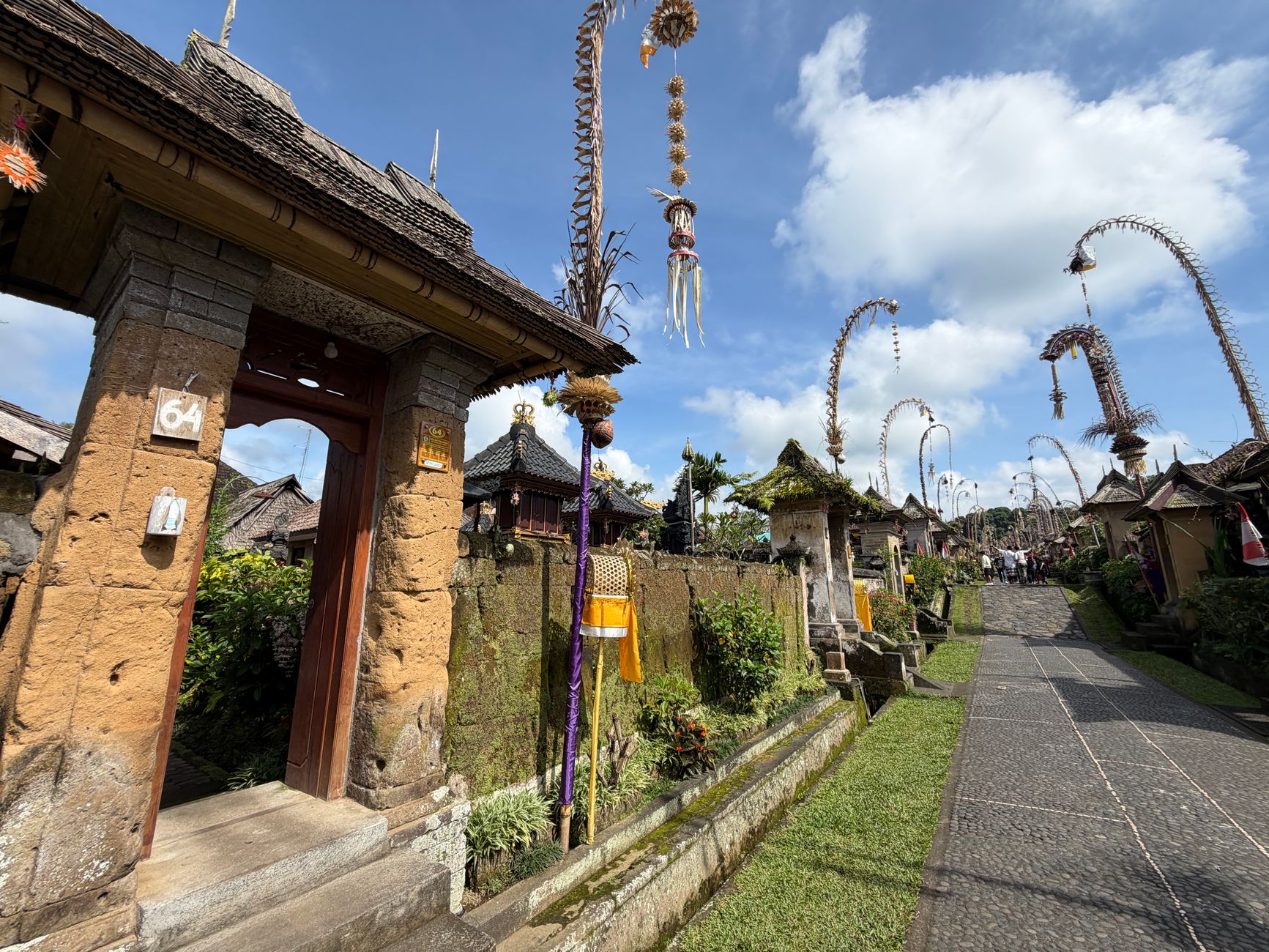
People who come back tend to rent a scooter on day one — around 70,000 IDR for 24 hours — and point it toward Tenganan Pegringsingan, the Bali Aga village four kilometres north. The temple at Puri Candidasa costs 30,000 IDR and includes a sarong; go in the morning before the tour groups arrive from further afield.
Experiences you don't want to miss



Deals in Candidasa
Book directly at the provider


How Candidasa came to be
The settlement's name traces back to a temple built in the Saka year 1112 — 1190 AD — during the reign of King Jayapangus Arkajalancana. The temple's dual shrines, one for Shiva in linga-yoni form and one housing a sculpture of the fertility goddess Hariti surrounded by ten children, reflect a syncretic tradition unusual even by Balinese standards. The name itself derives from an older form, Cilidasa, meaning "ten children."
For most of its life Candidasa was a fishing village. Divers and snorkellers discovered it in the 1970s, and the development that followed — hotels, restaurants, the cement demand that drove reef mining — reshaped the coastline permanently. The reef loss became a slow-motion lesson: in 2000, diver Vincent Chalias began the first industrial coral farming here, and in 2016 he co-founded the NGO Ocean Gardener with partner Manumudhita to continue restoration work.
Who and what shaped it
People who shaped it
Landmark buildings
See Candidasa in motion
Plan your visit
On the map
When to go
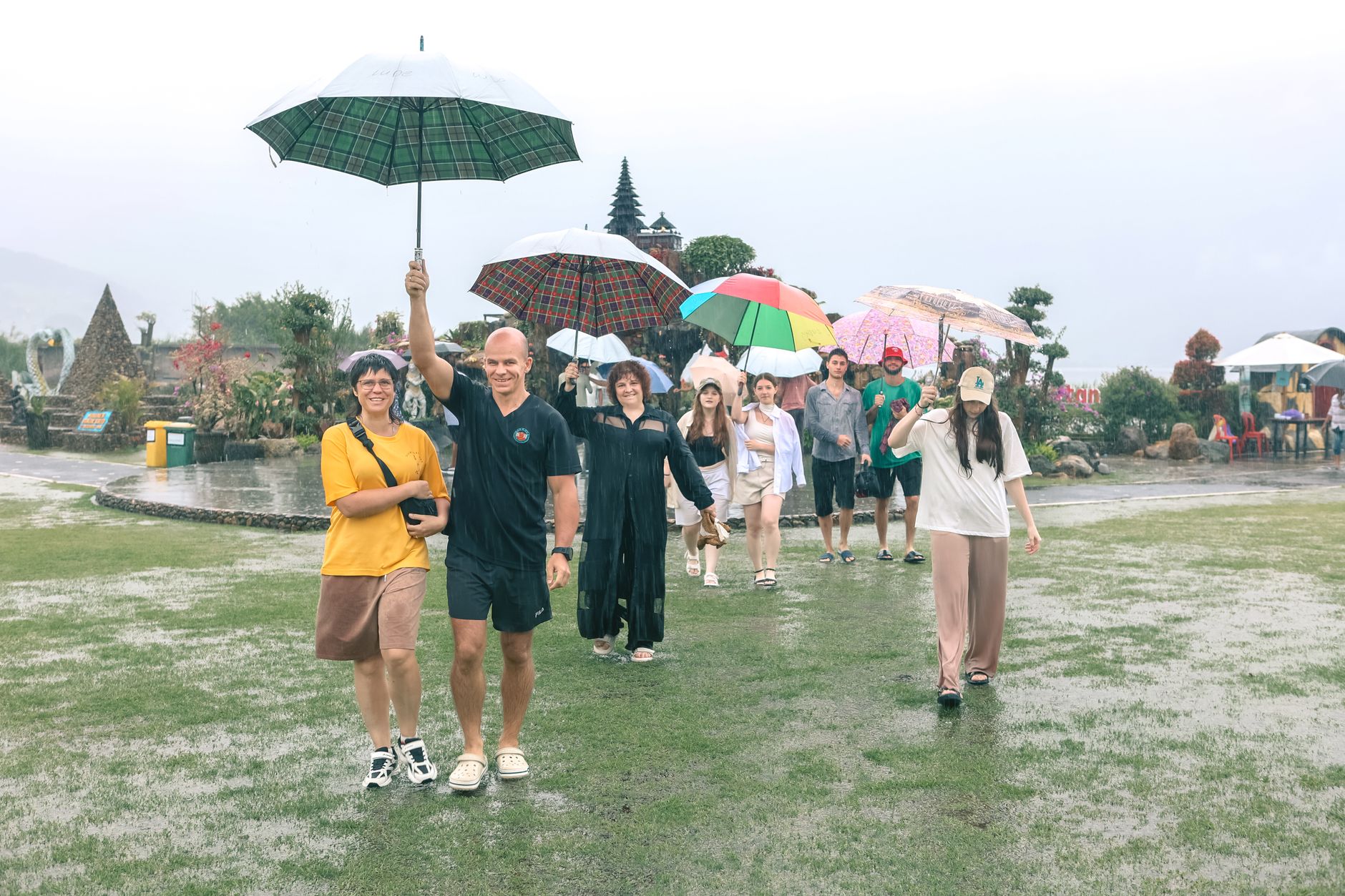
The dry season runs April through October, with August the coolest and sunniest month — around 24–27°C and over eight hours of daily sun. The wet season brings heavy rain through January and February, though showers tend to arrive in concentrated bursts rather than lasting all day; humidity stays high year-round at 85–90 percent.
Right now
Background & history adapted from Wikipedia (CC BY-SA) · specs from Wikidata (CC0) · weather from Open-Meteo · map data © OpenStreetMap contributors · photos from Wikimedia Commons / Unsplash with per-image credit. No third-party reviews or social posts reproduced.