
Lovina
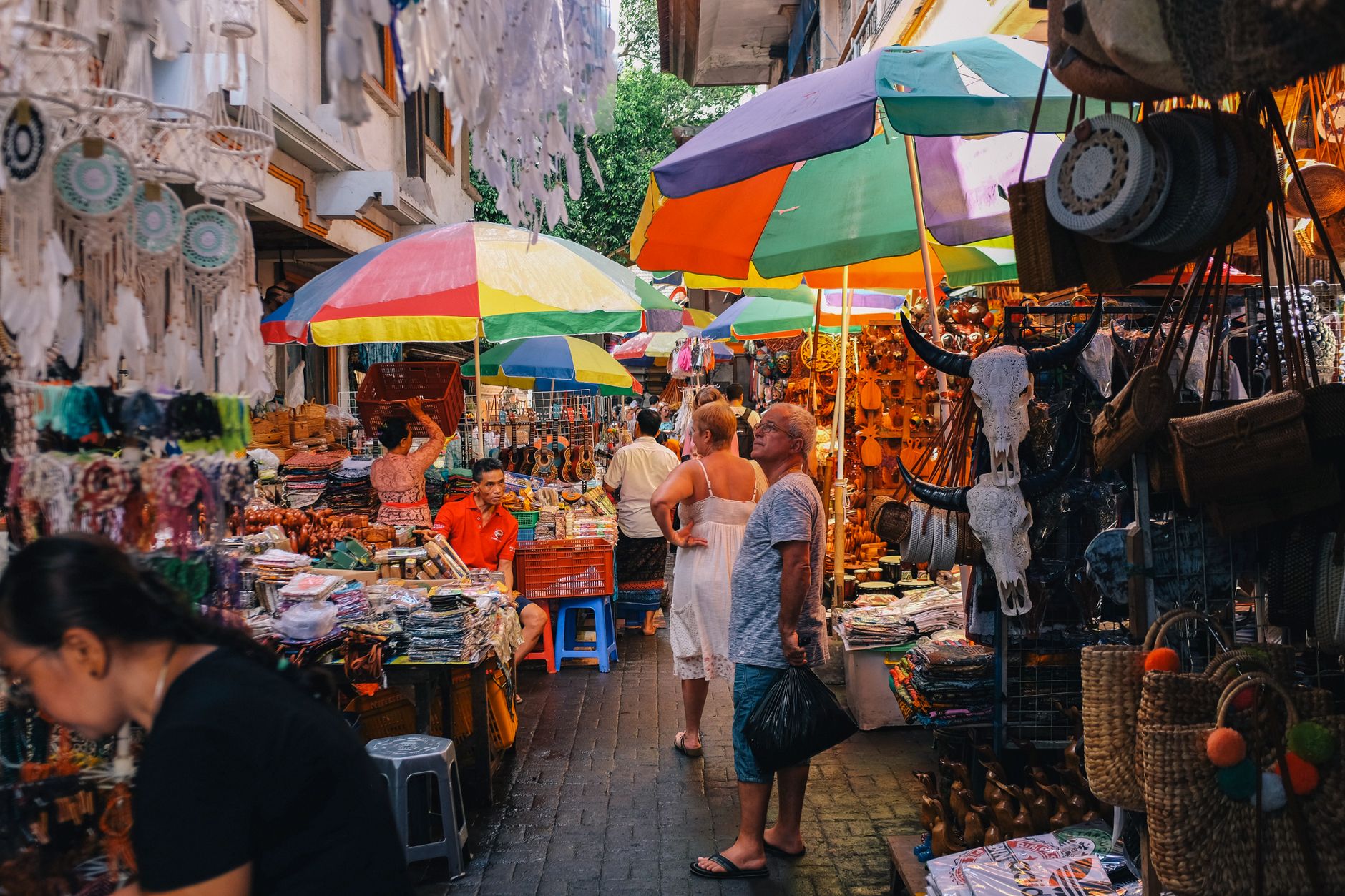
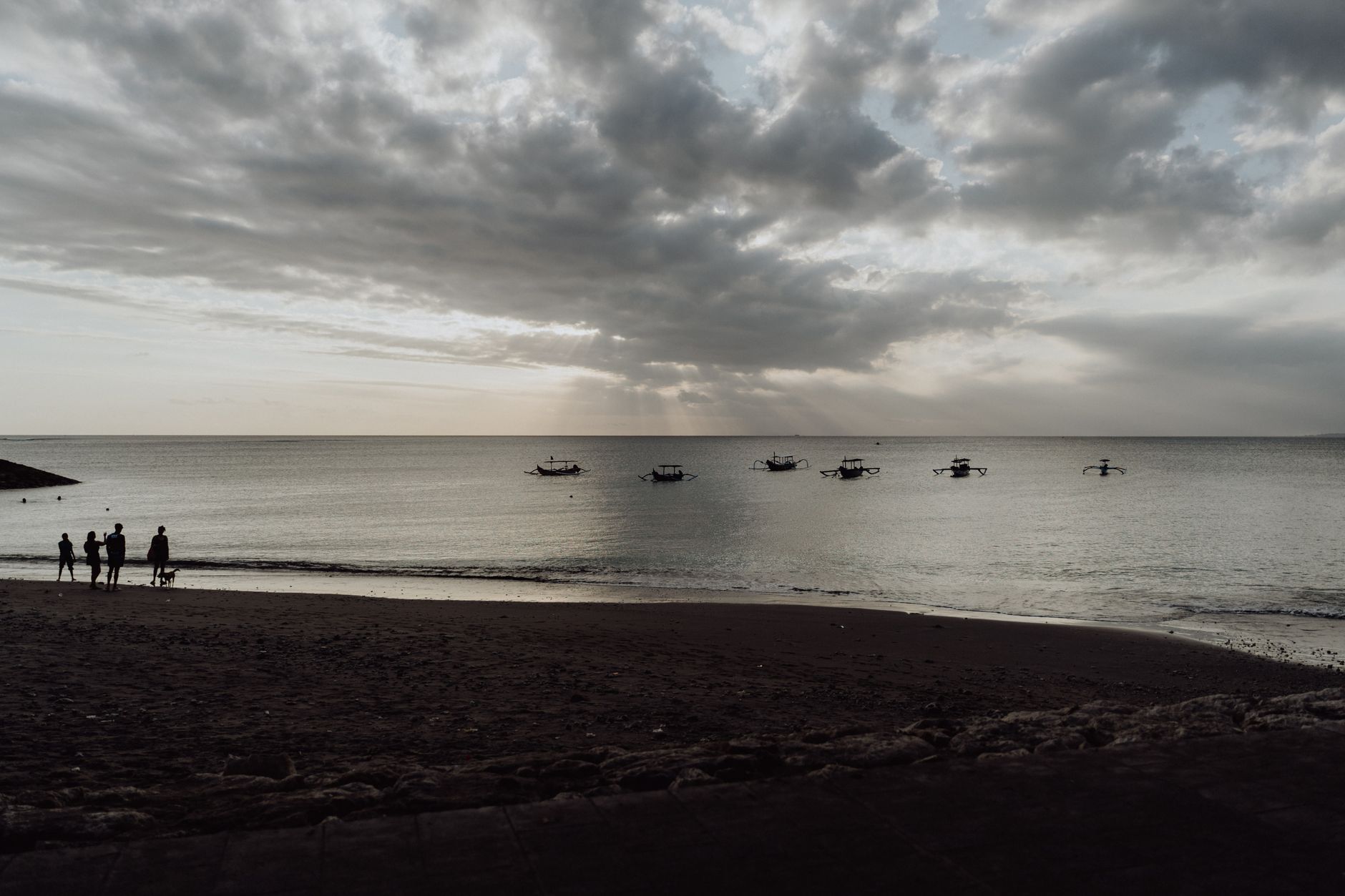
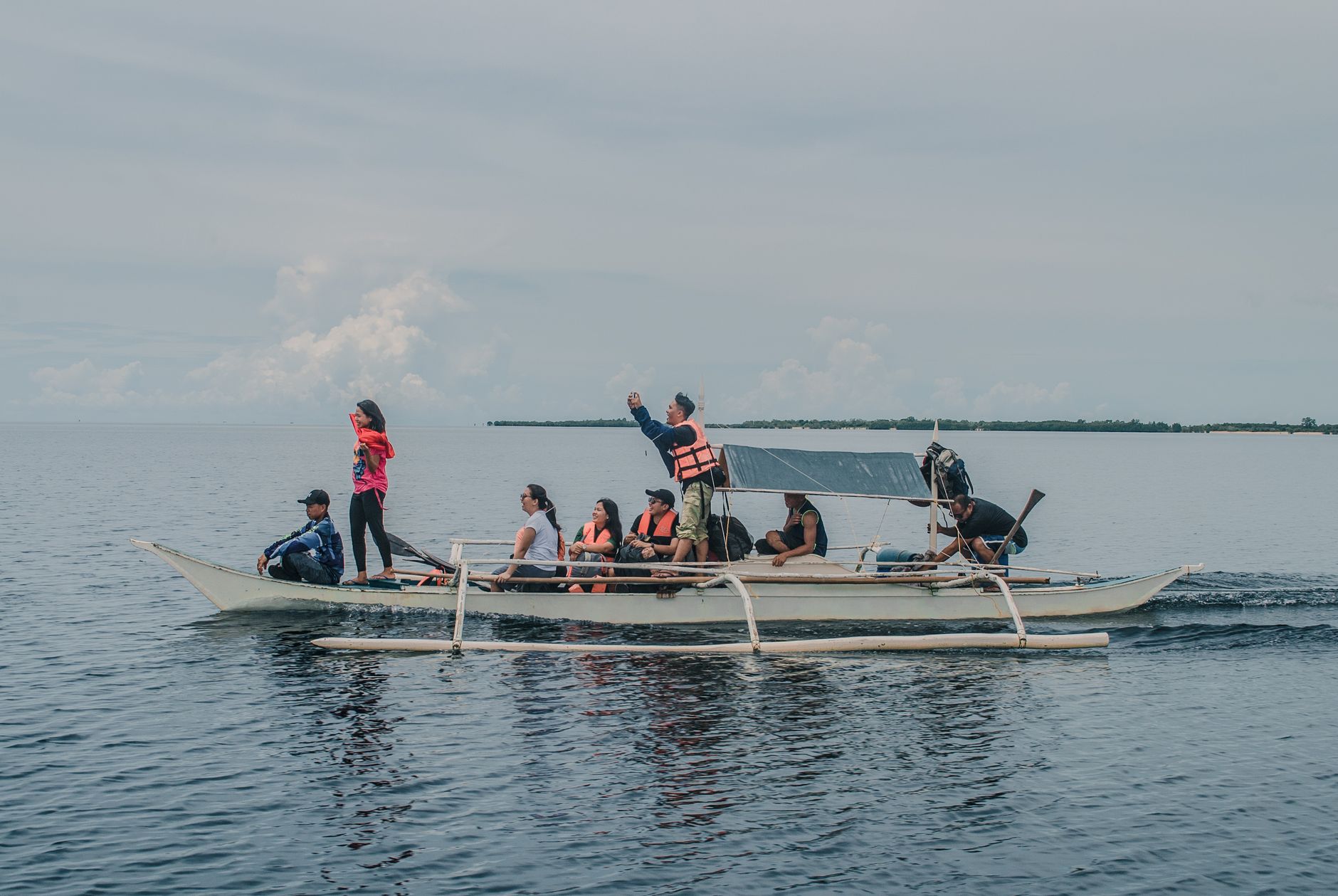
The sand at Lovina is black and grey — volcanic, fine-grained, and nothing like the pale beaches that appear on most Bali postcards. Small outriggers called perahu sit along the shoreline, painted in colours that catch the early light, waiting for the pre-dawn dolphin runs that have drawn visitors here for decades. Every morning, before the sun clears the hills, a flotilla of these boats heads out into the Bali Sea.
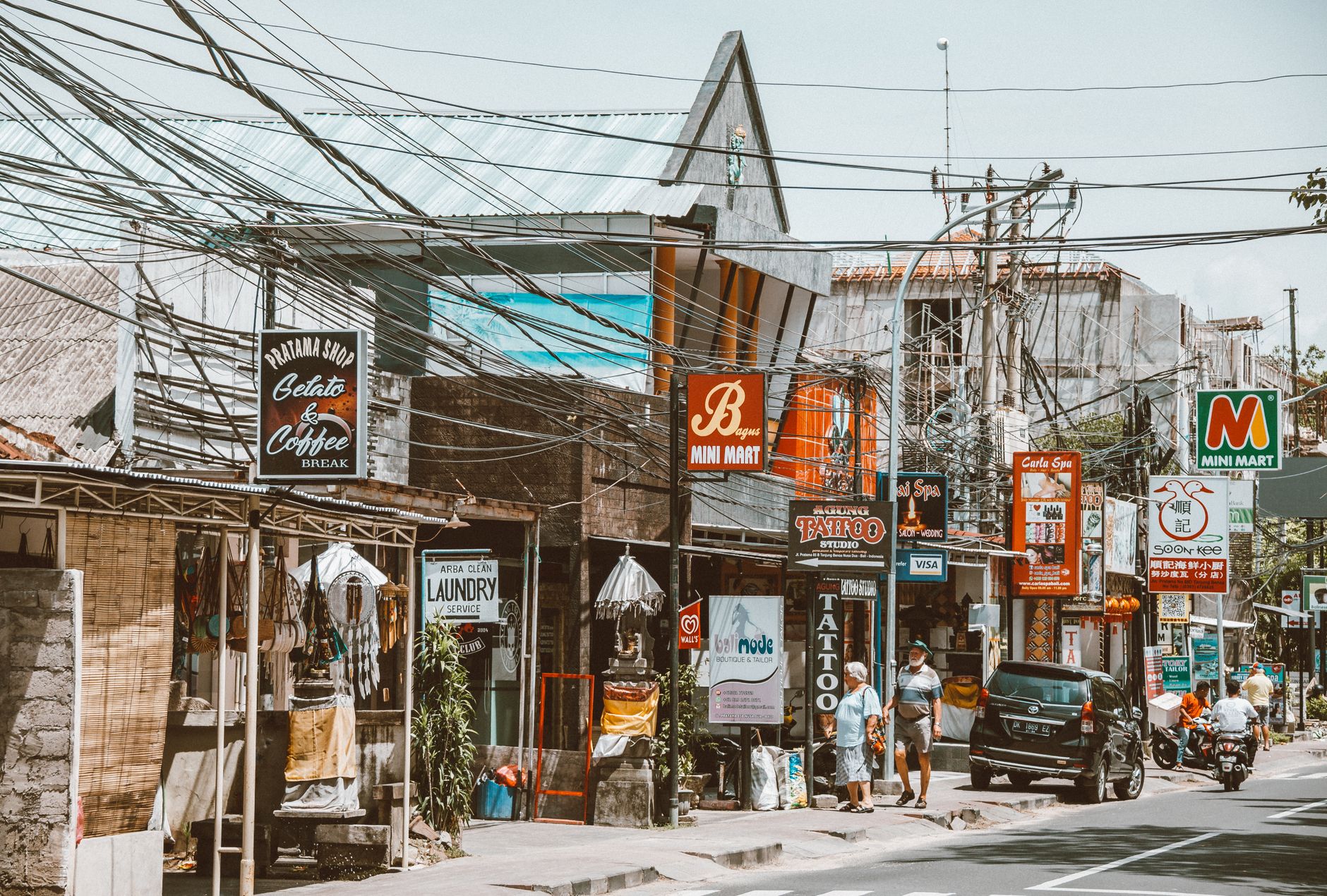
Lovina is a loose string of six coastal villages on Bali's north shore, quieter and less manicured than the resorts of the south. The main road, Jalan Raya Singaraja, runs parallel to the coast and carries real traffic. Away from it, the pace drops considerably — hot springs in the hills, a Buddhist monastery worth the detour, and evenings spent on the pier watching the light go.
💛 What travellers fall for
People who come back tend to hire a scooter on day two — 50,000 to 80,000 IDR gets you to the Banjar Hot Springs and Brahmavihara-Arama without waiting for a driver. Go to the monastery first, while it's still cool, then soak. Skip the dolphin tours if crowds aren't your thing; the sunrise from the pier costs nothing.
Deals in Lovina
Book directly at the provider


How Lovina came to be
In 1953, Anak Agung Panji Tisna — Regent of Buleleng and the man later recognised as the father of Balinese tourism — returned from abroad and built a small lodge on this stretch of north-coast shoreline. He named it Lovina, combining the English word 'love' with 'ina', a Balinese word for mother: love your mother, or love the earth. Six years later, in 1959, he handed the property to a young relative, Anak Agung Ngurah Sentanu, then 22 years old.
From that single lodge, the name spread to cover the surrounding villages and eventually the whole coastal strip. By 1990, 'Lovina' had become an official designation for six beaches across two district areas — a rare case of a place named not by a government office but by one man's act of building.
Who and what shaped it
People who shaped it
Landmark buildings
See Lovina in motion
Plan your visit
On the map
When to go
The dry season, April through October, brings calm seas and clear mornings — the best window for dolphin boats and snorkelling. The north coast sits in a rain shadow compared to the south, so even the wet season (November to March) tends to deliver short morning showers rather than all-day downpours, though January can be heavy and occasionally rough enough to cancel boat trips.
Right now
Background & history adapted from Wikipedia (CC BY-SA) · specs from Wikidata (CC0) · weather from Open-Meteo · map data © OpenStreetMap contributors · photos from Wikimedia Commons / Unsplash with per-image credit. No third-party reviews or social posts reproduced.