
Denpasar
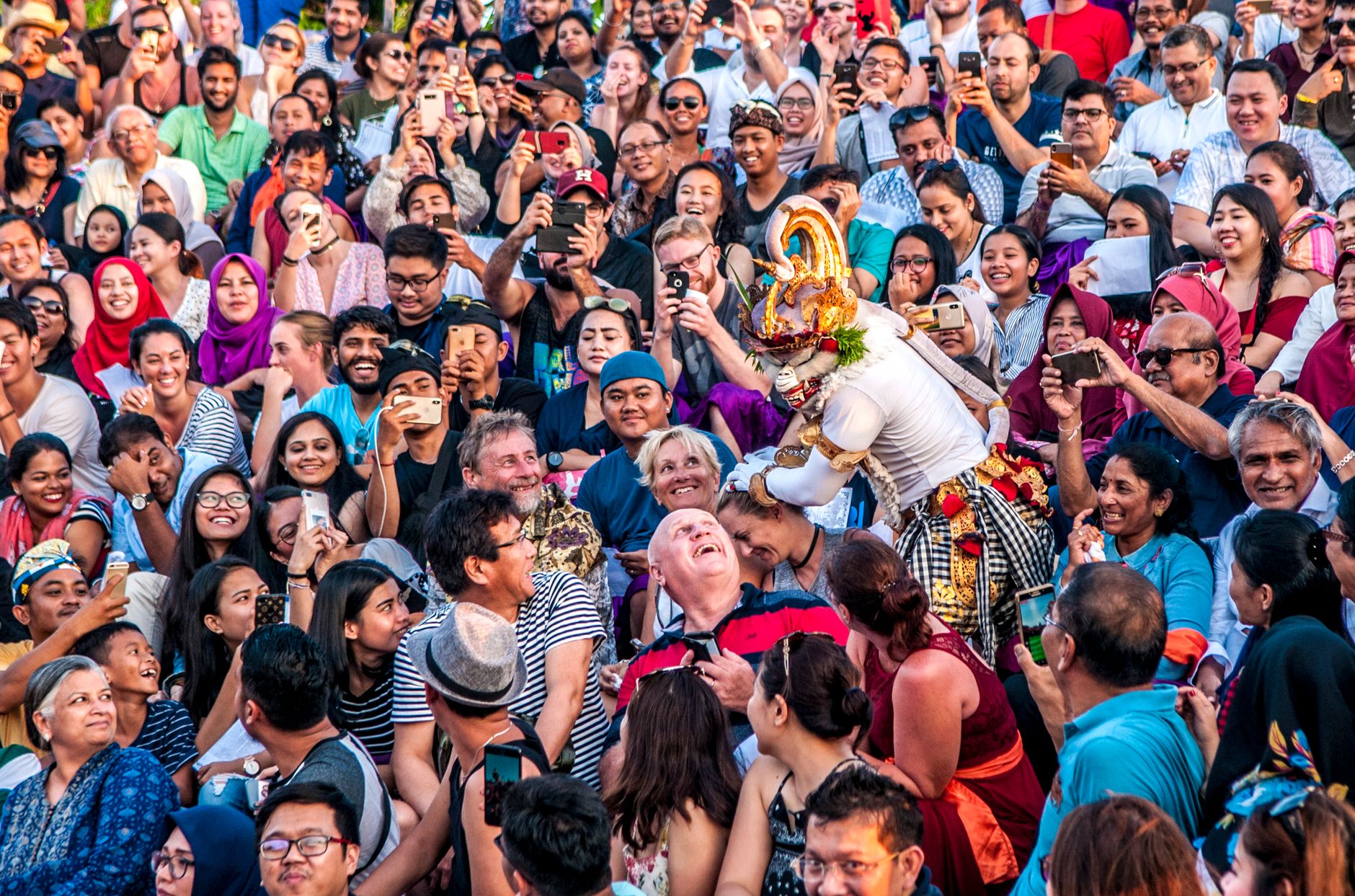
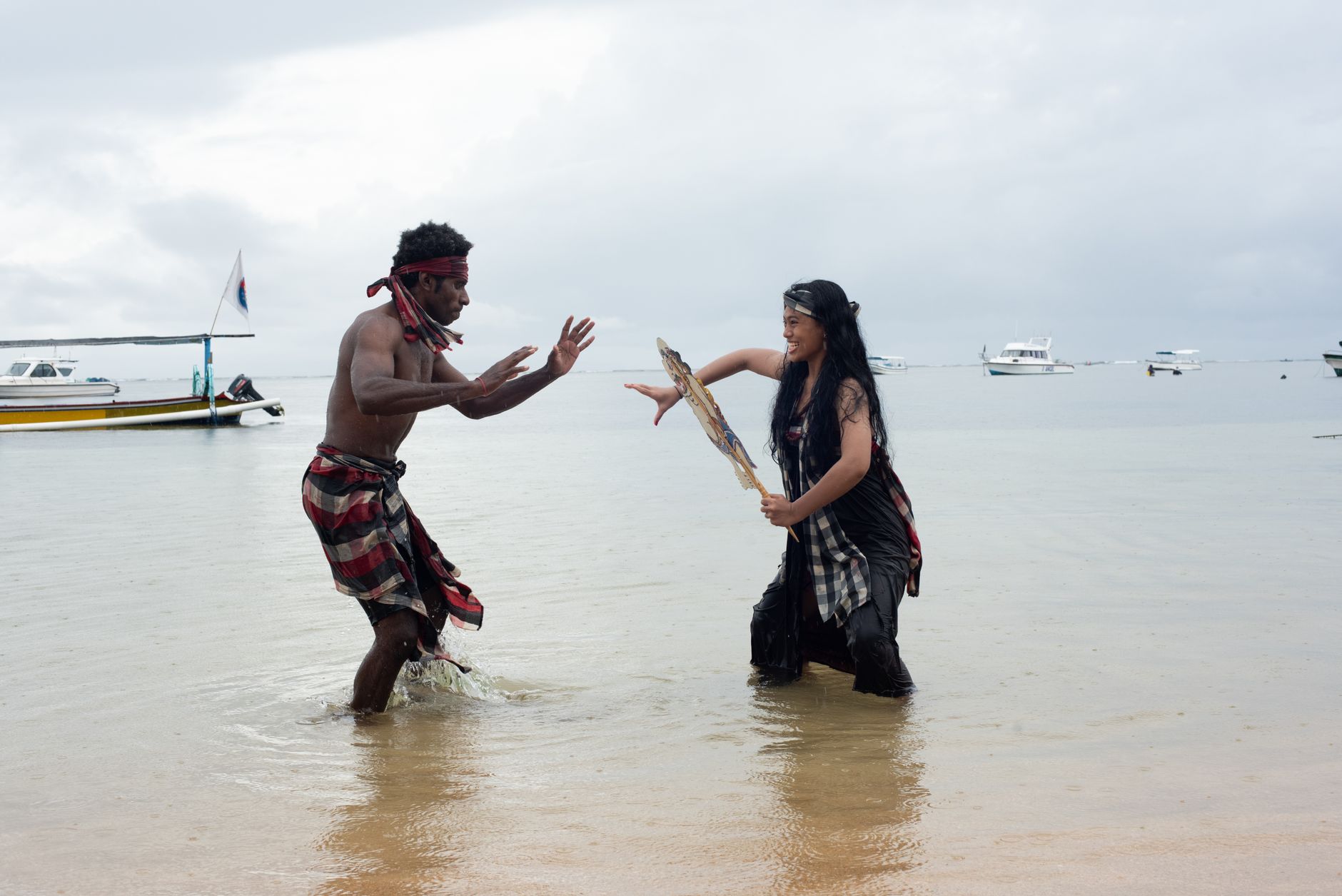
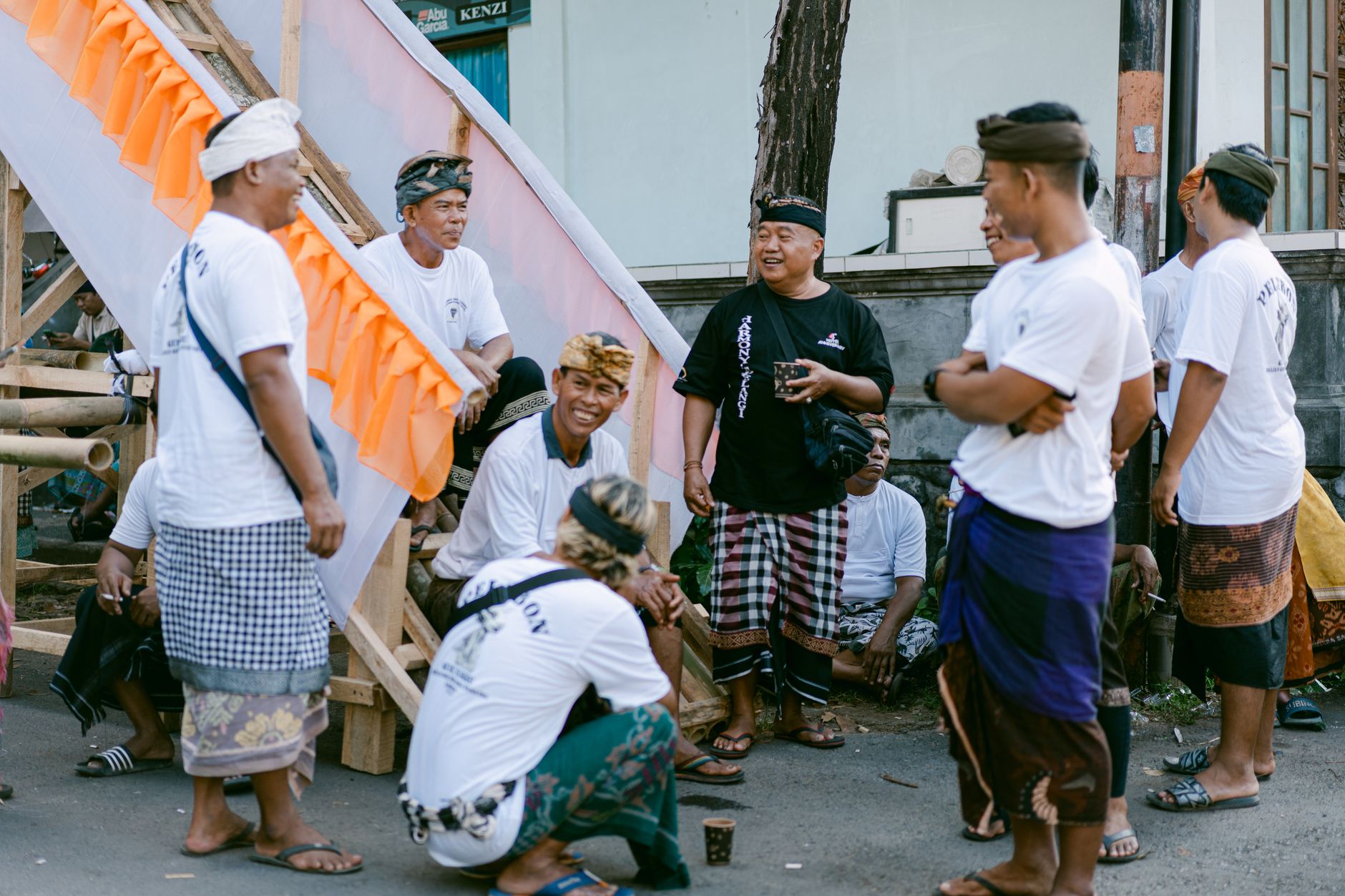
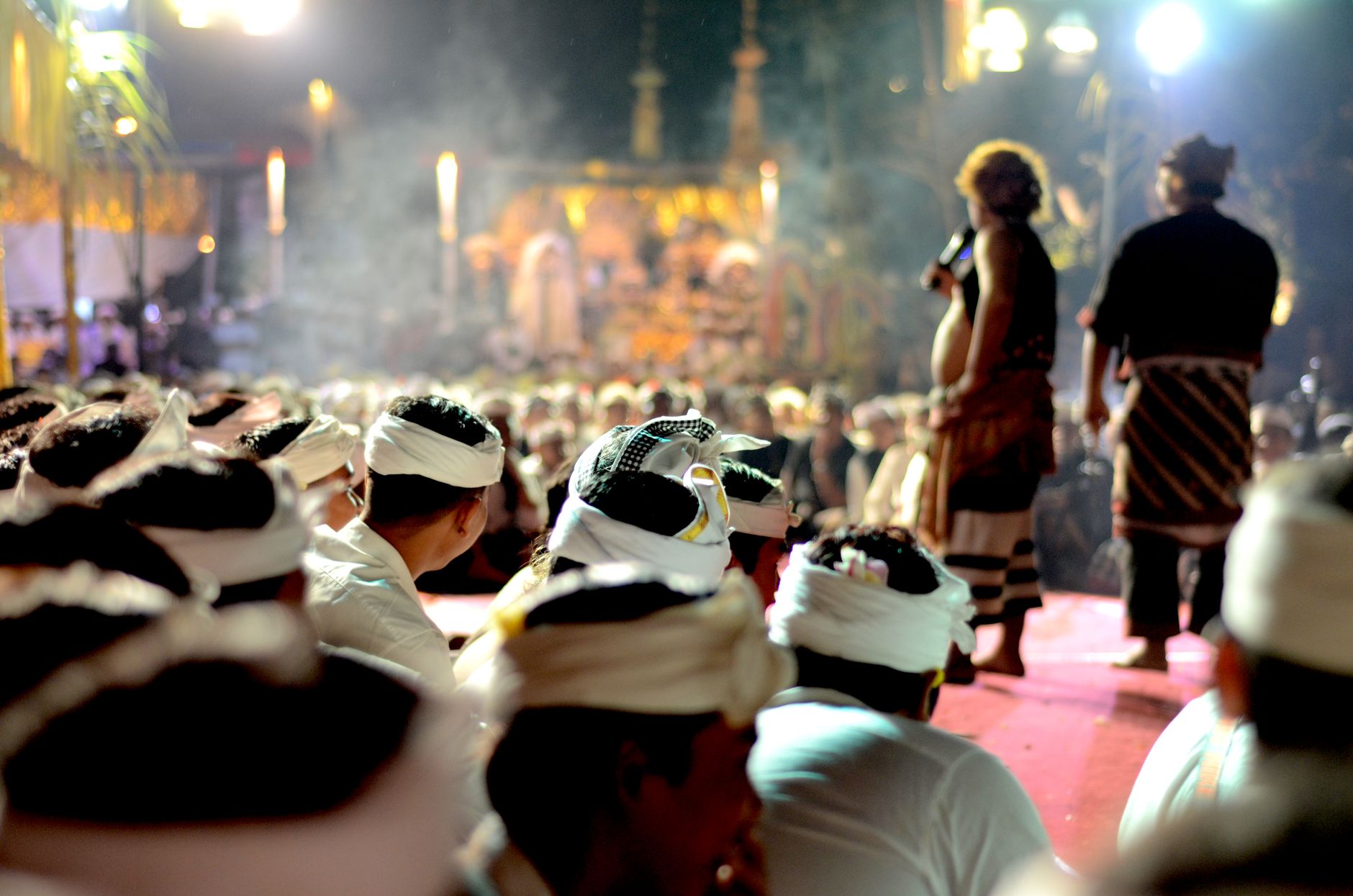
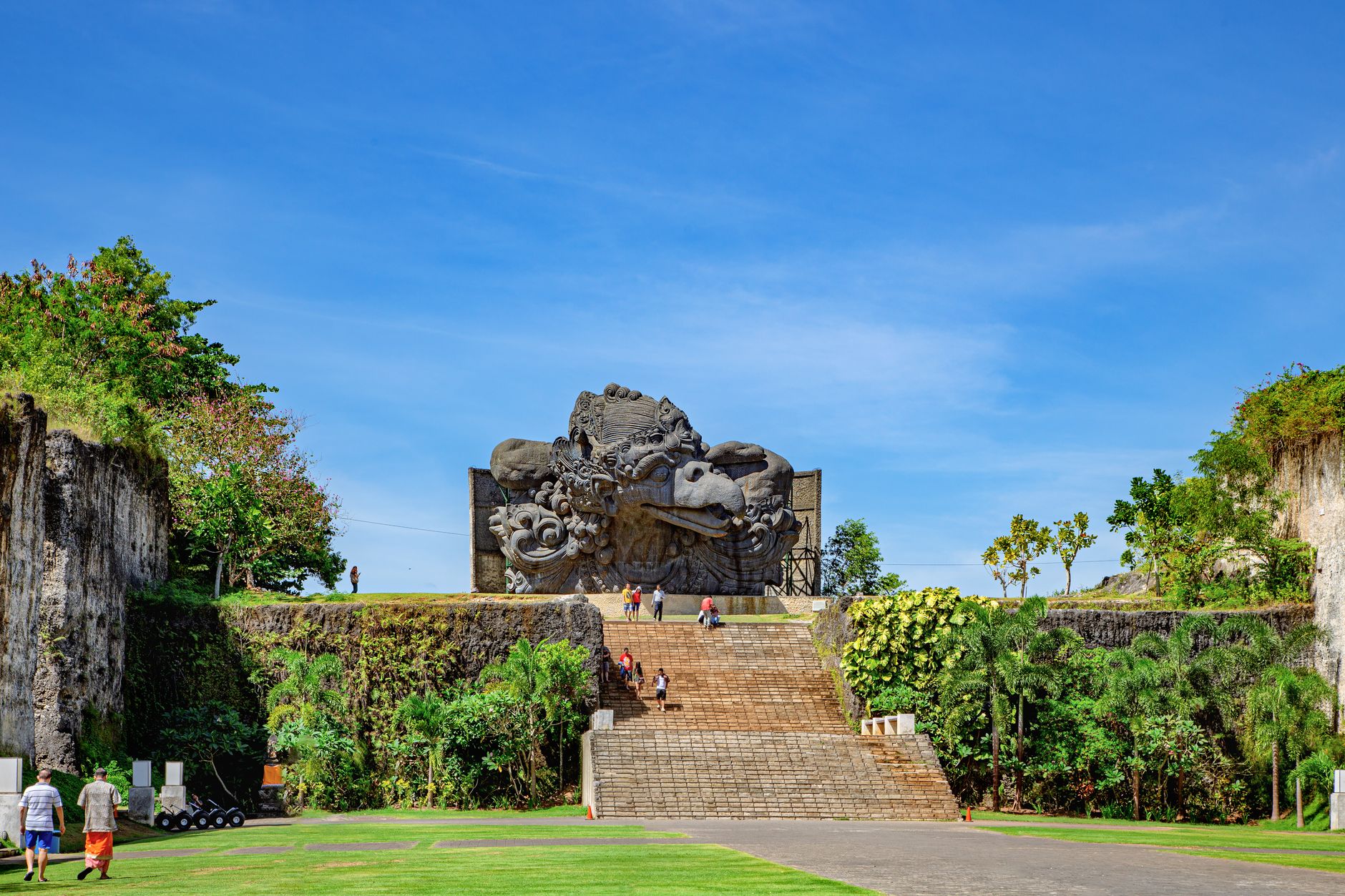
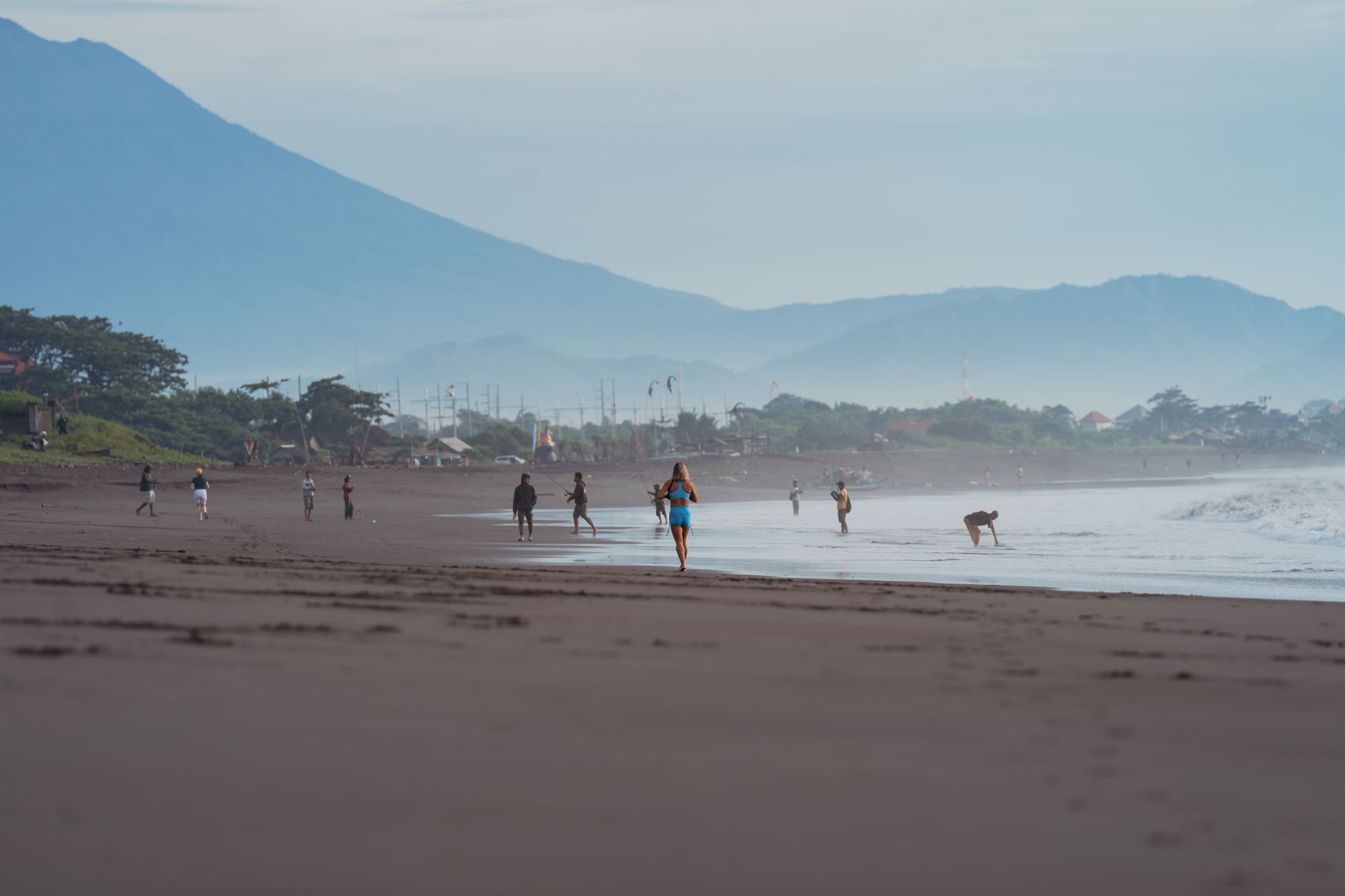
The name says it plainly: Denpasar means 'north of the market,' and a market is still very much what anchors the city. At Pasar Badung on Jalan Gajah Mada, mornings begin before dawn with vendors stacking pyramids of offerings and produce under fluorescent light. This is the Bali that doesn't perform for visitors — the provincial capital where government offices sit beside temple courtyards, where the Catur Muka statue marks kilometre zero for the entire island.
Denpasar rewards the traveller willing to navigate on foot rather than pass through on the way to somewhere else. The Bali Museum, the Puputan Square, the still-inhabited Pemecutan Palace — each one carries a specific weight of history that the resort towns nearby have largely traded away.
💛 What travellers fall for
People who keep coming back tend to anchor their mornings at Bhineka Jaya, the coffee shop the Tjahjadi family opened in 1935 — the original home of Kopi Bali. Order early, before the heat settles in, then walk Puputan Square while the light is still low and the joggers outnumber the tour groups.
Deals in Denpasar
Book directly at the provider

How Denpasar came to be
Denpasar was formally founded on 27 February 1788 by I Gusti Ngurah Made Pemecutan, a descendant of the royal house of Puri Pemecutan of Badung. For more than a century it served as the capital of the Hindu Majapahit Kingdom of Badung, a city shaped around its market and its palace. The Dutch arrived with force in 1906, and rather than surrender, the Raja of Badung and his court walked into colonial gunfire in a ritual mass suicide — the Puputan — that Denpasar has never forgotten. The square at the city's centre still bears that name.
The 20th century brought a slower reshaping: the Bali Museum opened in 1910 and was built to its current form by architect P.J. Moojen in 1931; the city was officially renamed from Badung to Denpasar in 1936; and in 1958, administrative authority over the whole province shifted here from Singaraja in the north. Denpasar became a fully independent city on 15 January 1992.
Who and what shaped it
People who shaped it
Landmark buildings
See Denpasar in motion
Plan your visit
On the map
When to go
Temperatures hold steady between 27°C and 29°C year-round, so season is really about rain rather than warmth. The dry months, April through October, make street-level exploration considerably more comfortable; December through February brings the heaviest downpours, with rainfall sometimes exceeding 300 mm in a single month.
Right now
Background & history adapted from Wikipedia (CC BY-SA) · specs from Wikidata (CC0) · weather from Open-Meteo · map data © OpenStreetMap contributors · photos from Wikimedia Commons / Unsplash with per-image credit. No third-party reviews or social posts reproduced.