
Amed
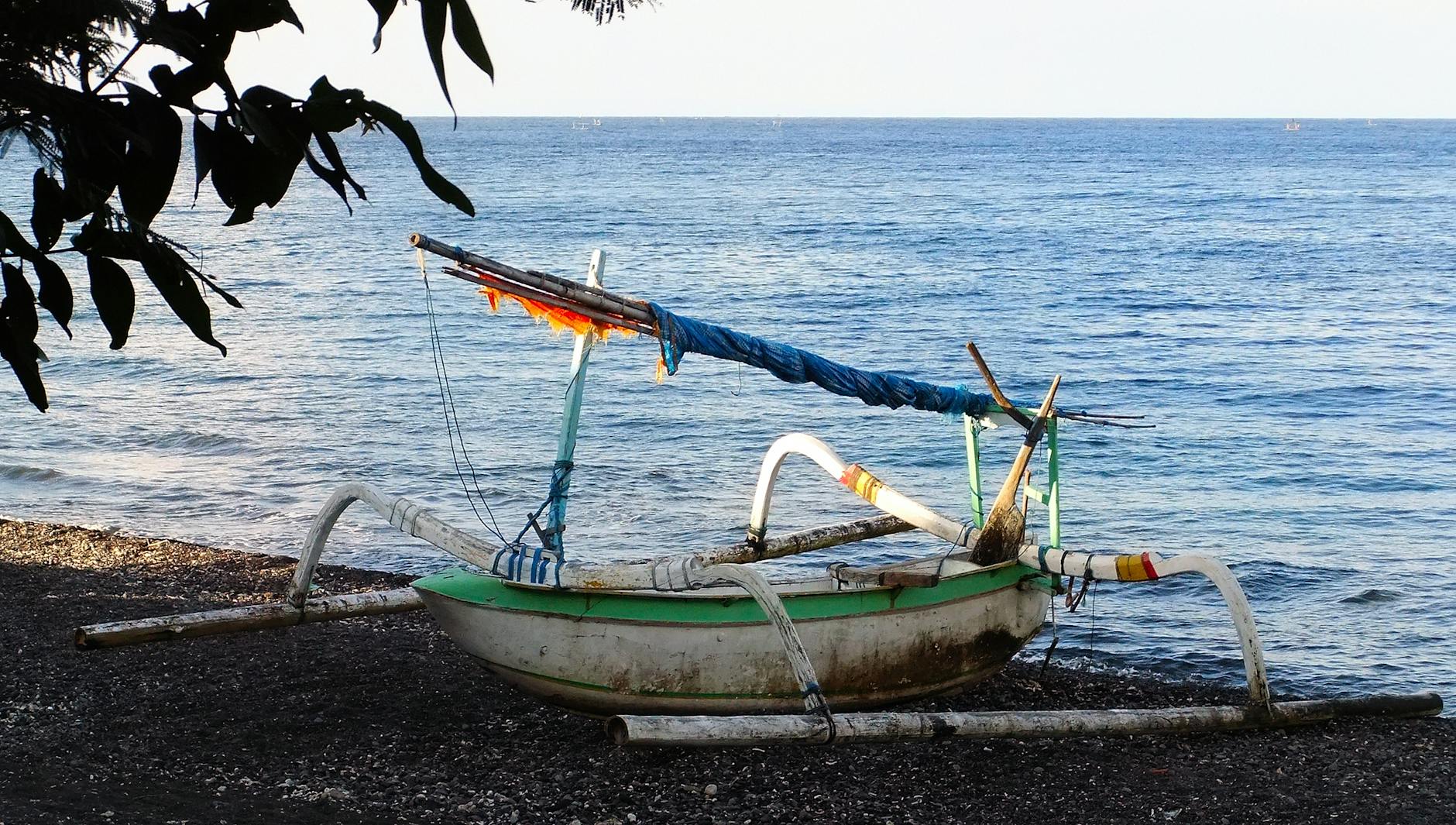
The first thing you notice in Amed is the jukungs — traditional outrigger fishing boats pulled up on black volcanic sand, their painted hulls catching the early light before their crews head out. This is the northeast corner of Bali, a long, quiet arc of coastline that the tourism industry has quietly annexed into a single name: what most people call "Amed" is actually nine villages strung across fourteen kilometres, each with its own character.
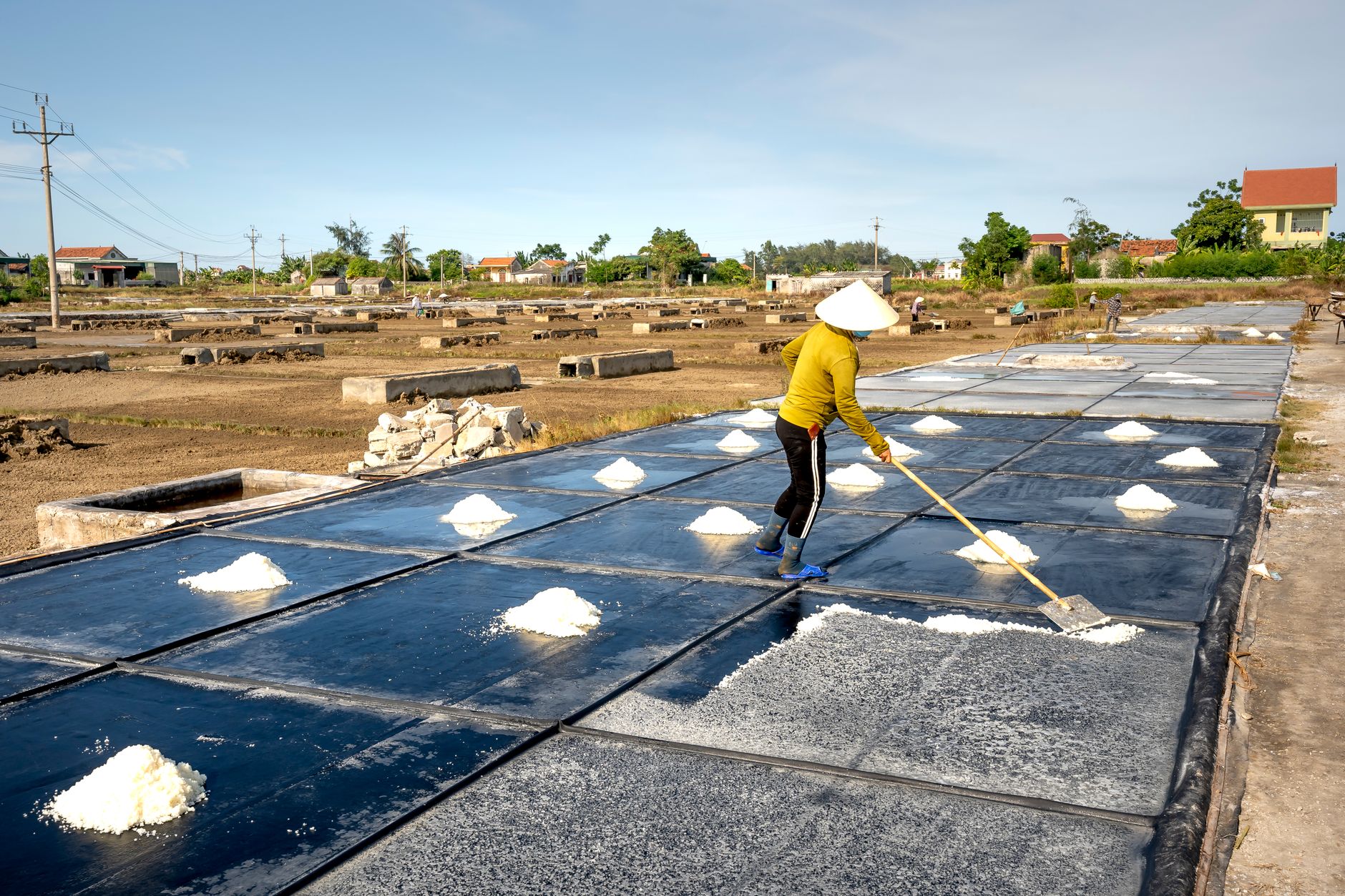
The sea here is the reason people come and the reason they stay longer than planned. Below the surface, artificial reef structures — including a photogenic underwater temple — have become genuine marine habitats. On shore, salt farmers still work the same shallow pans their families have worked for centuries, producing a salt once reserved exclusively for Balinese royalty.
💛 What travellers fall for
People who return tend to land at the same warung two mornings in a row, order whatever fish came in at dawn, and end up staying an extra night. Rent a scooter rather than relying on drivers — the coast road between Jemeluk and Aas is short enough to cover in twenty minutes but worth doing slowly, stopping wherever the water looks clear.
Deals in Amed
Book directly at the providerHow Amed came to be
Amed has been a salt-producing coast for hundreds of years, its farmers using techniques largely unchanged since the trade began. The salt was once considered fine enough to be gifted exclusively to the kings of the Karangasem region; today the same methods yield around 38 tonnes a year, distributed across Bali and wider Indonesia. That continuity has earned Amed Salt a Geographical Indication status — a formal recognition that the product is inseparable from this particular place and its people.
Within day-trip reach, the area's royal history is visible in stone: Taman Ujung Water Palace, built in 1909 by King I Gusti Bagus Jelantik, shows what happens when a Balinese ruler commissions a Dutch architect during the colonial period — the result is neither purely Balinese nor European, but something genuinely its own. A second palace, Tirta Gangga, followed in 1946 under the same ruling line.
Who and what shaped it
People who shaped it
Landmark buildings
See Amed in motion
Plan your visit
On the map
When to go
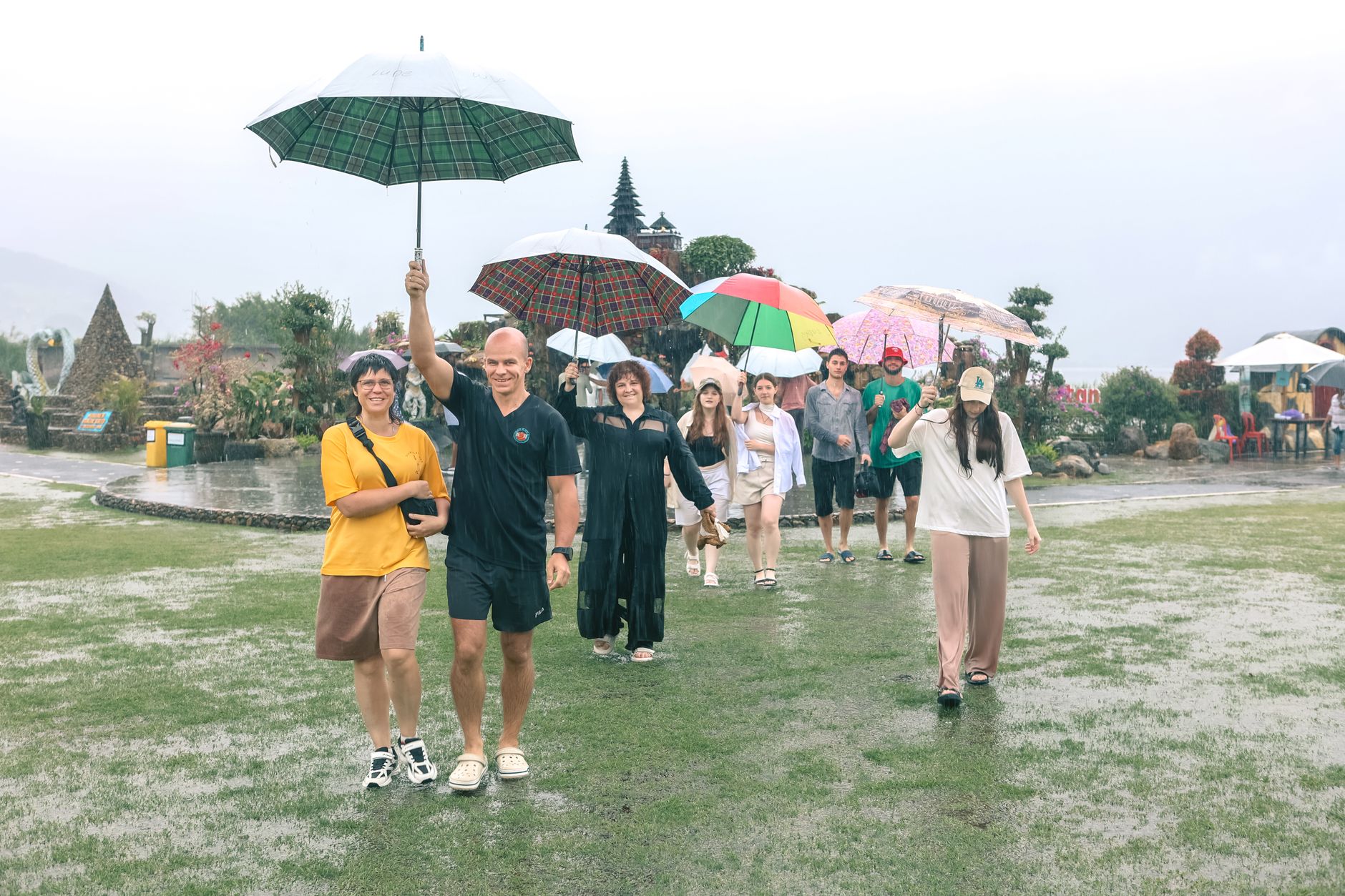
April through October is dry and sunny, with water clarity at its best for diving and snorkelling; temperatures sit between 25°C and 30°C on land, and the sea stays at 26–29°C year-round. The wet season, November through March, brings heavy afternoon showers and higher humidity, though mornings are often clear and the crowds thin considerably.
Right now
Background & history adapted from Wikipedia (CC BY-SA) · specs from Wikidata (CC0) · weather from Open-Meteo · map data © OpenStreetMap contributors · photos from Wikimedia Commons / Unsplash with per-image credit. No third-party reviews or social posts reproduced.