
Canggu
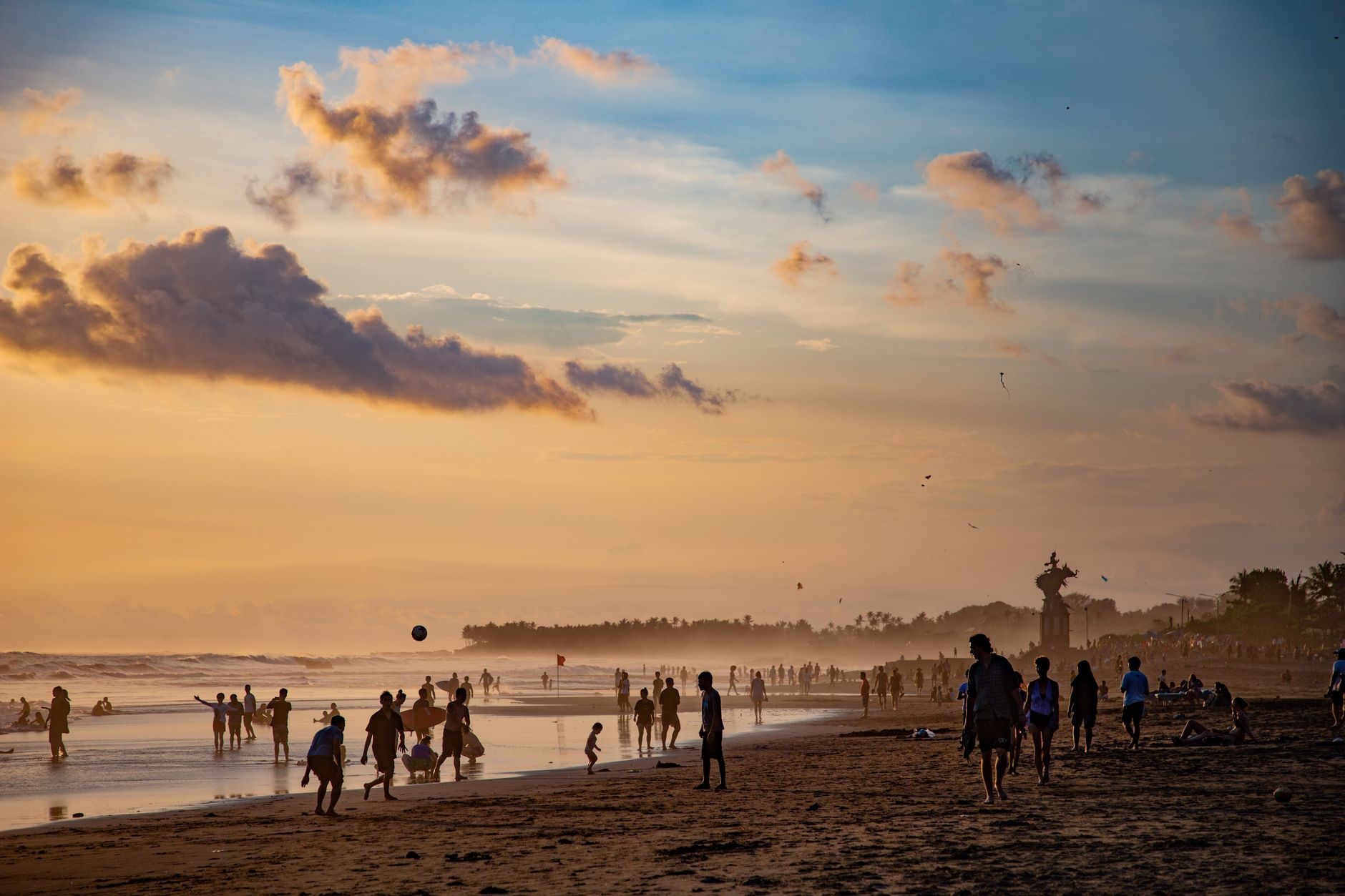
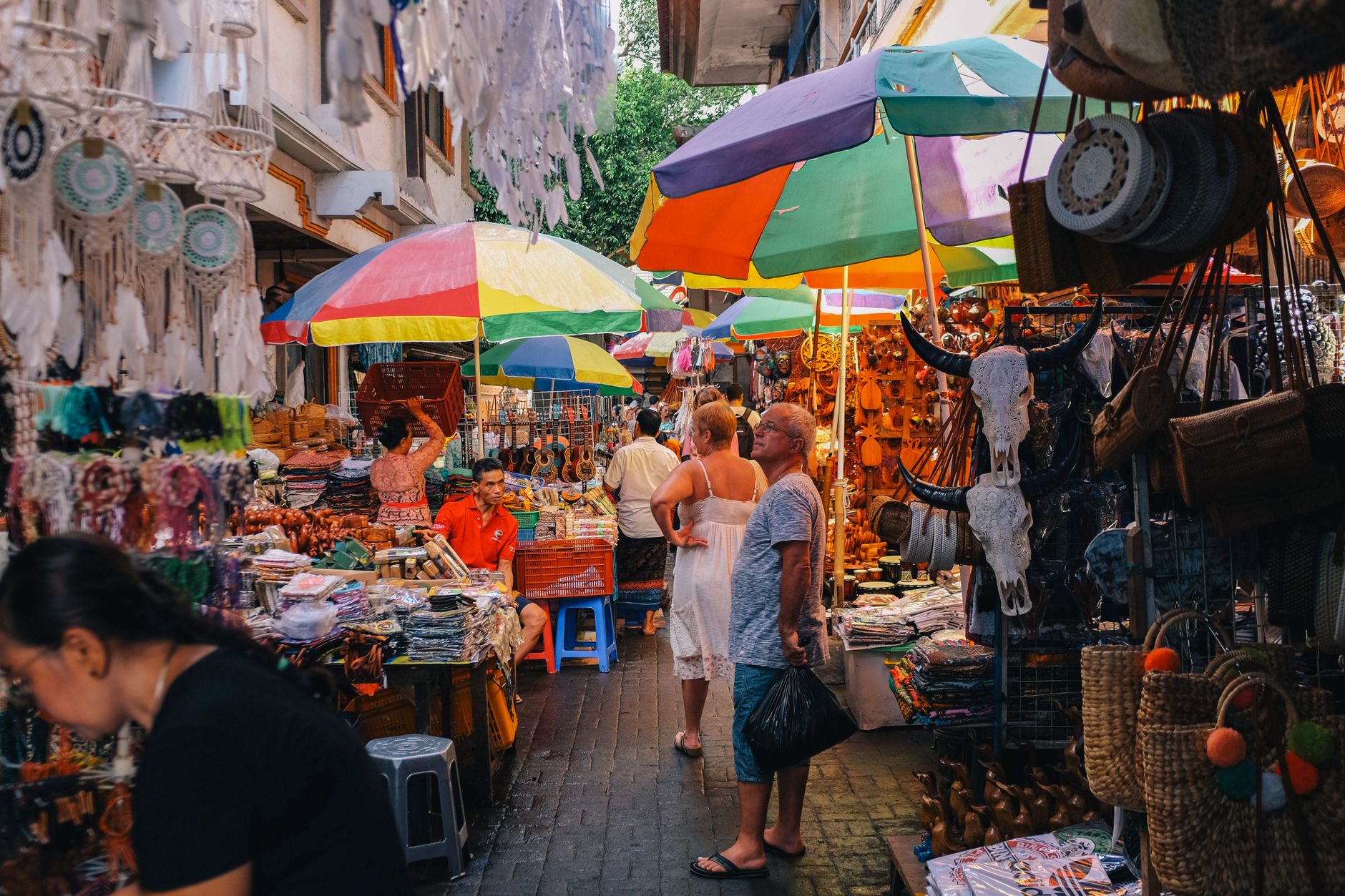
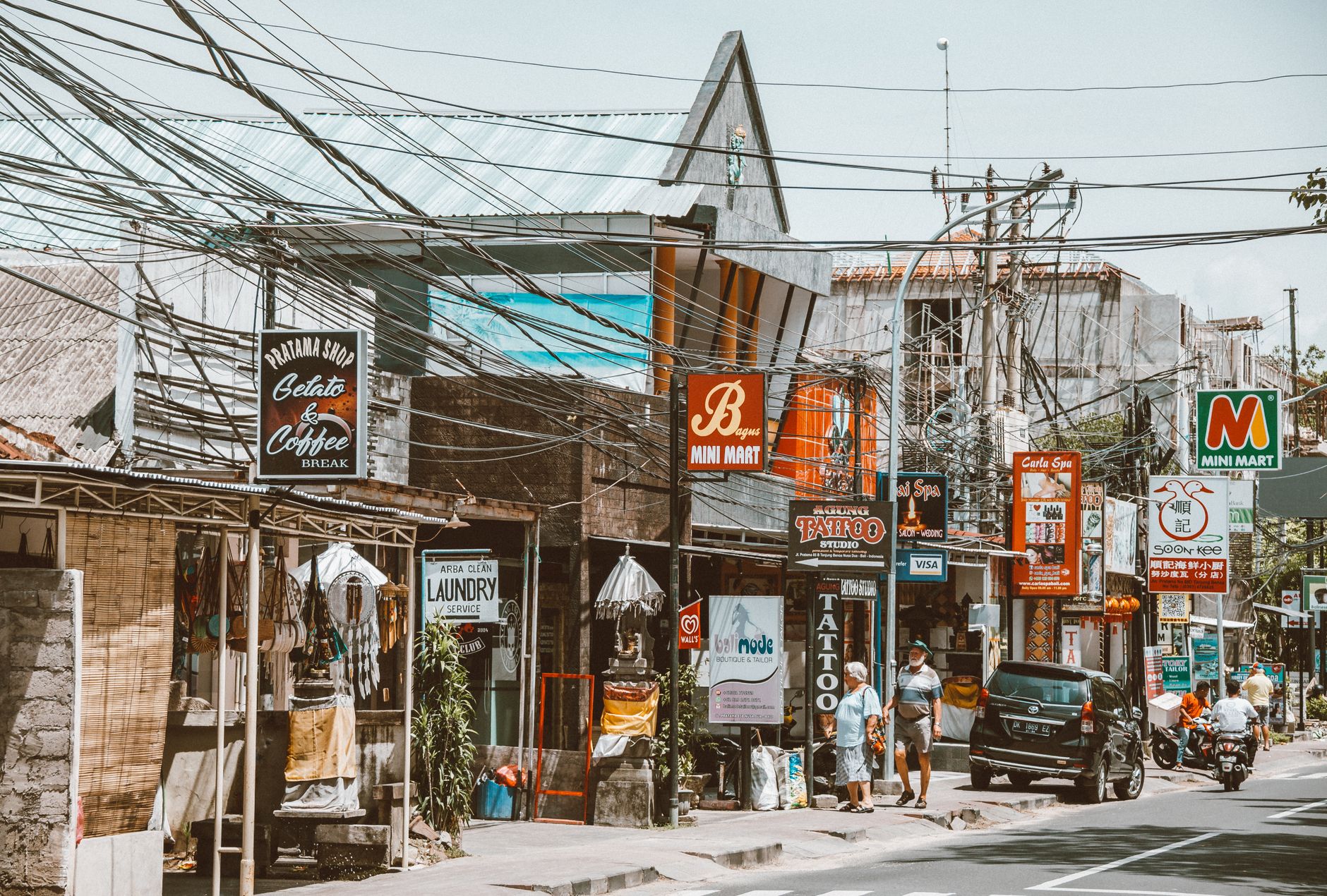
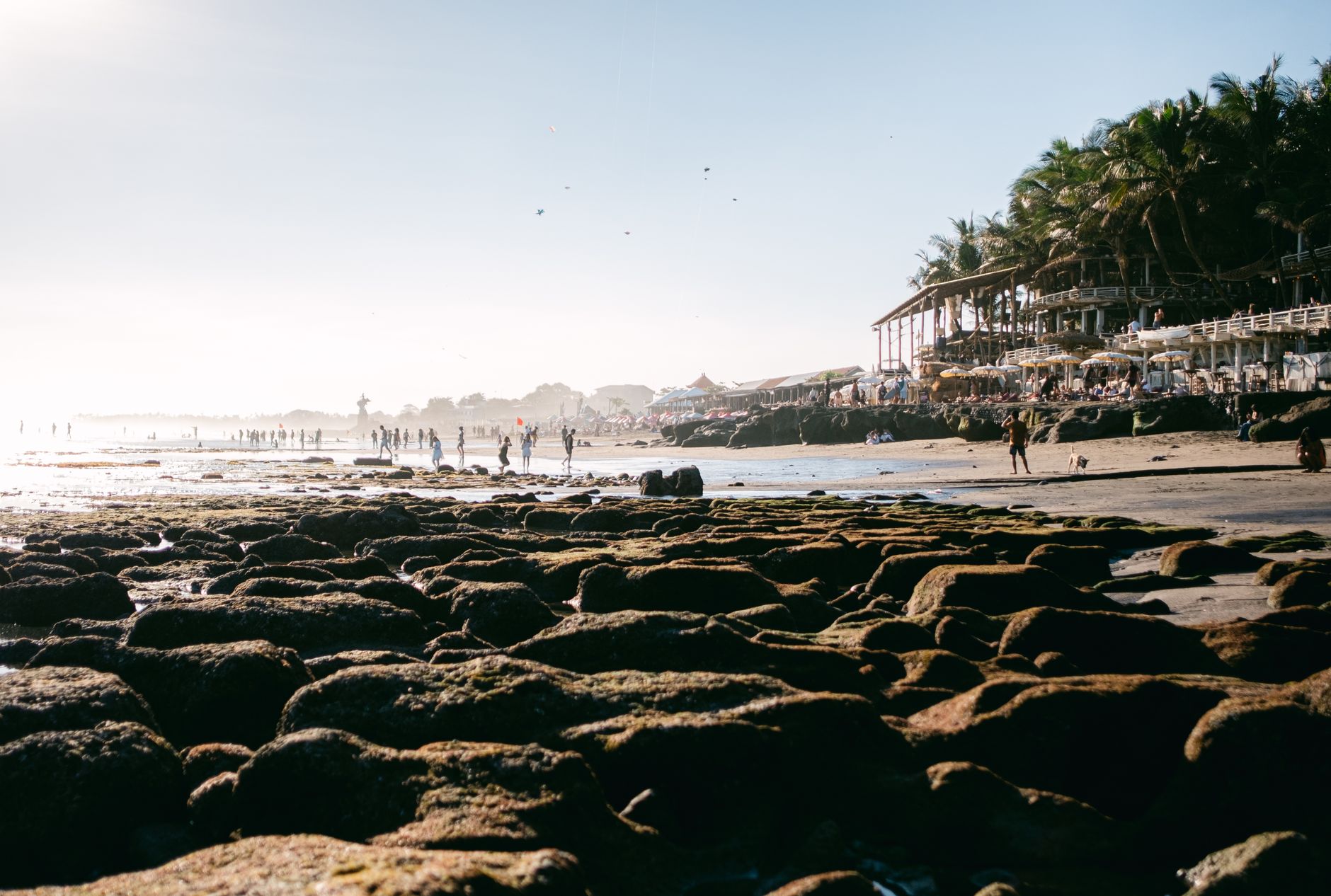
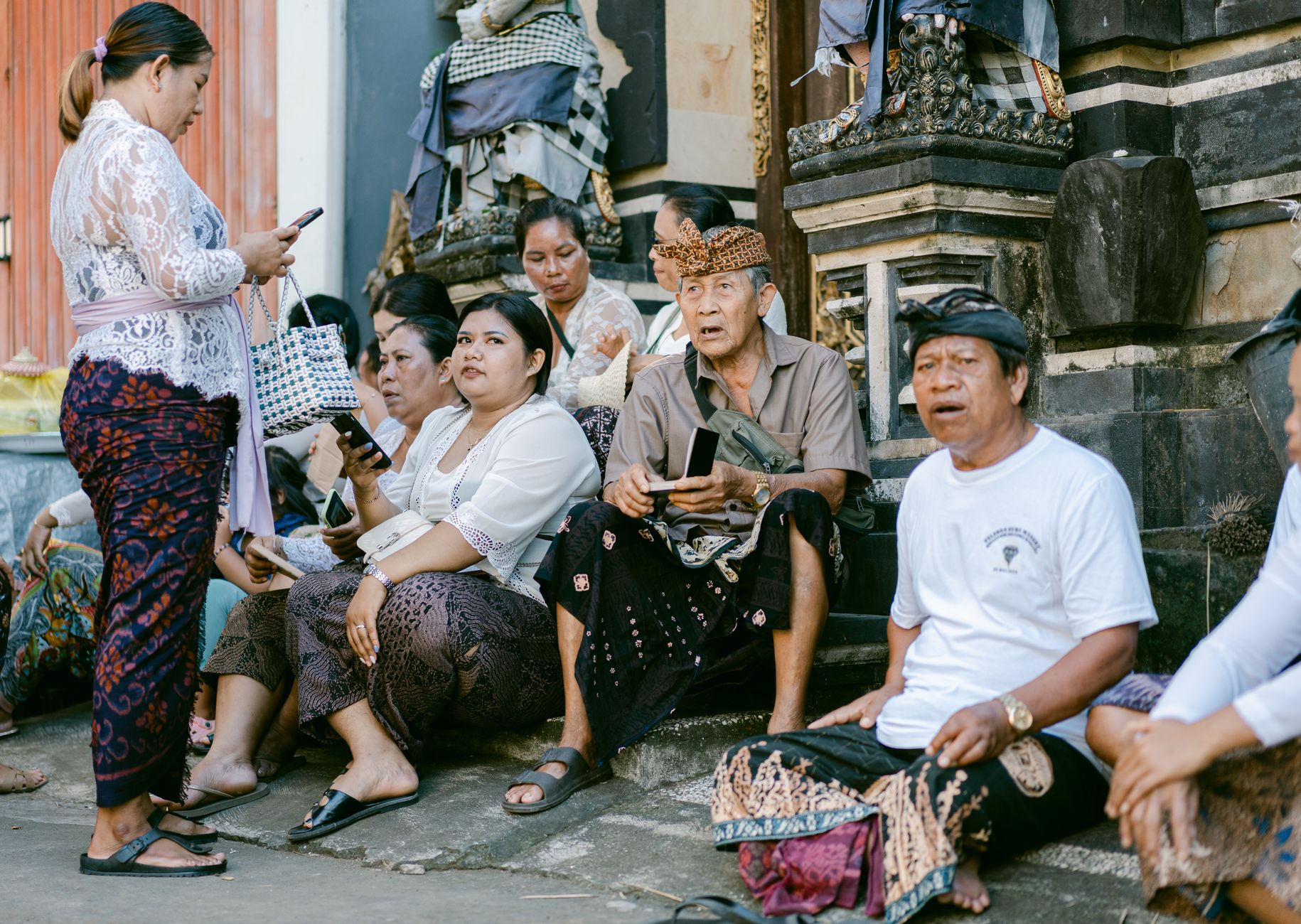
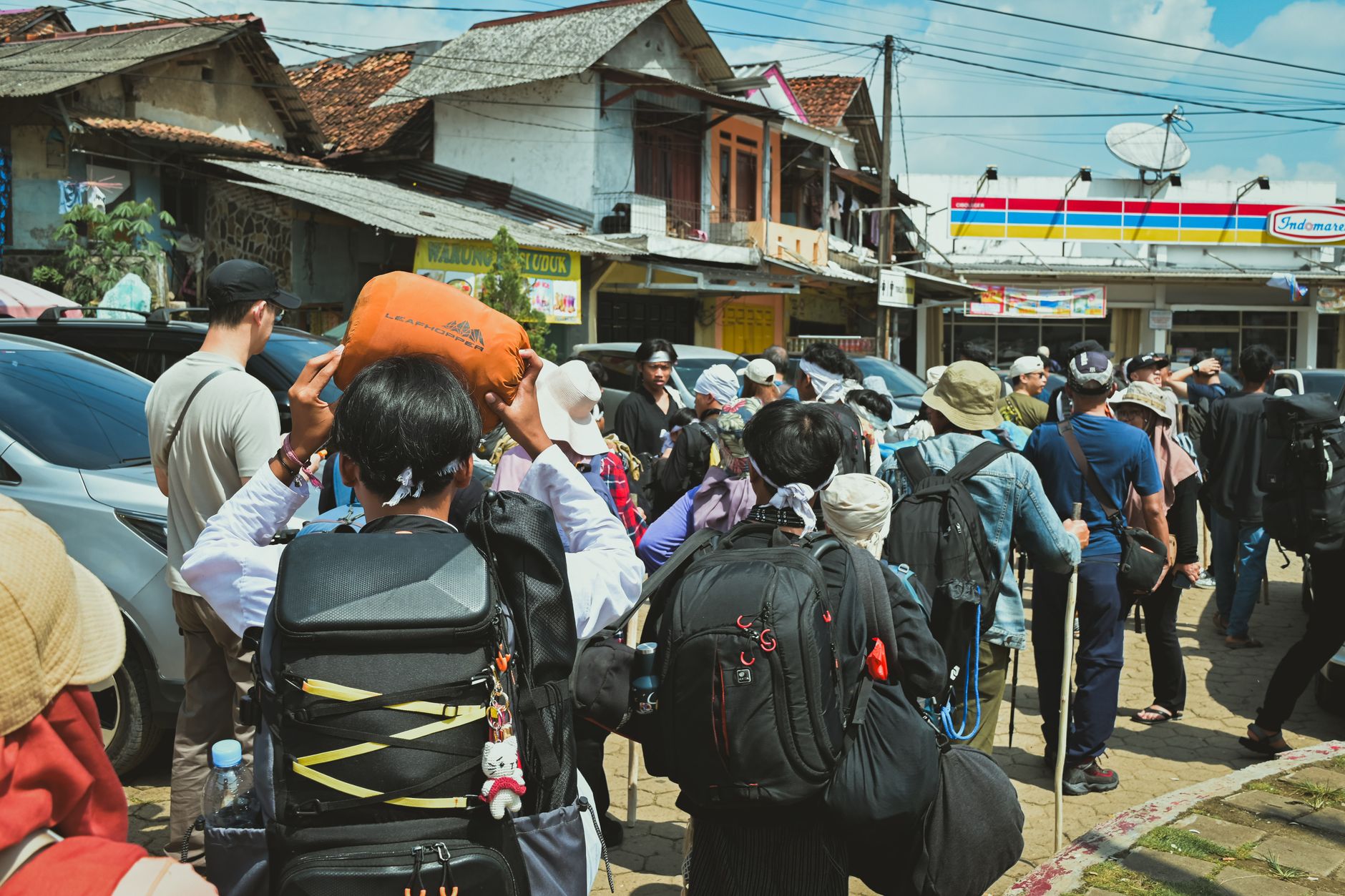
Fifteen years ago, Canggu was rice paddies, unpaved tracks, and the occasional beach shack. The surfers knew it, and largely kept quiet about it. Now Jalan Batu Bolong runs wall-to-wall with coffee shops, tattoo parlours, and villa gates, and the fields that once framed the sunsets have been steadily replaced by construction hoardings. What remains — and what keeps drawing people back — is the surf, the pair of centuries-old sea temples on the rocks, and a coastline that spreads across nine distinct beaches, each with its own character.
Canggu sits about 10 kilometres north-west of Kuta, close enough to reach from the airport in under an hour on a quiet day, far enough to feel like a different proposition. The permanent population hovers around 40,000, though on any given week the transient crowd of surfers, remote workers, and long-term travellers swells that number considerably.
💛 What travellers fall for
People who come back tend to anchor themselves to one beach and work outward. Batu Bolong Beach for the morning surf check, the Deus Temple of Enthusiasm on Jalan Batu Bolong for an afternoon coffee and whatever's on the gallery wall, then Echo Beach for sunset with food in hand — that rhythm repeats across a lot of return visits.
Experiences you don't want to miss



Deals in Canggu
Book directly at the provider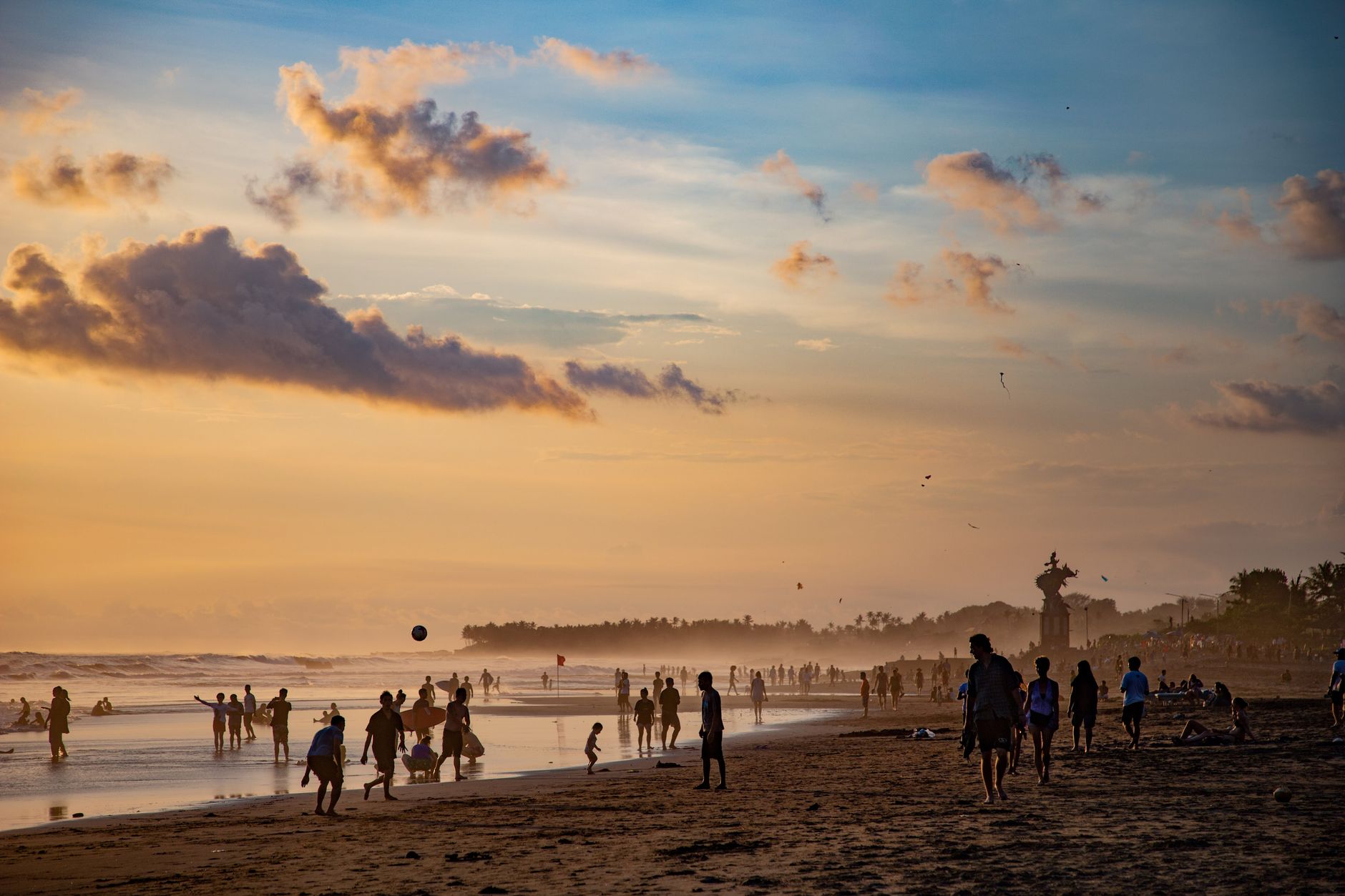


How Canggu came to be
Canggu's name belongs to the original fishing village on this stretch of coast, and for most of its history that's all it was — a quiet settlement with two sea temples, Pura Batu Bolong and Pura Batu Mejan, both attributed to the Hindu priest Dang Hyang Nirartha and both standing on rocky outcrops above the Indian Ocean for hundreds of years.
The first crack in that quiet came in 1990, when the village co-hosted an international surfing event and put the break on the map for a wider audience. The tempo stayed slow for another two decades. Then, following the saturation of Kuta, Legian, and Seminyak to the south, development arrived in force around the early 2020s — and by 2023–2024 the rice fields and open farmland had been largely absorbed into a dense grid of villas, hotels, and tourist infrastructure.
Who and what shaped it
People who shaped it
Landmark buildings
See Canggu in motion
Plan your visit
On the map
When to go
The dry season runs April through October — warm, lower humidity, and predictable enough for daily beach and surf routines. November to March brings heavier rain, with December and January the wettest months, though showers are often short and the sea stays warm year-round.
Right now
Background & history adapted from Wikipedia (CC BY-SA) · specs from Wikidata (CC0) · weather from Open-Meteo · map data © OpenStreetMap contributors · photos from Wikimedia Commons / Unsplash with per-image credit. No third-party reviews or social posts reproduced.