
Scottish Highlands
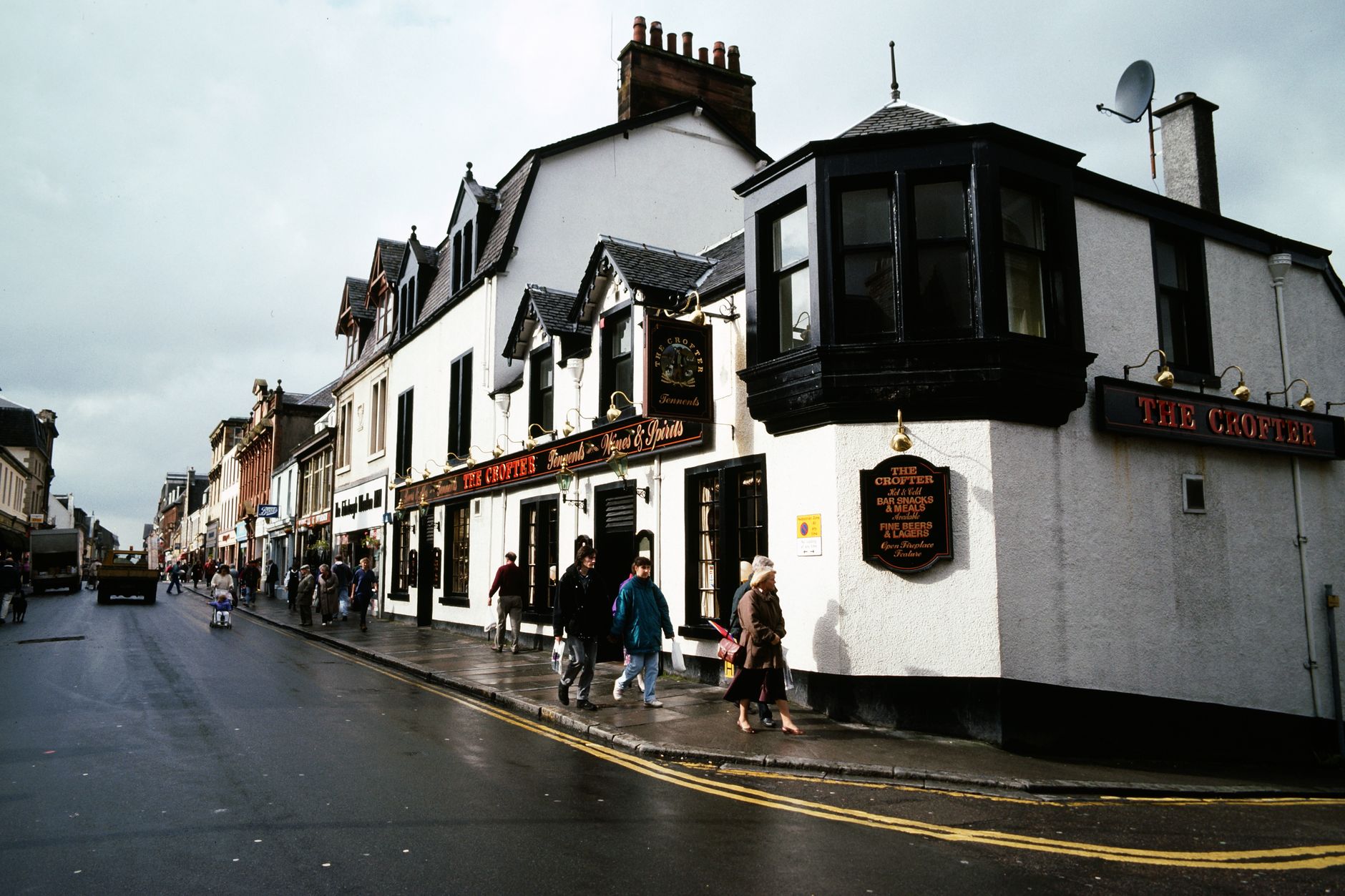
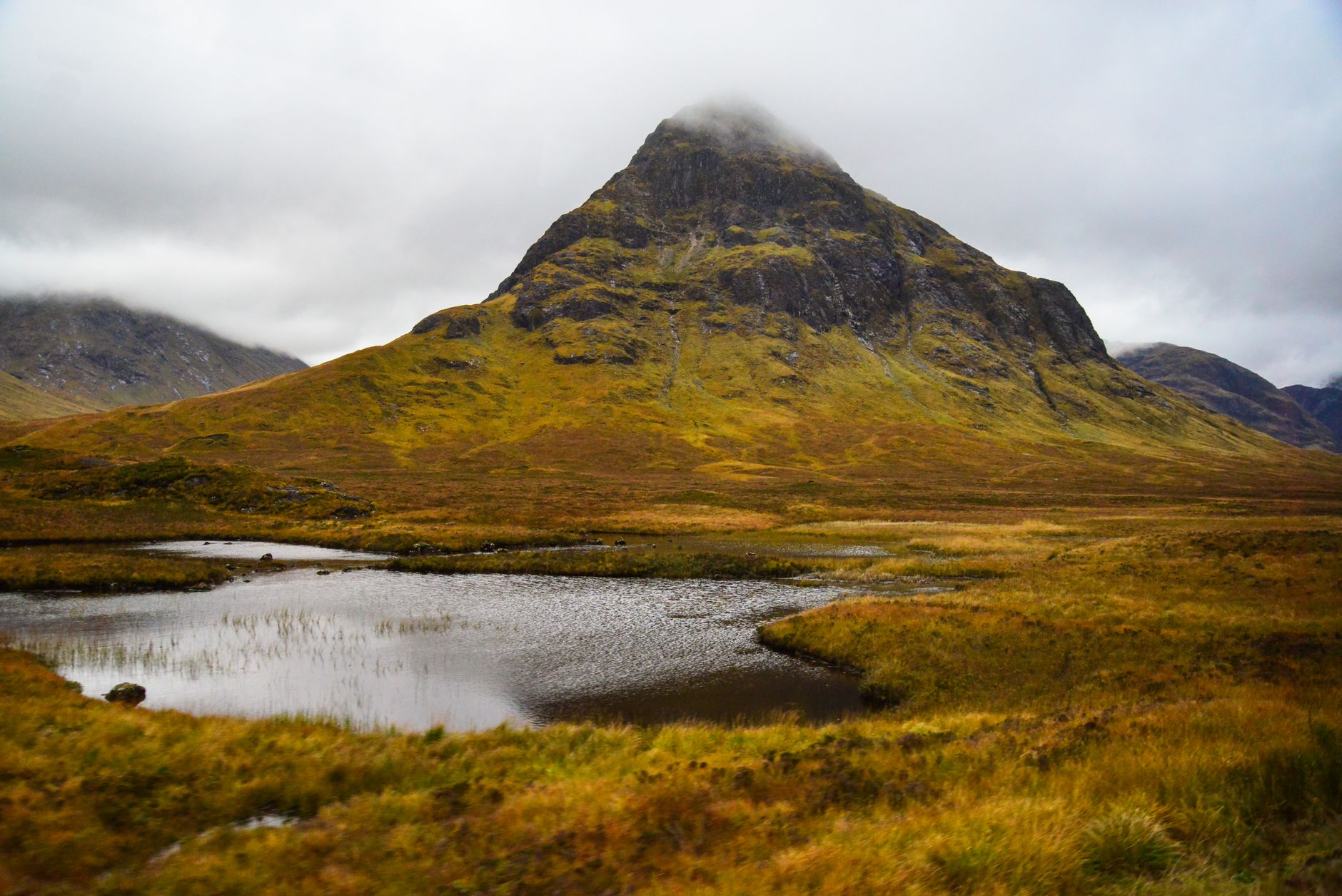
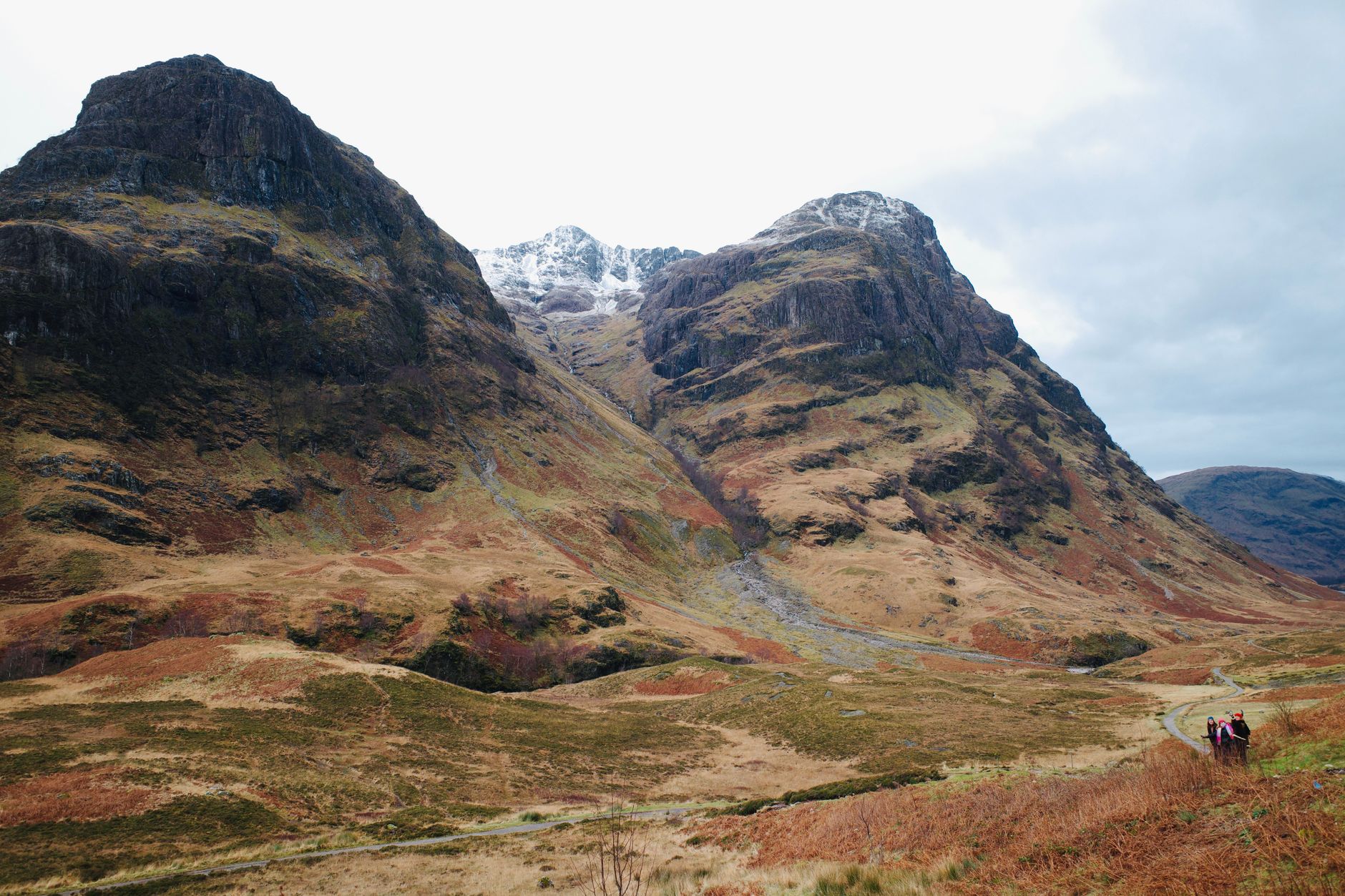
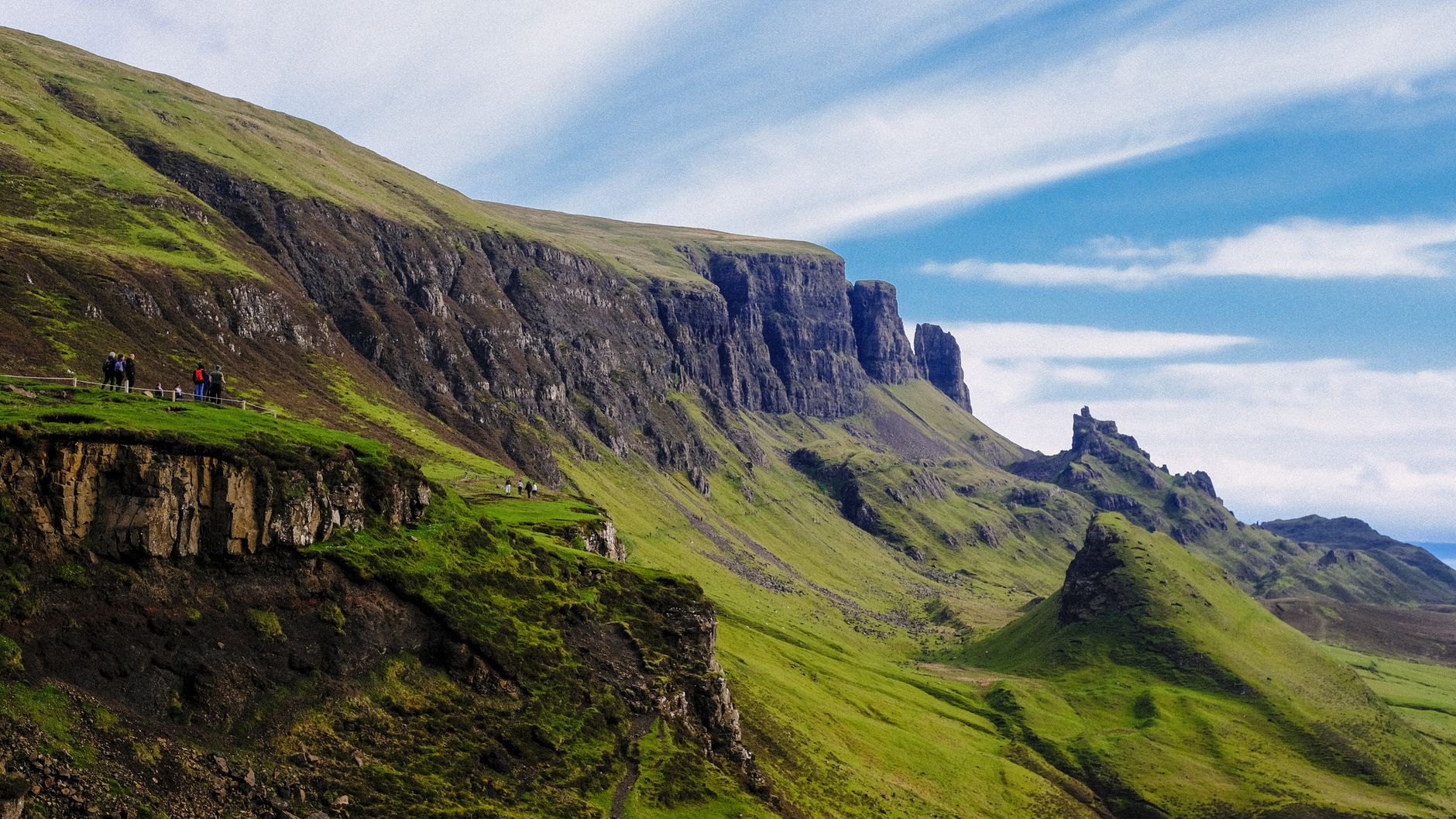
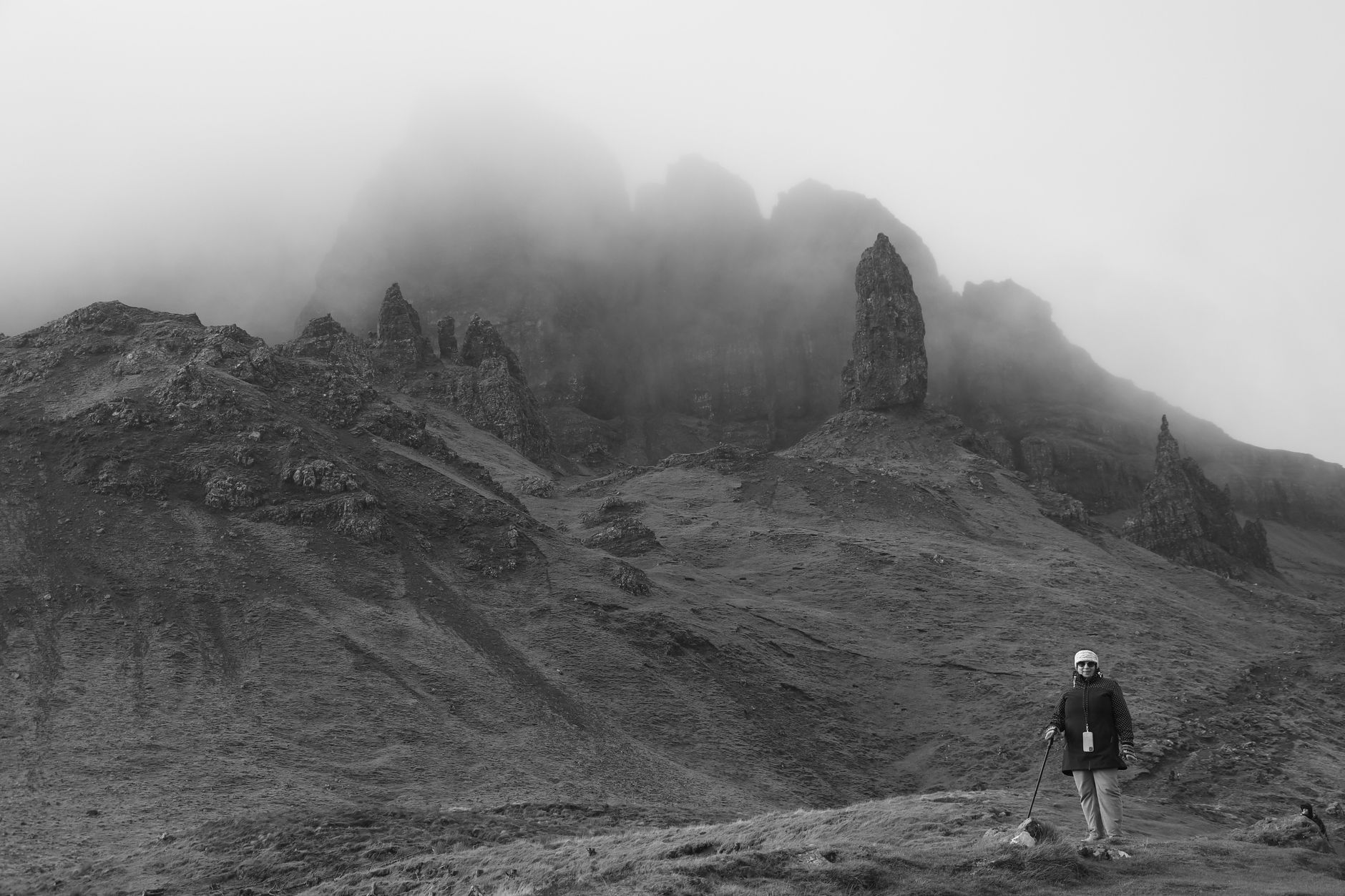
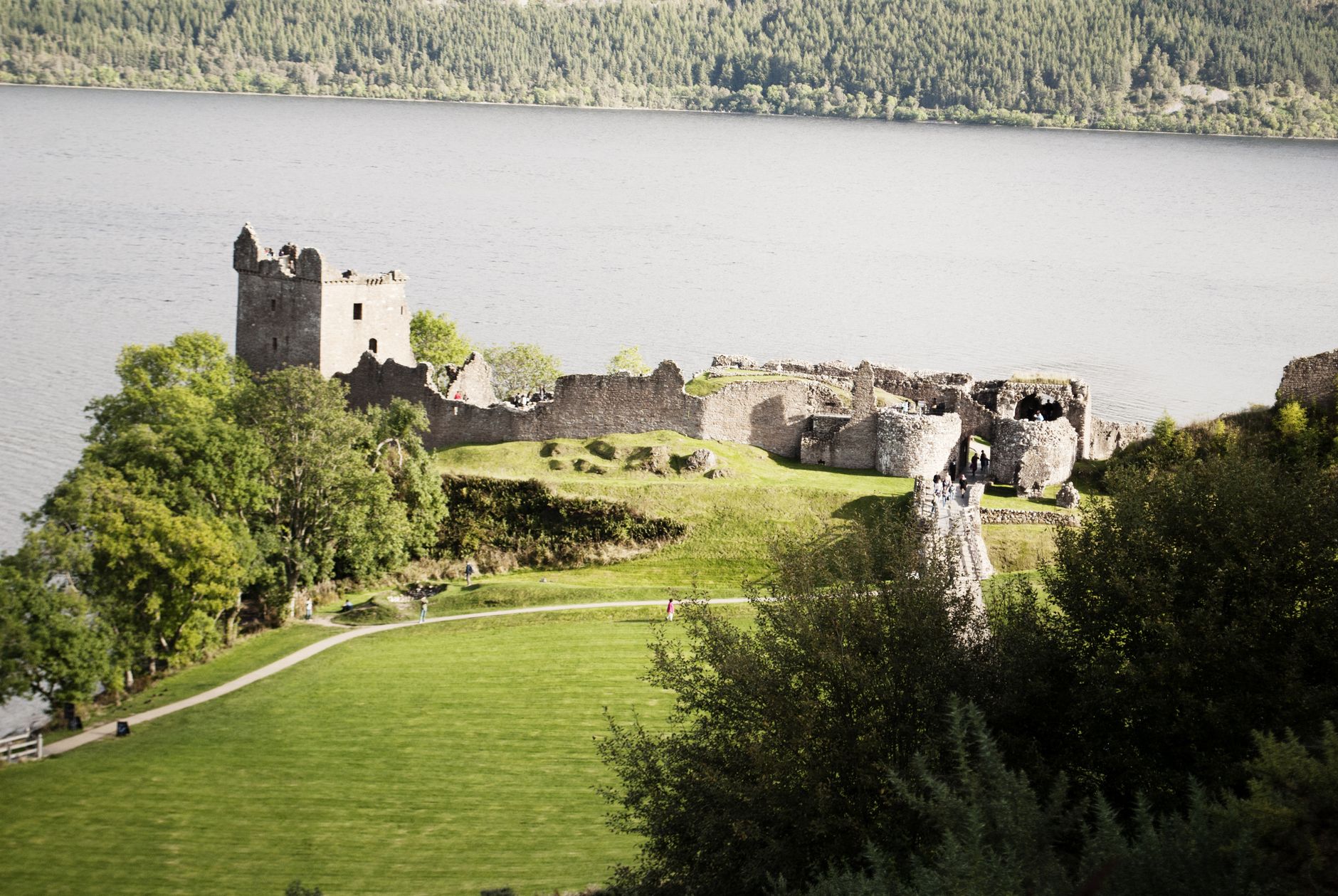
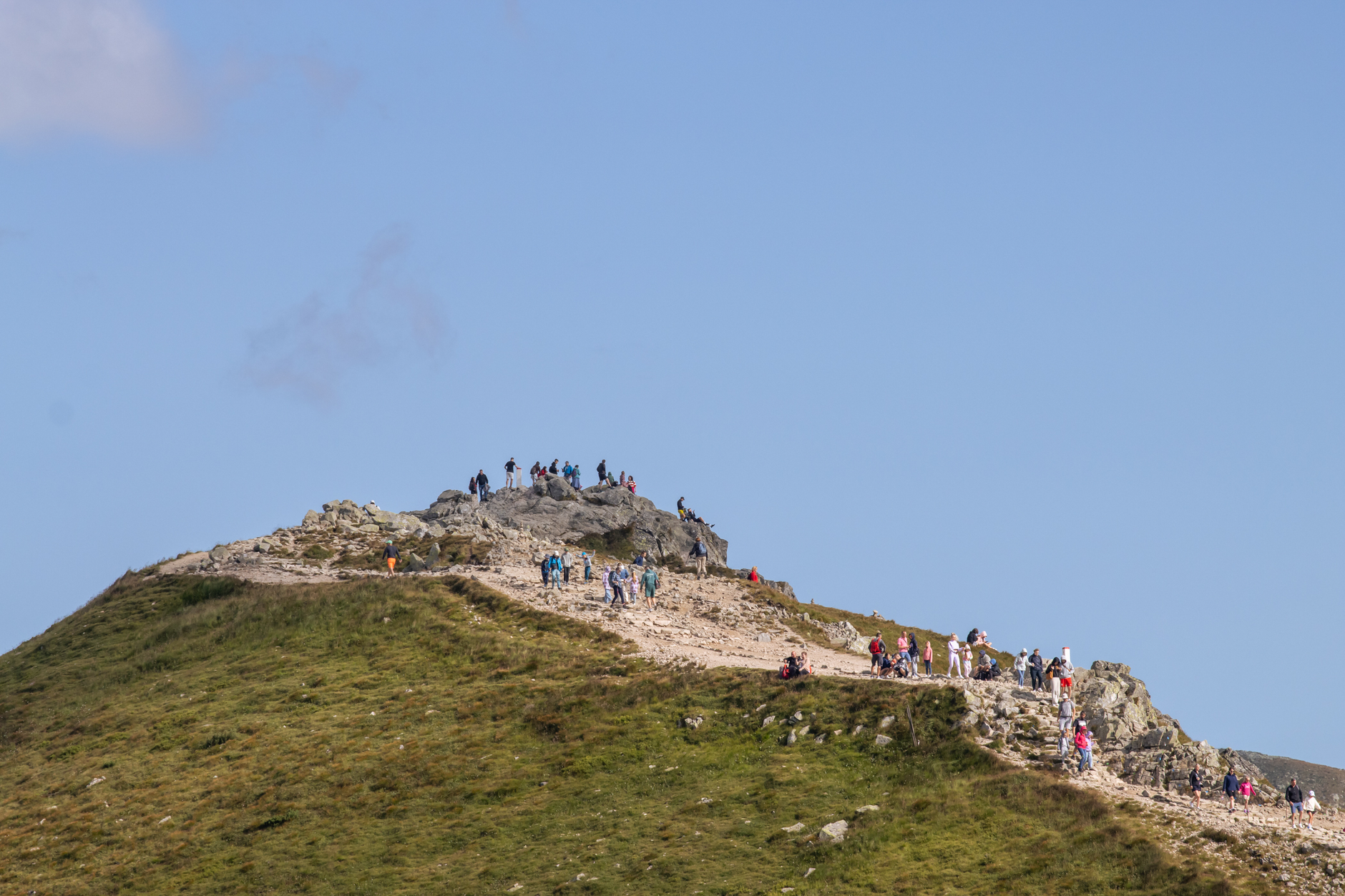
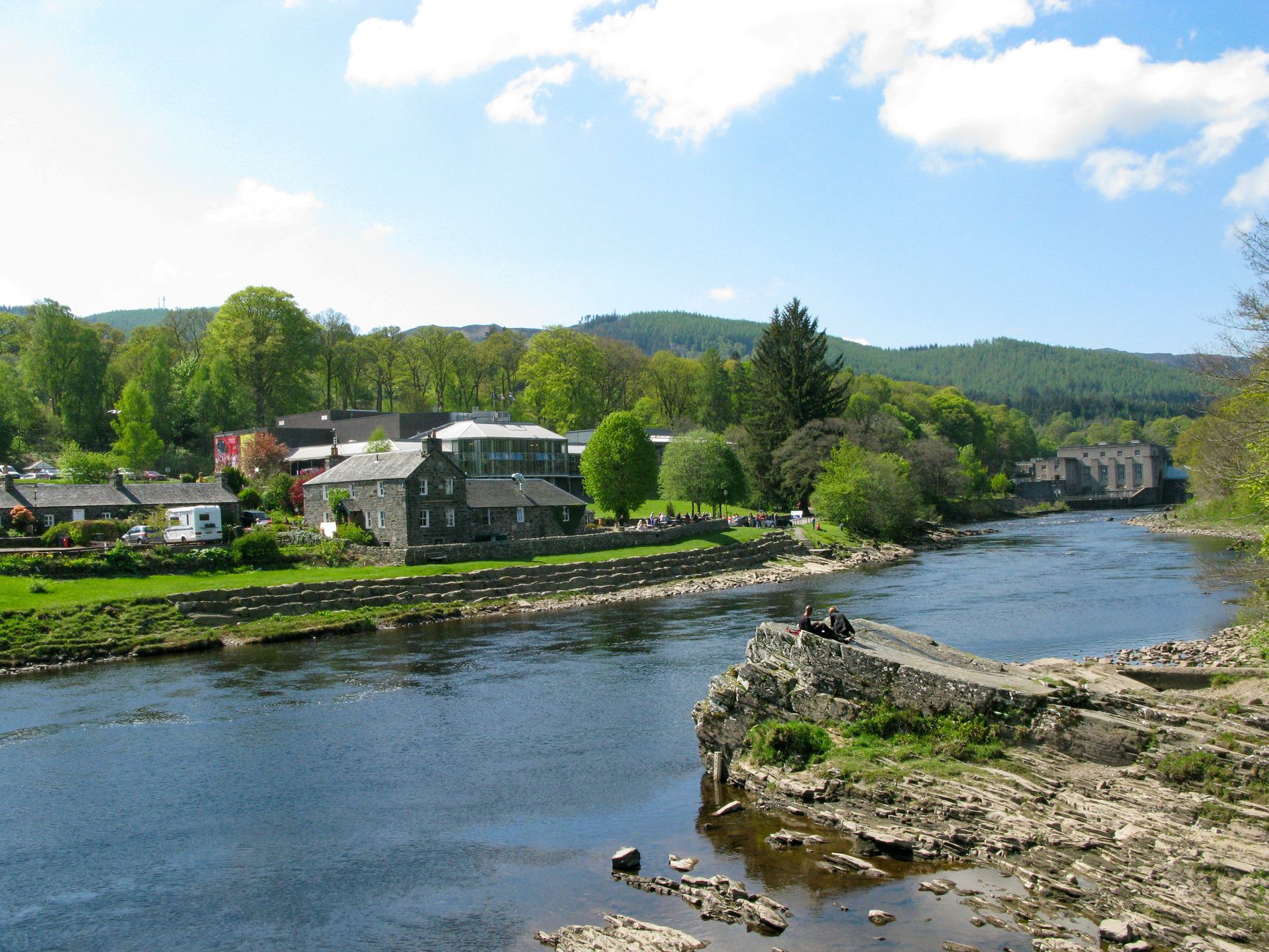
The Scottish Highlands is a place where scale does the talking. Ben Nevis rises to 1,344 metres — the highest point in the UK — and the glens that open beneath it stretch long enough to make you lose track of time and direction both. Castles stand at the edges of sea lochs: Eilean Donan, rebuilt after its destruction in the 1719 Jacobite uprising, is probably the most photographed building in Scotland for good reason.
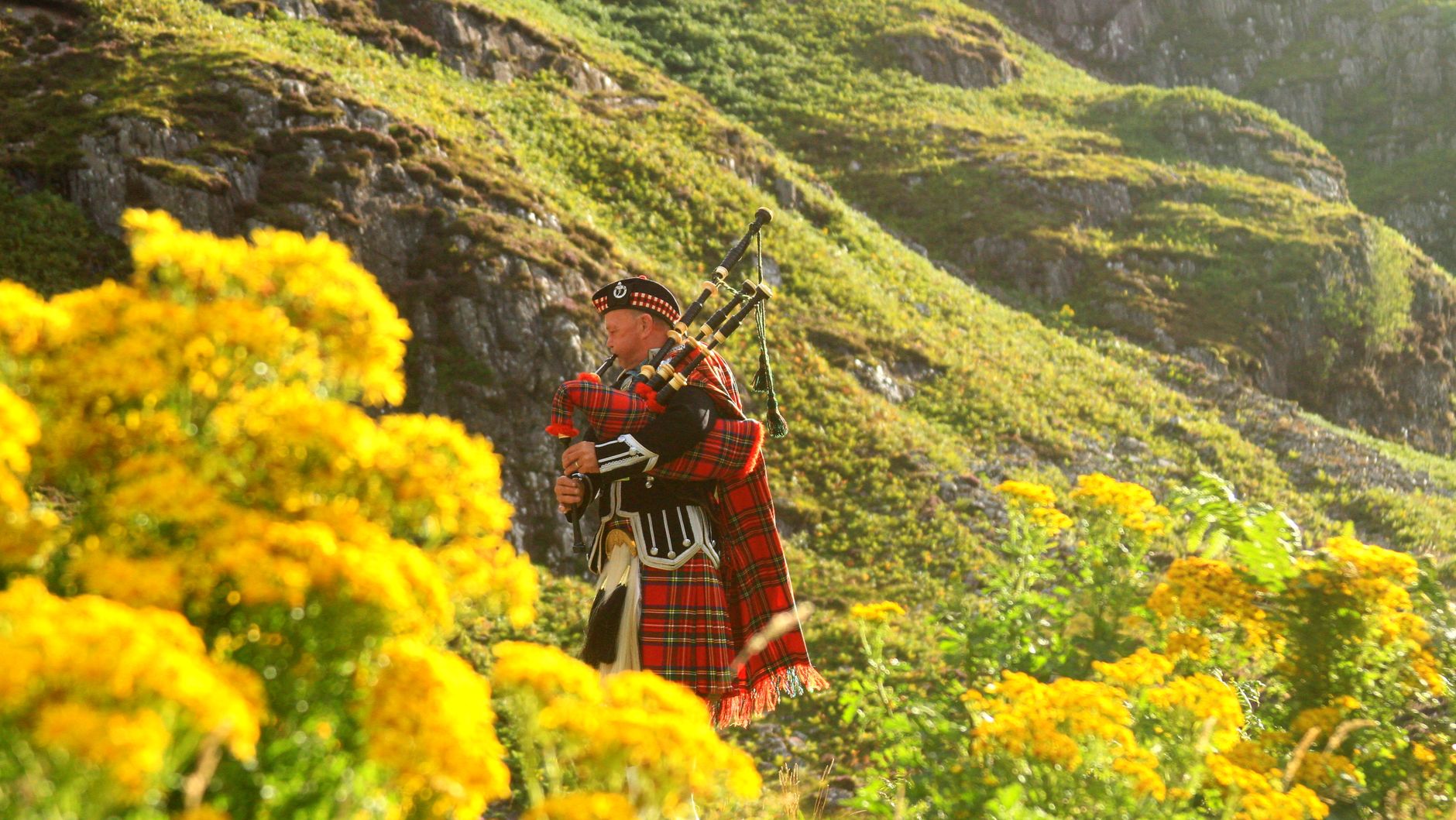
This is a region of Gaelic language, crofting culture, and a history that moves between quiet and violent with little warning. The Clearances, the clan feuds, the literary revival of the twentieth century — all of it sits in the landscape, if you know where to look.
Popular cities in Scottish Highlands
How Scottish Highlands came to be
The Highlands were Pictish territory before Gaelic-speaking settlers from the Hebrides reshaped the region's language and culture. Centuries later, the agricultural improvements of 1760–1850 brought a brutal reorganisation of land: during the Clearances, landowners replaced tenant farmers with sheep. In Strathnaver, Sutherland, around 1810–20, agents of the Sutherland family removed communities by force. Earlier still, in 1692, soldiers under Captain Robert Campbell killed 37 men and more than 40 women and children at Glen Coe on orders from John Dalrymple of Stair.
The crofters eventually fought back — through the courts, through the ballot box (their first, in 1885), and through the 'Crofters' War' that began in 1882. The Crofters' Act of 1886 gave them security of tenure and a commission to set fair rents. Writers like Neil Gunn and Nan Shepherd, and the poet Hugh MacDiarmid, carried the region's identity into the twentieth century.
Who and what shaped it
People who shaped it
Landmark buildings
See Scottish Highlands in motion
Plan your visit
On the map
When to go
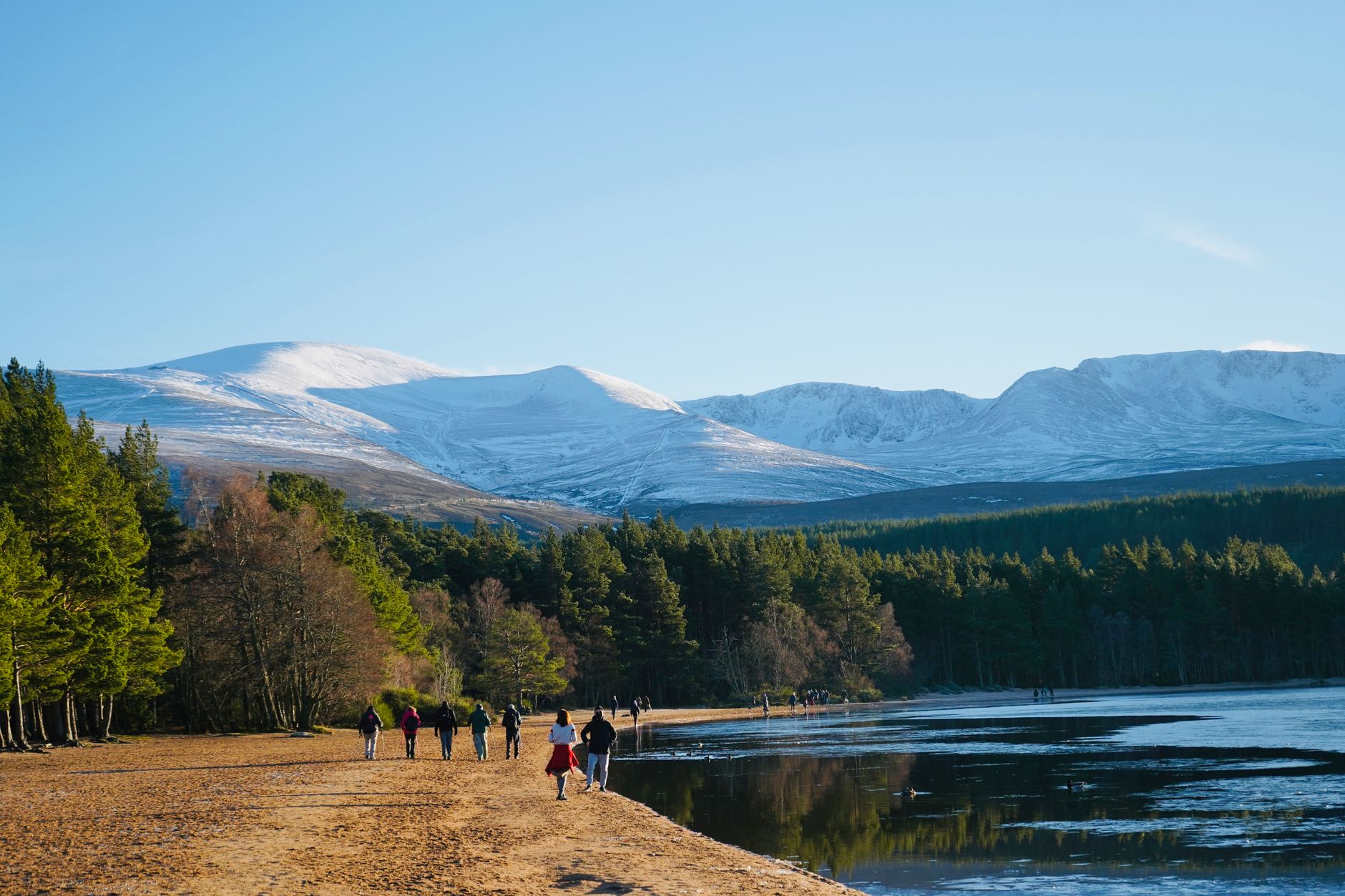
January and February average around 3°C, and even July and August rarely climb above 13°C, so layers are essential year-round. June through August brings the longest days and the most reliable light, though rain can arrive in any month without much notice.
Right now
↡ Cities
Background & history adapted from Wikipedia (CC BY-SA) · specs from Wikidata (CC0) · weather from Open-Meteo · map data © OpenStreetMap contributors · photos from Wikimedia Commons / Unsplash with per-image credit. No third-party reviews or social posts reproduced.