
Grantown-on-Spey
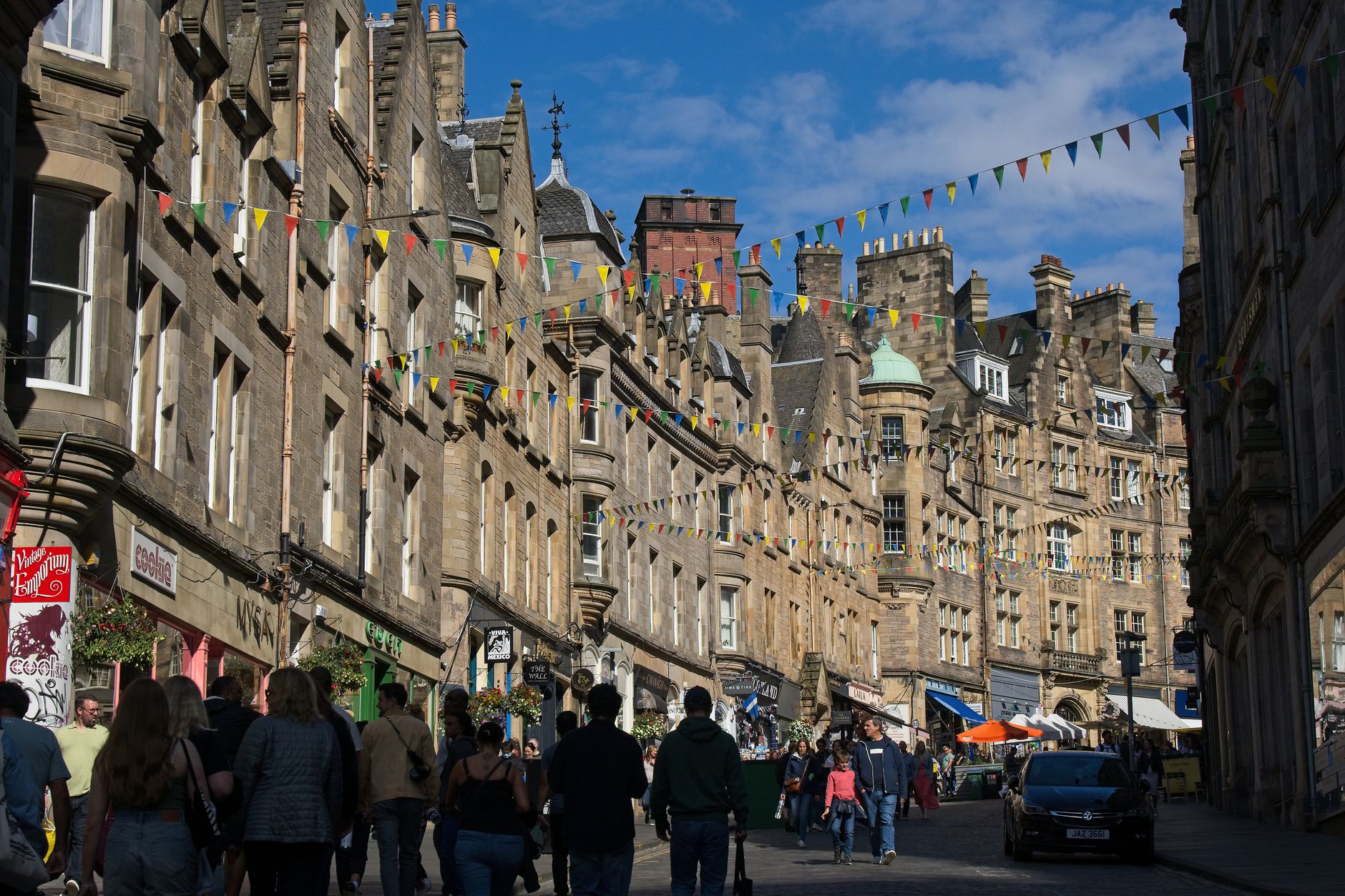
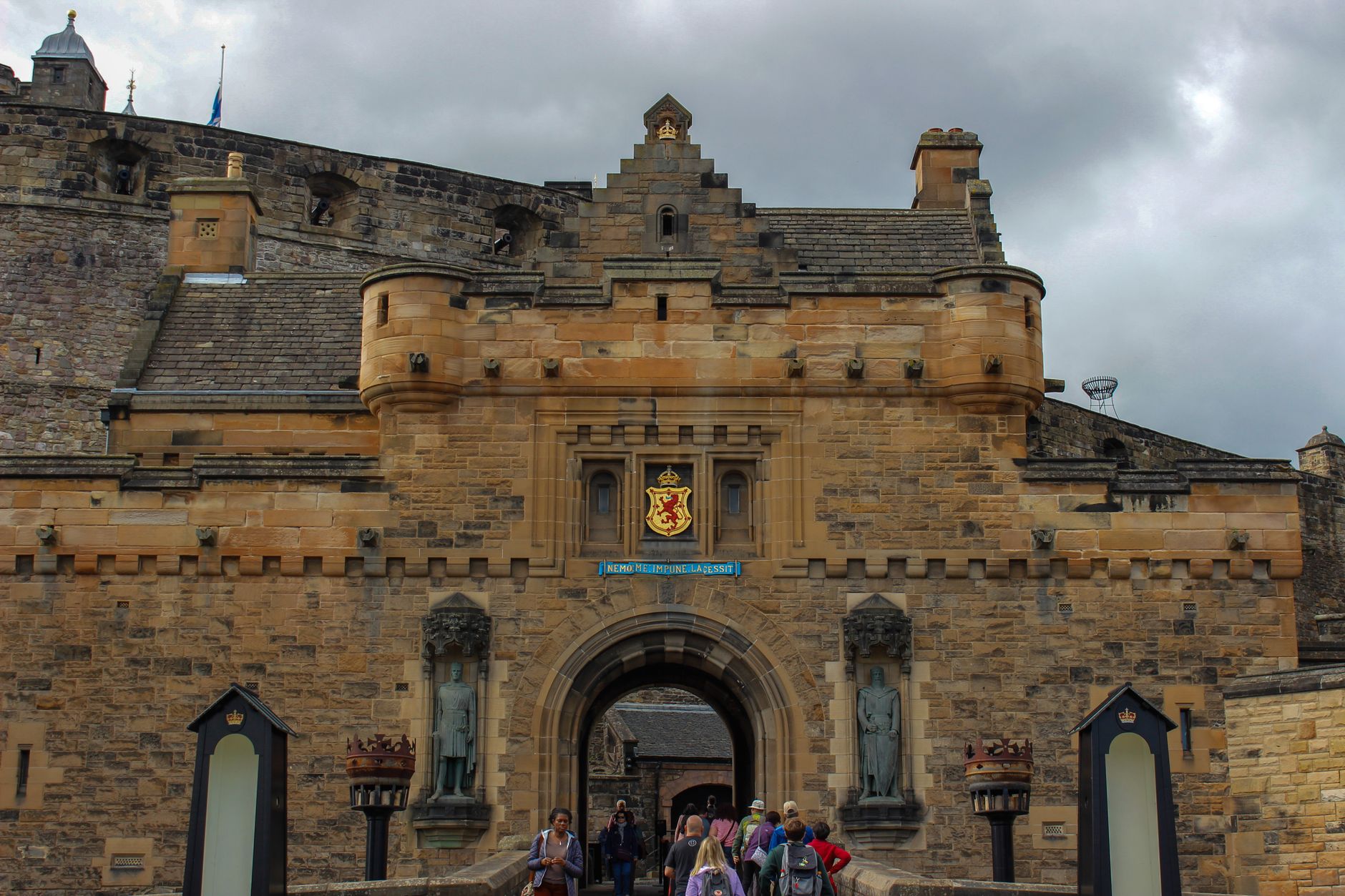
Grantown-on-Spey is one of Scotland's more deliberate creations — a town drawn up on paper before a single stone was laid, then built in one sustained push beginning in the summer of 1765. The main square still holds its Georgian proportions, flanked by stone hotels that have been taking in travellers since the coaching era, and the grid of streets running off it has a quiet, unhurried confidence that planned towns either achieve or never do.
Today the town sits at the northern edge of the Cairngorms, close enough to Aviemore's ski trails and visitor infrastructure to benefit from them, far enough away to feel like somewhere people actually live.
💛 What travellers fall for
People who come back tend to mention the Old Spey Bridge unprompted — the 1754 military bridge that now carries only walkers and cyclists, with the river running fast and peaty beneath it. The Grant Arms Hotel on the square is the obvious base; it's the same building that put up Queen Victoria in 1860, and it still anchors the town in a way that matters.
Deals in Grantown-on-Spey
Book directly at the provider


How Grantown-on-Spey came to be
On 28 June 1765, Sir James Grant — 8th Baronet, later known as 'Good Sir James' — laid the first stone of a linen manufactory and set a planned town in motion. His aims were practical: encourage trade, raise land values, slow emigration from the Highlands. The town formally opened 12 June 1766, and within a generation it had taken hold. By 1861 the population had reached 1,334, making Grantown second only to Inverness in Scotland's largest county.
The arrival of the railway in 1863 shifted the town's identity toward tourism, and the Victorian hotels along the square date from that era. The line closed to passengers in October 1965 — a loss the town still navigates, though the Strathspey heritage railway, currently running between Aviemore and Broomhill, has long-term plans to extend its track back here.
Who and what shaped it
People who shaped it
Landmark buildings
See Grantown-on-Spey in motion
Plan your visit
On the map
When to go
Winters are cold and often grey, with January highs around 3°C and barely an hour of daylight sun in December. Summer is short but genuine — July and August bring temperatures around 17–18°C and nearly six hours of sunshine a day in May, though rain is possible in any month and August is actually the wettest.
Right now
Background & history adapted from Wikipedia (CC BY-SA) · specs from Wikidata (CC0) · weather from Open-Meteo · map data © OpenStreetMap contributors · photos from Wikimedia Commons / Unsplash with per-image credit. No third-party reviews or social posts reproduced.